
Review · CROATIA COOKING CLASSES
Split Cooking Class
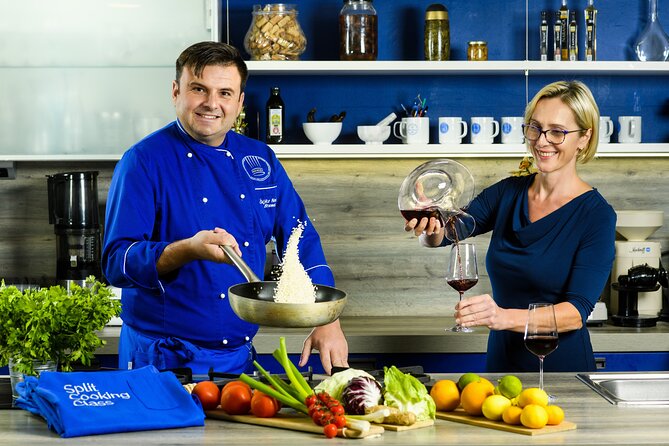
Split’s best cooking lesson starts before you reach the kitchen. At the Green Market and Fish Market, you help choose the produce and seafood that will become lunch, then carry that local connection into a working cooking academy. Chefs such as Marin, Željko, and Drago explain the food, the city, and the practical skills behind Croatian home cooking.
I like the market shopping because it gives the class a clear sense of place, and I like the hands-on work because you do more than watch a chef perform. You may clean fish, prepare bread, build a sauce, or work on dessert, depending on the menu and the group.
The main consideration is price: at $211.72 per person, this is not a cheap meal with a demonstration attached. It makes better value for people who want five hours of food, instruction, drinks, market time, and conversation, rather than a quick cooking activity.
Key points at a glance
- Start with Split’s food markets: The morning option includes the Green Market and Fish Market before cooking begins.
- Learn from working chefs: Marin, Željko, Drago, and other instructors bring restaurant experience and practical kitchen skills.
- Expect real participation: You may prepare fish, bake bread, make risotto, handle vegetables, and help with dessert.
- Plan for a full morning and lunch: The class begins at 9 a.m., lasts about five hours, and ends with the meal you helped make.
- Small groups help: The maximum is 12 people, though off-season groups may be smaller.
- Check dietary needs early: Vegetarian meals and food-allergy adjustments are available when requested at booking.
Why the market visit makes the class worth considering
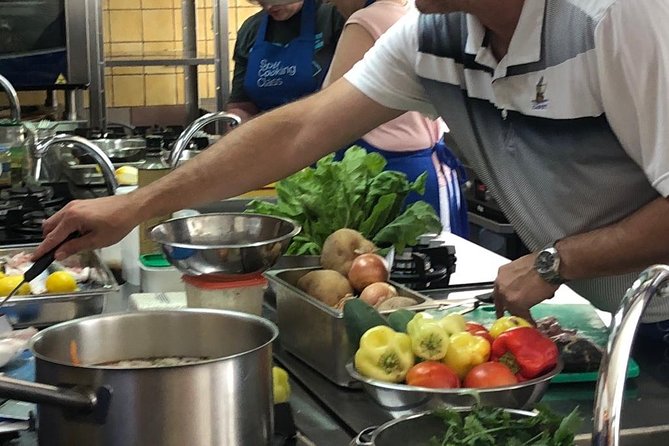
Many cooking classes begin with pre-measured ingredients waiting on a counter. This one can begin with a walk through Split’s food markets, which changes the whole tone of the morning.
At the Green Market, you see the produce side of local shopping and learn how seasonal ingredients fit into Dalmatian cooking. The chef also adds some Split history while walking from one stop to the next. That short city walk is useful if you are still finding your way around the center, since the meeting point at Hrvojeva 4 is close to Diocletian’s Palace.
The Fish Market gives the class a sharper local edge. You see what is available from fishermen and learn how fish is selected for the meal. The market stop is especially useful if you come from a place with a smaller range of seafood. It turns an unfamiliar ingredient into something you can recognize and handle.
The market portion does involve walking, though only a small amount is required. If that is not a good fit for you, you can book a class without the vegetable and fish market tours. That option loses some of the local shopping flavor but keeps the kitchen portion.
More Cooking Classes in the world:
- Half-Day Thai Cooking Class at Organic Farm in Chiang Mai
★ 5.0 · 19,087 reviews - Florence: Pasta Cooking Class with Unlimited Wine
★ 4.9 · 10,285 reviews - 3 in 1 Cooking Class near Navona: Fettuccine, Ravioli & Tiramisu
★ 5.0 · 7,376 reviews
From fish preparation to bread and dessert
Once you reach the cooking academy, the pace shifts from walking and looking to chopping, mixing, cleaning, and cooking. The facilities are described as professional and air conditioned, a welcome detail on a warm Split morning or a rainy day when outdoor sightseeing is less appealing.
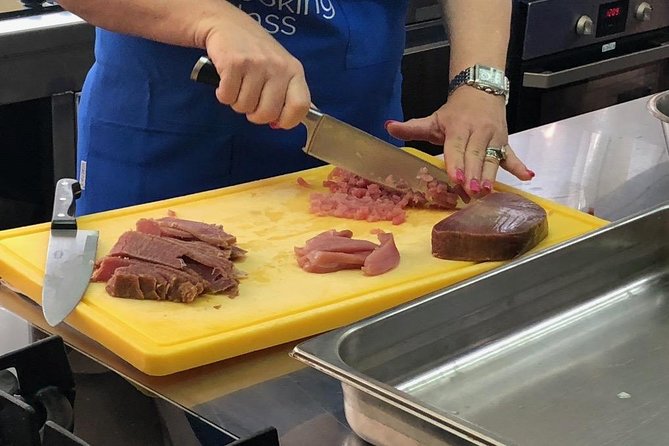
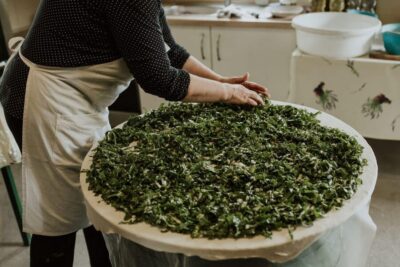
You are not simply placed at a table while the chef does the work. The class is designed for participation at every level. You might clean and filet a fish, prepare vegetables, make a risotto, bake bread, create a sauce base, or work on dessert. One class included stingray, which shows that the food may go beyond the seafood dishes most people already know.
The exact menu can vary, so do not book expecting one fixed set of dishes. Past classes have included seafood, bread, desserts, risotto, and vegetables such as Swiss chard with potatoes and garlic. A Croatian starter or multi-course meal is part of the general format, but the market and the chef’s plan help shape what appears on the table.
That changing menu is a benefit if you like seasonal cooking. It is less useful if you need a guaranteed dish or have a very narrow list of foods you eat. Tell the school about allergies or dietary needs when you book, not after you arrive.
What the chefs add to the day
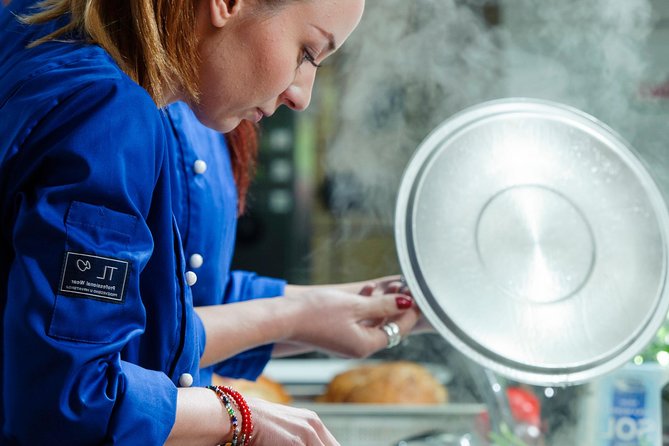
The individual chef can shape your morning, and several names come up often in the class details. Marin is praised for his enthusiasm and for making the kitchen feel social. Željko is described as patient and willing to answer questions while you work. Drago brings a relaxed manner and helps students move through each stage without taking over.
The important point is not celebrity. These chefs have worked in some of Croatia’s top restaurants, yet the teaching style is practical rather than showy. You get explanations about why a dish is made a certain way, how to treat an ingredient, and what techniques can be repeated at home.
That makes the class suitable for beginners, but experienced home cooks will also have something to do. Fish preparation, bread making, and sauce work are useful skills even if you already know your way around a kitchen. The class also gives you a chance to ask questions that a cookbook cannot answer.
You should come ready to participate. This is not a performance where you sit back with a glass of wine while someone else prepares lunch. The relaxed atmosphere helps, but you are expected to cook.
A generous lunch at the end
The reward for the chopping and cooking is a shared meal at the academy. Beverages, snacks, coffee or tea, wine tasting, and lunch are included in the stated package. Some classes begin with snacks and drinks before the main work starts, which helps the group settle in.
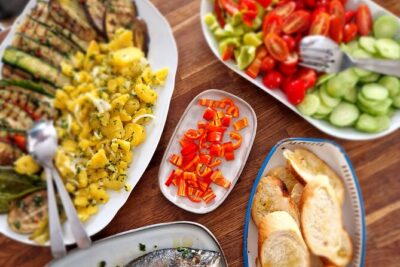
The final meal is part of the lesson, not an unrelated restaurant stop. You taste the dishes you helped prepare and see how separate tasks become a complete Croatian meal. Risotto has been a particular success for some groups, and the seafood dishes offer a direct link to the morning fish market.
The shared table matters here. Croatian food is tied to eating together, and the class keeps that social side intact. You cook with the other people in your group, compare results, and sit down together at noon. It feels closer to a family lunch than to a formal tasting menu.
Come hungry. Five hours with snacks, wine, and a substantial lunch is a lot of food. If you have a packed sightseeing schedule, you may find the class fills most of your morning and early afternoon. That is a reason to protect the rest of the day rather than squeeze in a major museum or long excursion afterward.
Same region, a different dish to learn:
- Florence: Pasta & Tiramisu Cooking Class with Unlimited Wine
★ 4.9 · 6,708 reviews - Florence: Pasta Cooking Class with Unlimited Wine
★ 5.0 · 6,413 reviews - Hanoi Cooking Class: Culture, Local Market & Meaning CSR Impact
★ 5.0 · 5,147 reviews - 5 Traditional Dishes Hanoi Cooking Class with Market Trip
★ 5.0 · 4,890 reviews
Group size, pace, and who will enjoy it most
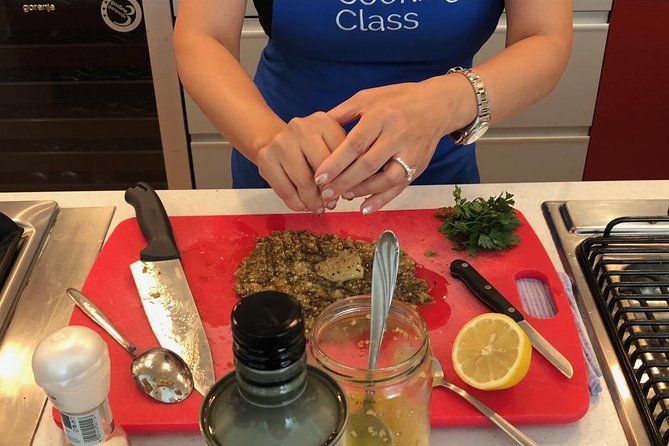
The maximum group size is 12. That is large enough for a social morning but small enough for the chef to move around and offer help. Off-season classes can be much smaller, which may give you more time to ask questions and work directly with the instructor.
The class suits couples, families, solo food lovers, and friends who enjoy doing something together. It also works well for people who want a break from monuments and churches. You learn about Split through what people buy, cook, and eat, rather than through a standard sightseeing route.
Families should note that the class requires active participation. One family group with two daughters enjoyed the teaching and the relaxed mood, but the cooking itself is the focus. Children who like helping in a kitchen may enjoy it more than children who want a passive activity.
The class is also a good rainy-day choice. The market walk is short, the academy has air conditioning, and much of the morning takes place indoors. Still, anyone who dislikes seafood, fish preparation, or handling raw ingredients should ask about the menu before booking.
Is $211.72 a fair price?
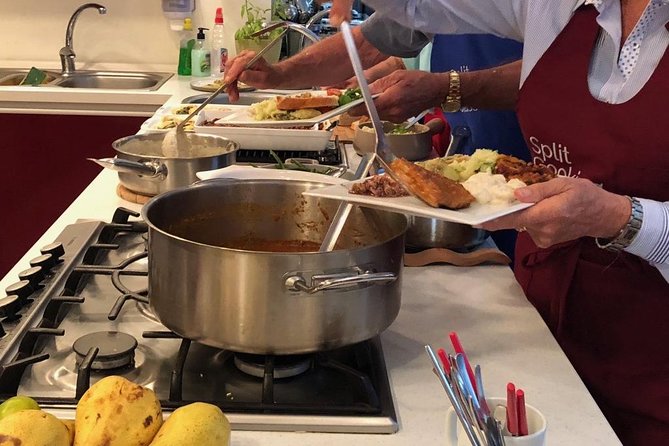
At $211.72 per person, the class sits firmly in the premium cooking-class range. You are paying for roughly five hours, market visits, a professional kitchen, chef instruction, ingredients, snacks, drinks, wine, and lunch. You are also paying for the chance to learn techniques that can travel home with you.
The value depends on what you want from a food activity. If you only want to eat Croatian food, you can spend less at a local restaurant. If you want a short demonstration, this class may feel too long and too costly.
I think the price makes more sense for people who value the full process. You shop, ask questions, prepare food, and sit down to eat it. The market visits and the small-group format add more than a basic meal, while the restaurant background of the chefs gives the instruction some weight.
You also need to consider the opportunity cost. Five hours is a substantial part of a short stay in Split. If your trip lasts only a day or two, compare this class with the sightseeing you would miss. If you have several days, it can be a rewarding way to slow down and see a less packaged side of the city.
Practical details before you reserve
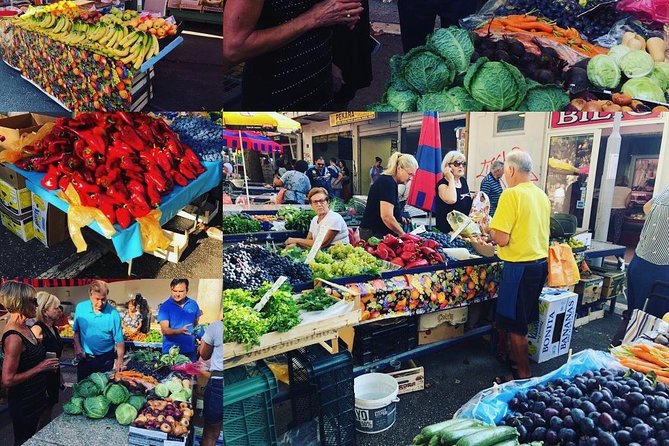
The morning class starts at 9 a.m. at Hrvojeva 4, 21000 Split. It ends back at the meeting point, and the location is walkable from the area around Diocletian’s Palace. Hotel pickup and drop-off are available only if you select that option.
The class is offered in English and uses a mobile ticket. Confirmation is sent at booking. Since the morning includes a market walk, wear comfortable shoes and allow the full five hours rather than planning a tight connection afterward.
Tell the operator about vegetarian needs, food allergies, or other dietary requirements when booking. A vegetarian option is available, and the company says it can accommodate food allergies. If you prefer not to visit the markets, ask for the version without the vegetable and fish market tour.
Free cancellation is available if you cancel at least 24 hours before the start time. Cancellations or changes inside that window are not refunded or accepted. The class also requires a minimum number of participants, so a cancellation by the operator may lead to another date, another experience, or a full refund.
Who should book this Split cooking class?
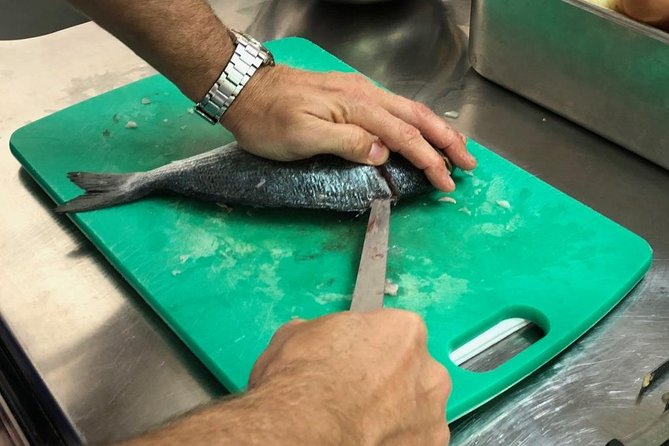
I would choose this class if you like food enough to spend a morning making it, not just eating it. It is especially good for anyone curious about seafood, seasonal produce, Croatian home cooking, and the small decisions that shape a meal.
It is a strong pick for couples and families who want a shared activity, and for solo visitors who enjoy meeting people around a table. It also suits experienced cooks who want to learn fish preparation, bread techniques, or local ways to use vegetables.
I would hesitate if you are looking for a low-cost food tour, dislike hands-on work, or have a very limited diet that makes a changing market menu difficult. The market-free version may help with the walking, but the kitchen still asks you to participate.
For most food-focused visitors with enough time in Split, I think the market-to-table format earns its place. You leave with a full meal, new kitchen skills, and a better sense of how Dalmatian food connects the city, the sea, and the shared table.
FAQ
Where does the Split cooking class begin?
The class begins at Hrvojeva 4, 21000 Split, Croatia, at 9 a.m. It ends back at the same meeting point.
How long does the cooking class last?
The activity lasts approximately five hours, including the market visits, cooking, and meal.
Does the class include a visit to Split’s markets?
The morning class includes visits to the Green Market and Split Fish Market. A version without the vegetable and fish market tours is also available.
Is lunch included?
Yes. Lunch, snacks, beverages, coffee or tea, and wine tasting are included in the stated package.
Can I request vegetarian food or report an allergy?
Yes. A vegetarian option is available, and you should provide any dietary requirements or allergy information when booking.
How many people can join the class?
The class has a maximum of 12 participants. The group may be smaller during the off-season.
Newest classes around the world
- Aroidee’s Farm-Fresh Thai Cooking Experience★ 5.0 · 8 reviews
- Authentic Thai Cooking Class and Farm Visit in Chiang Mai★ 5.0 · 66 reviews
- Signature Thai Cooking Course★ 5.0 · 79 reviews
- Half Day Guided Thai Cooking Class in Chiang Mai★ 5.0 · 13 reviews
- Yummy Tasty Thai Cooking School in Chiang Mai★ 5.0 · 2 reviews
- Private Half-Day Thai Cooking Class in Chiang Mai★ 5.0 · 4 reviews
- Online Thai and Akha Cooking Class★ 5.0 · 70 reviews
- Northern Thai Cooking Class in Chiang Mai in a Countryside Home★ 5.0 · 2 reviews
Croatia Cooking Classes, compared.
Traditional Cooking Class in Dubrovnik Countryside
Read our review →
Traditional Dalmatian Cooking Class from Dubrovnik
Read our review →
Browse the lists this tour appears in