
Review · TIRANA COOKING CLASSES
Traditional Albanian Cooking Class in Tirana & Raki Tasting
Tirana’s best food lesson may be the one that refuses to feel like a formal lesson. You cook burek, chicken with pershesh, and sheqerpare beside a local chef, then sit down to eat it all with meze, wine, raki, music, and possibly some dancing. Dervis and Marius bring the warmth and humor that make the evening feel like a meal with Albanian friends.
I like the generous spread of extra food, from olives and fried peppers to homemade jams and gliko. I also like the careful cultural details, such as why certain ingredients are used and how Albanian hospitality often means sending people home with food. The main consideration is the alcohol-centered atmosphere: wine and raki flow freely, so this may not be the right pick if you want a quiet, strictly culinary class.
Key points at a glance
- Three traditional dishes: Learn to prepare burek with cottage cheese, village chicken with pershesh, and sheqerpare.
- A full table, not just a lesson: Appetizers, bread, cream cheese, jams, gliko, wine, and water come alongside the dishes you cook.
- Hosts who explain the why: Dervis and Marius connect cooking methods with Albanian food customs and daily life.
- Social by design: Shared cooking, communal dining, conversation, music, and spontaneous dancing are part of the evening.
- Good value at $44: Four hours of food, drinks, instruction, and entertainment make this a strong use of one evening in Tirana.
- Flexible for dietary needs: Vegetarian, vegan, pescatarian, halal, lactose-free, and other requests can be accommodated if you give notice.
A four-hour introduction to Albanian home cooking
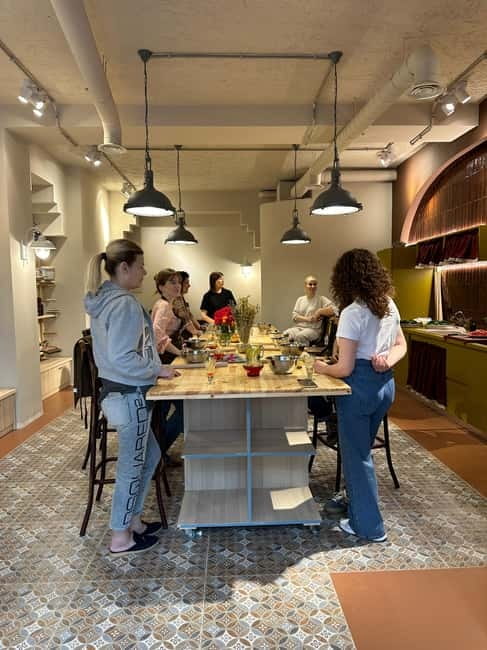
This experience begins with a welcome from the local chef in a cozy cooking space. The opening matters because you are not simply handed a recipe and told to get started. You first hear how fresh ingredients, family customs, and hospitality shape Albanian food.
The class is conducted in English. Dervis is the host most often named in the feedback, with Marius also leading sessions. Both are described as warm, funny, patient, and clear in their explanations. That combination is useful for a mixed group, since some people arrive eager to cook while others may rarely prepare food from scratch.
You receive an overview of the dishes before the practical work begins. This gives the evening a sensible rhythm: listen first, cook together, then eat at a relaxed communal table. The four-hour length allows enough time for conversation and tasting without turning the class into a rushed demonstration.
You should arrive hungry. The food begins before the main recipes are finished, and the portions can be large enough to leave you full well before the final sweet. Some people have even taken extra dessert or leftovers home.
More Food and Drink Outings in Albania:
- Tirana: Traditional Cooking Class with Wine & Raki Tasting
★ 5.0 · 284 reviews - Cooking Classes and Traditional food tasting in Tirana
★ 5.0 · 282 reviews - Traditional Albanian Cooking Class in Tirana with Raki Tasting
★ 5.0 · 125 reviews
Rolling burek dough and learning the small details
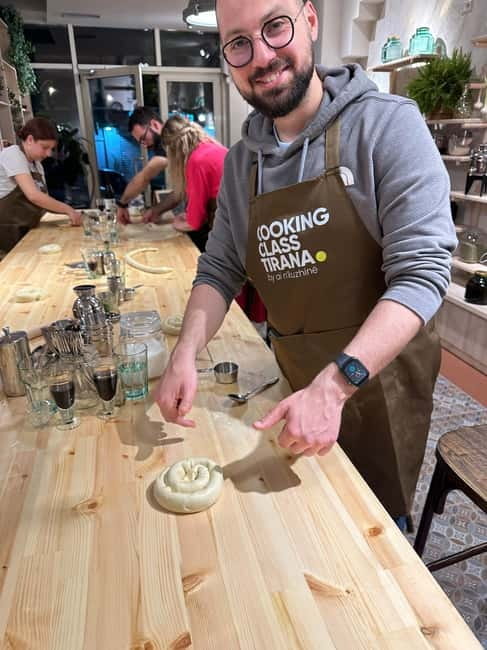
Burek is one of the class’s central projects. You work with dough and learn how to roll it, fill it with cottage cheese, and prepare it for baking. This is the sort of task that teaches more than a list of ingredients. You see how texture, thickness, seasoning, and handling affect the finished dish.
The lesson moves at a pace that suits beginners. You are guided step by step rather than expected to know how Albanian pastry works already. That makes this a practical choice for couples, solo visitors, and families with different levels of cooking experience.
The burek also offers a useful look at the broader region’s food traditions. Similar filled pastries appear across the Balkans, but the filling and preparation reflect local tastes. Here, cottage cheese gives the dish a familiar, comforting character, while the hands-on work helps you understand why homemade pastry feels different from a quick restaurant order.
Do not expect to leave with a professional pastry certificate. The value is in learning a technique you can try again at home, with enough guidance to make the attempt realistic.
Village chicken with pershesh and a taste of Albanian custom
The main savory dish is village chicken with pershesh. You learn how to season the chicken and prepare the accompanying bread-based element, with the chef explaining the method as you work.
Pershesh is especially useful for understanding the generous side of Albanian cooking. It is hearty, filling, and suited to a table where food is meant to be shared. The class presents the dish as part of a larger meal rather than as an isolated recipe, which helps you see how Albanian dining often works in practice.
The cooking instruction also includes small points that are easy to miss in a restaurant. Past participants found value in explanations about olive oil, seasoning, and even the proper way to sprinkle salt. These details may sound minor, but they are often what separates a recipe copied from a menu from one that feels connected to a household kitchen.
If you do not eat chicken, mention it when booking. The provider states that vegetarian, vegan, pescatarian, halal, lactose-free, and other dietary requirements can be accommodated. One vegetarian version used zucchini in place of chicken for the pershesh and related bread preparation. You should still give clear details in advance, since the menu needs to be adjusted before the class.
Sheqerpare, jams, and the sweet finish
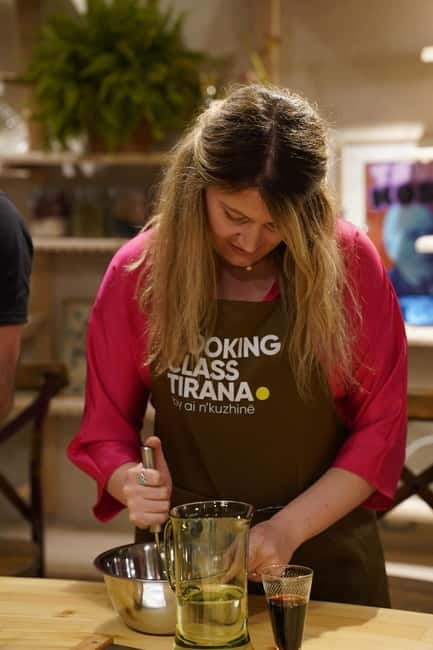
The dessert is sheqerpare, a traditional Albanian sweet. You take part in preparing it, then taste it after the meal. This gives the class a complete arc, from pastry and savory food to a dessert that reflects the country’s fondness for syrup-soaked sweets.
The dessert is not the only sweet offering. Traditional Albanian jams and gliko are included for tasting. Gliko is fruit preserved in syrup and often served as a special treat. It adds another layer to the class because you are not just eating a final course, you are sampling the kind of preserved food associated with generosity and home hospitality.
The amount of food is one reason I consider this experience good value. Alongside the three dishes you help make, the host prepares additional appetizers and sweets. If you are planning a late dinner afterward, rethink that plan. The better approach is to keep the evening open and let this meal serve as your main event.
More Cooking Classes in Albania:
- Berat Cooking Class
★ 4.9 · 131 reviews - Tirana Cooking Class – Traditional Albanian Recipes
★ 5.0 · 33 reviews - The secrets of Albanian cuisine: cooking lesson in Tirana
★ 5.0 · 21 reviews - Berat: Discover Albania with Cooking Class w/ Drink Tastings
★ 5.0 · 19 reviews
Meze arrives before the cooking is finished
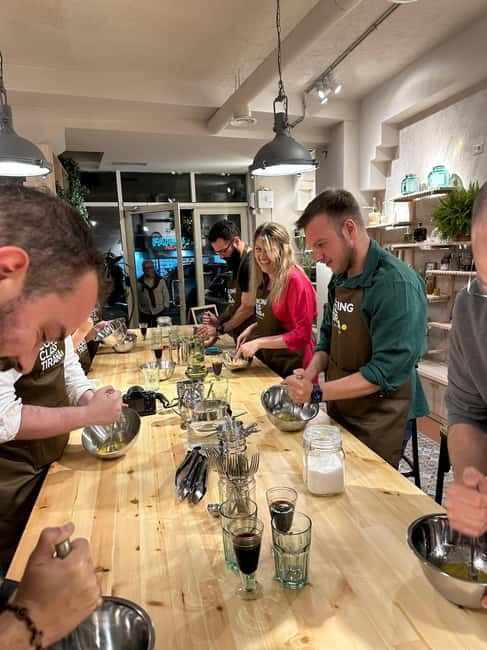
The class includes a spread of simple Albanian starters: olives with oregano, fried peppers, cream cheese, and fresh bread. These are not filler items. They give you something to taste while the main dishes are being prepared and introduce the clean, familiar flavors that anchor the meal.
The meze also helps turn the cooking space into a social room. You can snack, talk with the people beside you, and ask the chef questions without waiting for a formal question period. If you come alone, the shared setup makes it easier to meet others. One solo participant described being paired with another person, which helped start conversations quickly.
This is a group activity, not a private chef lesson. That can be a strength if you enjoy company and want to meet people from different countries. It can be a drawback if you want individual attention throughout every stage of every recipe. The tone is lively and informal rather than quiet and technical.
Wine, raki, and the rhythm of the evening
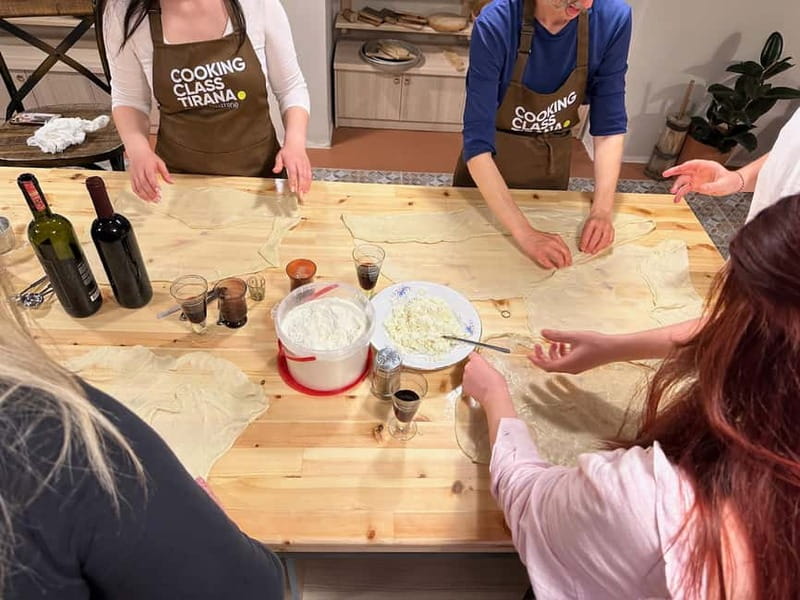
Unlimited homemade wine, water, and a guided raki tasting are included. Raki is Albania’s strong grape spirit, and the tasting gives you a chance to sample it in a setting where the host can explain its place in local hospitality.
The drinks are part of the social experience, not a separate tasting course with a formal scorecard. You sip wine while cooking, try raki, and continue talking over the finished meal. Music and spontaneous dancing may follow, adding to the sense that this is an evening gathering rather than a standard cooking workshop.
This is also where you need to know your own preferences. The unlimited wine and raki are a major attraction for many people, but they can make the evening more energetic than expected. You can enjoy the food and cultural side without treating every drink as a challenge. Water is included, and pacing yourself will help you stay involved through all four hours.
The atmosphere may suit a first night in Tirana especially well. It gives you food, conversation, local customs, and a chance to meet people quickly. It can also work near the end of a trip, when you want a relaxed evening built around a meal rather than another sightseeing stop.
What makes the host important
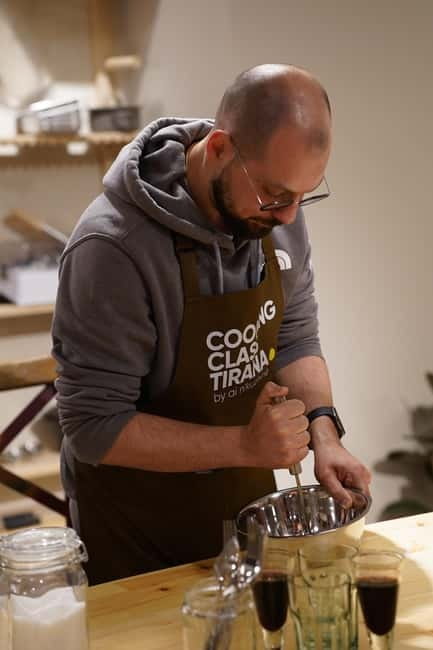
A cooking class depends heavily on the person leading it. Dervis is repeatedly praised for his humor, patience, passion, and ability to explain both cooking and Albanian culture. Marius is also described as a welcoming chef who shares information about Tirana, the country, and local food traditions.
That matters because the recipes alone would not fill four hours. The host turns each stage into a story about ingredients, etiquette, family meals, and the meaning of offering food to visitors. The best moments come from these links between the dish in front of you and the customs around it.
The teaching style is friendly rather than stern. You do not need to be an experienced cook, and you are not expected to produce perfect food without help. The chef demonstrates, guides, corrects, and keeps the group moving. That makes the class accessible to beginners while still giving confident cooks useful techniques to take home.
The family-run character also shapes the mood. The goal is not simply to finish three recipes. You are treated as someone joining a household meal, with extra food offered and leftovers sometimes sent home.
Communal dining and the final meal
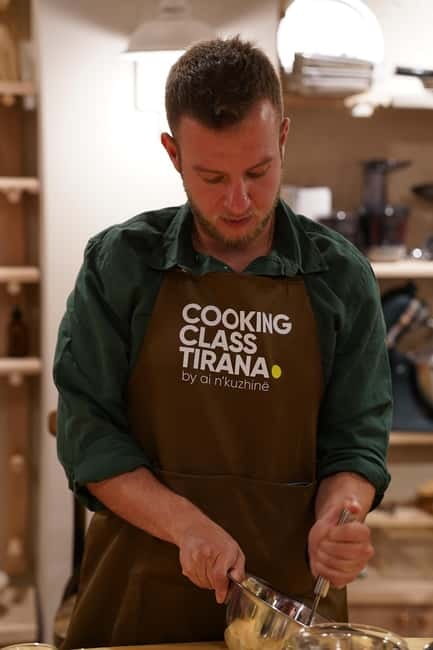
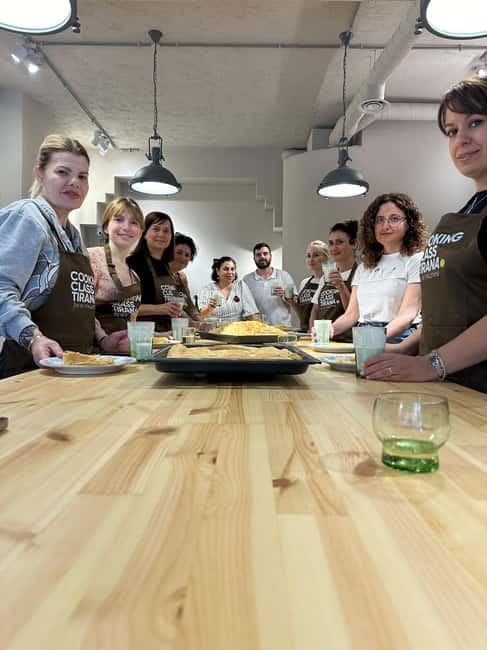
Once the cooking is complete, everyone gathers around a shared table. You taste the burek, chicken with pershesh, sheqerpare, and the additional meze. This is when the separate cooking tasks become one Albanian meal.
The communal table is an important part of the experience. You see how the food works together, compare results, and continue the conversation that began during preparation. The meal is informal, and the atmosphere can include music, laughter, and dancing.
I would not choose this class if you want a tightly timed restaurant dinner. The evening is designed to unfold through conversation. It may run at the pace of the group, and the most enjoyable parts can be the moments between formal activities.
You may also receive a takeaway portion if there is more food than the group can finish. That practice fits the wider message of Albanian hospitality: a full meal is good, but sending someone away with food is better.
Is $44 a fair price?
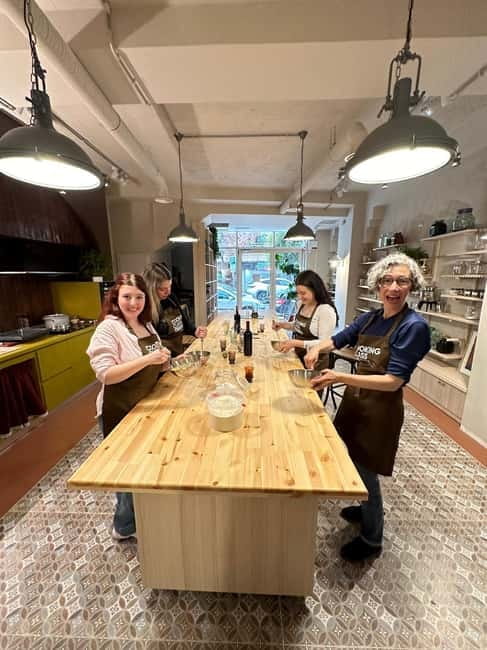
At $44 per person, the price is strong for a four-hour activity that combines instruction, a full meal, drinks, cultural context, and entertainment. You are not paying only for three recipes. You are also paying for appetizers, dessert, wine, water, raki, a prepared setting, and a host who keeps the evening moving.
The value is especially clear if you are comparing this with a restaurant meal. A dinner in Tirana may feed you once, but this class gives you a social evening and cooking skills you can reuse. It also removes the guesswork of choosing unfamiliar dishes from a menu.
The price may feel less attractive if you do not drink alcohol or dislike group events. Wine and raki are central to the mood, even though water is included. Someone seeking a quiet, technical, private lesson may prefer a different format.
Free cancellation up to 24 hours before the start and the option to reserve now and pay later make it easier to fit into a changing itinerary. Check the available start times when booking, since the experience lasts four hours and will take up much of an evening.
Who should book this Tirana cooking class?
I would recommend it most strongly to:
- First-time visitors to Albania who want food to explain local culture.
- Solo visitors looking for an easy way to meet people over a shared activity.
- Couples and friends who prefer a lively evening to a standard restaurant meal.
- Beginner cooks who want clear instruction without pressure.
- Food lovers who enjoy pastry, meze, homemade preserves, and regional drinks.
- Families with older children or mixed ages, since the host has been described as able to connect with people from teens to older adults.
You should think twice if you want a small, silent class with exact individual portions. The atmosphere is social, the table is generous, and the drinks are part of the event. It is also worth telling the provider about dietary needs before arrival, even though many restrictions can be accommodated.
The activity is wheelchair accessible, and the instruction is in English. For larger groups, contact the provider directly rather than assuming a standard booking will handle your party.
My verdict: a strong food experience in Tirana
Book this class if you want more than a recipe lesson. You will cook three traditional dishes, but the bigger reward is understanding how food fits into Albanian hospitality, family life, and social gatherings.
The best reasons to choose it are the generous amount of food, the warm teaching style of Dervis and Marius, and the chance to meet people while doing something practical. The main caution is that the evening is lively and alcohol-focused, not calm or highly formal.
At $44, this is one of the better ways to spend four hours in Tirana. Arrive hungry, tell the host about dietary needs, pace yourself with the raki, and leave room for sheqerpare.
FAQ
How long does the Albanian cooking class last?
The experience lasts four hours. Check the available starting times when booking.
How much does the class cost?
The listed price is $44 per person.
Which dishes will I prepare?
The sample menu includes village chicken with pershesh, burek with cottage cheese, and sheqerpare, a traditional dessert. Seasonal appetizers and meze are also included.
Are wine and raki included?
Yes. Unlimited homemade wine and water are included, along with a guided raki tasting.
Can dietary restrictions be accommodated?
Yes. Vegetarian, vegan, pescatarian, halal, lactose-free, and other dietary requirements can be accommodated. Specify your needs during booking.
Is the activity conducted in English?
Yes. The instructor language is English.
Can I cancel or pay later?
You can cancel up to 24 hours in advance for a full refund. You can also reserve now and pay later.
Newest classes around Albania
- Family Mandarin Farming Tour with Traditional Cooking Lunch★ 4.5 · 9 reviews
- Gourmet Lunch Farm Tour with Cooking Class★ 4.5 · 8 reviews
- Tirana Cooking Class – Traditional Albanian Recipes★ 5.0 · 33 reviews
- The secrets of Albanian cuisine: cooking lesson in Tirana★ 5.0 · 21 reviews
- Gjirokastër: Traditional Albanian Vegetarian Cooking Class★ 4.4 · 17 reviews
- Cook Like a Local – Authentic Cooking Class in Gjirokastra★ 3.2 · 4 reviews
- Berat: Farm-to-Table Cooking Class with Local Family★ 5.0 · 6 reviews
- Berat: Traditional Cooking Class with Wine Tasting★ 5.0 · 5 reviews
Tirana Cooking Classes, compared.
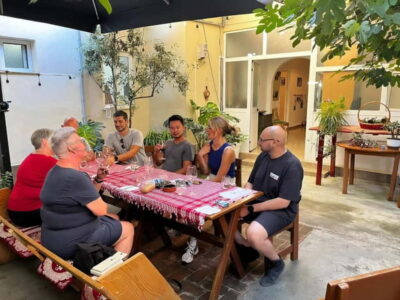
Tirana: Traditional Cooking Class with Wine & Raki Tasting
Read our review →
Cooking Classes and Traditional food tasting in Tirana
Read our review →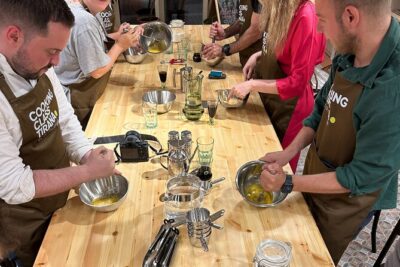
Traditional Albanian Cooking Class in Tirana with Raki Tasting
Read our review →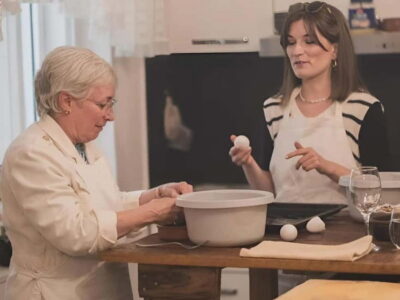
Tirana Cooking Class – Traditional Albanian Recipes
Read our review →
The secrets of Albanian cuisine: cooking lesson in Tirana
Read our review →Browse the lists this tour appears in