
Review · HOME COOKING CLASSES
Samarkand: Cooking class with local family
The most memorable part of this five-hour Samarkand outing is not a grand monument. It is the move from the local bazaar to a family kitchen, where you help prepare Uzbek food with Navruz, Guli, and their family. You get a closer look at ordinary life, not just the polished side of the city.
I like the bazaar visit because it gives the cooking a proper setting: you see the ingredients, shopping habits, and social rhythm before sitting down to eat. I also like the personal scale. This is a private group, and the cooking takes place in a family home, with time for stories, customs, chess, and conversation.
The main consideration is modesty and cultural etiquette. Short skirts, tight clothing, alcohol, and drugs are not allowed, and you should dress respectfully for a home visit. At $65 per person, the outing is good value if you want food, transport, a guide, lunch, and several cultural stops in one half-day.
Key points at a glance
- Shop before you cook: Begin at a Samarkand bazaar, where you can see the ingredients and daily trade behind Uzbek home cooking.
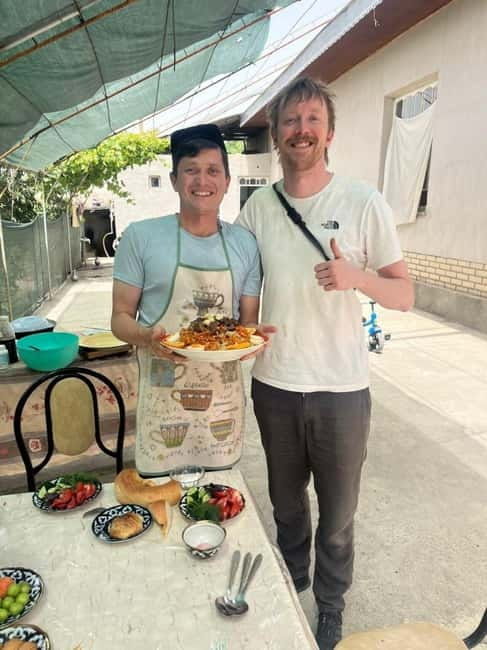
- Cook inside a family home: Navruz and his family make the experience personal, with dishes prepared from scratch rather than simply demonstrated.
- Expect more than a cooking lesson: The day includes stories about Uzbek customs, daily routines, and family traditions.
- Try classic Uzbek dishes: Plov, shashlik, and samsa are among the foods you may prepare.
- Add craft traditions: The route includes the Konigil paper factory, pottery and oil meal workshops, and a hand-made rug workshop.
- Private transport is included: An air-conditioned vehicle, bottled water, and lunch are part of the $65 price.
Starting at a Samarkand bazaar
The day begins where food culture makes the most sense: at a local bazaar. You can walk among stalls, look at the produce and other goods, and watch people bargain, buy, and catch up with one another.
This is not just a shopping stop placed in front of the cooking class. It gives you useful context. Uzbek cooking depends on good rice, meat, vegetables, spices, and careful preparation, and the bazaar lets you see the ingredients in their everyday setting.
I would take your time here. Notice what is sold in large quantities, what shoppers carry home, and how vendors speak with regular customers. Even if you do not know the names of every ingredient, the guide can help explain what you are seeing.
The bazaar is also one of the better parts of the outing for travelers who want contact with local life but do not speak Uzbek or Russian. The guide can help bridge the language gap, and the available languages include English, Korean, Russian, Uzbek, and Tajik.
Do not expect a quiet market or a carefully staged photo stop. A local bazaar can be crowded and noisy, and that is part of its value. Wear comfortable shoes, keep your belongings secure, and bring patience. The point is to observe and take part in a normal public setting.
More Home Cooking Classes in the world:
- Khmer Cooking Class at a Local’s Home in Krong Siem Reap
★ 5.0 · 2,731 reviews - Local Home Korean Cooking Class & Market Adventure in Seoul
★ 5.0 · 1,024 reviews - Marrakech: Moroccan Cooking Class with a Local Family
★ 4.9 · 668 reviews
Cooking plov with a Samarkand family
After the bazaar, you visit the home of a local family and begin cooking. This is the heart of the experience.
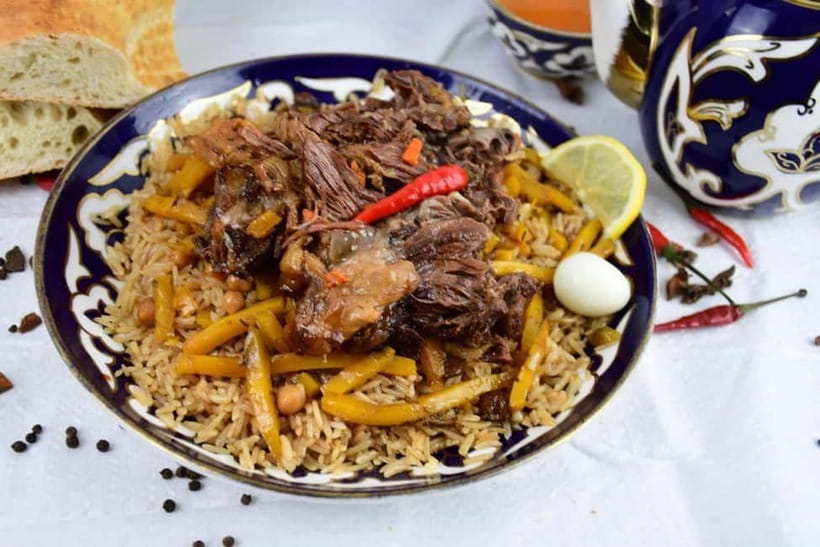
Plov, also called pilaf, is the obvious centerpiece. The dish depends on timing, heat, rice, meat, and the balance of ingredients, so preparing it together gives you more insight than simply ordering a plate in a restaurant. You can see the steps and ask why each one matters.
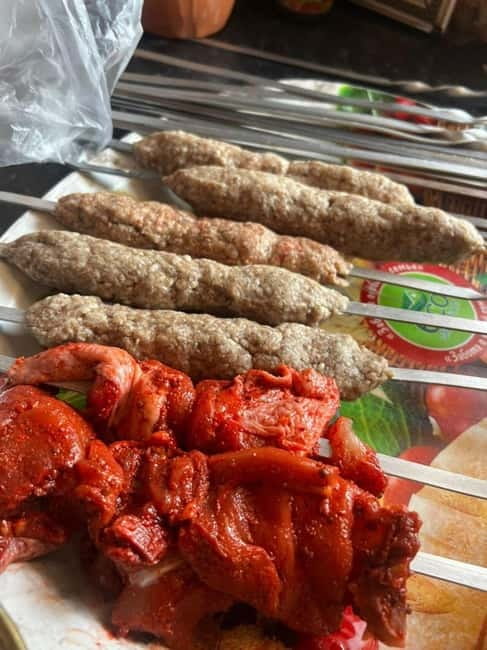
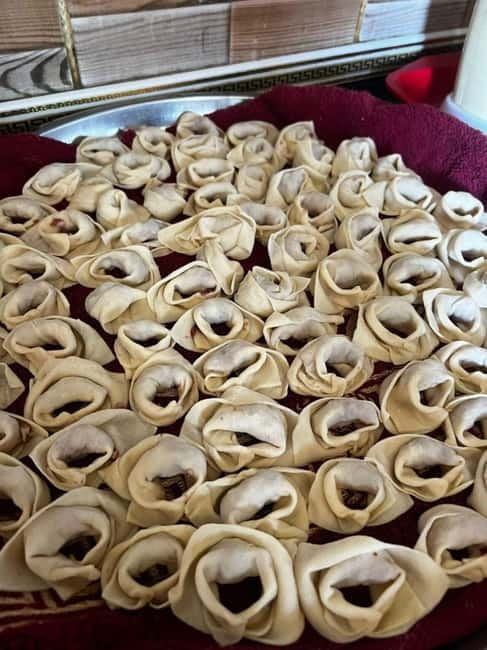
You may also prepare shashlik, grilled meat, and samsa, savory pastries. The exact balance of dishes can depend on the family and the day, but the advertised menu gives you a good sense of the food involved. These are not abstract cooking-school recipes. They are familiar foods tied to family meals and national celebrations.
The phrase from scratch matters here. You are not only watching someone cook while standing at a distance. You are expected to roll up your sleeves and take part in preparing the dishes. If you enjoy hands-on activities, this is a clear advantage.
Cooking with a family also changes the tone. You can ask about routines, customs, and traditions while the food is being prepared. There may be time for stories, laughter, and a game of chess. Those details make the experience feel less like a standard lesson and more like a visit.
The family element is especially useful if you have already spent several days seeing Samarkand’s major sights. The city’s monuments tell you about dynasties, religion, and trade. A home visit shows you something more immediate: how hospitality works at a personal level.
That said, you should not expect the structure of a professional culinary school. Instructions may be informal, and the cooking can involve several people speaking or working at once. Guli is specifically associated with making sure participants understand the process, while Navruz is identified as the main provider and host. If clear instruction is important to you, confirm your preferred guide language when booking.
What the home visit tells you about Uzbek hospitality
Uzbek hospitality is not presented here as a performance in a tourist venue. You enter a family setting and share a meal made together. That makes the experience more intimate, but it also means you should behave as you would in any private home.
Dress modestly. Short skirts and tight clothing are not allowed, and the restrictions also ban alcohol and drugs. Alcoholic drinks are not permitted in the vehicle, and red wine is specifically listed among the items not allowed.
These rules are easy to follow and help you arrive prepared. Loose, respectful clothing is the practical choice. You should also be comfortable removing any footwear if the household requires it, although that detail is not specified in the tour information.
The meal is included, along with bottled water. That is useful because the food is part of the activity rather than an extra restaurant stop. You are paying for the time with the family as much as for the dishes on the table.
I would not book this outing if you want a fast, impersonal food demonstration with exact recipe cards and a polished kitchen. I would book it if you want conversation, a family setting, and a chance to understand why certain foods matter in Uzbek life.
Konigil paper making and Samarkand craft workshops
The cooking is followed by visits connected to local craft production. The route includes the Konigil paper factory, an oil meal workshop, and a pottery workshop. One account of the outing also describes a paper-making place associated with the first century.
Konigil is a useful contrast to the kitchen. You move from food traditions to a craft that has long been connected with Samarkand’s place on the Silk Road. You can see how local production adds another layer to the city beyond its famous architecture.
The pottery and oil meal stops give the afternoon a broader focus. Instead of treating Samarkand as a city of monuments alone, the outing points you toward practical skills and small-scale production. The information does not specify how long you spend at each workshop, so treat these as shorter visits rather than full technical classes.
A hand-made rug workshop is also included in the described experience. The rugs are made by hand, which gives you a chance to see the patience and labor behind an object that can look simple when displayed in a shop.
This part of the outing may appeal to you if you enjoy crafts and want to understand how goods are produced. It may be less appealing if you only want a cooking class and would rather spend the full five hours in the home. The extra stops are a benefit for some people and a possible trade-off for others.
You should also keep your shopping expectations clear. A workshop visit can include opportunities to view or buy products, but no purchase requirement or shopping arrangement is stated. You can enjoy the process without assuming you must take something home.
More Cooking Classes in the world:
- Half-Day Thai Cooking Class at Organic Farm in Chiang Mai
★ 5.0 · 19,087 reviews - Florence: Pasta Cooking Class with Unlimited Wine
★ 4.9 · 10,285 reviews - 3 in 1 Cooking Class near Navona: Fettuccine, Ravioli & Tiramisu
★ 5.0 · 7,376 reviews - Florence: Pasta & Tiramisu Cooking Class with Unlimited Wine
★ 4.9 · 6,708 reviews
Is $65 a fair price?
At $65 per person, the price is easier to justify than the cost of a basic cooking class because several services are bundled together. You get five hours, a private group, an English or other listed-language guide, an air-conditioned vehicle, bottled water, lunch, a bazaar visit, the family cooking session, and craft stops.
The value is strongest if you are traveling as a couple, family, or small private group and want a custom-feeling day without arranging separate taxis and activities. Transport matters in Samarkand because it keeps the outing together and removes the need to work out transfers between the bazaar, family home, and workshops.
The price is less compelling if you only want to learn one dish. A shorter market visit and a simple cooking class would likely suit you better, although no cheaper alternative is provided here for comparison.
I also see value in the guide’s role. Navruz can explain the family setting, the food, and local traditions, while Guli has been involved in helping participants understand the cooking clearly. You are not paying only for ingredients and a meal. You are paying for access to a home and for someone to interpret what you are seeing.
Lunch and bottled water remove two small costs during a half-day outing. The air-conditioned vehicle is another practical advantage, particularly when you want a break from walking between Samarkand’s sights.
Who should book this five-hour experience?
This is a strong choice for you if you:
- Want to meet local people in a private home rather than visit only formal attractions
- Enjoy cooking and eating traditional food
- Are curious about plov, samsa, and shashlik
- Prefer a private group to a large class
- Want a guide who can explain customs and answer questions
- Like adding paper making, pottery, oil meal, or rug production to a food-focused day
- Are comfortable following modest dress and no-alcohol rules
Families may appreciate the informal setting, especially if everyone enjoys food and conversation. Couples and small groups can make good use of the private format. Solo travelers can also benefit from the personal contact, though the $65 per-person price may feel more substantial when there is no group to share the experience with.
This is not the best fit if you dislike home visits, prefer strict schedules, or want a technical cooking course with advanced instruction. It is also not designed around alcohol, and you should not expect to bring drinks into the vehicle or family home.
Timing, language, and useful planning tips
The activity lasts five hours, but the exact starting time depends on availability. I would choose a start that leaves you enough room afterward, since the combination of bazaar, cooking, lunch, and workshops can make the half-day feel full.
Live guiding is available in English, Korean, Russian, Uzbek, and Tajik. If you need English instruction during the cooking, make that clear when booking. The name Navruz is connected with the experience, and Guli may be involved in explaining the dishes and helping with communication.
Wear clothes suitable for both a market walk and a family home. Modest, comfortable clothing is the safest choice. You should also avoid planning another demanding activity immediately afterward if you prefer a slower meal and conversation.
The booking has free cancellation up to 24 hours before the activity for a full refund, and you can reserve now and pay later. Those terms are useful if your Samarkand plans are still changing.
Final call: book it for the family contact
Book this experience if you want Samarkand to feel personal rather than only monumental. The best parts are the market-to-kitchen flow, the chance to cook with Navruz and his family, and the simple warmth of sharing food in a home.
The craft workshops add useful variety, though they may be less important to you than the cooking itself. At $65, the package offers solid value for a private five-hour outing with transport, lunch, water, a guide, and several stops.
Skip it if you want a formal culinary course or a tightly timed sightseeing tour. Choose it if you want to understand Samarkand through food, family, and everyday skills. That is where this experience earns its place in your itinerary.
FAQ
How long does the Samarkand cooking experience last?
The activity lasts five hours. Starting times depend on availability.
What food can I expect to prepare?
You may prepare traditional Uzbek dishes such as plov, shashlik, and samsa. The cooking takes place with a local family in their home.
Is lunch included?
Yes. Lunch and bottled water are included in the activity price.
Is transportation provided?
Yes. An air-conditioned vehicle is included.
Which languages are available for the live guide?
Guiding is available in English, Korean, Russian, Uzbek, and Tajik.
What clothing and items are not allowed?
Short skirts, tight clothing, alcohol, drugs, and nudity are not allowed. Red wine is specifically listed as not allowed, and alcoholic drinks cannot be taken in the vehicle.
Newest classes around the world
- Aroidee’s Farm-Fresh Thai Cooking Experience★ 5.0 · 8 reviews
- Authentic Thai Cooking Class and Farm Visit in Chiang Mai★ 5.0 · 66 reviews
- Signature Thai Cooking Course★ 5.0 · 79 reviews
- Half Day Guided Thai Cooking Class in Chiang Mai★ 5.0 · 13 reviews
- Yummy Tasty Thai Cooking School in Chiang Mai★ 5.0 · 2 reviews
- Online Thai and Akha Cooking Class★ 5.0 · 70 reviews
- Northern Thai Cooking Class in Chiang Mai in a Countryside Home★ 5.0 · 2 reviews
- Private Half-Day Thai Cooking Class in Chiang Mai★ 5.0 · 4 reviews
Home Cooking Classes, compared.
Khmer Cooking Class at a Local’s Home in Krong Siem Reap
Read our review →
Local Home Korean Cooking Class & Market Adventure in Seoul
Read our review →

Mexican Cooking from Scratch in a Local Home in Tulum
Read our review →
Pastamama, Home Cooking Classes at Grace’s Home
Read our review →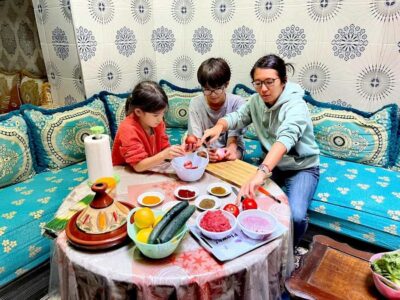
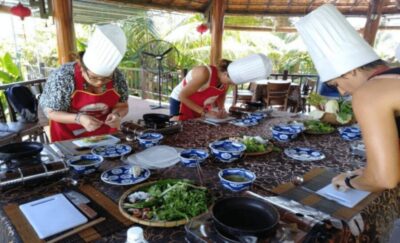
Traditional Cooking Class & meal with Local Family
Read our review →
Browse the lists this tour appears in