
Review · COOKING CLASSES
Sabah Traditional Authentic Cuisine Cooking Class 3 Hours
Sabah’s food is best understood at the stove, not just on a restaurant plate. This three-hour class puts you beside local cooks such as Auntie Winnie, Auntie Cindy, and Chef Bonny, with lessons on ingredients, cooking methods, and the food traditions behind each dish. You may cook in a home kitchen, on a porch, or in a garden setting.
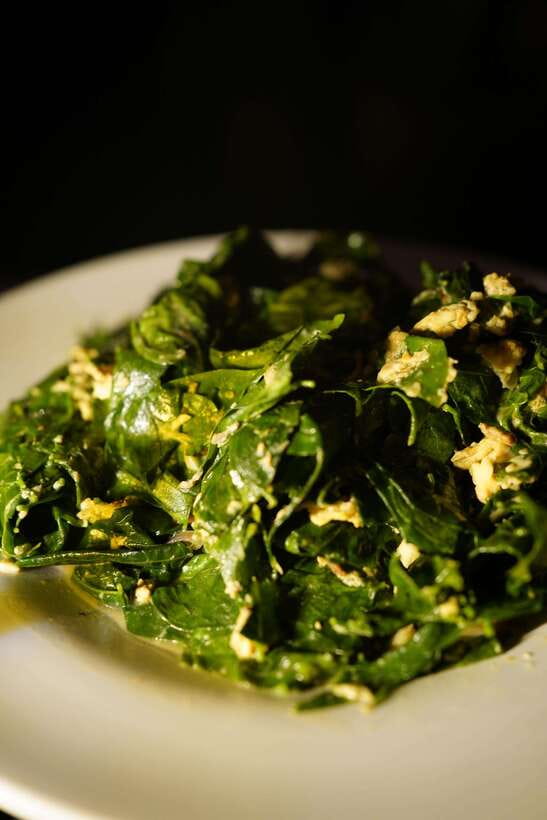
I like the hands-on format, because you are not simply watching a chef work. I also like the use of local ingredients such as bunga kantan, lemongrass, jungle garlic, fish, and vegetables, some picked from a host’s own garden.
The main thing to consider is transport. Free pickup is offered from hotels in downtown Kota Kinabalu, but one booking included a rough taxi experience before the class. The cooking itself began only after arrival, so allow patience for the ride and come hungry.
Key points at a glance
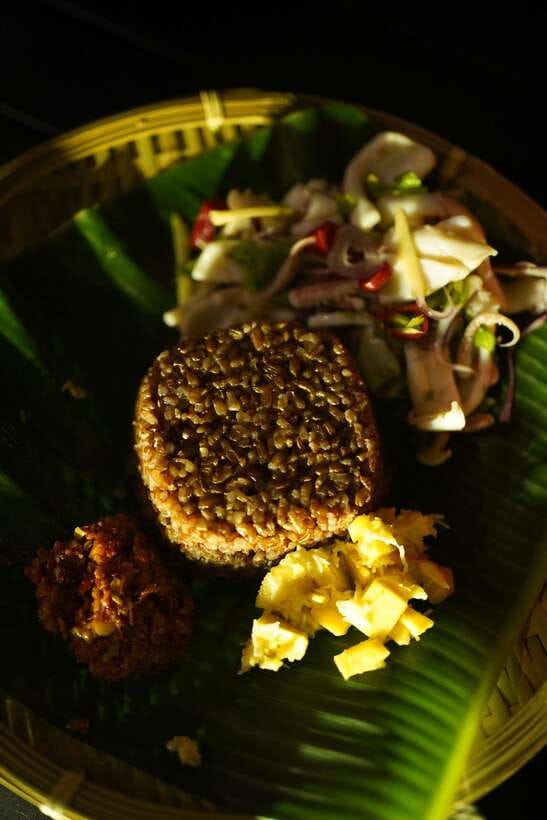
- Cook and eat your own Sabah meal: The session ends with lunch made from the dishes you prepare.
- Learn from local home cooks: Auntie Winnie, Auntie Cindy, and Chef Bonny explain food customs and cooking habits from personal experience.
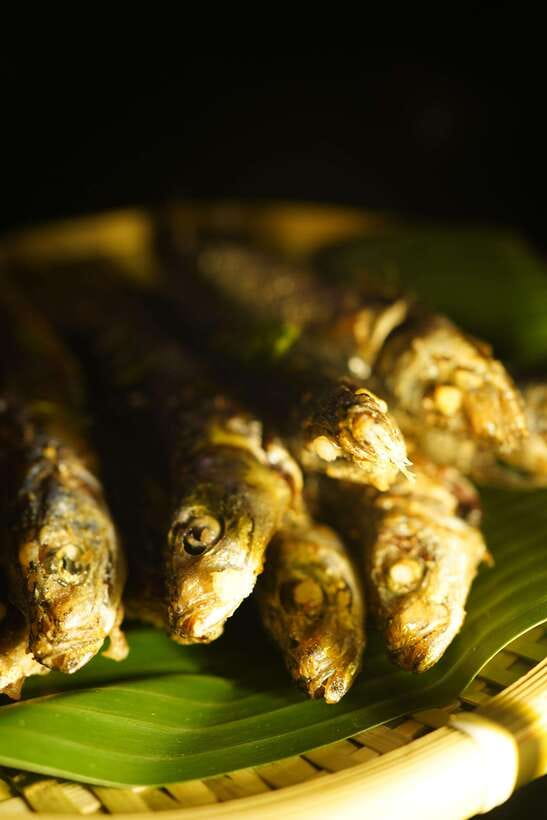
- Use unusual local ingredients: Bunga kantan, lemongrass, jungle garlic, fresh fish, and garden vegetables may appear in the recipes.
- Expect more than a standard studio class: Some sessions take place at a local home, front porch, terrace, or garden.
- A practical souvenir: You receive recipe copies so you can try the dishes again at home.
- Good access and flexible booking: The class is wheelchair accessible, conducted in several languages, and can be canceled up to 24 hours before it starts.
A three-hour introduction to Sabah food
This is a cooking lesson with a local point of view. The emphasis is not on restaurant technique or fancy equipment. It is on understanding what Sabah cooks use, how they combine it, and why certain flavors belong together.
The usual class runs from 10 a.m. to 1 p.m. That morning schedule works well in Kota Kinabalu. You can begin after breakfast, cook through the late morning, and sit down to eat at lunchtime. The class is mainly indoors, though some sessions take place outside at a host’s home or in a garden.
Ingredients are prepared before you arrive. That matters. You will not spend most of the three hours washing, sorting, and chopping every item from scratch. Instead, the time goes toward cooking, tasting, listening, and asking questions.
The hosts explain the history, culture, ingredients, cooking styles, and flavors as you work. You are not expected to know much about Sabah food before arriving. The instruction is described as step by step, which makes the class suitable if you rarely cook as well as if you already spend plenty of time in the kitchen.
More Three-Hour Sessions in the world:
- Marrakech: 3-Hour Open-Air Moroccan Cooking Course
★ 4.9 · 74 reviews - 3-Hour Cooking Class overlooking the Blue City
★ 5.0 · 36 reviews - 3-hour Tuscan Cooking Class with Wine & Oil Tasting
★ 4.5 · 36 reviews
Meeting Auntie Winnie, Auntie Cindy, and Chef Bonny
The people leading the class are a major part of its appeal. Auntie Cindy, Auntie Winnie, and Chef Bonny are presented as local Sabah cooks with a strong grasp of regional food and its background.
Auntie Winnie appears often in the class arrangements. Her sessions may take place at her home, front porch, terrace, or garden. That setting gives the lesson a personal feel that a purpose-built cooking school cannot easily copy. You may see where ingredients come from and spend time with a local family rather than moving through a polished demonstration room.
Several classes have included help from Judith, Gregory, or Gunnar. Their role can include assisting with the cooking, transport, photographs, or the general flow of the session. One birthday arrangement even included a cake and photographs, though that kind of extra should be requested in advance and not assumed as part of the standard booking.
The tone sounds relaxed and welcoming, but you should remember that a home-based class can vary slightly from one session to another. The exact chef, location, and dishes may depend on the date and arrangements. If meeting a specific host matters to you, ask before booking.
Ingredients with a sense of place
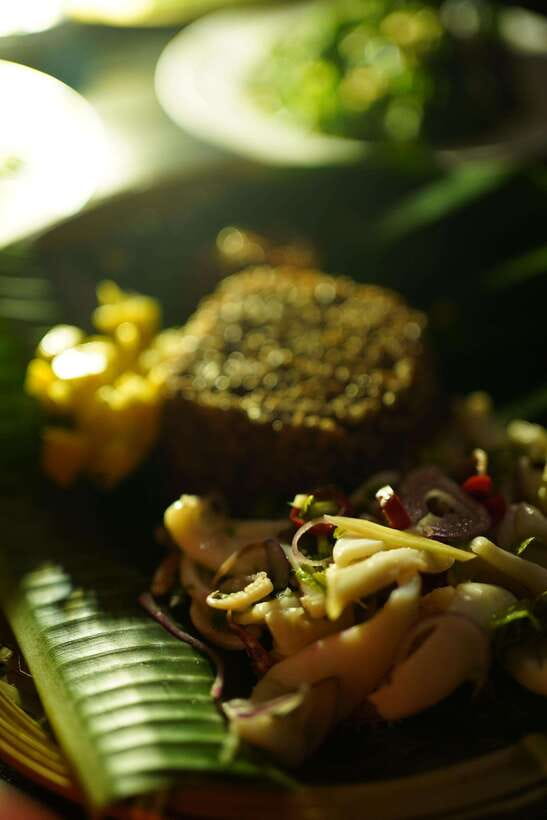
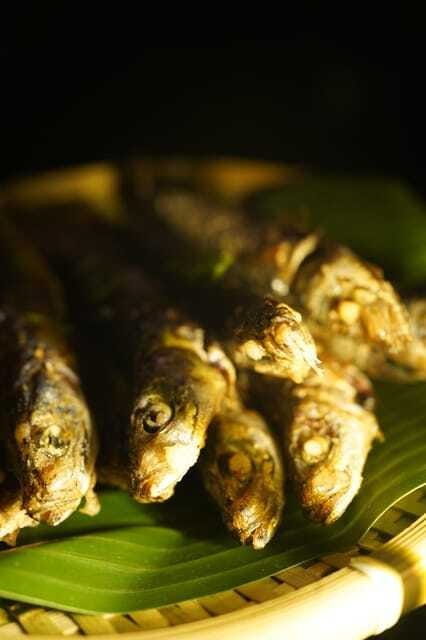
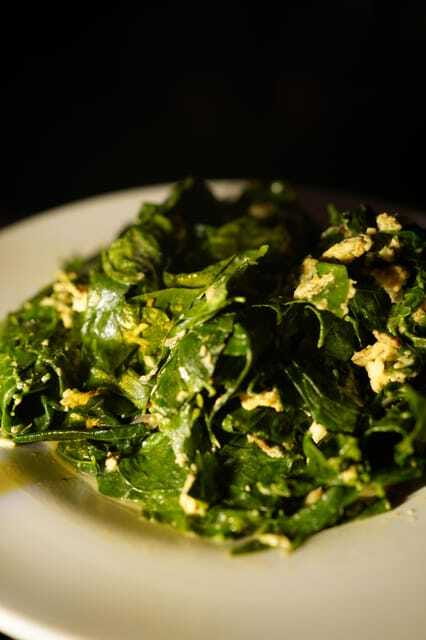
The food is the heart of the experience. You may work with fish and vegetables, along with strongly scented plants and herbs that are not always easy to find outside Borneo.
Bunga kantan, also called torch ginger, brings a sharp floral note to dishes. Lemongrass adds a clean citrus scent. Jungle garlic gives food a savory edge. These ingredients are not included simply to make the meal sound exotic. The useful part of the lesson is learning how they are handled and how much of each one to use.
Some produce may come from the host’s own garden. That small detail changes the lesson. You can connect the finished dish with the plant itself, rather than treating every ingredient as an anonymous item from a supermarket shelf.
The class also gives you a chance to ask questions about substitutions. The recipe copy helps later, but ingredients available in Malaysia may not be easy to find in your home country. Ask the chef what can replace bunga kantan or jungle garlic if your local market does not carry them.
The dishes can include fish and vegetables, and some sessions have produced more than five Sabah dishes. The exact menu is not fixed in the information provided, so do not book expecting a named list unless the operator confirms it for your date.
What the cooking session feels like
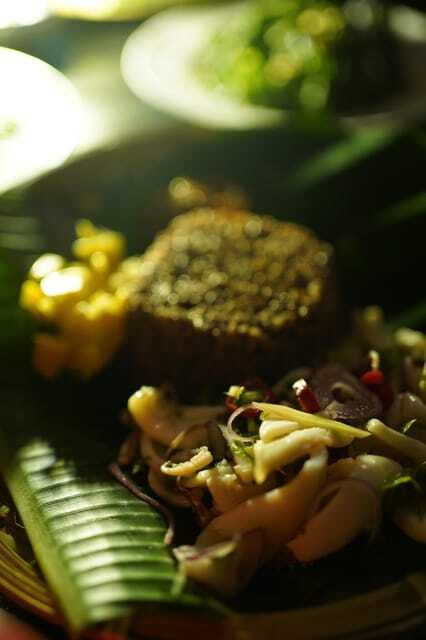
The class follows a sensible pattern. You arrive, meet the host, and learn what you will prepare. The chef then talks through the ingredients and gives you the cultural background before the cooking begins.
Because the ingredients are already prepared, you move fairly quickly into the practical work. You may chop, mix, season, stir, and cook under direct guidance. The point is not to rush through a recipe. It is to understand what you are doing and how the flavors develop.
I like this format for a short class. Three hours is enough time to prepare a proper meal without turning your morning into a full-day culinary course. It is also long enough for conversation, which matters when the food is tied to family habits and local customs.
At the end, you eat your own cooking for lunch. This is one reason to skip a large meal beforehand. One participant offered the blunt but useful advice not to eat pizza three hours before the class. That is sound guidance. Come with room to sample several dishes.
You can eat the food at the location or take the results home. The second option may be useful if you are staying nearby, but the best part is likely sitting down with the people who guided you and tasting the meal while the conversation is still going.
More Cooking Classes in the world:
- Half-Day Thai Cooking Class at Organic Farm in Chiang Mai
★ 5.0 · 19,087 reviews - Florence: Pasta Cooking Class with Unlimited Wine
★ 4.9 · 10,285 reviews - 3 in 1 Cooking Class near Navona: Fettuccine, Ravioli & Tiramisu
★ 5.0 · 7,376 reviews - Florence: Pasta & Tiramisu Cooking Class with Unlimited Wine
★ 4.9 · 6,708 reviews
Home kitchen, front porch, or indoor class
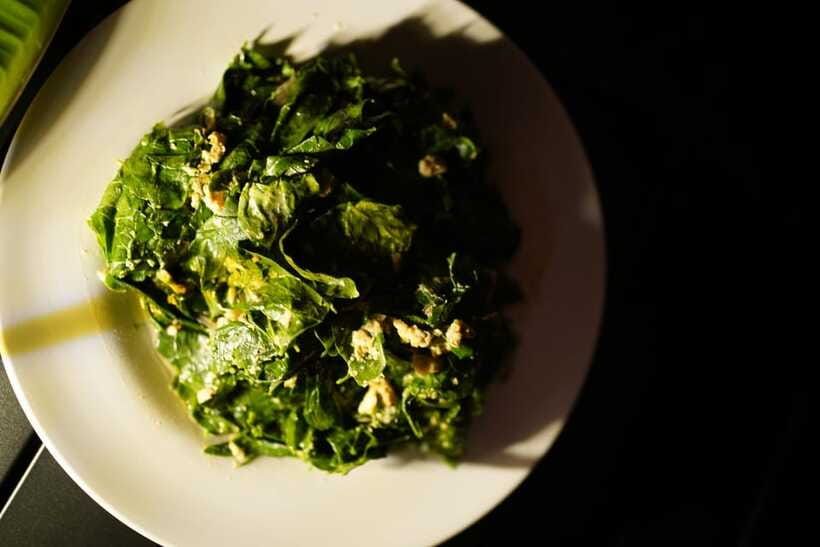
The activity is mainly described as an indoor workshop, but the actual setting may feel more personal than that phrase suggests. Some sessions happen at a local home, on a front porch, or in a tropical garden.
A home setting adds character. You may see local cooking tools, family surroundings, and garden ingredients in context. It also gives the class a slower, more social quality. One session took place in a garden setting described as being in the middle of the jungle, while another used a terrace and kitchen at Auntie Winnie’s home.
The tradeoff is that home cooking spaces may not feel as polished or standardized as a commercial cooking school. Utensils and crockery are not included, according to the activity details. That wording is worth clarifying with the operator if you have particular equipment needs, though the class is arranged around cooking rather than asking you to bring a full kitchen kit.
Special arrangements can be made for a night class or an outdoor or campsite session. These are not part of the standard three-hour booking, so treat them as possible custom options rather than guaranteed features.
The value of the $50 price
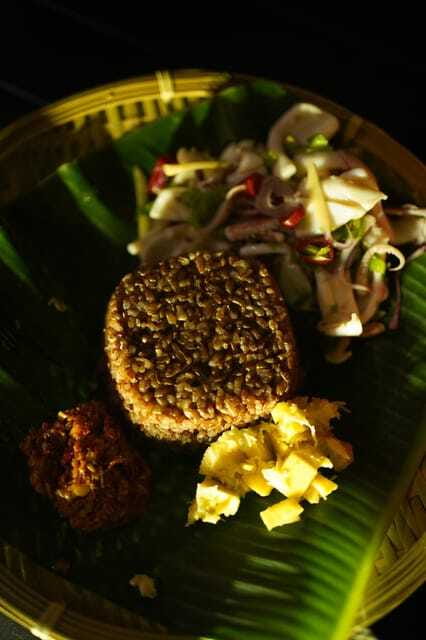
At $50 per person, the class is not the cheapest way to get lunch in Kota Kinabalu. A local restaurant meal will cost less. That is not the right comparison, though.
You are paying for three hours of instruction, prepared ingredients, local interpretation, a meal, and a recipe copy. Downtown hotel pickup is included, which can add real value if you are staying in the covered part of Kota Kinabalu. You are also getting an activity that connects food with people and place, rather than a single plate served to you.
The value is strongest if you enjoy cooking or want to recreate Sabah dishes at home. It is weaker if you only want a quick meal or prefer to watch rather than participate.
The recipe copy is especially useful. Many food activities are pleasant for an afternoon but difficult to repeat. Here, you have written guidance to take home, though you may need to find substitutes for ingredients that are uncommon outside Southeast Asia.
The class has a 4.9 rating from 22 reviews, with praise focused on the food, warm hosts, clear instruction, fresh ingredients, and unusual flavors. That is a strong record, but you should still note the small number of ratings and the variable home-based setting.
Transport from downtown Kota Kinabalu
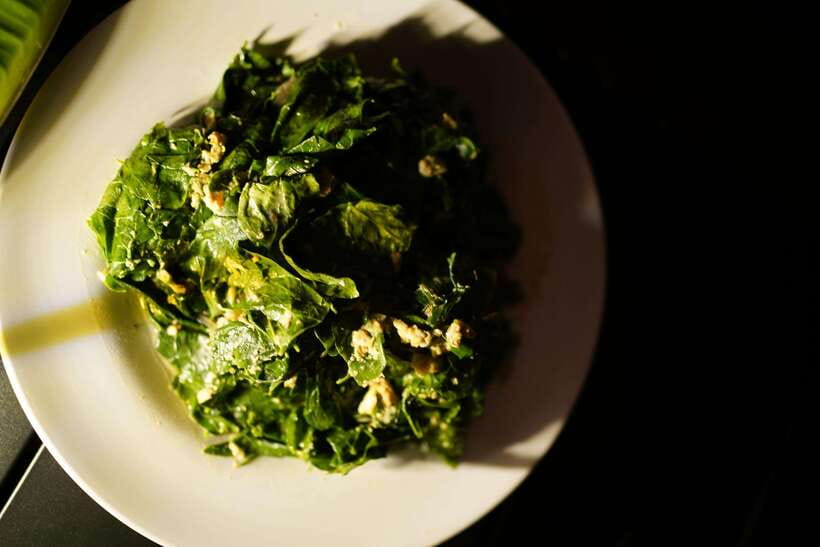
Free pickup is available from hotels in downtown Kota Kinabalu. This makes the class easier to fit into a short visit, especially if you are not renting a car.
The pickup area is limited. If you are staying outside downtown, confirm whether you need to arrange your own transport. Do not assume the included pickup covers the whole Kota Kinabalu area.
The journey may take you from the city to a more residential or rural setting, depending on the host. That change is part of the appeal, but it can also make the experience less predictable than a class held in a central hotel.
One booking involved a poor taxi experience on the way to the cooking location. The unpleasant start did not reflect the class itself, but it is a reminder to confirm pickup details carefully. Make sure the driver has the correct meeting point and that your phone is available if the operator needs to contact you.
Dietary needs and language support
The class can cater to vegetarian, no-pork, gluten-free, and other diets if you tell the operator beforehand. This is important because Sabah cooking may include ingredients that do not suit every diet, and changes are easier to make before preparation begins.
State your needs clearly at booking and repeat them during confirmation. The activity description says accommodations are possible, but it does not provide a fixed alternative menu for each diet.
Instruction is available in English, Malay, Chinese, and Traditional Chinese. That gives you a better chance of following the explanations about ingredients and technique, not just copying hand movements at the stove.
The class is wheelchair accessible. Since some sessions take place at private homes or outdoor areas, it is sensible to confirm the exact setting and access arrangements if you use a wheelchair or have limited mobility.
Who will enjoy this Sabah cooking class
I would choose this for you if food is one of the main ways you connect with a place. It also suits couples, families, and small groups who want a calm activity between more demanding sightseeing days.
It is a good fit for:
- Cooks who want recipes they can repeat at home
- People interested in Sabah culture through everyday food
- Visitors who prefer meeting local hosts to attending a formal demonstration
- Anyone who enjoys tasting unfamiliar herbs and ingredients
- Families and groups needing vegetarian, no-pork, or gluten-free arrangements
- Visitors looking for a relaxed morning with lunch included
It may not suit you if you want a fixed menu, a highly polished cooking studio, or a fast and predictable city activity. The exact host and setting can vary, and home-based cooking has a more informal rhythm.
The class is also less useful if you dislike eating food you have helped prepare. The lunch is not an optional extra in spirit. It is the payoff for the work you do during the morning.
Should you book it?
I would book this class if you have three free hours in Kota Kinabalu and want more than a standard food tour. The strongest reasons are the local hosts, the garden ingredients, the chance to cook several dishes, and the recipe copy that lets the experience continue after your trip.
Before paying, confirm the pickup point, the expected chef, the setting, and the menu for your date. Tell the operator about dietary needs early. Then arrive hungry, keep your schedule loose enough for the transfer, and expect a friendly home-style lesson rather than a formal culinary school.
For $50, the class offers good value when you count the instruction, food, transportation from downtown, and personal contact. Book it for the people and the practical knowledge, not simply for lunch.
FAQ
How long does the Sabah cooking class last?
The class lasts three hours. The regular session runs from 10 a.m. to 1 p.m.
Where does the cooking class take place?
The workshop is primarily conducted indoors, but sessions may also take place at a local home, front porch, terrace, garden, outdoor site, or campsite. Special arrangements are available for some locations.
Is hotel pickup included?
Free pickup is included from hotels in downtown Kota Kinabalu only. Confirm transport arrangements if your accommodation is outside the downtown area.
What languages are available?
Instruction is available in English, Malay, Chinese, and Traditional Chinese.
Can the class accommodate dietary restrictions?
Yes. Vegetarian, no-pork, gluten-free, and other dietary requests can be accommodated if you tell the operator beforehand.
Do I receive the recipes after the class?
Yes. Participants receive a copy of the recipes to keep. You can eat your cooking at the location or take it home.
Newest classes around the world
- Aroidee’s Farm-Fresh Thai Cooking Experience★ 5.0 · 8 reviews
- Authentic Thai Cooking Class and Farm Visit in Chiang Mai★ 5.0 · 66 reviews
- Signature Thai Cooking Course★ 5.0 · 79 reviews
- Half Day Guided Thai Cooking Class in Chiang Mai★ 5.0 · 13 reviews
- Yummy Tasty Thai Cooking School in Chiang Mai★ 5.0 · 2 reviews
- Online Thai and Akha Cooking Class★ 5.0 · 70 reviews
- Northern Thai Cooking Class in Chiang Mai in a Countryside Home★ 5.0 · 2 reviews
- Private Half-Day Thai Cooking Class in Chiang Mai★ 5.0 · 4 reviews
Cooking Classes, compared.
Half-Day Thai Cooking Class at Organic Farm in Chiang Mai
Read our review →

3 in 1 Cooking Class near Navona: Fettuccine, Ravioli & Tiramisu
Read our review →
Pasta & Tiramisu Cooking Class with Unlimited Wine
Read our review →
Hanoi Cooking Class: Culture, Local Market & Meaning CSR Impact
Read our review →
5 Traditional Dishes Hanoi Cooking Class with Market Trip
Read our review →
Cooking Class and Lunch at a Tuscan Farmhouse with Local Market Tour from Florence
Read our review →Browse the lists this tour appears in