
Review · HOME COOKING CLASSES
Private Ethiopian Home Cooking Class in Addis Ababa with Transfer
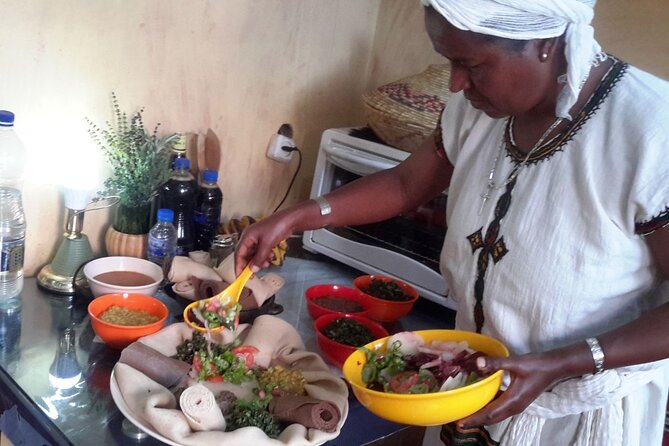
The most memorable part of this Addis Ababa experience is not a restaurant table. It is Hilena’s home kitchen, where family recipes, local ingredients, and everyday Ethiopian cooking come together. You may also walk through the Sansusi market, buy herbs or vegetables, then return home to cook and eat with your host family.
I like the personal setting and the chance to see how dishes such as shiro, genfo, beyaynetu, and anebabero fit into Ethiopian home life. I also like that pickup is included and the activity is private for your group. The main consideration is the location: Hilena’s home is about 20 kilometers from the airport, and her brother translates because her English is limited.
Key points to know before booking
- Cook in Hilena’s family kitchen: Your host is a native of Addis Ababa who has cooked since childhood.
- Add the Sansusi market visit: See stalls selling grains, vegetables, fruit, live chickens, sheep, and clothing, with the chance to buy ingredients.
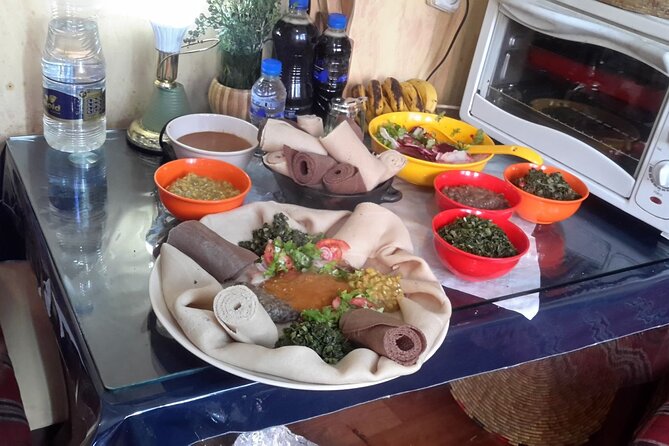
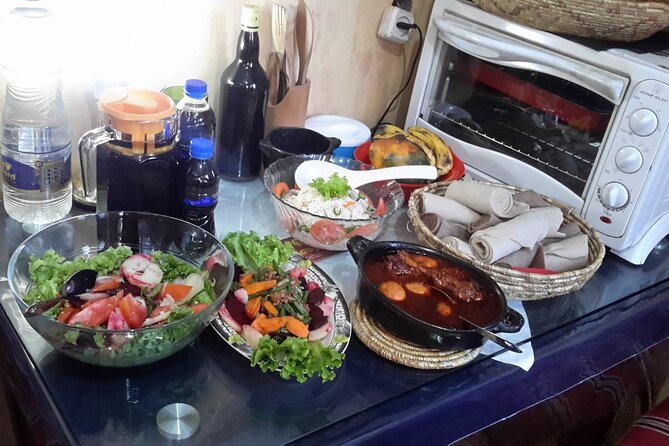
- Expect a full Ethiopian meal: The menu can include beyaynetu, shiro, genfo, and anebabero.
- Enjoy a private experience: Only your group takes part, though other people may be staying at Hilena’s guest house.
- Plan for a generous three hours: The pace is social and hands-on, not a quick cooking demonstration.
- Finish with Ethiopian coffee: The meal ends with time to relax over a cup of local coffee.
A home kitchen instead of a formal cooking school
This experience gives you a useful look at Addis Ababa through food. You are not simply watching a chef prepare a polished restaurant dish. You are entering a local home, working with family recipes, and eating the results at the same table.
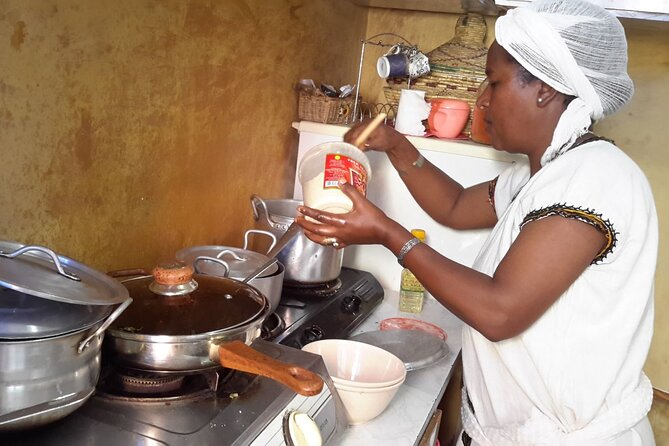
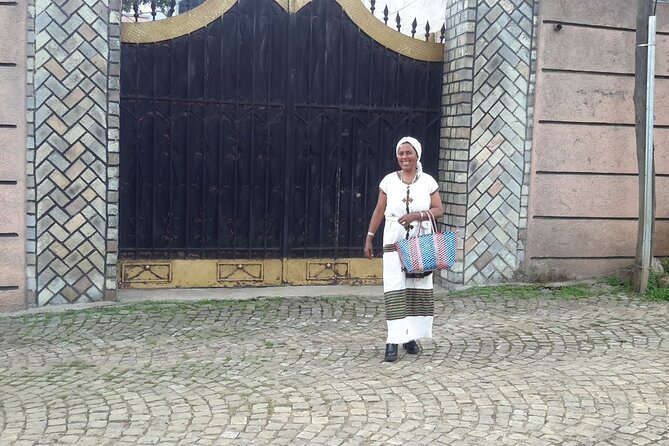
Hilena is a native of Addis Ababa and has been cooking since childhood. That matters because the class is rooted in the food she knows from daily life. The setting also lets you ask about ingredients, preparation, and the way Ethiopian meals are shared.
The class takes place in a home in Sansusi, on the outskirts of the city. Hilena runs a guest house, so other people may be present on the property. Your cooking activity remains private, however, and only your own group participates.
You should also know how communication works. Hilena is not very fluent in English, so her brother stays with the group to translate. That may slow the conversation at times, but it gives you a clear way to ask questions and follow the cooking steps.
More Home Cooking Classes in the world:
- Khmer Cooking Class at a Local’s Home in Krong Siem Reap
★ 5.0 · 2,731 reviews - Local Home Korean Cooking Class & Market Adventure in Seoul
★ 5.0 · 1,024 reviews - Marrakech: Moroccan Cooking Class with a Local Family
★ 4.9 · 668 reviews
The Sansusi market option
If you choose the market portion, you begin with a walk through a local, neighborhood market in Sansusi. This is a practical market rather than a staged food attraction. Stalls may carry grains, vegetables, fruit, live chickens, sheep, clothing, and other daily goods.
I like this part because it puts the cooking in context. Before you handle ingredients in Hilena’s kitchen, you can see the kinds of produce sold close to her home. You may learn about food that grows locally and buy a few vegetables or herbs for the meal.
The market can also help you understand the difference between shopping for a cooking class and shopping for an Ethiopian household. The ingredients are not presented as museum pieces. They are part of ordinary local commerce, with food and nonfood goods sharing the same market space.
The exact market experience can change with the season and the day. The menu may also vary depending on what is available. If you have a strong interest in the market visit, confirm that you have selected that option when booking.
The market walk is not the whole tour. It leads back to Hilena’s home, where the focus shifts from seeing ingredients to preparing and eating them.
Cooking two Ethiopian dishes with Hilena
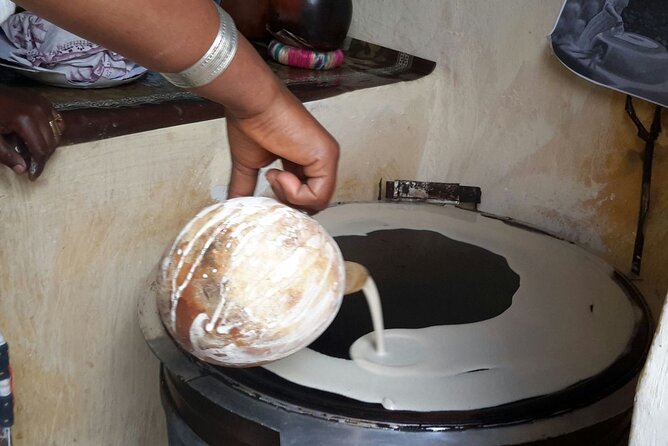
The class centers on two traditional Ethiopian dishes made with family recipes. The supplied menu also names several foods you may enjoy during the meal: beyaynetu, shiro, genfo, and anebabero.
Beyaynetu is a vegetable platter. The name refers to a mixed selection served together, so it gives you a chance to sample more than one preparation in a single meal. The exact vegetables can change with the season.
Shiro is a chickpea stew and one of the more familiar Ethiopian dishes for anyone beginning to explore the country’s food. Preparing it in a home kitchen helps you see how a simple staple becomes part of a larger shared meal.
Genfo is a porridge, while anebabero is Ethiopian bread. Together, these dishes show that an Ethiopian meal can include different textures and styles of preparation, rather than one main dish with a few side items.
You are promised instruction in two dishes, but the meal may include more food than the two items you help prepare. That is important when planning your time and appetite. This is a social meal with several components, not a short lesson followed by a small tasting plate.
The cooking itself is the point, so expect to take part rather than simply stand nearby. The information provided does not specify every task, cooking tool, or recipe detail. You can reasonably expect Hilena to guide you through the two selected dishes, with her brother helping explain the steps in English.
If you have allergies, dietary restrictions, or particular cooking preferences, tell the operator when you book. A vegetarian option is available, but you need to request it in advance. Since the menu can change with the season, ask about the planned dishes if a specific ingredient matters to you.
Sharing the meal in a local home
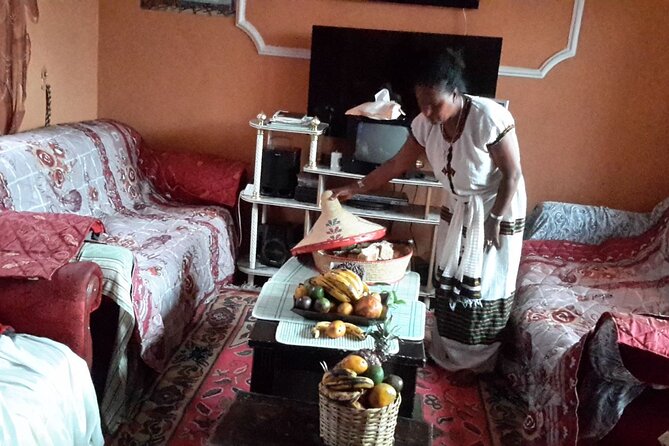
After cooking, you eat together in Hilena’s home. This is where the experience moves beyond a lesson. The food becomes a reason to sit, talk, and see how a household meal feels in Addis Ababa.
The home setting can be more revealing than a standard restaurant visit. A restaurant shows you food prepared for customers. A home class gives you a look at the setting where family recipes are kept and passed on.
That personal contact is also the strongest reason to choose this activity. The family welcomes you into their space, and the class gives you time to learn through conversation as well as through food. The presence of Hilena’s brother helps keep that conversation moving despite the language barrier.
You should arrive ready for a generous meal. One detailed account describes the course as long and full of food. Three hours is an approximate duration, so avoid scheduling a tight appointment immediately afterward. The cooking, meal, translation, and coffee all take time.
The experience is private, but the property may have other people staying at the guest house. If you want a completely secluded setting with no one else around, this may not be the right fit. If your priority is a private cooking activity with your own group, it meets that need.
More Private Cooking Classes in the world:
- PRIVATE Authentic Balinese Cooking Class in Ubud at Putu’s Home
★ 5.0 · 644 reviews - Rome: Pasta Making Class with Tiramisu & Wine PRIVATE OPTION
★ 4.8 · 404 reviews - Private Market Tour & Cooking Class in Puerto Vallarta with Manu
★ 5.0 · 241 reviews - Private Cooking Class with 5 dishes of your choice
★ 5.0 · 227 reviews
Why the transfer matters in Addis Ababa
Pickup is offered, which is useful because Sansusi is on the outskirts of Addis Ababa. Hilena’s home is about 20 kilometers from the airport, so the location is not a casual walk from the central parts of the city.
The included transfer reduces the work of finding the home yourself. That is especially helpful for a first visit to Addis Ababa, when unfamiliar streets and traffic can make a simple trip take longer than expected.
Still, do not treat the distance as a minor detail. The pickup and return journey form part of your day. Traffic, the location outside the central area, and the approximate three-hour activity time can make this a substantial outing.
The airport distance may also make the tour useful near the beginning or end of a stay, but you should not schedule it close to a flight without allowing plenty of extra time. The available information confirms the distance from the airport, but it does not promise a specific airport layover schedule or guaranteed timing around flights.
A mobile ticket is offered, and confirmation arrives when you book. You should keep your pickup details clear and provide any food requirements at the same time.
The coffee finish
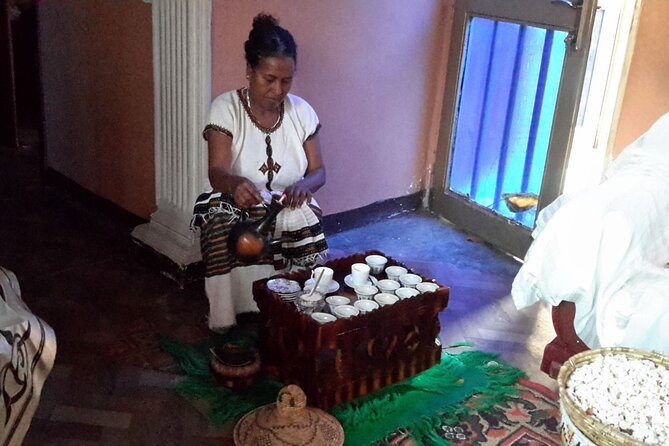
Ethiopian coffee is an important part of the experience’s final stage. After the meal, you can relax with a cup of coffee in the home.
This closing moment gives the visit a slower finish. You have already seen the market, helped prepare food, and shared a meal. Coffee provides time to sit with Hilena and her family, ask final questions through the translator, and let the meal settle.
The information does not specify a full coffee ceremony with particular equipment or steps, so you should not book this expecting a formal ceremonial performance. What is promised is a cup of delicious Ethiopian coffee at the end of the visit.
For many people, this will be one of the most pleasant parts of the day. The activity is built around hospitality, and the coffee gives that hospitality a natural final note.
What $124 buys you
At $124 per person, this is not the cheapest way to eat in Addis Ababa. You are paying for more than food, though. The price includes a private, personalized activity, pickup, instruction in a local home, the meal, and the chance to add a market visit.
Value depends on what you want from a food experience. If you mainly want a quick plate of Ethiopian food, a restaurant will cost less and take less time. If you want a personal meeting with a local cook, help preparing traditional dishes, and a meal in a family home, the higher price makes more sense.
The private format is another part of the value. Only your group takes part in the cooking activity, so you do not have to keep pace with a large class or compete for the instructor’s attention. The translator also helps your group communicate with Hilena.
Group discounts are available, which could make the price more appealing for families or friends booking together. The experience is also suitable for most people to participate in, and a vegetarian option can be arranged if requested ahead of time.
The best value comes when you use the full experience. Choose the market option if you want the food to begin with shopping. Allow enough time for the class and meal. Ask questions. Treat the visit as a cultural activity with food at its center, not simply as a paid lunch.
Who will enjoy this experience most
I would recommend this class to you if food is your preferred way to meet local people. It works especially well for visitors who want a private activity and who are comfortable eating in a family home rather than a restaurant.
It is also a good choice for curious cooks. You do not need to be an expert, since the emphasis is on learning and participation. The class gives you a way to see how Ethiopian dishes are prepared and combined into a meal.
Families and small groups may appreciate the private format and group discounts. The menu can be adjusted for vegetarian diners, but food restrictions need to be shared at booking.
You should think twice if you dislike long meals, home visits, translation through a family member, or travel outside the central city. The home is about 20 kilometers from the airport, and the activity can feel unhurried. That is part of its appeal, but it will not suit someone seeking a fast, tightly timed stop.
The class is also not ideal for anyone who expects a polished culinary school with fluent English instruction at every step. Hilena’s brother translates, and the experience is personal rather than formal.
Booking, timing, and cancellation details
The activity lasts about three hours, but I would leave extra room around it because the market visit, transfer, meal, and coffee may affect the total time. Confirmation is provided at booking, and the tour offers a mobile ticket.
You can cancel for a full refund if you do so at least two full days before the experience begins. Cancellations made within two days are not refunded, and changes made during that period are not accepted. Cutoff times follow Addis Ababa local time.
The activity is often booked well in advance, with an average booking time of about 33 days before the visit. That does not guarantee that every date fills early, but it is a useful reason to arrange the class ahead of time if your schedule is fixed.
Should you book the Sansusi cooking class?
Book it if you want a personal Ethiopian food experience with a local host, a private group setting, and enough time to cook and eat without rushing. The Sansusi market option adds a useful look at local ingredients, while the home meal and coffee give the day a warm, social shape.
Skip it if you only have a short gap in Addis Ababa, need a central location, or want a formal class conducted entirely in fluent English. For everyone else, the combination of market, family recipes, generous food, translation support, and pickup offers a strong way to connect with everyday Addis Ababa.
FAQ
How long does the cooking class last?
The experience lasts approximately three hours.
Where does the cooking class take place?
The class takes place in Hilena’s local home kitchen in Sansusi, on the outskirts of Addis Ababa.
Is pickup included?
Yes. Pickup is offered as part of the experience.
How far is Hilena’s home from the airport?
Hilena’s home is about 20 kilometers from Addis Ababa airport.
Is the activity private?
Yes. Only your group participates in the private cooking activity. Other people may be staying at Hilena’s guest house.
Is a vegetarian option available?
Yes. A vegetarian option is available, but you should request it when booking.
What food might be included?
The meal may include beyaynetu, a vegetable platter; shiro, a chickpea stew; genfo, a porridge; and anebabero, Ethiopian bread. The menu may change with the season.
How does communication work during the class?
Hilena’s brother is present throughout the experience to help translate because Hilena is not very fluent in English.
Can I visit a local market?
Yes, if you choose the market tour option. The visit takes place at a neighborhood street-side market in Sansusi, where you may see grains, vegetables, fruit, live chickens, sheep, clothing, and other goods.
Newest classes around the world
- Aroidee’s Farm-Fresh Thai Cooking Experience★ 5.0 · 8 reviews
- Authentic Thai Cooking Class and Farm Visit in Chiang Mai★ 5.0 · 66 reviews
- Signature Thai Cooking Course★ 5.0 · 79 reviews
- Half Day Guided Thai Cooking Class in Chiang Mai★ 5.0 · 13 reviews
- Yummy Tasty Thai Cooking School in Chiang Mai★ 5.0 · 2 reviews
- Online Thai and Akha Cooking Class★ 5.0 · 70 reviews
- Northern Thai Cooking Class in Chiang Mai in a Countryside Home★ 5.0 · 2 reviews
- Private Half-Day Thai Cooking Class in Chiang Mai★ 5.0 · 4 reviews
Home Cooking Classes, compared.
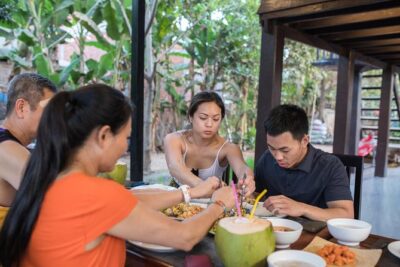
Khmer Cooking Class at a Local’s Home in Krong Siem Reap
Read our review →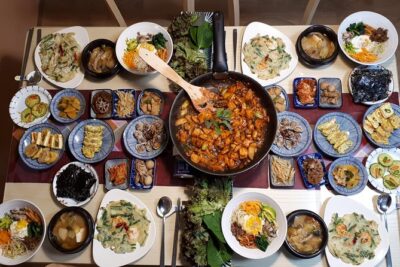
Local Home Korean Cooking Class & Market Adventure in Seoul
Read our review →

Mexican Cooking from Scratch in a Local Home in Tulum
Read our review →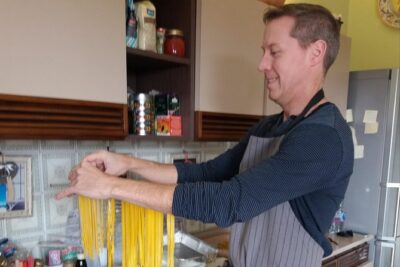
Pastamama, Home Cooking Classes at Grace’s Home
Read our review →
Traditional Cooking Class & meal with Local Family
Read our review →
Browse the lists this tour appears in