
Review · MOROCCO COOKING CLASSES
Moroccan Cooking Class with a Local Family & Market Visit
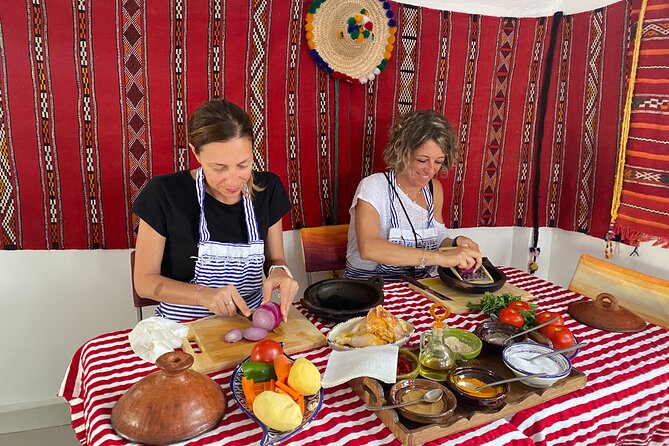
Chefchaouen’s best food lesson may begin before you reach the kitchen. You’ll shop for ingredients at a local market, then carry them to a 300-year-old family home where Zohra teaches couscous, tagine, or both, depending on the class plan. The meal is part of the lesson, not just the reward.
I like the small group cap of five people, which gives you room to ask questions and work directly with the hosts. I also like the family welcome: Murad helps guide the visit, while Zohra leads the cooking and explains the careful steps behind the food.
The main consideration is the three-hour schedule. It is long enough for a real meal and cultural conversation, but the market stop and cooking time can feel brisk if you want a slow, highly technical lesson. Confirm the dish choice and pickup details before you go.
Key points at a glance
- Shop before you cook: Spend about 30 minutes choosing fresh ingredients at a Chefchaouen market.
- Learn Amazigh methods: Prepare couscous or vegetable and chicken tagine with guidance from Zohra.
- Cook in a historic home: The class takes place in a 300-year-old house connected to a local family.
- Keep the group small: No more than five participants means more hands-on time and easier conversation.
- Finish with tea and cookies: The meal includes Moroccan tea, cookies, bottled water, and the dishes you prepare.
- Good value at $49: You receive a market visit, instruction, dinner, and a personal cultural exchange in one compact outing.
Why this Chefchaouen cooking class feels personal
Chefchaouen is easy to enjoy from its blue-painted lanes and hillside viewpoints, but a cooking class lets you see a quieter side of the city. You move from the public market into a family home, then spend time doing ordinary household work that carries generations of local practice.
The class is led by people connected to the home and community rather than by a large culinary school. Murad helps welcome and accompany you, while Zohra teaches the cooking. Salwa is also involved in the market visit and family hosting. The result is less formal than a restaurant demonstration and more like being invited into someone’s routine.
That difference matters. Moroccan food is not only about cumin, saffron, vegetables, preserved flavors, and slow cooking. It is also about how ingredients are selected, how food is shared, and how a meal brings people together. You get a taste of all three here.
The experience is especially useful if you are near the end of a Morocco trip and want to carry one practical memory home. Afterward, you can try to repeat the dish in your own kitchen. You will not simply remember what the tagine tasted like. You will remember how it was made.
More Cooking Classes with a Market Tour in Morocco
- Marrakech: Traditional Moroccan Cooking Class & Market Visit
★ 4.8 · 1,861 reviews - Moroccan Cooking Class & Marrakech Market Visit with Chef Khmisa
★ 5.0 · 1,504 reviews - Marrakech: Moroccan Cooking Class with Market Visit and Meal
★ 4.9 · 347 reviews
The 30-minute market visit comes first
The market stop gives the class a clear beginning. Instead of arriving at a kitchen with ingredients already laid out, you help select what will be used for the meal. The visit lasts about 30 minutes, so expect a focused shopping trip rather than a full market tour.
This is one of the strongest parts of the activity for anyone who wants context with their food. You can see the raw materials before they become a finished dish, and the hosts can explain what they choose and why. The market also places the meal in daily Moroccan life, rather than treating it as a staged cooking display.
You may prepare couscous, chicken tagine, vegetable tagine, or a combination with a Moroccan eggplant dish such as zaalouk. The exact selection can depend on the class arrangement, so ask ahead if you have a firm preference.
A small drawback is that 30 minutes passes quickly. If you want time for photography, unhurried browsing, and extensive questions, you may find this portion short. I would treat it as ingredient shopping with cultural conversation, not as a separate sightseeing tour.
Pickup is offered, but private transportation is not included. Since Chefchaouen’s old streets can be confusing, confirm where you will meet and how pickup works before the start time. The activity is also near public transportation.
Inside the 300-year-old house
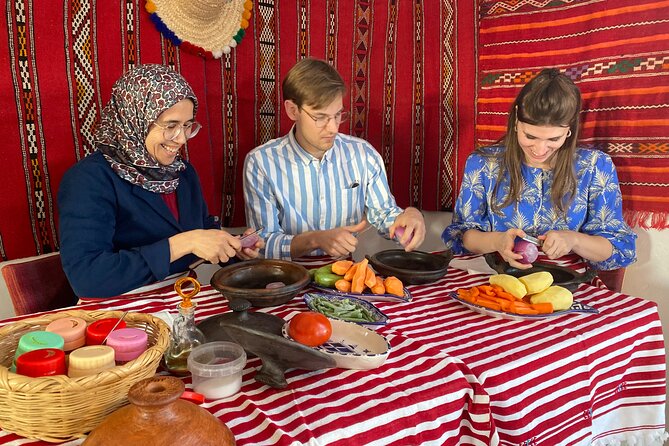
After shopping, you return to the family setting for the cooking portion. The class takes place in a 300-year-old house, which gives the meal a strong sense of place. You are not simply learning Moroccan recipes in a neutral studio.
The house is part of the appeal, but keep your expectations practical. The information provided does not promise a polished cooking-school kitchen or a formal demonstration space. You are visiting a family home, so the atmosphere may feel more domestic and informal.
The introduction lasts about 10 minutes. This is when you receive a basic explanation of Moroccan cuisine and learn what you will prepare. It is a short orientation, but it helps place couscous and tagine within Moroccan food traditions before you begin chopping and cooking.
The family welcome is an important part of the visit. Murad is present through much of the experience, and Zohra guides the food preparation. Salwa is also part of the market and hosting team. The small group limit should make it easier to speak with them directly instead of standing at the back of a large demonstration.
Preparing couscous, tagine, and zaalouk
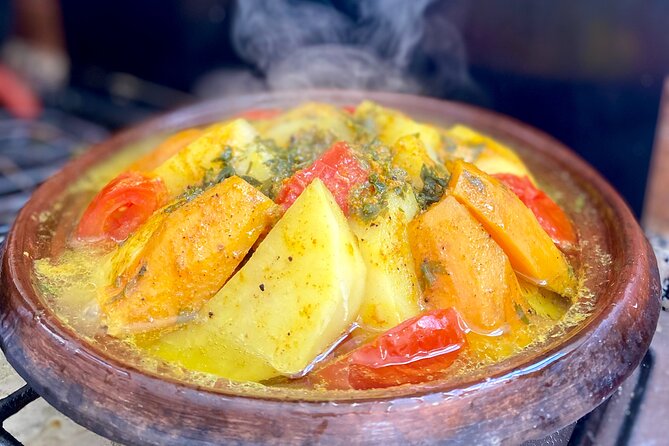
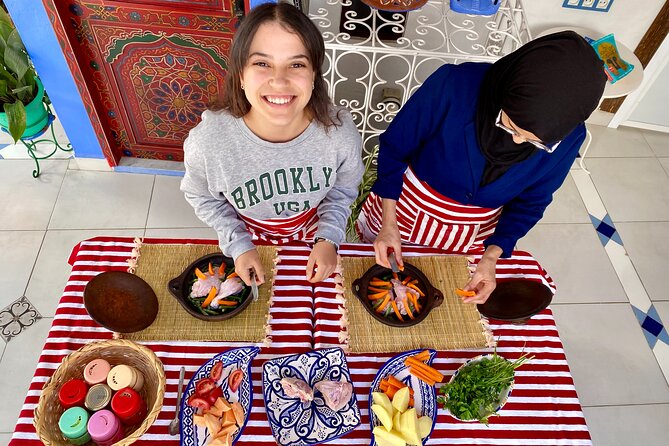
The preparation stage takes about 20 minutes. You work on the ingredients before the main cooking period begins, with guidance on the traditional approach. This is where you can ask about cutting, seasoning, and the order in which ingredients are handled.
Couscous receives special attention. The preparation involves careful steps, and the class focuses on doing it in the Moroccan way rather than treating it as a quick grain dish. If you have eaten couscous in restaurants but never seen how much care goes into its texture and finish, this part can change how you understand the dish.
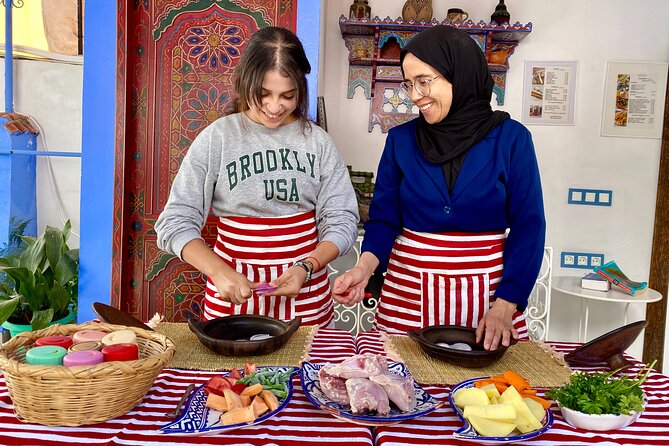
Tagine offers a different lesson. Chicken and vegetables cook together in the distinctive covered vessel, allowing the ingredients to develop flavor over time. The class may also feature a vegetable version, so it can suit different food preferences better than a menu based only on meat.
Zaalouk, a cooked Moroccan eggplant dish, may accompany the main recipe. It adds another useful skill because it shows how a simple vegetable can become a strongly seasoned side dish. A class that includes couscous or tagine plus zaalouk gives you more than one recipe to take home.
The one limitation is that a three-hour session cannot cover every Moroccan cooking technique. You will learn a small set of dishes rather than receive a full survey of the country’s food. That is a sensible tradeoff, especially if you prefer hands-on work to a long lecture.
More Home Cooking Classes in Morocco
- Marrakech: Moroccan Cooking Class with a Local Family
★ 4.9 · 668 reviews - Marrakech: Moroccan Cuisine Cooking Class in Local Home
★ 4.8 · 508 reviews - Fez: Souk Tour and Traditional Home Cooking Class
★ 4.9 · 186 reviews - Old local Market visit+Moroccan cooking class with a local family
★ 5.0 · 84 reviews
One hour of hands-on cooking
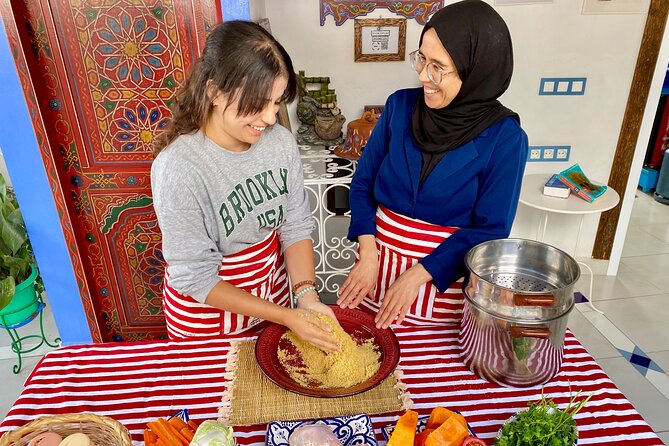
The main cooking period lasts about an hour. You are expected to take part, not just watch. Zohra stays involved and guides you through the steps, making the class suitable for people with different levels of kitchen confidence.
I like this format because it gives you enough time to notice how the food changes as it cooks. You can ask why an ingredient is added at a certain stage, watch the host correct a technique, and understand the patience behind the finished dish.
The class is not described as an advanced professional workshop, so you should not book it expecting restaurant-level knife training or a printed culinary curriculum. Its value is practical and cultural. You learn how a local family prepares familiar dishes and why the process matters.
If you have dietary restrictions, ask about them before booking or as soon as possible. The available information confirms chicken, vegetables, couscous, tagine, and eggplant dishes, but it does not specify a separate allergy menu or guaranteed substitutions.
Plating, dinner, and Moroccan tea
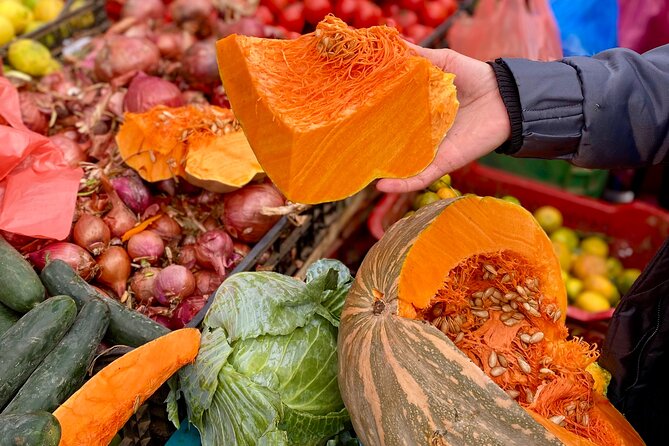
Once the food is ready, about 15 minutes is set aside for plating and presentation. This adds a small visual lesson to the cooking. Moroccan meals often rely on shared presentation, and arranging the finished food gives you a chance to see how the cooking is brought to the table.
Then comes the tasting and cultural conversation, planned for about 25 minutes. You eat the meal you helped prepare and talk about its place in Moroccan life. Dinner, tea or coffee, bottled water, Moroccan tea, and cookies are included.
The shared meal is the point where the separate parts of the class come together. The market explains the ingredients. The kitchen shows the method. The table explains the social side of the food.
Do not expect alcohol to be included. Alcoholic drinks are specifically excluded. That is unlikely to matter for most people booking a Moroccan family cooking class, but it is worth knowing if you were expecting a beverage pairing.
You can take photos and ask questions during the visit. The class encourages you to capture the moment yourself, though the information does not promise professional photographs. Bring a phone or camera if that matters to you.
What $49 gets you
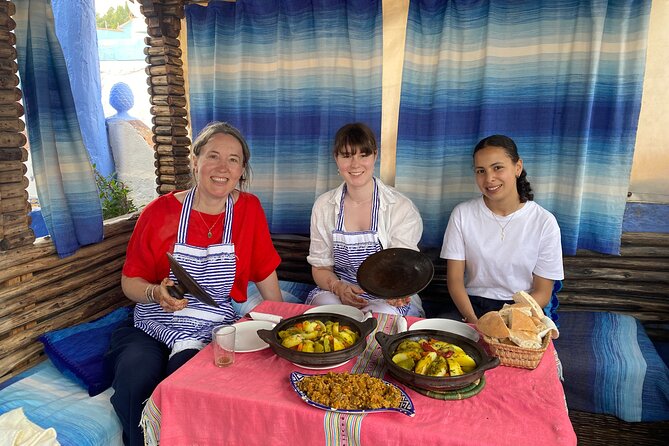
At $49 per person, this is a solid value if you want more than a restaurant meal. The price covers roughly three hours of activity, a market visit, hands-on instruction, dinner, tea or coffee, cookies, and bottled water. It also includes time with a local family in a historic home.
A meal alone in Chefchaouen would usually take less time and offer less context. A standard market walk would not include cooking instruction or dinner. Here, the value comes from combining those pieces in one small-group experience.
The price is less compelling if you mainly want a quick cooking demonstration. You are paying for the personal setting and the time spent with the hosts, not only for the food. If you prefer to explore independently, eat at a restaurant, and keep your schedule open, this class may feel like too much structure.
The maximum group size of five improves the calculation. With a larger class, a low price can mean limited access to the instructor. Here, the small cap should give you more chances to participate and ask about the food.
The experience is booked about seven days in advance on average, so I would not leave it until the last day of a short Chefchaouen visit. That is especially important if you want a particular day or need pickup.
Who should book this experience
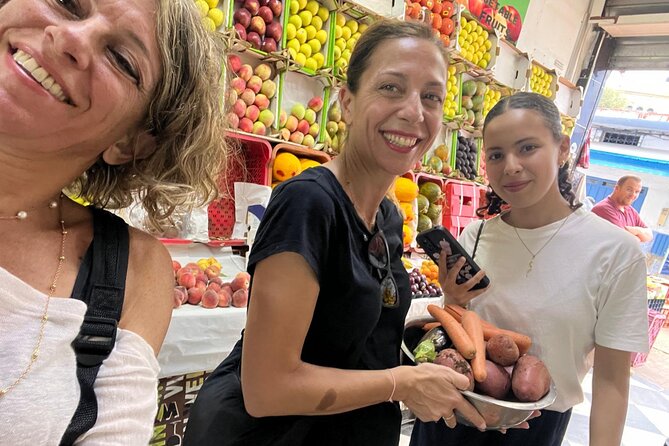
I would recommend this class to food lovers who want to understand how Moroccan dishes are made at home. It suits curious cooks, couples, families, and small groups who enjoy talking with local people as much as eating.
It also works well for anyone who has already seen Chefchaouen’s main sights. After walking the blue streets, a home-based meal gives you a different way to spend an afternoon or evening.
Families can benefit from the hands-on format, though the supplied information does not state a minimum age. If you are booking with children, ask the provider whether the planned tasks and timing fit your group.
The class is a good choice for vegetarians if you confirm the menu in advance. Vegetable tagine, couscous, and zaalouk are mentioned, but the exact dish served on your date is not guaranteed in the information provided.
I would hesitate to recommend it to anyone seeking a highly technical pastry, bread, or chef-certification class. The focus is Moroccan home cooking and cultural connection. That is its strength, but it also defines its limits.
Timing, pickup, and cancellation details
The full activity lasts about three hours, with a 10-minute introduction, 30-minute market visit, 20-minute preparation period, one hour of cooking, 15 minutes for plating, and 25 minutes for eating and cultural discussion. Tea, cookies, photos, and questions fit around those planned sections.
Pickup is offered, but private transportation is not included. Confirm the meeting point and pickup arrangement before the day of the class. Mobile tickets are accepted, and confirmation is provided when you book.
You can cancel for a full refund up to 24 hours before the local start time. Cancellations or changes made within 24 hours are not refunded or accepted. The activity requires good weather, and if poor weather causes cancellation, you will be offered another date or a full refund.
My verdict on this family cooking class
Book it if you want a small, personal introduction to Moroccan food that connects the market, the kitchen, and the family table. The strongest reasons are the five-person limit, the 300-year-old home, and the chance to learn careful couscous or tagine methods from Zohra with help from Murad and Salwa.
Skip it if you want a long market tour, a formal culinary course, or a completely flexible schedule. For $49, though, the combination of dinner, instruction, tea, and local contact makes this one of the better ways to spend three hours in Chefchaouen.
FAQ
How long does the Moroccan cooking class last?
The experience lasts approximately three hours. It includes an introduction, market visit, ingredient preparation, cooking, plating, dinner, cultural discussion, tea, cookies, and time for questions.
What dishes can I learn to prepare?
The class focuses on traditional couscous or tagine, with vegetable or chicken options. Zaalouk, a Moroccan eggplant dish, is also included in some class arrangements.
How many people can join the class?
The activity has a maximum of five participants.
Is transportation included?
Pickup is offered, but private transportation is not included. Confirm the pickup or meeting details before the experience.
Are dinner and drinks included?
Dinner, coffee or tea, Moroccan tea and cookies, and bottled water are included. Alcoholic beverages are not included.
Can I cancel for a full refund?
Yes. You must cancel at least 24 hours before the local start time for a full refund. Cancellations within 24 hours are not refunded, and poor-weather cancellations may be moved to another date or fully refunded.
More Moroccan Classes in Morocco
- Marrakech: Moroccan Cooking Class with Pickup
★ 4.6 · 1,862 reviews - Marrakesh: Moroccan Dishes Cooking Class with a Local Chef
★ 5.0 · 1,615 reviews - Marrakech: Moroccan Cooking Workshop at La Maison Arabe
★ 5.0 · 446 reviews - Marrakech: Tajine Cooking Class in a Traditional Riad
★ 4.8 · 424 reviews
Newest classes around Morocco
- Private Tagine Cooking Class in Chefchaouen with Lunch★ 5.0 · 5 reviews
- Chefchaouen Private Cooking Class with Mountain View★ 5.0 · 16 reviews
- 3-Hour Cooking Class overlooking the Blue City★ 5.0 · 36 reviews
- Chefchaouen Cooking Class★ 5.0 · 4 reviews
- Market Tour & Moroccan Cooking Class in Casablanca with Transfers★ 5.0 · 18 reviews
- Private CousCous Cooking Class in a Traditional Family Home★ 5.0 · 7 reviews
- Traditional Cooking Courses in Casablanca★ 5.0 · 2 reviews
- Private Moroccan Cooking Class in Casablanca with Hotel Transfers★ 5.0 · 2 reviews
Morocco Cooking Classes, compared.

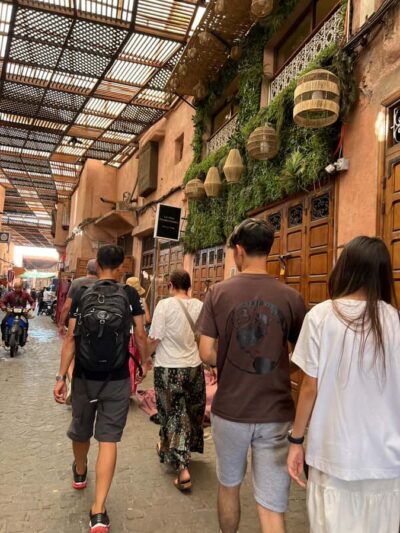
Traditional Moroccan Cooking Class & Market Visit
Read our review →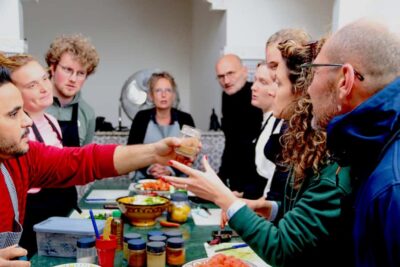
Moroccan Dishes Cooking Class with a Local Chef
Read our review →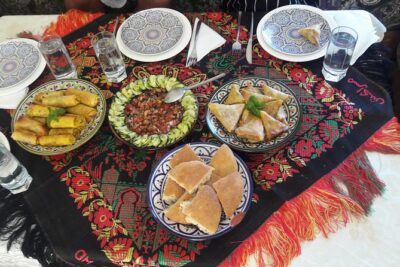
Moroccan Cooking Class & Marrakech Market Visit with Chef Khmisa
Read our review →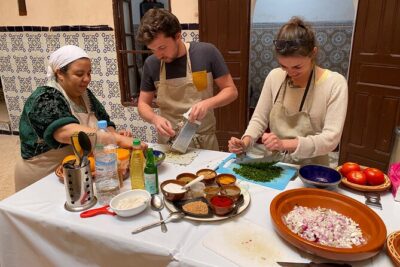
Half-Day Cooking Class with Local Chef Laila in Marrakech
Read our review →
Browse the lists this tour appears in