
Review · MOROCCO COOKING CLASSES
Marrakech cooking class
Moroccan cooking makes the most sense when you see the ingredients before they reach the pot. This four-hour class starts at Place de l’Horloge, where you shop with your hosts for fresh food, then moves to a family home for couscous and other traditional dishes.
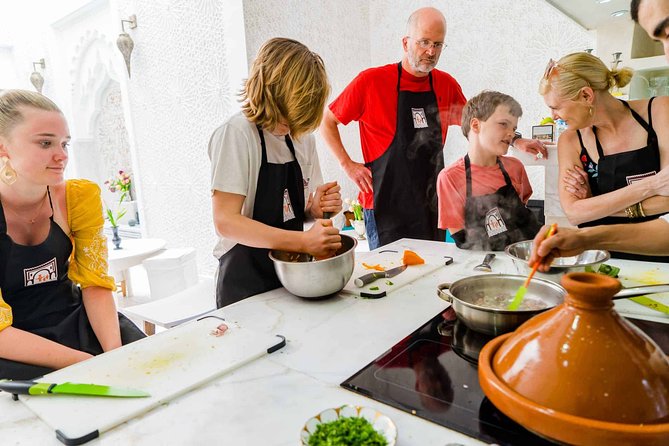
I like the market shopping because it gives the meal a clear local setting, and I like the chance to cook with Khadija and Hussein using family recipes. You are not simply watching a demonstration. You help make lunch, then sit down to eat it with mint tea.
The main thing to check is the location wording. The activity is listed in Marrakesh-Safi and begins at Place de l’Horloge, but the description also refers to Essaouira. Confirm the exact meeting city and home address before you pay.
Key points to know
- The class begins at Place de l’Horloge, with a guided purchase of ingredients from local vendors.
- Khadija and Hussein host the cooking session in their home, using recipes passed down through their family.
- The menu may be flexible, with dishes such as couscous, tajine, briwate, zaalouk, and Moroccan bread.
- Your four-hour booking includes lunch, tea, ingredients, and the cooking lesson, so the $76 price covers more than instruction alone.
- You can take part in the preparation, rather than only watching someone cook.
- English, French, and Arabic are available, and cancellation is free up to 24 hours before the activity.
From Place de l’Horloge to the market basket
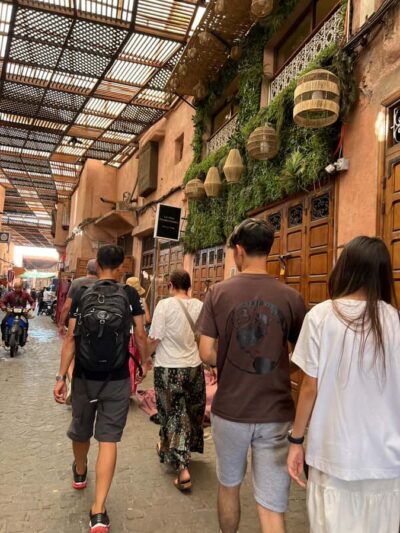
The class opens with a practical task: buying the food. At Place de l’Horloge, you meet your hosts and head into the market to select ingredients from local sellers.
This first section is useful because it shows how a Moroccan meal begins. You can see the food in its raw form, ask about what you are buying, and understand how the menu takes shape. One of the dishes prepared on a recent booking was chicken, purchased fresh for the class. The shopping is not just a quick stop for supplies. It connects the cooking to the daily food culture of the city.
The ingredients you buy depend partly on the dishes you choose. The planned experience places special attention on traditional couscous, but Khadija and Hussein can offer other choices. A menu may include tajine, briwate, zaalouk, and Moroccan bread. This flexibility is helpful if you already know which Moroccan foods you want to learn, or if you would rather let the hosts guide you.
You should expect a real market visit, not a sightseeing tour with long historical commentary. The value is in choosing food with the people who will cook it, then carrying those ingredients into the next part of the class.
More Cooking Classes in Morocco:
- Marrakech: Moroccan Cooking Class with Pickup
★ 4.6 · 1,862 reviews - Marrakech: Traditional Moroccan Cooking Class & Market Visit
★ 4.8 · 1,861 reviews - Marrakesh: Moroccan Dishes Cooking Class with a Local Chef
★ 5.0 · 1,615 reviews
Tea first, then work at the kitchen table
After shopping, you return to the hosts’ home and receive Moroccan mint tea. This gives the class a relaxed start before the preparation begins.
Tea is also part of the social side of the experience. You are entering a family setting, not a formal culinary school, and the welcome helps set that tone. The class is built around sharing food and conversation as much as learning a recipe.
The instructors speak English, French, and Arabic. That language range matters during hands-on cooking, since small steps often need to be shown and explained at close range. You can ask questions as you work, rather than trying to copy a recipe from a distance.
The supplied information does not state the group size, so you should not assume a private lesson or a small class. If personal attention is important to you, ask about the size of your session before booking.
Learning couscous one step at a time
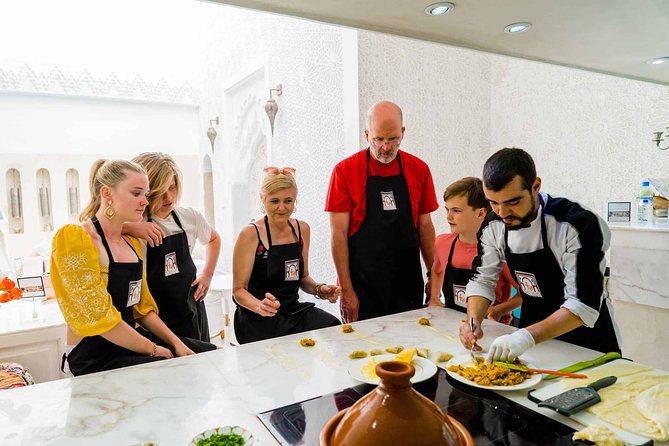
Couscous is the main cooking lesson described for this experience. You work through the process step by step, following family methods rather than a shortened tourist version.
That makes the class useful for anyone who has eaten couscous in Morocco but has never understood how it comes together. You learn by handling the ingredients and following the order of preparation. The point is not only to leave with a plate of food. You leave with a better sense of how the dish is made.
The exact technique and cooking time can depend on the recipe and ingredients purchased that day. The experience promises guidance through the process, but it does not provide a fixed written menu or a detailed recipe sheet in the information supplied. If you want to recreate the dishes at home, ask whether the hosts share recipes or notes.
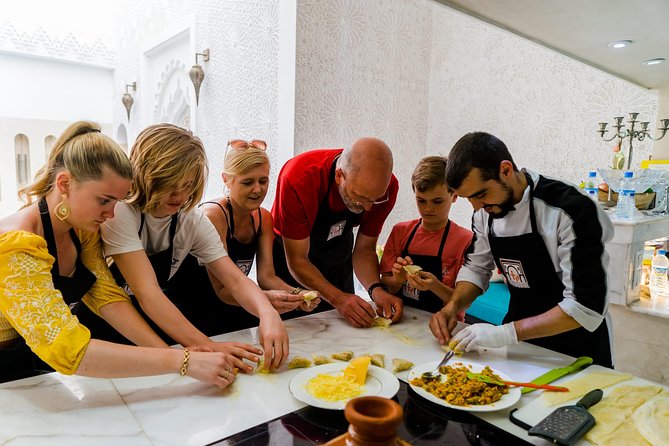
While the couscous cooks, other dishes can be prepared. Tajine gives you a chance to work with Morocco’s slow-cooked style. Briwate adds a pastry element. Zaalouk introduces a vegetable dish, and Moroccan bread brings a basic staple into the meal. These choices make the class broader than a single-dish demonstration.
One important point: the menu is not completely rigid. A booking prepared tajine, briwate, zaalouk, and Moroccan bread, while the hosts also allowed the participants to choose what they wanted to cook. You should confirm your preferred dishes when arranging the class, especially if couscous is your main reason for booking.
Eating the meal you helped prepare
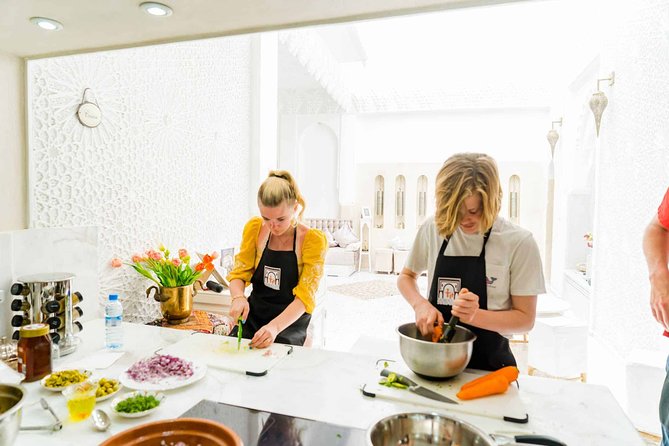
The best part of a cooking class is usually the meal at the end, and this one includes lunch. You sit down to eat the dishes prepared during the session, with Moroccan mint tea served alongside the food.
This gives the meal a stronger sense of place than a restaurant visit. You have seen the ingredients, helped prepare them, and shared the work with your hosts. The food becomes a record of the afternoon.
The cooking can also reveal details that a restaurant menu will not. You see the effort behind a traditional dish, the order in which ingredients are handled, and the family approach to seasoning. That kind of lesson stays useful after the trip, even if your home kitchen never produces the same result.
There is one small omission to note. Dessert is not listed as part of the experience. One rating specifically suggested that a sweet course would have been a welcome addition. Lunch, tea, ingredients, and instruction are included, but you should not book this expecting a full multi-course feast with dessert.
Same region, a different dish to learn:
- Moroccan Cooking Class & Marrakech Market Visit with Chef Khmisa
★ 5.0 · 1,504 reviews - Half-Day Cooking Class with Local Chef Laila in Marrakech
★ 5.0 · 952 reviews - Marrakech: Moroccan Cooking Class with a Local Family
★ 4.9 · 668 reviews - Marrakech: Moroccan Cuisine Cooking Class in Local Home
★ 4.8 · 508 reviews
What the $76 price really covers
At $76 per person, this class costs more than a simple market walk or a basic restaurant meal. But the price includes the ingredients, a four-hour activity, instruction, tea, and lunch.
I see the value in the combination. You are paying for the market visit, the time spent cooking, the food itself, and the chance to share a meal in a local home. If you were planning to buy lunch and book a separate activity, the total could easily approach the class price.
The value is strongest for you if you want participation. If you only want to eat Moroccan food, a restaurant will be simpler and probably cheaper. If you want to understand how the dishes are made and enjoy a social afternoon, the class offers more.
The flexible menu also helps. You can focus on couscous, or ask about preparing several dishes such as tajine, briwate, zaalouk, and bread. Ask what is possible before the session so your expectations match the plan.
The hosts make the experience personal
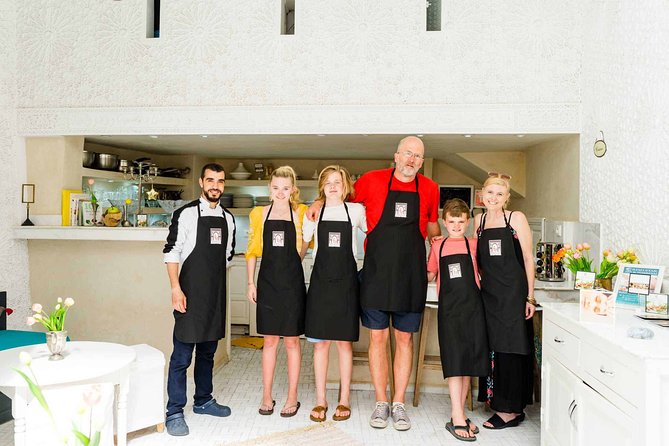
Khadija and her husband Hussein lead the class. The experience is built around their family recipes and their home, which gives it a personal character that a large professional kitchen may not offer.
You can expect the hosts to guide you through the preparation and share the meal with you. The teaching style is described as clear and effective, with the opportunity to cook rather than simply watch.
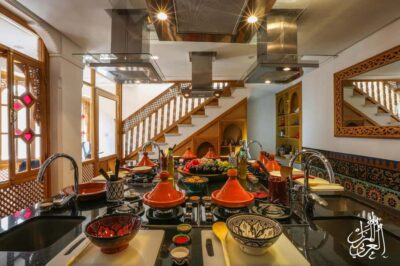
The warm welcome is part of what makes this different from a standard cooking school. You drink tea, shop for food together, prepare lunch, and eat in the same setting. That sequence creates a natural afternoon rather than a series of disconnected activities.
At the same time, a family-home class may be less polished than a commercial cooking studio. The supplied information does not give details about kitchen equipment, seating, class size, or the exact format of instruction. If you need a formal lesson with printed recipes, professional workstations, or a guaranteed private group, ask those questions first.
Who will enjoy this cooking class most
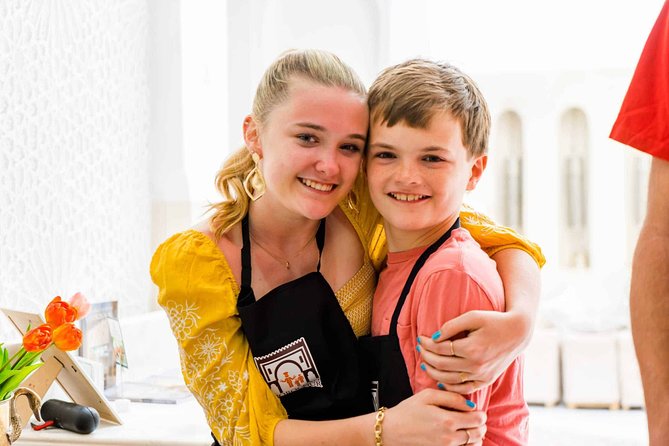
This experience suits you if you like to take part in local routines rather than move from one major sight to another. It is especially good for food-focused visitors who want to learn several Moroccan dishes in one sitting.
It also works well for couples, friends, and families who enjoy doing something together. The market purchase gives the group a shared task, and the meal gives everyone a clear reward at the end.
You do not need to be an experienced cook based on the information provided. The class is presented as a guided, step-by-step activity. Still, you should be comfortable handling ingredients and taking part in preparation, since this is not a purely observational demonstration.
This may be less suitable if you have very strict dietary needs, since no dietary information is provided. The class can involve chicken, and the menu may be selected around what you buy at the market. Ask about ingredients and substitutions before booking.
Timing, languages, and booking details
The activity lasts four hours, with starting times depending on availability. That makes it a manageable half-day plan, but you should avoid placing an important timed activity immediately afterward. Market shopping and cooking do not always move at the exact pace of a museum visit.
Instruction is available in English, French, and Arabic. This is useful if different people in your group are more comfortable in different languages, though the information does not explain whether multilingual instruction is offered in the same session.
The meeting instructions say that clients will be shown their full name. Since the location description contains both Marrakech and Essaouira references, confirm the exact meeting point and destination directly when booking. This is the one practical detail I would not leave unclear.
You can cancel up to 24 hours before the activity for a full refund. You can also reserve now and pay later, which is helpful if your schedule is still changing.
Should you book the Marrakech cooking class?
I would book this class if you want a hands-on food experience with a local market visit, family recipes, and a shared lunch. The strongest features are the ingredient shopping, the personal teaching from Khadija and Hussein, and the chance to choose among several Moroccan dishes.
I would pause if you need a fixed itinerary, a guaranteed dessert, a professional teaching kitchen, or clear confirmation of a private group. Also confirm the Marrakech and Essaouira location wording before booking.
For most food-minded visitors, $76 is a fair price because it covers four hours, ingredients, tea, instruction, and lunch. Choose it for the social connection and the chance to cook. Skip it if you only want a quick meal with no preparation.
FAQ
Where does the cooking class meet?
The meeting point is listed as Place de l’Horloge. The activity information also refers to Marrakesh-Safi, though the description mentions Essaouira, so confirm the exact city and meeting details before booking.
How long does the cooking class last?
The experience lasts four hours. Starting times depend on availability.
What is included in the price?
The price includes lunch, the ingredients purchased for the class, Moroccan tea, and the cooking lesson.
Which dishes can I prepare?
The main description focuses on traditional couscous. Depending on the menu, you may also prepare tajine, briwate, zaalouk, and Moroccan bread. The hosts may allow you to choose what you want to cook.
Which languages are available?
The instructors speak English, French, and Arabic.
Can I cancel the booking?
Yes. You can cancel up to 24 hours in advance for a full refund. You can also reserve the activity and pay later.
Newest classes around Morocco
- Private Tagine Cooking Class in Chefchaouen with Lunch★ 5.0 · 5 reviews
- Chefchaouen Private Cooking Class with Mountain View★ 5.0 · 16 reviews
- Moroccan Cooking Class with a Local Family & Market Visit★ 5.0 · 16 reviews
- 3-Hour Cooking Class overlooking the Blue City★ 5.0 · 36 reviews
- Chefchaouen Cooking Class★ 5.0 · 4 reviews
- Market Tour & Moroccan Cooking Class in Casablanca with Transfers★ 5.0 · 18 reviews
- Private CousCous Cooking Class in a Traditional Family Home★ 5.0 · 7 reviews
- Traditional Cooking Courses in Casablanca★ 5.0 · 2 reviews
Morocco Cooking Classes, compared.

Traditional Moroccan Cooking Class & Market Visit
Read our review →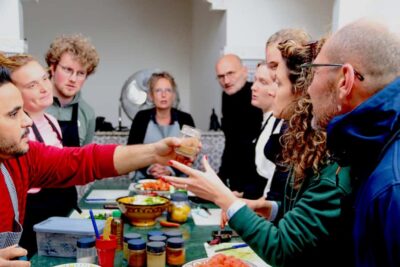
Moroccan Dishes Cooking Class with a Local Chef
Read our review →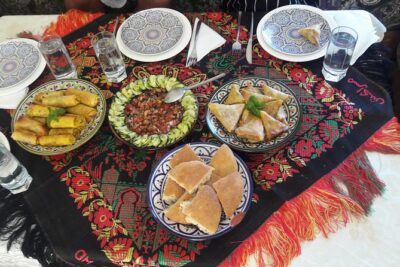
Moroccan Cooking Class & Marrakech Market Visit with Chef Khmisa
Read our review →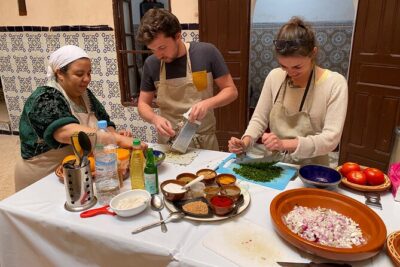
Half-Day Cooking Class with Local Chef Laila in Marrakech
Read our review →
Browse the lists this tour appears in