
Review · SPAIN COOKING CLASSES
Malaga: Authentic Paella Cooking Class with Sangría
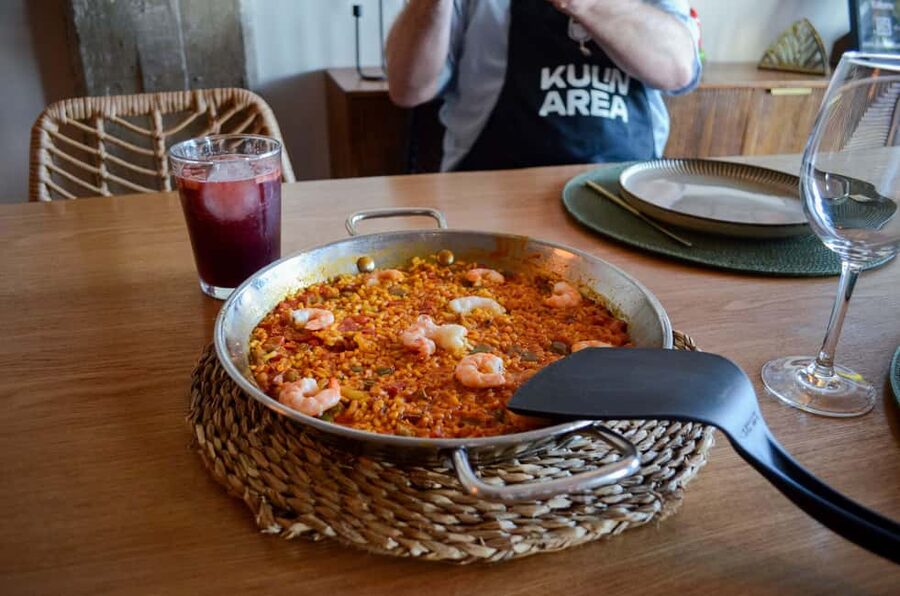
The best part of this Malaga experience is that you do not simply watch a chef make paella. You work with the ingredients, prepare your own pan, and sit down to eat the result with sangría, regional wine, gazpacho, and other dishes. I especially like the Atarazanas Market visit in morning sessions and the clean, modern kitchen near the port. The one thing to keep in mind is that evening classes and holiday sessions miss the market visit because it is closed.
I also like the way the class mixes food with practical Malaga context. Guides including Elise, Javi, Anais, and Jose have explained the market, local history, olive oil, and restaurant tips, while chefs such as Alba, Alma, and Pepe keep people involved at the stove. The class can run a little differently from one session to another, so churros, salads, or roasted peppers may appear alongside the advertised dishes.
Key points at a glance
- Morning market walk: Monday through Saturday morning sessions include Atarazanas Market, with seasonal produce, olives, almonds, and local food background.
- Hands-on paella: You help prepare and cook your own paella instead of watching a demonstration from the sidelines.
- More than rice: The menu includes homemade gazpacho or salmorejo, sangría, regional wine, beer, or soft drinks, with some sessions adding churros or salad.
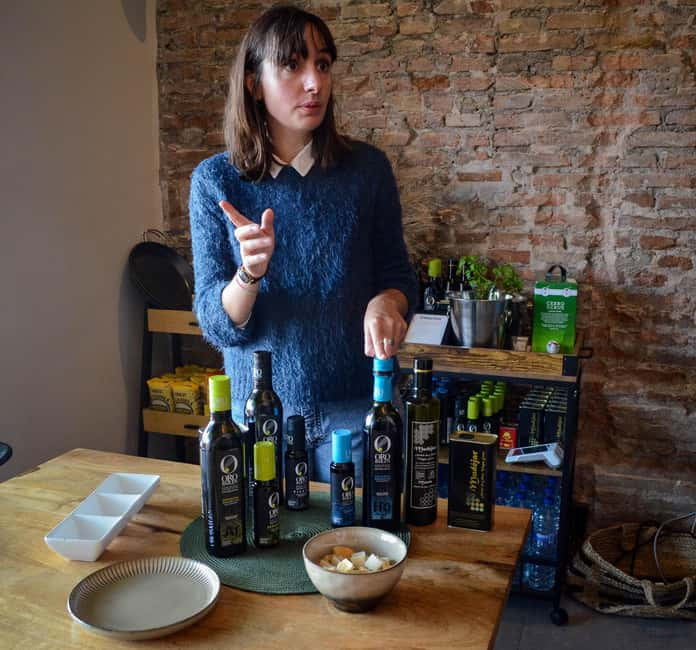
- Useful food tasting: The extra virgin olive oil tasting gives you a simple way to compare local oils before cooking.
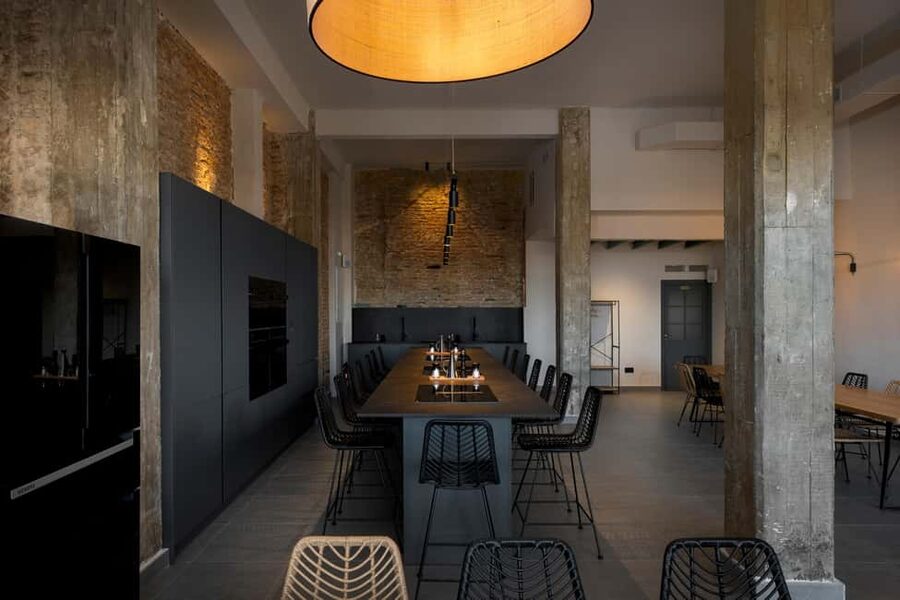
- Comfortable setting: Kulinarea uses a spacious, well-equipped kitchen in Malaga’s artistic Soho District.
- Good practical value: At $77 per person for 210 minutes of food, drinks, instruction, and an apron, this is a substantial half-day activity.
Starting at Atarazanas Market in Malaga
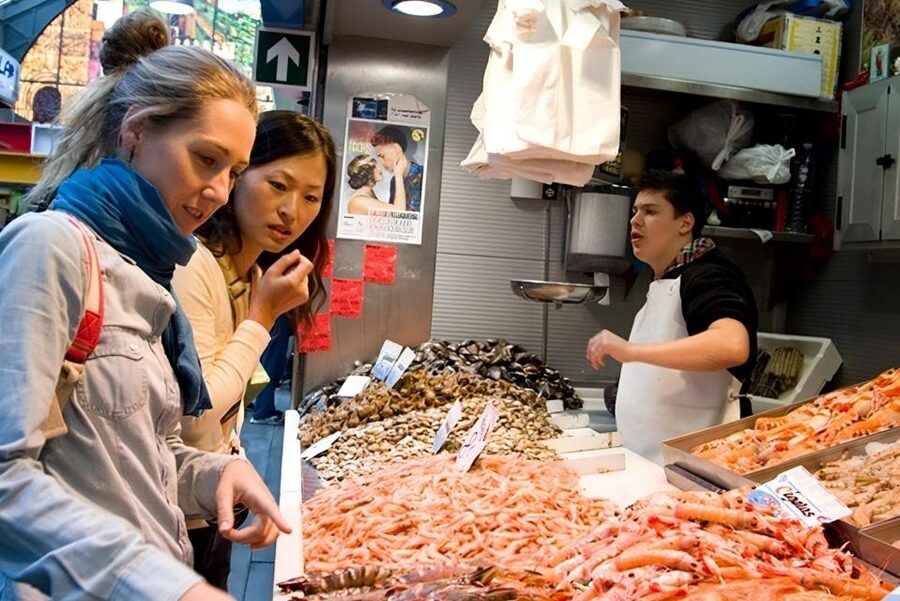
For a morning class from Monday through Saturday, the experience begins with a short walk to Atarazanas Market. This is more than a quick photo stop. You get a look at the produce and food traditions that supply the cooking session, which makes the later work in the kitchen easier to understand.
Guides have pointed out the market building, the surrounding area, and how Malaga has changed over time. You may also stop for samples such as olives and almonds. That small tasting matters because it gets your palate working before the olive oil session and gives you a better sense of everyday Andalusian food.
The market visit is one of the strongest reasons to book a morning time. It connects the class to a real working food market rather than presenting Spanish cooking as a set of abstract recipes. You can also ask the guide for food advice and Malaga suggestions. Javi, Elise, Jose, and Anais have been especially helpful in this role, combining local history with straightforward tips.
Do not expect a long shopping expedition or a market tour with time to buy every ingredient yourself. The walk is brief, and the focus is on orientation, samples, and food culture. Still, it gives the class a clear sense of place.
On Sundays, national holidays, and evening sessions, Atarazanas Market is closed. The class then begins at Kulinarea. The listed holidays include January 1, January 6, February 28, parts of Holy Week, May 1, August 15, August 19, September 8, October 12, November 1, December 6, December 8, and December 25.
More Paella and Spanish Classes in Spain:
- Barcelona: Paella Cooking Experience & Boqueria Market Tour
★ 4.8 · 3,661 reviews - Barcelona Paella Cooking Class with Market Visit, Tapas & Sangria
★ 5.0 · 2,531 reviews - Barcelona Interactive Spanish Cooking Experience
★ 4.5 · 2,155 reviews
A clean kitchen in Soho
After the market, or directly at the beginning of an evening class, you meet at Kulinarea, at Av Manuel Agustín Heredia 24. The kitchen is in the Soho District, close to the market and near Malaga’s port area. Parking de La Marina is directly opposite if you are arriving by car.
The setting makes a difference. Several classes have taken place in a modern, very clean kitchen with good equipment and enough room for people to take part. That is important in a cooking class because cramped worktops and unclear stations can turn a social activity into a queue. Here, the chef can give each person a task and keep the group moving.
You should arrive ready to participate. This is not a polished restaurant demonstration where you sit with a glass of wine and watch someone else do the work. You may chop ingredients, prepare fruit for sangría, mix churros batter, help with salad, and work through the stages of the paella.
The language of instruction is English. Some guides or chefs may have less polished English, but the sessions are built around practical demonstrations and shared work. The most useful teaching tends to be visual: you see the method, try it yourself, and get help when needed.
Olive oil before the first pan
Before cooking, you taste extra virgin olive oils with traditional snacks. This is a short part of the experience, but it earns its place. Olive oil is a basic ingredient in Spanish cooking, yet supermarket bottles can blur the differences between peppery, mild, fruity, and more rounded oils.
The tasting gives you a simple reference point. You can compare the oils, notice which flavors you prefer, and then use that awareness during the cooking session. It is also a pleasant introduction to Andalusian food before the larger meal begins.
The market and oil tasting work well together. At the market, you see the raw ingredients and local food stalls. At Kulinarea, you start thinking about flavor and quality. Neither section is a formal food course, but both add useful context to the paella lesson.
Cooking paella with Alba, Alma, Pepe, and other local chefs
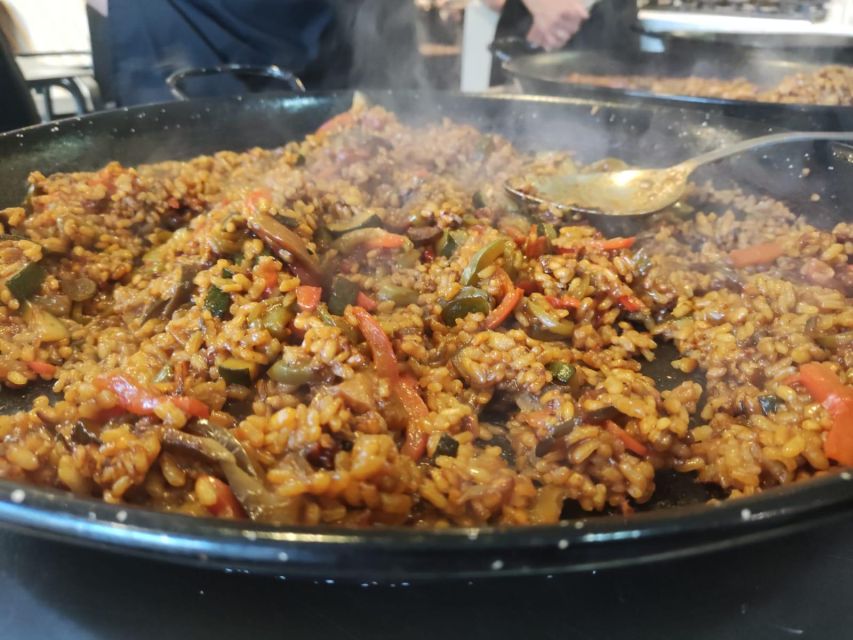
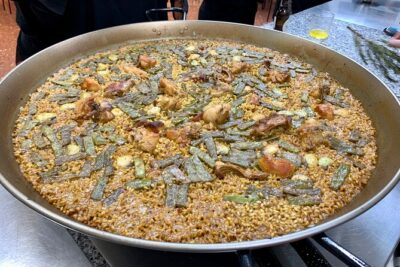
The main event is the paella. The precise ingredients may vary, but the method is taught step by step by a local chef. Chefs including Alba, Alma, Pepe, Pepo, and Jose have led sessions, and the strongest part of their role is making sure nobody is left without a job.
You are not expected to arrive with cooking skills. The class is designed for ordinary home cooks, including people who rarely use a kitchen. The chef explains what to do, watches the group, and offers corrections or encouragement as the paella comes together.
One useful detail is that participants may produce slightly different results, even when working from the same basic instructions. That is not a problem. It shows how heat, timing, seasoning, and small personal choices affect the final pan. You get a recipe and a method, but you also learn that paella is not a completely automatic dish.
The social side is just as important as the food. Couples, families, solo participants, and groups share the kitchen and divide up the jobs. A family with teenage boys found the activity won them over, while one family with children enjoyed having the kids involved in making the paella. Children under four are not accepted, and babies under one are not suitable for the class.
Dietary needs require advance notice. The operator says restrictions cannot be accommodated on the day itself, so tell Kulinarea when you book. One pescatarian participant was able to take part without meat in the paella, but you should not assume every request can be handled unless it is arranged ahead of time.
More Cooking Classes in Spain:
- Spanish Cooking Class Paella Tapas and Sangria in Madrid
★ 5.0 · 1,340 reviews - Paella Cooking Class, Wine Tasting & Central Market in Valencia
★ 5.0 · 1,150 reviews - Paella Cooking Class in Madrid with Bottomless Wine Pairing
★ 5.0 · 985 reviews - Seville: Spanish Cooking Class with Dinner
★ 4.9 · 900 reviews
Gazpacho, salmorejo, salads, and surprise churros
Paella is the headline dish, but the meal is broader than rice. You can expect homemade gazpacho or salmorejo as part of the experience. These cold Andalusian soups are especially fitting in Malaga, where fresh vegetables and olive oil are central to local cooking.
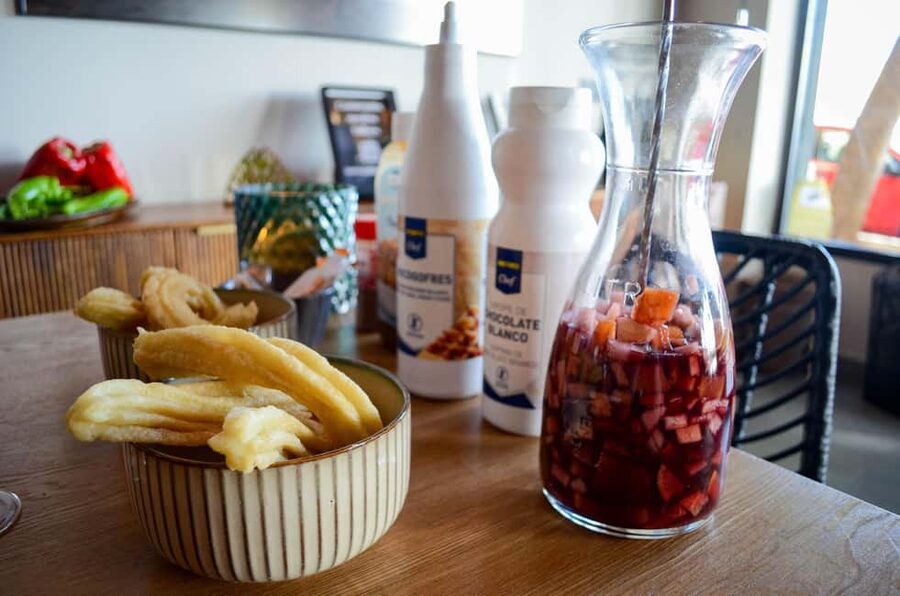
Some sessions have included a roasted pepper salad or a fresh vegetable salad. Churros have also appeared as a sweet finish, and they have been a popular surprise. The official details specifically promise paella, gazpacho, sangría, and drinks, so treat extra dishes such as churros and salad as possible additions rather than guaranteed menu items.
That variation is worth noting when you compare this with a narrowly focused paella workshop. You are paying for a wider Spanish food experience, but you may not receive exactly the same side dishes at every class. The core activity remains consistent: olive oil tasting, paella preparation, drinks, and a shared meal.
The portions are described as generous, and the cooking class can leave you very full. Plan your schedule with that in mind. This is not a quick tasting that fits neatly between two major meals.
Sangría and regional wine make it social
The drinks are part of the class rather than an afterthought. You prepare sangría with the group, then enjoy it with the food. Regional wine, beer, and soft drinks are also included, and some participants have particularly liked cava sangría.
There is a practical reason this works well. Cooking paella involves periods of preparation and waiting, and a drink gives the group time to talk while the food develops. You get a relaxed meal at the end instead of rushing away as soon as the pan is finished.
You can also choose a nonalcoholic drink. The activity includes soft drinks, so you do not need to drink wine or sangría to take part. Still, if you want a purely food-focused class with no alcohol around, this may not be your ideal format, since drinks are woven into the experience.
The group atmosphere is usually a major part of the value. You meet other people at the workstations, share jobs, and sit together for the meal. If you prefer a private lesson, ask about the available setup before booking, since the published experience is presented as a shared class.
What the $77 price really covers
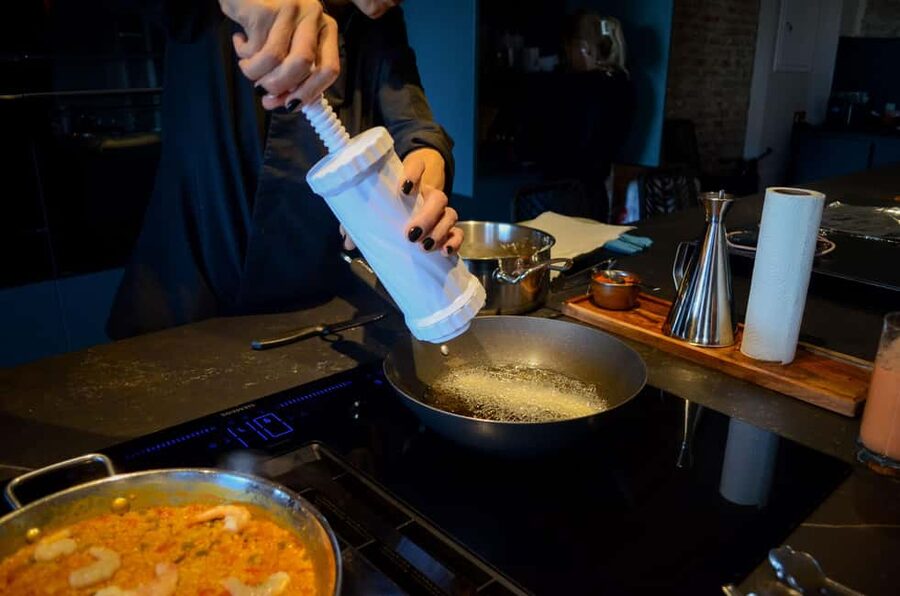
At $77 per person, the price is reasonable for 210 minutes when you count everything included. You are getting a market visit on eligible morning sessions, an olive oil tasting, cooking instruction, several food courses, paella, sangría, regional drinks, and a Kulinarea apron to take home.
The value is strongest if you want an active food experience rather than just a meal. A restaurant can serve you paella, but it will not teach you how the dish is assembled or give you the market and oil context. A shorter cooking class may cost less, but it may also provide fewer drinks, less food, or no market visit.
The apron is a useful extra. It is not a major financial benefit, but it gives you something practical to use at home and a reminder of the recipe. More important is the knowledge you take away: how the chef builds the dish, how to judge ingredients, and which steps need patience.
The price may feel high if you mainly want to eat paella and do not care about cooking. In that case, a good local restaurant will be a simpler choice. You should book this for the combination of food, instruction, conversation, and place.
Timing, access, and small practical points
The class lasts 210 minutes, or three and a half hours. That is long enough for the market, tasting, preparation, cooking, and meal without feeling like a rushed demonstration. You should keep the rest of your schedule flexible, especially if you plan to continue into the port or Soho afterward.
There is no hotel pickup or drop-off. You make your own way to Av Manuel Agustín Heredia 24. The location is close to the market and port area, and the underground Parking de La Marina is opposite the meeting point.
Morning sessions have the extra market stop, so they offer the fullest version of the experience. Evening classes may suit you better if you want to spend the day sightseeing first, but you will go straight to the kitchen. National holidays follow the same arrangement because the market is closed.
The activity has free cancellation up to 24 hours before the start time, and you can reserve now and pay later. That flexibility is useful when your Malaga schedule is still changing.
Who should book this Malaga cooking class?
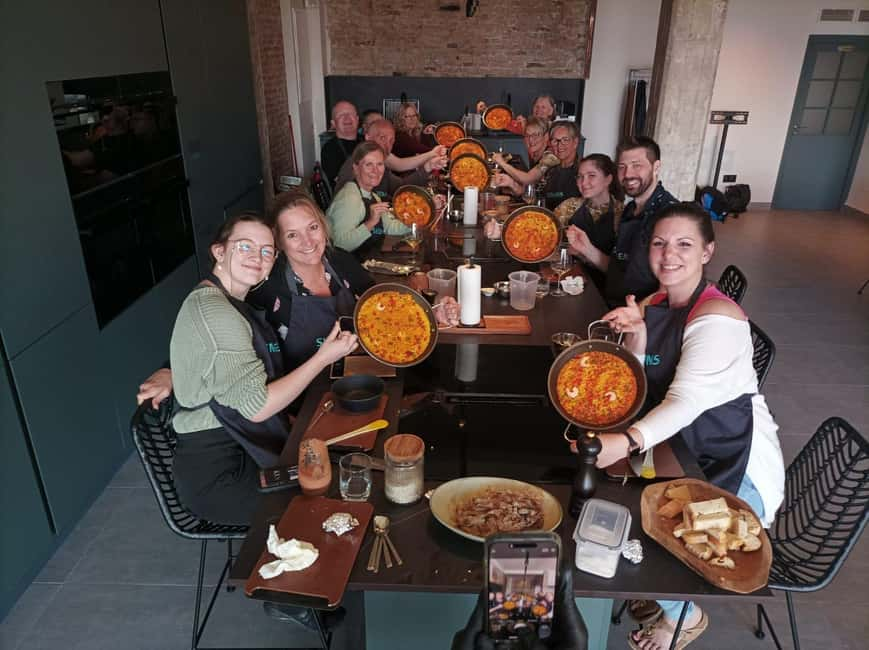
I would choose this for couples, families with older children, friends, and solo visitors who enjoy meeting people while doing something practical. It also works well for a rainy day, since much of the experience takes place indoors and the kitchen is comfortable and clean.
Food lovers will get the most from the market, olive oil, and cooking details. You do not need to be a confident cook. In fact, beginners may benefit most because the chef guides you through each stage.
I would think twice if you dislike group activities, have strict dietary restrictions that were not arranged in advance, or want a guaranteed menu beyond paella, gazpacho or salmorejo, sangría, and included drinks. The class is social, and the additional dishes can vary.
Should you book Kulinarea?
Yes, if you want to make Spanish food rather than simply eat it. The market walk gives morning sessions a useful local connection, the kitchen is well equipped, and the chefs make a real effort to keep everyone involved. The combination of paella, olive oil, gazpacho, sangría, wine, and a take-home apron gives the $77 price solid value.
Choose a morning class from Monday through Saturday if the market matters to you. Choose an evening session if your sightseeing schedule comes first, but accept that it will begin at the kitchen. Tell Kulinarea about dietary restrictions before the day, bring an appetite, and expect a sociable three and a half hours rather than a quick lesson.
FAQ
Where does the paella cooking class meet?
The meeting point is Kulinarea at Av Manuel Agustín Heredia 24 in Malaga. Parking de La Marina, an underground car park, is opposite the kitchen.
Does the class include a visit to Atarazanas Market?
Morning sessions from Monday through Saturday include a short visit to Atarazanas Market. Evening classes, Sunday sessions, and national holiday sessions do not include the market because it is closed.
How long does the experience last?
The class lasts 210 minutes, or three and a half hours. Starting times vary, so you should check availability for your preferred date.
What food and drinks are included?
The experience includes paella, homemade gazpacho or salmorejo, sangría, an extra virgin olive oil tasting, and regional wine, beer, or soft drinks. Some sessions also include dishes such as salad or churros.
Can children join the class?
Children under four years old cannot take part, and babies under one year old are not suitable for the activity. Older children can participate in the cooking, subject to the class arrangements.
Can dietary restrictions be accommodated?
You must provide dietary information in advance. Restrictions cannot be arranged on the day of the class, so contact Kulinarea before attending.
Newest classes around Spain
- Pintxos and Tapas Cooking Class in Bilbao★ 5.0 · 38 reviews
- Basque Pintxos and Tapas Cooking Class in Bilbao★ 5.0 · 73 reviews
- Small-group Immersive Basque Cooking Class in Bilbao with Open Bar★ 5.0 · 65 reviews
- Paella and Burnt Basque Cheesecake Cooking Class (in Bilbao)★ 5.0 · 46 reviews
- Rooftop Paella Seafood Cooking Class Experience in Barcelona★ 5.0 · 59 reviews
- Private Authentic Paella Cooking Class in Barcelona with Josh★ 5.0 · 3 reviews
- Barcelona Tapas Cooking & Cocktail Class with Veronique & Mattias★ 5.0 · 3 reviews
- Barcelona Rooftop Paella Cooking Class with Sangria & Local Host★ 5.0 · 48 reviews
Spain Cooking Classes, compared.
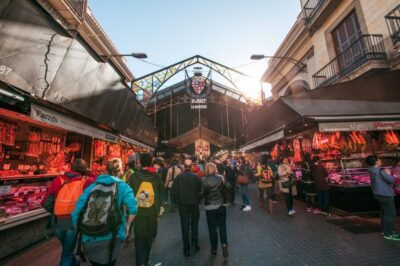
Paella Cooking Experience & Boqueria Market Tour
Read our review →
Barcelona Paella Cooking Class with Market Visit, Tapas & Sangria
Read our review →
Barcelona Interactive Spanish Cooking Experience
Read our review →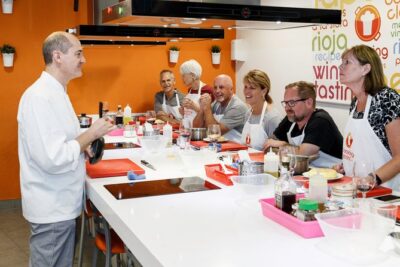
Spanish Cooking Class Paella Tapas and Sangria in Madrid
Read our review →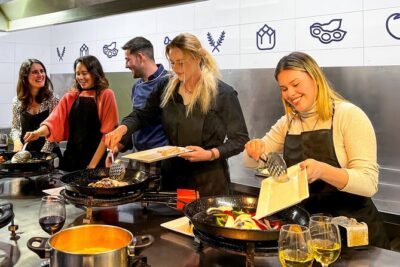
Paella Cooking Class, Wine Tasting & Central Market in Valencia
Read our review →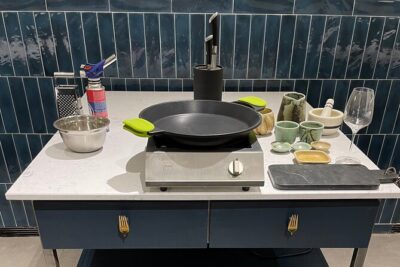
Paella Cooking Class in Madrid with Bottomless Wine Pairing
Read our review →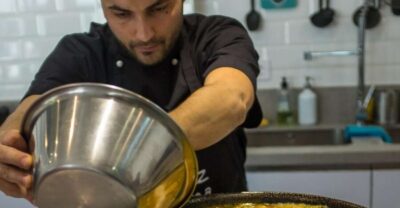
Valencian paella cooking class, tapas and visit to Ruzafa market.
Read our review →Browse the lists this tour appears in