
Review · MEXICO COOKING CLASSES
Los Cabos: Azteca Cactus Taco Farm to Table Cooking Class
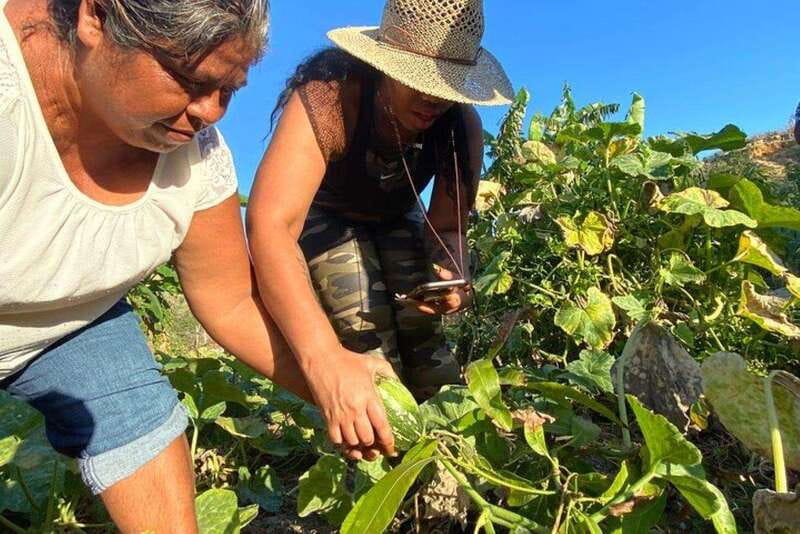
The star of this half-day outing is not a resort kitchen. It is a working ranch, a prickly nopal cactus, and a local family who shows you how food moves from the field to your plate. I like the hands-on harvest, because you do more than watch a demonstration. You help gather the main ingredient, learn why nopal matters in Mexican cooking, and turn it into tacos with your own tortillas and salsa. I also like the warm, personal setting, with guide Danny introducing you to the ranchero family and adding local stories along the way.
The main consideration is the drive. The ranch sits about 35 miles north of Cabo San Lucas, and the full experience lasts 4.5 hours. This is also not a good choice for children under four or anyone with mobility difficulties. If you want a quick activity near your hotel, this will feel like too much time on the road. If you want food, local life, and a Pacific sunset in one outing, the distance is part of the point.
Key points at a glance
- Harvest your own nopal cactus: Learn how this iconic plant moves from ranch to kitchen.
- Make tortillas from scratch: Shape your own tortillas before building cactus tacos.
- Cook with a Baja chef: Follow practical instruction, then eat the meal you helped prepare.
- Meet a ranchero family: Share the meal in a genuine family setting rather than a resort dining room.
- Keep the group small: With no more than six participants, the guide can give hands-on help.
- Finish beside the Pacific: A natural beach walk and sunset provide a quiet end to the day.
A farm-to-table day beyond the Cabo resort zone
Cabo San Lucas is famous for beaches, boats, nightlife, and polished hotels. This outing gives you a different view of Baja California Sur. Instead of staying near the marina, you travel north to a local farm where food, animals, family, and the surrounding natural world are all part of the experience.
That change of setting matters. You are not simply taking a cooking lesson with ingredients laid out in advance. You begin by seeing the ranch and meeting goats, then learn about a native plant before preparing it. The activity connects the meal to the land and to the people who live and work there.
I would especially recommend this for anyone who wants more than a standard Cabo excursion. The experience has a community-based feel, and the local family plays a central role. That means the day may feel less polished than a hotel activity, but it also feels more personal and grounded.
Guide Danny is an important part of the outing. His role includes transportation, local stories, history, and helping you understand what you are seeing. Several guests have singled him out for his humor, warmth, and clear explanations. The small group, limited to six people, gives you a better chance to ask questions and get help at the stove and tortilla table.
More Mexican Classes in Mexico:
- Cabo San Lucas Mexican Cooking Class Experience and Local Markets
★ 5.0 · 915 reviews - Mexican Cooking from Scratch in a Local Home in Tulum
★ 5.0 · 585 reviews - Authentic Mexican Legacy Cooking Class in Cabo San Lucas
★ 5.0 · 530 reviews
The 35-mile ride from Cabo San Lucas
Hotel pickup and drop-off are included for hotels in the Cabo San Lucas area. The ranch is about 35 miles north, so you should think of transportation as part of the experience rather than a short transfer between tourist sights.
The ride takes you away from the concentrated hotel zone and toward a more rural setting. Exact pickup times vary, so you need to check availability when booking. The stated duration is 4.5 hours, which includes the ranch visit, cooking session, beach walk, and sunset portion.
The distance is the clearest drawback. If you are staying in Cabo San Lucas and have only a narrow gap between other plans, allow the entire block of time. Do not book this immediately before an airport transfer, a dinner reservation you cannot change, or another timed excursion.
On the other hand, the drive helps explain why the activity feels different from an in-town food class. You leave the familiar tourist circuit and reach a family ranch where the day can unfold at a slower pace.
Goats, ranch life, and a closer look at local food
At the ranch, you begin by meeting native animals, especially goats. This is not presented as a separate zoo-style attraction. The animals are part of the local farm setting and offer a simple introduction to daily ranch life.
For many people, this may be the first moment when the activity feels truly different from a typical Cabo tour. You are not just looking at scenery from a vehicle. You can interact with the animals and see how the ranch functions as a lived-in place.
The farm visit also gives context for the cooking class. Ingredients do not appear by magic in a restaurant kitchen. They are grown, gathered, cleaned, prepared, and shared. That sequence is one of the best reasons to choose this outing over a conventional meal.
The experience is best suited to people who enjoy participating. You should expect to handle ingredients, follow instructions, and work alongside the group. If you prefer sitting back while someone else cooks, the hands-on format may not be your favorite.
Why the nopal cactus matters
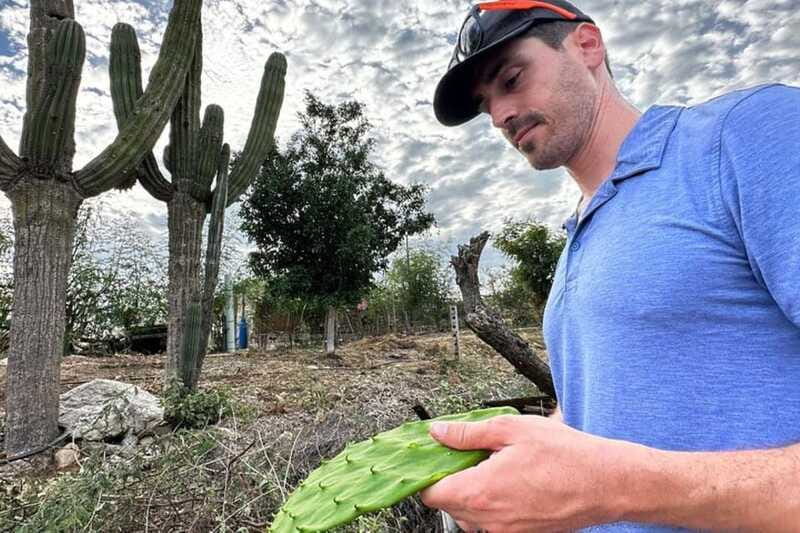
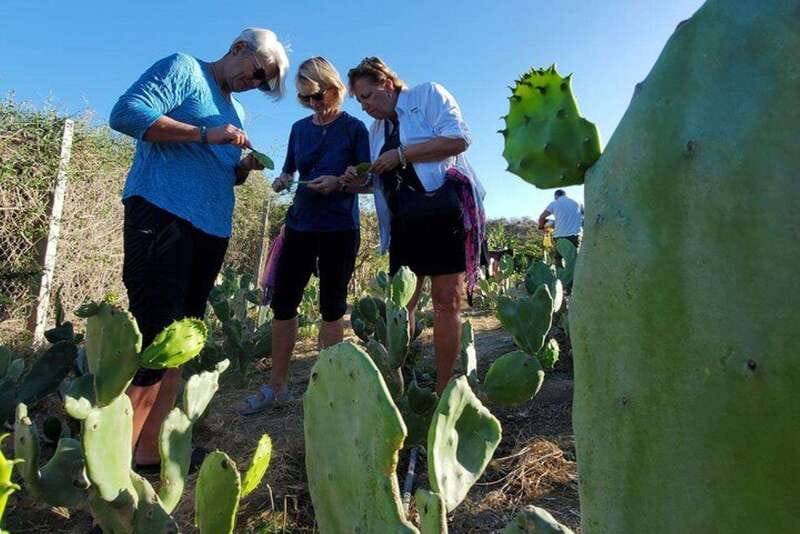
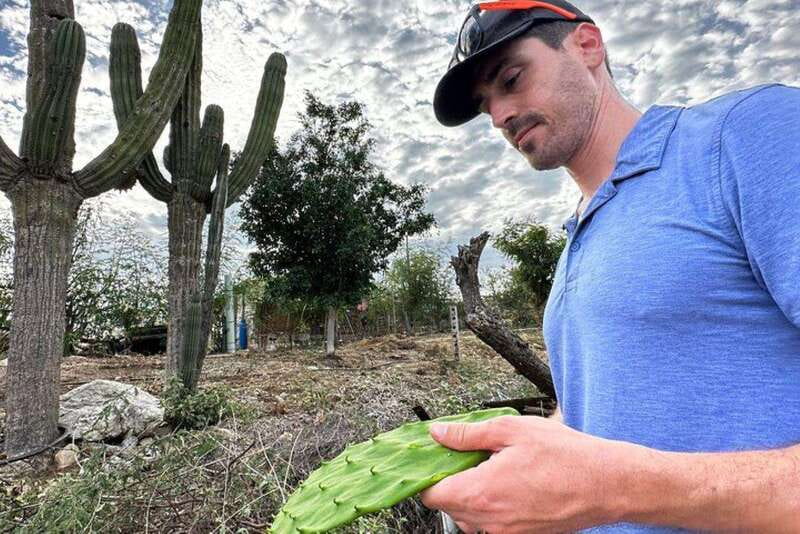
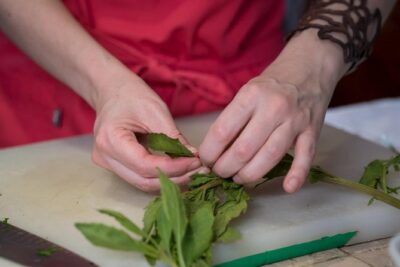
The central ingredient is nopal, the paddle of the prickly pear cactus. Your harvest class explains how the plant is used and why it has such an important place in Mexican food and heritage.
Nopal is more than a novelty ingredient for a tourist menu. The class places it within a longstanding connection between nature, food, and Mexican identity. You learn about the plant before eating it, which makes the final meal feel tied to the ranch rather than simply labeled as local.
The harvest gives the activity a useful rhythm. First, you see the plant in its natural setting. Then you learn about its role in the culture and kitchen. Finally, you help turn it into lunch or dinner. That progression gives the day a clear purpose.
The information provided does not specify exactly how the cactus is harvested or prepared, so you should follow the instructor’s directions closely. Nopal is prickly by nature, and the point is to learn the proper process rather than rush through it.
More Farm Cooking Classes in Mexico:
- Half-Day Thai Cooking Class at Organic Farm in Chiang Mai
★ 5.0 · 19,087 reviews - Cooking Class and Lunch at a Tuscan Farmhouse with Local Market Tour from Florence
★ 5.0 · 4,831 reviews - Chiang Mai: Authentic Cooking Class with Market & Farm Visit
★ 4.9 · 4,546 reviews - Ubud: Balinese Cooking Class at an Organic Farm
★ 5.0 · 1,786 reviews
Turning cactus into tacos with a Baja chef
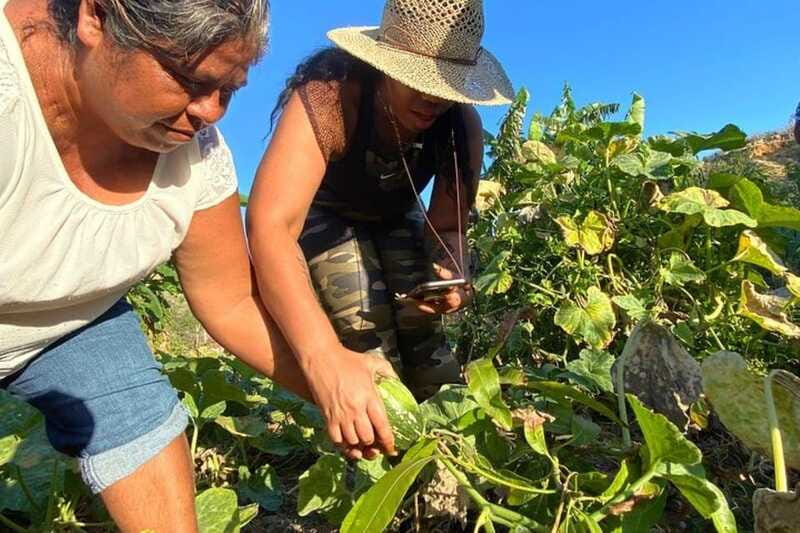
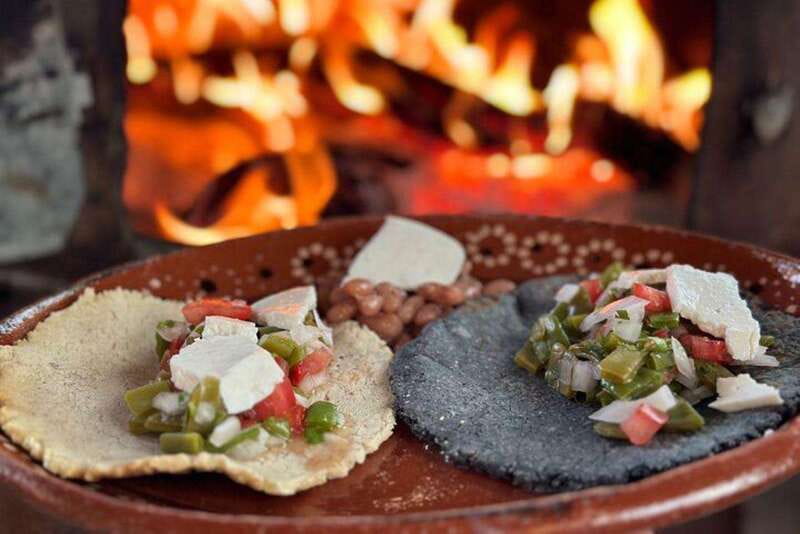
After harvesting, you work with a Baja chef to prepare cactus tacos. The cooking class includes the required materials and instruction, so you do not need to bring cooking equipment or ingredients.
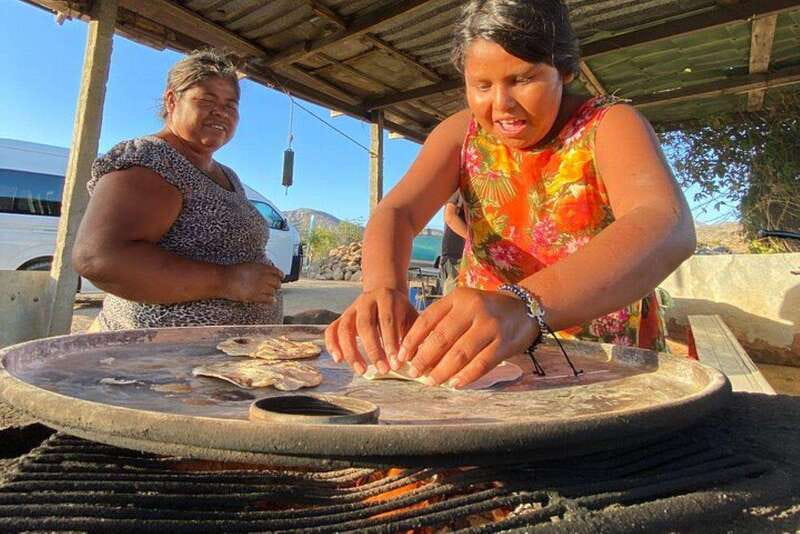
The most appealing part is the chance to make your own tortillas. A handmade tortilla gives the meal a personal touch and lets you take part in a basic skill that is easy to overlook when eating at a restaurant. You can then add the cooked cactus and spicy salsa to build your tacos.
The salsa matters, too. It brings heat and contrast to the meal, and it gives you another way to personalize what you eat. If you do not enjoy spicy food, ask about the salsa before adding a large amount. The activity information describes it as spicy, so cautious tasting is sensible.
This is not a formal culinary school course. It is a friendly farm cooking lesson with a Baja chef and a local family. You should expect practical guidance, not a long technical lecture. That makes it a good fit for beginners, couples, friends, and families with older children.
The food is also part of the conversation. Cooking together creates an easy way to learn about local ingredients, farm life, and family traditions. You are not merely following a recipe. You are seeing how a meal can reflect the place where it is made.
Sharing the meal with the ranchero family
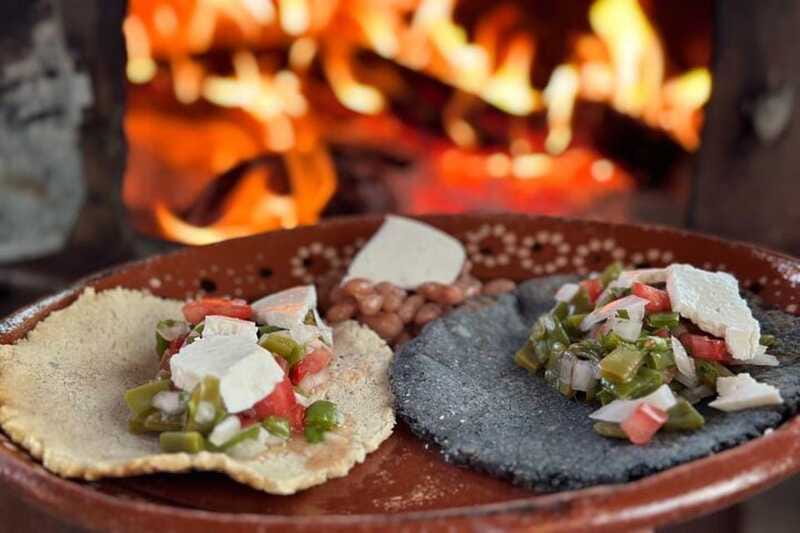
Once the tacos are ready, you sit down with the ranchero family to eat. This is one of the strongest elements of the experience because the meal is shared in a family setting rather than served as a staged restaurant course.
I like this format for two reasons. First, you get a more direct sense of hospitality. Second, the food has a clear story: you met the animals, learned about nopal, helped harvest it, made tortillas, and then ate the finished dish.
Several people have described the family welcome as one of the most memorable parts of the day. The emphasis is on conversation, humor, food, and shared time. The setting is likely to feel informal, so arrive ready to be social and curious.
Drinks are not included. Bottled water is provided, but you should plan for any other beverages yourself according to the tour arrangements. The meal itself and the cooking materials are included in the $95 price.
A natural beach walk before the sunset
The ranch visit is followed by an interpretive walk along a local beach. The focus shifts from food to native flora and fauna, with an explanation of why the area’s natural life has mattered since ancient times.
This portion gives the day a wider frame. Mexican heritage is not only expressed through recipes. It is also tied to plants, animals, coastline, and the ways people have understood and used the natural world over time.
The walk is described as interpretive, so you should expect your guide to explain what you see rather than simply lead you to the water. The supplied details do not state the exact trail length or terrain. Since the experience is not suitable for people with mobility impairments, you should consider your comfort with a natural beach walk before booking.
The beach stop also prevents the day from becoming only a food activity. You get time to slow down, look around, and connect the ranch experience with the wider Baja setting.
Sunset along the Mexican Pacific coast
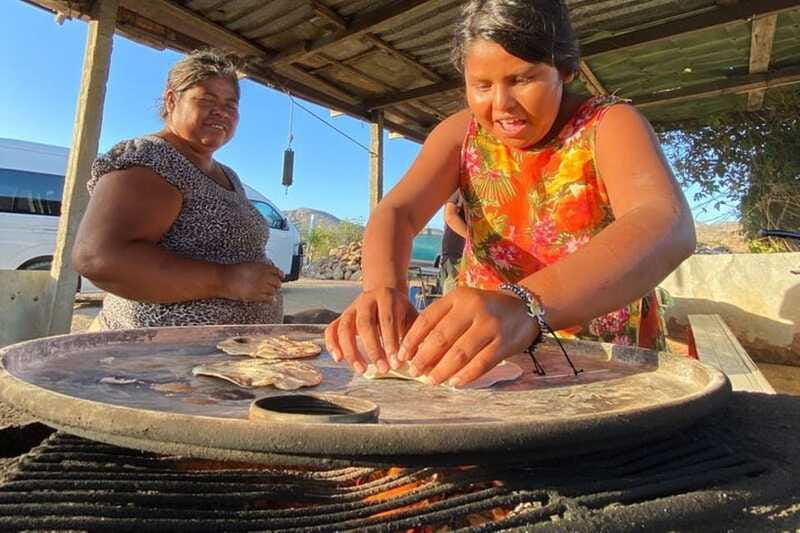
The final scene is a sunset walk on the Pacific coast. The timing gives the activity a natural finish, moving from harvest and cooking to open space and evening light.
Sunset times change during the year, and the available start time depends on the date. Check the schedule when you book so you know how the 4.5-hour timing fits your plans. The exact viewpoint is not specified, so you should think of this as a coastal walk rather than a guaranteed visit to a named lookout.
Still, the pairing works well. A Pacific sunset is more meaningful after a day spent learning about local plants, food, and family life. You have context for the place instead of simply stopping for a photograph.
Bring comfortable clothing and shoes suitable for a farm visit and a natural beach walk. The tour includes bottled water, but the provided details do not say whether other personal items are supplied.
Is $95 a fair price?
At $95 per person, this is not the cheapest way to spend an afternoon in Cabo. The value comes from the number of elements packed into one small-group outing: hotel transportation, ranch entry, animal interaction, a guided harvest class, cooking instruction, food preparation, a shared meal, a beach walk, and sunset viewing.
A standard cooking class might offer a kitchen and a recipe. This activity adds transportation to a rural ranch, a local family setting, and an outdoor component. For someone who values personal contact and cultural context, that makes the price reasonable.
The cost is less appealing if you mainly want a quick meal or a simple beach stop. You are paying for the full chain of experiences, not just the tacos. Drinks are extra, so keep that small additional cost in mind.
The group limit of six is another value point. A small group usually makes it easier to hear the guide, ask questions, and get help with the cooking. It also keeps the family meal more intimate than a large coach excursion.
Free cancellation is available up to 24 hours before the activity for a full refund, and you can reserve now and pay later. Those options help if your Cabo schedule is still changing.
Who should book this Cabo cooking class?
I would choose this outing if you want:
- A local food experience away from the main hotel district
- A small group rather than a large bus tour
- A chance to participate in harvesting and cooking
- A family-centered meeting with a ranchero household
- A guide who can add local history and explanation
- A coastal walk and sunset after the meal
- A cultural activity that works well for friends, couples, and older children
I would think twice if you need step-free access, dislike outdoor settings, or have only a short amount of free time. Children under four cannot join, and the activity is not suitable for people with mobility impairments.
The experience is also less useful for someone who wants a highly polished, chef-led restaurant class. Its appeal is the ranch, the family, and the direct connection between ingredients and place.
My recommendation
Book the Azteca Cactus Taco Farm to Table Cooking Class if you want to see a side of Baja California Sur that a resort stay will not show you. The strongest features are the small group, Danny’s personal guiding style, the chance to harvest nopal, and the meal shared with a local ranchero family.
The 35-mile journey and 4.5-hour schedule require commitment. But that time buys you a fuller experience: goats at the ranch, cactus in the field, tortillas under your hands, salsa on the plate, and a Pacific sunset at the end. For a visitor looking for local food and genuine human contact rather than another standard Cabo activity, this is a strong choice.
FAQ
Where does the cooking class take place?
It takes place at a local farm about 35 miles north of Cabo San Lucas in Baja California Sur.
Is hotel pickup included?
Yes. Hotel pickup and drop-off are included for hotels in the Cabo San Lucas area.
How long does the experience last?
The activity lasts 4.5 hours, including transportation, the ranch visit, cooking class, beach walk, and sunset portion.
What food do I prepare?
You harvest nopal cactus and use it to prepare cactus tacos. You also make your own tortillas and taste spicy salsa.
Is the meal included?
The cooking experience and meal are included. Drinks are not included, although bottled water is provided.
How many people are in the group?
The group is limited to six participants.
What languages does the guide speak?
The experience is offered in English and Spanish.
Is the activity suitable for young children?
Children under four years old cannot take part.
Can I cancel for a refund?
Yes. You can cancel up to 24 hours in advance for a full refund. You can also reserve now and pay later.
Newest classes around Mexico
- Private Pre-Hispanic Cooking Class in Mexico City with Martha★ 5.0 · 19 reviews
- Tasty Mexican Cooking Class with Feast in Riviera Maya★ 5.0 · 99 reviews
- Flavors of Mexico: Cancun Cooking Class & Market Visit★ 4.5 · 5 reviews
- Private Authentic Mexican Cooking Class in Cancun with Alberto★ 5.0 · 3 reviews
- Cancun Hands-On Mexican Cooking Class★ 4.5 · 95 reviews
- Cancun small group Cooking Class with Local Chef★ 5.0 · 61 reviews
- 4h Cooking Class in Cancun with 8 Recipes & Bottomless Drinks★ 5.0 · 50 reviews
- Private Mexican Cooking Class in Your Cabo San Lucas Villa or Condo★ 5.0 · 8 reviews
Mexico Cooking Classes, compared.
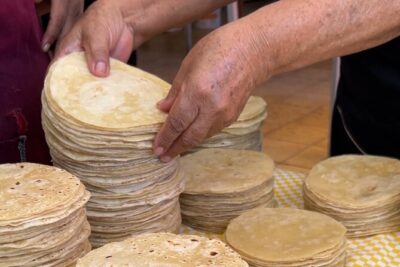
Cabo San Lucas Mexican Cooking Class Experience and Local Markets
Read our review →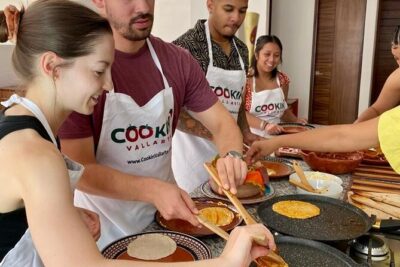
Puerto Vallarta Cooking Class Experience with Market Tour
Read our review →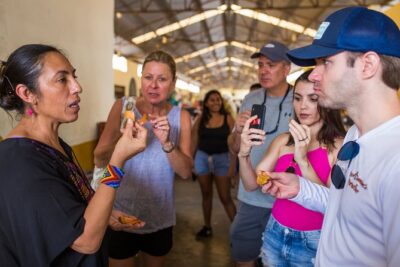
Mexican Cooking from Scratch in a Local Home in Tulum
Read our review →
Mexican Cooking Class with Food Market Visit in Mexico City
Read our review →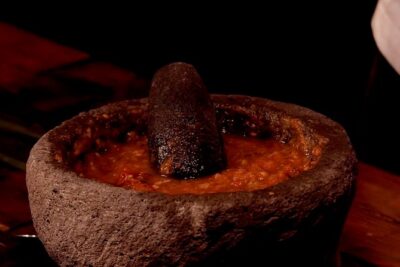
Flavors of Oaxaca: Cooking Class with No Set Menu and Local Market Tour
Read our review →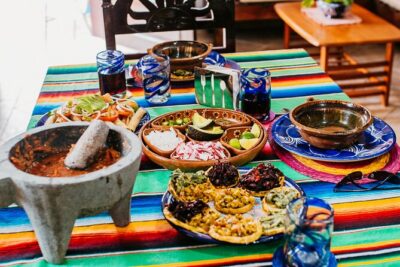
Browse the lists this tour appears in