
Review · GREECE COOKING CLASSES
Greek Cuisine Cooking Class in Santorini
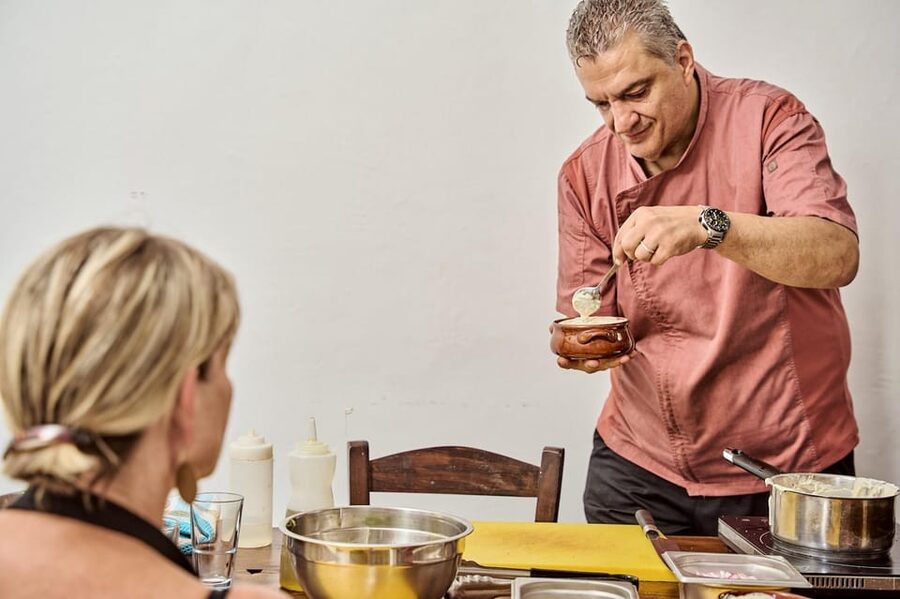
Santorini is famous for sunsets and cliffside views, but this class takes you into a more useful part of Greek culture: the kitchen. In Megalochori, you work with a professional chef to prepare moussaka, pasticio, tzatziki, Greek salad, and tomato fritters, then sit down to eat what you made.
I like the small group of no more than eight, which gives you a real chance to handle the food and ask questions. I also like the practical touch of receiving the recipes afterward, so the evening does not end when you leave Santorini.
The main caution is reliability. One strongly negative account describes a major schedule mix-up and an unpleasant attitude from the chef, while the other four posted ratings are highly positive. Confirm your start time before setting out, and remember that transportation is not included.
Key points to know before booking
- Cook five Greek classics: The menu covers moussaka, pasticio, tzatziki, Greek salad, and tomato fritters.
- Meet in Megalochori: Feggera Restaurant is 150 meters from the village public parking area.
- Small class size: The group is limited to eight people, making this more hands-on than a large demonstration.
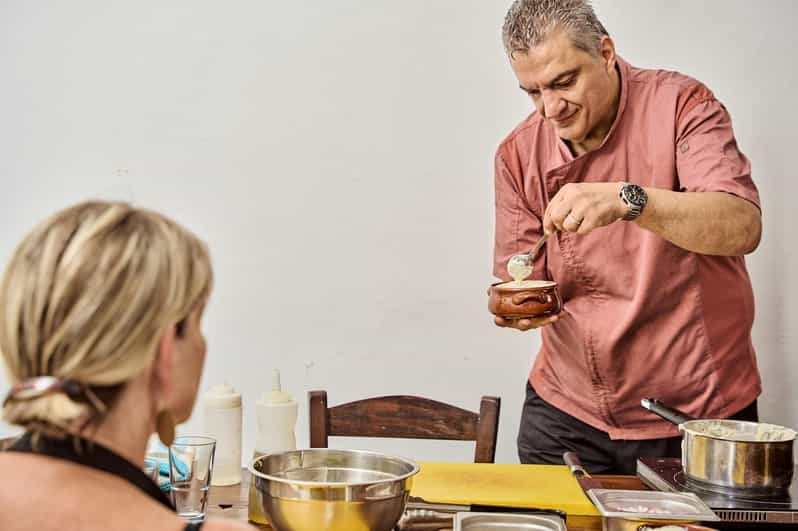
- Chef-led instruction: Christos is named in the strongest positive comments, with advice on technique and answers to cooking questions.
- Eat what you prepare: The class ends with a shared lunch or dinner and a glass of local Greek wine.
- Plan your timing carefully: The activity lasts 3.5 hours, and transportation to Megalochori is not provided.
Why a Santorini cooking class makes sense
A cooking class gives you a different view of Santorini. The island can become a parade of lookouts, ferry transfers, white buildings, and expensive meals. Here, you spend several hours doing something ordinary and useful: preparing food with other people.
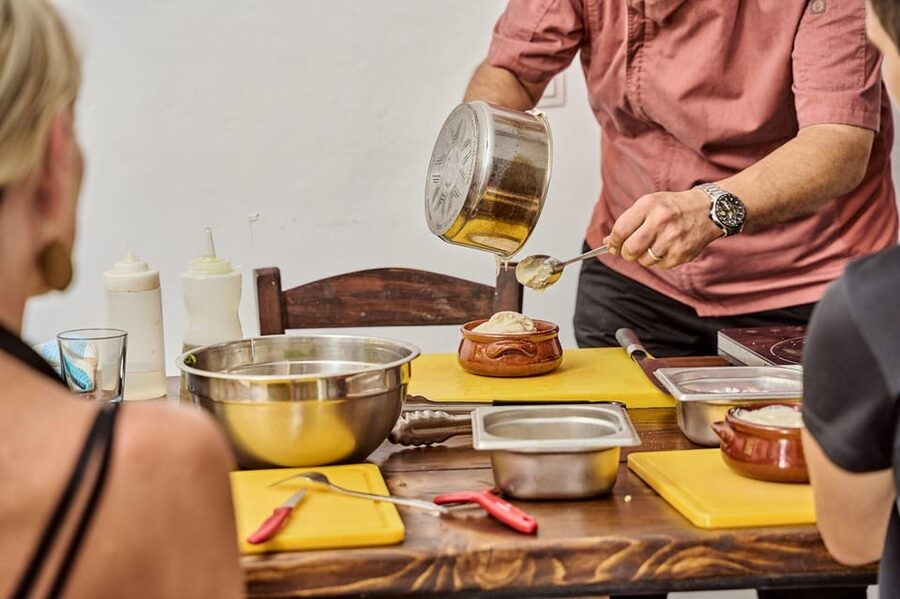
That change of pace is the point. You are not simply watching a chef plate a dish. You are given utensils and ingredients, then asked to take part. The class is built around cooperation, so you will likely share work with the other people at your table and learn by doing.
The menu also gives you a good introduction to Greek home cooking. Moussaka brings together layered vegetables, meat, and a baked topping. Pasticio is a baked pasta dish. Tzatziki shows how yogurt, herbs, and other simple ingredients can become a staple side. Greek salad and tomato fritters add fresh and fried elements to the meal.
This is not a specialist class aimed at trained cooks. The stated focus is on classic dishes, basic methods, and technique tips from the chef. If you enjoy food but do not spend much time in the kitchen, that is a sensible level.
More Greek Classes in Greece:
- Greek Cuisine Cooking Class in Santorini with Recipes and Wine
★ 5.0 · 969 reviews - Greek Cooking Class in Athens Including Rooftop Dinner with Acropolis View
★ 5.0 · 826 reviews - Greek Small-Group Athens Cooking Class & Dinner
★ 5.0 · 574 reviews
Arriving at Feggera Restaurant in Megalochori
You make your own way to Feggera Restaurant, located about 150 meters from the public parking area of Megalochori Village. That meeting point matters because Santorini transport can take time, especially if you are coming from another part of the island.
Give yourself room to find the village and park. The experience does not include transportation, so you are responsible for reaching Megalochori and returning afterward. The supplied details do not state a pickup service, so do not assume one is available.
Megalochori is a good setting for the class. It is a village rather than one of Santorini’s main hotel and sunset centers, and that makes the evening feel less like a sightseeing stop and more like time spent in a local community. The class itself takes place at a centrally located restaurant, so you do not need to search for a remote farm or complicated meeting point.
The exact start times vary. Since the duration is 3.5 hours, check the available session when you book and allow enough time to get there. One serious scheduling problem was reported when a session was changed without clear notice, so I would confirm the arrangement directly if the timing is important to your day.
The first stage: meeting the chef and preparing to cook
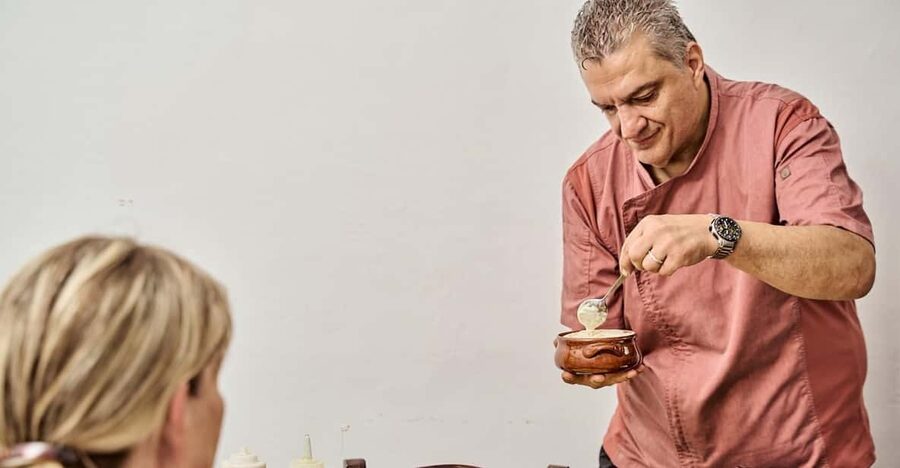
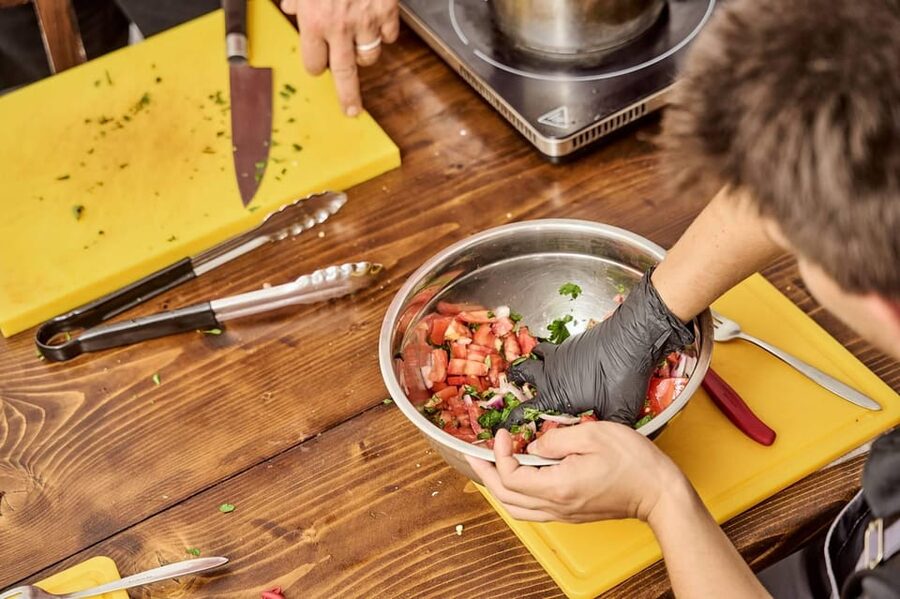
After introductions, you receive the cooking equipment and ingredients needed for the class. The structure is hands-on from the beginning. You are not just seated with a glass of wine while someone else does all the work.
Christos is named as the chef in several of the strongest positive comments. He is described as friendly, willing to answer questions, and good at explaining new techniques. The class is conducted in English and Greek, so English-speaking participants can follow the instruction.
A small group changes the feel of the lesson. With a maximum of eight people, you should have more opportunity to ask about a step or take responsibility for part of a recipe. It also means the class depends on group cooperation. You may be working alongside people with different cooking habits, speeds, and levels of confidence.
The best approach is to treat it as a shared kitchen rather than a private lesson. Listen closely, ask questions when you need to, and expect some informal teamwork.
Moussaka, pasticio, and the main cooking work
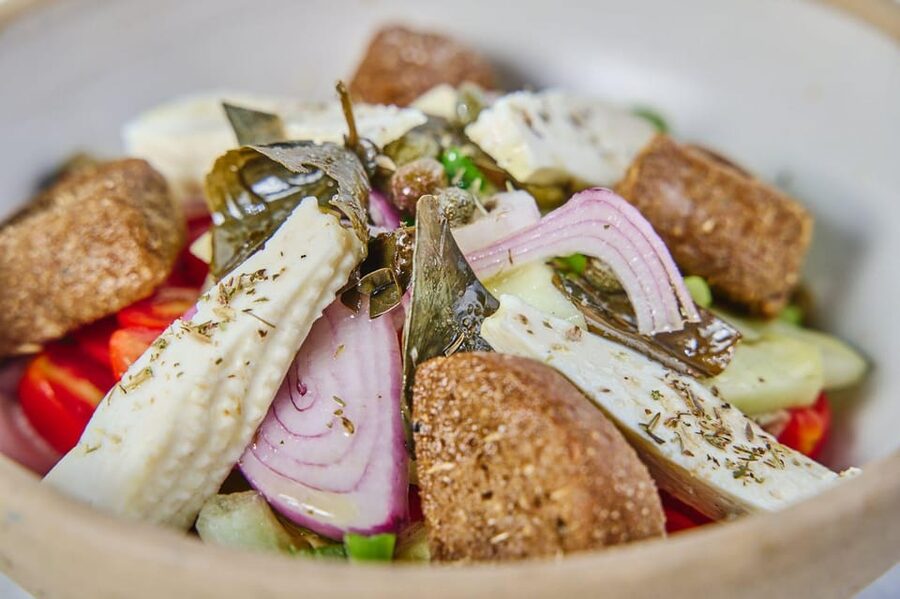
The class covers several dishes rather than focusing on one recipe. That gives you a broad introduction to familiar Greek flavors, though it also means the chef must keep the session moving.
Moussaka is likely to be one of the more involved preparations because it is a baked, layered dish. The value here is not just learning what goes into it, but seeing how the separate parts are handled before they come together. Technique advice matters most with a dish like this, where timing and preparation affect the final result.
Pasticio offers a different lesson. It is a baked pasta dish, and its inclusion shows that Greek cooking is not limited to grilled meat, seafood, or salad. If you have eaten pasticio in Greece but never considered how it is assembled, this is a useful chance to see the process.
The chef provides advice throughout the work. That is important because a recipe alone cannot always explain texture, consistency, or how to judge when something is ready. The class is intended to teach methods you can use again, not simply give you a meal.
The exact division of tasks is not specified. You should expect to participate in preparing the listed dishes, but not assume that every person will make every component alone. In a group class, different participants may handle different stages.
More Cooking Classes in Greece:
- Athens: Classic Cooking Class with Market Visit and Wine
★ 5.0 · 1,101 reviews - Athens: Food Market Visit and Cooking Class with Wine
★ 4.9 · 1,087 reviews - Naxos: Half-Day Cooking Class at Basiliko Family Tavern
★ 5.0 · 887 reviews - Exclusive Cooking Experience in our Cave Home by Petra Kouzina
★ 5.0 · 572 reviews
Tzatziki, salad, and tomato fritters
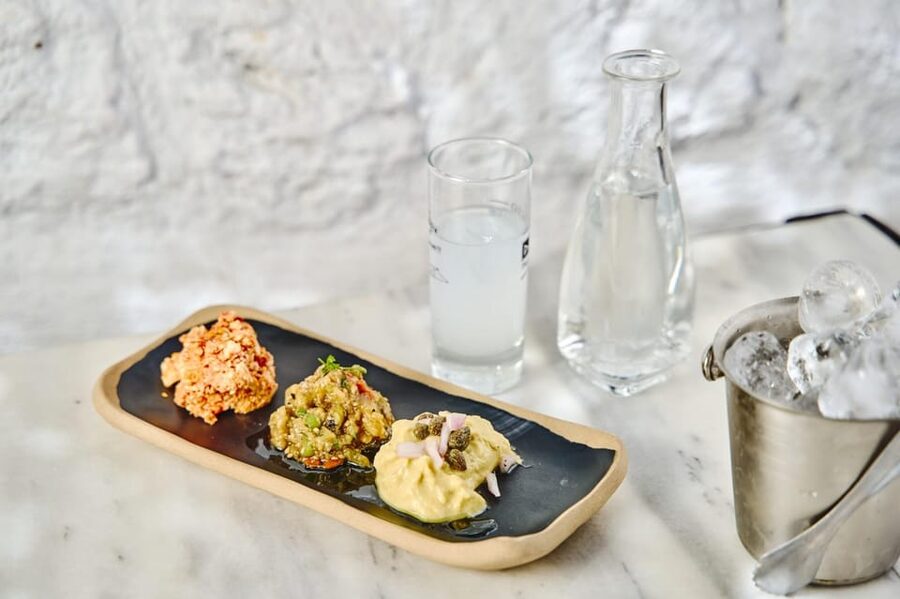
The lighter dishes round out the session. Tzatziki and Greek salad are familiar to many people, but making them yourself helps you pay attention to balance and texture. They also provide a useful contrast to the heavier baked dishes.
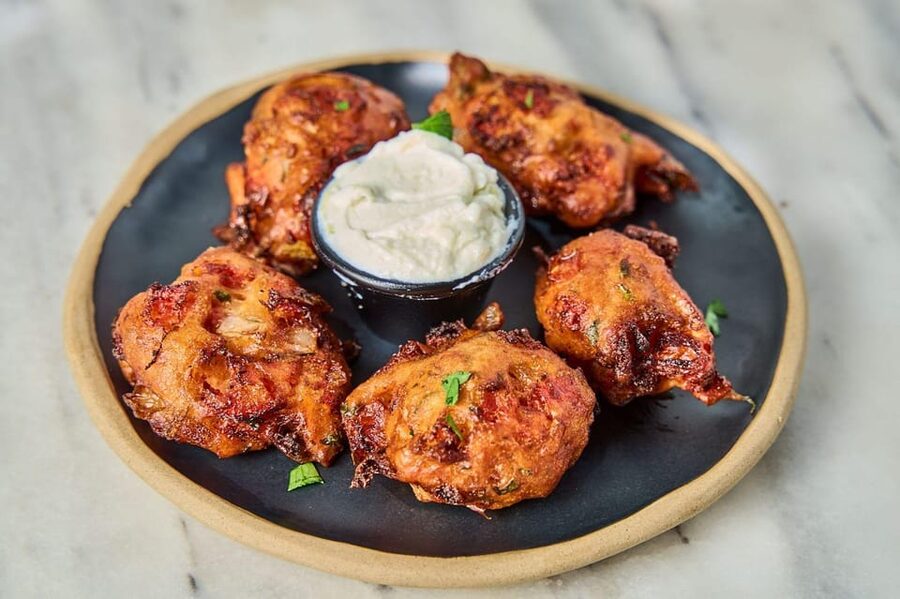
Tomato fritters bring a cooked and fried element to the menu. They are a good example of how a simple ingredient can become a substantial part of a Greek meal. The class includes technique guidance, so you can ask about preparation rather than simply copying the final appearance.
One particularly useful feature is the chance to ask follow-up questions. A positive account specifically praised the instructor for answering questions and teaching new techniques. That is the kind of detail that separates a practical class from a staged food demonstration.
Vegetarian diners should take note of the available evidence. One booking was adapted for vegetarian needs, which is encouraging, but the formal activity details do not promise a vegetarian menu. If you have dietary requirements, contact the provider before booking and get confirmation.
Sitting down to eat the meal you made
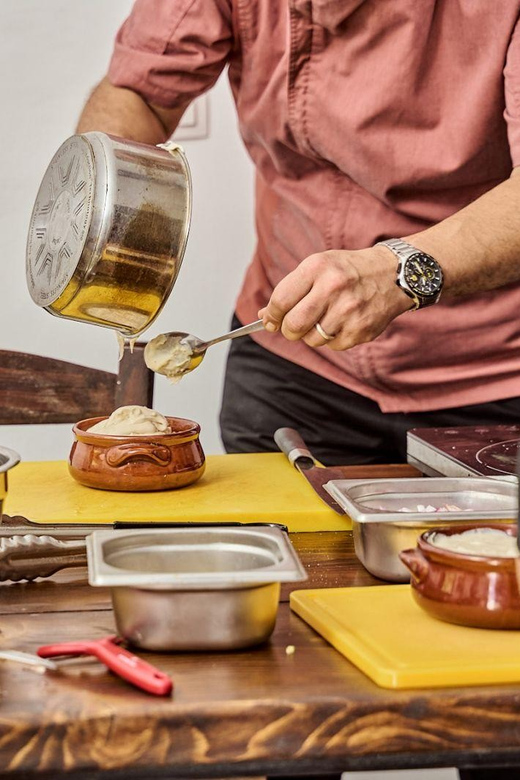
Once the cooking is complete, you sit down to eat the dishes as a shared meal. This is the payoff, but it is also part of the social side of the class. You have spent the earlier part of the session working together, so the meal gives everyone time to relax.
A glass of local Greek wine is included. That keeps the meal tied to Santorini rather than making it feel like a generic cooking lesson. The wine is a modest inclusion, not an open bar, so do not expect multiple tastings or a full wine course.
The experience can be scheduled as lunch or dinner. A dinner session may work especially well near the end of your Santorini stay, when you want something more substantial than another restaurant meal. One positive account described it as a memorable final night, helped by the shared cooking and meal.
The food you eat is the food prepared during the class. That creates a clear connection between the instruction and the result. If a dish turns out imperfectly, that is part of the lesson too. You see what your own work produces, rather than receiving a polished plate made entirely behind the scenes.
Recipes are also sent afterward, according to the positive feedback. That makes the class more useful once you are home. You can try to recreate the meal instead of relying on memory.
What the $141 price includes
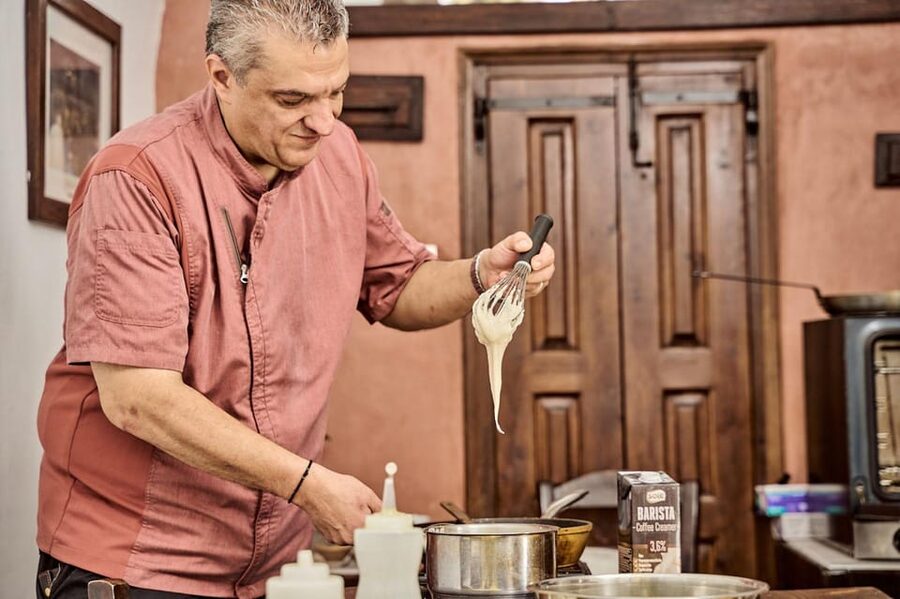
At $141 per person, this is not a cheap way to eat in Santorini. You are paying for 3.5 hours of instruction, ingredients, equipment, the meal, and a glass of local wine. The price also covers the setting and the small group format.
I would judge the value based on how much you want participation. If you only want to taste Greek food, a restaurant will cost less and give you more choice. If you want a guided activity, a shared meal, and recipes to take home, the price becomes easier to justify.
The group cap of eight is important here. A larger class might offer similar food for less money, but it would likely give you less contact with the chef and fewer chances to handle the preparation. The small size is one of the better reasons for the price.
Transportation is not included, which adds a practical cost if Megalochori is far from where you are staying. Include your taxi, rental car, or other local transport when setting your budget.
The main concern: communication and consistency
Most of the available feedback is strongly positive, especially about Christos, the food, the interactive format, and the recipes. One account, however, describes a very poor experience. The participant arrived to find the chef absent, was asked to return 6.5 hours later because two sessions were reportedly being combined, and said no advance message had been received.
That account also describes the class ending after 2.5 hours because of what the participant felt was rude and dismissive behavior. This is a serious concern, especially for an activity that costs $141 and requires you to plan transportation and dinner around it.
I would not ignore this issue, but I also would not treat one bad account as proof that every session will go badly. The other four posted ratings are positive, including three perfect ratings that praise the chef and the food. The sensible response is to confirm the time and meeting point before you leave for Megalochori.
If the provider changes a session, you should receive clear notice and agree to the new arrangement. If you do not receive confirmation, contact the provider before setting out.
Who should book this experience
This class suits you if food is one of the main reasons you enjoy travel. It is also a good fit if you want a break from sightseeing and prefer an activity that gives you something to take home, namely the recipes and cooking methods.
Couples, friends, and solo participants who enjoy meeting others should find the small-group format appealing. The meal at the end gives solo participants a natural social setting without requiring a separate food tour.
The class is less suitable if you want a quiet private dinner, a formal wine tasting, or a short activity. Three and a half hours is a significant part of your day. It is also not designed for very young children. The age information is inconsistent, stating both that children under 10 and children under 16 are not suitable, so confirm the minimum age before booking.
The class may also disappoint you if you expect transportation from your hotel or a guaranteed menu for special diets. Neither is clearly included.
Practical details that affect your decision
The activity is offered in English and Greek. It is limited to eight participants and lasts 3.5 hours. All utensils and ingredients are provided, along with the meal and one glass of local wine.
You can cancel up to 24 hours before the activity for a full refund. The reserve-now, pay-later option lets you hold a place without paying immediately, which is useful if your Santorini schedule is still shifting.
Plan to arrive at Feggera Restaurant, 150 meters from the public parking area in Megalochori. Transportation is not included, and the exact starting time depends on availability.
Should you book the Megalochori cooking class?
I would book this if you want a hands-on Greek food experience and value a small class more than a low-cost meal. The menu is broad, the meal is included, the chef offers technique advice, and the recipes give the experience a life beyond Santorini.
I would pause if your schedule is tight, if you need transport included, or if you cannot tolerate uncertainty about timing. Confirm the session before departure, ask about dietary needs, and clarify the age policy.
For food-focused visitors, this is a worthwhile change from Santorini’s usual views and sunset stops. Just go in for the cooking, not merely the meal, and make sure the arrangements are clear.
FAQ
Where does the cooking class take place?
The class takes place at Feggera Restaurant in Megalochori Village, Santorini.
How far is Feggera Restaurant from public parking?
The meeting point is 150 meters from the public parking area of Megalochori Village.
How long does the activity last?
The cooking class lasts 3.5 hours.
How many people can join the class?
The group is limited to eight participants.
Which dishes will I prepare?
You will prepare moussaka, tzatziki, Greek salad, pasticio, and tomato fritters.
Is a meal included?
Yes. You eat a meal featuring the dishes prepared during the class.
Is wine included?
Yes. One glass of local Greek wine is included with the meal.
Is transportation included?
No. You must make your own way to Feggera Restaurant in Megalochori.
Which languages are spoken?
The instructor speaks English and Greek.
Can children join the cooking class?
The activity is not suitable for very young children. The supplied age information states both under 10 and under 16 as restrictions, so confirm the minimum age before booking.
Newest classes around Greece
- Authentic and Traditional Cooking Class in Chania Crete★ 5.0 · 5 reviews
- Chania Cooking Class in Crete with rustic, delicious and homely Cretan food!★ 4.5 · 14 reviews
- Private Cooking Class – A Culinary Journey in Argostoli★ 5.0 · 2 reviews
- Greek Cooking Class with Acropolis View★ 5.0 · 76 reviews
- Private Walking Meze Cooking Course★ 5.0 · 6 reviews
- Cook with Katerina: Authentic Greek Home Cooking Class in Athens★ 5.0 · 15 reviews
- Private Greek Cooking Class in Athens-Learn to Cook with Angelina★ 5.0 · 3 reviews
- Hands On Greek Cooking Classes in Athens★ 5.0 · 7 reviews
Greece Cooking Classes, compared.
Classic Cooking Class with Market Visit and Wine
Read our review →
Food Market Visit and Cooking Class with Wine
Read our review →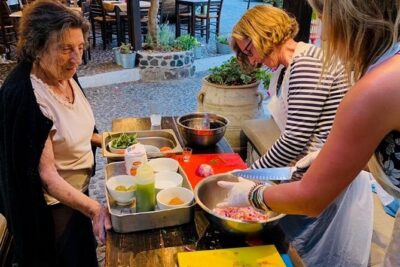
Greek Cuisine Cooking Class in Santorini with Recipes and Wine
Read our review →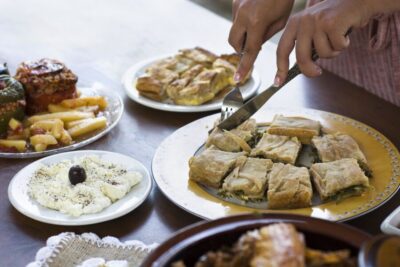
Naxos: Half-Day Cooking Class at Basiliko Family Tavern
Read our review →
Greek Cooking Class in Athens Including Rooftop Dinner with Acropolis View
Read our review →
Greek Small-Group Athens Cooking Class & Dinner
Read our review →
Exclusive Cooking Experience in our Cave Home by Petra Kouzina
Read our review →
Chania: Authentic Cooking Class in the White Mountains
Read our review →Browse the lists this tour appears in