
Review · CHIANG MAI COOKING CLASSES
Evening Cooking Class in Traditional Pavilion with Beautiful Garden – Chiang Mai
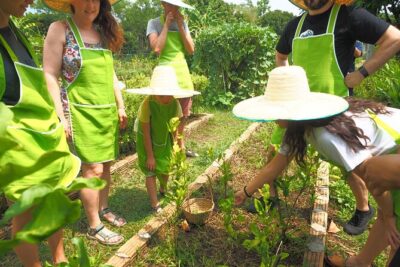
The best part of this Chiang Mai cooking class is that it begins before you pick up a wok. You walk through an organic farm, learn about Thai herbs and vegetables, and may help collect eggs and fresh ingredients. Then you cook four dishes in an open pavilion surrounded by gardens.
I like the small maximum group of eight, since you get your own cooking station and more room to ask questions. I also like the practical focus: you make curry paste from scratch, then sit down with the group to eat what you prepared. The main drawback is that the menu can change with the season, so you cannot count on one exact curry or soup.
Key points to know before booking
- Farm visit first: Walk through an organic farm, see local produce, learn about Thai ingredients, and help collect eggs and fresh items.
- Four dishes in one evening: The menu covers soup, a stir-fried noodle dish, curry, and mango sticky rice.
- Small group format: No more than eight people share the class, with an individual station for each participant.
- Pickup and return: The experience starts at 4 pm, with pickup offered and the activity ending back at the meeting point.
- Hands-on curry paste: You make your own paste with guidance from an English-speaking instructor.
- Good value for a meal and lesson: At $51.46 per person, the price includes a four-hour class, farm visit, instruction, and the food you cook.
From Tha Phae Gate to a farm outside Chiang Mai
The evening begins at 4 pm, with the listed meeting point at Tha Phae Gate on Tha Phae Road. Pickup is offered from hotels in Chiang Mai, so check the exact pickup arrangement when you book. After meeting the rest of the group, you head to the organic farm outside the city.
That change of setting matters. You are not simply sitting in a city kitchen with ingredients already measured into bowls. The class connects the food with the plants and farm work behind it. You walk around with the instructor, learn about Thai herbs and vegetables, and may collect eggs and fresh ingredients for the cooking session.
I find this opening useful because Thai cooking depends on fresh aromatics and herbs that can be unfamiliar if you usually cook Western food. Seeing the ingredients in a growing environment gives you a better sense of what you are handling later. It also makes the class feel connected to daily life in northern Thailand rather than just a recipe demonstration.
The farm visit is still a short part of a four-hour activity, not a full agricultural tour. If your main goal is cooking, you will appreciate that the walk leads into the kitchen without taking over the evening. If you want a long farm visit, this class may feel brief.
More Evening Classes in Chiang Mai:
- Chiang Mai: Evening Cooking Class and Local Market Visit
★ 4.9 · 648 reviews - Evening Cooking Class in Organic Farm with Local Market Tour
★ 5.0 · 394 reviews - Cooking Evening Class Chiang Mai Visit Organic Garden and Market
★ 5.0 · 187 reviews
Cooking beneath the traditional pavilion
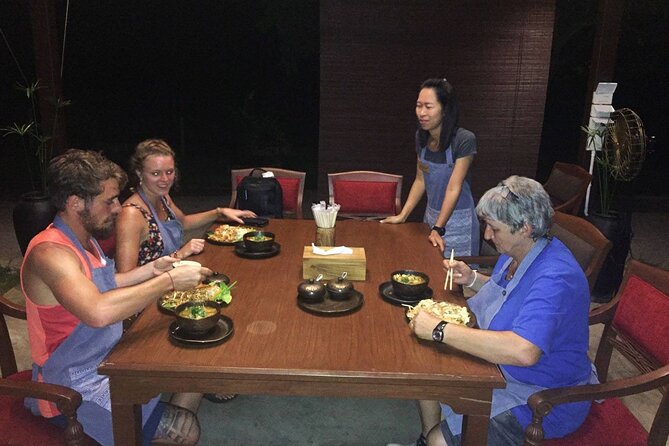
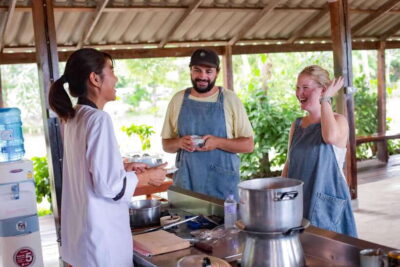
The cooking takes place in an open pavilion set in the gardens. This is a pleasant middle ground between a formal indoor classroom and a busy restaurant kitchen. You get an outdoor setting, while the pavilion gives the group a defined place to work and eat.
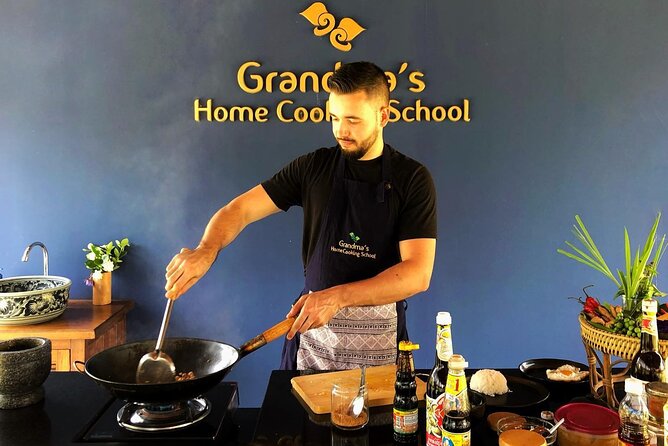
Each participant has an individual cooking station. That detail is more important than it may sound. In a large class, you may watch one person do the actual cooking while everyone else waits. Here, you can follow the steps yourself, handle the ingredients, and see how your own dish changes as it cooks.
The maximum group size is eight. I would consider that one of the strongest features of the class, especially if you want personal help with knife work, seasoning, or curry paste. The format also makes it easier to talk with the other people at your table and compare dishes later.
Your instructor speaks English and guides the class through each recipe. The available information does not give the instructor’s name, so do not expect to book a named chef in advance. The important point is that the teaching is designed for English-speaking participants and includes direct help as you cook.
Four Thai dishes, with a seasonal menu
The evening menu is built around four parts of a Thai meal:
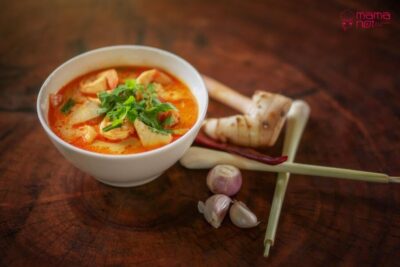
- A soup, either Tom Yam, the hot and sour option, or Tom Kha, the coconut soup
- Pad Thai, made with stir-fried rice noodles
- Green curry or red curry
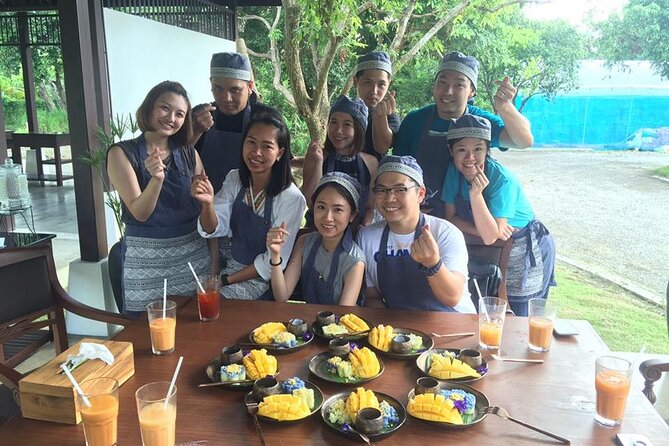
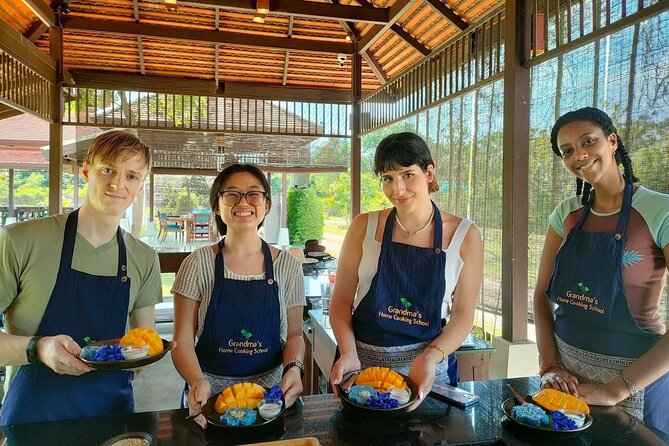
- Mango sticky rice, also called Khao Niao Mamuang
This gives you a useful spread of Thai cooking styles. The soup introduces the balance of sour, salty, spicy, and aromatic flavors. Pad Thai shows how noodles, sauce, and heat work together. Curry teaches you how herbs and spices form a paste before coconut-based cooking brings everything together. Mango sticky rice finishes with a sweet dish rather than another savory plate.
The exact menu can change depending on the season and ingredient supply. That is worth keeping in mind before you book. You may get Tom Yam instead of Tom Kha, or red curry instead of green curry. The class is built around a set of dish types, but the specific selection is not fixed.
One useful detail comes from the experience itself: a participant learned to make Panang curry from scratch and took notes to buy the right ingredients at home. Panang is not listed as one of the regular menu choices here, so you should not assume it is included on your date. Still, the comment points to the kind of practical instruction you can receive when the instructor explains the ingredients closely.
Making curry paste from scratch
The curry section is likely the class’s most useful lesson for home cooks. Thai curry paste can look like a single prepared ingredient when you buy it in a shop. Making it yourself shows how the flavor is built and helps you understand what each herb and spice contributes.
The instructor guides you through the process, rather than leaving you to guess at the proportions. You can ask questions as you work and then use the paste in the curry. That connection between preparation and final dish is valuable because it gives you a recipe method, not just a finished taste.
You should take notes if you hope to cook Thai food after returning home. Record the ingredients, the order in which they are added, and any advice about substitutions or seasoning. The class is especially worthwhile for someone who wants to recreate the food later, not just eat one pleasant dinner in Chiang Mai.
The available details do not specify the equipment or spice level, so you should ask the instructor directly about adjustments if that matters to you. The menu is authentic in style, but the class is still designed for a mixed group with different cooking backgrounds.
More Cooking Classes in Chiang Mai:
- Half-Day Thai Cooking Class at Organic Farm in Chiang Mai
★ 5.0 · 19,087 reviews - Chiang Mai: Cooking Class, Market & Thai Herbs Garden Tour
★ 4.9 · 4,824 reviews - Chiang Mai: Authentic Cooking Class with Market & Farm Visit
★ 4.9 · 4,546 reviews - Thai and Akha Cooking Class in Chiang Mai
★ 5.0 · 4,358 reviews
Sitting down to eat what you made
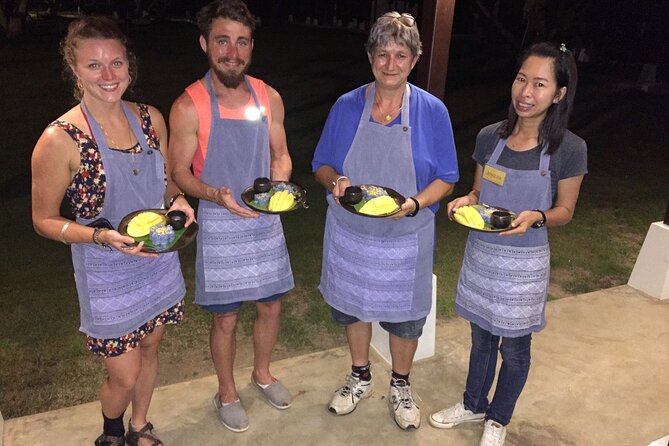
After the cooking, you share the dishes with the group. This is not a separate restaurant meal added onto the class. The food on the table is the result of everyone’s work, which gives the final meal a more personal feel.
You can compare how the same instructions came together at different stations and exchange stories while you eat. That shared meal is a natural end to the class, and it also gives you a chance to taste dishes you may not have prepared yourself.
One participant described the meal made in the class as one of the best meals of a Thailand trip. I would treat that as a sign of the class’s main strength, not as a promise that every dish will suit every palate. Cooking your own food often makes the meal more memorable, but results can vary with experience, timing, and personal taste.
The class lasts about four hours, including transportation arrangements, the farm walk, instruction, cooking, and eating. It is a full evening activity rather than a quick lesson squeezed between sightseeing stops. Plan your night around it instead of booking another fixed activity immediately afterward.
Is $51.46 a fair price?
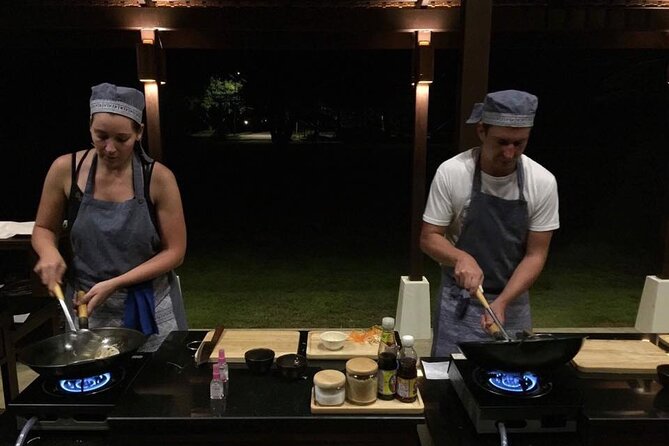
At $51.46 per person, this class is priced above a simple market meal but includes much more than dinner. You receive an approximately four-hour experience, an organic farm visit, an English-speaking instructor, four dishes, individual cooking space, and the chance to eat the food you prepare.
The value is strongest if you care about learning. You are paying for direct instruction and a setting that shows where some of the ingredients come from. If you only want a cheap Thai meal, a local restaurant will cost less and take less time.
The small group improves the value. With no more than eight participants, you are less likely to spend the evening watching from the edge of the room. You also get a better chance to ask about ingredients and cooking methods that you can use later.
Pickup is offered, and the activity ends back at the meeting point. The stated start point is Tha Phae Gate, so confirm the pickup details rather than assuming every hotel has the same arrangement. The class is near public transportation, which gives you another way to reach the meeting point if needed.
Who will enjoy this evening most?
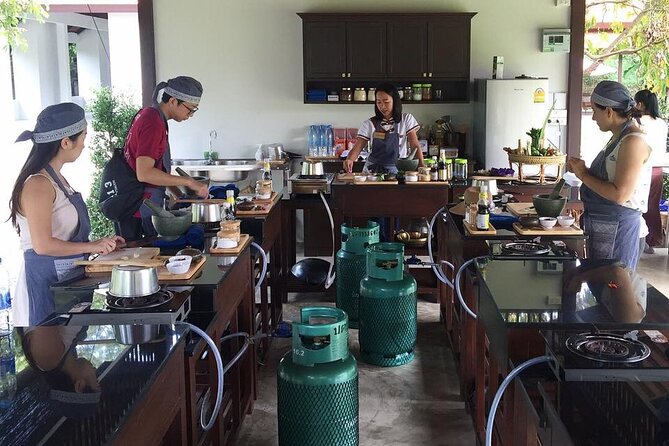
I would recommend the class to you if you want a hands-on introduction to Thai cooking and prefer a smaller group. It suits couples, families, and solo visitors who like learning through food instead of only watching a demonstration.
Families may appreciate the straightforward structure, especially since one family found the pickup and return well organized. Children’s booking details and any age requirements should be checked carefully before arrival. The supplied information warns that differences between the booking and the actual group details may lead to an additional charge upfront, so enter ages and participant numbers accurately.
This is also a good choice for someone who wants to bring Thai flavors home. The farm walk, curry paste lesson, and four-dish format give you more useful context than a class focused on one recipe.
You may want a different activity if your priority is a long, quiet dinner, a fixed menu, or a highly formal culinary school. The open pavilion and changing menu are part of the appeal, but they also mean the evening is less controlled than a restaurant meal.
Practical details for a smooth evening
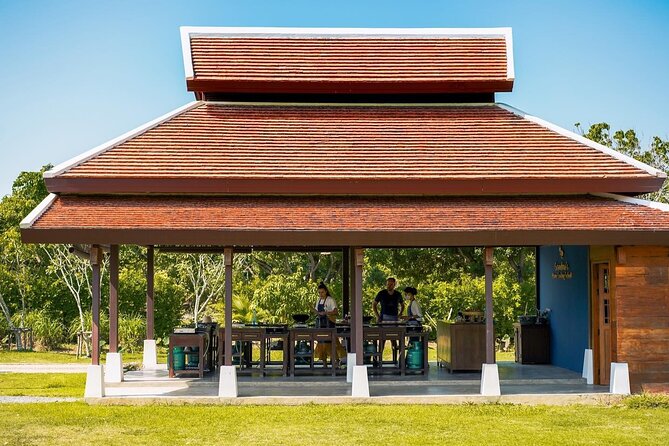
Book with the 4 pm start in mind and allow the full four hours. Pickup is offered, but the meeting point is Tha Phae Gate in central Chiang Mai, and the activity returns to that meeting point.
The tour requires good weather. If poor weather forces a cancellation, you are offered another date or a full refund. It also requires a minimum number of participants, so a cancellation for that reason brings the same choice of another date, an alternative experience, or a refund.
You can cancel for a full refund up to 24 hours before the local start time. Changes or cancellations made less than 24 hours before the class are not accepted for a refund.
The class has a five-star rating from the three reviews provided, with the strongest praise focused on the teaching, the food, the small group, and the organized pickup and return. That is a small sample, so I would use it as a helpful signal rather than proof that every evening will be identical.
Should you book the Grandma’s Home Cooking School class?
Book it if you want to do more than eat Thai food. The farm visit, individual cooking station, homemade curry paste, four dishes, and shared meal make this a well-shaped evening with a clear purpose.
At $51.46, it offers solid value for an approximately four-hour activity, especially for home cooks and families who want instruction they can use later. The main points to accept are the seasonal menu and the need for good weather.
If you prefer a guaranteed dish, a shorter class, or a restaurant dinner with no hands-on work, choose something else. For most people who want a friendly, practical introduction to Thai cooking outside the city, this is a strong pick.
FAQ
What time does the cooking class start?
The class starts at 4 pm.
Where does the activity begin?
The listed meeting point is Tha Phae Gate on Tha Phae Road in Chiang Mai. Pickup from hotels in Chiang Mai is offered.
How many dishes will I cook?
You will cook four dishes. The planned categories are soup, stir-fried rice noodles, curry, and mango sticky rice.
Which dishes may be on the menu?
The choices include Tom Yam or Tom Kha, Pad Thai, green or red curry, and mango sticky rice. The menu may change with the season and ingredient availability.
How large is the group?
The class accepts a maximum of eight participants, and each person has an individual cooking station.
Can I cancel for a full refund?
Yes. You must cancel at least 24 hours before the local start time for a full refund. Changes or cancellations made less than 24 hours before the start are not accepted for a refund.
Newest classes around Chiang Mai
- Aroidee’s Farm-Fresh Thai Cooking Experience★ 5.0 · 8 reviews
- Authentic Thai Cooking Class and Farm Visit in Chiang Mai★ 5.0 · 66 reviews
- Signature Thai Cooking Course★ 5.0 · 79 reviews
- Half Day Guided Thai Cooking Class in Chiang Mai★ 5.0 · 13 reviews
- Yummy Tasty Thai Cooking School in Chiang Mai★ 5.0 · 2 reviews
- Online Thai and Akha Cooking Class★ 5.0 · 70 reviews
- Northern Thai Cooking Class in Chiang Mai in a Countryside Home★ 5.0 · 2 reviews
- Private Half-Day Thai Cooking Class in Chiang Mai★ 5.0 · 4 reviews
Chiang Mai Cooking Classes, compared.
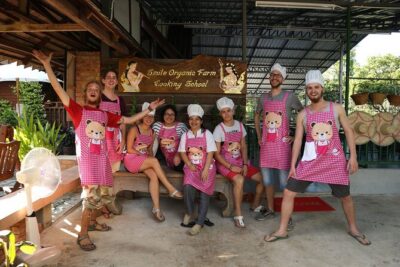
Half-Day Thai Cooking Class at Organic Farm in Chiang Mai
Read our review →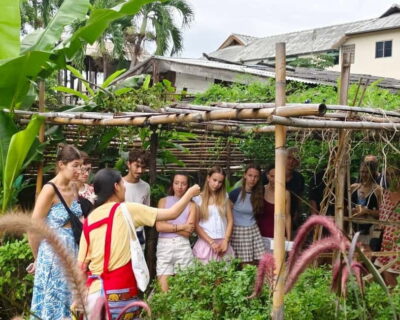
Cooking Class, Market & Thai Herbs Garden Tour
Read our review →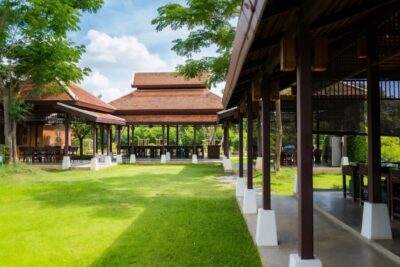
Authentic Cooking Class with Market & Farm Visit
Read our review →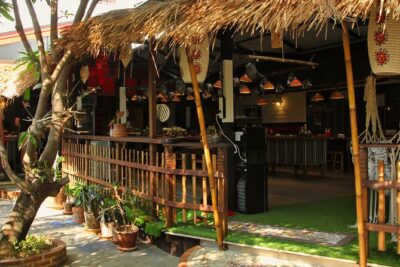
Browse the lists this tour appears in