
Review · CRETE COOKING CLASSES
Cretan Cooking Class and Olive Oil Tasting
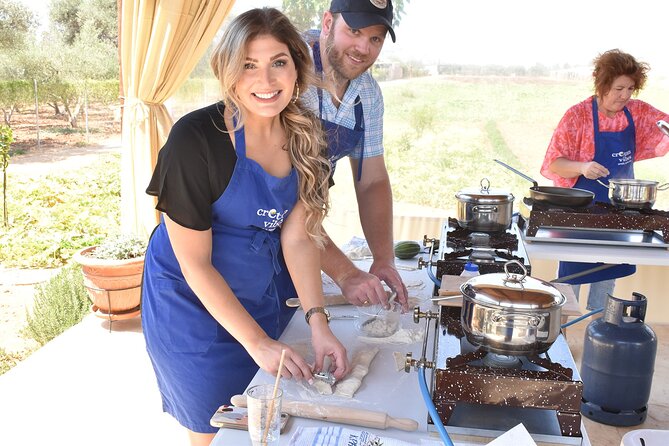
The best part of this Cretan cooking class is that you do not simply watch a demonstration. You work beside Marianna and her mother, Stella, in an open-air kitchen among olive trees, then sit down to eat what you made. The class feels like a meal with a local family, with garden ingredients, homemade drinks, and plenty of time for conversation.
I like the full participation, from gathering or preparing ingredients to folding grape leaves and cooking at your own station. I also like the olive oil lesson, which gives you useful skills for spotting good extra virgin oil instead of treating tasting as a fancy side note.
The main consideration is location. The farm is outside Moires, and private transportation is not included, so you need to plan your route before booking. The class also depends on good weather, since much of the cooking and dining takes place outdoors.
What makes this class worth your time
- Cook beside Marianna and Mama Stella: You get step-by-step help rather than a passive cooking show.
- Work under the olive trees: The open-air kitchen and farm setting give the meal a strong sense of place.
- Prepare traditional Cretan food: Dako, dolmadakia, stuffed zucchini flowers, giaxni, lamb dishes, avgolemono, stifado, and local cheese pastries may appear depending on the season and menu.
- Learn how olive oil should taste: You’ll practice identifying aroma, flavor, bitterness, and faults in lower-quality oil.
- Eat a full meal with local wine: The food you prepare becomes the centerpiece of the final meal.
- Take home useful extras: Recipes are emailed after the class, photos are provided, and leftovers are packed to take with you.
Cooking with a Cretan mother and daughter
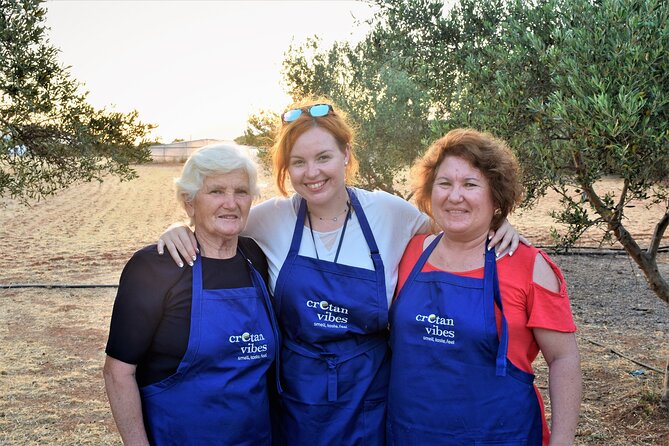
This four-hour class is built around hospitality as much as food. Marianna leads the activity, while her mother, Stella, shares family methods and kitchen habits. Their grandmother also appears in the family story through homemade products such as mizithra cheese and ksinoxondros.
You begin with a welcome drink, often a homemade lemonade or another refreshment made by Stella. Water, coffee, tea, and local homemade drinks are included, so you are not left waiting for the cooking to begin with an empty glass.
The tone is friendly and relaxed, but the class is still organized. You receive an apron and cooking ingredients, and the maximum group size is 12 people. That is large enough to make the class social, but small enough for the instructors to move around and offer help.
People with little kitchen experience should feel comfortable here. The teaching is hands-on and step by step. At the same time, confident cooks will have plenty to do, especially when several dishes are being prepared at once.
More Food and Drink Outings in Greece:
- Athens: Food Market Visit and Cooking Class with Wine
★ 4.9 · 1,087 reviews - Santorini: Cooking Class with Lunch and Wine Tasting
★ 4.8 · 289 reviews - Mykonos: Cooking Class with Food and Wine
★ 4.9 · 282 reviews
What you actually cook in four hours
The menu is not a single fixed recipe. It changes with the season and the ingredients available on the farm. That is a plus if you want to see how Cretan food works in real life, though it means you should not book expecting every dish listed below on one particular date.
A typical spread begins with Cretan dakos, a crisp rusk topped with fresh tomato, mizithra cheese, oregano, and extra virgin olive oil. It is simple food, but it shows how much flavor comes from good tomatoes, local cheese, and well-made oil.
You may also prepare dolmadakia, grape leaves filled and rolled by hand, along with stuffed zucchini flowers. The zucchini blossoms are especially seasonal, and preparing them gives you a direct connection with the garden rather than a restaurant kitchen.
For a vegetable dish, the class may make giaxni with green beans, potatoes, zucchini, tomato sauce, and ksinoxondros. Ksinoxondros is a traditional Cretan product made from grain and fermented milk. It is one of the less familiar ingredients on the menu, which makes the lesson more useful than simply preparing dishes already known to you.
Meat dishes can include lamb with artichokes, potatoes, fennel, and tomato sauce. Other possible main courses include avgolemono with pork or free-range chicken, leek or lettuce, potatoes, dill, eggs, and lemon. Cretan stifado may be prepared with chicken, rabbit, or snails, while lamb with stamnagathi offers another taste of local cooking.
Dessert may be sarikopites or kalitsounia, small pastries filled with fresh Cretan cheese. The dough is fried in the family’s olive oil and may be finished with cinnamon or other local flavors. It is a fitting end to a meal that uses olive oil in both savory and sweet preparations.
Because several dishes are prepared, the meal can be generous. Leftovers are packed for you to take away. That matters because a four-hour class followed by a full meal can be substantial, and the extra food gives you something to enjoy later rather than forcing you to finish everything at the table.
The outdoor kitchen is part of the experience
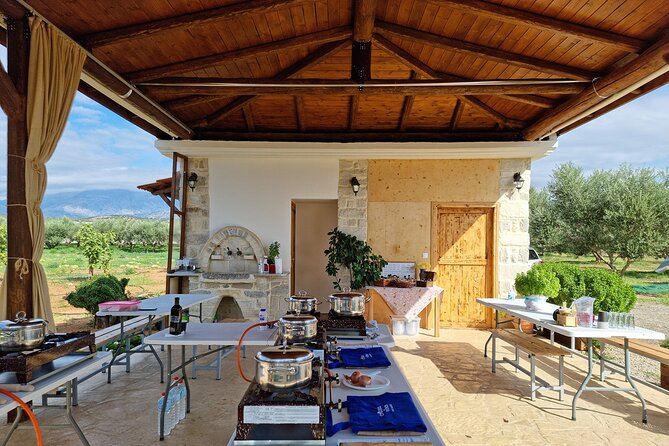
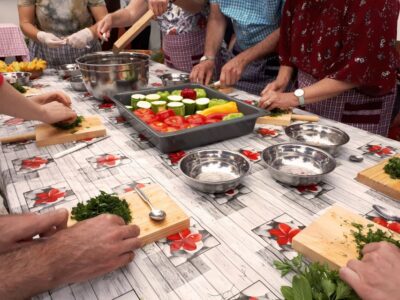
The cooking area is a modern, open-air space beside olive trees and gardens. You are not sitting in a dark demonstration room while someone else chops vegetables. You handle ingredients, use cooking tools, and take part in the work.
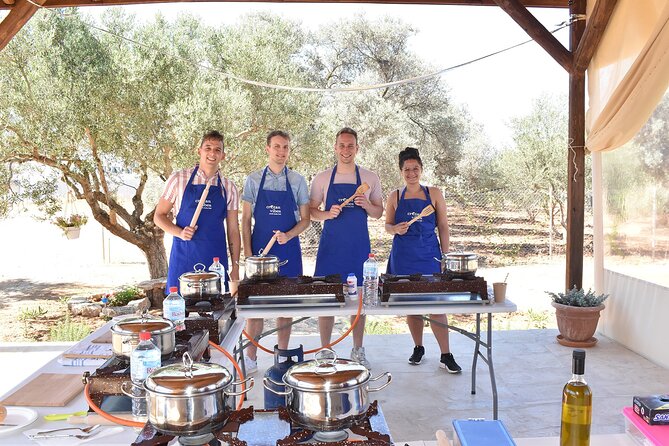
One particularly useful detail is that each person can have access to a gas burner, utensils, and pots when the group setup allows. This makes the activity feel like cooking rather than assembling a sample plate.
The farm setting also changes with the time of day. Late classes can finish as the sun goes down, with the meal served in the evening light. Dogs may be around the property, and the family’s connection to the farm is visible in the ingredients and outdoor setting.
The drawback is that weather matters. This is not the best choice if you want an indoor activity that runs the same way in every condition. If poor weather forces a cancellation, you can choose another date or receive a full refund.
Olive oil tasting with practical lessons
The olive oil tasting is one of the most useful parts of the afternoon. Crete is strongly linked with olive growing, but many people still buy oil by reading labels without knowing how to taste it. Here, you learn to pay attention to aroma, flavor, bitterness, and defects.
You are shown how authentic extra virgin olive oil should present itself. You also learn how to spot signs of lower-quality oil and what to look for when shopping. Bitterness is explained as part of the tasting rather than treated as a flaw, which helps you understand why good olive oil can have a peppery or sharp finish.
The session includes a video showing the family’s olive harvest behind the scenes. That adds context to the bottle on the table. You see olive oil as the result of seasonal farm work, not just an ingredient poured over salad.
This lesson makes the $114.93 price easier to assess. You are paying for a full meal, ingredients, wine, instruction, an olive oil tasting, recipes, and a family-hosted setting. It is more than a quick food demonstration, though it is not the cheapest way to eat in Crete.
More Cooking Classes in Greece:
- Athens: Classic Cooking Class with Market Visit and Wine
★ 5.0 · 1,101 reviews - Greek Cuisine Cooking Class in Santorini with Recipes and Wine
★ 5.0 · 969 reviews - Naxos: Half-Day Cooking Class at Basiliko Family Tavern
★ 5.0 · 887 reviews - Greek Cooking Class in Athens Including Rooftop Dinner with Acropolis View
★ 5.0 · 826 reviews
The meal is the payoff
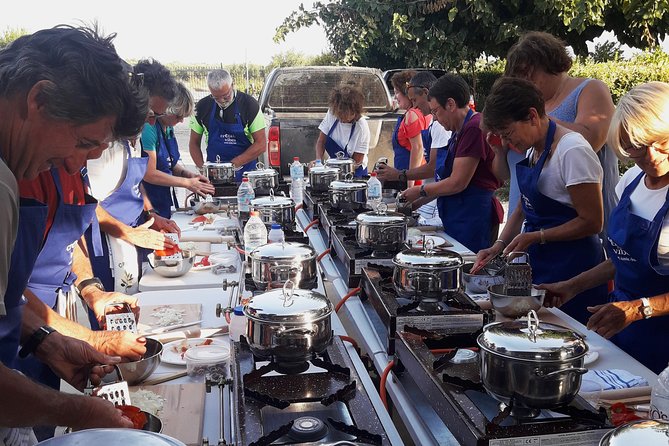
After the preparation, you sit down to eat the food made during the class. Local wine is served with the meal, and homemade drinks, coffee, or tea are available as well.
The meal works because it combines many small Cretan flavors. Tomato, oregano, fennel, lemon, fresh cheese, olive oil, herbs, vegetables, and slow-cooked meat all appear in different forms. You get a better feel for the cuisine when you taste the ingredients separately and then see how they work together in a finished dish.
I also like that the meal is social without being forced. You may share the table with people from different countries and age groups, but the cooking gives everyone an easy subject to discuss. One group included people from age 12 to 78, and children aged 9, 11, and 13 were also able to enjoy the activity.
Dietary needs can sometimes be accommodated. One party reported that a dietary restriction was handled carefully, but you should still contact Cretan Vibes before booking if your needs are important or complex. The supplied information does not promise a specific set of substitutions.
A seasonal menu, not a fixed restaurant order
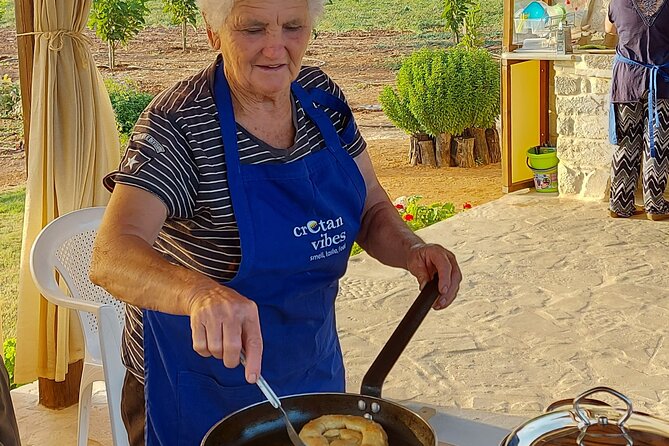
The changing menu is a strength if you want food that follows the farm and the season. Artichokes, zucchini flowers, greens, tomatoes, and other produce are not equally available all year.
It can also be a minor source of uncertainty. You may have your heart set on lamb with stamnagathi or stuffed flowers and find that another seasonal selection is served instead. Ask Marianna what is planned for your date if a particular dish matters to you.
The menu also includes meat, poultry, rabbit, and possibly snails. Vegetarian and vegan options are available through dishes such as giaxni, but the exact balance of the class depends on the day. If you eat no animal products, confirm the menu in advance rather than assuming every listed course can be adapted.
Who should book this farm experience
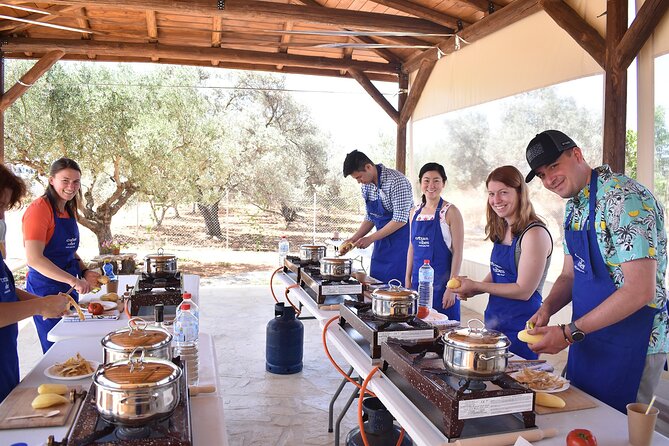
I would choose this class if you want to connect food with family, farming, and daily Cretan life. It suits couples, families, solo visitors who enjoy meeting people, and small groups looking for something beyond a standard sightseeing stop.
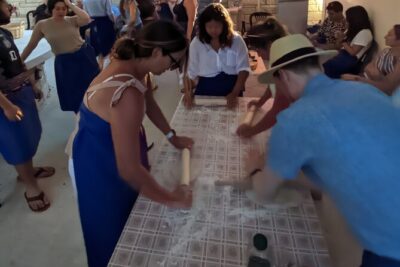
It is especially good for people who like to participate. If you prefer to sit back and watch a chef prepare everything, you may find the hands-on format demanding. You will be chopping, rolling, stuffing, stirring, and tasting for much of the session.
Families should take note of the broad age range that has worked well here. Children can take part, though younger children may need close supervision around burners, knives, and hot pans. The group limit of 12 keeps the activity manageable.
The class is also a good fit for anyone who wants to bring Cretan food home. The recipes are sent by email afterward, and the methods are simple enough to repeat in a home kitchen. The olive oil guidance is practical too, especially if you plan to buy Cretan oil during the rest of your trip.
Location, timing, and planning the visit
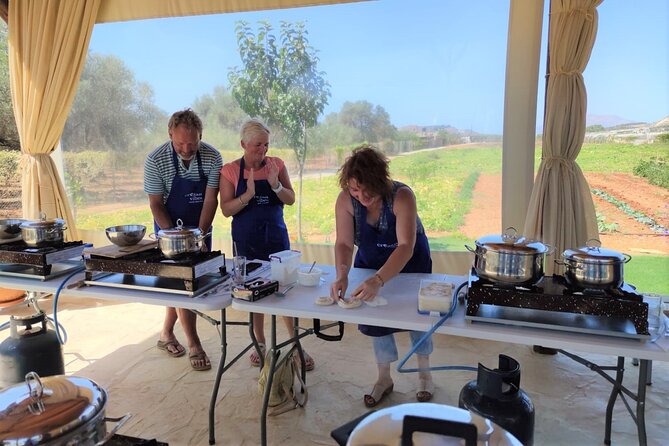
The meeting point is Cretan Vibes, at Ethniki Odos in Moires, Crete. The activity ends back at the same meeting point, and the stated duration is about four hours.
Private transportation is not included. The location is near public transportation, but you should still check the route and return plan before committing, especially if you are staying far from Moires or expect to drink wine with the meal.
The class is offered in English. Confirmation arrives at booking, and the activity accepts service animals. The maximum group size is 12, though smaller groups can occur, particularly outside the busiest part of the season.
Because the cooking area is outdoors, bring clothing that works for changing temperatures and comfortable shoes for standing. This is practical advice based on the setting, not a formal dress requirement.
The activity is often booked well ahead, with an average booking lead time of about 41 days. If your Crete schedule is fixed, reserve early, especially for a preferred date.
Is $114.93 a fair price?
At $114.93 per person, this is not a bargain meal. You can eat a Cretan lunch or dinner for less, and you will not choose every dish from a menu.
The value comes from the amount bundled into the visit. You receive roughly four hours of instruction, a full meal, local wine, olive oil tasting, refreshments, ingredients, an apron, recipes, a harvest video, photos, and packed leftovers. You also get access to a family setting that is difficult to reproduce by eating at a restaurant.
I would call it good value for people who want a cultural activity with dinner included. It is less appealing if you only want to taste food or if you are counting every euro and have no interest in cooking.
Free cancellation is available until 24 hours before the start time. Changes or cancellations inside that window are not refunded, and the activity can also be canceled if the minimum number is not reached. In those cases, you are offered another date or experience, or a full refund.
Should you book the Cretan Cooking Class?
Book it if you want a warm, practical introduction to Cretan food and do not mind getting involved. Marianna and Stella give the class its character, while the farm, olive trees, homemade cheese, seasonal vegetables, and sunset meal give you a strong sense of place.
I would especially recommend it to families, couples, and people staying near Heraklion who want an evening away from busy tourist areas. Plan transportation carefully, confirm dietary needs, and ask about the menu if you have a must-try dish.
Skip it if you want a short indoor demonstration, a tightly fixed menu, or a city-center meeting point. For everyone else, the combination of cooking, olive oil, family hospitality, and a generous meal makes this one of Crete’s more rewarding food activities.
FAQ
How long is the Cretan cooking class?
The experience lasts approximately four hours, including cooking, the olive oil tasting, and the meal.
How much does the experience cost?
The listed price is $114.93 per person.
Where does the cooking class meet?
You meet at Cretan Vibes, Ethniki Odos, Moires 704 00, Greece. The activity ends at the same meeting point.
Is transportation included?
No. Private transportation is not included, though the meeting point is near public transportation.
What language is the class offered in?
The class is offered in English.
How many people can join?
The activity has a maximum of 12 participants.
What food might I prepare?
Possible dishes include dakos, stuffed grape leaves, stuffed zucchini flowers, vegetarian or vegan giaxni, lamb with artichokes, avgolemono, stifado, lamb with stamnagathi, and cheese-filled pastries. The menu can vary with the season.
Is wine included?
Yes. Local wine is served with the meal. Coffee, tea, water, and homemade refreshments such as lemonade are also included.
Can I cancel for a full refund?
Yes, if you cancel at least 24 hours before the experience starts. Cancellations made less than 24 hours before the start time are not refunded.
Newest classes around Greece
- Authentic and Traditional Cooking Class in Chania Crete★ 5.0 · 5 reviews
- Chania Cooking Class in Crete with rustic, delicious and homely Cretan food!★ 4.5 · 14 reviews
- Private Cooking Class – A Culinary Journey in Argostoli★ 5.0 · 2 reviews
- Greek Cooking Class with Acropolis View★ 5.0 · 76 reviews
- Private Walking Meze Cooking Course★ 5.0 · 6 reviews
- Cook with Katerina: Authentic Greek Home Cooking Class in Athens★ 5.0 · 15 reviews
- Private Greek Cooking Class in Athens-Learn to Cook with Angelina★ 5.0 · 3 reviews
- Hands On Greek Cooking Classes in Athens★ 5.0 · 7 reviews
Crete Cooking Classes, compared.
Chania: Authentic Cooking Class in the White Mountains
Read our review →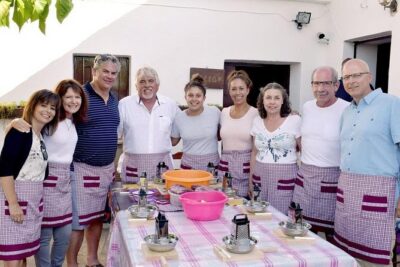
Chania Cooking Class-The Authentic Enjoy traditional Cretan meal
Read our review →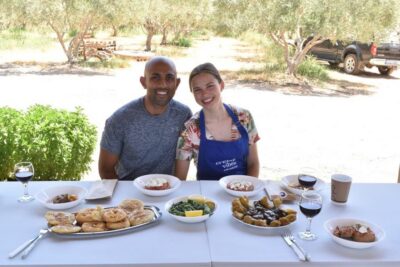
Moires: Cooking Class and Olive Oil Tasting at a Family Farm
Read our review →
Sightseeing Day Trip with Cooking Lesson and Lunch
Read our review →
Heraklion: Cretan Cooking Lesson with Lunch in Arolithos
Read our review →
Browse the lists this tour appears in