
Review · COOKING CLASSES
cooking traditional food in Samarkand with local people
The best part of this Samarkand outing is the move from the city to a family home in Ravot village, where you can see how Uzbek food is made and served in daily life. The five-hour visit combines Siab Bazaar, a home-cooked meal, and time with a local family rather than another quick stop at a monument.
I like the chance to help prepare plov and other dishes, and I like that the route includes a look at village life, a garden, and traditional tools. The main thing to know is that the amount of hands-on cooking can vary. You may prepare vegetables and take part in the work, but some of the cooking may be demonstrated while you watch.
Key points at a glance
- Siab Bazaar before the meal: Shop for a close look at the ingredients and food culture of Samarkand. The bazaar is closed on Mondays.
- Ravot village setting: The family home is about 14 kilometers from Registan Square in Toyloq district, reached by a good, non-bumpy road.
- Cooking with a family: You may help make plov, salads, hanim, and other Uzbek dishes, depending on your preferences.
- Several cooking methods: See food prepared over gas or in an o’choq, and learn how bread is baked in a tandir oven.
- A useful transport package: Pickup and drop-off are provided from a hotel, airport, or station.
- A flexible five-hour plan: English guiding, wheelchair access, free cancellation up to 24 hours before the activity, and reserve-now-pay-later booking are available.
From Siab Bazaar to a family kitchen
This experience begins with pickup from your hotel, airport, or station. The exact starting time depends on availability, but allow five hours from pickup through return. That matters if you are fitting the outing between train arrivals, sightseeing, or a flight.
The first stop is Siab Bazaar, Samarkand’s best-known food market. Here you can see the ingredients that later appear in the kitchen: produce, staples, sweets, bread, and other everyday foods. A market visit gives useful context. Instead of hearing a general explanation about Uzbek cuisine, you can connect the finished dishes with the raw products and cooking habits used at home.
Plan this part carefully if your schedule is tight. Siab Bazaar is closed on Monday, so the market portion cannot operate as described that day. The cooking visit itself may still be possible, but you should confirm the arrangement before booking for Monday.
The bazaar is not simply a shopping stop before lunch. It helps you understand why food matters so much in Uzbekistan. Cooking here is tied to family, hospitality, holidays, and daily routines. The market also gives you a chance to ask questions about products and see how a local guide explains food from his or her own city.
More Food and Drink Outings in the world:
- Small Group Cooking Class & Market Food Tour in Florence
★ 5.0 · 1,574 reviews - Paella Cooking Class, Wine Tasting & Central Market in Valencia
★ 5.0 · 1,150 reviews - Athens: Food Market Visit and Cooking Class with Wine
★ 4.9 · 1,087 reviews
The short road to Ravot village
After the market, you travel to Ravot in Toyloq district. The village is about 14 kilometers from Registan Square, and the road is described as good rather than rough. That makes this an easy way to see a more rural side of the Samarkand area without committing to a full-day excursion.
The distance is close enough to keep the outing practical, yet far enough to change the feel of the day. You leave the grand squares and tiled buildings behind and arrive at a family home where the focus is food, conversation, and ordinary life.
The home visit is one of the strongest reasons to choose this activity. You may see the family garden, meet relatives, look around the neighborhood, and talk about Uzbek customs and routines. The details can vary by day, but the setting gives you something a restaurant cooking class cannot: a sense of where food is prepared and shared.
The host has been identified as Akram in several bookings, while Navruz is also named in accounts of the family visit. The important practical point is that the activity is hosted by a local English-speaking guide and family, not by a large cooking school with a formal studio kitchen.
What you may cook with the family
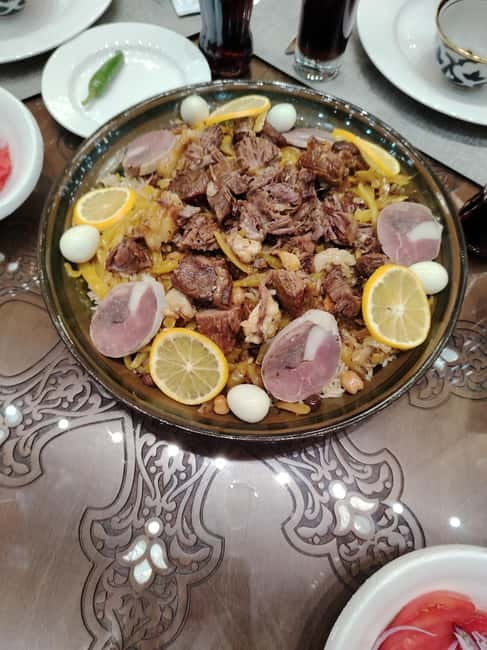
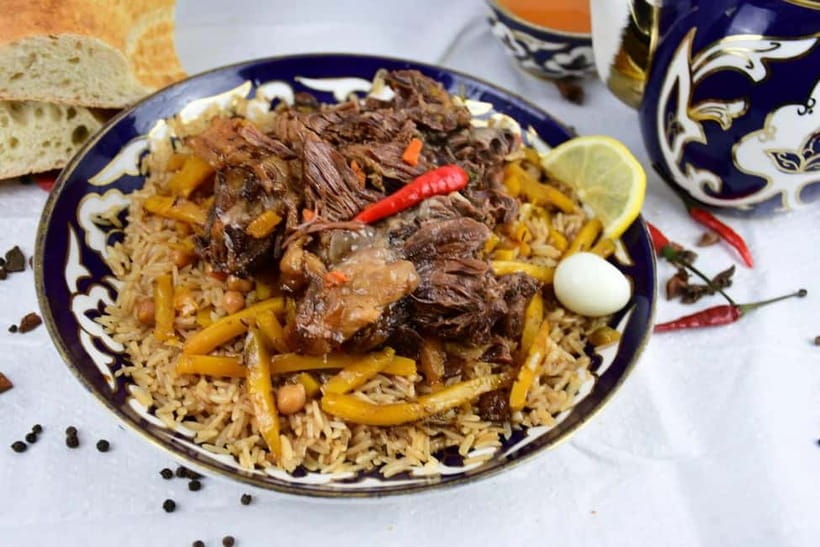
Plov is the natural centerpiece. This famous Uzbek dish combines rice with meat, carrots, onions, and seasoning, although the exact recipe and ingredients can differ between homes. Here, you can follow the process, help with preparation, and then eat the finished dish at the family table.
You may also choose from salads and other Uzbek foods. Hanim is one dish specifically mentioned by people who took part, and different options can be arranged around your preferences. It is sensible to tell the host what you would like to learn when you book or at the start of the visit.
The class is not described as a strict, step-by-step lesson with every person preparing an entire dish alone. That distinction matters. Some people have taken an active role in chopping and cooking, while another person found that the visit involved only a small amount of preparation and more watching.
I would approach it as a family cooking visit with hands-on opportunities, not as a professional chef course. If your top priority is detailed technique and constant work at the stove, ask the host in advance how much you can prepare yourself. If you want food, conversation, and a look at home life, the format is likely to suit you better.
The cooking may take place over gas or in an o’choq, a traditional cooking setup. You can also see bread baked in a tandir. These details are valuable because they show that Uzbek food is not defined by one appliance or one recipe. The heat source, the vessel, and the rhythm of cooking all form part of the meal.
Why the tandir and garden add value
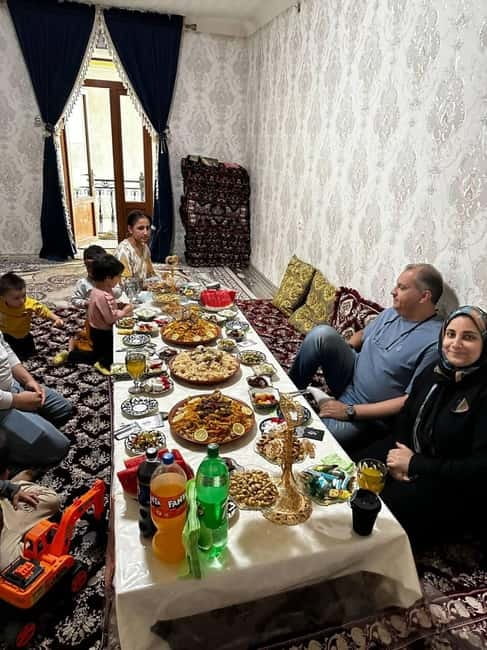
The bread demonstration is a small but memorable part of the visit. A tandir is a traditional clay oven used for baking bread, and seeing the process at home gives you a clearer sense of how bread fits into Uzbek food culture.
You may also visit the family garden. This is not presented as a formal farm tour, but it can help connect the meal with the home’s own growing space. Fruit trees and a garden were especially important parts of one visit, adding a simple outdoor element before the meal.
These details make the experience feel less like a menu tasting. You are seeing food in several settings: at the market, in the garden, during preparation, and finally on the table. For me, that sequence gives the five-hour outing a clear shape.
More Food Outings in the world:
- Undiscovered Charleston: Half Day Food, Wine & History Tour with Cooking Class
★ 5.0 · 948 reviews - Vietnamese Food Cooking Class in Hanoi with Market Experience
★ 5.0 · 778 reviews - Milan: Italian Cooking Class with Food and Wine
★ 4.7 · 509 reviews - Mexican Cooking Class with Food Market Visit in Mexico City
★ 5.0 · 506 reviews
Lunch or dinner with an Uzbek family
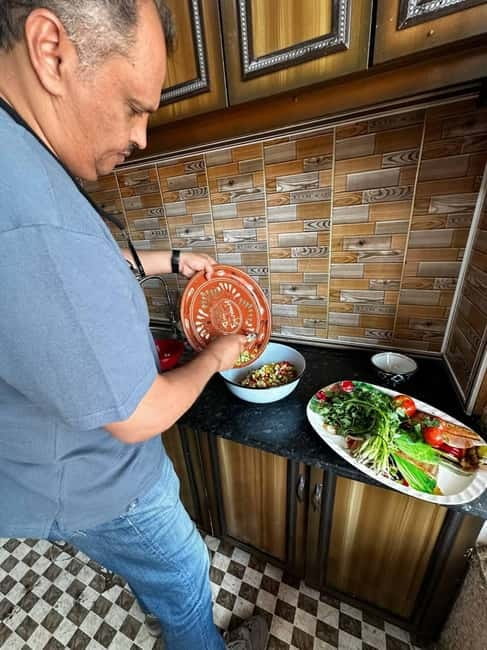
The meal is included, with salads, cooked dishes, and beverages. You eat what you have helped prepare, along with the other food selected for the visit. The meal can be lunch or dinner, depending on the schedule.
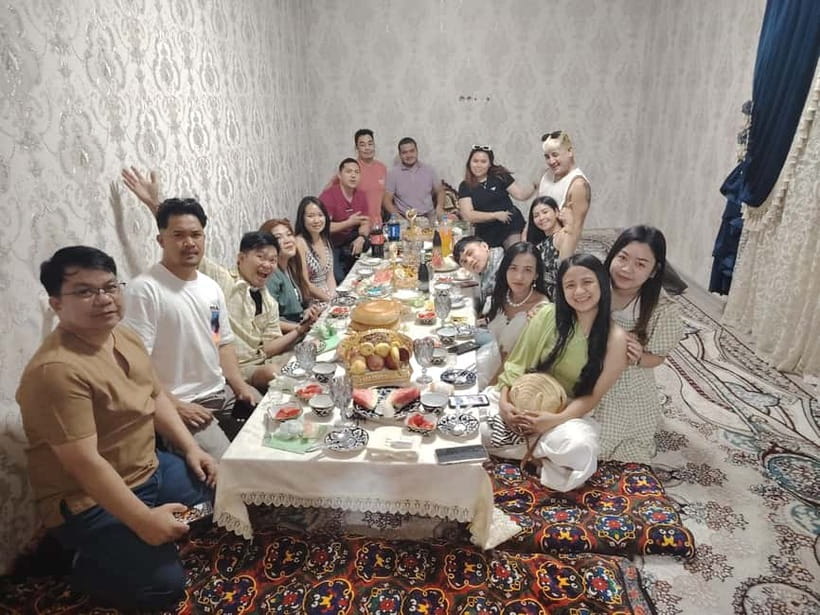
Hospitality is central here. You are welcomed into a private home and introduced to family members, so you should expect a social visit as well as a cooking activity. Conversations can cover Uzbek traditions, family life, food, and the differences between city and village routines.
The English-speaking guide is important because the cultural side of the visit depends on conversation. Akram has been described as speaking excellent English, and the activity is designed to let you ask questions rather than simply observe. The host can explain how food is prepared, what tools are used, and why particular dishes matter.
At the same time, a home meal is less controlled than a restaurant meal. The pace may be relaxed, the family may do part of the work, and the cooking may not follow a fixed classroom timetable. That is part of the appeal, but it is also why you should not expect a polished demonstration with every step timed to the minute.
How much value do you get for $62?
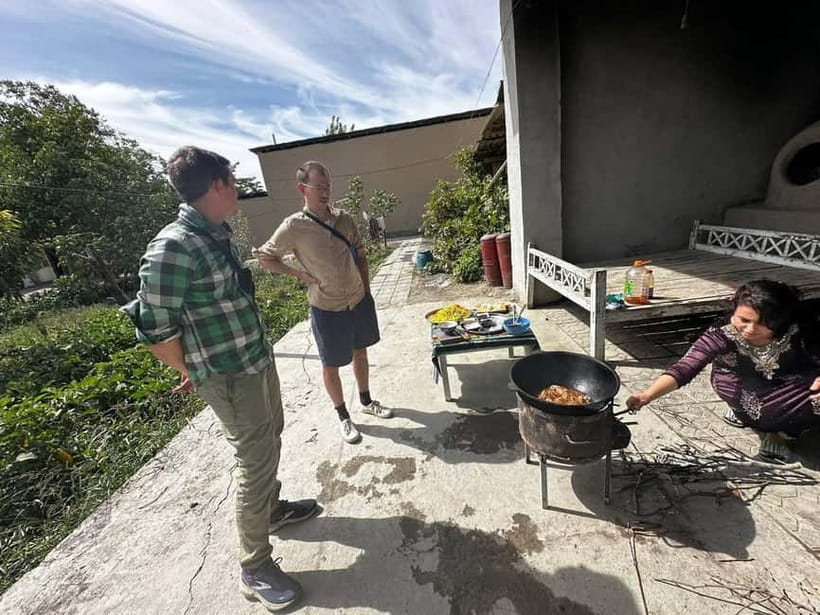
At $62 per person, this costs more than a basic market walk or an ordinary meal. The price includes transport from and back to your hotel, airport, or station, an English-speaking guide, the bazaar visit, the cooking session, and lunch or dinner.
The value depends on how you use it. If you only want to eat plov, $62 may feel high. If you need airport or station transport, the calculation improves because pickup and drop-off are part of the package. You are also paying for access to a private family setting and for the time spent explaining food and local customs.
This is especially useful on a short Samarkand visit. You can see the market, leave the center, meet a family, eat a full meal, and return in half a day. You do not need to arrange separate taxis or find a rural home on your own.
The price is also easier to justify if you value personal contact. A cooking visit gives you a different kind of memory from another tiled building or guided city walk. It lets you ask direct questions and take part in a household routine, even if only for a few hours.
Transport, timing, and practical comfort
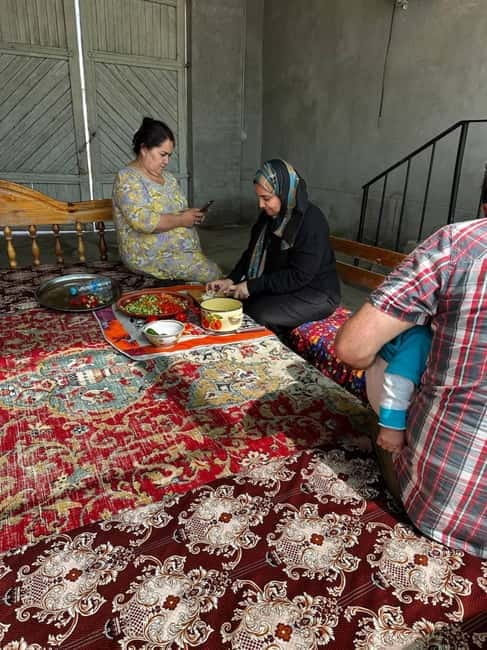
Pickup is available from a hotel, airport, or station, followed by return to one of those locations. This is a strong practical feature for people arriving by train or leaving Samarkand after the activity. Give the host your exact transport details when arranging the visit.
The activity lasts five hours. That includes the market, the drive to Ravot, time at the home, the meal, and the return journey. I would avoid scheduling a close flight or train immediately afterward, even with provided drop-off, because the cooking and family visit may not run like a tightly timed museum tour.
The route to the village is described as good quality and not bumpy. The activity is listed as wheelchair accessible, but the cooking environment is a private home rather than a purpose-built facility. If you use a wheelchair, confirm the specific access arrangements with the provider before booking.
Dress modestly. Short skirts and tight clothing are not allowed, and the activity also prohibits weapons or sharp objects, explosive substances, and nudity. Comfortable, respectful clothing is the sensible choice for entering a family home and working around food.
You can cancel free of charge up to 24 hours in advance for a full refund. Reserve-now-pay-later booking is also available, which helps if your Samarkand schedule is still changing.
Who will enjoy this Samarkand experience?
I would recommend it to you if you enjoy meeting local people, learning through food, and seeing how life works beyond the central sights. It suits couples, solo visitors, families, and small groups who prefer conversation and participation to a formal sightseeing route.
It is also a good fit if you want to eat plov in a setting connected to family life. The dish tastes different when you have watched the ingredients being prepared, seen the cooking method, and sat down with the people who made it.
You may want to choose another activity if you need a technical cooking school. The amount of active preparation is not guaranteed to be extensive. You might chop vegetables and help with several steps, or you might spend more time watching the host and family cook.
People with strict dietary needs should discuss them before booking. The activity can offer different dishes based on preference, but the available information does not promise specific vegetarian, halal, allergy-free, or gluten-free menus. Ask clearly before you arrive.
The outing can also work well for repeat visitors to Samarkand. If you have already seen Registan Square, the Bibi-Khanym Mosque, and the main city sights, this provides a change of pace. It shows you the region through a family, a market, and a meal rather than through monuments alone.
My verdict on cooking in Ravot village
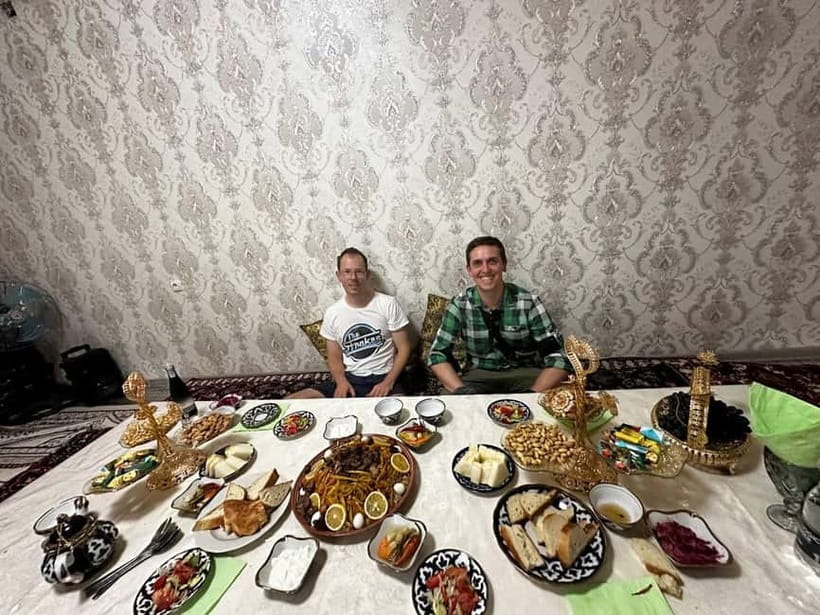
Book this if you want a friendly, food-centered look at Uzbek life and are comfortable with an informal class. The strongest parts are the family home, the chance to see a garden and neighborhood, the bazaar connection, and the meal of dishes such as plov and hanim.
Think of it as a cultural visit that includes cooking, not a cooking school that happens to include culture. That expectation will help you enjoy the day. For $62, the transport, food, guide, and personal setting make good sense, especially if you are short on time or want an experience outside central Samarkand.
Check the Monday bazaar closure, explain your cooking and dietary preferences in advance, and ask how active the preparation will be. If those details suit your plans, this is one of the better ways to spend five hours near Samarkand.
FAQ
How long does the cooking experience last?
The activity lasts five hours, including transportation, the Siab Bazaar visit, cooking, the family meal, and the return journey.
Where does the cooking class take place?
The cooking takes place at a family home in Ravot village, in Toyloq district. The village is about 14 kilometers from Registan Square.
Is transportation included?
Yes. Pickup and drop-off are included from hotels, airports, and stations.
Is Siab Bazaar open every day?
No. Siab Bazaar is closed on Mondays. Check the schedule if the bazaar visit is important to you.
What food can I learn to cook?
You may prepare plov, salads, hanim, and other Uzbek dishes. The available choices can depend on your preferences.
Can I take part in the cooking?
Yes, you can participate in the preparation if you want. The amount of hands-on work may vary, so ask the host in advance if you want to do more than observe.
Will I see traditional Uzbek cooking methods?
Yes. Food may be prepared using gas or an o’choq, and you can see how bread is baked in a tandir.
Is a meal included?
Yes. Lunch or dinner is included, along with salads, cooked food, and beverages.
What language does the guide speak?
The live guide speaks English.
Can I cancel the booking?
Yes. You can cancel up to 24 hours in advance for a full refund. Reserve-now-pay-later booking is also available.
Newest classes around the world
- Aroidee’s Farm-Fresh Thai Cooking Experience★ 5.0 · 8 reviews
- Authentic Thai Cooking Class and Farm Visit in Chiang Mai★ 5.0 · 66 reviews
- Signature Thai Cooking Course★ 5.0 · 79 reviews
- Half Day Guided Thai Cooking Class in Chiang Mai★ 5.0 · 13 reviews
- Yummy Tasty Thai Cooking School in Chiang Mai★ 5.0 · 2 reviews
- Online Thai and Akha Cooking Class★ 5.0 · 70 reviews
- Northern Thai Cooking Class in Chiang Mai in a Countryside Home★ 5.0 · 2 reviews
- Private Half-Day Thai Cooking Class in Chiang Mai★ 5.0 · 4 reviews
Cooking Classes, compared.
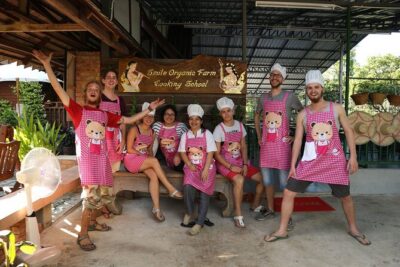
Half-Day Thai Cooking Class at Organic Farm in Chiang Mai
Read our review →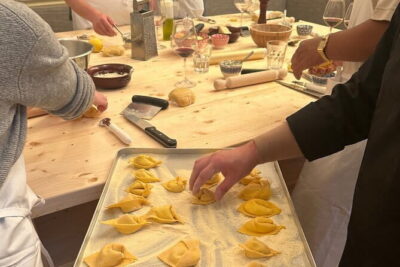

3 in 1 Cooking Class near Navona: Fettuccine, Ravioli & Tiramisu
Read our review →
Pasta & Tiramisu Cooking Class with Unlimited Wine
Read our review →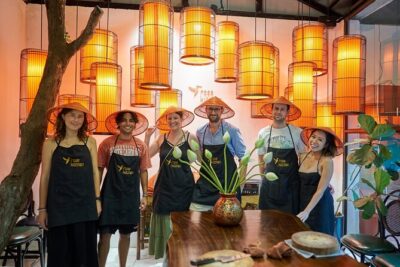
Hanoi Cooking Class: Culture, Local Market & Meaning CSR Impact
Read our review →
5 Traditional Dishes Hanoi Cooking Class with Market Trip
Read our review →
Cooking Class and Lunch at a Tuscan Farmhouse with Local Market Tour from Florence
Read our review →Browse the lists this tour appears in