
Review · ITALY COOKING CLASSES
Cooking Class : Fresh pasta and TIRAMISÙ with Lake Garda wines
Fresh pasta, homemade tiramisu, and local wine make this three-hour class in Lazise one of the most useful food experiences around Lake Garda. Silvia and Ivan keep the teaching practical, showing you how dough becomes spaghetti, tagliatelle, fettuccine, macaroni, penne, or other shapes.
I like the generous hands-on format, where you make the food rather than watch a demonstration. I also like that the recipes are simple enough to repeat at home, with vegetarian sauces included. The main consideration is location: if you are staying far from Lazise, the drive may take planning, and the class can fill well ahead of time.
Key points at a glance
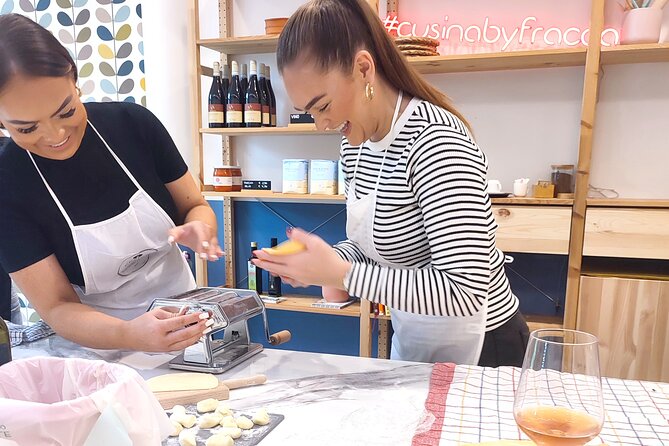
- Fresh pasta from scratch: Learn the basic dough, rolling, cutting, and shaping methods for short and long pasta.
- Tiramisu made together: Prepare the cream and assemble the classic Italian dessert rather than simply eating it.
- Local wines included: Sample wines from the Lake Garda and Veneto area during the class and meal.
- Small enough for personal help: The group is capped at 15 people, with individual assistance available.
- English and Italian instruction: Silvia and Ivan teach in both languages, making the class accessible to English-speaking visitors.
- A practical Lazise base: The class starts and ends at Corso Cangrande 6, close to public transportation.
Why this class works so well in Lake Garda
Lake Garda offers boat rides, old towns, and grand views, but a cooking class gives you something you can carry home. You learn a method, not just a menu. After three hours in the kitchen, you can try the same pasta dough and tiramisu in your own kitchen.
The class centers on two familiar Italian dishes. That is part of its appeal. Pasta and tiramisu are not obscure regional specialties that require hard-to-find ingredients. You work with the foundations of Italian home cooking, then learn techniques that can be adapted to different meals.
The atmosphere is relaxed and social. The class includes wine tasting, conversation, and a meal made by the group. It is not a formal chef-training session, and you should not expect a long lecture on culinary theory. Instead, you get clear instruction, plenty of flour on the work surface, and a chance to eat what you make.
More Cooking Classes with Wine Tasting in Italy
- Florence: Pasta Cooking Class with Unlimited Wine
★ 4.9 · 10,285 reviews - Florence: Pasta & Tiramisu Cooking Class with Unlimited Wine
★ 4.9 · 6,708 reviews - Florence: Pasta Cooking Class with Unlimited Wine
★ 5.0 · 6,413 reviews
Arriving at Corso Cangrande 6
The meeting point is Corso Cangrande 6 in Lazise, a practical base for a day in one of Lake Garda’s best-known towns. The activity ends at the same place, so you do not need to arrange a separate return transfer after the meal.
The class is near public transportation, but the supplied details do not give a specific bus stop, route, or parking arrangement. If you are staying in another Lake Garda town, check your route before booking. The class is popular enough that it is booked about 32 days ahead on average, so a last-minute plan may not work during busy periods.
Allow extra time to arrive. The provider asks you to report a delay of more than 20 minutes. That is sensible for a cooking class, where late arrivals can miss the first steps of dough preparation and disrupt the group.
The kitchen is described as clean, comfortable, and well suited to teaching. You begin with coffee, according to one account of the experience, then move into the cooking and wine tasting. Exact food and drink details can vary, but the central format stays the same: cook, taste, and share the meal at the end.
Mixing dough and learning the pasta basics
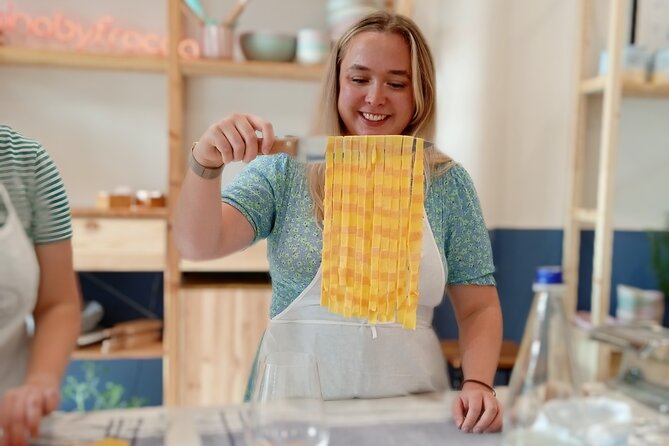
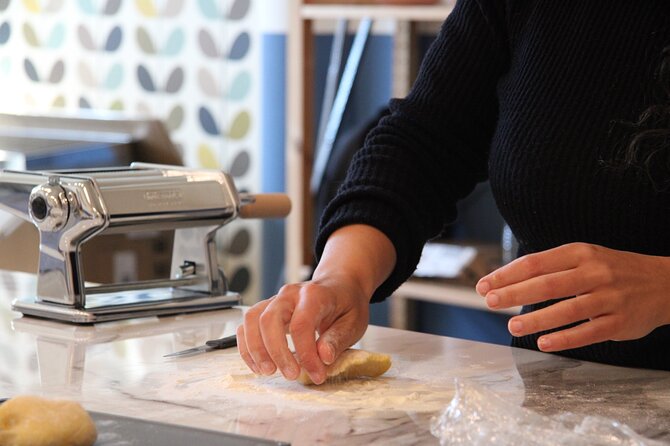
The first major section introduces you to homemade pasta. You learn how to make the dough from scratch and how to work it into different shapes. The instructors explain not only what to do, but why certain techniques matter.
That explanation is useful. Pasta dough can look simple, but the texture changes with kneading, rolling, and handling. A good class helps you recognize when the dough is ready and how to work it without treating every batch as a fixed formula.
The course may cover a range of shapes, including spaghetti, tagliatelle, fettuccine, macaroni, and penne. The exact selection can depend on the class session. Some sessions focus on two types of pasta, while the broader course description presents several possibilities.
You may use a pasta machine as well as your hands. That is good news if you have an unused machine at home. The class gives you a reason to bring it out and shows how rolled dough becomes long pasta. Hand shaping also gives you a better feel for thickness and texture.
The teaching is suitable for beginners. The process is broken into steps, and Silvia is praised for explaining the work clearly and giving one-on-one help. Ivan also takes time to explain techniques and the reasons behind them. You are not expected to arrive with pasta-making skills.
Shaping different kinds of pasta
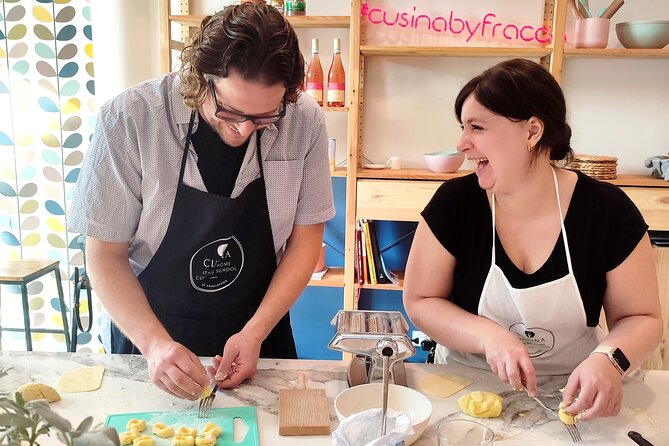
The shape-making section adds variety to what could otherwise be a basic dough lesson. Long pasta and short pasta behave differently, and learning both helps you understand how shape affects a finished dish.
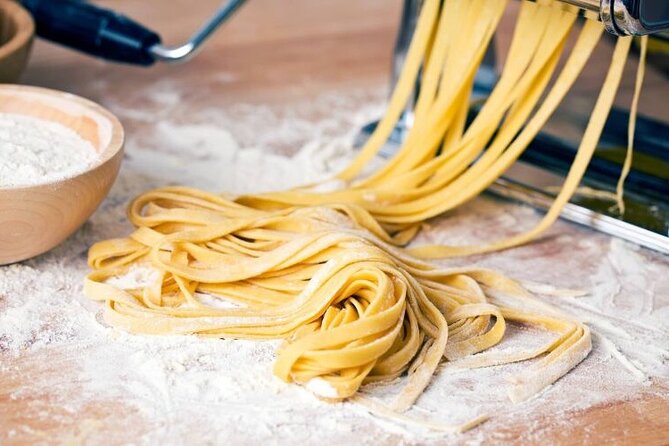
Tagliatelle and fettuccine give you broad ribbons that hold sauce well. Spaghetti offers a thinner, more familiar strand. Macaroni and penne require a different approach, with more attention to cutting, rolling, and forming the pasta.
This is also where the class becomes playful. You will likely work alongside other people, compare shapes, and make a few imperfect pieces. That is not a problem. The goal is to gain enough confidence to repeat the process at home, not to produce factory-perfect pasta.
The sauces are another practical part of the experience. The class includes vegetarian sauces to suit different tastes and dietary needs. Homemade tomato sauce and pesto are specifically associated with the meal, though you should tell the provider about any food allergies in advance.
If you want a highly technical class devoted to one pasta shape, this may feel broad. The strength here is range. You get a foundation in several styles rather than spending the entire session refining one professional technique.
More Pasta Making Classes in Italy:
- 3 in 1 Cooking Class near Navona: Fettuccine, Ravioli & Tiramisu
★ 5.0 · 7,376 reviews - Rome: Pasta Making Class with Wine, Limoncello, and Dessert
★ 4.9 · 3,177 reviews - Pastamania – Florence Pasta Making Class
★ 5.0 · 3,050 reviews - Rome Cooking Class: Make Pasta and 3 Spritz Cocktails
★ 5.0 · 2,937 reviews
Making tiramisu from the beginning
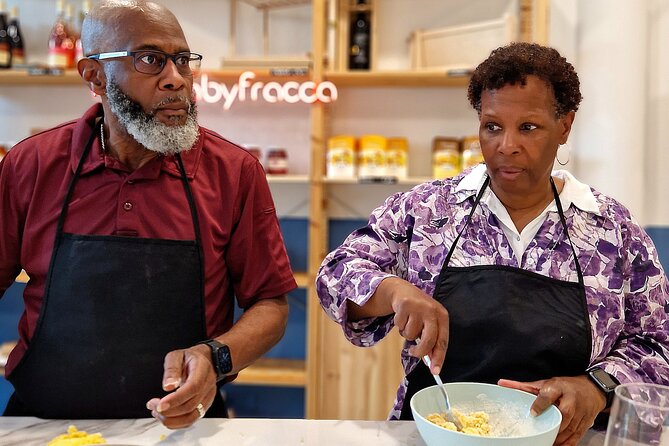
The dessert portion focuses on classic tiramisu. You prepare the cream and assemble the dessert together, learning the basic order and balance of the components.
That makes the second half of the class more than a sweet reward. You learn another recipe that is easy to repeat at home and useful for entertaining. The course aims to help you surprise your own visitors with straightforward Italian food, and tiramisu fits that goal well.
The contrast with pasta keeps the session moving. Pasta involves dough, rolling, and shaping. Tiramisu shifts toward cream preparation and assembly. You get two different types of kitchen work in one booking.
The information provided does not specify every ingredient or the exact resting time for the tiramisu. Do not expect a detailed pastry-school course. Think of it as a guided introduction to the classic dessert, with the emphasis on making and assembling it yourself.
Eating your own work with Lake Garda wine
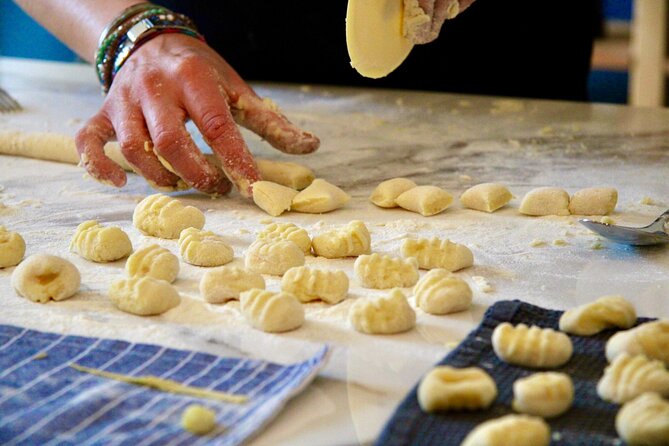
The meal at the end is the payoff, but it is also part of the lesson. You taste the pasta with sauces such as tomato and pesto, then finish with the tiramisu. Food made during a class often tastes better because you understand the work behind it.
The wine pairing adds a local touch. You sample wines from the Lake Garda and Veneto area while cooking and eating. This is not presented as a formal vineyard tour or a structured wine seminar. The focus remains on enjoying local wine with fresh pasta.
The serving style appears generous. One account describes enough food for leftovers that became a second meal. That may vary with the group and the day, but you should plan to arrive ready to eat. The class is not simply a short lesson followed by a token taste.
The wine also shapes the mood. If you do not drink, the main experience still works, but the tasting is part of the social format. The activity is best suited to people who enjoy sitting together, talking, and sharing food after the hands-on work.
What the three-hour schedule feels like
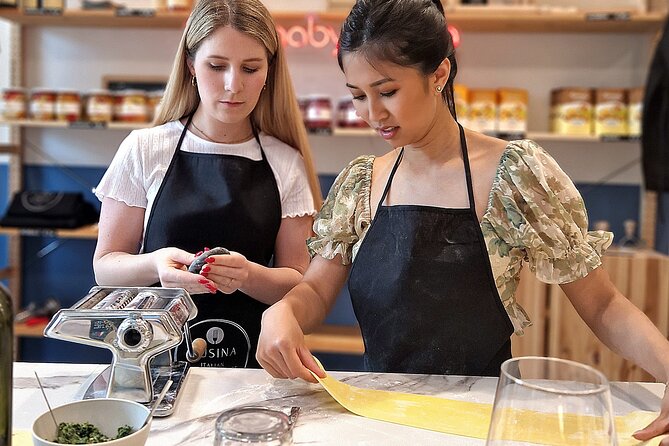
Three hours is a good length for this type of class. A shorter session could rush the dough work and leave little time to eat. A longer one might feel repetitive for people who only want a holiday activity.
You can expect the time to include:
- An introduction to the class and pasta-making basics
- Mixing and working the dough
- Rolling and shaping different types of pasta
- Preparing vegetarian sauces or accompaniments
- Making and assembling tiramisu
- Tasting local wines
- Eating the finished meal together
The class is offered in English and Italian. This is important because pasta-making depends on small physical details, not just general directions. English-speaking participants can follow the instruction, ask questions, and get help at the work surface.
The group maximum is 15 people. That is not a private lesson, but it is small enough for the instructors to circulate and offer personal help. The individual attention is one of the strongest parts of the format, especially if you are unsure about kneading or shaping.
Who will get the most from it
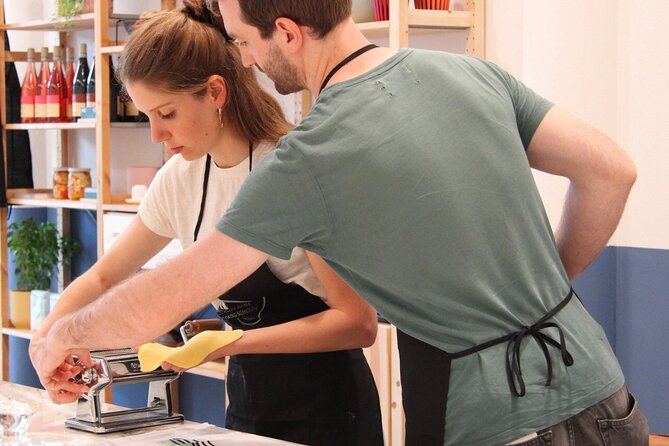
I would recommend this class to couples, families, and friends looking for an activity that feels more personal than another restaurant meal. It also works well for mixed-age groups. A family group spanning three generations found the activity enjoyable, and teenagers can take part in the physical work rather than sitting through a long talk.
It suits beginners particularly well. You do not need to own a pasta machine, know Italian cooking terms, or have experience making dough. You only need enough interest to work with your hands and accept a little mess.
It is also a good choice if you want a souvenir that is not something purchased in a shop. The useful takeaway is a set of skills: dough preparation, rolling, shaping, simple sauces, and tiramisu assembly.
You may want a different experience if you are seeking a market visit, a vineyard tour, a professional certification, or a class devoted to advanced regional cuisine. This is a friendly home-style cooking lesson, not an intensive culinary course.
Price and value at $95.58
At $95.58 per person, the price is higher than a basic cooking demonstration, but the format gives you more than a lesson. You receive roughly three hours of instruction, hands-on preparation, fresh pasta, tiramisu, and local wine tasting.
The value improves if you treat it as both an activity and a meal. You are not paying only to watch a chef cook. You take part in the work, eat the finished dishes, and leave with recipes and techniques you can use again.
The group size also matters. With no more than 15 people and individual help built into the class, the price includes access to instruction rather than just a seat at a communal table. The reported amount of food also suggests that this can replace one meal and possibly provide leftovers, though you should not book it solely for that reason.
For a couple, the cost is a worthwhile splurge if food is central to your trip. For a family, the total rises quickly, so compare it with the price of other planned activities. The strongest value comes when everyone in your group wants to cook, not when one person is enthusiastic and the others would rather watch.
Food allergies, language, and other practical details
Tell the provider about food allergies before the class. Also advise them if you are bringing extra people, if pets are involved, or if you expect to arrive more than 20 minutes late.
The course is offered in English and Italian. That bilingual setup makes it easier to ask questions and follow the demonstrations, though the room may include both language groups.
The ticket is mobile, which keeps arrival simple. Confirmation is sent within 48 hours of booking, subject to availability. Free cancellation is available until 24 hours before the start time. A cancellation made less than 24 hours before the start, or a change made inside that period, is not refunded.
Should you book the Lazise pasta class?
Book it if you want to make real food, eat well, and learn something useful during your Lake Garda stay. Silvia and Ivan provide a clear, welcoming introduction to pasta and tiramisu, with enough personal help to keep beginners involved.
I would book ahead, especially since the class often fills about a month in advance. Choose it for a hands-on kitchen experience with local wine and a relaxed meal, not for advanced chef training or a detailed wine course.
If you are staying near Lazise, this is an easy recommendation. If you are based elsewhere around the lake, check the transport time first. The distance may be the only real drawback, and the class is strong enough to justify the trip for people who care about Italian food.
FAQ
Where does the cooking class take place?
The class starts and ends at Corso Cangrande 6, 37017 Lazise VR, Italy.
How long does the experience last?
The cooking class lasts approximately three hours.
Is the class taught in English?
Yes. The course is held in both English and Italian.
What food will I make?
You will make fresh pasta and tiramisu. The pasta portion can include several shapes, such as spaghetti, tagliatelle, fettuccine, macaroni, or penne. The exact selection may vary by session.
Are drinks included?
Yes. The class includes a tasting of local wines from the Lake Garda and Veneto area.
How many people can join?
The activity has a maximum of 15 participants.
Can I cancel for a full refund?
Yes, if you cancel at least 24 hours before the experience start time. Cancellations made less than 24 hours before the start are not refunded.
More Tiramisu and Dessert Classes in Italy
- Rome: 3-in-1 Fettuccine, Ravioli, and Tiramisu Cooking Class
★ 4.9 · 2,704 reviews - Florence: Cooking Class Pasta & Tiramisu Making Unlimited Wine
★ 5.0 · 2,234 reviews - Fettuccine & Tiramisù: Cooking Class with Wine & Limoncello
★ 4.9 · 2,103 reviews - Florence Cooking Class The Art of Making Gelato & Authentic Pizza
★ 5.0 · 2,053 reviews
Newest classes around Italy
- Cooking Class in a Sicilian countryhouse★ 5.0 · 5 reviews
- Cesarine: Home Cooking Class & Meal with a Local in Catania★ 4.5 · 10 reviews
- Cesarine: Market Tour & Home Cooking Class in Catania★ 4.0 · 6 reviews
- Cooking Class in Taormina with Lunch Included★ 5.0 · 2 reviews
- Cooking class in Capri for small groups★ 4.0 · 4 reviews
- Cooking Class and Wine Pairing in Capri★ 5.0 · 57 reviews
- Lezione di Cucina : Pasta Fresca★ 5.0 · 12 reviews
- Private Cooking Class Experience in Reggio Calabria★ 5.0 · 5 reviews
Italy Cooking Classes, compared.
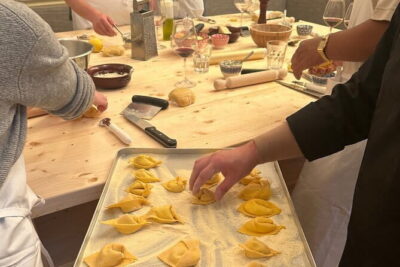
3 in 1 Cooking Class near Navona: Fettuccine, Ravioli & Tiramisu
Read our review →
Pasta & Tiramisu Cooking Class with Unlimited Wine
Read our review →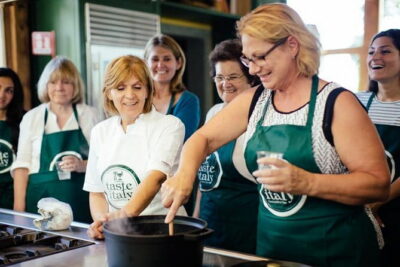
Cooking Class and Lunch at a Tuscan Farmhouse with Local Market Tour from Florence
Read our review →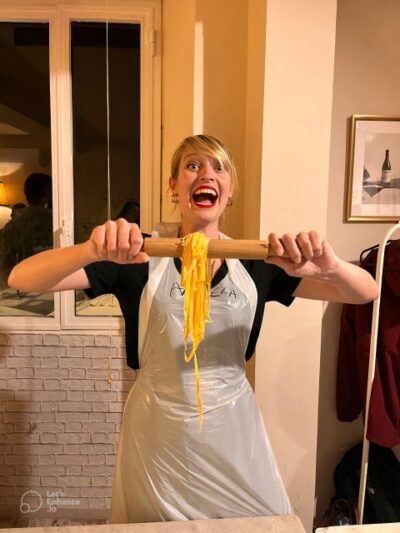
Pasta Making Class with Wine, Limoncello, and Dessert
Read our review →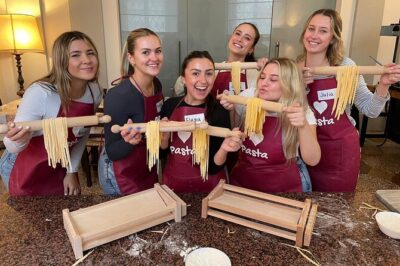
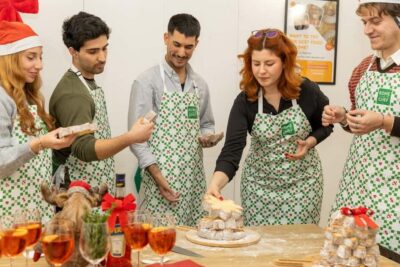
Rome Cooking Class: Make Pasta and 3 Spritz Cocktails
Read our review →Browse the lists this tour appears in