
Review · BARI COOKING CLASSES
Apulian cooking class fresh pasta and focaccia
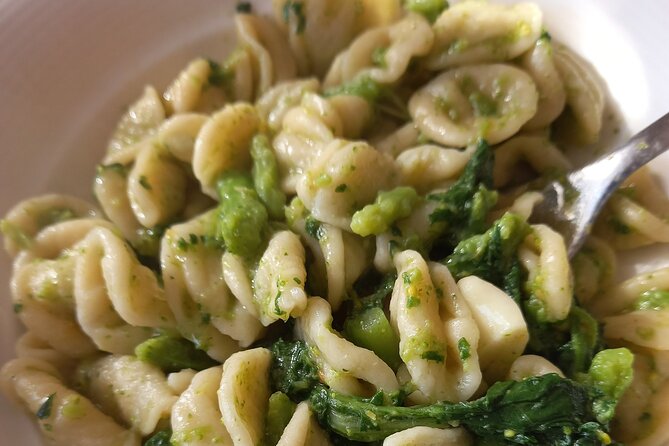
Making orecchiette by hand is the heart of this Bari cooking class. You sit at a kitchen table with Juanita, work the dough yourself, and learn how to drag a serrated knife across it to form the little ear-shaped pasta. You also prepare traditional Bari focaccia, then sit down to eat what you made.
I like the hands-on format and the easy location near Bari Centrale, the shopping streets, and the old town. I also like the personal touch: antipasti, wine or another drink, family stories, and recipes to take home. The main consideration is that €100 or so is a serious price for a 2.5-hour class, especially if you want a formal culinary school with several separate dishes and advanced instruction.
Key points at a glance
- Make two Bari staples from scratch: Prepare traditional focaccia and fresh orecchiette, with the shaping technique practiced at the table.
- Learn inside Juanita’s home: This is a friendly home meal rather than a large demonstration in a commercial kitchen.
- Expect a generous food component: Antipasti, homemade bread, local oil, cheese, olives, meat, wine, and the meal you prepare may all be part of the welcome.
- Plan for a small group: The official maximum is eight people, while some sessions have been described as smaller.
- Use the location to your advantage: The meeting point is about 10 minutes from Bari’s central train station and close to the historic center.
- Take the lesson home: Recipes are provided, and some sessions have also included emailed photos.
Why focaccia and orecchiette make a fine Bari lesson
Apulia is one of Italy’s best places to learn simple food made well. The cooking depends less on elaborate equipment than on good flour, fresh ingredients, patient hands, and a few local habits that are easy to miss in a restaurant.
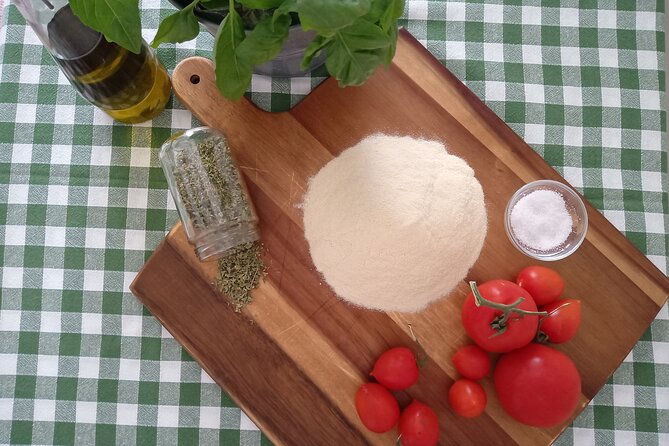
That makes focaccia and orecchiette a smart pair. Focaccia teaches you about flour, yeast, resting time, olive oil, and the use of tomatoes and their juice. Orecchiette teaches you the feel of pasta dough and the hand movement needed to create the famous ear shape.
You are not just watching Juanita cook. You are expected to mix, shape, and practice. That matters. Orecchiette can look effortless when an experienced cook makes it, but the first pieces may come out flat or uneven. Juanita’s role is part teacher and part coach, showing the movement again until it begins to make sense.
The pace is relaxed, but the class is active. You should expect to stand, work with dough, and pay attention to small details. It is suitable for a beginner, yet an experienced home cook can still pick up useful tips about flour, yeast, shaping, and traditional Apulian preparation.
More Pasta Making Classes in Bari:
- Bari: Pasta and Tiramisu Cooking Class with Wine
★ 4.8 · 389 reviews - Bari: Pasta and Tiramisu Cooking Class with Wine
★ 5.0 · 273 reviews - Bari Cooking Class: Traditional Focaccia & Orecchiette
★ 4.8 · 69 reviews
Arriving near Bari Centrale and the old town
The meeting point is Via Domenico Nicolai 105, roughly 10 minutes from Bari’s central train station. It is also close to the main shopping streets and the old city. One description puts the walk from the old town at about 15 minutes, so you can fit this class into a day of exploring Bari without a complicated transfer.
That central position is especially useful if you are arriving by train, making a short stop in Bari, or staying near the historic center. The class ends where it begins, so you do not need to arrange a second pickup point.
The exact start time is decided together. Listed hours run from 10 a.m. to 5 p.m., every day, but you should agree on the time when booking. A morning class can finish around lunchtime, while an afternoon session can become a relaxed meal before an evening walk through Bari Vecchia.
Allow a little extra time to find the address. The activity is near public transportation, but the practical details of getting to a home meeting point are less obvious than walking into a hotel or restaurant. A mobile ticket is provided, and confirmation is issued when you book.
The welcome: antipasti, conversation, and a taste of Apulia
The class begins in a social way rather than with a hard start at the mixing bowl. Juanita has welcomed people with coffee and cake, wine, champagne, or an aperitivo, depending on the session. Antipasti have included zucchini with olive oil and mint, roasted peppers with garlic and oil, fresh mozzarella, tomatoes, salami, provolone, olives, and bread.
These opening plates are not just filler. They give you a chance to settle in, meet the other people in the group, and taste the ingredients that shape Apulian food. Olive oil is especially important here, and some sessions have included oil from Juanita’s father. Buffalo cheese, local olives, cured meat, and homemade bread can turn the first part of the class into a small lesson in regional eating.
The hospitality is a major part of the value. You are welcomed into a home, not seated in a classroom with a printed script. Juanita also shares family stories and background about the dishes, which helps connect the food to Bari rather than presenting it as generic Italian cooking.
The setting can be lively and social. People have described laughing through the class, sharing wine, and eating together afterward. If you want a quiet, highly technical lesson with no small talk, this may not be your ideal format. If you enjoy food as a way to meet people, the home setting is a strong point.
Starting the focaccia dough before the pasta
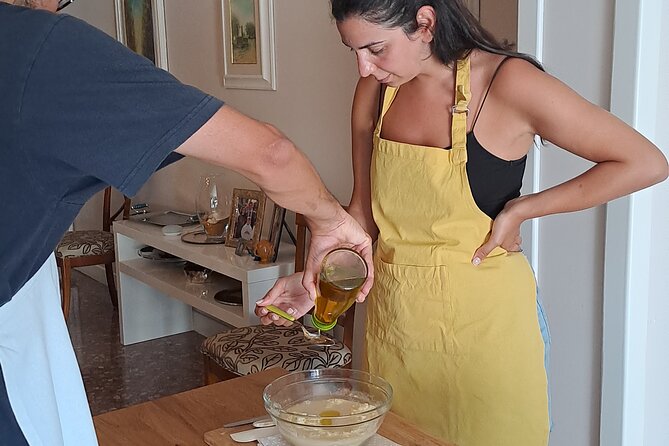
Focaccia generally comes first because the dough needs time to rest before baking. Juanita explains the flour and yeast used, including the difference between flour for pizza-style baking and flour for pasta. That is a useful detail for anyone hoping to repeat the recipes at home.
You work with fresh ingredients and learn how the dough should feel. The traditional Bari version may be topped with tomatoes, with their juice added over the dough along with olive oil before baking. The result described in the class is not a plain bread side dish. It is soft, oily, tomato-scented, and substantial enough to share at the table.
The rest period gives the class a natural change of pace. While the focaccia dough sits, you may move on to pasta, enjoy more antipasti, or continue talking over a drink. This is one reason the 2.5-hour length works well. The waiting time is built into the cooking rather than treated as dead time.
Do not expect to leave with a neat, professionally shaped loaf every time. Dough can be sticky, and home ovens vary. The value is in learning the method and understanding what to look for, then practicing again in your own kitchen.
More Pizza Making Classes in Bari:
- Bari Cooking Class : Traditional Focaccia & Orecchiette
★ 5.0 · 63 reviews - Bari: Apulian Cooking Class – Fresh Pasta and Focaccia
★ 5.0 · 3 reviews - Florence Cooking Class The Art of Making Gelato & Authentic Pizza
★ 5.0 · 2,053 reviews - Cooking Class in the Heart of Rome: Pizza and Tiramisu Making
★ 5.0 · 1,330 reviews
Shaping orecchiette with a serrated knife
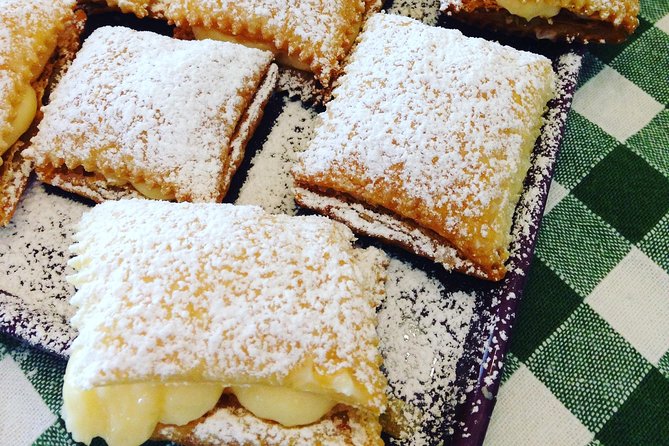
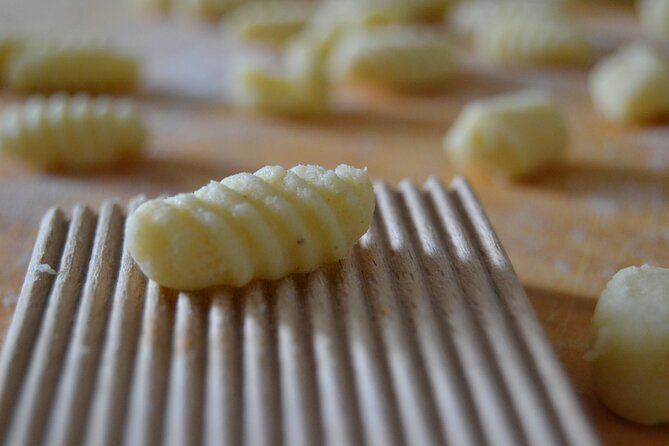
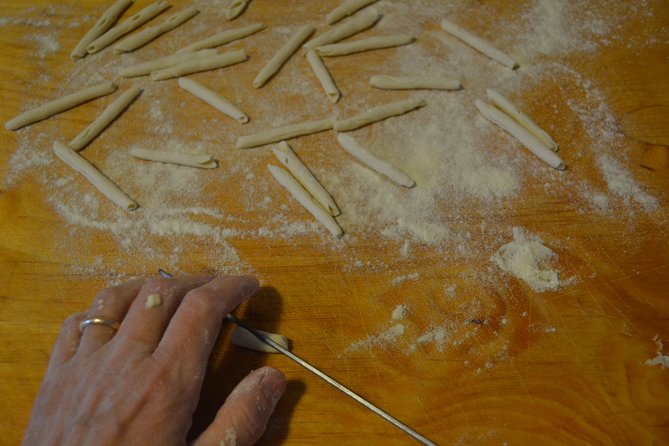
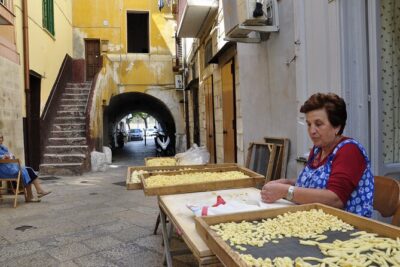
The pasta lesson is the most distinctive part of the class. Orecchiette means little ears, and the shape comes from dragging a serrated knife across small pieces of dough, then turning the piece over your finger or thumb.
Juanita demonstrates the movement and then lets you practice. This is where the hands-on approach earns its keep. Watching a demonstration is easy. Producing a thin, curved piece with a proper center takes more control.
Your first pieces may be too thick, too flat, or not curved enough. That is normal. Juanita is described as patient and willing to repeat the technique, and the informal mood helps take the pressure off. You can laugh at the less successful pieces and keep going.
The finished pasta may be served with a traditional cime di rapa preparation, tomato sauce, pesto, or another sauce selected for the session. Some meals have included two sauces, such as a traditional tomato sauce and a sweet pepper sauce. The exact menu can vary, so treat the class as a lesson in the pasta itself rather than a guarantee of one fixed recipe.
If you have never made fresh pasta, this is a good introduction because the shape is both local and achievable. If you already cook often, you may appreciate the small technical corrections more than the basic mixing stage.
Sitting down to eat what you prepared
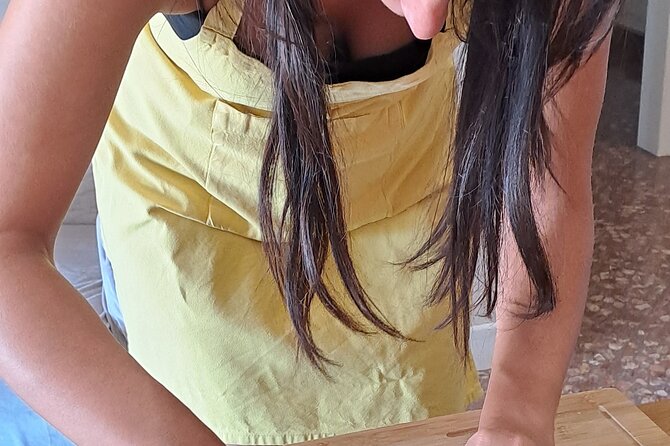
At the end, Juanita cooks the pasta and bakes the focaccia so you can eat the results while they are fresh. The meal may also include side dishes prepared in advance, such as marinated vegetables, cheese, olives, cured meat, or roasted peppers.
Drinks can include wine, coffee, water, limoncello, or another choice offered during the class. One session included homemade limoncello and tiramisu, while another featured a birthday tiramisu prepared as a surprise. Tiramisu appears in some versions of the experience, but it should not be treated as a fixed part of every booking unless Juanita confirms it.
This meal is one of the clearest reasons to consider the price. You are not paying only for ingredients and instruction. You are also receiving a hosted lunch or dinner, an aperitivo, personal attention, and a chance to eat in a home setting near the center of Bari.
Still, the value depends on what you want. A budget-minded visitor could eat focaccia and pasta for much less at a local restaurant. The point here is that you make the food, learn the process, and share the table. If those things matter to you, the cost is easier to justify.
Group size, teaching style, and comfort
The official maximum is eight people. Several sessions have been small, with only a few people working around the table, and one description refers to a maximum of six. Ask about the expected group size if personal attention is important to you.
A smaller group makes a real difference with orecchiette. You need room to shape the pasta, and you want Juanita to see whether your knife movement is working. A large group could make the lesson feel more like a demonstration, though the published limit keeps it from becoming a big tour.
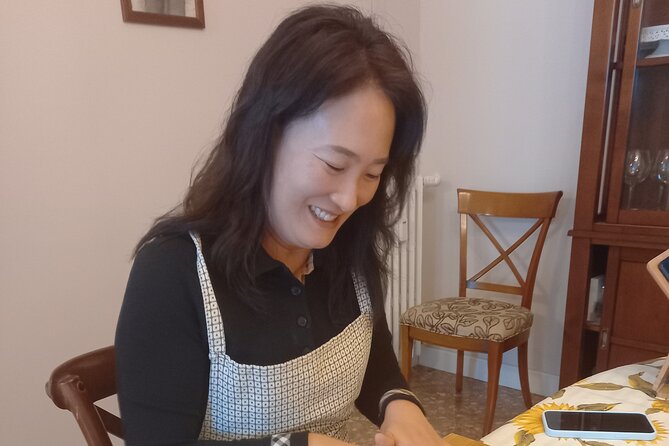
Juanita’s teaching style is warm, patient, and playful. She explains the recipes clearly and corrects mistakes without making the process stiff. That suits families, couples, first-time cooks, and people who want a social afternoon.
Children can take part, but child seats must be requested at the time of booking. The information provided does not spell out every accessibility detail, so you should ask directly about seating, kitchen access, and any mobility needs before reserving.
How the $107.40 price measures up
At $107.40 per person, this is not a cheap food stop. The price makes more sense when you count the parts together:
- About 2 hours and 30 minutes of instruction and meal time
- A hands-on lesson rather than a cooking demonstration
- Two signature foods, focaccia and orecchiette
- Antipasti and drinks
- The meal you prepare
- Recipes to use at home
- A small home setting near the train station and old town
Some sessions have also included tiramisu, limoncello, coffee, homemade bread, and extra side dishes. Those extras add pleasure, but menus can vary, so do not book solely on the expectation of a particular dessert or drink.
I would call the price fair for a visitor who values instruction and hospitality. It is less appealing if you simply want a low-cost meal or a short photo stop. Cooking classes are best value when you use the recipes later. If you return home and make the focaccia or orecchiette again, the lesson keeps paying off.
The class is often reserved well in advance, with an average booking lead time of 47 days. That suggests you should not leave it until the last day of a popular Bari itinerary, especially if you need a specific morning or afternoon.
Who should book this Bari cooking class?
I would recommend it most strongly to:
- Couples looking for a shared food activity
- Families who enjoy cooking together
- Cruise passengers with time to reach central Bari
- Train-based visitors who want an activity close to Bari Centrale
- Beginners who prefer to learn by doing
- Experienced cooks interested in local technique
- Anyone who wants a meal with conversation rather than a formal restaurant setting
It may be less suitable for someone with a tight schedule, a strong dislike of group meals, or a need for a fully fixed menu. The class is also not the right choice if you want advanced culinary training. Its strength is traditional home cooking, clear instruction, and a friendly atmosphere.
You should also leave room for the meal. The class may finish close to 1 p.m. for a 10 a.m. start, and the food is part of the experience, not an afterthought. Rushing out halfway through would defeat much of the purpose.
Practical details before you reserve
The activity runs Monday through Sunday between 10 a.m. and 5 p.m., with the start time arranged together. It lasts about 2 hours and 30 minutes, though some sessions have lasted closer to three hours.
The meeting and end point is Via Domenico Nicolai 105 in Bari. It is near public transportation, about 10 minutes from the central train station, and within walking distance of the old town and shopping streets.
You receive confirmation at booking, and the activity uses a mobile ticket. Free cancellation is available up to 24 hours before the start time. Changes or cancellations inside that period are not refunded, and the experience requires a minimum number of participants. If that minimum is not met, you are offered another date or experience, or a full refund.
Should you book it?
Book this class if you want to make Bari food with your own hands, eat in a welcoming home, and learn recipes you can repeat. The orecchiette technique alone gives the class a clear local identity, while the focaccia, antipasti, wine, and shared meal make the afternoon feel generous.
The main tradeoff is price. You can eat pasta and focaccia more cheaply elsewhere, but you cannot get the same combination of instruction, conversation, recipes, and home cooking for the cost of a restaurant plate. For a food-focused visit to Bari, this is a strong choice. For a rushed itinerary or a bargain meal, spend your money elsewhere.
FAQ
Where does the cooking class meet?
The meeting point is Via Domenico Nicolai 105, 70122 Bari, Italy.
How long does the activity last?
The listed duration is approximately 2 hours and 30 minutes. Some sessions have lasted close to three hours.
What time can the class start?
The activity operates between 10 a.m. and 5 p.m., Monday through Sunday. You arrange the start time together.
What foods will I learn to make?
The class focuses on traditional Bari focaccia and fresh orecchiette pasta. Some sessions have also included ravioli, tiramisu, or other dishes.
Do I get to eat the food I make?
Yes. The focaccia and pasta are prepared as part of a shared meal at the end of the class.
Are drinks and appetizers included?
The experience includes hospitality such as antipasti and a drink. Examples include wine, coffee, water, limoncello, or an aperitivo, though the exact offerings can vary.
How many people can join?
The official maximum is eight people. Some sessions have had smaller groups.
Is the class close to Bari’s train station?
Yes. The meeting point is about 10 minutes from Bari’s central train station and is also close to Bari’s historic center.
Are recipes provided?
Yes. Recipes are shared at the end so you can prepare the dishes at home.
Can I cancel for a refund?
You can cancel up to 24 hours before the start time for a full refund. Cancellations or changes made less than 24 hours before the activity are not refunded.
Newest classes around Bari
- Dining Experience at a local’s Home in Polignano a mare with Show Cooking★ 3.0 · 2 reviews
- Polignano : Typical Cooking Class with Aperitif and wine included★ 4.5 · 33 reviews
- 4-Day Puglia Sightseeing Tour Including Cooking Class★ 5.0 · 18 reviews
- Cesarine: Home Cooking Class & Meal with a Local in Bari★ 5.0 · 17 reviews
- Cooking class of Tagliatelle and Tiramisu in Altamura★ 5.0 · 7 reviews
- Cesarine: Market Tour & Home Cooking Class in Bari★ 5.0 · 5 reviews
- People of Bari unusual guided tour with pasta making at Grandma house★ 5.0 · 54 reviews
- Bari Cooking Class : Traditional Focaccia & Orecchiette★ 5.0 · 63 reviews
Bari Cooking Classes, compared.
Bari: Pasta and Tiramisu Cooking Class with Wine
Read our review →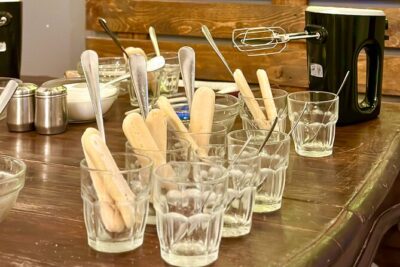
Bari: Pasta and Tiramisu Cooking Class with Wine
Read our review →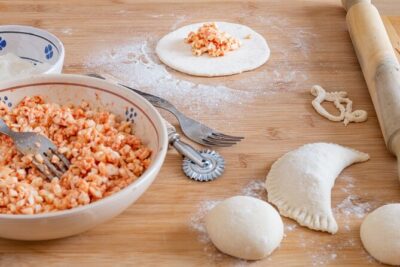
Apulian Cooking Class with Aperitif and Wine in Polignano a Mare
Read our review →
Bari Cooking Class: Traditional Focaccia & Orecchiette
Read our review →Bari Cooking Class : Traditional Focaccia & Orecchiette
Read our review →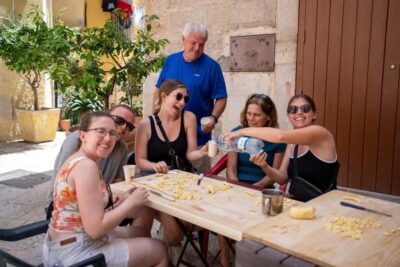
People of Bari unusual guided tour with pasta making at Grandma house
Read our review →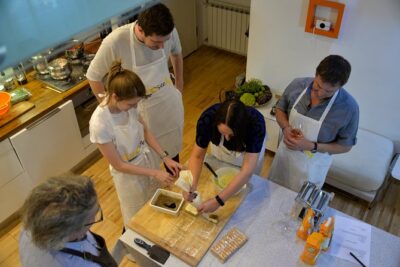
Bari: Home Cooking Class- Make Cavatelli & Capunti with Wine
Read our review →Browse the lists this tour appears in