
Review · HOME COOKING CLASSES
Antigua: Cooking Class with Local Family
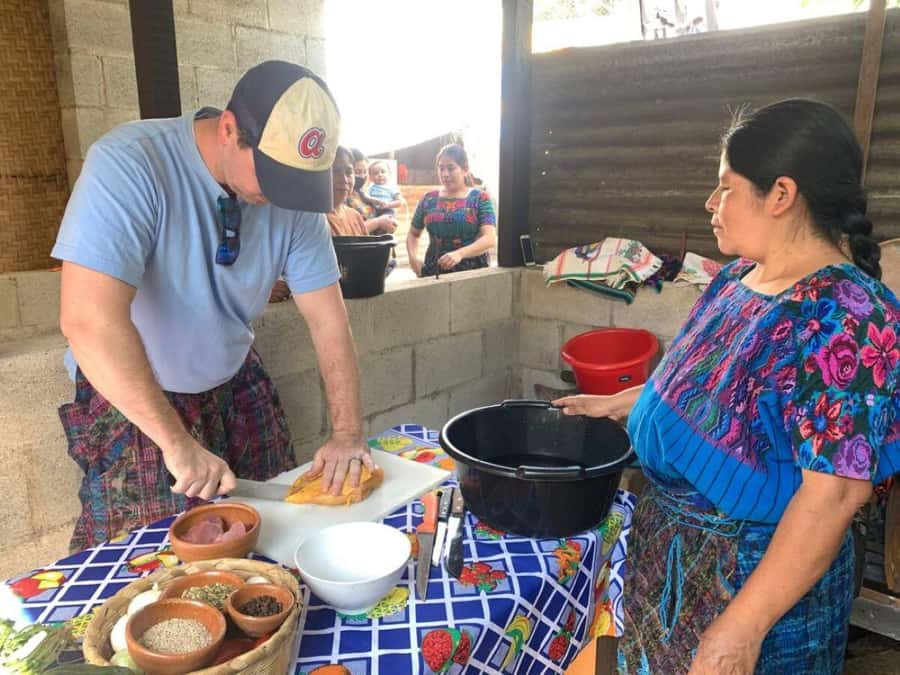
The most memorable part here is not simply eating Guatemalan food. It is grinding corn, seeds, and spices by hand on a pedernal stone, using a tool linked to Maya cooking for more than 4,000 years. You then cook beside a local family, rather than watching a chef work from a distance.
I like two things right away: the cooking is practical, so you can recreate the dishes at home, and the family setting gives the meal a personal touch. The visit may also include a market stop and a ride in a tuk tuk or chicken bus, as happened on several outings hosted by Maritza. The main consideration is that the menu and exact route can change with the season, region, family, and dietary needs.
Key points at a glance
- Pedernal-stone preparation: Grind corn, seeds, and spices by hand with an ancient-style Maya cooking tool.
- Family kitchen setting: Cook and eat with one of more than 10 participating local families.
- Traditional dishes: Prepare Pepián, Jocón, Kak’ik, or a vegetarian alternative, depending on the menu.
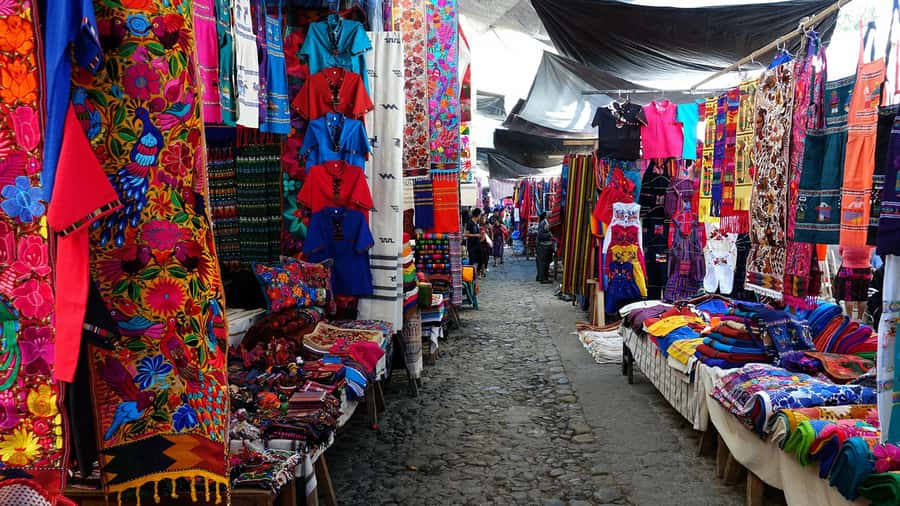
- Market and local transport: Some hosts, including Maritza, begin with fresh shopping and use a tuk tuk or chicken bus.
- Useful take-home skill: You receive the ingredients and recipes needed to prepare the flavors again at home.
- Small private format: The activity lasts four hours, uses a group of up to 10, and includes English or Spanish guiding.
Why the stone grinding matters
Many cooking classes give you a spoon, a cutting board, and a printed recipe. This one begins with more effort. You crush corn, seeds, and spices by hand with a pedernal stone, a hard volcanic-style stone connected to long-standing Maya food preparation.
That work changes the way you understand the meal. Grinding is slower than using a modern blender, and your arms will know it. But the process shows how flavor is built before a pot ever reaches the fire. You can see, smell, and feel the ingredients change as they become part of a sauce or seasoning mixture.
The stone is not a stage prop added for atmosphere. The central idea is to use a heritage utensil in the way local communities still use traditional tools today. If you enjoy food history that comes through your hands rather than a lecture, this is the strongest part of the outing.
You should also expect a hands-on class, not a passive demonstration. The guide and family will direct you, but you will do the crushing, mixing, shaping, and cooking. That makes this a good choice for people who want to leave with a skill, not just a full stomach.
More Home Cooking Classes in the world:
- Khmer Cooking Class at a Local’s Home in Krong Siem Reap
★ 5.0 · 2,731 reviews - Local Home Korean Cooking Class & Market Adventure in Seoul
★ 5.0 · 1,024 reviews - Marrakech: Moroccan Cooking Class with a Local Family
★ 4.9 · 668 reviews
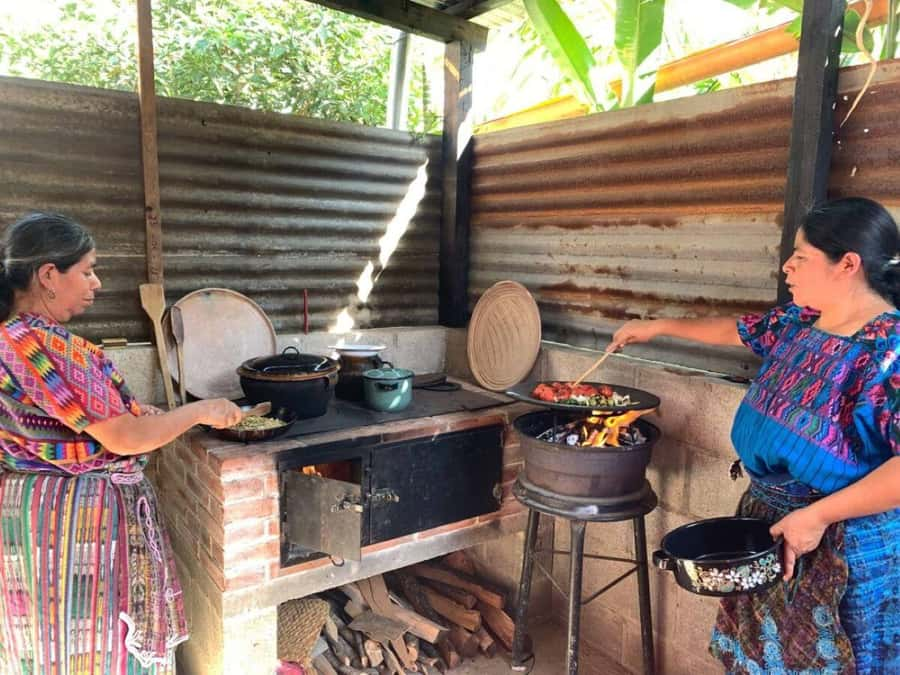
Meeting a Guatemalan family in the kitchen
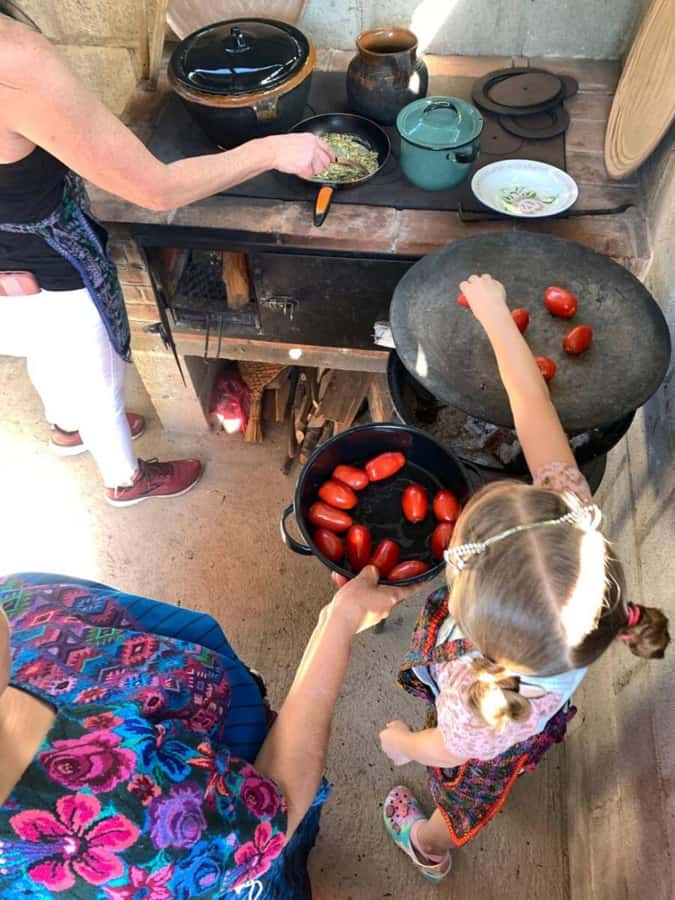
The activity works with more than 10 local families, so the host can vary. That is important to understand before booking. You are not guaranteed one specific home or one fixed personality, though Maritza is named in several accounts of the experience and is available for some departures.
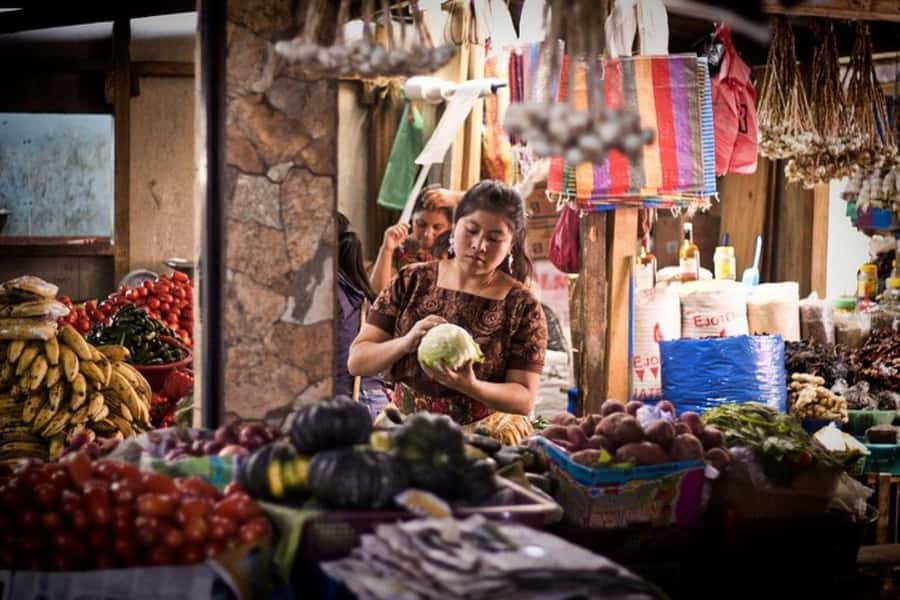
Maritza’s outing can include meeting outside your hotel, shopping for fresh produce at a market, and then traveling to her home by chicken bus or tuk tuk. That combination gives you more than a cooking lesson. You see how ingredients enter the meal and how ordinary local transport fits into the day.
A market visit is a useful addition because it gives the food a starting point. Instead of seeing a prepared bowl of ingredients on a counter, you may help select or handle fresh products before cooking. A market can be noisy and crowded, and the ride to the family home may not feel polished, but that is part of the local setting rather than a drawback to hide.
The family component also changes the pace. You are likely to spend time chatting, sharing drinks or snacks, and learning through conversation. One outing included Rosa de Jamaica, a hibiscus drink, along with homemade chips, beans, and queso. These extras help turn the class into a meal with people, not just a scheduled kitchen task.
What you may cook during the four hours
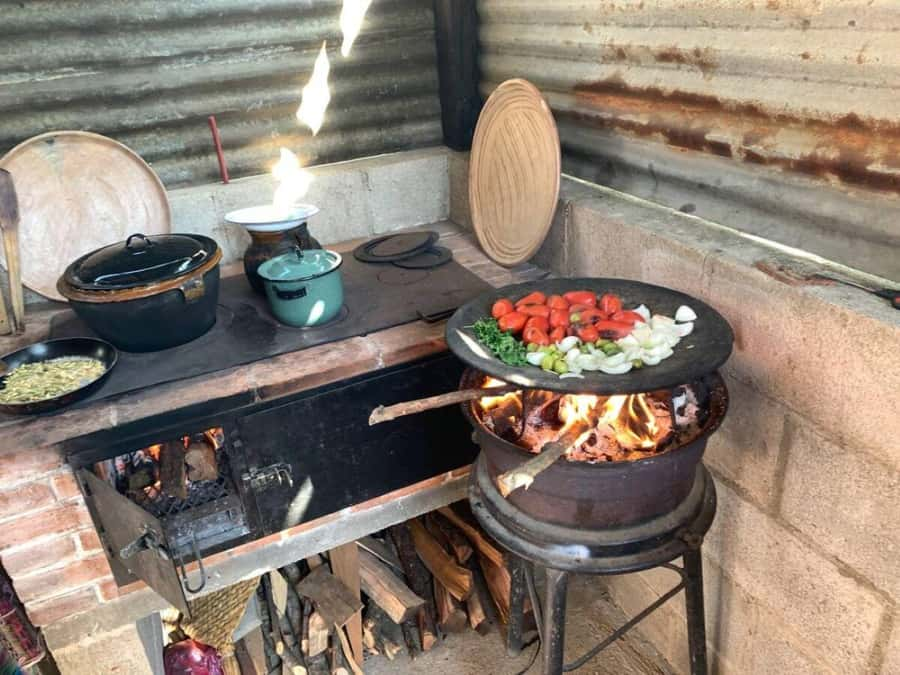
The menu can include Pepián, Jocón, Kak’ik, or a vegetarian choice. The exact dish depends on the region, the host family, and the season. You should not book this expecting one guaranteed plate every time.
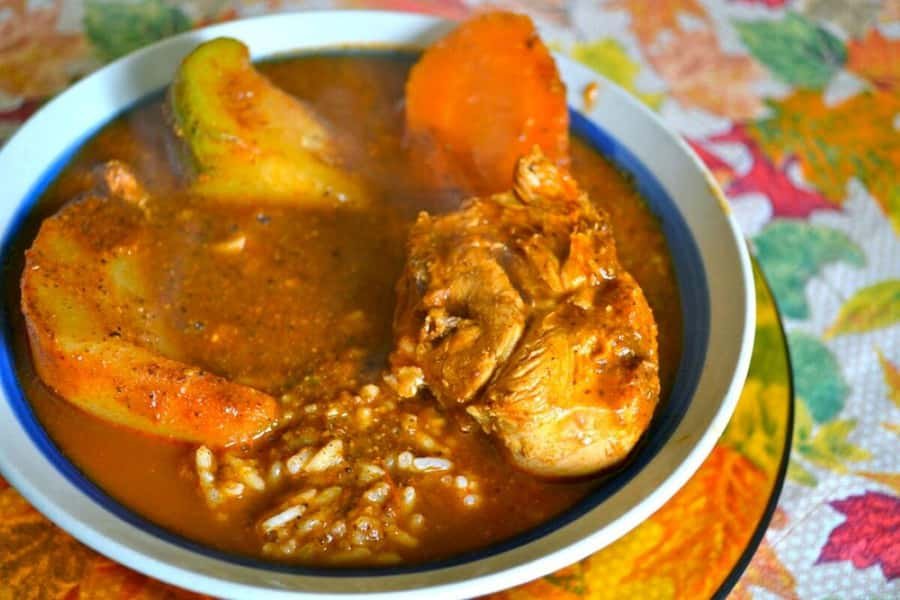
Pepián is the dish most clearly connected with the available host accounts. It is a substantial Guatemalan preparation built around roasted ingredients, spices, and a thick sauce. The grinding stage matters here because the seasoning mixture is not an afterthought. You help create the base that gives the dish its depth.
Jocón is another possible choice. Its green color and herb-based character give you a different lesson in Guatemalan cooking. If the family prepares it during your visit, pay attention to how the ingredients are combined and how the sauce changes during cooking.
Kak’ik may also appear on the menu. The dish is associated with traditional Guatemalan cooking, but the information provided does not promise a fixed recipe or preparation style for every class. Ask your host what will be made when the activity begins.
Vegetarian cooking is available when requested in advance. That request matters. The organizers specifically ask you to report food allergies, dietary restrictions, medical or physical limitations, and special menu needs before the class. Last-minute changes may be harder in a family kitchen with ingredients already purchased.
The food is meant to nourish as well as taste good. Traditional cooking often uses familiar ingredients in ways that reflect local habits, family instruction, and regional preferences. You may notice that the lesson feels less like a standardized restaurant recipe and more like learning one household’s way of preparing a well-loved dish.
Making tortillas and learning the small skills
The available host accounts include tortilla making, which is likely to be one of the most enjoyable tasks for first-time participants. Shaping a tortilla looks easy until you try to produce one with an even thickness and a useful round shape.
This is where the class becomes memorable for families and younger participants. You are not just measuring ingredients. You are learning a repeated kitchen motion that has real purpose at the table. A misshapen tortilla is not a crisis, of course, but it makes the point that traditional cooking takes practice.
You may also work with beans, cheese, chips, drinks, and other ingredients used around the main dish. The included snacks and bottled water help during the four-hour session, particularly while you are working at the stone and waiting for food to cook.
The hosts provide the ingredients needed for the recipe. You should still expect to work with familiar, whole ingredients rather than pre-portioned meal-kit packets. That is part of the value. You can understand the proportions and texture well enough to make a sensible attempt at home.
More Cooking Classes in the world:
- Half-Day Thai Cooking Class at Organic Farm in Chiang Mai
★ 5.0 · 19,087 reviews - Florence: Pasta Cooking Class with Unlimited Wine
★ 4.9 · 10,285 reviews - 3 in 1 Cooking Class near Navona: Fettuccine, Ravioli & Tiramisu
★ 5.0 · 7,376 reviews - Florence: Pasta & Tiramisu Cooking Class with Unlimited Wine
★ 4.9 · 6,708 reviews
A meal that teaches more than a recipe
The final meal is the reward, but it is also the test of what you learned. Eating the dish immediately after preparing it helps you connect the raw ingredients, ground spices, cooking method, and final flavor.
I like this format because the meal does not feel separate from the lesson. You eat what you helped prepare, with the family that guided you. Conversation and hospitality are part of the activity, and the shared table gives the class a natural ending.
Do not expect a formal restaurant presentation or a long list of courses. The appeal is the home setting and the chance to eat local food in the place where it was prepared. If you value polished service, exact timing, and a fixed menu, a restaurant-based food tour may suit you better.
The activity includes snacks and bottled water, but alcohol is not included. You can enjoy the class without planning around drink purchases, though you should not expect alcoholic beverages to be part of the meal.
How the price compares with the time and inclusions
At $75 per person, this is not the cheapest way to eat lunch in Antigua. It is also more than a simple market walk. The price covers four hours, local guiding, private transportation, ingredients, snacks, bottled water, and all fees and taxes.
The value depends on how you use the time. If you only want to eat Pepián, you can find less expensive options. If you want to shop for ingredients, travel to a family home, grind spices by hand, make tortillas, prepare a traditional dish, and take the method home, the price is easier to justify.
Private transportation is another useful inclusion. The available accounts describe hotel pickup, a chicken bus, or a tuk tuk, depending on the host and outing. Because the exact transport can vary, ask for pickup details when you reserve, especially if you have mobility needs or a tight schedule afterward.
The class is limited to 10 participants, and the activity is described as private, meaning only your group participates. Those two details need clarification when booking because they can sound slightly different. In practical terms, you should expect a small, personal setting rather than a large cooking school.
The booking terms are flexible: you can reserve and pay later, and cancellation is allowed up to 24 hours before the activity for a full refund. Confirmation is provided at booking. These policies make it easier to place the class early in your Antigua plans while leaving room to adjust.
Who will enjoy this class most
This is a strong match for food-focused visitors, couples, families, and anyone who prefers meeting local people over checking off another sightseeing stop. It also suits curious cooks who want a recipe they can attempt after returning home.
Children may enjoy the tortillas, snacks, market visit, and simple hands-on tasks, though adults should consider how much standing, grinding, and kitchen work their children can manage. A special infant menu is available, according to the activity information.
The class can work well for a private group with mixed interests. Someone who is not a serious cook can still take part in the market, transport, family visit, and meal. Someone who loves cooking will have more to focus on in the grinding and preparation techniques.
Wheelchair-accessible options are available, but you should report your needs before booking. A class that includes a family home, local transport, and traditional tools may involve details that need advance planning. The same advice applies to medical restrictions and food allergies.
You should be comfortable with an informal setting. The family, house, route, and menu may not feel identical to a commercial cooking school. That variation is part of the point, but it can also make the day less predictable.
Practical advice before you reserve
Send every dietary restriction and allergy in advance. The menu can be adapted, but the organizers need notice. Tell them about physical or medical limitations as well, particularly if grinding or transport could affect your comfort.
Ask which dish is planned for your date. Pepián, Jocón, Kak’ik, and vegetarian preparations offer different flavors and ingredients. Seasonal changes can affect the menu, so use the listed dishes as examples rather than a firm promise.
Wear clothing that can handle food splashes and cooking smells. The supplied information does not specify a dress code, but a home kitchen and hands-on preparation call for practical clothes.
Plan around the full four hours. A market visit and local transportation can make the day feel fuller than the cooking time alone. Do not schedule a rushed museum visit or airport transfer immediately afterward.
Bring a phone or camera if you want pictures of your finished dish. The host invites you to share a picture of your creation, and the final plate is a useful reminder when you try the recipe at home.
English and Spanish guiding are available. If you have a strong preference, select or request your language when arranging the activity.
Should you book the Antigua family cooking class?
Book it if you want personal contact, traditional tools, and a meal you help create. The pedernal-stone grinding, tortilla making, possible market stop, and family kitchen give the four hours a clear sense of place.
I would choose this over a generic cooking demonstration because you take part in the work. I would also choose it for a private group that wants a relaxed day built around food rather than a packed sightseeing schedule.
Think twice if you need a guaranteed menu, a polished commercial kitchen, or a tightly timed itinerary. The family host and seasonal ingredients mean some details can change. For most people who accept that flexibility, the $75 price is fair for the transport, food, instruction, and time spent with a local household.
FAQ
How long does the cooking class last?
The activity lasts four hours.
How much does the class cost?
The price is $75 per person.
Which dishes might I prepare?
Possible dishes include Pepián, Jocón, Kak’ik, or a vegetarian option. The menu may change by region and season.
Can dietary restrictions be accommodated?
Yes, but you must provide information about allergies and dietary restrictions in advance so the menu can be adjusted.
Is transportation included?
Yes. Private transportation is included, and some outings may use local transport such as a tuk tuk or chicken bus.
Is the activity available in English?
Yes. The live guide service is offered in English and Spanish.
Is the activity wheelchair accessible?
Wheelchair-accessible options are available. You should share your access needs before booking.
Can I cancel for a refund?
You can cancel up to 24 hours in advance for a full refund. You can also reserve now and pay later.
Newest classes around the world
- Aroidee’s Farm-Fresh Thai Cooking Experience★ 5.0 · 8 reviews
- Authentic Thai Cooking Class and Farm Visit in Chiang Mai★ 5.0 · 66 reviews
- Signature Thai Cooking Course★ 5.0 · 79 reviews
- Half Day Guided Thai Cooking Class in Chiang Mai★ 5.0 · 13 reviews
- Yummy Tasty Thai Cooking School in Chiang Mai★ 5.0 · 2 reviews
- Private Half-Day Thai Cooking Class in Chiang Mai★ 5.0 · 4 reviews
- Online Thai and Akha Cooking Class★ 5.0 · 70 reviews
- Northern Thai Cooking Class in Chiang Mai in a Countryside Home★ 5.0 · 2 reviews
Home Cooking Classes, compared.
Khmer Cooking Class at a Local’s Home in Krong Siem Reap
Read our review →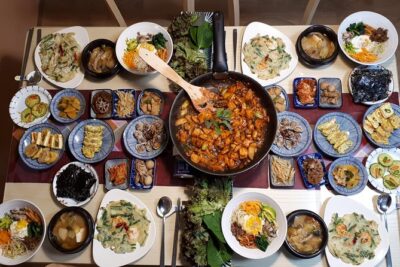
Local Home Korean Cooking Class & Market Adventure in Seoul
Read our review →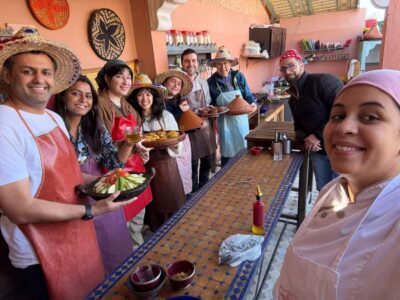

Mexican Cooking from Scratch in a Local Home in Tulum
Read our review →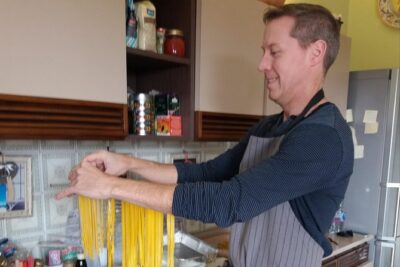
Pastamama, Home Cooking Classes at Grace’s Home
Read our review →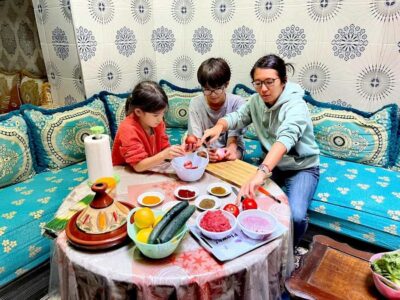
Traditional Cooking Class & meal with Local Family
Read our review →
Browse the lists this tour appears in