

Review · ZANZIBAR COOKING CLASSES
Zanzibar: Spice Farm Tour with Traditional Cooking Class
At Jambo Spice Farm Dole, you do more than look at spice plants. You taste fresh fruit, smell cloves and vanilla, harvest ingredients, and cook a Swahili meal over traditional equipment. The cooking class is the heart of the experience, turning a farm visit into something you actively take part in.
I especially like the chance to gather vegetables with a local chef and the broad range of plants, from cinnamon and nutmeg to lemongrass, ylang-ylang, tamarind, and chili. The hotel pickup is also useful, since the farm is about an hour from Stone Town. The main caution is that this is a small, tourism-focused farm rather than a vast working plantation, and several stops may come with requests for tips or purchases.
Key points at a glance
- Harvest your own ingredients: Pick vegetables and spices before heading to the cooking area.
- Cook a full Swahili meal: The class uses traditional techniques and older-style cooking equipment.
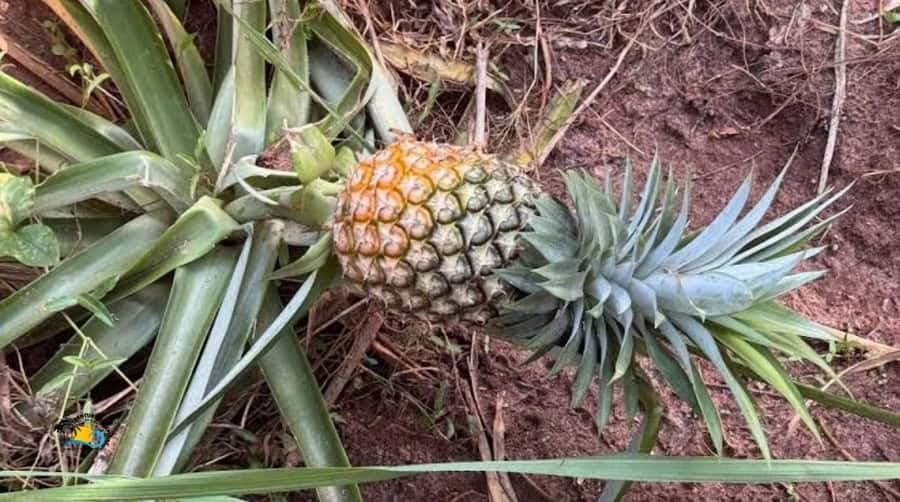
- Taste more than spices: Fresh mango, papaya, pineapple, bananas, passion fruit, avocado, and local grapefruit may be served.
- Expect a compact farm: The walking route is short and can feel busy when other groups are present.
- Budget for gratuities: Tip requests can happen at several points, including the farm, cooking area, transport, and demonstrations.
- Good value for a hands-on outing: At $61 per person, the price includes transport, guide, class, lunch, drinks, fruit, and entrance fees.
From Stone Town to the Spice Country
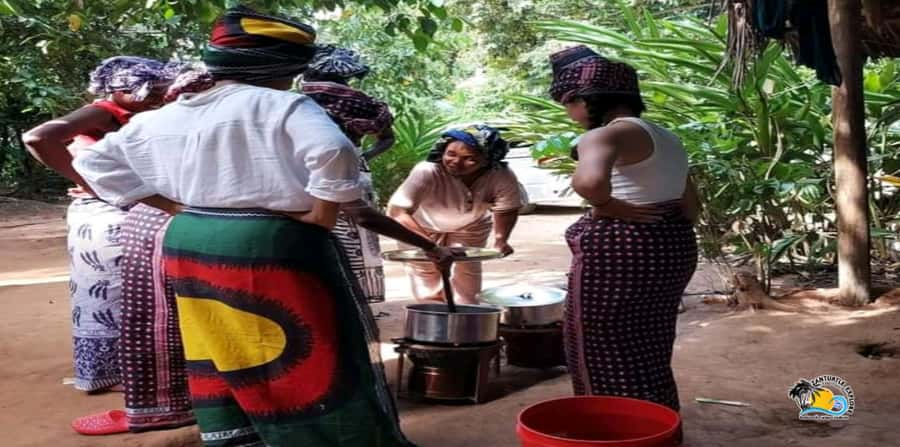
The day begins with pickup at your hotel in Stone Town or another hotel in Zanzibar. You provide the hotel name and room number, then meet the representative in the lobby or reception area. The drive to Jambo Spice Farm Dole takes about one hour each way, so transport uses a meaningful part of the five-hour schedule.
That travel time is worth keeping in mind. This is not a quick stop squeezed between Stone Town sights. It is a half-day outing with roughly two hours spent on the road, followed by a farm visit, food preparation, and lunch. Pickup and return are included, which helps the $61 price make sense, especially if you prefer not to arrange separate transport.
The booking is described as a private group, and guides are available in Arabic, English, French, German, Italian, Polish, Russian, and Spanish. Language can make a real difference here. The tour depends on explanation, questions, smells, and plant identification, not just scenery.
More Farm Cooking Classes in Tanzania
- Zanzibar: Spice Farm Tour with Traditional Cooking Lesson
★ 4.8 · 77 reviews - A private half day spice farm with a cooking lesson
★ 5.0 · 13 reviews - Zanzibar: Spice Farm Tour and Cooking Class with Lunch
★ 4.2 · 11 reviews
Jambo Spice Farm Dole: Small, Busy, and Full of Scents
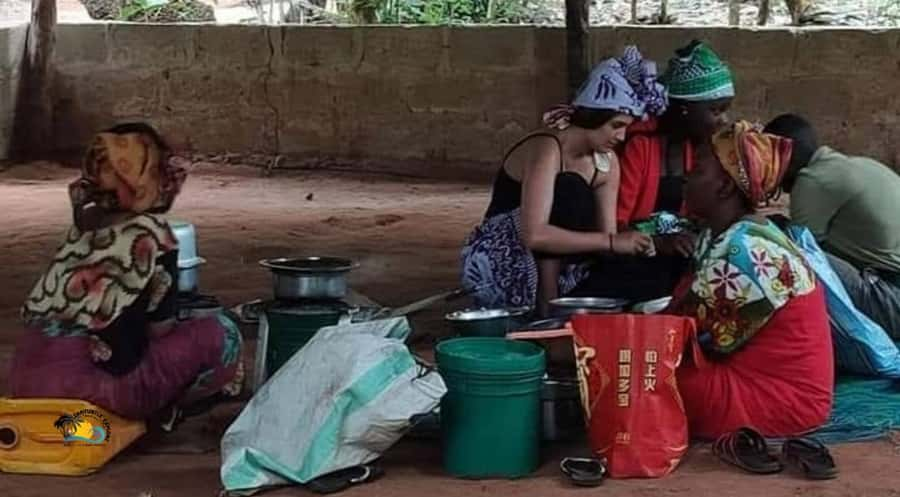
The farm walk introduces you to the plants behind familiar kitchen ingredients. You may taste and smell cinnamon, vanilla, nutmeg, lemongrass, cloves, ylang-ylang, cumin, ginger, pepper, tamarind, and chili. The guide explains how these plants are used in Zanzibar cooking and for medicinal purposes.
I like this part because it corrects the way spices are usually encountered at home. A jar of ground cinnamon tells you little about the tree. Here, you can connect the smell and texture of the fresh plant with the ingredient used in food. Cloves, in particular, have a strong connection to Zanzibar’s spice trade, while ginger, pepper, chili, and lemongrass are familiar parts of East African cooking.
The farm itself should be approached with realistic expectations. It is described by some visitors as a large garden or a small-scale site built for short visits rather than a huge commercial plantation. The paths can feel tangled, and several groups may pass through the same areas. If you are hoping for a quiet agricultural setting with wide fields, this may feel more like a working demonstration designed for visitors.
That does not make the walk worthless. It means the value is in the guide’s explanations and your chance to handle the plants. A good guide can make a compact plot feel useful by asking you to guess the spice before explaining it. This guessing game was one of the most effective parts of the walk, since you pay closer attention to leaf shape, scent, and taste.
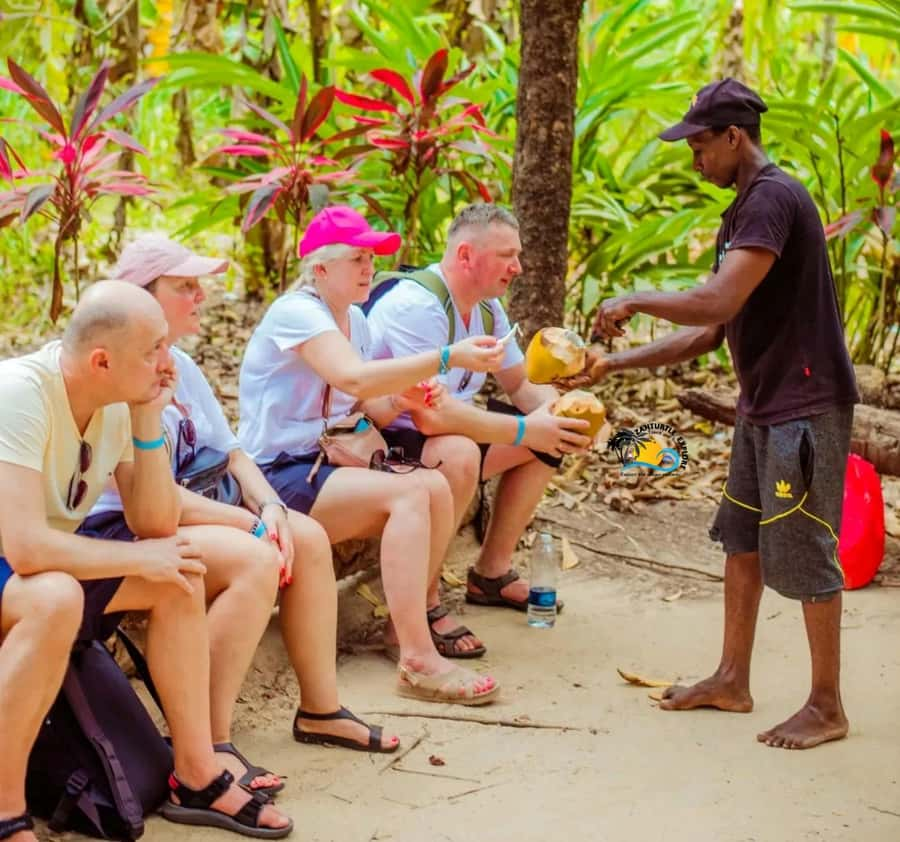
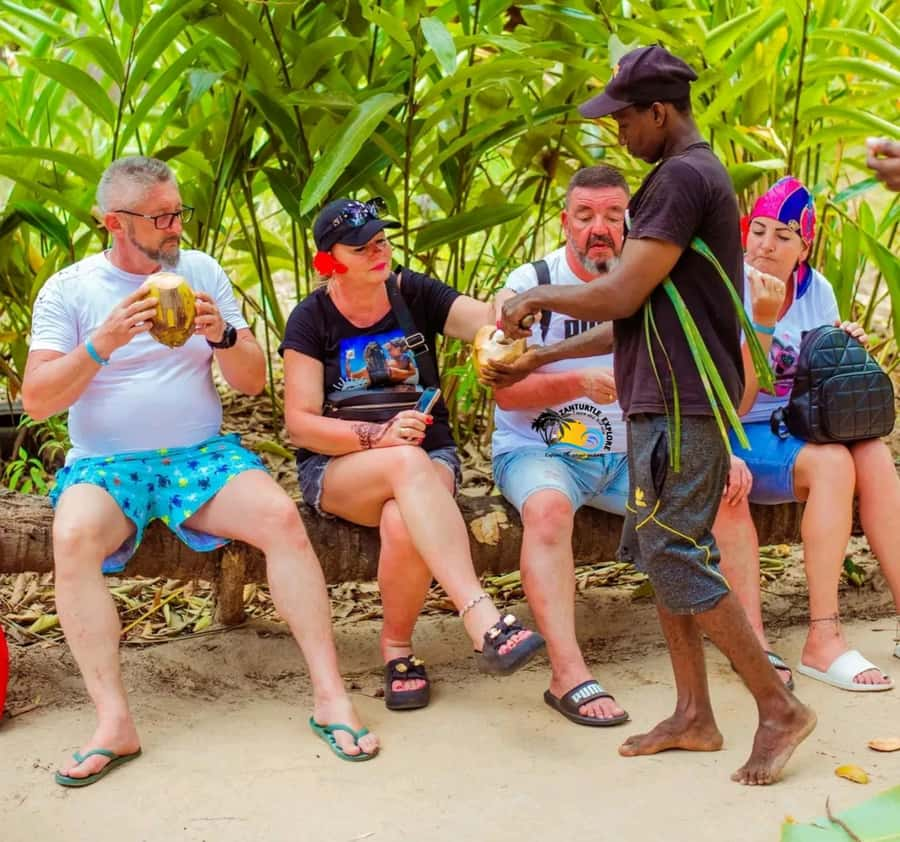
There is also time for shopping. Spices and tropical fruit are available to buy, but you are not required to purchase them. The range of requests for gratuities and donations deserves a clear mention here. At different points, you may be asked to tip people who offer coconuts, assist with the tour, prepare food, make leaf decorations, or encourage purchases for local children and women.
That custom can leave you feeling that the entrance price is only part of the expected cost. Carrying Tanzanian shillings may make small tips easier to manage than handing out dollars repeatedly. One visitor reported giving 1,000-shilling tips to several people and 10,000 shillings in total. Treat that as a personal example, not a fixed fee. The important point is to decide in advance what you are comfortable giving.
Tropical Fruit Tasting Along the Way
The fruit tasting adds welcome variety to the spice lesson. Depending on the day, you may sample mangoes, passion fruit, avocado, papaya, local grapefruit, bananas, pineapples, and other freshly picked fruit.
This is a simple part of the tour, but it gives you a clearer sense of Zanzibar’s food culture. You are not only learning about imported trade spices. You are also tasting produce that may appear in local kitchens and markets. The fruit provides a refreshing pause before the more active cooking session.
Bring water, sunscreen, and a hat. The tour involves walking outdoors, and comfortable shoes and clothing are useful for both the farm paths and the cooking class. Insect repellent is also specifically recommended. A camera is worth bringing, though you should expect to use your hands more than you might on a standard sightseeing tour.
Harvesting Your Lunch
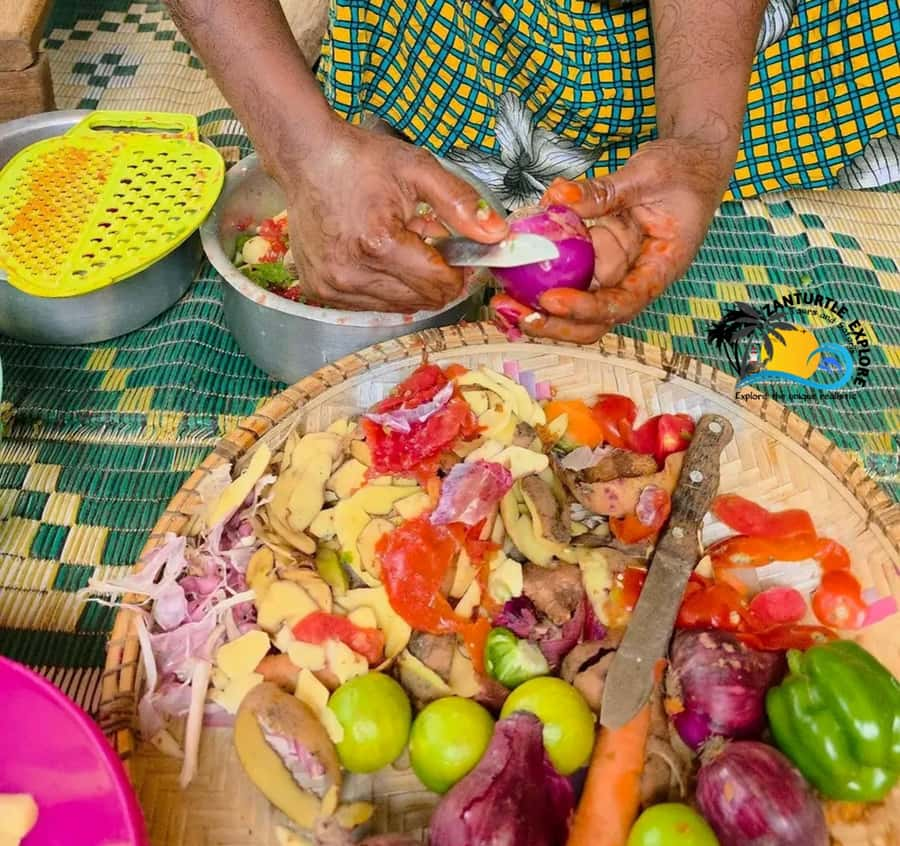
After the walking tour, you help collect vegetables and spices for the meal. This is where the experience shifts from demonstration to participation. You see an ingredient growing, pick it, and then use it in the kitchen soon after.
The harvest is not presented as a large farm task. It is a guided activity, with the culinary expert showing you what to choose and how the ingredients fit into the meal. That makes it suitable for families and for anyone who wants more than a lecture. A three-year-old child was included successfully in one family’s visit, taking part in the farm activities and being welcomed into the kitchen.
You should be prepared to get involved. Wear clothes that are comfortable for walking and cooking, and do not arrive expecting to sit back while someone else does everything. The best part of the tour depends on your willingness to smell, taste, pick, chop, stir, and ask questions.
More Farm Cooking Classes in the world:
- Half-Day Thai Cooking Class at Organic Farm in Chiang Mai
★ 5.0 · 19,087 reviews - Cooking Class and Lunch at a Tuscan Farmhouse with Local Market Tour from Florence
★ 5.0 · 4,831 reviews - Chiang Mai: Authentic Cooking Class with Market & Farm Visit
★ 4.9 · 4,546 reviews - Ubud: Balinese Cooking Class at an Organic Farm
★ 5.0 · 1,786 reviews
Cooking Traditional Swahili Food
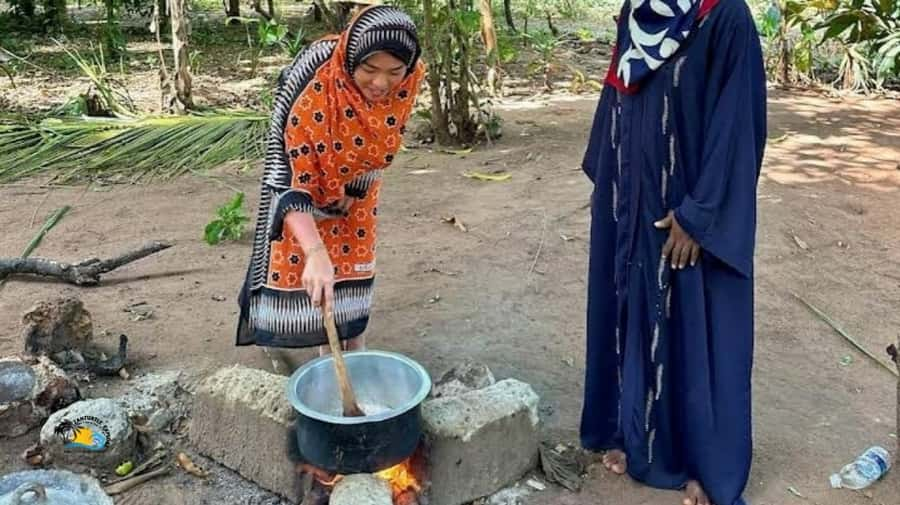
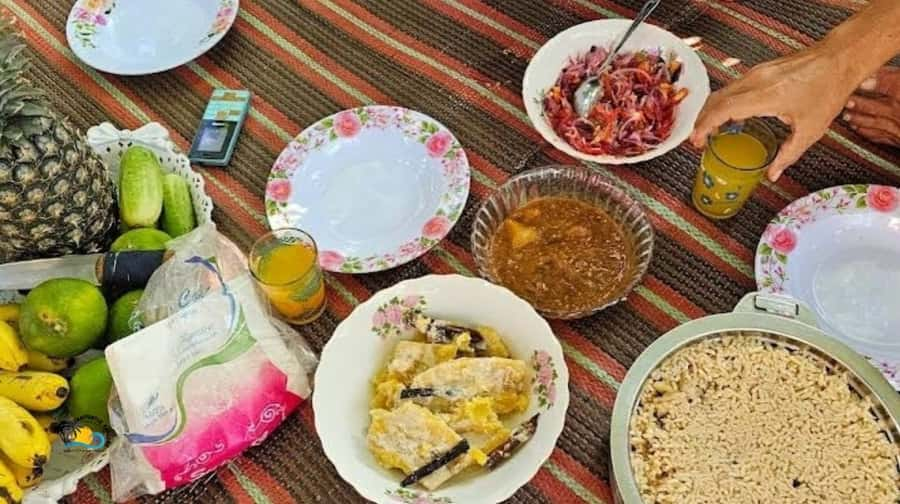
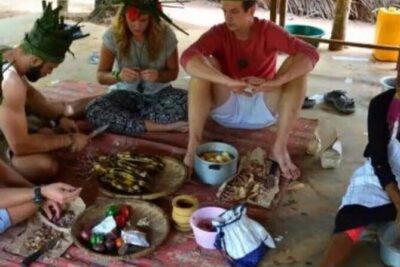
The cooking class is the strongest reason to book this outing. After harvesting, you return to the cooking area and work with a local chef to prepare a traditional meal. You then eat what you have made, along with drinks and tropical fruit.
The class uses traditional cooking methods and apparatuses modeled on older equipment used around the Zanzibar coast. That detail gives the meal a cultural setting that a restaurant order cannot provide. You are learning how food was prepared, not simply being served a dish with a local label.
The cooking lesson can vary in tone. A chef such as Aïcha may cook and share lunch with you, while other sessions may involve women demonstrating the dishes with less conversation. If you want a highly social, talkative class, make that request when booking. The activity allows special requests before reservation, so it is sensible to ask for an interactive class and mention dietary needs at that stage.
The food itself receives strong praise, but the instruction may feel less personal at times. That is another reason to ask questions and take an active role. The cooking class is more rewarding when you request explanations about the ingredients, techniques, and reasons behind each step.
Do not expect a modern studio kitchen. The older-style equipment is part of the point, but it may also mean a more basic setup. One practical complaint concerns the toilets, which have been described as poor. This is worth knowing before you arrive, especially if you prefer polished facilities.
Music, Dance, and the Human Side of the Visit
Traditional music and dance are included, adding a performance element to the farm visit. These moments can help place the food in a wider Swahili setting, rather than treating the spice plants as isolated curiosities.
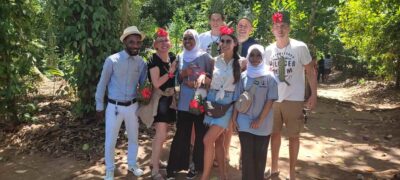
You may also see small leaf decorations made and placed on your head. It can be a playful part of the visit, though repeated requests for tips can change the mood. I would approach these moments with curiosity but keep your boundaries clear. You can accept a demonstration without feeling obliged to buy every item or tip every person involved.
The social side of the experience is part of its appeal and part of its complication. You are meeting people involved in guiding, cooking, farming, transport, and craft demonstrations. At the same time, the number of separate tipping requests can make the visit feel commercial. Knowing this in advance helps you judge the experience more fairly and avoid surprise.
Is $61 a Fair Price?
At $61 per person, the cost covers hotel pickup and drop-off, a trained guide, government taxes, conservation and entrance fees, the walking tour, harvesting, cooking equipment, lunch, drinks, tropical fruit, and the class itself.
That is a reasonable package for a five-hour outing, particularly because you do not need to arrange transport from Stone Town. If you count the one-hour drive in each direction, the farm portion is not an all-day agricultural visit. Still, you receive several connected activities rather than a single guided walk.
The extra cost to consider is tipping. Tips are not listed as an included expense, and requests may occur throughout the day. Spice and fruit purchases are also optional but can add to the bill. I would set a spending limit before pickup and carry smaller amounts in Tanzanian shillings.
The value is strongest for people who want participation. If you only want to see spice plants, $61 may feel high for a compact farm. If you want transport, explanations, harvesting, a cooking lesson, lunch, and fruit in one package, the price is easier to justify.
Who Will Enjoy This Half-Day Experience?
I would recommend this tour to food-focused visitors, families, and anyone with a free half-day in Stone Town. Children can take part, and the combination of smells, fruit, music, plants, and hands-on cooking gives the outing more variety than a simple museum visit.
It also suits people who want a gentle introduction to Zanzibar cuisine. You do not need advanced cooking skills. The guide and chef lead the process, and the experience is designed around participation rather than formal training.
You may want to skip it if you dislike organized tourism, sales stops, or repeated tipping requests. It may also disappoint you if your idea of a spice farm is a huge plantation with long, quiet walks. The site is compact and can be busy.
The multilingual guide option is a useful advantage. Ask for your preferred language at booking, and include special requests before you pay. Since the experience is listed as a private group, it is also worth confirming how the cooking session will be arranged for your party.
Practical Packing Advice for the Farm and Kitchen
Wear comfortable shoes with enough grip for walking around farm paths. Choose clothing that can handle cooking and outdoor activity rather than your best holiday outfit.
Pack:
- A hat and sunscreen
- Drinking water
- Insect repellent
- A camera
- Comfortable clothes for walking and cooking
The tour includes drinks and fruit, but carrying your own water is still sensible. Keep some room in your bag for spices or fruit if you decide to shop. Also bring small local currency notes if you plan to tip.
Free cancellation is available up to 24 hours before the activity, and you can reserve now while paying later. Starting times depend on availability, so check the schedule before choosing your day.
Should You Book the Spice Farm and Cooking Class?
Book it if you want to eat, harvest, smell, and cook, not simply observe. The cooking class, fresh food, multilingual guiding, and included transport give this five-hour outing a useful mix of culture and practical activity.
Go in with clear expectations. Jambo Spice Farm Dole is a compact, visitor-oriented farm, the facilities are basic, and tipping requests can be frequent. For a food lover, family, or first-time visitor seeking an easy introduction to Swahili cooking, those drawbacks are manageable. For someone seeking a quiet, large-scale plantation visit, they may be deal breakers.
FAQ
How long does the Zanzibar spice farm tour last?
The activity lasts five hours, including transportation, the farm visit, cooking class, and meal.
Where does pickup take place?
Pickup is available from Stone Town and hotels in Zanzibar. You meet the representative in your hotel lobby or reception area and should provide the hotel name and room number.
How long is the drive to Jambo Spice Farm Dole?
The van ride takes about one hour each way from the pickup area.
What will I see and smell at the farm?
You may encounter cinnamon, vanilla, nutmeg, lemongrass, cloves, ylang-ylang, cumin, ginger, pepper, tamarind, chili, and other spices and herbs.
Is lunch included?
Yes. The price includes lunch prepared during the cooking class, along with drinks and tropical fruit.
What languages are available for the guide?
Guides are available in Arabic, English, French, German, Italian, Polish, Russian, and Spanish.
Is the cooking equipment included?
Yes. Cooking equipment is included, along with harvesting activities and the traditional cooking class.
Can I cancel the booking?
You can cancel up to 24 hours in advance for a full refund. You can also reserve now and pay later.
Newest classes around the world
- Aroidee’s Farm-Fresh Thai Cooking Experience★ 5.0 · 8 reviews
- Authentic Thai Cooking Class and Farm Visit in Chiang Mai★ 5.0 · 66 reviews
- Signature Thai Cooking Course★ 5.0 · 79 reviews
- Half Day Guided Thai Cooking Class in Chiang Mai★ 5.0 · 13 reviews
- Yummy Tasty Thai Cooking School in Chiang Mai★ 5.0 · 2 reviews
- Online Thai and Akha Cooking Class★ 5.0 · 70 reviews
- Northern Thai Cooking Class in Chiang Mai in a Countryside Home★ 5.0 · 2 reviews
- Private Half-Day Thai Cooking Class in Chiang Mai★ 5.0 · 4 reviews
Zanzibar Cooking Classes, compared.
A private half day spice farm with a cooking lesson
Read our review →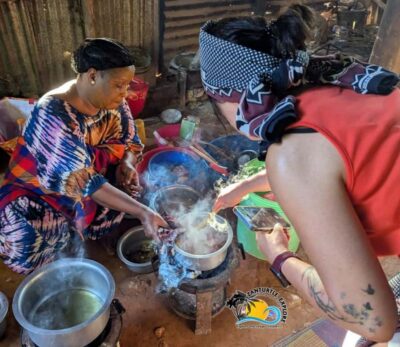

Cooking Class Tour, Stone Town Tour, Horseback Riding
Read our review →Browse the lists this tour appears in