
Review · ZANZIBAR COOKING CLASSES
Zanzibar: Spice Farm Tour with Traditional Cooking Lesson
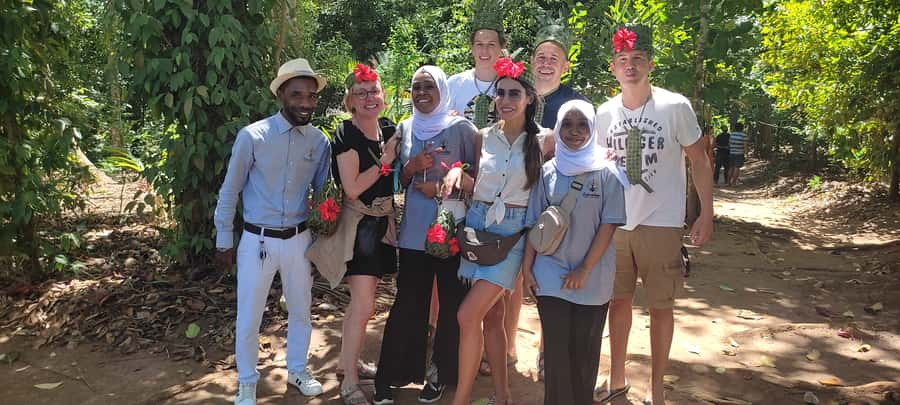
Zanzibar’s spices make the most sense when you meet them as living plants. On this three-hour tour, you can rub a cinnamon stick, smell fresh vanilla, taste jackfruit, and see how cloves, nutmeg, cardamom, pepper, and turmeric grow before sitting down to a Swahili lunch.
I like two things in particular: the hands-on cooking turns a sightseeing stop into a real cultural lesson, and the fresh tastes make the farm memorable. Guides such as Chiquito, Abdullah, Ahmad, Khamis, and Juma have helped make the experience lively and personal. One caution: the cooking portion can vary, and some visitors only help with ingredients rather than preparing the full meal.
Key points to know before booking
- Fresh spices on the plant: Touch, smell, and taste vanilla, cinnamon, cloves, nutmeg, cardamom, ginger, turmeric, pepper, and lemongrass.
- Lunch is part of the lesson: Help harvest cassava leaves, make coconut milk, and prepare local dishes before eating.
- Jackfruit and coconut add the fun: Taste fresh jackfruit and young coconut picked during the visit.
- Stone Town pickup is simple: Meet in front of the Old Fort on Mizingani Road at 9:00 AM, or arrange pickup from your beach hotel.
- Bring cash for the farm shop: Spices can only be purchased with cash.
- Expect a private three-hour visit: The tour is offered for private groups, with English and Swahili guides.
Why Zanzibar’s spice story begins on a farm
Zanzibar is often called part of the Spice Islands, along with Tanzania’s Mafia Island. That nickname is not just a souvenir-shop slogan. Spices have shaped the islands’ food, trade, medicine, and daily life, and a farm visit gives you a clearer picture than a quick pass through a market stall.
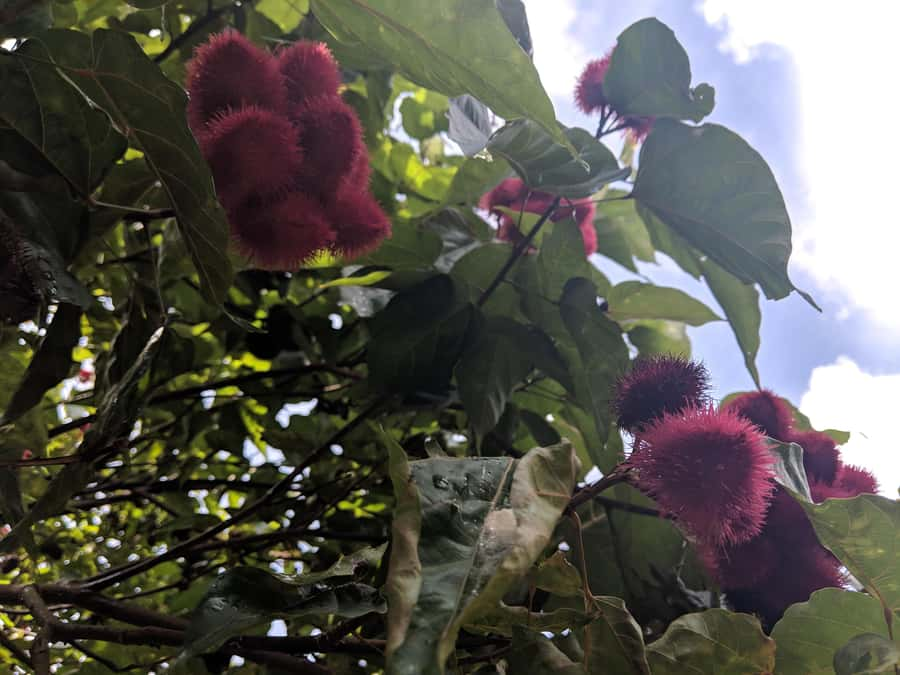
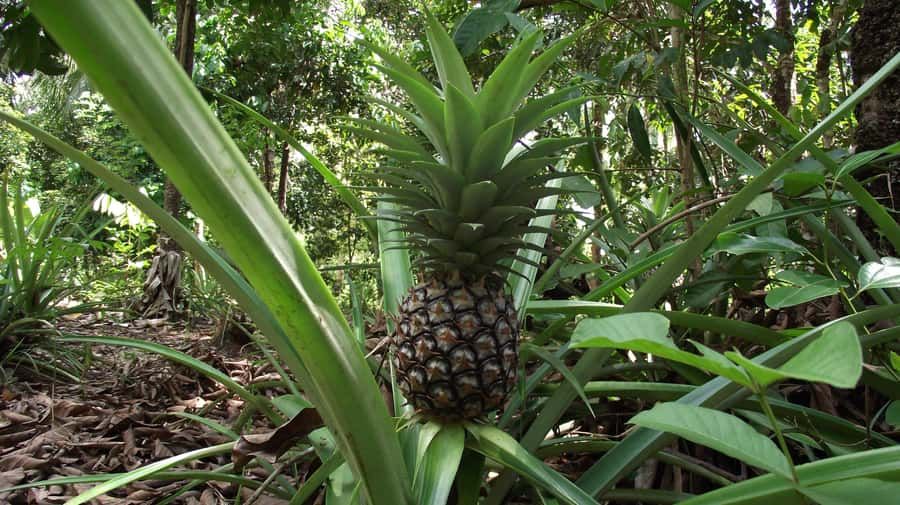
The first part of the experience focuses on plants in the ground, not jars on a shelf. Your guide explains how the crops are grown and how people use them for cooking and traditional remedies. You can touch leaves, smell roots and bark, and taste selected plants or fruits.
That direct contact matters. Cinnamon in a packet is familiar, but cinnamon as bark on a tree is something else. Vanilla also makes more sense when you see the plant rather than simply smelling a bottle of vanilla flavoring. The same goes for cloves, nutmeg, black pepper, cardamom, ginger, turmeric, and lemongrass.
I would not expect a formal botanical lecture. This is a local guided walk, with practical explanations tied to Zanzibar’s food and culture. The best guides add stories about the island’s past and teach you a few Swahili words along the way. Chiquito has been especially praised for combining clear explanations with humor, while guides such as Abdullah and the driver Ahmad have helped make the visit feel relaxed.
More Farm Cooking Classes in Tanzania
- Zanzibar: Spice Farm Tour with Traditional Cooking Class
★ 4.6 · 16 reviews - A private half day spice farm with a cooking lesson
★ 5.0 · 13 reviews - Zanzibar: Spice Farm Tour and Cooking Class with Lunch
★ 4.2 · 11 reviews
The spice walk: smell first, then taste
The farm walk is the heart of the morning. You move from plant to plant, learning which part is used and how it reaches the kitchen. Some spices come from leaves, some from bark, some from seeds, and others from roots or fruit.
You may already know the smell of ground pepper or dried cloves. Freshly handled plants are sharper and less predictable. A cinnamon tree gives off a warm scent when the bark is rubbed. Lemongrass has a clean citrus smell. Ginger and turmeric show why many everyday spices also have a place in traditional remedies.
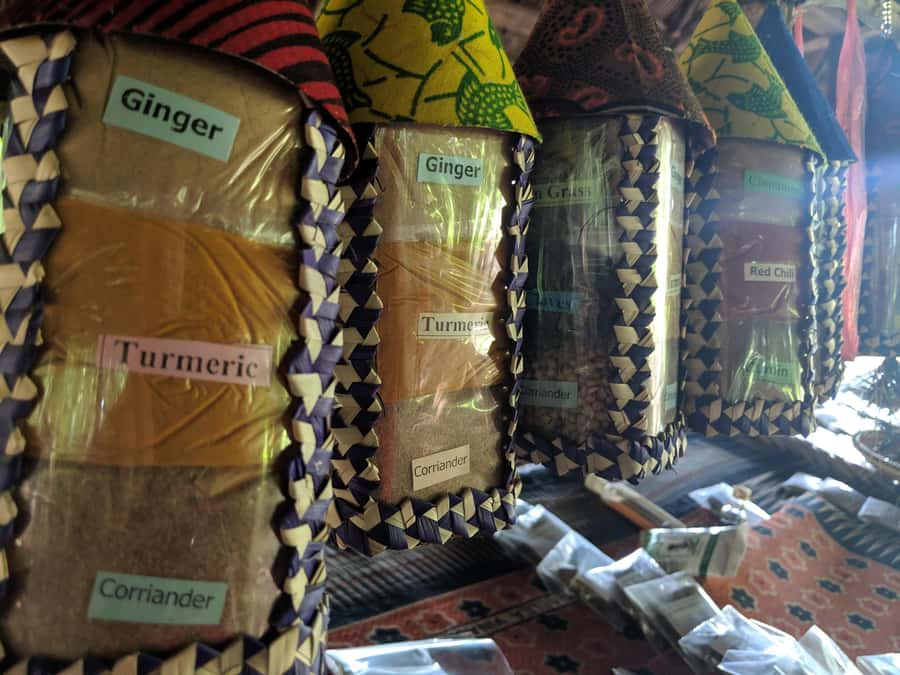
This is a good tour for people who cook at home. You leave with a better sense of where familiar ingredients come from, and the farm shop lets you buy spices and teas for later use. Several of the spices sold here have practical value: they are easy to pack, useful in the kitchen, and more connected to your Zanzibar visit than a generic ornament.
The experience is also suited to families and small private groups, though the provided information does not give a minimum age. Young children may enjoy the smells and fruit more than the explanations. Adults who like food, gardening, or local customs will probably get the most from the guide’s commentary.
Jackfruit, coconut, and the fruit stop
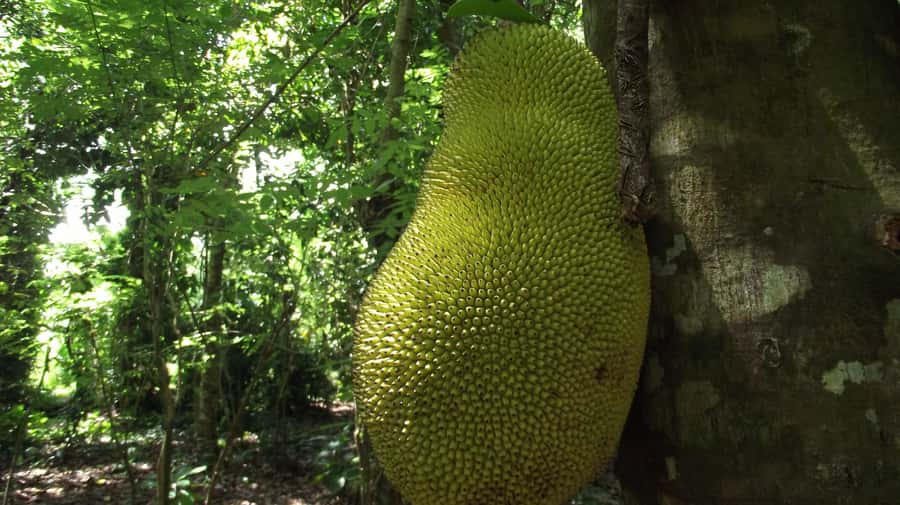
The spice plants share the farm with tropical fruit. One of the most enjoyable stops is fresh jackfruit, described here as the largest fruit in the world. Its size is impressive, but the real pleasure is tasting the soft, sweet pieces straight from the fruit rather than buying them prepared.
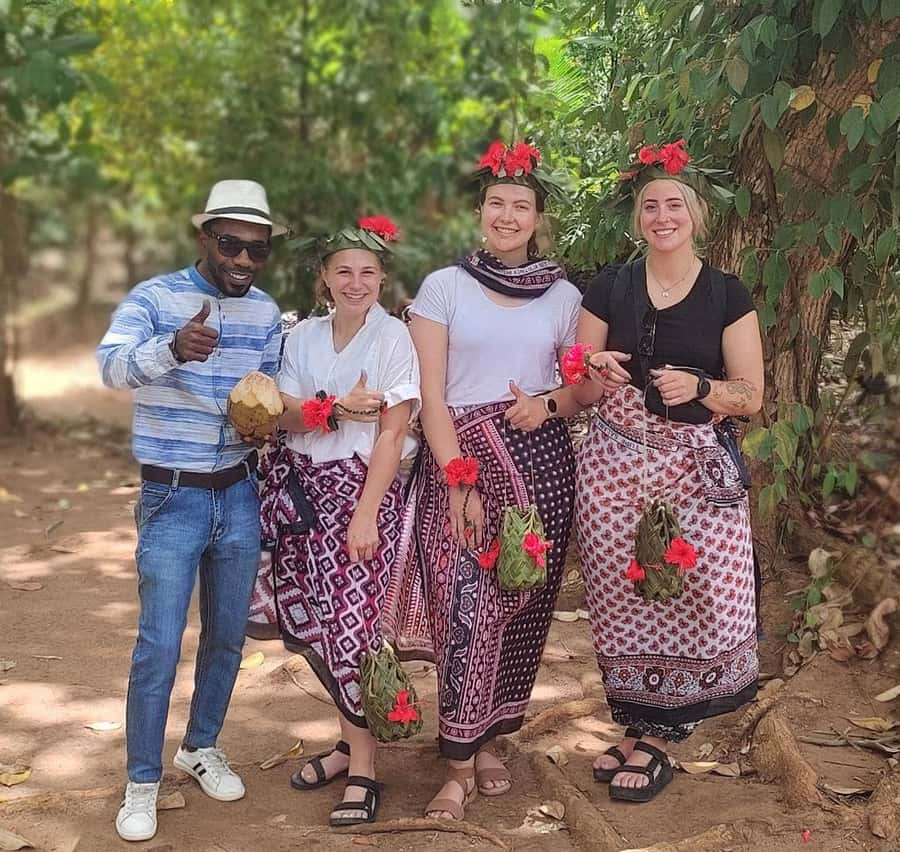
You also have the chance to try a young coconut. A coconut tree climber picks fresh fruit for the group, giving you a taste of coconut in its simplest form. This is a small moment, but it helps connect the farm work, the trees, and the food on your plate.
The fruit tasting breaks up the plant explanations. Three hours is not a long time, but a morning of walking and listening can feel packed if every stop is purely instructional. The fruit, coconut, and demonstrations keep the pace active.
Bring water, sunscreen, and a sun hat. Comfortable shoes are sensible, since this is a farm rather than a paved museum. The supplied information does not describe the exact walking distance or ground conditions, so anyone with mobility concerns should confirm details when booking, even though the activity is listed as wheelchair accessible.
From cassava leaves to coconut milk
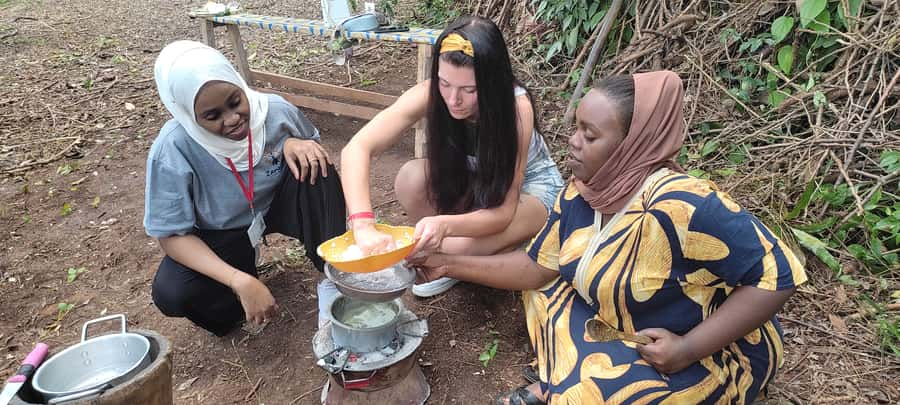
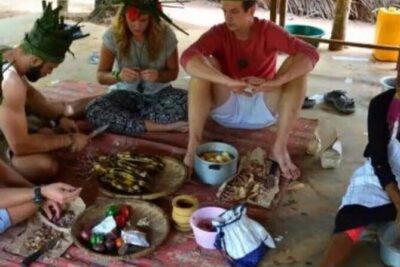
The cooking section gives the tour its strongest sense of place. You may join a cassava leaf harvest, help make coconut milk, and take part in preparing a local meal. The point is not to master a full recipe in one visit. It is to see the work behind a dish that can seem effortless once it reaches the table.
Making coconut milk by hand is particularly useful because coconut is central to many coastal East African dishes. You see how a basic ingredient is prepared before it becomes part of a sauce or side dish. The cassava leaf harvest offers another look at how the farm supplies food beyond the headline spices.
Here is where you should keep your expectations flexible. The activity description presents the cooking as participatory, but the amount of hands-on work can depend on timing and the group. Some people have helped prepare dishes from scratch, while others have only assisted with part of a side dish and watched the rest. If cooking is your main reason for booking, ask in advance how much of the meal you will actually prepare.
There can also be light entertainment around the demonstrations. One account described leaf-made items such as a crown, tie, and handbag. Some people may find that playful; others may find it touristy, especially if tipping is expected. You can enjoy the farm without treating every extra performance as essential.
More Farm Cooking Classes in the world:
- Half-Day Thai Cooking Class at Organic Farm in Chiang Mai
★ 5.0 · 19,087 reviews - Cooking Class and Lunch at a Tuscan Farmhouse with Local Market Tour from Florence
★ 5.0 · 4,831 reviews - Chiang Mai: Authentic Cooking Class with Market & Farm Visit
★ 4.9 · 4,546 reviews - Ubud: Balinese Cooking Class at an Organic Farm
★ 5.0 · 1,786 reviews
A Swahili lunch you helped prepare
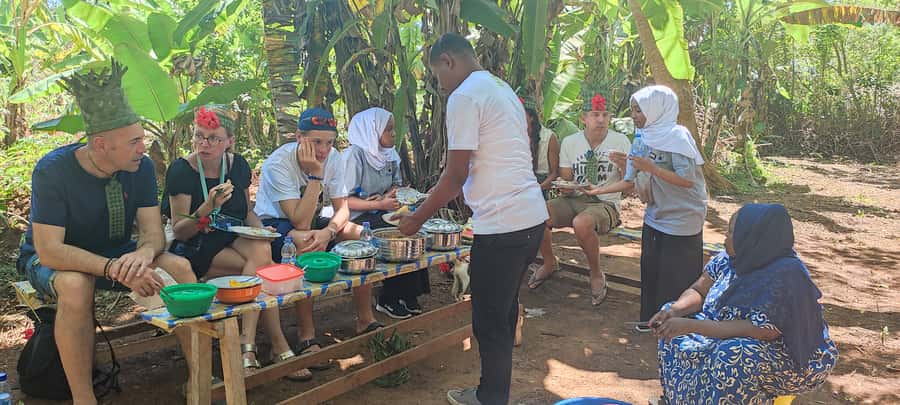
The meal at the end gives the morning a clear payoff. Instead of tasting a tiny sample and leaving, you sit down for lunch at the farm and eat dishes connected to the ingredients you have just seen.
The food is described as a traditional Swahili meal, with local women helping prepare it. That detail is important. You are not simply eating a restaurant version of Zanzibar food. You get a glimpse of the shared work involved in preparing it, even if your own role is limited on the day.
The meal may include ingredients used during the lesson, such as coconut and spices from the farm. The available information does not give a fixed menu, so do not book expecting a particular dish. The safe expectation is a local lunch with fresh fruit and spice-led flavors.
You may want to arrive hungry. One useful tip is not to eat a large breakfast before the tour, since the fruit tasting, coconut, cooking, and lunch add up. If you have allergies or dietary restrictions, ask the provider before booking because no special menu details are supplied.
Guides who shape the morning
The farm itself is only half the experience. The guide controls how much you notice and how well the pieces fit together. A good guide explains not just what a plant is called, but why it matters in Zanzibar.
Chiquito has been singled out for humor and clear explanations. Other guides named during this experience include Abdullah, Khamis, and Juma. Khamis has also added personal touches, including sharing fruit knowledge and helping with photographs, while Juma has been praised for taking pictures so people could put their phones away and enjoy the activity.
The driver can shape the experience too. Ahmad has been appreciated for discussing everyday life in Zanzibar during the journey, not just getting people from Stone Town to the farm. Pickup is available from beach hotels anywhere in Zanzibar, although the description does not state the exact transfer time from each area.
For a private group, the guide can usually make the pace feel more personal than a large coach outing. The tradeoff is that the tour may be more dependent on the assigned guide and on how the morning is organized. One person reported that poor timing shortened the walk, so if you want to see every plant and take part in each activity, start on time and tell the guide what matters most to you.
Is $65 good value?
At $65 per person, the price is fair if you value several parts of the morning rather than treating this as a simple farm walk. The fee includes pickup from the Stone Town meeting point or a beach hotel, a local guide, lunch, and a contribution to the local community. You also get the cooking activity, fruit tasting, and access to the farm shop.
Compare that with paying separately for transport, a guided visit, and lunch, and the package makes sense. The value is strongest for someone who wants an easy half-day plan that combines food, culture, and transport.
The price is less compelling if you only want to buy spices. You can find spice shops elsewhere, and the cooking component may be shorter than expected. Think of the shop as the final extra, not the main reason to book.
Bring cash for purchases. Spices can only be bought with cash, and the tour price does not mean you can pay for shop items by card. You may also want a little extra cash for optional tipping, particularly if the farm includes playful demonstrations or if a guide and driver provide especially attentive service.
Timing, pickup, and practical comfort
The standard meeting point is in front of the Old Fort on Mizingani Road in Stone Town at 9:00 AM. That location is useful if you are staying in Stone Town or want a clear central meeting place. Hotel pickup is also available from beach hotels anywhere in Zanzibar, and pickup is optional.
The listed duration is three hours. That is enough time for a guided farm walk, fruit tasting, cooking activities, and lunch, but not enough for a slow, open-ended day. Arrive ready to begin at the agreed time, especially if you want the full plant walk.
The activity is offered as a private group and is available in English and Swahili. It is listed as wheelchair accessible, but the description does not explain which parts of the farm or cooking area are fully accessible. Contact the provider if you need specific details about surfaces, seating, or access to individual demonstrations.
The tour is not suitable for pregnant women. For everyone else, the basic packing list is simple:
- Comfortable shoes
- Sun hat
- Sunscreen
- Water
- Cash for spices and possible extras
Free cancellation is available up to 24 hours in advance for a full refund, and you can reserve now and pay later. Those policies help if your Zanzibar plans are still moving around, but the practical details of the day matter more: start hungry, protect yourself from the sun, and keep your schedule open enough that a farm visit does not feel rushed.
Who should book this spice farm tour?
I would choose this experience if you want more than a quick photo stop. It suits people who enjoy food, local agriculture, small demonstrations, and learning how ordinary ingredients are prepared.
It is a particularly good fit for:
- Couples looking for a relaxed cultural morning
- Private families or friend groups
- Home cooks interested in fresh spices
- First-time visitors who want context about Zanzibar’s food and economy
- People staying in Stone Town or at a beach hotel who want transport included
I would hesitate if you dislike heat, farm paths, hands-on food preparation, or any activity with a light tourist-show element. I would also ask about the cooking schedule if a full cooking class is essential. The strongest version of the tour includes real participation; the shorter version may feel more like a demonstration with a few chances to help.
Should you book it?

Yes, if you want a compact, food-centered introduction to Zanzibar. The best parts are the fresh plants, the coconut and jackfruit tasting, the local lunch, and the chance to see how cassava and coconut become food. The guides can add history, humor, Swahili phrases, and useful local perspective.
Book it with realistic expectations. This is not a long agricultural study or a guaranteed full recipe class. It is a guided farm visit with cooking, lunch, and shopping woven together. At $65, it offers good value for a private three-hour outing, especially when you use the pickup and take part in the meal preparation.
FAQ
Where does the tour meet in Stone Town?
Meet in front of the Old Fort on Mizingani Road at 9:00 AM.
Can I be picked up from my beach hotel?
Yes. Optional pickup is available from beach hotels anywhere in Zanzibar.
How long does the experience last?
The tour lasts three hours.
What spices will I see?
You may see vanilla, cardamom, nutmeg, cinnamon, cloves, black pepper, ginger, turmeric, lemongrass, and other spice plants.
Is lunch included?
Yes. Lunch at the spice farm is included, along with the local guide and community contribution.
Can I buy spices at the farm?
Yes, but you must bring cash because spices can only be purchased with cash.
Newest classes around the world
- Aroidee’s Farm-Fresh Thai Cooking Experience★ 5.0 · 8 reviews
- Authentic Thai Cooking Class and Farm Visit in Chiang Mai★ 5.0 · 66 reviews
- Signature Thai Cooking Course★ 5.0 · 79 reviews
- Half Day Guided Thai Cooking Class in Chiang Mai★ 5.0 · 13 reviews
- Yummy Tasty Thai Cooking School in Chiang Mai★ 5.0 · 2 reviews
- Online Thai and Akha Cooking Class★ 5.0 · 70 reviews
- Northern Thai Cooking Class in Chiang Mai in a Countryside Home★ 5.0 · 2 reviews
- Private Half-Day Thai Cooking Class in Chiang Mai★ 5.0 · 4 reviews
Zanzibar Cooking Classes, compared.

A private half day spice farm with a cooking lesson
Read our review →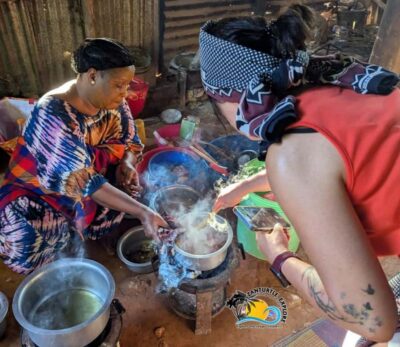

Cooking Class Tour, Stone Town Tour, Horseback Riding
Read our review →Browse the lists this tour appears in