
Review · DA NANG COOKING CLASSES
Da Nang Family Cooking Class – with Local Family in Da Nang
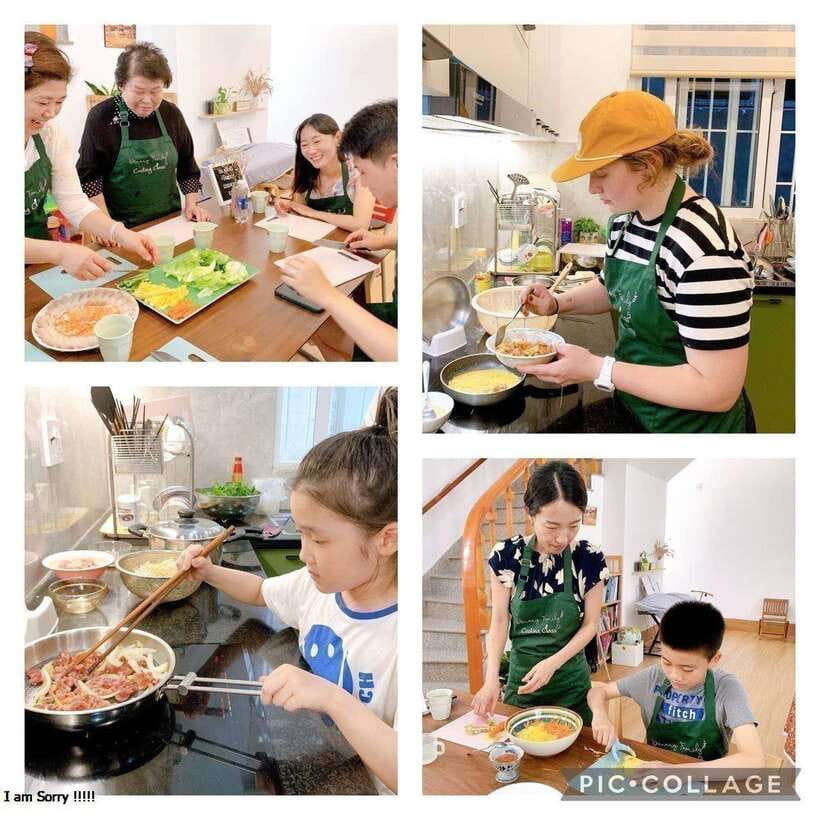
The best part of this Da Nang cooking class is that it takes place in a local family home, not a polished restaurant kitchen. You cook, eat, and hear about everyday Vietnamese life in the same setting. I like the warm, personal format, and I like that the class covers dishes from several parts of Vietnam, from central Vietnamese bánh xèo to northern-style phở.
The two-hour-and-thirty-minute schedule gives you enough time to cook without feeling rushed. Dietary adjustments are possible when you contact the host in advance, as shown by a couple who had their menu changed because they do not eat pork or beef. The main drawback is the meeting point: you must find Sala Coffee on Han Thuyen Street first, then walk one minute to the house.
Key points to know before you book
- Cook in a real family home: The class offers a closer look at daily life than a standard restaurant lesson.
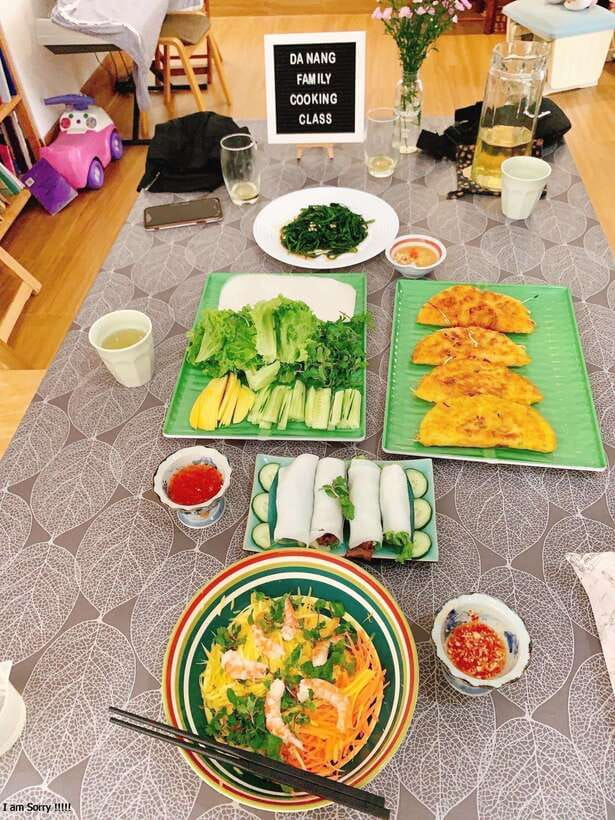
- Choose between two menus: One combines bánh xèo, rolls, garlic morning glory, and fruit salad. The other adds phở bò.
- Expect hands-on instruction: Your host gives step-by-step help rather than simply cooking in front of you.
- Small groups keep it personal: The class accepts no more than nine participants.
- Plan your arrival carefully: Take a taxi to Sala Coffee at 61 Han Thuyen, then walk to 374/36 Nui Thanh Street.
- Budget $24 for 150 minutes: Ingredients, your meal, tea, and dessert are included.
Cooking in a Da Nang family home
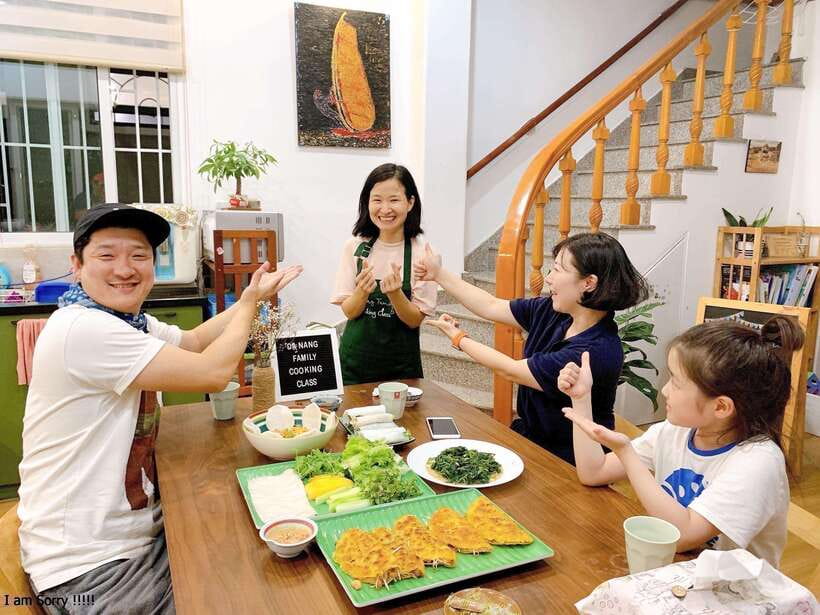
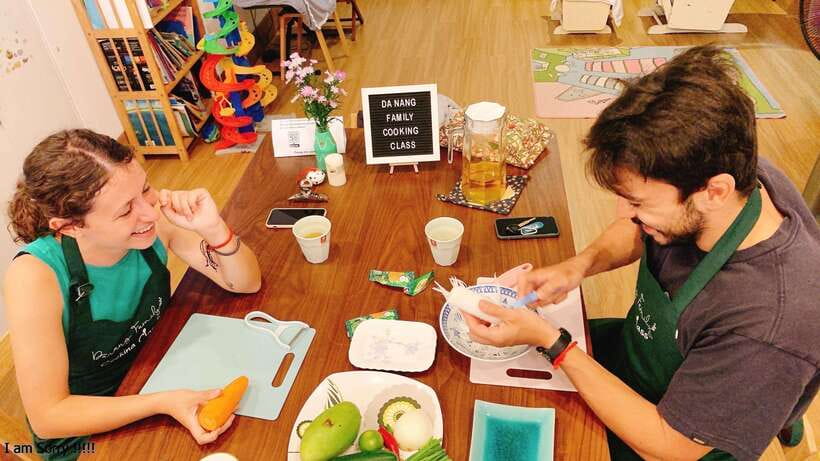
This class starts with a simple change of scene. Instead of meeting in a tourist district or cooking school, you go to a family residence in Hai Chau District. That setting matters because the meal is connected to the home where the host lives, cooks, and shares local stories.
The host speaks English, Chinese, and Vietnamese, so you can ask questions as the lesson moves along. No guide name is provided, but the teaching is described as clear and supportive. You should expect practical instruction, with the host helping you through each stage rather than leaving you to guess what comes next.
The class lasts 150 minutes. That is a useful length for a meal with several dishes. You have time to prepare ingredients, cook, sit down to eat, and still ask about Vietnamese food and family life. It is not a quick demonstration followed by a rushed tasting.
The group limit is nine people. That is small enough for personal help, though the experience will feel more intimate if fewer people book. One couple had the class conducted just for the two of them, which made the home setting feel especially personal. Group size can vary, so do not assume you will always receive a private lesson.
More Home Cooking Classes in Vietnam
- Da Nang Authentic Home Cooking Class
★ 5.0 · 354 reviews - Hoi An: Traditional Cooking Class & meal with Local Family
★ 4.9 · 396 reviews - Hoi An: Vegetarian Cooking Class w Local Family and transfer
★ 4.9 · 145 reviews
The two menus and what they teach you
You choose from two menus, each built around bánh xèo. This is a sensible centerpiece for a cooking class because the dish involves batter, heat, fillings, fresh herbs, wrapping, and dipping sauce. You learn several basic ideas in one recipe.
Bánh xèo means sizzling pancake or crêpe. The name comes from the sound the batter makes when it hits the hot pan. The crêpe is served with shrimp, lettuce, mint, basil, and nuoc cham, a sweet and sour fish sauce.
The first menu adds several smaller dishes:
- Phở cuốn or gỏi cuốn, Vietnamese rice paper rolls
- Rau muống xào tỏi, morning glory stir-fried with garlic
- Mango or pomelo fruit salad
The second menu replaces the rolls and morning glory with phở bò, Vietnamese beef noodle soup. It also includes fruit salad. This choice gives you a classic soup with rice noodles, beef broth, herbs, coriander, green onions, and white onions. It is served with basil, bean sprouts, and lime juice.
The menus quietly show how varied Vietnamese food can be. Bánh xèo is linked with central and southern Vietnam, while phở bò began in northern Vietnam in the early twentieth century before spreading throughout the country and abroad. The rolls also reflect northern food traditions, while morning glory is a common part of everyday meals across Vietnam.
I would choose Menu I if you want more hands-on variety and several smaller dishes. Choose Menu II if phở is high on your Da Nang food list and you want to learn how the soup is assembled and served.
Making bánh xèo, the class centerpiece
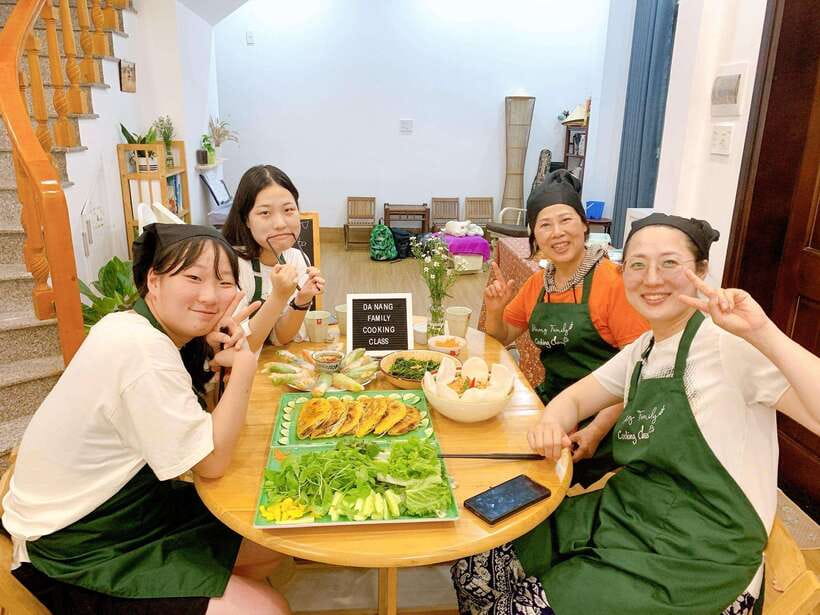
Bánh xèo is more than a pancake. You learn how a thin, crisp shell works with fresh herbs, lettuce, shrimp, and dipping sauce. The contrast is the point: hot and crisp food meets cool greens and a sharp, sweet-sour sauce.
This dish also gives you a useful lesson in Vietnamese table habits. You do not simply eat the crêpe by itself. You add herbs and lettuce, then use nuoc cham to bring the flavors together. The recipe is practical for home cooking because the ingredients are recognizable, and the finished dish is best eaten right away.
Pay attention to the pan work. The batter must meet a hot skillet with enough confidence to create that signature sizzle. The class is designed to guide you step by step, which helps if you have never made a Vietnamese crêpe before.
Bánh xèo can be a good choice for families and friends because the cooking has a social rhythm. You prepare, assemble, and eat together. It is also the dish most likely to make you want to repeat the recipe at home.
Rolls, morning glory, and fruit salad on Menu I
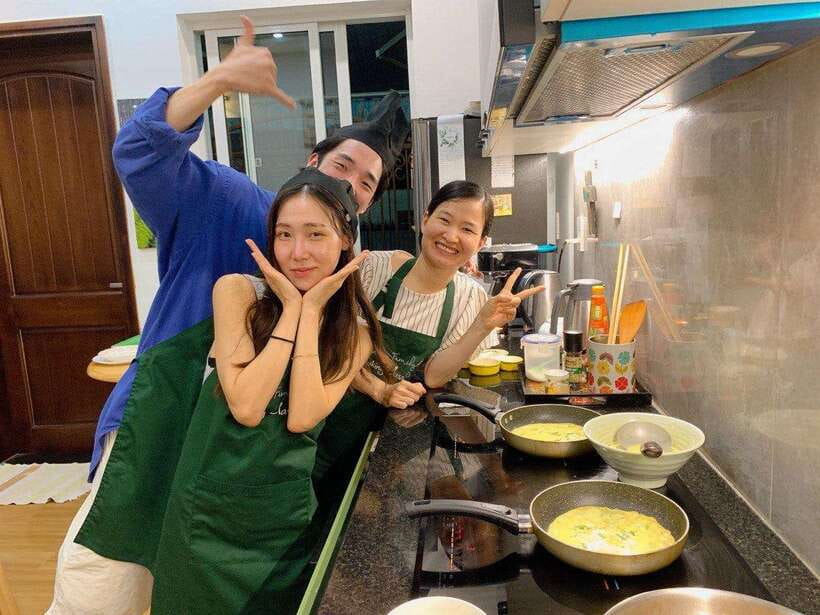
Menu I gives you a broad introduction to everyday Vietnamese cooking. The rice paper rolls may be made with stir-fried beef, onions, shrimp, pork, cilantro, and lettuce, then served with sweet and sour fish sauce with garlic or peanut sauce.
The description allows for phở cuốn or gỏi cuốn. Both are rolls, but they use different rice paper styles and fillings. Ask the host which version your class will prepare when you arrive, especially if you have a preference or a food restriction.
Rau muống xào tỏi is morning glory cooked with garlic. It is a common vegetable dish served with rice in Vietnamese homes. This may be the least showy dish on the menu, but it gives you a better sense of what a normal family meal can include. Not every useful Vietnamese recipe is a famous street food.
The fruit salad uses mango or pomelo with carrot and a sweet and sour fish sauce. It brings a fresh, crisp finish to the meal. Since the fruit choice can vary, tell the host if one option is unsuitable for you.
Together, these dishes make Menu I a good fit if you want more than one main item. You will get a crisp dish, a roll, a vegetable side, and a fresh salad. The tradeoff is that you do not learn phở.
More Home Cooking Classes in Da Nang:
- Khmer Cooking Class at a Local’s Home in Krong Siem Reap
★ 5.0 · 2,731 reviews - Local Home Korean Cooking Class & Market Adventure in Seoul
★ 5.0 · 1,024 reviews - Marrakech: Moroccan Cooking Class with a Local Family
★ 4.9 · 668 reviews - Mexican Cooking from Scratch in a Local Home in Tulum
★ 5.0 · 585 reviews
Learning phở bò on Menu II
Menu II centers on phở bò, the Vietnamese beef noodle soup known around the world. The class introduces the basic components: broth made from beef bones, rice flat noodles, beef, herbs, coriander, green onions, and white onions.
You also receive basil, bean sprouts, and lime juice at the table. These additions let you adjust the soup to your taste. That final assembly is an important part of eating phở in Vietnam. The bowl arrives with a basic balance, then you add herbs and acidity as you like.
The supplied information does not promise that you will prepare a long-simmered broth from raw bones during the 150-minute class. You should think of this as a lesson in the components and preparation of phở rather than a full restaurant-scale broth production. Ask the host how much of the broth preparation is included if phở technique is your main reason for booking.
Menu II is the better choice for a first-time visitor who specifically wants to understand phở. It gives you bánh xèo, fruit salad, and noodle soup, but fewer separate dishes than Menu I.
The meal you cook is part of the value
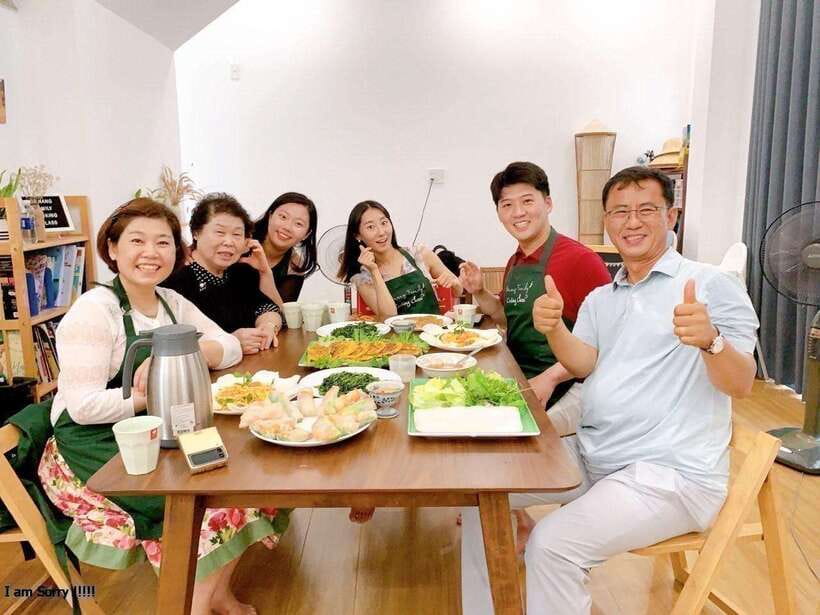
You do not finish by watching someone else eat your work. The included lunch or dinner is made up of the dishes you prepared. Tea and dessert are also included.
That changes the feel of the class. The meal is not an extra charge at the end, and you are not left looking for food after the lesson. You can sit down with the host and the group, taste the finished dishes, and talk about what you have just cooked.
One couple praised the clear explanations, steady help during each step, and the chance to enjoy their own creations. Another couple had their menu adjusted because they avoid pork and beef, and the result still worked well for them. These details suggest that the host pays attention to the cooking process and can make sensible changes when informed ahead of time.
Do not wait until the first minute of class to mention an allergy. Contact the host in advance with dietary restrictions. The information specifically asks you to do this, and it gives the kitchen a fair chance to plan.
Getting to 374/36 Nui Thanh Street
The meeting instructions require care. The taxi destination is 61 Han Thuyen, Hoa Cuong Bac, Hai Chau, Da Nang. At that location, look for Sala Coffee. Sala Coffee is a reference point, not the cooking-class house.
From the correct Sala Coffee, walk about one minute to 374/36 Nui Thanh Street, also shown as K374/36 Nui Thanh Street. You can use the provided map link or search Google Maps for Da Nang Family Cooking Class.
This is the one part of the experience I would not leave to chance. Da Nang has more than one business called Sala, and the instructions warn you not to use a different one. Give yourself extra time, arrive five minutes early, and contact the host if the directions are unclear.
Hotel pickup and drop-off are not included. You arrange and pay for your own taxi or other transport to the meeting point. Since the walk after Sala Coffee is short, the challenge is finding the correct starting point, not covering a long distance on foot.
Is $24 a fair price?
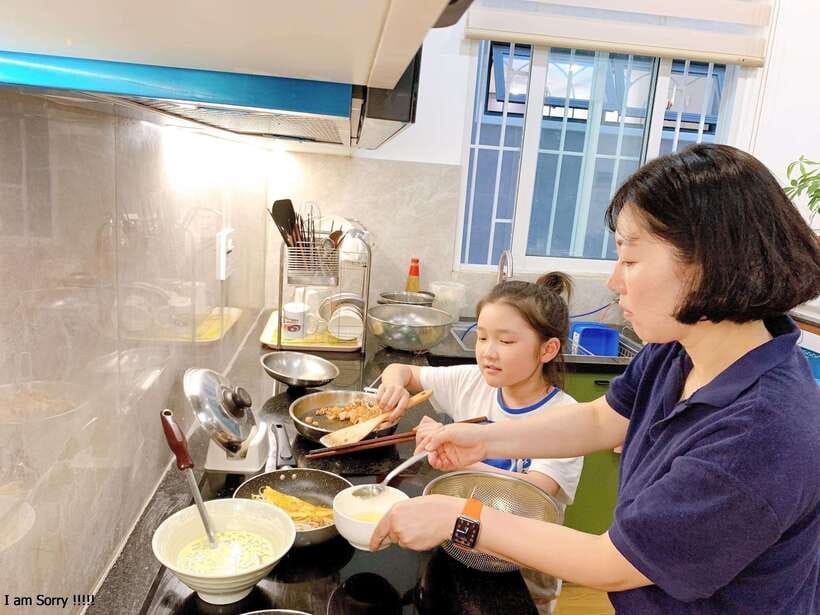
At $24 per person, the class offers good value if you want instruction, a meal, and cultural contact in one booking. The fee includes all ingredients, the cooking lesson, lunch or dinner, tea, and dessert. You are not paying only for a recipe demonstration.
The strongest value comes from the home setting and the small-group format. A restaurant meal can show you what Vietnamese food tastes like. This class also shows you how the dishes are put together and gives you a chance to ask about the food as you cook.
The price does not include transportation, so add the taxi fare to your budget. The class is also less useful if you want a formal culinary-school setting, advanced knife work, or a long technical lesson on professional kitchen methods. The information promises simple, authentic dishes and family guidance, not chef certification.
For most visitors, the included meal makes the cost easy to understand. You cook for 150 minutes, then eat what you made. That is a practical souvenir you can use after returning home.
Who will enjoy this class most?
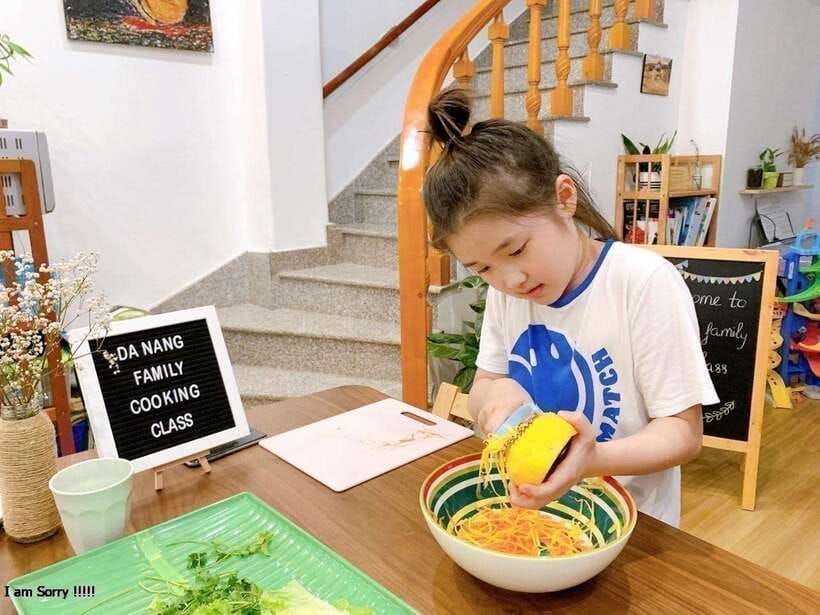
I would recommend it to families, couples, friends, and solo visitors who prefer conversation and participation over a polished show. The home setting gives you a chance to hear about local life while working with food.
It is also a good option if you want a gentle introduction to Vietnamese cuisine. You do not need to know how to cook Vietnamese food before arriving. The host provides the ingredients and explains each stage.
Menu I suits people who want several smaller dishes and a wider range of textures. Menu II suits phở fans and anyone who wants to focus on noodle soup. People with food restrictions can ask for changes, but they should contact the host ahead of time.
The class is wheelchair accessible, and smoking indoors is not allowed. The activity is offered in English, Chinese, and Vietnamese. The maximum group size is nine, but the exact number in your session depends on bookings.
Should you book the Da Nang Family Cooking Class?
Book it if you want a personal home visit with a meal attached, not just a cooking demonstration. The clearest strengths are the friendly welcome, step-by-step support, flexible menu planning, and chance to eat what you prepare.
Choose Menu I for the broadest spread of dishes. Choose Menu II for phở bò. Set up your transport carefully, confirm the correct Sala Coffee, and send dietary information before the day.
I would skip it only if you want a private professional kitchen, hotel pickup, or advanced culinary training. For a modest price, this class gives you useful recipes, a home-based cultural experience, and a meal you can try to recreate in your own kitchen.
FAQ
How long does the cooking class last?
The activity lasts 150 minutes, or two and a half hours.
Where does the class take place?
The class takes place in a local family home at 374/36 Nui Thanh Street, also written as K374/36 Nui Thanh Street, in Hoa Cuong Bac, Hai Chau, Da Nang.
What is the meeting point?
Take a taxi to Sala Coffee at 61 Han Thuyen, Hoa Cuong Bac, Hai Chau, Da Nang. From there, the cooking-class home is about a one-minute walk away.
Is Sala Coffee the cooking-class location?
No. Sala Coffee is used as the meeting and navigation point. You walk from the correct Sala Coffee to the home at 374/36 Nui Thanh Street.
What languages does the host speak?
The host speaks English, Chinese, and Vietnamese.
What dishes can I learn to cook?
Depending on your menu, you may prepare bánh xèo, phở cuốn or gỏi cuốn, garlic morning glory, mango or pomelo salad, and phở bò.
Are lunch or dinner included?
Yes. You eat the dishes prepared during the lesson. Tea and dessert are also included.
Are ingredients included in the price?
Yes. All cooking ingredients are included.
Can the menu be changed for allergies or dietary restrictions?
Yes, dietary needs or allergies should be reported to the host in advance. Menu adjustments have been made for guests who do not eat pork or beef.
How many people can join the class?
The class is limited to nine participants.
Is transportation included?
No. Hotel pickup, hotel drop-off, and transportation to and from the activity location are not included.
Can I cancel the booking?
You can cancel up to 24 hours before the activity for a full refund. Reserve now and pay later is also available.
Newest classes around Da Nang
- Market Tour, Basket Boat Ride & Cooking Class by Hangcoconut★ 4.8 · 95 reviews
- HOI AN Cooking Class and Lantern Workshop★ 4.7 · 6 reviews
- Da Nang Vegetarian Cooking and coffee Class★ 4.6 · 11 reviews
- Da Nang Cooking: Market tour, farming, and cooking class★ 4.8 · 13 reviews
- Da Nang: Cooking Pho & Vietnamese Dishes With Local Chef★ 5.0 · 5 reviews
- Da Nang: Cooking Class and tasting Pho with Local Girl★ 5.0 · 6 reviews
- Da Nang: Coffee Making And Cooking Class★ 5.0 · 7 reviews
- RICE PAPER Noodle Making Experience & Hoi An Cooking Class Class★ 5.0 · 164 reviews
Da Nang Cooking Classes, compared.
5 Dishes Cooking Class with Market Trip in Da Nang
Read our review →
5 traditional dishes Da Nang cooking class with market trip
Read our review →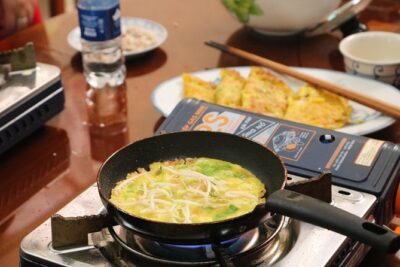
Da Nang Cooking Class with Coffee Tasting and Market Visit
Read our review →
RICE PAPER Noodle Making Experience & Hoi An Cooking Class Class
Read our review →
Market Tour, Basket Boat Ride & Cooking Class by Hangcoconut
Read our review →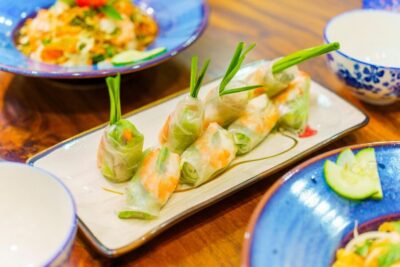
Da Nang Cooking: Market tour, farming, and cooking class
Read our review →Browse the lists this tour appears in