
Review · PERU COOKING CLASSES
Cusco: Peruvian Cooking Class
Cusco’s cooking class gives you more than a meal: it puts you at the stove with a professional chef and lets you make three Peruvian dishes from scratch. You can choose among ceviche, lomo saltado, rocoto relleno, quinoa with huancaína sauce, and pisco sour, so the menu can fit your appetite and curiosity.
I especially like the hands-on format and the recipe booklet, since you leave with something useful rather than a pleasant memory alone. I also like that the class can include a market stop for ingredients, a small detail that connects the cooking to daily life in Cusco. The main point to check is the timing: the activity is listed as two hours, but the description also says cooking may take about three hours.
Key points
- Choose three Peruvian dishes: Options include ceviche, lomo saltado, rocoto relleno, quinoa with huancaína sauce, and pisco sour.
- Cook with a professional chef: You prepare the food yourself instead of simply watching a demonstration.
- Market-to-table potential: The class may begin with ingredient shopping before you head into the kitchen.
- Lunch is included: You eat the dishes you prepare during the session.
- Useful take-home material: Each participant receives a recipe booklet for recreating the dishes.
- Central Cusco pickup: Hotel pickup is available when your hotel is within the historic center.
Cooking Three Peruvian Dishes in a Cusco Kitchen
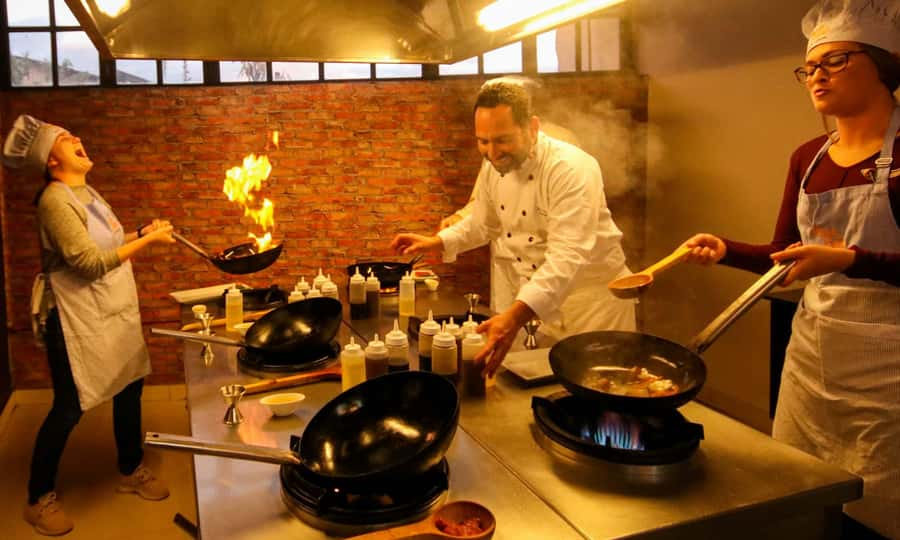
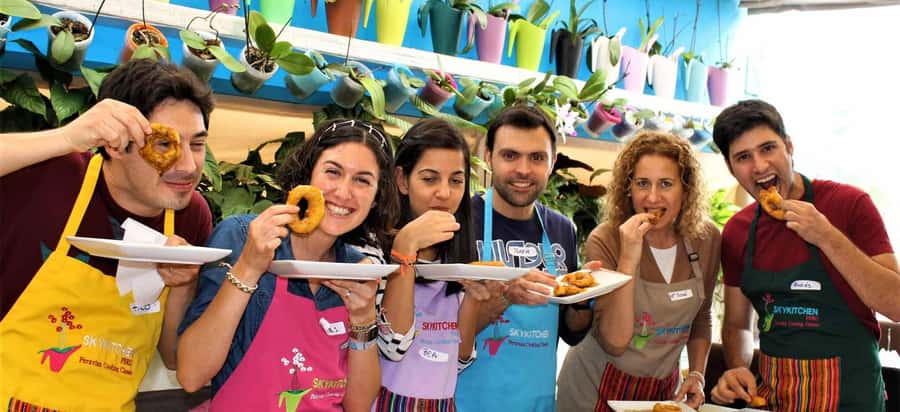
The heart of this experience is simple: you meet at the arranged point, head into the kitchen, and prepare a small Peruvian meal with guidance from a chef. The class includes the ingredients, hands-on instruction, lunch, and a pisco sour tasting.
The menu gives you a useful cross-section of Peruvian food. Ceviche shows off the country’s famous seafood preparation. Lomo saltado brings together beef, vegetables, and the Chinese-Peruvian influence that makes this dish so recognizable. Rocoto relleno introduces you to a stuffed pepper with a stronger kick. Quinoa with huancaína sauce offers a meat-free option built around a staple Andean grain and a creamy yellow pepper sauce.
You choose from the available dishes, but the exact combination should be confirmed when you book. Since the description refers to three dishes plus a pisco-based drink, you should not assume that every menu option is prepared in every class.
More Cooking Classes in Peru:
- Cusco: Peruvian Cooking Class, Cocktails & Local Market Tour
★ 4.9 · 512 reviews - Cooking class and market tour with a local chef
★ 5.0 · 186 reviews - Market Tour, Tasting of 35 Fruits, and 4-Course Peruvian Cooking Class in Lima
★ 5.0 · 86 reviews
From Ingredients to Techniques
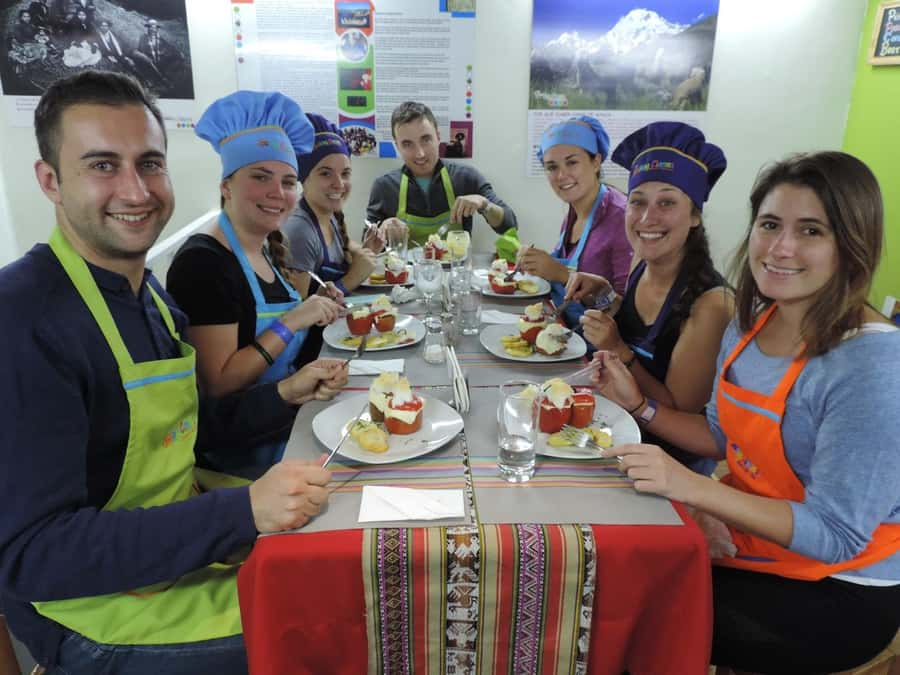
This class is most useful when you treat it as a lesson in ingredients, not just a meal. The chef explains the traditional products and methods behind the recipes, helping you understand why Peruvian food has such a broad appeal.
You may begin with a market visit to buy ingredients before moving to the kitchen. That part can add a welcome local touch, especially if you want to see how the cooking connects with the food sold in Cusco. The exact market arrangement is not guaranteed in the basic description, so ask ahead if this is important to you.
Once cooking begins, expect a practical session rather than a passive show. You prepare the dishes with the chef’s direction, learning how the components come together. That matters for home cooking. A recipe can tell you what to add, but a chef can also show you the order, texture, and small decisions that make a dish work.
The class is a good fit for curious eaters who want more context behind Peruvian dishes. It is less suited to anyone looking for a quick tasting with no kitchen work. You will be involved, and comfortable shoes are sensible.
The Menu: Ceviche, Lomo Saltado, and Rocoto Relleno
Ceviche
Ceviche is one of Peru’s best-known dishes, and preparing it in Peru gives the lesson a clear sense of place. You learn how the ingredients and technique create the finished dish rather than simply receiving a plate at a restaurant.
If seafood is your reason for booking, make ceviche your first choice. The supplied information does not spell out the fish or the full preparation method, so ask the chef what the day’s ingredients will be before you commit to it.
Same region, a different dish to learn:
- #1 Rated Cooking Classes with Local Market Tour & Pickup
★ 5.0 · 69 reviews - Miraflores: Amazing Peruvian Cooking Class Ceviche Seafood and Pisco Sour
★ 4.9 · 57 reviews - Cook with Maido’s creative chef and chef de cuisine
★ 5.0 · 53 reviews - Cusco: Peruvian Cooking Class & Market Tour
★ 4.9 · 19 reviews
Lomo saltado
Lomo saltado is a practical choice if you want a hearty main course. It is also a useful window into Peru’s mixed culinary influences, combining a familiar stir-fry style with local ingredients and Peruvian serving traditions.
I would choose this dish if you prefer cooked food or want something easier to recreate for a family meal. As with the other options, the class teaches the dish in the context of traditional Peruvian cooking, rather than presenting it as an isolated recipe.
Rocoto relleno
Rocoto relleno is the bold option. Rocoto peppers are known for their heat, so this is a dish to discuss carefully with the chef if you are sensitive to spicy food.
The class description does not promise a mild version. If you want to try it but are unsure about the heat, ask about the pepper and filling when selecting your menu.
Quinoa with huancaína sauce
This is the sensible pick for a meat-free meal, though you should still explain your dietary needs when booking. Quinoa connects the class with the Andes, while huancaína sauce gives the dish a creamy, pepper-based character.
It also offers a good contrast with ceviche and lomo saltado. Instead of focusing only on Peru’s famous meat and seafood dishes, you get a taste of an ingredient closely linked with the highlands.
Learning to Make a Pisco Sour
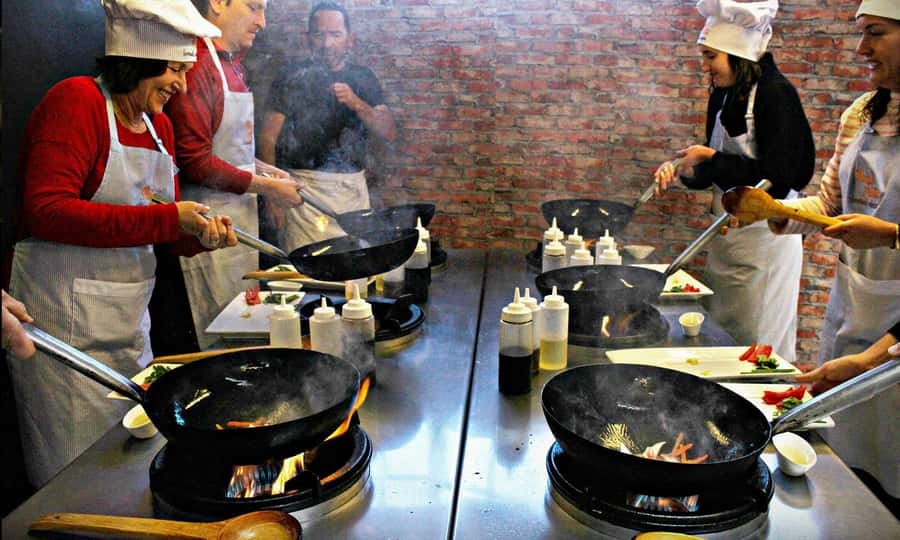
The drink portion is short but worthwhile. You taste a pisco sour, Peru’s emblematic cocktail, and learn how to make the pisco-based drink yourself.
That makes the class feel like a complete meal rather than a cooking demonstration followed by a plate of food. You prepare a starter or main course, sit down to eat, and get a drink lesson you can repeat at home.
The description specifically promises a pisco sour tasting, but it does not give a full list of cocktail ingredients or state how much alcohol is served. If you do not drink alcohol, mention that when booking and ask what alternatives are available.
Lunch and the Recipe Booklet
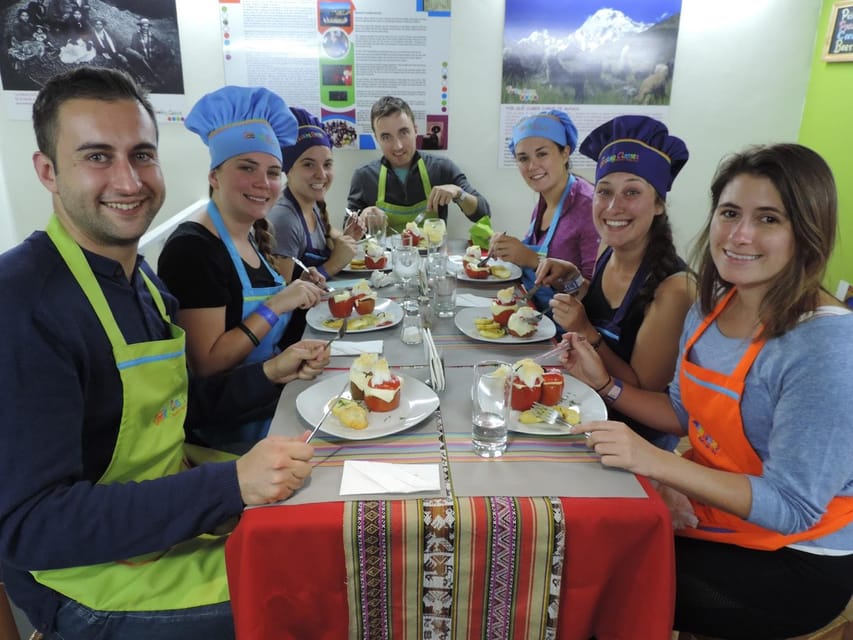
Lunch is included, and it consists of the dishes prepared during the class. This is an important value point. At $75 per person, you are paying for instruction, ingredients, a meal, and the pisco tasting, not only for a short demonstration.
The recipe booklet adds practical value. You can use it after returning home, especially if the chef explains techniques that are not obvious from a written recipe. I would keep notes about ingredient substitutions and local products while you cook, since Peruvian ingredients may not be easy to find in your home market.
The meal also gives the class a natural finish. After working in the kitchen, you get to taste the results while the recipes are still fresh in your mind. Bring water, and use the included meal as your main food plan rather than arriving expecting a separate restaurant lunch.
The $75 Price and What You Receive
At $75, this is not the cheapest way to eat in Cusco. The price makes more sense if you value instruction and participation. Your fee covers the professional chef, the ingredients, lunch, the pisco sour tasting, and a recipe booklet for every participant.
I see the strongest value in the combination of food and skill. A restaurant meal ends when the bill arrives. This class gives you techniques and recipes you can use again, which can make the cost worthwhile for home cooks and food-focused visitors.
The value is less clear if you mainly want to sample many dishes. You choose a limited menu and spend time preparing it, so a food tour or restaurant crawl may suit you better if variety is your priority.
The class also has a small group feel in its working format, though no group size is provided. Do not book it assuming private instruction or a set number of participants unless the provider confirms that directly.
Timing, Pickup, and Planning Your Day
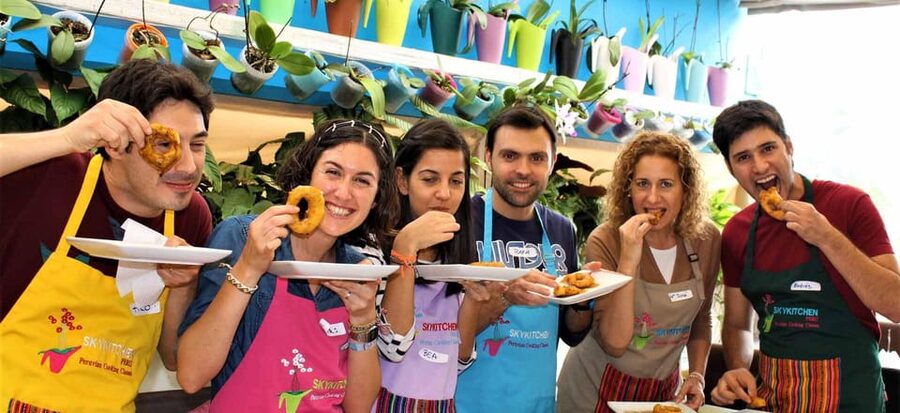
The listed duration is two hours, but the practical description says the cooking and fun may take about three hours. That difference matters. Leave extra time before your next activity, especially if you have a train, a timed visit, or a high-altitude day plan that requires rest.
Pickup is available from your hotel when the hotel is within Cusco’s historic center. If you are staying farther away, a meeting point is arranged in advance. Confirm the pickup details before the day of the class rather than assuming every Cusco hotel is covered.
Wear comfortable shoes. You may be standing and moving around the kitchen, and a market stop can add more time on your feet. Bring a camera if you want pictures, but do not bring outside food, which is listed as not allowed.
You should also mention food preferences or special dietary needs at the time of booking. The class says it can accommodate these requests, but it is specifically not suitable for people with food allergies. That distinction is important: a preference or dietary choice may be manageable, while a serious allergy may make the activity unsafe.
Who Will Enjoy This Cusco Cooking Class
I would recommend this experience to you if food is part of the reason you visit Peru. It works particularly well for couples, families, and small groups who want an activity they can do together rather than another sightseeing stop.
It also suits you if you like learning by doing. You will have more fun here if you are willing to chop, mix, season, and follow directions. The experience is not designed for someone who wants to sit back with a prepared lunch.
Cooks of different skill levels can take part because the chef provides guidance. You do not need to arrive with professional kitchen experience. Still, the available information does not specify the class language, group size, or kitchen accessibility, so ask about those points if they affect your decision.
I would be cautious about booking if you have a serious food allergy, dislike kitchen work, or have a tightly packed schedule. The menu also includes ingredients and flavors that may not suit everyone, especially the heat of rocoto or the raw seafood in ceviche.
Should You Book It?
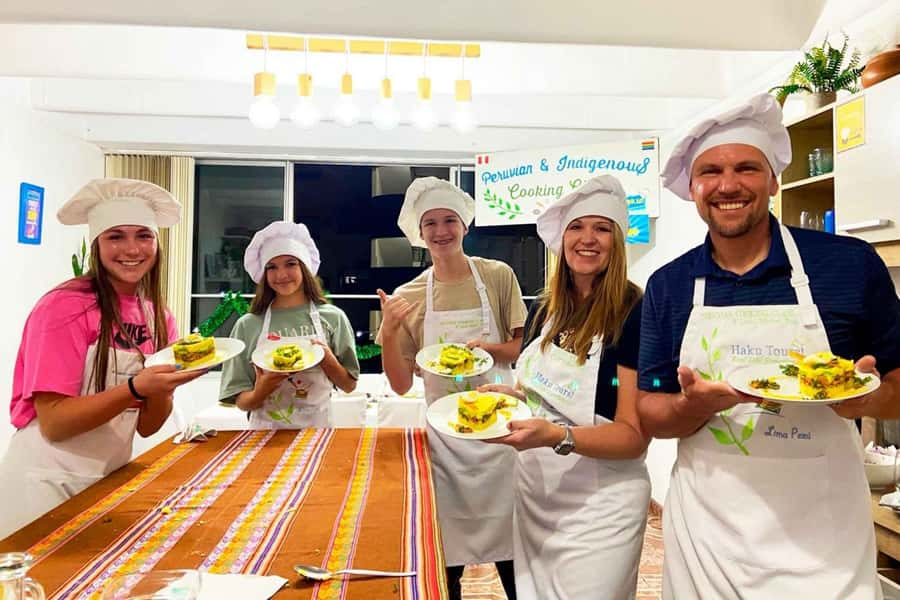
Book this class if you want an active food experience with a meal at the end and recipes to take home. The strongest reasons are the choice of Peruvian dishes, direct work with a professional chef, the pisco sour lesson, and the possible market-to-kitchen flow.
Before paying, confirm the real duration, the dishes available on your date, the pickup point, and how the chef handles your dietary needs. If those details fit your plans, $75 is a fair price for a cooking lesson, lunch, tasting, ingredients, and a lasting set of recipes. If you only want to eat and move on, spend the money at a restaurant instead.
FAQ
How much does the Cusco Peruvian cooking class cost?
The price is $75 per person.
How long does the cooking class last?
The activity is listed as two hours, but the description also says the cooking portion may take approximately three hours. Confirm the timing when you book.
Which dishes can I choose to prepare?
The available choices are quinoa with huancaína sauce, rocoto relleno, ceviche, lomo saltado, and pisco sour. You select from the available dishes during the booking or class arrangements.
Is lunch included?
Yes. Lunch is included, along with the ingredients used during the class.
Is a pisco sour included?
Yes. The experience includes a pisco sour tasting, and you learn how to prepare the drink.
Is hotel pickup available?
Pickup is available from hotels within Cusco’s historic center. If your hotel is farther away, a meeting point is arranged in advance.
Can people with dietary needs join the class?
You should provide dietary preferences or special dietary needs when booking, and accommodations may be possible. The activity is not suitable for people with food allergies.
Newest classes around Peru
- Lima: Cooking Workshop and Water Circuit Tour★ 5.0 · 16 reviews
- Lima: Peruvian cooking class and tour of Surquillo market★ 5.0 · 2 reviews
- Lima: Market Tour and Cooking Class with Pisco Sour★ 5.0 · 3 reviews
- Lima: Market Tour, 35 Fruits Tasting & Cooking Class★ 5.0 · 3 reviews
- Lima: 4-Course Peruvian Cooking Class in Miraflores★ 5.0 · 4 reviews
- Lima : Cooking Class – A Peruvian Culinary exploration★ 5.0 · 2 reviews
- Lima: Demo Cooking Class with Lunch at Cala Restaurant★ 4.1 · 4 reviews
- Cusco: 3-Hour Peruvian Cooking Class★ 4.7 · 16 reviews
Peru Cooking Classes, compared.
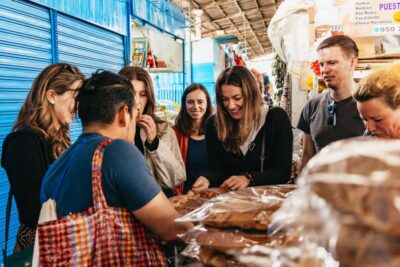
Peruvian Cooking Class, Cocktails & Local Market Tour
Read our review →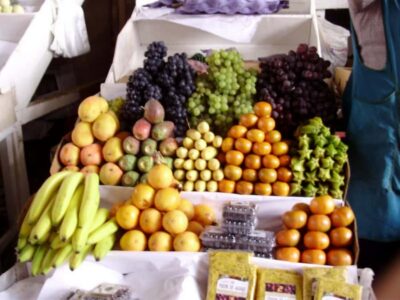
Cooking class and market tour with a local chef
Read our review →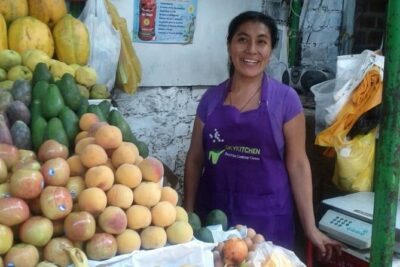
Market Tour, Tasting of 35 Fruits, and 4-Course Peruvian Cooking Class in Lima
Read our review →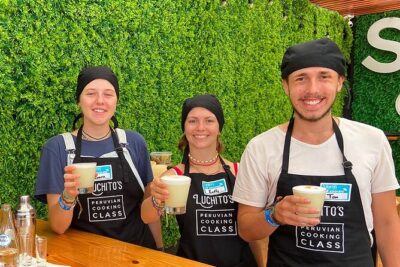
#1 Rated Cooking Classes with Local Market Tour & Pickup
Read our review →
Miraflores: Amazing Peruvian Cooking Class Ceviche Seafood and Pisco Sour
Read our review →
Cook with Maido’s creative chef and chef de cuisine
Read our review →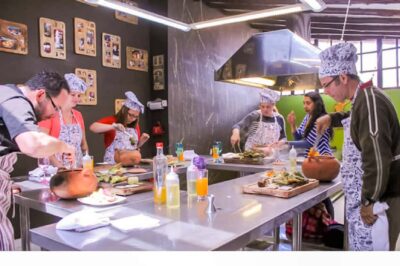
Browse the lists this tour appears in