
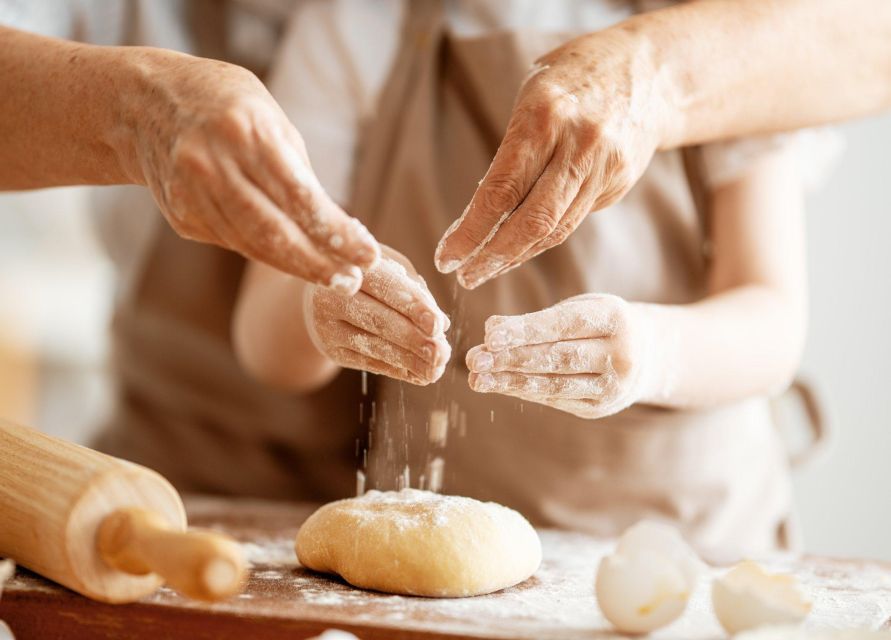
Review · NAPLES COOKING CLASSES
Cooking Lesson: Neapolitan pasta homemade
Naples takes pasta seriously, and this two-hour class puts you right in the middle of that tradition. You will make egg dough from a family recipe, roll it with a pin instead of a pasta machine, then shape ravioli and fettuccine by hand. I like the old-fashioned method and the chance to eat what you make with Neapolitan sauce and ragù.
I also like the small local tasting built into the lesson. Vesuvian tomatoes, homemade bread, and an organic starter show you why good pasta depends on good ingredients. The main consideration is gluten: this class is not suitable for people with gluten intolerance, and the two-hour schedule leaves little room for a slow, leisurely meal.
Key points to know before booking
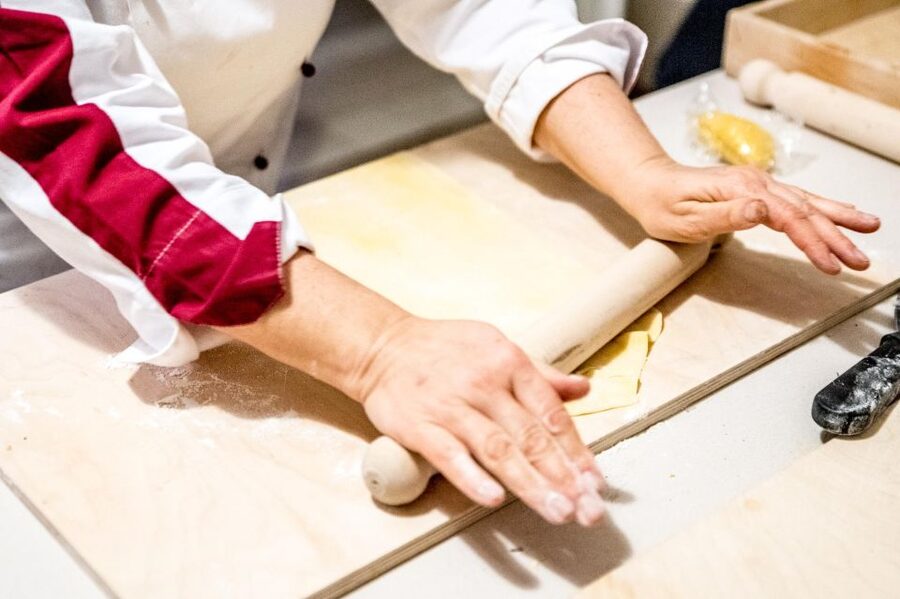
- Hand-rolled pasta: You knead and roll the dough with traditional tools rather than using a pasta machine.
- Two fresh pasta dishes: You prepare fettuccine and ravioli, then eat them with Neapolitan sauce and ragù.
- Local tasting included: Vesuvian tomatoes, homemade bread, and a local starter are part of the lesson.
- Chef Amos leads the class: The chef explains each stage and teaches several pasta shapes, including tagliolini and pappardelle.
- Central Naples setting: The usual meeting point is Naples Cooking Lab on Spaccanapoli, in the historic center.
- A practical souvenir: You receive a chef diploma, and the techniques are simple enough to try at home.
What this Naples pasta class is really like
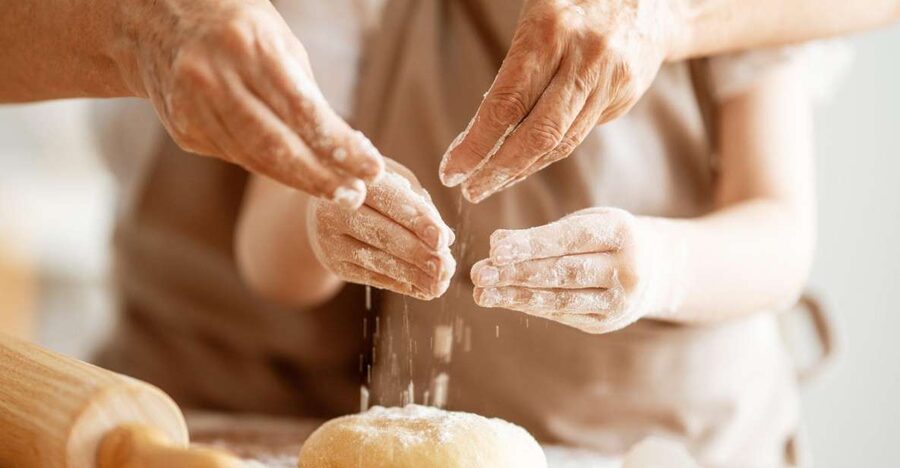
This is not a demonstration where you sit back and watch someone else cook. You work with the dough, shape the pasta, and sit down to eat the result. That hands-on format makes the class useful for cooks who want more than a pleasant meal.
The setting is Naples Cooking Lab on Spaccanapoli, the famous street running through the historic center. On some dates, the class is held at Pizzeria Mammina in Galleria Umberto I instead. You should check the final meeting details, since the venue can change and you will be informed ahead of time if it does.
The class lasts two hours. That is enough time to cover the full process without turning the lesson into an all-day commitment, but the pace should be fairly active. You will be moving from explanation to preparation, then from shaping to cooking and eating.
Chef Amos has led the lesson for at least one recent group, explaining each step and answering questions throughout the activity. Instruction is available in English, Italian, French, and Spanish, so you can choose the language that makes technical cooking directions easiest to follow.
More Pasta Making Classes in Naples
- Naples: Pasta Making Class with Starter and Drink
★ 4.9 · 1,060 reviews - Naples: Pasta Cooking Class with Tiramisù and a Drink
★ 4.6 · 415 reviews - Amazing Pizza and Pasta Class at Savio’s kitchen cooking school
★ 5.0 · 104 reviews
Starting with pasta types and the family recipe
The first part of the class explains the differences among pasta types. This gives you useful context before your hands get covered in flour. Fettuccine, ravioli, tagliolini, and pappardelle are not simply different names for the same thing. Their width, shape, and use with sauce all affect the final dish.
You then make egg pasta using the instructor’s family recipe. The ingredient list and dough are explained before you begin, including the character of an old-style recipe associated with 19th-century cooking. The point is not just to copy a formula. You learn what goes into the dough and how the stages fit together.
This is a good part of the class for beginners because you are not expected to arrive with pasta-making experience. You get a clear starting point, then take part in the process yourself. If you already make pasta at home, the value is in seeing a Neapolitan approach and learning the hand techniques.
After mixing, the dough rests. That pause is used well: instead of leaving you idle, the instructor serves a local starter. You taste organic products, tomatoes from Mount Vesuvius, and homemade bread. This small tasting connects the pasta lesson to Campania’s food culture and shows how much a simple dish depends on the quality of its ingredients.
Rolling dough without a pasta machine
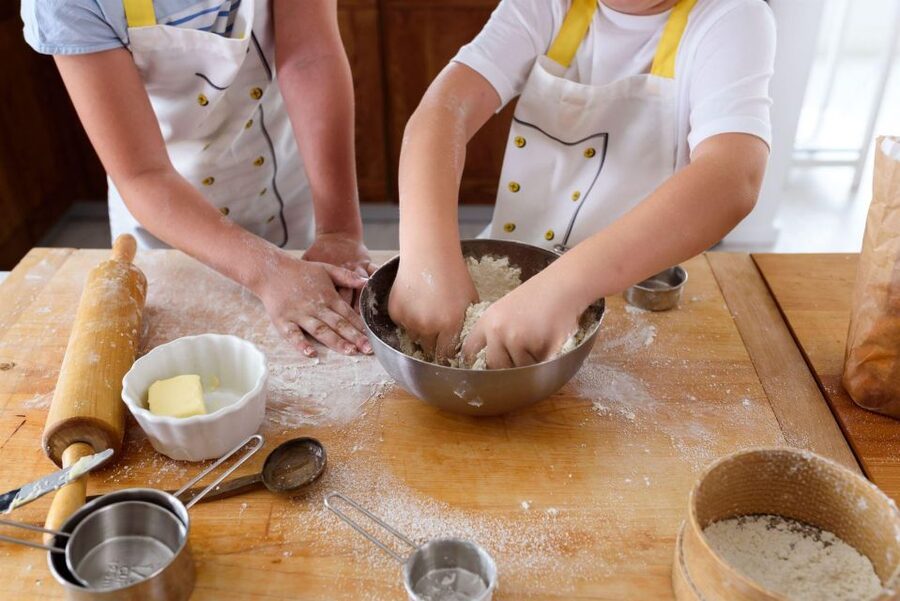
The most distinctive part of the class is the rolling. You use a rolling pin rather than a machine, following methods traditionally taught by grandmothers. That makes the lesson more physical and slightly less tidy than a modern kitchen demonstration, but it also gives you a better feel for the dough.
You will knead and roll the dough until it is ready to cut. The instructor shows techniques that have become less common as machines have taken over home kitchens. You should expect to use your hands and pay attention to the dough’s texture rather than simply feeding it through a roller.
I like this approach because it gives you a skill you can repeat with basic kitchen equipment. You do not need to buy a pasta machine before trying the recipe at home. The tradeoff is that hand-rolling takes effort, and the finished pasta may not look perfectly uniform. That is part of the point, not a problem to be corrected.
The lesson also covers tagliolini and pappardelle, even though the main dishes are fettuccine and ravioli. These extra shapes make the class more useful. You learn how a single sheet of pasta can be cut into different widths and used in different ways.
Making ravioli and fettuccine from the same dough
Once the dough is rolled, you cut it and shape the pasta. The class focuses on fettuccine and ravioli, two forms that give you different skills in one session.
Fettuccine teaches you to cut broad, even ribbons. The goal is not only to make attractive noodles but also to create pieces that cook at the same rate. Ravioli requires a different kind of care. You mix the filling, place it into the pasta, seal the pieces, and cut them into their final form.
This is where a short class can feel rewarding. You are not only learning how to make a dough. You are learning how to turn that dough into separate dishes with different textures and cooking needs.
The instructor also demonstrates tagliolini and pappardelle. Tagliolini is a thinner cut, while pappardelle is wider. Seeing these shapes side by side helps you understand how cutting changes the pasta experience, especially once sauce is added.
The supplied kitchen tools and aprons are included, so you do not need to bring cooking equipment. The class is wheelchair accessible, which is useful for anyone checking practical access before booking. The provided information does not specify the exact kitchen layout or seating arrangement, so you may want to ask ahead about any personal access requirements.
Same region, a different dish to learn:
- Naples: Neapolitan Pizza and Tiramisu Cooking Class
★ 4.9 · 258 reviews - Naples Pizza and Tiramisu Cooking Class
★ 5.0 · 173 reviews - Naples: Traditional Italian Food Cooking Class at Restaurant
★ 4.8 · 106 reviews - Naples Pizza Class: Learn, Bake & Eat the Authentic Pizza Taste
★ 5.0 · 103 reviews
From worktable to Neapolitan lunch or dinner
When the pasta is ready, it is cooked in water and finished with two sauces. You eat the fettuccine with Neapolitan sauce and the ravioli with ragù. This gives you a direct comparison between the pasta shapes and their sauces rather than sending you home with uncooked dough.
The meal is part of the class price, not an extra restaurant bill. One alcoholic or non-alcoholic drink is included as well. Additional drinks after that first one are not included, so keep that in mind if you plan to linger at the table.
The local starter comes before the pasta meal. The tomatoes from Vesuvius and homemade bread are not filler snacks. They help explain the instructor’s point about ingredient quality. A basic tomato sauce can taste very different when the tomatoes are good and the preparation is simple.
The class description refers to lunch or dinner, depending on the starting time. Check the available session when choosing your date. The two-hour duration includes the cooking and the meal, so this is a focused food activity rather than a long evening meal with several courses.
Is $92 a fair price?
At $92 per person, this class is not the cheapest way to eat pasta in Naples. You are paying for instruction, ingredients, kitchen use, an apron, tools, a local starter, two fresh pasta dishes, one drink, and a chef diploma.
The price makes more sense if you value participation. A restaurant meal would feed you, but it would not teach you to make ravioli and fettuccine by hand. Here, you get a practical skill, a meal, and a food lesson in one booking.
The value is strongest for couples, families, and small groups who want a shared activity. It can also work well for a special occasion. One recent group used the lesson for a bachelorette party, and the format suits that kind of gathering because everyone has a task and eats together afterward.
You should not book it solely for a polished culinary school experience. The class is built around traditional methods, not professional equipment or elaborate presentation. If you want a formal chef-training session, the short length and family-style approach may feel basic. If you want to learn a classic dish in a friendly, practical setting, the cost is easier to justify.
Who will enjoy this class most?
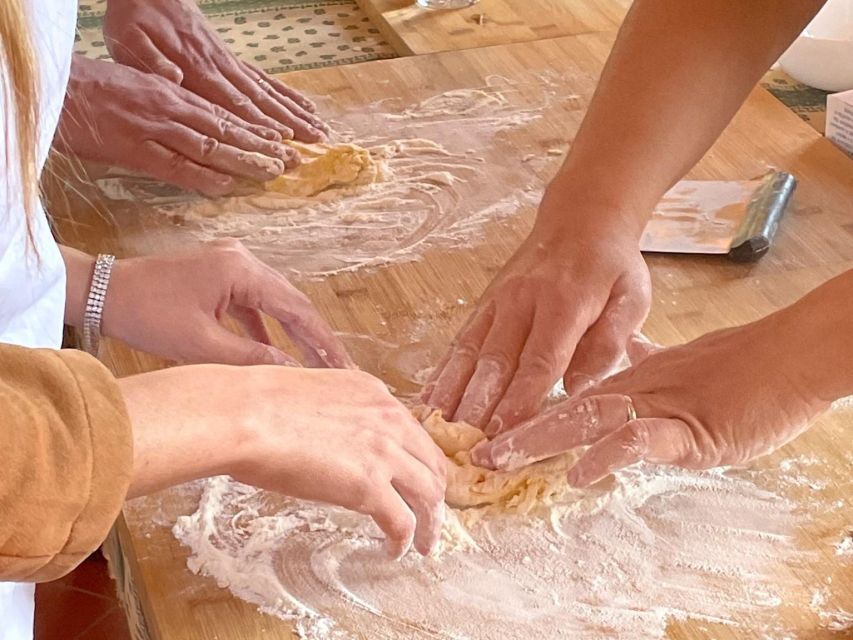
This experience suits you if you like to understand how food is made rather than only ordering it. It is especially useful for first-time pasta makers, since the instructor explains the dough, filling, shaping, and sauces in one continuous lesson.
It also suits people who want a central Naples activity. The usual venue is on Spaccanapoli, so the class fits easily into time spent exploring the historic center. The alternate location, Pizzeria Mammina in Galleria Umberto I, offers a different central setting if your session is moved there.
Families and groups should find the shared work appealing, though the information does not give a minimum age or exact group size. Ask before booking if you are traveling with young children or need a specific group arrangement.
The class is less suitable if you have gluten intolerance. Gluten-free substitutions are not listed, and the activity is built around traditional egg pasta. It is also not the right choice if you dislike hands-on cooking or want a quiet meal with no work involved.
Practical details that matter
You can cancel up to 24 hours before the activity for a full refund. A reserve-now, pay-later option is also available, which helps if your Naples schedule is still changing.
The meeting point is normally Naples Cooking Lab on Spaccanapoli. Since the class may instead take place at Pizzeria Mammina in Galleria Umberto I, check the notice sent before your appointment. Both locations are in central Naples, but you should not assume the venue without confirming.
The activity has a separate entrance for skip-the-line access. No transportation is included or needed according to the supplied details, so plan to reach the meeting point independently.
Aprons and kitchen tools are provided. You receive the cooking lesson, the local appetizer, the fresh pasta meal, one alcoholic or non-alcoholic drink, and a chef diploma. Any drinks after the included one cost extra.
The available teaching languages are English, Italian, French, and Spanish. Wheelchair access is listed, though it remains sensible to confirm details if you use a larger chair or need a particular table position.
Should you book the Neapolitan pasta lesson?
Book this class if you want a central Naples food activity that gives you something to do, not just something to eat. The strongest reasons are the hand-rolled dough, the traditional family method, the Vesuvian tomato tasting, and the chance to eat both ravioli and fettuccine with different sauces.
Think twice if gluten is an issue, if you want a long relaxed dinner, or if $92 feels high for a two-hour activity. For everyone else, the combination of instruction, lunch or dinner, local ingredients, and a take-home technique offers solid value. You leave with a full meal, a diploma, and a better idea of why fresh pasta is worth making by hand.
FAQ
Where does the pasta class take place?
The usual meeting point is Naples Cooking Lab on Spaccanapoli, in the heart of Naples’ historic center. Some sessions are held at Pizzeria Mammina in Galleria Umberto I, and you will be informed in advance if the venue changes.
How long does the cooking lesson last?
The activity lasts two hours, including the cooking lesson and the meal.
What pasta will I learn to make?
You will make fresh egg pasta, with a focus on fettuccine and ravioli. The chef also demonstrates how to prepare tagliolini and pappardelle.
Do I use a pasta machine?
No. The dough is rolled with a rolling pin using traditional methods rather than a pasta machine.
What food is included after the lesson?
You eat fettuccine with Neapolitan sauce and ravioli with ragù. A local starter, including Vesuvian tomatoes and homemade bread, is also included.
Is a drink included?
Yes. One alcoholic or non-alcoholic drink is included. Additional drinks after the first one are not included.
Is the class available in English?
Yes. Instruction is available in English, Italian, French, and Spanish.
Is the activity wheelchair accessible?
Yes, the activity is listed as wheelchair accessible.
Can I cancel or pay later?
You can cancel up to 24 hours in advance for a full refund. A reserve-now, pay-later option is also available.
More Italian Classes in Naples
- Cooking Class – Gnocchi like an Italian Grandma
★ 4.9 · 20 reviews - Cooking Class and Lunch at a Tuscan Farmhouse with Local Market Tour from Florence
★ 5.0 · 4,831 reviews - Tuscan Cooking Class and Dinner in Florence
★ 4.5 · 732 reviews - Rome Pasta Making Class with Italian Sauces and Wine Included
★ 5.0 · 645 reviews
Newest classes around Naples
- Naples: Hands-On Pasta Class Making Gnocchi & Tagliatelle★ 5.0 · 18 reviews
- Naples: 3 Recipes Cooking Class at Local’s Home★ 4.8 · 5 reviews
- Naples: Traditional Italian Food Cooking Class at Restaurant★ 4.8 · 106 reviews
- Naples: Pasta and Tiramisu Cooking Class with Local Chef★ 4.9 · 50 reviews
- Naples: Pasta and Gelato Cooking Class★ 4.9 · 8 reviews
- Naples: Markets and Cooking Class at Local’s Home★ 4.7 · 3 reviews
- Naples: Fresh Pasta Cooking Class and Dinner with a Local★ 4.9 · 69 reviews
- Cooking Class with Chef Alfio★ 5.0 · 3 reviews
Naples Cooking Classes, compared.
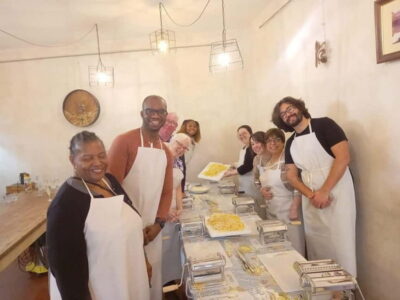
Traditional Italian Food Cooking Class at Restaurant
Read our review →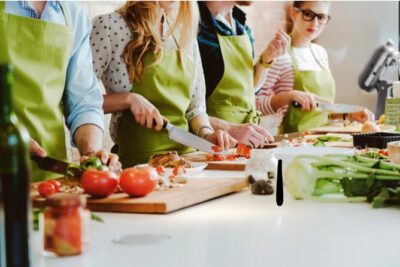
Amazing Pizza and Pasta Class at Savio’s kitchen cooking school
Read our review →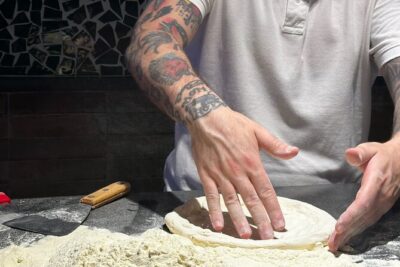
Naples Pizza Class: Learn, Bake & Eat the Authentic Pizza Taste
Read our review →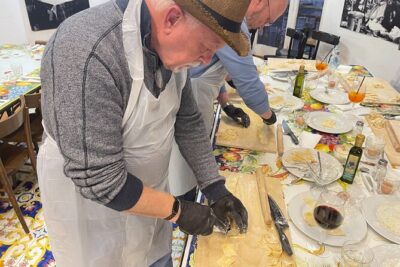
Hands-On Pasta Making and Traditional Tiramisu Workshop
Read our review →Browse the lists this tour appears in