
Review · MEXICO COOKING CLASSES
Puerto Vallarta Cooking Class Experience with Market Tour
Puerto Vallarta’s best food lesson may begin before you reach the kitchen. Chef Enrique starts at Mercado Palmar de Aramara, where you learn how to judge produce, fish, chiles, and other ingredients before buying what will become lunch. Then you make the meal in his home, with everyone taking part.
I like the market-to-table format, which gives the cooking real context, and I like the small maximum of eight people. You get more access to Enrique than in a large class, and his wife and assistants help keep the work moving. The main drawback is that the menu changes by weekday and market availability, so you cannot count on one exact dish. Alcohol is also listed separately, and one participant found that the promised margarita was missed.
Key points
- Shop with Chef Enrique: Learn how to select fresh fish, produce, chiles, spices, and other Mexican ingredients at Mercado Palmar de Aramara.
- Visit a tortilla factory: Buy fresh masa and learn why freshly prepared dough matters for homemade tortillas.
- Cook in a family home: The class takes place in Enrique’s house, creating a relaxed Mi Casa tu Casa setting rather than a formal culinary school.
- Choose from changing regional dishes: Depending on the day, you may prepare tacos, mole poblano, seafood, chiles rellenos, tamales, or birria.
- Eat what you make: The class ends with a sit-down lunch, purified water, and conversation with Enrique and the group.
- Plan for the practical details: Meet at 10 a.m., arrange your own way to the market, and expect the return from Enrique’s home to be by taxi or Uber.
Why this Puerto Vallarta cooking class feels different
Many cooking classes begin with premeasured ingredients waiting on a counter. This one begins with a shopping trip. That simple change gives you a better sense of how Mexican cooking works: the dish depends on the quality of the produce, the choice of chile, the freshness of the seafood, and what is available that morning.
You meet Chef Enrique at the Montero Produce Market, Palmar de Aramara Branch. The meeting point is at Océano Pacífico 151, and the start time is 10 a.m. There is no hotel pickup, so allow time to reach the market on your own.
The group can have no more than eight people. That size matters once everyone begins chopping, grinding, rolling, and cooking. You are not just watching a chef work from across a room. You should get a task, ask questions, and see how each part of the meal comes together.
The class is conducted in English, and Enrique is described as multilingual. His wife and assistants may also help with preparation and service. Several parts of the experience are suited to different ages and skill levels, but young children should be supervised around knives, heat, and busy market stalls.
More Cooking Classes with a Market Tour in Mexico
- Mexican Cooking Class with Food Market Visit in Mexico City
★ 5.0 · 506 reviews - Flavors of Oaxaca: Cooking Class with No Set Menu and Local Market Tour
★ 4.5 · 333 reviews - Taste of the Yucatan: Merida Cooking Class and Market Visit
★ 5.0 · 291 reviews
Starting at Mercado Palmar de Aramara
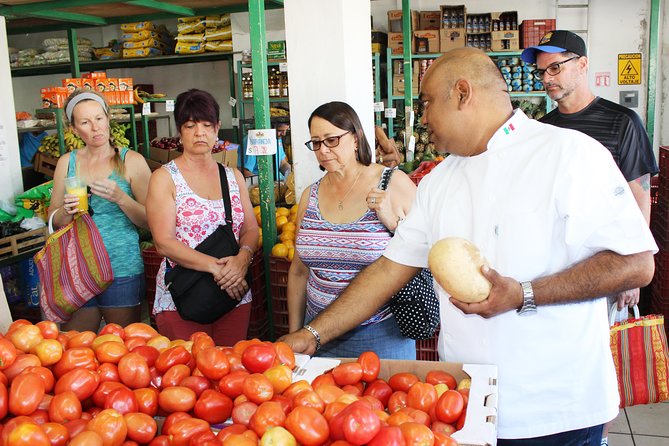
The first stop lasts about 45 minutes. Enrique leads you through the market and explains what he is looking for as he shops. This is where the tour earns much of its cultural value. You learn how to choose ingredients, not just what ingredients are called.
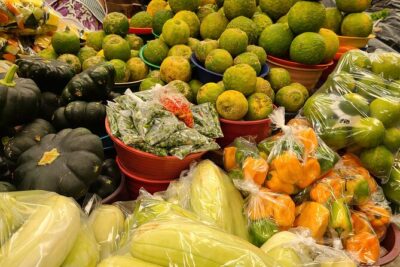
Expect produce stalls, unfamiliar fruits, chiles, spices, meats, cheeses, and seafood. The market can be hot, and you may spend much of this section standing. Bring water, wear a sun hat, and use comfortable shoes.
The market is also a working place, not a set built for sightseeing. You may need to step aside for shoppers, vendors, and deliveries. That can feel crowded at times, but it is part of seeing a real neighborhood market in use.
Enrique’s explanations cover more than cooking technique. You can ask about the language, the people who produce the food, and the way regional ingredients shape Mexican recipes. If you are curious about fish, chiles, or unfamiliar produce, this is the time to ask. Once you reach the kitchen, the shopping decisions will make more sense.
Fresh masa and the tortilla factory
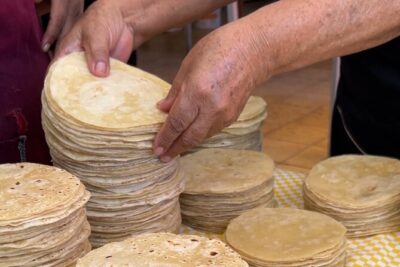
The next market stop takes about 15 minutes. You visit a local tortilla factory to buy the dough used for the class. You may hear the term nixtamalization during this part, the process that treats maize before it is ground into masa.
Fresh masa gives the tortilla lesson a useful connection to everyday Mexican food. Instead of starting with packaged tortillas, you work with dough that has been prepared for the day. You can roll and cook tortillas as part of the meal, depending on the day’s menu and the class schedule.
This stop is short, so do not expect a long technical demonstration of every step in tortilla production. Its main purpose is to buy the right dough and show you where tortillas fit into the local food system. Still, it is one of the details that makes this class feel tied to Puerto Vallarta rather than copied from a generic cooking studio.
Riding to Enrique’s home
After the market, the group rides in a comfortable minivan to Enrique’s home. Transportation is provided from the market to the house, but not from your hotel to the meeting point. The listed activity lasts about four hours, with roughly three hours devoted to the home-based cooking portion and meal.
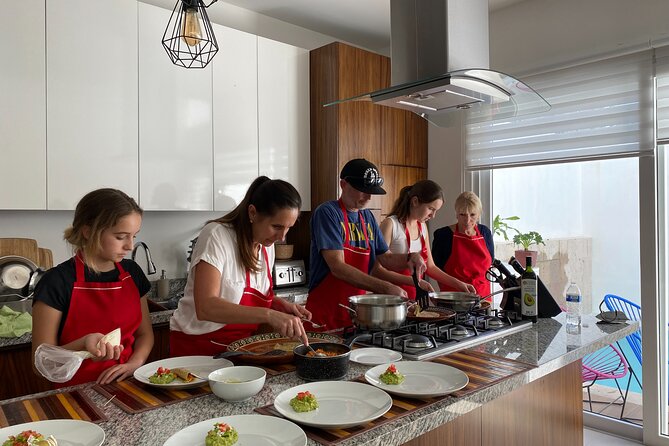
The home setting is important. You are not being placed at individual workstations with a scripted demonstration. You cook in a family environment, with Enrique, his wife, and assistants helping the group. The house is described as clean, and the cooking area is organized for participation.
That setup also means the experience is more personal than polished. Timing depends on the menu, the group, and the freshness of what was found at the market. If you prefer a tightly timed class with a fixed recipe and a professional teaching kitchen, this may feel informal. If you want conversation and a connection to a local household, it is a good fit.
Same region, a different dish to learn:
- Cabo San Lucas Mexican Cooking Class Experience and Local Markets
★ 5.0 · 915 reviews - Mexican Cooking from Scratch in a Local Home in Tulum
★ 5.0 · 585 reviews - Authentic Mexican Legacy Cooking Class in Cabo San Lucas
★ 5.0 · 530 reviews - Authentic Mayan Cooking Class in Cozumel
★ 5.0 · 344 reviews
The weekday menus and what you may cook
The menu changes by day. The chef can also modify it if the market does not have the right ingredients. Check the weekday before booking if one dish is especially important to you.
Monday is taco day, with al pastor or pibil pork tacos. You learn how the meat is marinated and cooked, then pair it with fresh tortillas and salsas. This is a practical choice for anyone who wants to bring a Mexican staple home and repeat it in their own kitchen.
Tuesday focuses on mole poblano. You work with cacao, chiles, and spices to create the chocolate-based sauce. The recipe uses more than 27 ingredients, so this is not a quick salsa lesson. It is the most involved menu and may appeal to experienced home cooks who want to understand how many small flavor decisions build a traditional sauce.
Wednesday is seafood day. Depending on the catch, the class may include ceviche, fish fillets, octopus tacos, shrimp aguachiles, enchiladas, tostadas, or other Mexican-style seafood. The exact selection depends on freshness, which is sensible for a coastal cooking class but makes the menu harder to predict.
Thursday brings chiles rellenos and tamales. These dishes draw on family-style recipes and require more preparation than a simple taco lunch. You may spend more time working through fillings, sauces, or dough.
Friday features birria in adobo sauce. You make home tortillas and salsas to go with the dish. Birria gives you a taste of Jalisco’s cooking traditions and is a strong choice if you want a substantial regional meal.
The class also regularly includes salsa de molcajete, a fresh chile sauce made with a mortar. Grinding the ingredients by hand helps you understand how the texture and flavor develop. Dessert is also included, though the specific dessert is not fixed.
Hands-on cooking, not just a demonstration
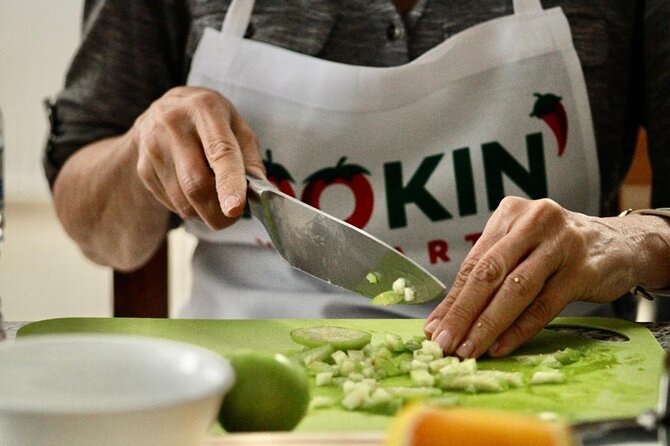
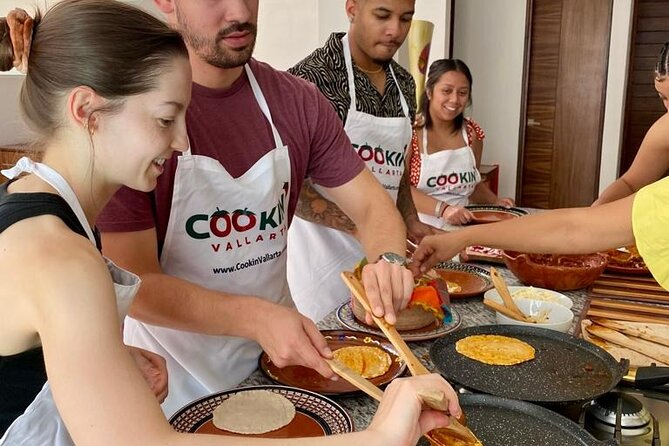
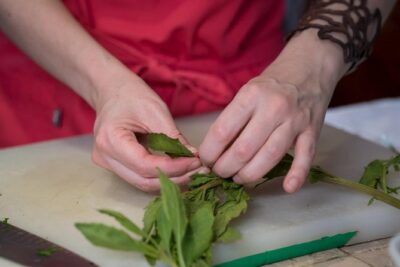
The strongest part of the class is the amount of work you get to do. You may chop, peel, grind, prepare marinades, shape tortillas, make salsa, and help with the main dish. The group shares the tasks, so you do not need advanced cooking skills.
Enrique’s teaching style is patient and practical. He explains not only what to do, but why a certain chile, cut of fish, or cooking method is used. That is valuable if you want recipes you can repeat at home rather than a one-time performance.
You should not expect every participant to prepare every component from start to finish. In a small group, some people will be chopping while others work on tortillas or sauces. Still, the maximum of eight gives you a fair chance to take part. If you prefer to watch a particular step, you can usually follow it closely and ask questions.
The kitchen is reported to be clean and carefully organized. Safety and sanitation receive attention, which matters when several people are working around hot pans and sharp tools. Activities can be adjusted for comfort level, and you can tell the provider about allergies, dietary restrictions, or mobility concerns when booking.
Vegetarian, vegan, and gluten-free planning
The menu can be adapted for vegetarian, vegan, and gluten-free participants. You should provide those details at booking rather than waiting until the market visit.
Because the class depends on fresh market ingredients, the chef may change the menu without advance notice. That flexibility is useful for dietary needs, but you should explain exactly what you cannot eat. General preferences and serious allergies are not the same thing.
Fresh corn tortillas may suit many gluten-free diners, but you should still confirm the full preparation with the chef. The same applies to sauces, marinades, stocks, and shared cooking surfaces. The provider specifically asks for food allergies, food restrictions, and mobility issues ahead of time.
The meal, tequila, and what is included
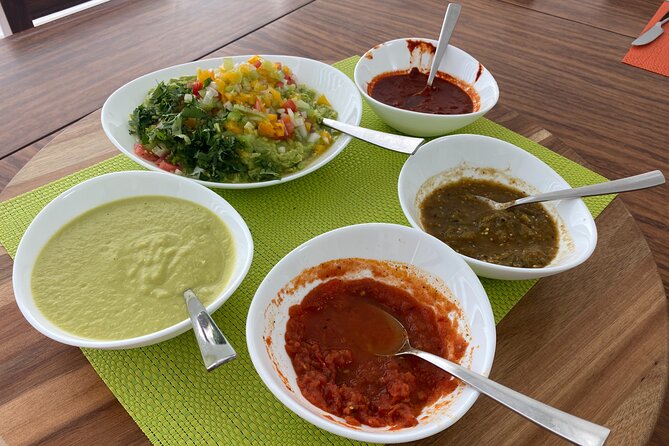
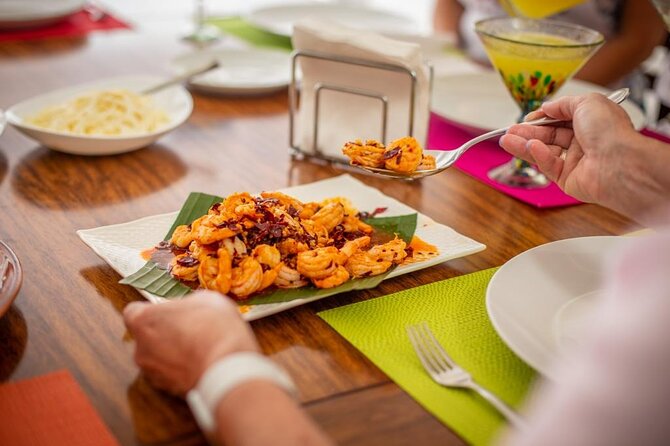
At the end, you sit down and eat the food prepared during the class. That makes the experience feel complete. You see how the ingredients moved from the market into the kitchen, then taste the result as a shared lunch.
Purified water and the full meal are included. Alcohol is not included in the listed price, although the program describes a tequila and mezcal tasting and sometimes a margarita or tequila with lunch. Clarify this before booking if the drink portion matters to you. At least one class participant found that a margarita was not served, so the alcohol element should not be your main reason for choosing the tour.
The food portions appear generous. You may prepare several components, including salsas, tortillas, a main course, and dessert. Come hungry, but do not expect to carry a meal away. The point is to eat together at the table and talk with the chef and your cooking partners.
Is $144.81 a good value?
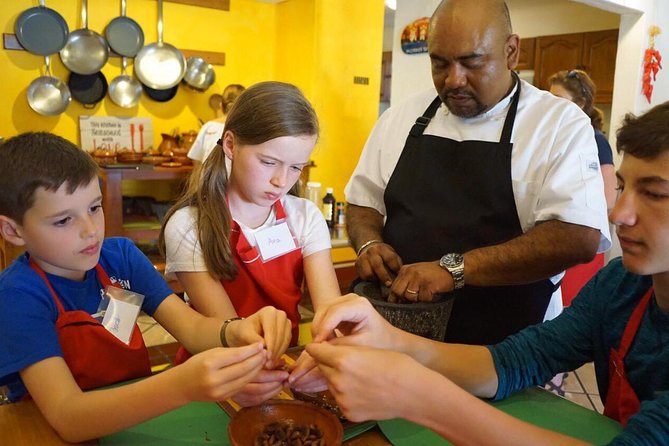
At $144.81 per person, this is not a cheap market visit or a basic group cooking lesson. You are paying for about four hours, a guided market walk, transportation from the market to the chef’s home, instruction, ingredients, a full lunch, and a small group capped at eight.
The value is strongest if you care about food culture and want more than a recipe card. You receive guidance on shopping, fresh ingredients, Mexican cooking methods, and regional dishes. The meal itself also replaces the cost of lunch, though alcoholic drinks are separate.
The price is less appealing if you mainly want to see a market or eat a prepared meal. You will do real kitchen work, and the class is not simply a food tasting. You also need to pay for your own way to the market and your return from Enrique’s home.
For a special vacation activity, the price is reasonable for the personal attention and the amount of food included. I would book it for people who value contact with a local cook and want skills they can use at home. I would skip it if you dislike cooking, standing in the heat, or menus that can change.
Timing, meeting points, and practical planning
The activity begins at 10 a.m. at Mercado Palmar de Aramara. Plan your route carefully because hotel pickup and drop-off are not included.
The minivan takes you from the market to Enrique’s house. At the end, you can take a taxi or Uber from the house in Jardines de Las Gaviotas to your resort or next stop. The ending point is not the same as the market meeting point, so do not leave a rental car or other transportation plan at the chef’s house unless you have arranged it.
Wear cool clothing and comfortable shoes. Bring water and a sun hat for the market. You may stand for much of the first hour, and the cooking portion requires you to remain active.
The experience usually runs for about four hours. Build in extra time if you have an important afternoon reservation, since market shopping, cooking, and a shared lunch do not always move at exactly the same pace.
Free cancellation is available up to 24 hours before the start time. The activity can be canceled if the minimum number of participants is not reached or if weather prevents the tour from operating. In either case, you are offered another date or a full refund.
Who should book this experience?
I would choose this class if you want a personal introduction to Mexican food and enjoy learning by doing. It suits solo visitors, couples, families with older children, and groups of friends. A solo participant can easily join the small group, and the shared meal gives the morning a social shape.
It is also a good option for repeat visitors to Puerto Vallarta. The market visit takes you beyond the resort zone, while the changing menus mean you can return on another trip and cook something different.
Families should judge their children honestly. Some children can help with simple preparation, and activities can be adapted, but the market is hot and the kitchen includes knives and heat. Teenagers and adults who enjoy food will get more from the class than very young children.
People with mobility concerns should contact the provider before booking. The market involves standing and walking, and the cooking area may require you to move between tasks. Dietary restrictions are welcome when shared in advance, but the final menu remains subject to market freshness.
Should you book Chef Enrique’s market-to-table class?
Book it if you want to understand Mexican cooking from the ingredient stage onward. The strongest reasons are the market instruction, the home kitchen, the chance to prepare a full meal, and the small group. Chef Enrique’s focus on ingredient selection and technique gives you useful lessons to take home.
Do not book it expecting a fixed menu, hotel transportation, or a guaranteed margarita. The day is shaped by the weekday schedule and what looks freshest at the market. For me, that uncertainty is part of the appeal, as long as you are comfortable with a flexible plan.
At $144.81, this is a worthwhile splurge for food-minded visitors who want a warm, hands-on cultural experience. It is less suitable for anyone seeking a quick tasting or a fully polished demonstration. Arrive ready to shop, chop, taste, and share the table.
FAQ
Where does the Puerto Vallarta cooking class begin?
The class begins at 10 a.m. at Montero Produce Market Palmar de Aramara Branch, located at Océano Pacífico 151 in Palmar de Aramara, Puerto Vallarta.
Is hotel transportation included?
No. Hotel pickup and drop-off are not included. Transportation is provided from the market to Chef Enrique’s home, and you can take a taxi or Uber from the home after the class.
How long does the experience last?
The experience lasts about four hours. The market portion takes about one hour, and the cooking class and meal take about three hours.
What dishes might I prepare?
The weekday menus include al pastor or pibil pork tacos on Monday, mole poblano on Tuesday, seafood dishes on Wednesday, chiles rellenos and tamales on Thursday, and birria in adobo sauce on Friday. Salsa, tortillas, and dessert may also be part of the meal.
Can the menu accommodate dietary restrictions?
Menus can be adapted for vegetarian, vegan, and gluten-free participants. Tell the provider about allergies, food restrictions, or other dietary needs when you book.
Are drinks included?
Purified water and the meal are included. Alcoholic beverages are not included in the listed price, although tequila, mezcal, or a margarita may be offered as part of the class experience.
What happens if the class is canceled?
If the class is canceled because of poor weather or because the minimum number of participants is not reached, you are offered another date or a full refund. You can cancel for a full refund up to 24 hours before the start time.
Newest classes around Mexico
- Private Pre-Hispanic Cooking Class in Mexico City with Martha★ 5.0 · 19 reviews
- Tasty Mexican Cooking Class with Feast in Riviera Maya★ 5.0 · 99 reviews
- Flavors of Mexico: Cancun Cooking Class & Market Visit★ 4.5 · 5 reviews
- Private Authentic Mexican Cooking Class in Cancun with Alberto★ 5.0 · 3 reviews
- Cancun small group Cooking Class with Local Chef★ 5.0 · 61 reviews
- Cancun Hands-On Mexican Cooking Class★ 4.5 · 95 reviews
- 4h Cooking Class in Cancun with 8 Recipes & Bottomless Drinks★ 5.0 · 50 reviews
- Private Mexican Cooking Class in Your Cabo San Lucas Villa or Condo★ 5.0 · 8 reviews
Mexico Cooking Classes, compared.
Cabo San Lucas Mexican Cooking Class Experience and Local Markets
Read our review →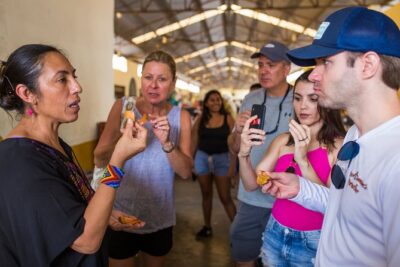
Mexican Cooking from Scratch in a Local Home in Tulum
Read our review →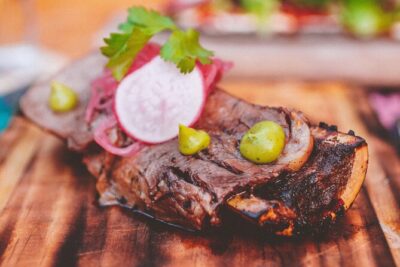
Mexican Cooking Class with Food Market Visit in Mexico City
Read our review →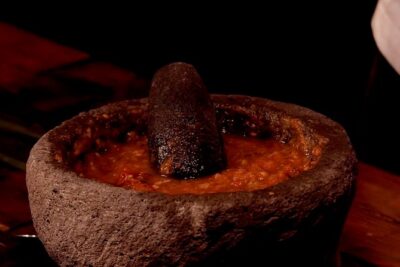
Flavors of Oaxaca: Cooking Class with No Set Menu and Local Market Tour
Read our review →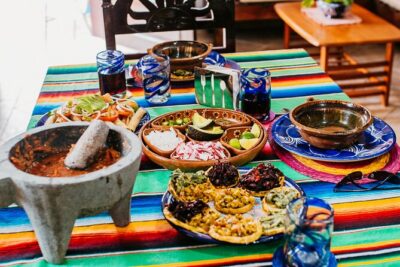
Taste of the Yucatan: Merida Cooking Class and Market Visit
Read our review →Browse the lists this tour appears in