
Review · PALERMO COOKING CLASSES
Sicilian Cooking Class
Palermo’s best cooking lessons start before the stove is lit. Here, you meet near Porta Carini and walk through the Capo Street Market with chef Michael, choosing the ingredients that will become your lunch or dinner. That market visit gives the class a useful sense of place. You are not just following a recipe. You are learning what Sicilian cooks buy, and why.
I like two things in particular: the small group size, capped at eight, and the hands-on format. Michael explains the food, demonstrates the technique, and gives you a real job at the counter. The meal is also a proper four-course spread, with wine, coffee, and homemade liqueurs included.
The main consideration is the setting. The cooking school is reached by a steep flight of stairs, and the class is not recommended for people with severe food allergies. The menu changes with the season, so you should expect a well-chosen Sicilian meal rather than a fixed list of dishes.
Key points at a glance
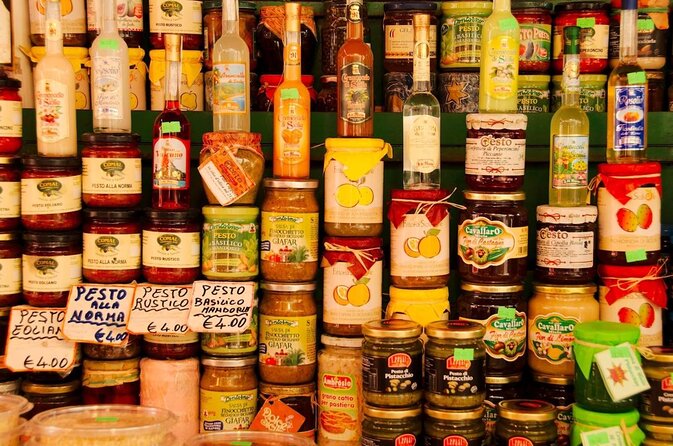
- Capo Market comes first: Shop for fresh ingredients in one of Palermo’s old-town markets before cooking.
- Michael leads the class: He teaches in English and combines recipes with practical advice about Sicilian food and cooking.
- Four courses are prepared: Expect a starter, pasta, main course, and dessert, with the exact menu shaped by the season.
- You do the work: Pasta making, cleaning vegetables, frying, assembling, and other kitchen tasks are part of the lesson.
- The meal is part of the price: Sicilian wine, coffee, water, and homemade liqueurs accompany the food you prepare.
- Plan for the stairs: The class takes place in a nearby apartment-style cooking studio with a steep flight of stairs.
Why this Palermo cooking class feels different
Many cooking classes begin in a polished kitchen with ingredients already measured and waiting. This one begins in the Capo market, near Porta Carini. That small change matters. You see the produce before it becomes a dish, and you get a closer look at the everyday food culture of Palermo.
Michael leads the group through the market and selects what is needed for the meal. The shopping is not just a quick collection of groceries. He explains ingredients, talks about seasonal cooking, and shows you how local buying works. If the market is open and active, this should be one of the most useful parts of the morning.
Do keep expectations flexible. Market activity can vary with the weather and the day. One class found much of the market closed because of rain, but the cooking lesson still went ahead. The experience is built around the food and the teaching, not only the market walk.
The class is offered in English, and Michael is described as a clear, patient teacher who answers questions as he works. That makes a difference when you are learning unfamiliar techniques or trying to understand why a Sicilian recipe uses ingredients such as wild fennel, saffron, currants, almonds, or pine nuts.
More Italian Classes in Palermo:
- Palermo: Market Tour and Sicilian Cooking Class with Lunch
★ 4.9 · 229 reviews - Wanna be Sicilian: Palermo Cooking Class and Market Tour
★ 5.0 · 197 reviews - Palermo: Exclusive Sicilian cooking class at the home of a well-known Italian chef
★ 5.0 · 75 reviews
Meeting at Porta Carini and entering the Capo market
The meeting point is listed at Parcheggio ORLANDO, Piazza Vittorio Emanuele Orlando 49, near Porta Carini. The start time is 10:00 a.m. From there, you head into the Capo Street Market.
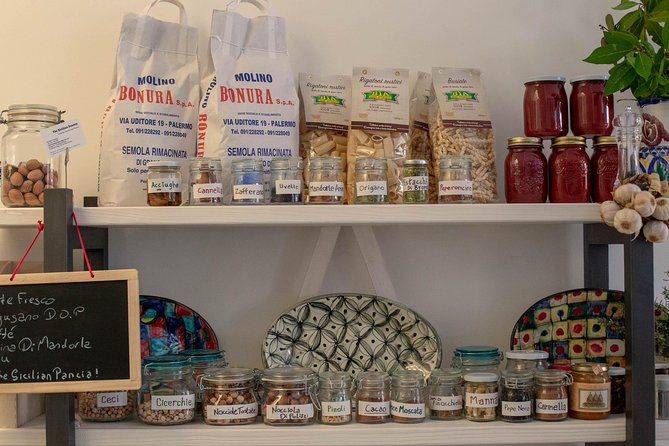
The Capo is a fitting place to begin because the class focuses on dishes tied to Palermo. You might encounter the ingredients for panelle, artichokes, sardines, swordfish, fresh pasta, or desserts made with ricotta and almonds. The exact shopping list depends on what is fresh and suitable for the day’s menu.
I like this part because it gives you a better way to read Palermo’s food stalls later in your trip. After hearing how ingredients will be cleaned, seasoned, or cooked, you are more likely to recognize their role when you see them in a restaurant or market.
The market is also where Michael adds context. He does not simply point to an ingredient and name it. The class uses the shopping time to explain how Sicilian dishes developed and how recipes adjust to the season. That is useful information you can carry home, even if you never repeat the whole menu.
From market basket to air-conditioned kitchen
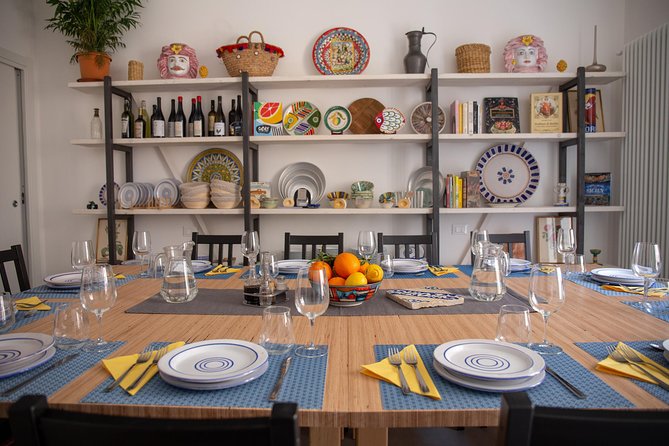
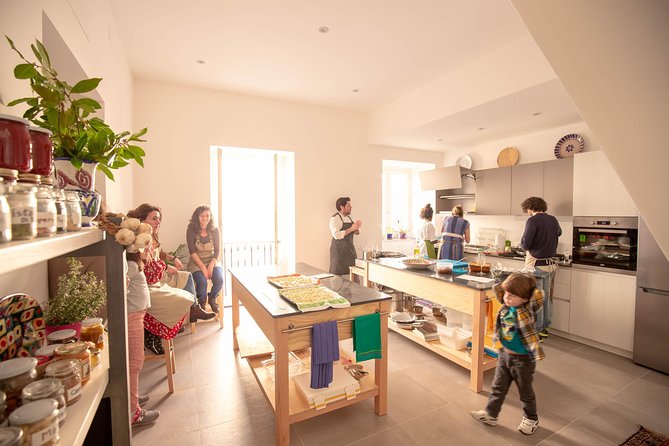
After shopping, the group walks to the cooking school. The kitchen is air-conditioned, which is welcome in Palermo’s warmer months. The setting is described as a quaint apartment-style studio with a large kitchen and dining area, rather than a formal culinary academy.
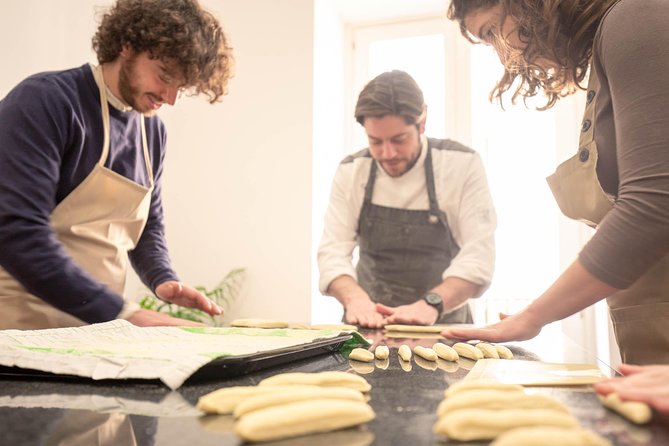
That atmosphere suits the class. You cook, talk, and work around the same space before sitting down to eat. The group size is limited to eight, and several sessions had six participants. That is small enough for Michael and his assistant to give people individual help without turning the class into a private lesson.
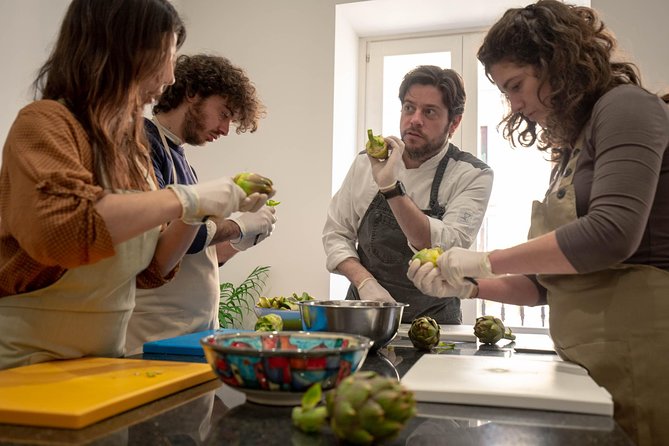
The work is hands-on. You may clean and cut vegetables, prepare fillings, shape food, make pasta, and help with sauces. The teaching includes practical tips on knife use and kitchen tools. One useful example is learning how to handle a scraper tool correctly when working with dough.
You will not be left to struggle without help, but this is still a cooking class, not a demonstration with a meal placed in front of you. If you want to participate, ask questions, take notes, and volunteer for each stage. The relaxed pace helps beginners, while more experienced cooks can pick up small technique changes and Sicilian shortcuts.
The four-course menu and what it teaches
The meal is designed around four parts: starter, pasta, main course, and dessert. Because the class uses seasonal ingredients, you may not prepare every dish listed below. That is a strength, not a weakness. Sicilian cooking makes more sense when it responds to what is good in the market.
More Cooking Classes in Palermo:
- Palermo: Pizza and Gelato Cooking Class with Dinner and Wine
★ 4.9 · 951 reviews - Palermo: Pasta & Tiramisu Cooking Class at a Local’s Home
★ 4.9 · 74 reviews - Palermo: Half-Day Cooking Class & Market Tour
★ 4.9 · 60 reviews - Market Tour, Traditional Cooking and Limoncello class
★ 5.0 · 35 reviews
Palermo street food in the first course
Panelle are fried chickpea fritters, usually served with lemon. They are a Palermo classic and a good introduction to the city’s love of simple, satisfying street food. The ingredients are modest, but the texture and frying technique matter.
You might also prepare arancine al burro, saffron-flavored rice balls filled with ham and cheese, then breaded and fried. Carciofi fritti, or fried artichokes, may appear as another starter. Cleaning and quartering fresh artichokes gives you a practical kitchen task, and frying teaches timing more clearly than a written recipe ever could.
These are not delicate tasting-menu bites. They are hearty, generous foods with crisp coatings and rich centers. Come hungry.
Fresh pasta and Palermitan flavor
The pasta course may be fresh pasta with a simple tomato sauce, or pasta con le sarde. The first option lets you make southern Italian-style pasta by hand and see how flour, dough, shaping, and sauce fit together.
Pasta con le sarde is more specifically Palermitan. It combines fresh sardines with wild fennel, saffron, currants, and pine nuts, then finishes with toasted breadcrumbs. The sweet, savory, herbal, and nutty notes show how Sicilian cooking reflects many strands of Mediterranean food culture without becoming complicated for its own sake.
The class may also use a special sauce prepared by Michael. One session included a sauce he makes only once a year. You should not expect to reproduce every part of the meal exactly at home, but the method and flavor combinations give you a useful starting point.
Main courses with meat or fish
The main course may be involtini di carne, thin meat rolls filled with cheese, breadcrumbs, currants, and almonds. They are skewered, breaded, and roasted. This is a family-style dish, and its filling shows the recurring Sicilian pairing of savory ingredients with dried fruit and nuts.
Another possibility is pesce spada panato, slices of swordfish coated in breadcrumbs seasoned with parsley, mint, and lemon zest. The dish is straightforward, but it depends on good seasoning and careful cooking. The class gives you a chance to see how a few fresh ingredients can carry a main course.
If you do not eat meat, contact the provider about dietary needs before booking. One group had a vegetarian menu adjustment without changing the meal for everyone else. That is encouraging, but severe food allergies are specifically discouraged, so do not assume the kitchen can safely manage a complex allergy.
Sicilian desserts at the end
Dessert may be cannoli, cassata, or almond granita. Cannoli use fried pastry tubes filled with sweet ricotta cream, candied orange peel, and pistachios from Bronte. Cassata combines sponge cake, sweet ricotta, almond paste, and candied fruit. Both are classic, rich, and distinctly Sicilian.
Granita di mandorle is lighter. It is a frozen almond dessert made with water, sugar, and almonds. The contrast is welcome after fried starters and a substantial main course.
Some sessions have included watermelon pudding or other seasonal sweets. Again, treat the menu as a guide to the style of the class, not a promise of every listed dish.
Sitting down to eat what you made
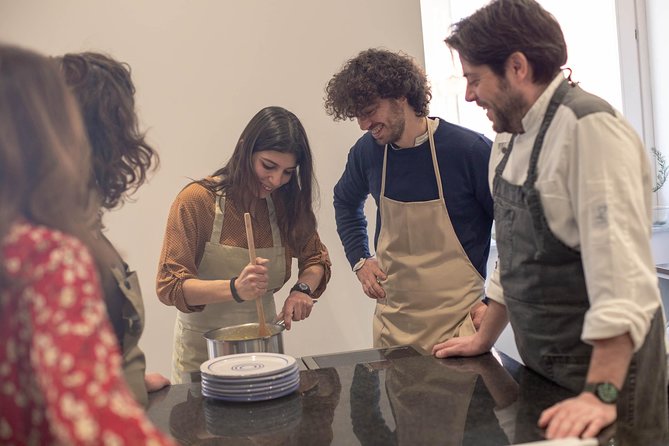
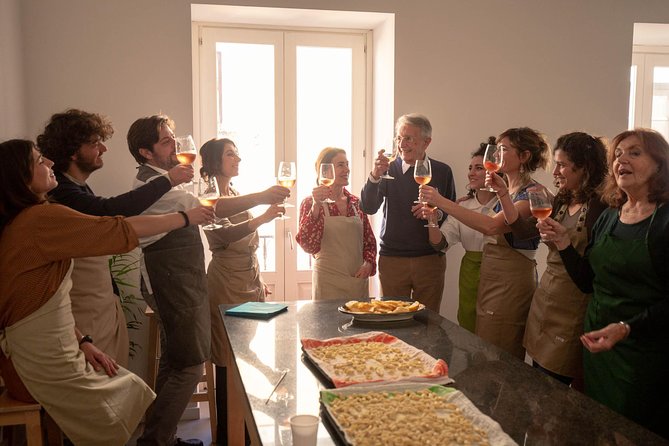
Once the cooking is finished, everyone sits down for the meal. This is not a quick final taste at the counter. You get a four-course lunch or dinner with Sicilian wines, followed by coffee and homemade liqueurs.
That shared meal is one of the strongest parts of the format. You have spent the morning working together, so the table feels social rather than formal. The class has included people from different countries, and the small group encourages conversation without making the room feel crowded.
The wine is part of the experience, but you can still focus on the food. Michael continues to answer questions and explain the dishes as you eat. Homemade orange liqueur has been served, along with other homemade spirits. Coffee rounds things off.
The portions have been described as generous but manageable. You should arrive ready for a full meal, not a snack. The class lasts about four and a half hours, so allow most of your morning and early afternoon for the complete experience.
Is $118.56 a fair price?
At $118.56 per person, this is not the cheapest way to eat in Palermo. You can buy street food for far less. But the price includes more than lunch.
You are paying for a market visit, an English-language lesson, ingredients, access to an air-conditioned kitchen, hands-on instruction, a four-course meal, wine, coffee, and homemade liqueurs. You also leave with techniques you can use at home. Several participants received a cookbook, though that may not be guaranteed for every session, so treat it as a possible extra rather than a promised inclusion.
The value improves if you enjoy cooking or want an activity that combines food with local context. It is less compelling if you only want a quick meal or prefer to watch rather than participate.
The class is usually booked well ahead, with an average booking lead time of 77 days. That suggests you should reserve early, especially if your Palermo dates are fixed or you want a particular morning. Free cancellation is available up to 24 hours before the start time. Changes or cancellations inside that window are not accepted for a refund.
Who should book, and who should think twice?
I would recommend this class to couples, families, solo visitors who enjoy meeting people, and anyone who wants more than a restaurant meal. It also suits curious teenagers. A 13-year-old took part successfully, and the work can be enjoyable for adults and younger cooks who like practical tasks.
You do not need to be an expert. Michael’s pace is designed to keep the cooking relaxed, and the instruction covers basic techniques as well as Sicilian recipes. The class is especially useful if you want to learn how to make fresh pasta, handle local produce, or understand dishes you might otherwise only order.
Think twice if you have a severe food allergy, since the experience is not recommended in that case. You should also ask about any dietary requirement in advance. The steep stairs to the apartment-style kitchen may be difficult for anyone with mobility issues, and service animals are allowed.
My verdict on Michael’s Sicilian cooking class
I would book this if I wanted one food activity in Palermo that combines market culture, cooking, and a proper shared meal. The market visit gives the class local texture, while the small group and Michael’s clear English keep the lesson practical.
The only real uncertainties are the seasonal menu, changing market conditions, and the stairs. Those are easy to weigh against the main benefits: fresh ingredients, genuine participation, a full four-course meal, and a host who brings both cooking skill and personal warmth to the table.
If you want to eat Sicilian food without learning how it is made, choose a restaurant. If you want to understand the food and then sit down to enjoy the results with wine, this class is a strong choice.
FAQ
Where does the Sicilian cooking class meet?
You meet at Parcheggio ORLANDO, Piazza Vittorio Emanuele Orlando 49, near Porta Carini in Palermo. The group then visits the nearby Capo Street Market before walking to the cooking school.
What time does the class start?
The class starts at 10:00 a.m. and lasts approximately four hours and 30 minutes.
Is the class taught in English?
Yes. The experience is offered in English, and chef Michael leads the instruction.
How many people can join the class?
The maximum group size is eight people.
What food will I prepare?
The class prepares a seasonal four-course Sicilian meal with a starter, pasta, main course, and dessert. Possible dishes include panelle, arancine, fried artichokes, fresh pasta, pasta con le sarde, meat involtini, breaded swordfish, cannoli, cassata, and almond granita.
Are wine and other drinks included?
Yes. The meal includes a selection of Sicilian wines, coffee, and homemade liqueurs. Water is also served.
Can I cancel for a full refund?
You can cancel at least 24 hours before the experience start time for a full refund. Cancellations or changes made less than 24 hours beforehand are not accepted for a refund.
Newest classes around Palermo
- Palermo: Sicilian Cuisine Social Cooking Class & Dinner★ 5.0 · 4 reviews
- Palermo: Pasta & Tiramisu Cooking Class at a Local’s Home★ 4.9 · 74 reviews
- Palermo: Shopping at Capo Market and Sicilian Cooking Class★ 5.0 · 2 reviews
- Palermo: Italian Cooking MasterClass with Food & Wine★ 5.0 · 2 reviews
- Palermo: Sapore di Strada Cooking Class★ 4.7 · 22 reviews
- Palermo: Cooking and Limoncello Class★ 4.6 · 14 reviews
- Palermo: Authentic Italian Cooking Class★ 4.6 · 15 reviews
- Palermo: Exclusive Sicilian cooking class at the home of a well-known Italian chef★ 5.0 · 75 reviews
Palermo Cooking Classes, compared.
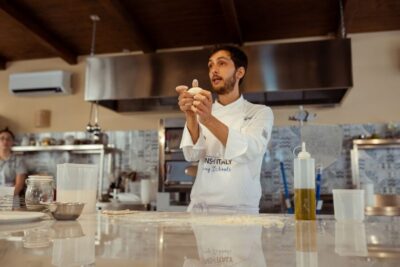
Pizza and Gelato Cooking Class with Dinner and Wine
Read our review →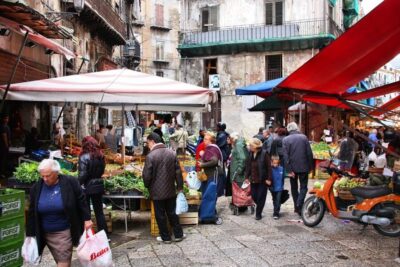
Market Tour and Sicilian Cooking Class with Lunch
Read our review →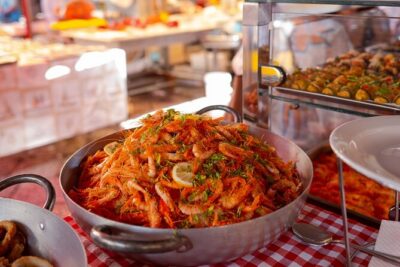
Wanna be Sicilian: Palermo Cooking Class and Market Tour
Read our review →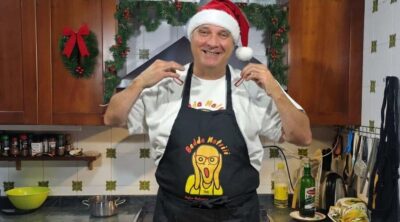
Exclusive Sicilian cooking class at the home of a well-known Italian chef
Read our review →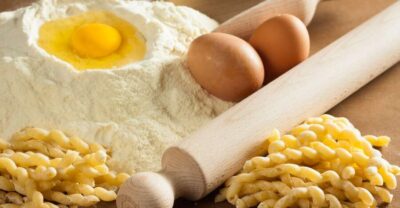
Pasta & Tiramisu Cooking Class at a Local’s Home
Read our review →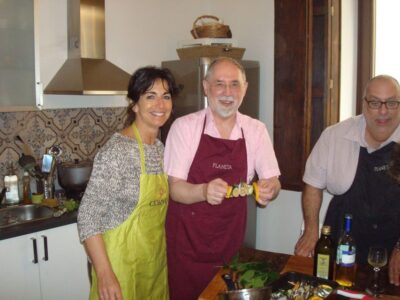
Market Tour, Traditional Cooking and Limoncello class
Read our review →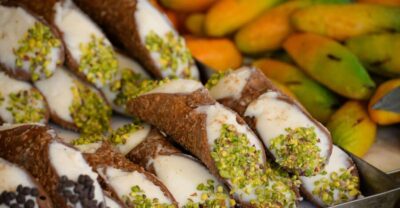
Browse the lists this tour appears in