
Review · LIMA COOKING CLASSES
Cook with Maido’s creative chef and chef de cuisine
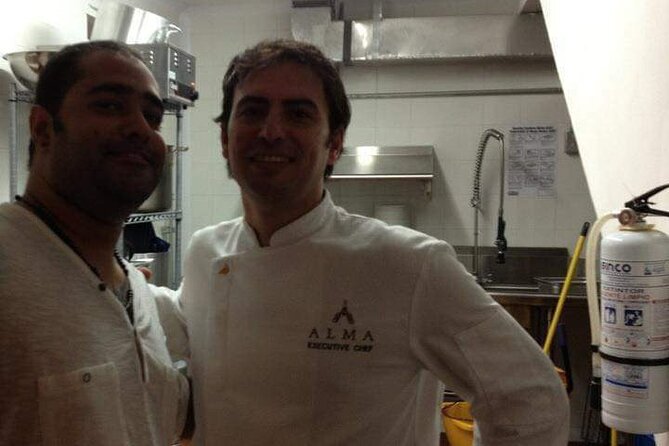
Lima’s food scene comes into focus when you cook with a chef from Maido, the celebrated Peruvian restaurant. Chef Hector Aguilsr or Chef Jose Aguilar leads a hands-on class covering Peruvian food culture, practical cooking skills, and the famous pisco sour. You do more than watch a demonstration: you prepare food, then sit down to eat it.
I like the small-group format, which allows for more direct help than a large cooking show. I also like the relaxed social finish, with lunch or dinner, conversation, and even box music included in the experience. The main consideration is timing: two hours goes quickly, and a group of up to 15 people may feel less personal when fully booked.
Key points at a glance
- Maido kitchen experience: Learn with Chef Hector Aguilsr or Chef Jose Aguilar, both listed as heads at Maido.
- Pisco sour included: The class covers Peru’s best-known cocktail as part of the food lesson.
- Market visit may be part of the experience: The class can include seeing local ingredients before cooking.
- Morning or afternoon choice: You can fit the class around other plans in Lima.
- Meal and recipes included: Sit down for lunch or dinner and take home the recipes of the day.
- Miraflores meeting point: Meet at Ca. Gral. Borgoño 712, with the activity ending at the same place.
Cooking with a Maido chef in Miraflores
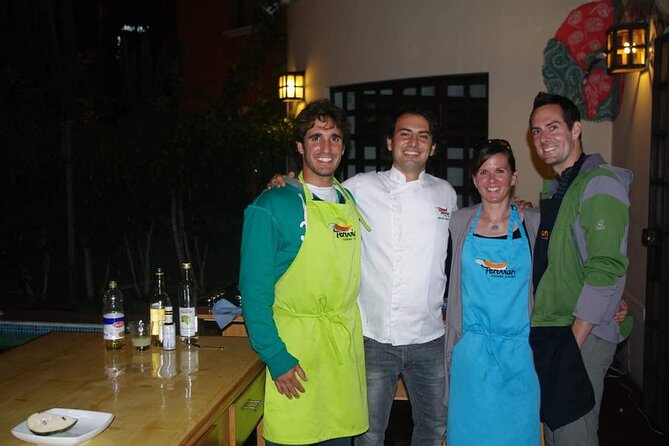
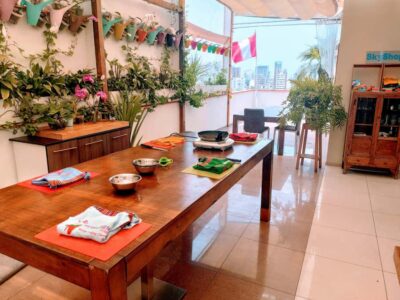
This experience is built around the cooking class itself, not a long bus ride or a string of sightseeing stops. You meet at Ca. Gral. Borgoño 712 in Miraflores, a practical base for a food activity in Lima, and spend about two hours preparing and eating Peruvian food.
The class is led by Chef Hector Aguilsr or Chef Jose Aguilar. Both are identified as heads at Maido, a restaurant widely associated with Lima’s modern food scene and described here as the best restaurant in the world for 2025. That connection matters if you want to see how a high-level restaurant kitchen thinks about Peruvian ingredients without paying for a full tasting menu.
I would not expect a formal restaurant service or a long lecture. The setup is more useful than that. You learn by handling ingredients, following instructions, and asking questions as the dish comes together. The atmosphere is described as laidback, which should suit you if you want real instruction without the pressure of a professional kitchen.
More Cooking Classes in Peru:
- Cusco: Peruvian Cooking Class, Cocktails & Local Market Tour
★ 4.9 · 512 reviews - Cooking class and market tour with a local chef
★ 5.0 · 186 reviews - Market Tour, Tasting of 35 Fruits, and 4-Course Peruvian Cooking Class in Lima
★ 5.0 · 86 reviews
The food culture lesson comes before the plate
A good cooking class should explain more than what to chop and when to stir. This one is designed to introduce Peruvian food culture and history through the ingredients and dishes used during the session.
The available information does not list the exact menu, so you should not book expecting a particular dish. Instead, think of the menu as a daily selection shaped by what the chef chooses to teach. That uncertainty can be a plus for repeat visitors or anyone who wants a broader taste of Peruvian cooking, but it may disappoint you if you are booking specifically to learn one famous recipe.
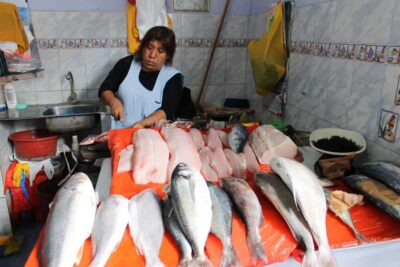
The class can include a market visit. One participant particularly enjoyed seeing the market, preparing food, and then eating the finished meal. That market element gives the lesson a useful local starting point. You see ingredients before they become polished restaurant food, which helps connect Peru’s produce and cooking traditions with the meal in front of you.
Food allergies and intolerances can be catered for. Tell the operator about your needs when booking rather than waiting until the class begins. The information does not promise every dietary request can be met, so you should confirm anything strict or medically important in advance.
Hands-on cooking, not a seat in the audience
The strongest reason to choose this class is the chance to take part. You are not simply watching Chef Hector Aguilsr or Chef Jose Aguilar cook while someone else handles the knives and pans. The format includes interactive food preparation, so you can expect to work through the day’s recipes with guidance.
The phrase advanced cooking skills is worth putting in perspective. This is not advertised as a professional certification course, and two hours is too short for a complete culinary program. You can, however, expect techniques and tips that go beyond a basic tourist demonstration. The chef’s restaurant background gives the lesson a higher level of authority, while the relaxed tone keeps it approachable.
I like this balance. You can learn something useful, yet still have time to talk, taste, and enjoy yourself. Ask questions as you go. The class is likely most rewarding when you treat it as a conversation with a working chef rather than a fixed show with no room for curiosity.
The size is limited to a maximum of 15 people. That is small enough to offer a better chance of personal instruction than a large group, though the experience will feel different with six people than with 15. If close coaching is important to you, choose a quieter class time if the operator offers that option, and make your needs clear when booking.
Making a pisco sour as part of the class
The pisco sour class is one of the most appealing extras. Peru’s signature cocktail is not just a drink added at the end of the meal here. It is part of the scheduled activity, giving you a second skill to take home along with the recipes.
The provided details do not specify the exact method, ingredients, or whether you make one cocktail per person. You can still expect the chef to cover the cocktail as part of the class and to connect it with the meal. If you enjoy food and drink experiences, this makes the two-hour session feel more rounded.
Keep in mind that the pisco sour portion is a class, not a separate bar tour. You will not be moving between several cocktail spots in Lima. The value is in learning how the drink fits into Peruvian dining culture and having it included with the cooking experience.
Same region, a different dish to learn:
- #1 Rated Cooking Classes with Local Market Tour & Pickup
★ 5.0 · 69 reviews - Miraflores: Amazing Peruvian Cooking Class Ceviche Seafood and Pisco Sour
★ 4.9 · 57 reviews - Cusco: Peruvian Cooking Class & Market Tour
★ 4.9 · 19 reviews - Lima: Cooking Workshop and Water Circuit Tour
★ 5.0 · 16 reviews
Sitting down for lunch or dinner
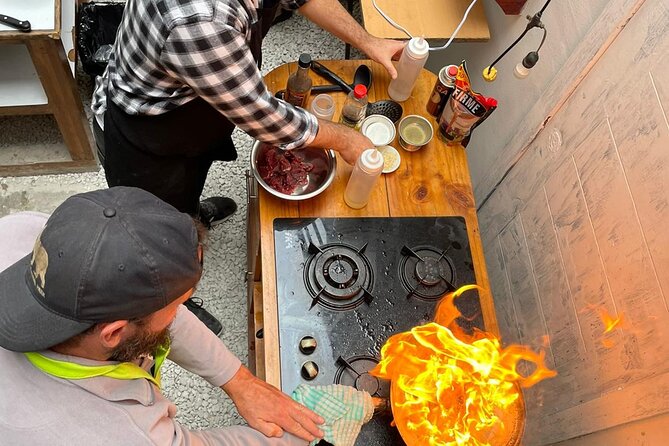
After the preparation comes the best reward: you eat what you have made. Lunch or dinner is included, so the $60 price covers more than instruction alone. You receive the class, the pisco sour lesson, the meal, and the recipes of the day.
That makes the cost reasonable for visitors who want one organized food experience in Lima. A private cooking lesson would usually offer more one-on-one attention, but this is not a private class. A restaurant meal may cost less if you only want to eat, yet it will not give you direct contact with a Maido chef or a chance to prepare the food yourself.
The social side also matters. The experience can finish with conversation, music from a box instrument, and a shared meal. That gives the class a friendly rhythm: learn, cook, sit down, and talk. I would choose this over a rushed demonstration if you want a memorable activity for a couple, family, or small group of friends.
Children must be accompanied by an adult. The information does not give a minimum age, so families should confirm suitability before booking. Because food preparation is involved, parents should also explain any allergy or dietary concern ahead of time.
Morning or afternoon: choosing the right slot
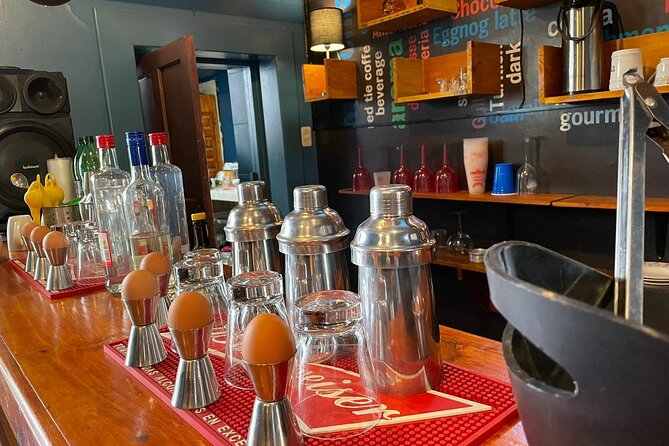
You can choose a morning or afternoon class. That flexibility helps you build the activity around Lima’s other plans, especially if you are setting aside time for museums, neighborhoods, or a separate dinner reservation.
A morning class may work best if you want the cooking activity to become your main lunch. An afternoon class can suit you if you prefer a later meal or want a slower start to the day. Since the activity lasts about two hours, leave room around the scheduled time rather than booking another fixed appointment immediately afterward.
The class ends back at the meeting point. This is useful if you are staying in or near Miraflores and want a simple start and finish. The meeting point is near public transportation, though no particular route or transfer details are provided. Check your own route to Ca. Gral. Borgoño 712 before the day begins.
What the $60 price really includes
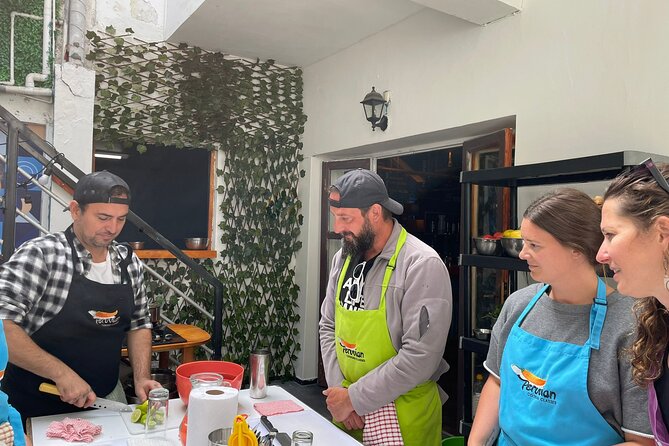
At $60 per person, this is priced above a basic group meal but below the cost of many high-end culinary experiences. You are paying for access to a chef connected with Maido, hands-on instruction, the pisco sour class, the meal, and recipes to use later.
The value is strongest if you care about the process. If you only want to sample Peruvian food, a restaurant meal may be simpler. If you want to understand how a dish is prepared and leave with ideas you can try at home, the class offers more substance.
The meal also reduces the need to plan lunch or dinner separately. That is a small but practical saving in time. The class gives you a set activity, a built-in meal, and a social setting, all within roughly two hours.
The main limit is the short duration. You will not cover the full range of Peruvian cooking in one session. The menu changes or is not specified in advance, and the class cannot provide deep training in every technique. I see it as a focused introduction with a restaurant-level guide, not a full cooking school course.
Who will enjoy this class most
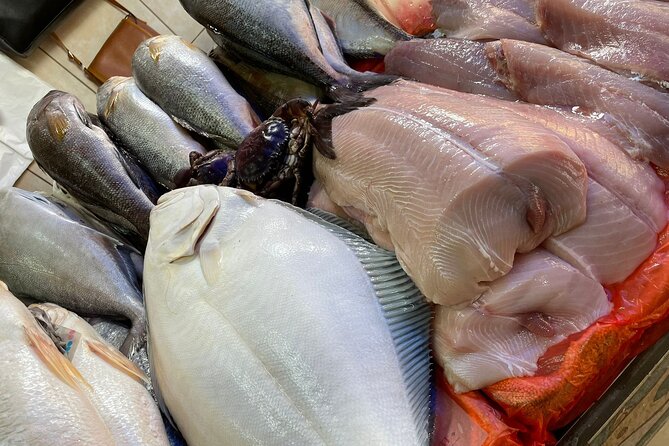
I would recommend this experience to you if food is one of the main reasons you are visiting Lima. It suits curious eaters, home cooks, couples, and small groups who want a meal with more meaning behind it.
It is also a good choice if you want direct access to a chef but do not want the formality or cost of a major restaurant tasting menu. The setting is laidback, and the class is designed to be participatory, so you should be comfortable getting involved rather than sitting back.
Families can join, provided children are accompanied by an adult. People with food intolerances or allergies can ask for accommodations. Still, confirm the details before arrival, especially if your diet is strict.
I would be more cautious about booking if you need a guaranteed menu, require a private lesson, or have only a very narrow window in your schedule. The group can reach 15 people, and the exact dishes are not stated. Those limits do not ruin the experience, but they affect how personal and specific it can be.
Booking and cancellation details to keep in mind
This experience is often booked about 31 days in advance, so I would reserve early if your Lima dates are fixed. Confirmation is sent within 48 hours, subject to availability. For a last-minute request, contact the operator by phone or WhatsApp at +51-922063425.
You can cancel for a full refund up to 24 hours before the start time. Changes or cancellations made inside that 24-hour window are not accepted and are not refunded. The cut-off follows Lima local time, so check the clock carefully if you are changing plans from another time zone.
The class requires good weather and a minimum number of participants. If poor weather or low enrollment cancels the activity, you can choose a different date or experience, or receive a full refund.
Should you book the Maido cooking class?
Book it if you want to do more than eat in Lima. The combination of a Maido chef, hands-on preparation, a pisco sour lesson, recipes, and a shared meal gives you a useful taste of Peruvian food culture in a compact format.
I especially like it for visitors who value personal contact and practical skills. The market visit, when included, adds a welcome local touch, while the relaxed meal and music keep the class from feeling like a technical lesson.
Skip it if your priority is a guaranteed dish, a private chef, or a long culinary course. For everyone else, $60 is a fair price for a two-hour food experience that connects cooking, culture, and conversation without taking up a full day.
FAQ
Where does the cooking class begin?
The class begins at Ca. Gral. Borgoño 712, Miraflores 15074, Peru.
Where does the experience end?
The activity ends back at the meeting point.
How long does the class last?
The experience lasts approximately two hours.
Who leads the cooking class?
The class is led by Chef Hector Aguilsr or Chef Jose Aguilar, both identified as heads at Maido.
Is a pisco sour included?
Yes. A pisco sour class is included in the experience.
Is a meal included?
Yes. Lunch or dinner is included, along with the recipes of the day.
Can food allergies or intolerances be accommodated?
Yes. Food intolerances and allergies can be catered for. Share your requirements when booking.
How many people can join?
The maximum group size is 15 people.
Can I cancel for a refund?
Yes. You can cancel at least 24 hours before the start time for a full refund. Cancellations or changes made less than 24 hours before the start time are not accepted.
Newest classes around Peru
- Lima: Cooking Workshop and Water Circuit Tour★ 5.0 · 16 reviews
- Lima: Peruvian cooking class and tour of Surquillo market★ 5.0 · 2 reviews
- Lima: Market Tour and Cooking Class with Pisco Sour★ 5.0 · 3 reviews
- Lima: Market Tour, 35 Fruits Tasting & Cooking Class★ 5.0 · 3 reviews
- Lima: 4-Course Peruvian Cooking Class in Miraflores★ 5.0 · 4 reviews
- Lima : Cooking Class – A Peruvian Culinary exploration★ 5.0 · 2 reviews
- Lima: Demo Cooking Class with Lunch at Cala Restaurant★ 4.1 · 4 reviews
- Cusco: Peruvian Cooking Class★ 5.0 · 2 reviews
Lima Cooking Classes, compared.
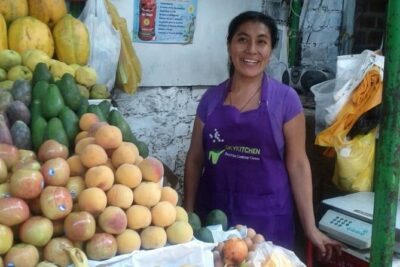
Market Tour, Tasting of 35 Fruits, and 4-Course Peruvian Cooking Class in Lima
Read our review →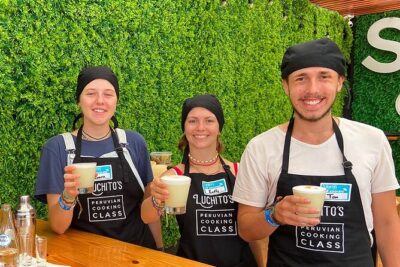
#1 Rated Cooking Classes with Local Market Tour & Pickup
Read our review →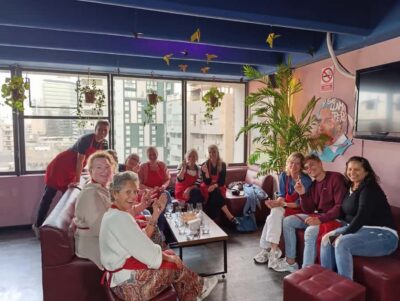
Miraflores: Amazing Peruvian Cooking Class Ceviche Seafood and Pisco Sour
Read our review →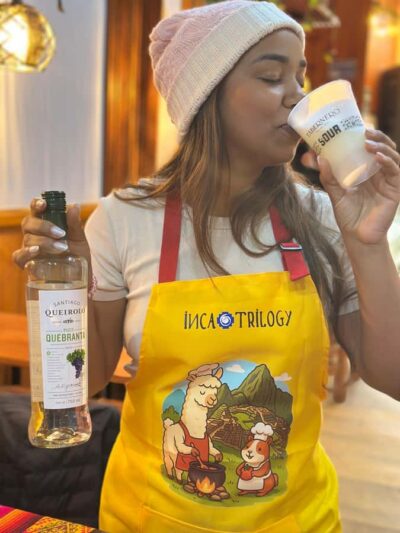
Browse the lists this tour appears in