
Review · CHIANG RAI COOKING CLASSES
Chiangrai: Group Trekking with Bamboo Cooking
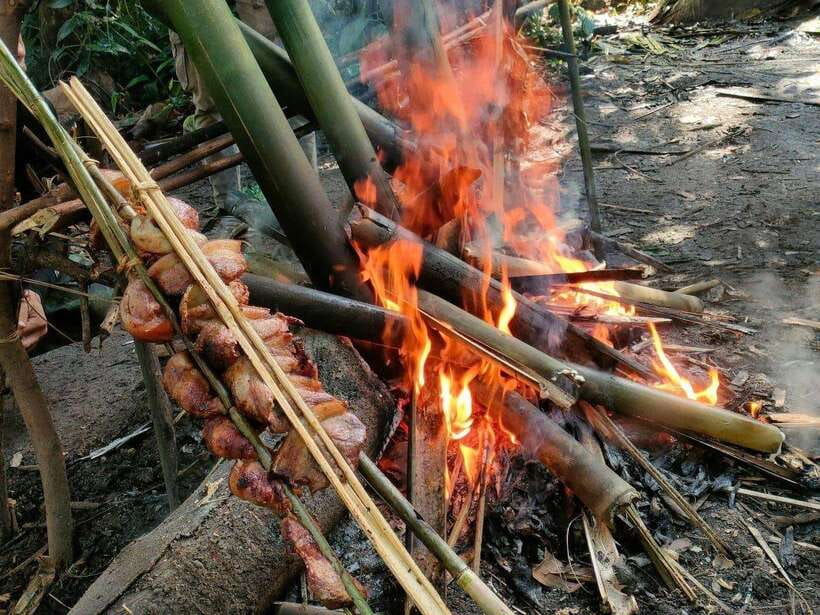
The best part of this Chiang Rai day is the bamboo cooking. You help turn jungle-sourced bamboo into cooking equipment, prepare traditional Thai dishes, and eat lunch together in the forest. I also like the mix of village visits and tea plantations, which gives the walk a human side instead of making it only a nature outing. The group is limited to 10, so the day should feel more personal than a large bus tour.
I like that the route reaches several hill-tribe communities and ends with a hot spring stop. The main caution is the walking: 10 to 12 kilometers over 5 to 6 hours can include slippery, physical sections. This is not the easy stroll the short description might suggest, and one outing did not include the waterfall swim or hot spring visit.
Key points at a glance
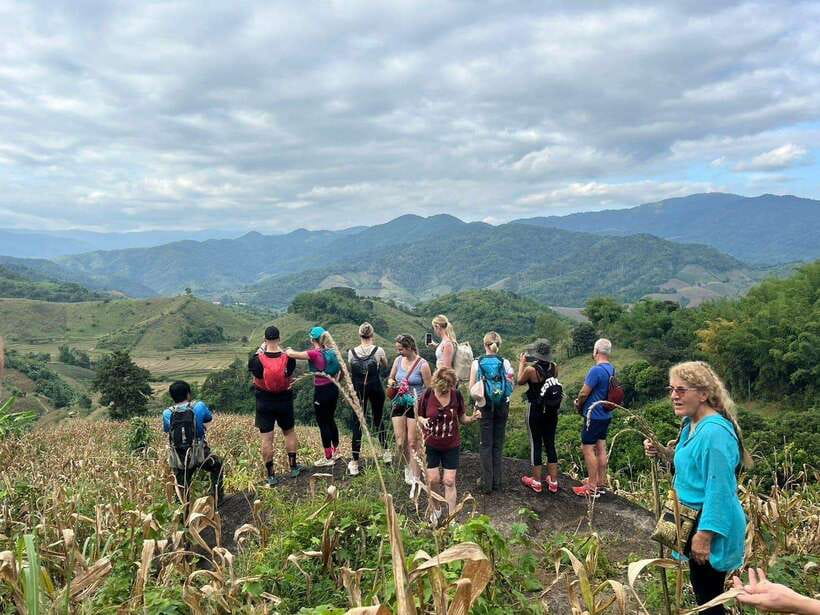
- Bamboo lunch in the jungle: Learn to cook Thai food with bamboo gathered from the surrounding area, then eat what you make.
- Four cultural stops: Visit Lisu, Chinese, Akha, and Lahu communities during the day.
- Long hill walk: Plan on 10 to 12 kilometers and roughly 5 to 6 hours on foot.
- Small group format: No more than 10 participants, with an English or Spanish-speaking guide advertised.
- Waterfall and hot spring: Swimming and soaking are part of the planned route, but conditions or timing may change.
- Useful inclusions: Hotel pickup in Chiang Rai city, drinking water, insurance, the hot spring ticket, and bamboo cooking are included.
Bamboo cooking makes this day different
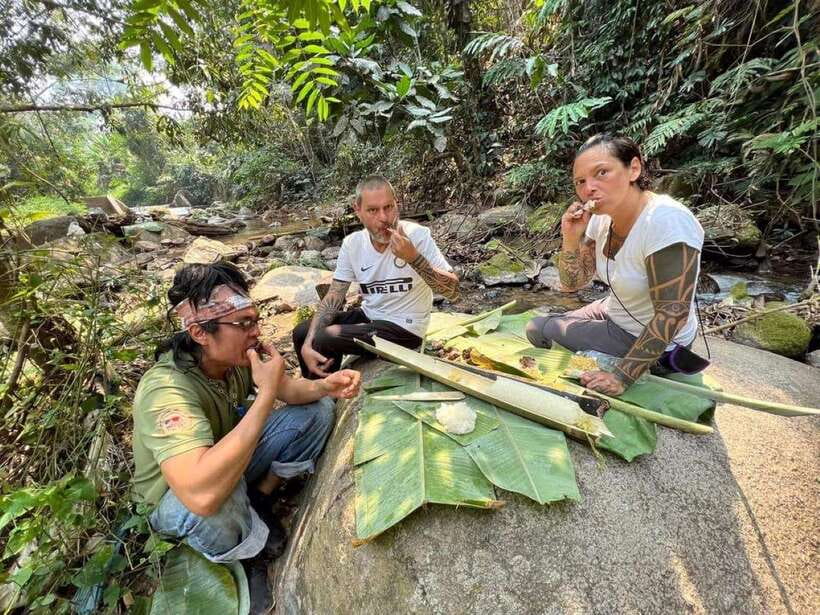
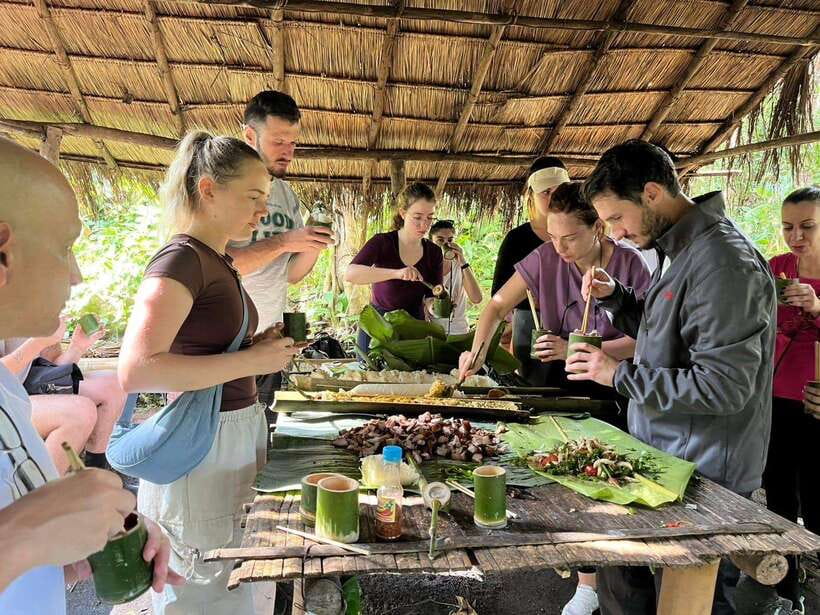
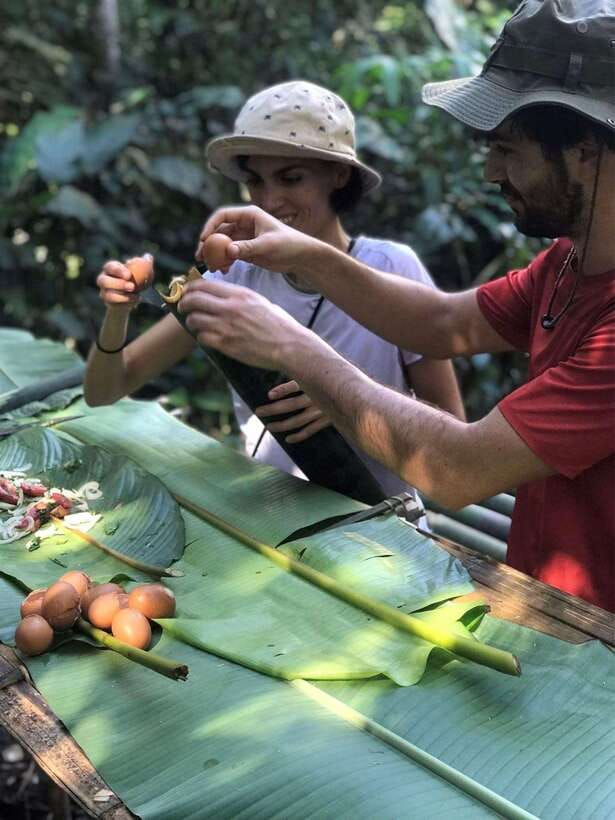
Many Chiang Rai walks take you through forests and villages, then serve lunch in a restaurant. This one makes lunch part of the activity. You use bamboo from the jungle to create simple cooking tools, prepare traditional Thai dishes, and eat the meal you helped make.
That matters because the cooking is not just a short demonstration. The supplied details describe a do-and-eat-together class, with handmade tools and food prepared in the forest. It gives the day a clear purpose during the longest part of the walk, and it creates a practical connection with local materials.
The food has been one of the strongest parts of the experience. I would book this for the cooking alone if you enjoy hands-on food activities. It has an unusual setting, and the meal is more memorable because you have helped prepare it.
You should tell the operator about dietary restrictions before the day. The bamboo cooking takes place at lunchtime, and changes may be harder to arrange once the group is already on the trail.
More Walks and Treks in Thailand:
- Chiang Rai: Jungle Adventure-Group Trekking & Bamboo Cooking
★ 4.9 · 166 reviews - 1 Day Trekking Group Tour With Bamboo Cooking / Chiang Rai
★ 5.0 · 51 reviews - Chiang Rai Jungle Trek & Bamboo Tube Cooking Adventure
★ 5.0 · 5 reviews
What the morning looks like in Chiang Rai
Pickup is from your hotel lobby in Chiang Rai city between 9:00 and 9:15 in the morning. Be ready early, and give the operator your hotel name when booking. The tour returns you to the same general hotel area after the day’s route.
The package includes the car pickup and drop-off from hotels in Chiang Rai city. It does not include transportation to the starting point, so clarify what that means for your hotel if you are staying outside the city area. Drinking water is included, along with travel insurance and the hot spring entry ticket.
The group size is capped at 10 people. That is a useful number for a trail day. It should make it easier to hear the guide, ask questions at village stops, and keep the group together on rough sections. The advertised languages are English and Spanish, but one Spanish-speaking participant found that the activity was not conducted in Spanish. If language is important to you, confirm it before booking.
Lisu and Chinese villages give the walk a human focus
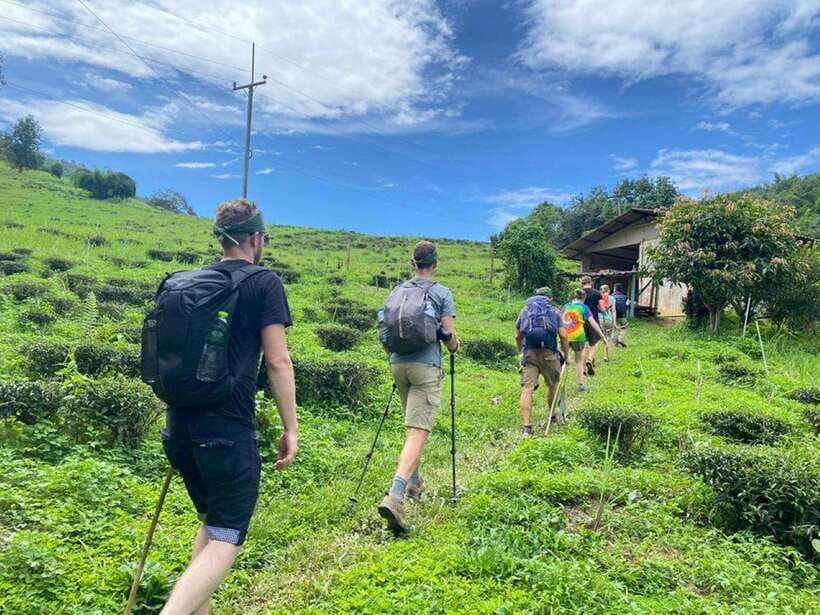
The first cultural stops are a Lisu village and then a Chinese village. The appeal here is not a grand monument or a formal museum. You are seeing two different communities within the wider Chiang Rai area and getting a look at different traditions and daily routines.
The Lisu visit is presented as an opportunity to learn about local customs and ordinary life. The Chinese village adds another layer to the region’s cultural mix. These stops work best if you arrive with patience and curiosity. They are not quick photo checkpoints, and the value comes from paying attention to the guide and the setting.
I would keep your expectations realistic. The available information does not promise performances, scheduled craft workshops, or a detailed formal tour inside each village. Think of these visits as part of a walking route through inhabited areas, not as a guaranteed cultural show.
One particularly nice touch from the experience is that the guides may make a small handmade gift for you. That detail suggests a warm, personal approach, though the exact gift is not specified and should not be treated as a guaranteed inclusion.
Tea plantations bring scent and open views
From the villages, the route heads toward tea plantations. You walk among freshly grown tea leaves and get a change from the denser jungle sections. The smell of the plants is one of those simple details that can make a walking day feel special.
The tea stop is also a good reason to bring a camera, but this is not described as a tea tasting or factory visit. You should not expect a formal lesson in processing, buying, or brewing unless your guide adds that on the day.
The route has been described as scenic, with attractive views during the trek. At the same time, one person found the scenery pleasant rather than spectacular. That is fair warning. You will see pretty natural areas, but this is not necessarily a day of dramatic viewpoints or major wilderness sights at every turn.
More Cooking Classes in Thailand:
- Half-Day Thai Cooking Class at Organic Farm in Chiang Mai
★ 5.0 · 19,087 reviews - Chiang Mai: Cooking Class, Market & Thai Herbs Garden Tour
★ 4.9 · 4,824 reviews - Chiang Mai: Authentic Cooking Class with Market & Farm Visit
★ 4.9 · 4,546 reviews - Thai and Akha Cooking Class in Chiang Mai
★ 5.0 · 4,358 reviews
The trail is longer and harder than the headline suggests
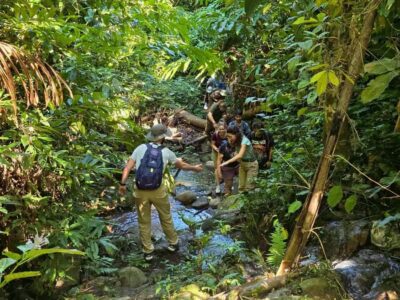
The key fact to remember is the distance: about 10 to 12 kilometers. Walking time is estimated at 5 to 6 hours, not including every stop and pause. That makes this a full trekking day, not a gentle village outing with a little walking between vehicles.
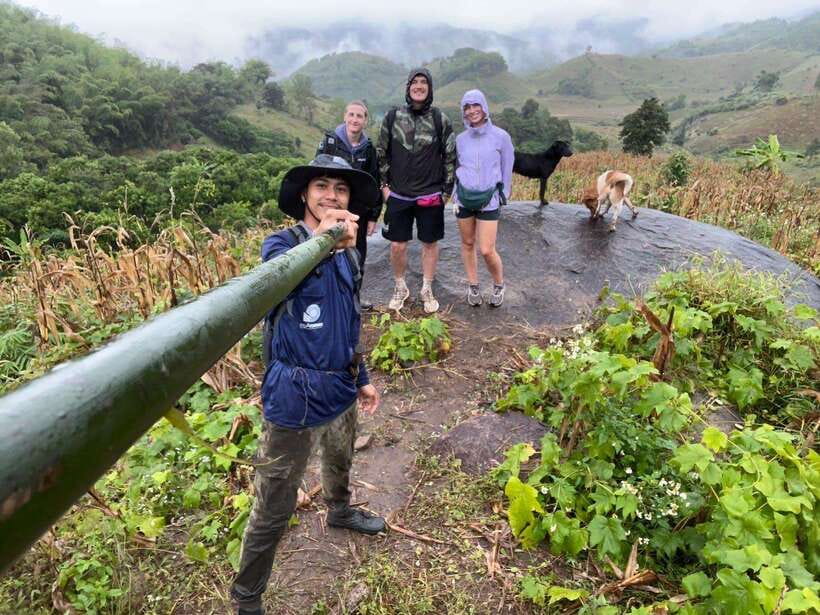
Some sections can be slippery and physically demanding. One participant described parts of the route as dangerous, especially for people without mountain-walking experience. I would take that seriously, particularly after rain, although no weather-specific route policy is provided.
Wear proper hiking shoes with good grip. Comfortable shoes are listed as essential, but ordinary trainers may not be enough if the trail is wet or uneven. Bring insect repellent, sunscreen, and enough energy for a long day outside. The operator provides drinking water, but you may still want to ask how much is supplied before setting out.
This is not suitable for pregnant women. I would also avoid it if you have physical problems that make long walks, slippery ground, or uneven paths difficult. The available information does not set a minimum age, but one outing was considered unsuitable for children, so families should ask directly before reserving.
Bamboo lunch is the day’s most memorable stop
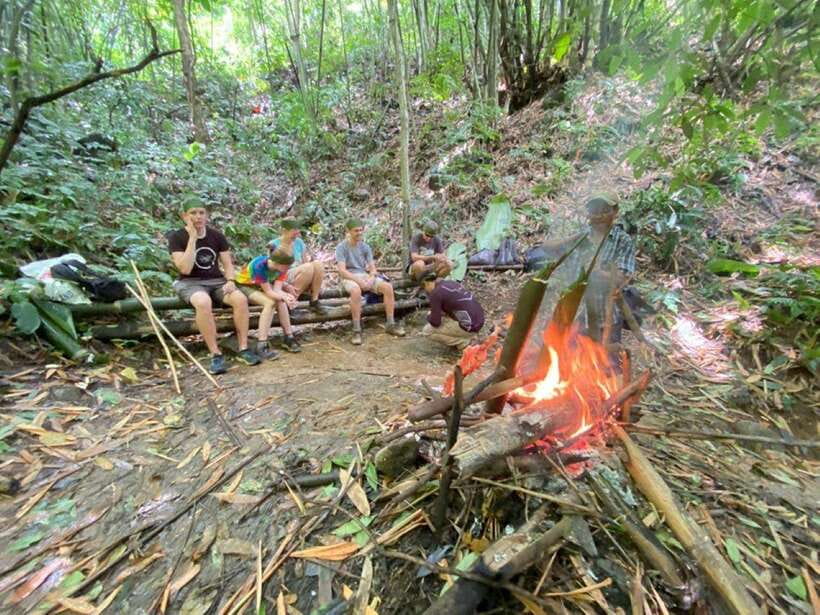
The cooking section takes place after the group has collected or reached the bamboo used for the activity. You learn the method of bamboo cooking, use handmade tools, and prepare traditional Thai dishes with the group.
The setting is the point. Instead of eating in a standard restaurant, you cook in calm jungle surroundings and share a meal made during the trek. It is practical, social, and a little rustic. If you like food classes that involve doing rather than watching, this is the strongest reason to choose this tour.
The meal has been praised for its taste as well as its novelty. Still, the exact menu is not supplied, so do not book expecting a particular dish. State allergies, vegetarian needs, or other restrictions in advance.
Lunch also gives your legs a break before the route continues. That matters on a day with this much walking. You will want to use the stop to eat properly, refill your water, and check your footwear before heading back onto the trail.
Waterfall time depends on the day’s conditions
The itinerary continues to the area’s second largest waterfall. The plan is to relax there and swim in the water, surrounded by the forest. Bring swimwear and a towel if you want to use this part of the day.
Here is an important practical warning: the waterfall swim is not guaranteed in every outing. One participant carried a swimsuit and towel all day but did not get the chance to swim. That could be due to timing, trail conditions, water conditions, or a route change, but the exact reason was not provided.
You should treat the waterfall as a possible highlight, not the sole reason to book. If swimming is essential, ask the operator about current conditions before departure. If the stop does happen, it can be a welcome cool-down after the long walk. If it does not, you will still have the village visits, tea plantations, bamboo meal, and forest route.
Akha and Lahu villages complete the cultural route
Later in the day, you visit Akha and Lahu villages. Together with the Lisu and Chinese stops, this gives the tour a broad cultural range for one day.
The strength of this section is variety. You are not seeing only one community and then returning to the city. The route introduces you to several groups with their own customs and ways of life. The guide is important here, since a good explanation can help you understand what you are seeing without turning the visit into a staged display.
The information does not promise entry into homes, shopping, or formal demonstrations. I would approach these villages respectfully, ask before photographing people, and let the guide set the tone.
For me, this is where the tour becomes more than a forest walk. You are not simply passing through scenery. You are walking through a lived-in part of Chiang Rai and seeing how rural communities fit into the region.
The hot spring is a welcome final pause
Before returning to Chiang Rai, the group stops at a natural hot spring. The ticket is included, so there is no separate entry charge to budget for. After five or six hours on foot, soaking in warm water can be a pleasant way to finish.
Again, the stop may not happen exactly as planned. One participant did not visit the hot spring, just as the waterfall swim was missed. Keep that possibility in mind if you are choosing this mainly as a hot spring excursion.
You may want to change into dry clothes before the return drive, especially if you swim or soak. A towel and swimwear are listed among the things to bring. The supplied information does not say whether changing rooms or storage are available, so pack in a small, easy-to-carry bag and avoid bringing valuables.
Is the $59 price good value?
At $59 per person, this is a fair price if you want several activities in one full day. You are paying for hotel pickup and drop-off in Chiang Rai city, a local guide, the bamboo cooking class and meal activity, drinking water, insurance, and the hot spring ticket.
The price also covers a route that combines four cultural communities, tea plantations, forest walking, a waterfall, and a hot spring. You would spend much more time and planning trying to connect all those pieces independently.
The value depends on your priorities. If you want a relaxed sightseeing day with short walks and guaranteed swimming, this is not the best fit. If you want a hands-on meal, rural culture, and a proper trek, the price makes more sense.
The small group helps, too. With a maximum of 10 people, the guide can usually manage a walking pace better than on a large coach outing. The score is 4.8 out of 5 from five ratings, with especially strong praise for the guides, the bamboo food, and the less-touristed side of Chiang Rai. The practical complaints focus on the trail difficulty and the fact that the water stops did not always take place.
What to pack for this Chiang Rai trek
Keep your bag light, since you will carry it for much of the day. I would pack:
- Hiking shoes with dependable grip
- Swimwear and a towel
- Sunscreen and insect repellent
- Comfortable clothing suitable for 5 to 6 hours of walking
- Extra dry clothing if you plan to swim or use the hot spring
- Any personal snacks or medication you need
Drinking water is included, but personal expenses are not. The information does not specify whether snacks, drinks beyond the supplied water, or purchases in villages are covered.
Tell the operator about dietary needs before the tour. Also confirm the pickup details if your hotel is not in Chiang Rai city, and confirm the guiding language if you need Spanish.
Who should book this day?
I would recommend it to an active visitor who wants a full day outdoors and enjoys mixing food, culture, and nature. It suits people who are comfortable walking for several hours and who do not need every stop to be polished or guaranteed.
The best match is someone who sees bamboo cooking as a real attraction, not a side activity. You should also be happy with a rustic route, changing trail conditions, and village visits that may be more observational than formal.
I would not choose it for a very young child, anyone pregnant, or anyone with an injury or health issue that makes slippery ground risky. I would also skip it if you want a simple, easy-going day with lots of vehicle time.
Should you book the SoGood Travel trek?
Book it if you want Chiang Rai beyond temples and standard sightseeing. The combination of hands-on bamboo cooking, hill communities, tea plantations, and a long forest walk gives the day a distinct character, and the $59 price covers a good amount.
Do not book it expecting an effortless hike or a guaranteed waterfall swim and hot spring soak. Ask about current trail conditions, the language of your guide, and whether both water stops are operating. If you are fit, prepared, and interested in local food and rural life, this is a worthwhile choice. If you want comfort and certainty, choose a shorter excursion instead.
FAQ
How long is the Chiang Rai trekking tour?
The tour lasts one day. The walking distance is approximately 10 to 12 kilometers, with about 5 to 6 hours spent walking.
What time is hotel pickup?
Pickup takes place from the hotel lobby between 9:00 and 9:15 in the morning. You should provide the hotel name when booking and be ready in the lobby.
Is hotel transportation included?
Pickup and drop-off by car are included for hotels in Chiang Rai city. Transportation to the trekking starting point is listed separately as not included, so confirm the arrangement if needed.
What languages are available?
The tour is advertised with live guiding in English and Spanish. If you require Spanish, confirm the language before booking because one outing was not conducted in Spanish.
Is bamboo cooking included?
Yes. The activity includes a bamboo cooking class, the preparation of traditional Thai dishes, and eating the food together.
Is the waterfall swim guaranteed?
No. Swimming at the waterfall is part of the planned experience, but it did not take place on at least one outing. Ask about current conditions if swimming is important to you.
Is the hot spring visit included?
The hot spring ticket is included in the price. The visit is planned near the end of the route, but it did not take place on at least one outing.
What should I bring?
Bring comfortable or hiking shoes, swimwear, a towel, sunscreen, insect repellent, and drinking water needs beyond the supplied amount. You may also want dry clothing for the return journey.
Who should not take this tour?
The tour is not suitable for pregnant women. Because the route covers 10 to 12 kilometers and may include slippery, physical sections, it may not suit children or people with physical problems or little mountain-walking experience.
Newest classes around Thailand
- Aroidee’s Farm-Fresh Thai Cooking Experience★ 5.0 · 8 reviews
- Authentic Thai Cooking Class and Farm Visit in Chiang Mai★ 5.0 · 66 reviews
- Signature Thai Cooking Course★ 5.0 · 79 reviews
- Half Day Guided Thai Cooking Class in Chiang Mai★ 5.0 · 13 reviews
- Yummy Tasty Thai Cooking School in Chiang Mai★ 5.0 · 2 reviews
- Online Thai and Akha Cooking Class★ 5.0 · 70 reviews
- Northern Thai Cooking Class in Chiang Mai in a Countryside Home★ 5.0 · 2 reviews
- Private Half-Day Thai Cooking Class in Chiang Mai★ 5.0 · 4 reviews
Chiang Rai Cooking Classes, compared.
Jungle Adventure-Group Trekking & Bamboo Cooking
Read our review →
Half-Day Thai Cooking Class with organic ingredients
Read our review →
Lanna Home Cooking Class at Give Green Farm House
Read our review →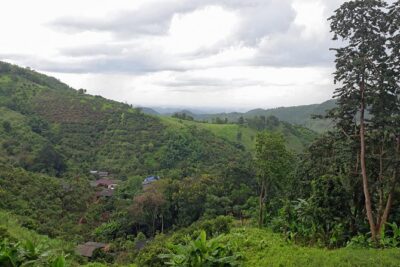
1 Day Trekking Group Tour With Bamboo Cooking / Chiang Rai
Read our review →
Chiang Rai Private Cooking Class – Cooking With Ann
Read our review →
Chiang Rai Jungle Trek & Bamboo Tube Cooking Adventure
Read our review →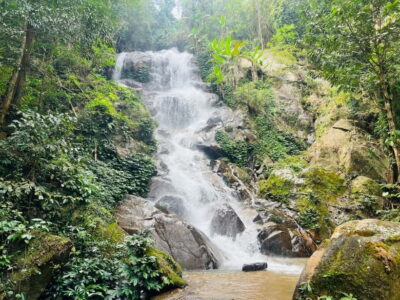
Browse the lists this tour appears in