
Review · CASABLANCA COOKING CLASSES
Casablanca : Traditional Moroccan Cooking Class with Locals
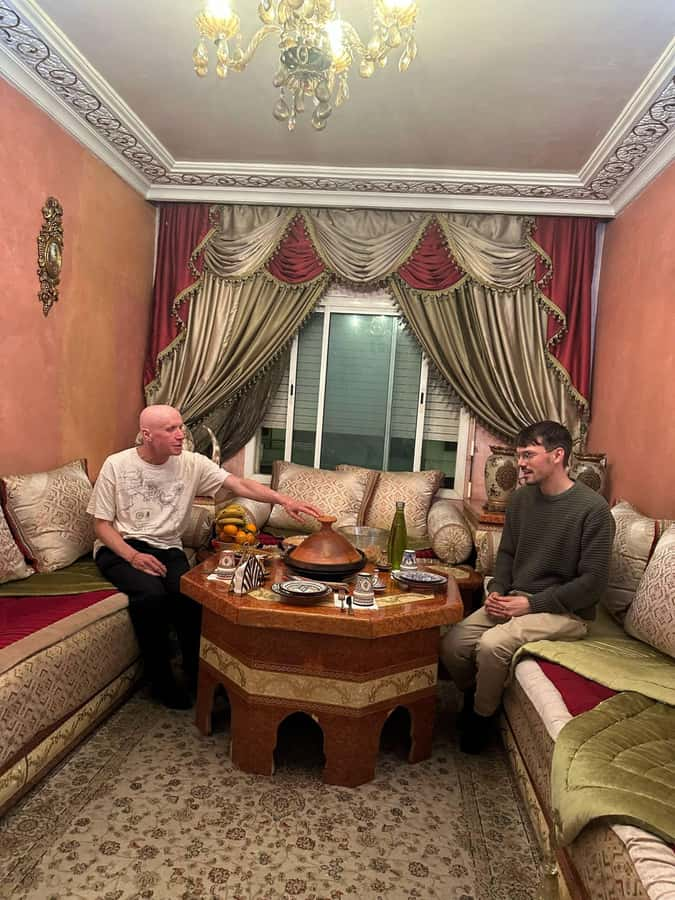
Casablanca’s most memorable meal may begin in a family home, not a restaurant. With Inas guiding you, you help prepare tagine, couscous, pastilla, or Moroccan salads, then sit down with her family to eat what you made. It is a hands-on look at daily Moroccan life, with recipes taught through family practice rather than a formal culinary school.
I like the small-group setting, limited to 10 people, and the fact that you cook with fresh local ingredients instead of watching a demonstration. I also like the family welcome: Inas learned from her mother and grandmother, and the class includes stories, customs, and time around the table. The main consideration is the meeting point in a local residential area, so you must arrange your own transport to Résidence El Fath.
Key points at a glance
- Cook in Inas’s family home: This is a home-based class, not a restaurant kitchen or a staged cooking show.
- Learn several Moroccan staples: The menu can include tagine, couscous, pastilla, and Moroccan salads.
- Use family cooking methods: Inas teaches techniques and small tips passed down by her mother and grandmother.
- Share the finished meal: The four-hour visit ends with food and conversation around the family table.
- Keep the group small: Up to 10 people makes it easier to take part and ask questions.
- Pay $60 per person: The price covers the class, ingredients, cultural exchange, and shared meal, but not transport.
A Casablanca cooking class built around family life
Many cooking classes give you a recipe, a workstation, and a meal. This one adds a personal setting. You meet Inas at Résidence El Fath on Abdellah Ibrahim Street, near BIM Attacharok, and enter a local family home for a four-hour visit.
That setting matters. Moroccan food is closely tied to family routines, hospitality, holidays, and shared meals. Cooking in a home lets you see the food as part of everyday life rather than as a restaurant product. You are not only learning how a dish is made. You are hearing why it matters and how cooking knowledge moves from one generation to the next.
Inas learned from her mother and grandmother, both of whom have more than 40 years of experience with Moroccan cuisine. You can expect her teaching to focus on practical family methods and small adjustments that may not appear in a printed recipe.
The atmosphere is described as friendly and relaxed. Still, keep your expectations clear: this is a cultural cooking visit, not a professional chef certification class. You will take part, learn useful methods, and eat well, but the exact dishes and pace can vary.
More Moroccan Classes in Morocco:
- Marrakech: Moroccan Cooking Class with Pickup
★ 4.6 · 1,862 reviews - Marrakech: Traditional Moroccan Cooking Class & Market Visit
★ 4.8 · 1,861 reviews - Marrakesh: Moroccan Dishes Cooking Class with a Local Chef
★ 5.0 · 1,615 reviews
Meeting Inas at Résidence El Fath
The meeting point is Résidence El Fath, on Abdellah Ibrahim Street at BIM Attacharok. Transportation is not included, so getting there is your responsibility. Allow enough time to locate the residence, especially if you are unfamiliar with Casablanca’s residential streets.
This is one of the few practical points that needs attention before booking. The experience is based in a local home, so you should not expect the easy visibility of a major hotel or a famous city landmark. Confirm the meeting instructions and starting time after booking.
The residential setting is also part of the appeal. You are visiting a real neighborhood and a real household, rather than entering a purpose-built tourist venue. One participant with a car received indoor protected parking from Inas, but parking help should not be treated as a standard inclusion unless it is confirmed for your visit.
The group limit is 10 people. That is small enough for personal help while still allowing you to meet other participants. One class brought together people from the United States and Australia, creating the sort of shared table that can make a meal feel social without turning it into a crowded event.
Preparing tagine, couscous, pastilla, and salads
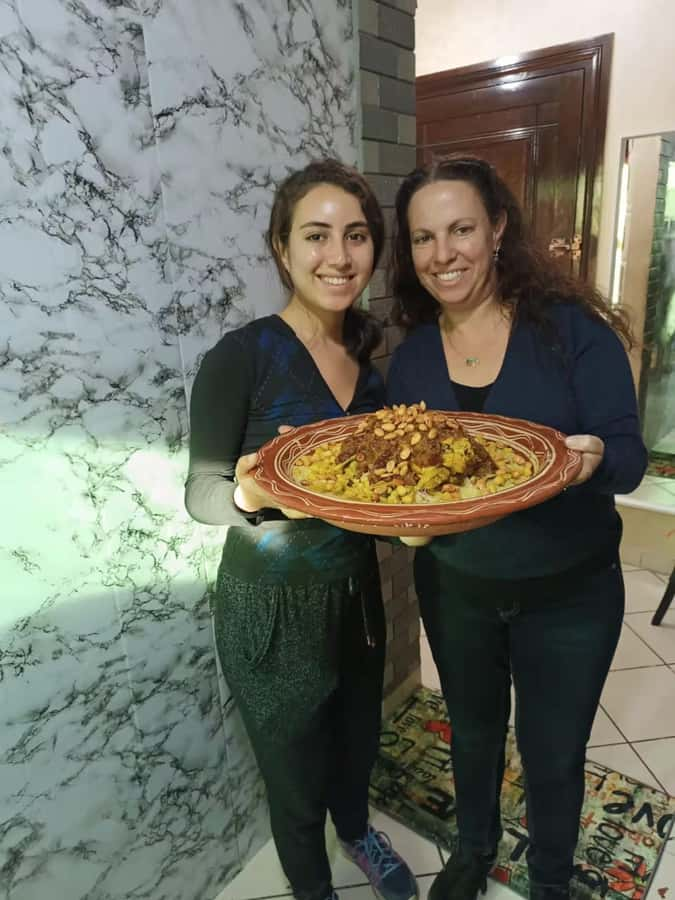
The class can include several well-known Moroccan dishes. Tagine, couscous, pastilla, and Moroccan salads are all named as possible preparations, though you should not assume every dish will appear in one session.
Tagine is likely to be the most familiar name on the menu. The dish is associated with the conical clay pot used for slow cooking, but the value of this class is learning the method from someone who uses these food traditions at home. You can ask how ingredients are layered, how seasoning is balanced, and how the dish is judged as it cooks.
One participant specifically prepared tagine with preserved lemon. That detail gives you a useful sense of the class: the focus is not simply on a generic stew, but on recognizable Moroccan flavors and familiar household dishes.
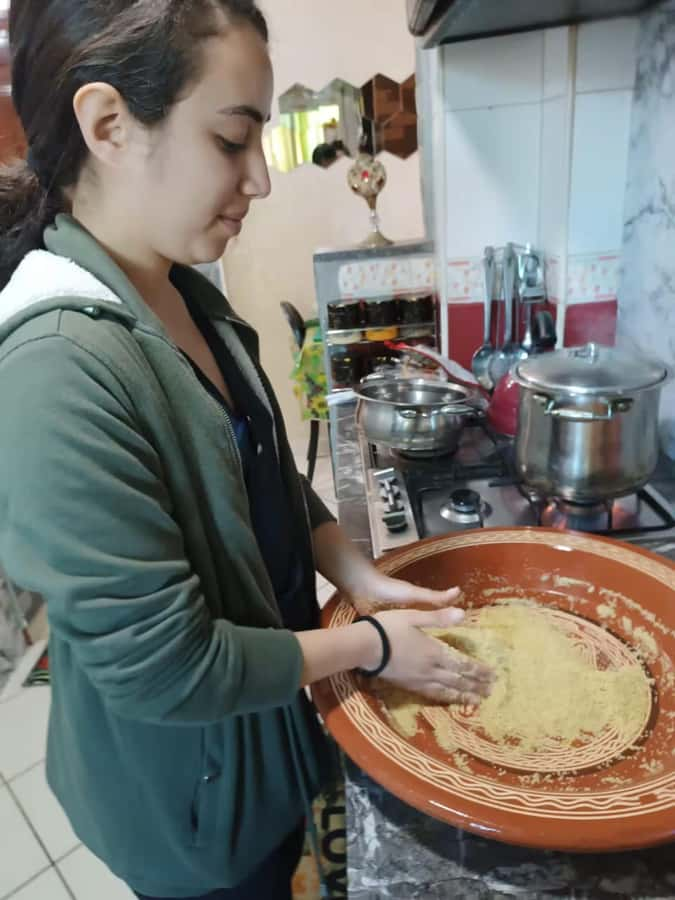
Couscous offers a different lesson. It is a staple with its own preparation process, and one session included couscous with vegetables. If you enjoy learning texture and timing, this may be the most useful part of the class. Ask Inas to explain which steps are most important and how the dish is served in a Moroccan home.
Pastilla brings a more festive side of Moroccan cooking. It combines pastry with a seasoned filling and is often associated with special occasions. The information provided does not specify the filling or whether it appears at every class, so treat it as a possible dish rather than a guarantee.
Moroccan salads may round out the meal. They help show how a Moroccan table can include several smaller vegetable dishes alongside the main course. Since the ingredients are fresh and local, you should expect the class to be shaped in part by what is available and what Inas chooses to prepare that day.
The recipes are not the only lesson. Inas also shares techniques and family tips. These might include how to season, when to add ingredients, or how to judge doneness. You will get the most from the session if you ask questions instead of standing back and simply copying each step.
Four hours of cooking, stories, and lunch or dinner
The activity lasts four hours, which gives the class room to develop at a comfortable pace. You are not being rushed through a short recipe demonstration. The time includes preparation, cooking, conversation, and the shared meal.
A typical visit begins with a welcome from Inas and her family. You then move into the cooking portion, preparing one or more traditional dishes with her guidance. Because this is a family kitchen, the experience is likely to feel more informal than a commercial class.
As the food comes together, Inas talks about Moroccan culture, customs, and family practice. This is an important part of the experience. Food can show you how people organize time, welcome others, and mark ordinary and special days. The stories help connect the ingredients to Moroccan life.
The final stage is the meal itself. You sit with the family and eat the dishes prepared during the class. This is not simply a tasting at the end of a lesson. Sharing food at the family table is the central social part of the visit.
The pace may not suit someone who wants a tightly scheduled cooking course. Conversation and hospitality are part of the plan, and the meal is meant to be enjoyed rather than hurried. If you value a personal cultural exchange, the slower rhythm is a strength. If you want to cover many advanced recipes in four hours, you may find the scope more limited.
More Cooking Classes in Morocco:
- Moroccan Cooking Class & Marrakech Market Visit with Chef Khmisa
★ 5.0 · 1,504 reviews - Half-Day Cooking Class with Local Chef Laila in Marrakech
★ 5.0 · 952 reviews - Marrakech: Moroccan Cooking Class with a Local Family
★ 4.9 · 668 reviews - Marrakech: Moroccan Cuisine Cooking Class in Local Home
★ 4.8 · 508 reviews
What makes the family setting worthwhile
The strongest feature here is the access to a personal home. Inas welcomes you as a person visiting her family, not just as a customer passing through a kitchen. That distinction shapes the whole activity.
You will hear about Moroccan customs while doing something useful with your hands. This makes the cultural side easier to understand. Instead of receiving a lecture about food, you see how cooking, conversation, and hospitality fit together.
The family background adds another layer. Inas’s techniques come from her mother and grandmother, giving the class a direct connection to family teaching. You are not promised secret restaurant tricks. You are getting household knowledge, the sort of practical advice that is often shared verbally and adjusted by instinct.
The food also gives you a way to continue the experience at home. One participant left feeling confident enough to try the recipes independently. That is a good sign for anyone who wants more than a pleasant afternoon and hopes to recreate Moroccan dishes after returning home.
At the same time, the personal setting requires courtesy. You are entering a private home, so follow the host’s instructions and remember that the visit is a cultural exchange as well as a paid activity. The experience works best when you bring curiosity and respect.
Is $60 a fair price?
At $60 per person, this is not the cheapest way to eat in Casablanca. You could certainly find a less expensive meal in the city. The better question is what the $60 includes.
You receive four hours of instruction, the ingredients, hands-on preparation, cultural conversation, and a meal with the family. The small group also gives the price more weight than a short group demonstration. You are paying for time and access as much as for food.
I consider the value strong if you want personal contact and practical cooking skills. The activity combines a meal, a class, and a home visit. It may be especially worthwhile early in your Morocco trip, when you are still learning about local food and customs.
The value is less clear if you only want to sample Moroccan dishes or if you dislike cooking. A restaurant meal will be simpler, faster, and cheaper. This experience earns its price through participation and conversation, so book it for the whole package rather than for the food alone.
Language, group size, and practical comfort
Inas can teach in Arabic, French, and English. That makes the activity workable for English-speaking visitors, while French and Arabic speakers have additional ways to communicate. The class is suitable for people interested in both cooking and culture.
The group can include up to 10 participants. That is a manageable size, but it is not a private lesson. If you want constant one-to-one attention, ask about the group size for your date before booking.
The class uses traditional cooking techniques. The information does not describe specific accessibility features, kitchen equipment, or dietary arrangements. If you have food allergies, restrictions, or mobility concerns, raise them before the class. Inas has accommodated dietary requests in at least one visit, but you should confirm what is possible for your own booking.
The activity does not include accommodation or transport. Plan the route to Résidence El Fath separately, and do not assume a hotel pickup. You can cancel up to 24 hours in advance for a full refund, and the reserve-now, pay-later option lets you hold a place without paying immediately.
Who should book this experience
I would choose this class if you want to meet a local family and learn how Moroccan food is prepared at home. It is a good fit for couples, friends, solo visitors, and small groups who enjoy sitting down with people and asking questions.
It also suits anyone who plans to cook after returning home. The focus on family methods, fresh ingredients, and practical tips gives you something useful to take away. Even beginners should feel comfortable because Inas is described as patient and clear in her teaching.
Families with older children may enjoy it, though the available information does not specify a minimum age. Ask before booking if children are joining. The same applies to anyone with strict dietary needs.
You may want to skip it if your time in Casablanca is very short, you do not want to travel to a residential meeting point, or you prefer a formal culinary studio. The class is social and personal. It is not designed for a quick stop between major sightseeing visits.
Should you book Inas’s Casablanca cooking class?
Book it if you want your Casablanca food experience to include people, stories, and participation. The combination of a family home, a four-hour session, a small group, and a shared meal gives you a useful look at Moroccan hospitality.
I would make this a strong choice for visitors who have already seen the main city sights and want an evening or afternoon with a more personal focus. The main things to confirm are your transport to Résidence El Fath, the exact dishes planned, and any dietary needs.
Skip it if you want a cheap meal or a professional kitchen lesson with a fixed menu. For everyone else, the $60 price is reasonable because the cooking class is only part of what you are buying. The real value is time with Inas and her family, and the chance to leave with both a full stomach and recipes you can use.
FAQ
Where does the cooking class take place?
The class takes place in a local family home at Résidence El Fath on Abdellah Ibrahim Street, at BIM Attacharok, in Casablanca.
How long does the experience last?
The cooking class lasts four hours.
How much does it cost?
The price is $60 per person.
Which dishes will I prepare?
Possible dishes include tagine, couscous, pastilla, and Moroccan salads. The exact selection may vary.
Is the meal included?
Yes. You prepare the food during the class and share the finished meal with Inas and her family.
Who teaches the class?
Inas leads the class. She learned Moroccan cooking from her mother and grandmother, both of whom have more than 40 years of experience with the cuisine.
Which languages are available?
The class is offered in Arabic, French, and English.
How many people can join?
The experience is a small-group activity with a maximum of 10 participants.
Is transportation included?
No. You must arrange your own transportation to and from the meeting point.
Newest classes around Morocco
- Private Tagine Cooking Class in Chefchaouen with Lunch★ 5.0 · 5 reviews
- Moroccan Cooking Class with a Local Family & Market Visit★ 5.0 · 16 reviews
- Chefchaouen Private Cooking Class with Mountain View★ 5.0 · 16 reviews
- 3-Hour Cooking Class overlooking the Blue City★ 5.0 · 36 reviews
- Chefchaouen Cooking Class★ 5.0 · 4 reviews
- Market Tour & Moroccan Cooking Class in Casablanca with Transfers★ 5.0 · 18 reviews
- Private CousCous Cooking Class in a Traditional Family Home★ 5.0 · 7 reviews
- Traditional Cooking Courses in Casablanca★ 5.0 · 2 reviews
Casablanca Cooking Classes, compared.
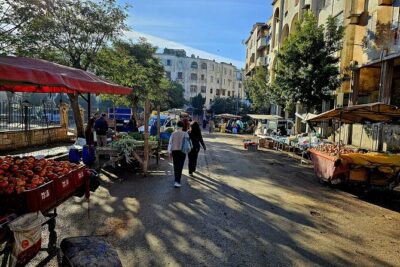
Old local Market visit+Moroccan cooking class with a local family
Read our review →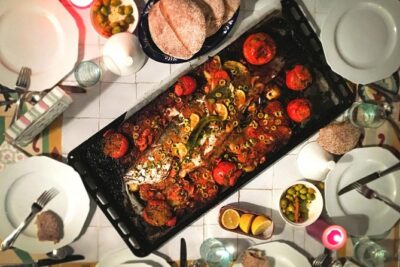
Private Casablanca Market Tour and Cooking Class with Chamsi
Read our review →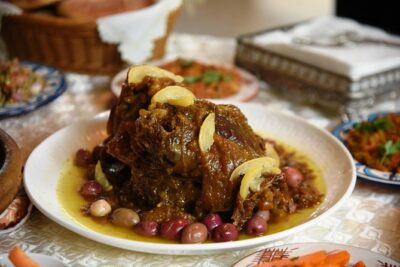
Private Market Tour & Cooking Class in Casablanca with Transfers
Read our review →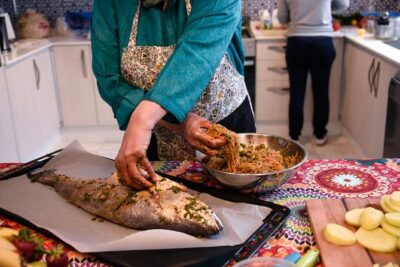
Market Tour & Moroccan Cooking Class in Casablanca with Transfers
Read our review →
Private Moroccan Cooking Class in Casablanca with a Local Expert
Read our review →
Private CousCous Cooking Class in a Traditional Family Home
Read our review →
Private Moroccan Cooking Class in Casablanca with Hotel Transfers
Read our review →
Authentic Moroccan Cooking Class in Casablanca with Hotel Transfers
Read our review →Browse the lists this tour appears in