
Review · THAILAND COOKING CLASSES
Koh Samui Jungle Kitchen – Evening Cooking Class (max 8 guests)
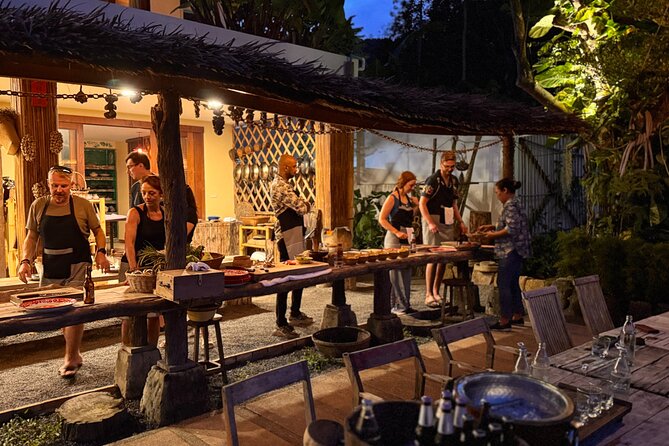
Koh Samui’s Jungle Kitchen turns dinner into a hands-on lesson in old-school Thai cooking. You tour the organic garden, grind curry paste by hand, and cook over charcoal at an eight-metre table while the jungle darkens around you. Tom and Lin keep the class small, with no more than eight people.
I especially like the menu planning and the setting. You can explain what you cannot eat and suggest favorite dishes before class, then cook a soup or salad, a curry, and a noodle or stir-fry dish. The hilltop view toward Koh Phangan is another big draw. The main consideration is the price: at $127.13 per person, this is a premium evening, though the garden visit, instruction, dinner, recipes, and optional transfer add real value.
Key Points
- Three dishes cooked from scratch: Make a soup or Thai salad, a curry, and a noodle or stir-fry dish.
- Traditional charcoal cooking: Prepare food with hand tools and cook without electricity.
- Organic garden visit: See and harvest the herbs and produce used in your meal.
- Small class size: The experience accepts a maximum of eight people.
- Hillside dinner view: Eat outside with panoramic views toward Koh Phangan.
- Personal menu planning: Share allergies and favorite dishes before the class so Tom and Lin can shape the menu.
Why This Evening Feels Different From a Standard Cooking Class
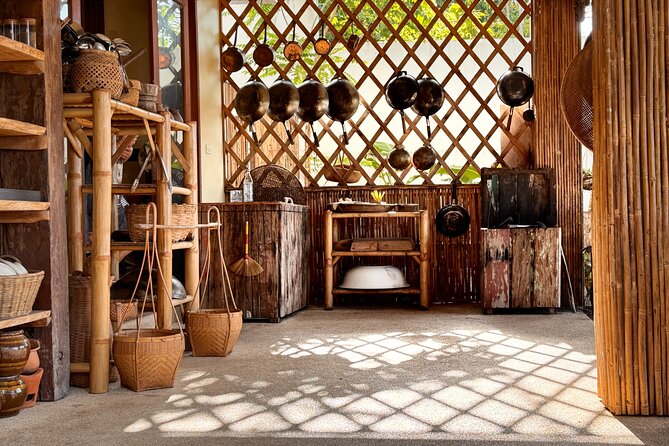
Many Thai cooking classes are built around a neat row of electric burners and premeasured ingredients. This one takes a slower, more traditional route. You chop herbs, grind curry paste, and cook over charcoal using tools and methods that connect the meal to everyday Thai kitchen practice.
The setting does much of the work. The Jungle Kitchen sits above the island in a peaceful garden area, away from the busy beach roads. As you cook, you hear the sounds of the jungle. Now and then, an elephant sanctuary nearby adds an unexpected soundtrack with a trumpet.
The experience lasts about four and a half hours, usually from 5 p.m. until shortly after 9 p.m. That makes it a full evening rather than a quick lesson before dinner. You will eat what you prepare, so arrive ready for a substantial meal.
I see this as a good fit if you want more than a recipe card and a few photographs. You get time with the ingredients, time with the instructors, and time to sit down and eat together at the end.
More Evening Classes in Thailand:
- Chiang Mai: Evening Cooking Class and Local Market Visit
★ 4.9 · 648 reviews - Evening Cooking Class in Organic Farm with Local Market Tour
★ 5.0 · 394 reviews - Tingly Thai Cooking School Evening Class
★ 5.0 · 335 reviews
Arriving at the Hilltop Kitchen
The stated meeting point is G2RG+PV in Ko Samui District. The class ends back at that same meeting point. If you prefer not to arrange your own way there, you can upgrade to include round-trip hotel transfers.
That transfer option matters on Koh Samui, where roads climb inland and the class ends after dark. The available information does not specify which hotels are covered or the exact transfer schedule, so check those details when booking. If you arrange your own transport, allow enough time to reach the hilltop meeting point before the 5 p.m. start.
The first welcome is simple: a briefing and a drink. This is when you can settle in, hear how the evening will run, and meet the other cooks. With a maximum of eight people, the class should feel more like a shared meal with instruction than a large demonstration.
The small size is one of the experience’s strongest practical features. You have a better chance to ask questions, watch each technique closely, and get help with your own chopping or grinding. It also means availability can be limited, so booking ahead makes sense if this is high on your Koh Samui list.
Walking Through the Organic Garden
Before cooking begins, Tom leads a tour of the organic gardens. This is not just a pleasant walk before the main event. It shows you where the herbs and produce come from and gives you a clearer sense of how Thai cooking builds flavor from fresh plants, aromatics, and pastes.
You can harvest ingredients for the class and see the wide range of plants used in Thai food. The garden also gives the meal a useful context. Instead of treating basil, herbs, chilies, or other ingredients as anonymous items on a worktable, you see them growing and can handle them before they reach the kitchen.
One especially appealing detail is the attention to small, practical choices. The welcome drink has been served with a bamboo straw rather than a plastic one, and the garden is treated as a working part of the kitchen rather than decoration. You should not expect a formal farm tour with signs and exhibits. The pleasure comes from walking with the instructor, asking questions, and seeing the ingredients in their growing environment.
The garden visit also sets a relaxed pace. You are not rushed straight into a recipe. Take the time to look around, smell the herbs, and pay attention to the plants you may later try to find at home.
Building the Menu Around the Group
In the days before the class, Jungle Kitchen contacts you about food restrictions and favorite dishes. That is a useful touch, especially if you have allergies, avoid certain ingredients, or already know which Thai dish you want to learn.
The normal menu includes:
- A soup or Thai salad
- A Thai curry made from scratch
- A noodle or stir-fry dish
- An additional dish prepared by Jungle Kitchen
The exact menu is shaped for the people attending. This gives the class a personal feel, but it also means you may not know the final dishes far in advance. If you have a strong preference, send it promptly when the kitchen contacts you.
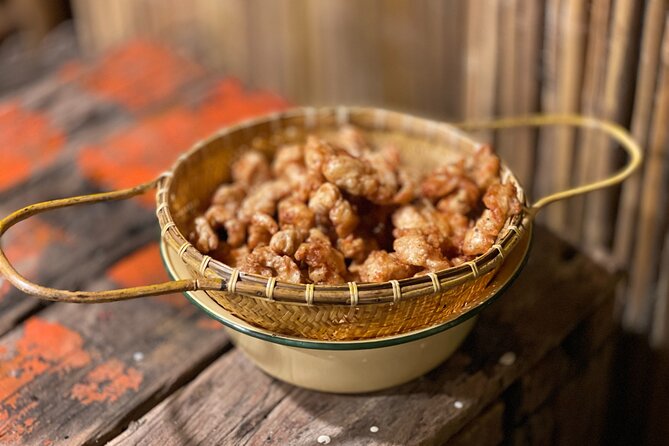
The curry is likely to be the most hands-on part of the evening because you make the paste from scratch. Grinding fresh ingredients by hand takes more effort than opening a jar, but it teaches you why Thai curry can taste so layered and fragrant.
This flexibility is also useful for mixed groups. One person may want to learn a curry, while another prefers noodles or a salad. The kitchen does the planning so the menu works for everyone cooking together.
More Cooking Classes in Thailand:
- Half-Day Thai Cooking Class at Organic Farm in Chiang Mai
★ 5.0 · 19,087 reviews - Chiang Mai: Cooking Class, Market & Thai Herbs Garden Tour
★ 4.9 · 4,824 reviews - Chiang Mai: Authentic Cooking Class with Market & Farm Visit
★ 4.9 · 4,546 reviews - Thai and Akha Cooking Class in Chiang Mai
★ 5.0 · 4,358 reviews
Chopping, Grinding, and Learning by Doing
Cooking takes place at a long handmade table, about eight metres in length. You work alongside the other participants rather than sitting in a classroom facing a distant demonstration.
Tom and Lin guide you through the preparation. Lin handles the cooking instruction, explaining the steps and watching how you work. The teaching style is practical: chop the herbs, prepare the ingredients, grind the curry paste, and follow the recipe as the aromas begin to build.
This format suits you best if you like to keep your hands busy. You will not simply watch a chef prepare dinner while you take notes. You take part in the work, and that gives you a better chance of remembering the process when you cook at home.
The traditional equipment is part of the point. The kitchen uses hand tools and charcoal rather than electricity. That may sound romantic, and it is, but it also changes the pace. Charcoal cooking requires more attention, and the heat may feel less predictable than an electric hob.
If you prefer a highly polished class with air conditioning, numbered workstations, and exact restaurant-style timing, this may feel rustic. If you enjoy cooking over fire and learning how food was prepared before modern appliances, the method adds real character.
The Charcoal Cooking Session
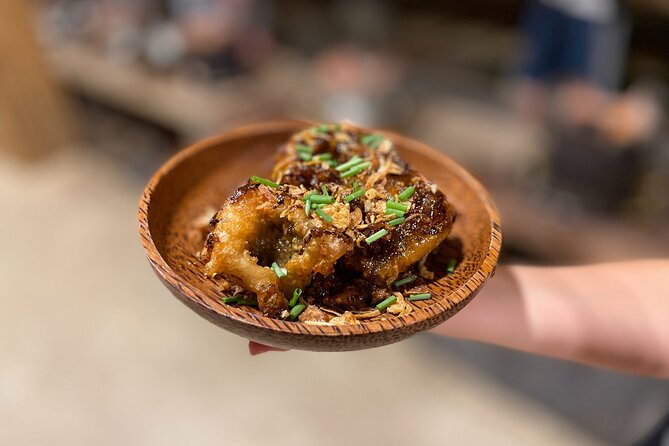
After the preparation comes a break, followed by the cooking stage over charcoal. This pause helps separate the chopping and paste-making from the final cooking, and it gives you a moment to enjoy the setting before dinner begins.
Cooking over charcoal affects more than the appearance of the experience. You need to watch the heat, work in the right order, and pay attention to how quickly each ingredient cooks. These are useful lessons for anyone who wants to recreate Thai food at home, even if your own kitchen uses a gas or electric stove.
The meal is prepared without electricity, using traditional tools and techniques. That does not mean the class is difficult or primitive. It means the focus stays on handwork, fresh ingredients, heat, and timing.
Lin’s teaching is especially important here. The cooking needs clear demonstrations and patient guidance, and the class is designed to show you how to prepare each dish rather than simply hand you the finished food. The instruction is suitable for curious home cooks, though the evening will be more rewarding if you are willing to participate fully.
Eating Dinner Above Koh Samui
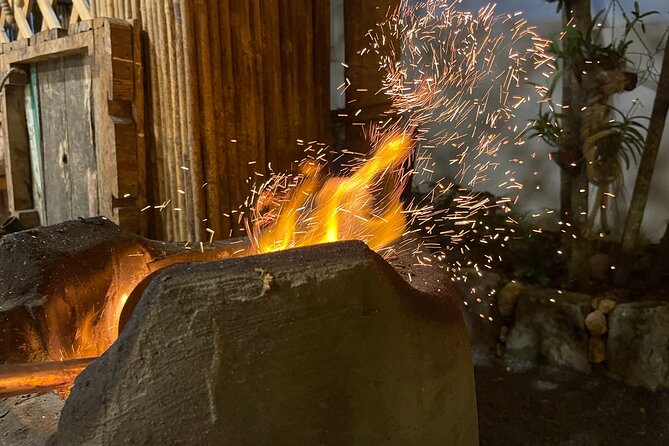
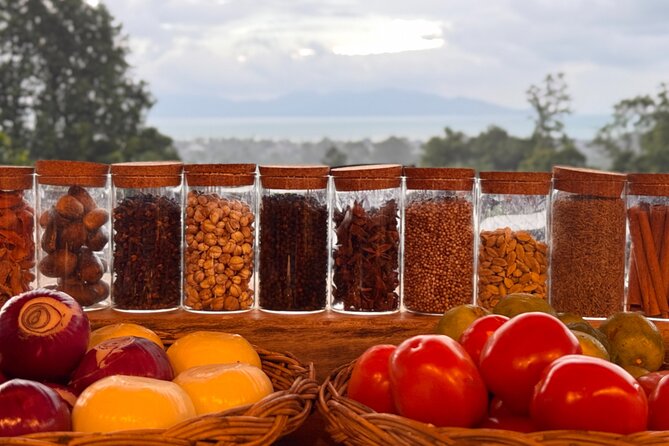
Once the dishes are cooked, you sit down to eat in the garden. The setting is a major part of the meal, with broad views toward Koh Phangan and the surrounding island. As evening settles in, the open-air setting gives dinner a calm, unhurried feel.
You eat your own creations, along with an additional dish prepared by the kitchen. That is a generous arrangement because you get to taste the results of your work while also sampling something made by the hosts.
The view is beautiful, but it is not the only reason the dinner works. The shared table gives you time to talk with Tom, Lin, and the other people in the class. Tom is known for offering local information and speaking several languages, including English, German, French, Cantonese, and Thai. That can make the dinner more social and useful if you want to ask about Koh Samui beyond the cooking lesson.
The nearby elephant sanctuary may occasionally provide the evening’s loudest sound. Do not book this expecting silence. The appeal is the mix of garden, jungle sounds, charcoal cooking, and a distant view over the island.
Recipes are shared soon after the class, which is important if you want to repeat the dishes at home. Take notes during the lesson too, especially if the menu has been adjusted to suit your group.
Is $127.13 a Fair Price?
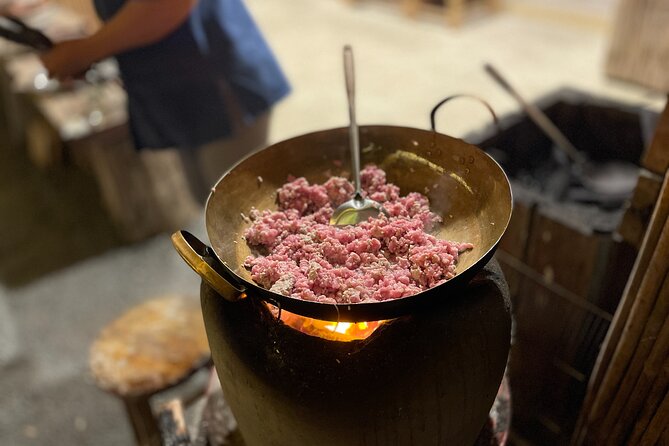
At $127.13 per person, this is not a budget meal or the cheapest cooking class on Koh Samui. You are paying for a small group, a four-and-a-half-hour evening, garden access, hands-on instruction, dinner, recipes, and the setting.
The price makes more sense if you value personal attention and a complete evening rather than a short cooking demonstration. A class capped at eight people gives you a better chance to work directly with the ingredients and ask Lin questions. The optional round-trip transfer can also save you the trouble of arranging transport to a hillside location.
The value is less convincing if your main goal is simply to taste Thai food. You can eat well for much less elsewhere on the island. This experience earns its price through the activity itself: harvesting ingredients, making paste by hand, cooking over charcoal, and sitting down to eat what you prepared.
I would also consider how much you enjoy a slow, social format. The evening is not built for rushing from one attraction to the next. It takes up your prime dinner hours and finishes after 9 p.m., but it gives you a distinct memory and recipes you can use later.
Who Should Book the Jungle Kitchen?
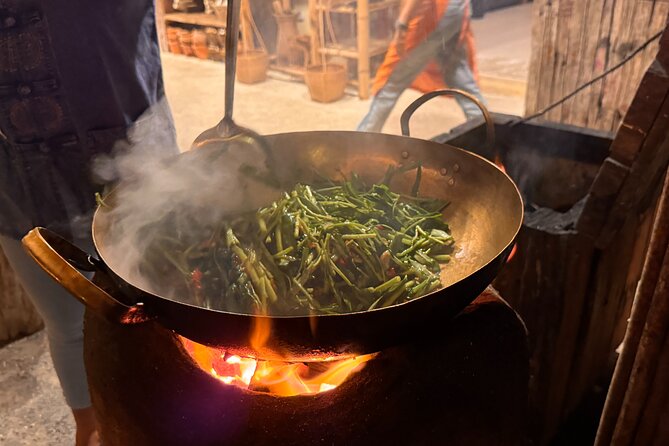
I would recommend this class to:
- Home cooks who want practical Thai recipes
- Couples or friends looking for a shared evening activity
- People interested in gardens, fresh ingredients, and traditional methods
- Anyone who enjoys cooking over charcoal or an open fire
- Visitors who prefer a small class over a large group demonstration
- Diners who want views and conversation along with their meal
It may be less suitable if you dislike hands-on cooking, want a quick activity, or need a fully predictable menu. The menu is planned around the group, so send your requests and food restrictions when contacted.
The class is also a good choice for repeat visitors to Thailand who have already seen the main beaches and viewpoints. You get a different side of Koh Samui, one based on food, gardens, and local cooking habits rather than sightseeing stops.
Jungle Kitchen accepts service animals, according to the supplied information. Other accessibility details are not provided, so ask the operator directly if you have mobility or dietary needs that require specific arrangements.
Booking and Cancellation Details
The experience operates Monday through Sunday from 5 p.m. to 9 p.m., with classes usually finishing shortly after 9 p.m. Confirmation is received at booking, and the ticket is mobile.
You can cancel for a full refund up to 24 hours before the local start time. Cancellations or changes made less than 24 hours before the start are not refunded or accepted. The class also requires a minimum number of participants. If the operator cancels because that minimum is not reached, you will be offered another date or experience, or a full refund.
Should You Book This Thai Cooking Class?
Book it if you want an evening built around making food, not just eating it. The strongest reasons are the small class, the garden-to-table ingredients, Lin’s patient instruction, Tom’s easy conversation, and the chance to cook three dishes over charcoal with Koh Phangan in view.
Skip it if $127.13 feels too high for dinner, if you prefer a short class, or if rustic outdoor cooking is not your style. For the right person, though, this is one of Koh Samui’s more memorable evening activities. You leave with recipes, new cooking habits, and a meal that you helped create from the first handful of herbs to the final plate.
FAQ
How long does the Koh Samui Jungle Kitchen class last?
The experience lasts approximately four hours and 30 minutes. It usually begins at 5 p.m. and finishes shortly after 9 p.m.
How many people can join the class?
The class has a maximum of eight participants.
What dishes will I cook?
The usual menu includes a soup or Thai salad, a Thai curry made from scratch, and a noodle or stir-fry dish. Jungle Kitchen also prepares an additional dish.
Can the menu be changed for allergies or preferences?
Yes. Before the class, Jungle Kitchen contacts you about foods you cannot eat and favorite dishes you may want to propose. The menu is then created to suit the people cooking.
Is hotel transportation included?
Round-trip hotel transfers are available as an upgrade. The standard meeting point is G2RG+PV, Ko Samui District, Surat Thani, Thailand.
Do I receive the recipes after the class?
Yes. The recipes are shared soon after the experience.
Can I cancel for a full refund?
Yes, if you cancel at least 24 hours before the local start time. Cancellations or changes made less than 24 hours before the start are not refunded or accepted.
Newest classes around Thailand
- Aroidee’s Farm-Fresh Thai Cooking Experience★ 5.0 · 8 reviews
- Authentic Thai Cooking Class and Farm Visit in Chiang Mai★ 5.0 · 66 reviews
- Half Day Guided Thai Cooking Class in Chiang Mai★ 5.0 · 13 reviews
- Yummy Tasty Thai Cooking School in Chiang Mai★ 5.0 · 2 reviews
- Signature Thai Cooking Course★ 5.0 · 79 reviews
- Online Thai and Akha Cooking Class★ 5.0 · 70 reviews
- Northern Thai Cooking Class in Chiang Mai in a Countryside Home★ 5.0 · 2 reviews
- Private Half-Day Thai Cooking Class in Chiang Mai★ 5.0 · 4 reviews
Thailand Cooking Classes, compared.
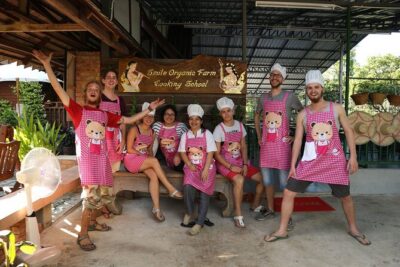
Half-Day Thai Cooking Class at Organic Farm in Chiang Mai
Read our review →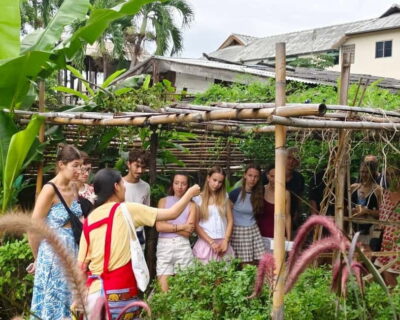
Cooking Class, Market & Thai Herbs Garden Tour
Read our review →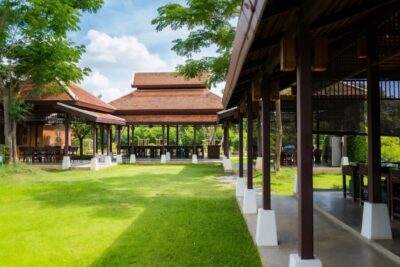
Authentic Cooking Class with Market & Farm Visit
Read our review →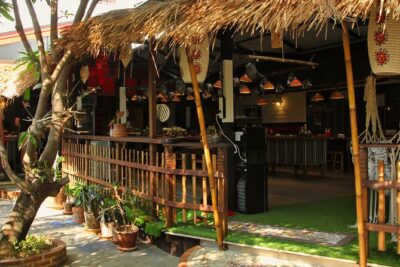
Phuket Thai Cooking Class with Market Tour Option
Read our review →
Tingly Thai Cooking School Half-Day Cooking Class
Read our review →Browse the lists this tour appears in