
Review · FRANCE COOKING CLASSES
Cooking Classes in Provence at La Belugue
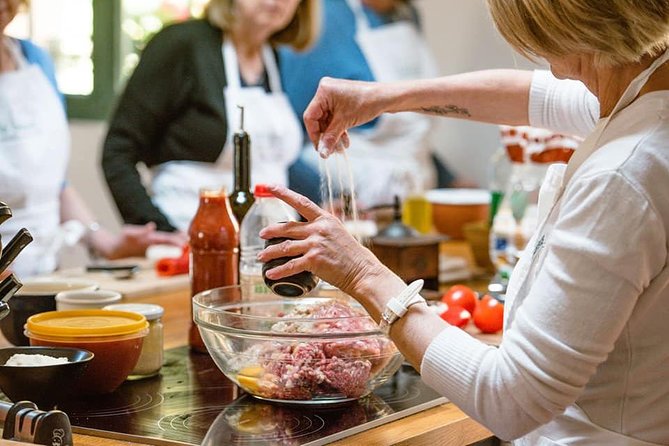
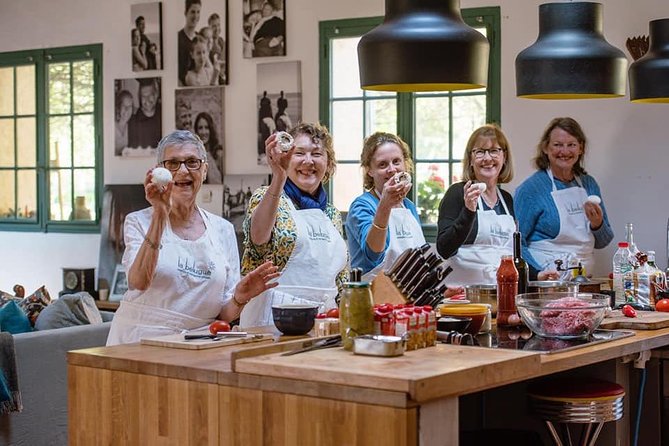
The best part of this class is that you do not just watch someone prepare Provençal food. You make it yourself in an 18th-century farmhouse kitchen in Beaumont-de-Pertuis, then sit at the farm table and eat the meal you helped create. Kelly, an American expat who speaks English, leads the class and adds local customs, food traditions, and village perspectives along the way.
I like the small group, limited to 10 people, because you should get real time at the counter instead of standing at the back of a crowded demonstration. I also like the menu: daube, aioli, gratin, tian, and stuffed vegetables show how much Provençal cooking depends on seasonal produce, patient cooking, and simple methods.
The main point to consider is transportation. You must make your own way to La Belugue at 37 Cr Nalin in Beaumont-de-Pertuis, rather than meeting in central Avignon. The class itself lasts about three hours, with the meal afterward bringing the total visit to roughly four hours.
Key Points to Know Before You Book
- Kelly teaches in English: Her background as an American expat makes the class a practical choice for English-speaking cooks, while her connection to Provence adds local context.
- You cook several Provençal dishes: Expect recipes such as daube, aioli, gratin, tian, and légumes farci, or stuffed vegetables.
- The setting is part of the appeal: You work in a Provençal kitchen at an 18th-century farmhouse in Beaumont-de-Pertuis.
- The group stays small: The maximum is 10 people, which matters when you want hands-on help.
- Lunch is made by you: After cooking, you eat your creations at La Belugue’s farm table.
- The price reflects a full half-day: At $225.73 per person, this is not a quick market-side lesson, but it includes instruction, a substantial meal, and a private farmhouse setting.
From Avignon to Beaumont-de-Pertuis
Although the activity is marketed for visitors staying in Avignon, La Belugue is located in Beaumont-de-Pertuis. You are responsible for reaching the meeting point at 37 Cr Nalin, 84120 Beaumont-de-Pertuis, France.
That detail deserves attention when you plan your day. This is not a class you simply walk to from an Avignon hotel, and no transportation from Avignon is included in the information provided. Check your route before booking and allow enough time to arrive ready to cook.
The location helps explain the character of the class. You are not in a polished cooking studio designed for a constant stream of short demonstrations. You are heading to a farmhouse setting where the food, the kitchen, and the pace are tied to village life in Provence.
The activity ends back at the same meeting point. That makes the return simple once the meal is finished, but you should still think ahead about your onward plans. A four-hour food class can easily run into lunch or early afternoon, depending on the starting time.
More Cooking Classes in France:
- Paris Cooking Class and Lunch with Wine plus Market Visit Option
★ 5.0 · 1,024 reviews - Paris Croissant Small-Group Baking Class with a Chef
★ 5.0 · 910 reviews - Paris: French Croissant Baking Class with a Chef
★ 4.9 · 712 reviews
Three Hours at the Provençal Stove
The cooking portion lasts about three hours. That is enough time to work through several recipes without turning the day into a rushed race from one dish to the next.
Kelly leads the class as a local Provençal home cook. Her teaching style is described as relaxed and fun, which suits this kind of food. Provençal recipes often reward patience more than fancy equipment, so the value comes from learning how the dishes are built and why certain steps matter.
You will prepare a range of traditional dishes. The menu can include:
- Daube, a slow-cooked Provençal stew
- Aioli, the garlic-based sauce and meal tradition
- Gratin
- Tian
- Légumes farci, or stuffed vegetables
The exact combination may vary with the seasonal menu. That is worth keeping in mind if you are booking because of one specific dish. The class promises examples from this group of recipes, but it does not promise that every listed preparation will appear at every session.
The menu also gives you a useful look at everyday Provençal cooking. Daube shows the slow-cooked side of the region’s food. Aioli brings garlic and sauce-making into the picture. Gratin, tian, and stuffed vegetables focus attention on produce, seasoning, and careful oven cooking.
I especially like that the food is described as healthy and seasonal rather than as restaurant-style showmanship. You are learning dishes that can fit into a home kitchen, not just tricks that look good for a few minutes and then disappear from your cooking life.
Cooking Beside Local Expertise
The class works best if you want to participate. This is hands-on instruction, not a seat-and-watch demonstration. You should expect to help prepare the dishes, follow guidance, and work alongside the other people in the group.
A maximum of 10 people is a useful limit. It does not guarantee that every minute will be one-on-one, but it gives the instructor a much better chance to see what you are doing and answer questions. It also keeps the meal afterward from feeling like a large tour group lunch.
Kelly’s English is another practical advantage. She can explain the cooking steps clearly while adding Provençal customs and food history. Her local perspective is one of the reasons this class offers more than a recipe handout. You get a sense of how food connects with daily life in the village.
The class is also suitable for mixed skill levels. The supplied details do not set an experience requirement, and the emphasis is on learning with guidance. If you already cook often, you may appreciate the regional methods and local context. If you are less confident in the kitchen, the small group and direct instruction should make the work easier to follow.
Still, you should not expect a formal culinary-school course. The tone is laid back and social. People from different countries cook together, and part of the pleasure comes from the shared work. If you want technical knife training, professional kitchen drills, or a tightly timed chef demonstration, this may feel too casual.
A Farmhouse Setting That Shapes the Meal
The venue is not just a backdrop. Cooking in a Provençal farmhouse gives the class a stronger sense of place than a generic studio would.
La Belugue is an 18th-century farmhouse, and the setting is surrounded by vineyards according to the experience details. You are preparing regional food in the same part of France that inspires it. That connection helps the recipes make more sense: local produce, slow cooking, garlic, vegetables, and relaxed meals all belong together here.
The farmhouse setting also supports the idea of slow living. The class is not designed as a quick stop between major sights. You spend several hours preparing food, sharing the kitchen, and sitting down to eat. That slower rhythm may be the very reason to choose it.
The tradeoff is that a rural or village setting can require more planning than a city-center activity. You will need to handle your own arrival, and the class may not suit a day packed with timed museum visits or train departures. Give this experience room in your schedule.
Same region, a different dish to learn:
- Paris Cooking Class: Learn How to Make Macarons
★ 5.0 · 634 reviews - Paris: French Macaron Culinary Class with a Chef
★ 4.9 · 591 reviews - Paris Evening Cooking Class French Dinner and Market Visit Option
★ 5.0 · 430 reviews - Paris French Cuisine Small Group Cooking Class with Lunch
★ 4.5 · 418 reviews
Sitting Down to Eat What You Made
After the cooking, you move to the farm table at La Belugue and enjoy the meal. This is more than a snack at the end of a class. The meal is built from the work you have just completed, so you can see how the separate tasks come together on the plate.
That payoff matters. A cooking class can feel incomplete if the food is packed away or if you leave before tasting the results. Here, the lunch is part of the experience and gives you time to slow down after the kitchen work.
The meal is described as a traditional French meal, with the dining tradition recognized by UNESCO as an Intangible Cultural Heritage of Humanity. That recognition refers to the French gastronomic meal as a cultural practice, not to a claim that every individual recipe or class has UNESCO status. The useful point for you is the focus on sitting together, sharing food, and treating the meal as an important social moment.
You should expect the meal to be relaxed rather than rushed. The farmhouse table fits the tone of the class, and the food gives you a chance to taste the recipes while they are fresh. It is also the best time to ask about substitutions, serving ideas, and how to repeat the dishes at home.
What You Can Take Home
The practical value of this class is strongest if you want recipes you can use again. The dishes are described as delicious and easy to make at home, which is a helpful combination. You are not simply collecting a souvenir recipe that requires rare equipment or ingredients unavailable outside Provence.
Daube, aioli, gratin, tian, and stuffed vegetables can also teach you several broad cooking habits:
- How to build flavor slowly
- How to use seasonal vegetables well
- How to prepare a traditional sauce
- How to make a meal feel generous without relying on complicated techniques
- How to serve several dishes as part of a shared table
I would bring a way to take notes if you like to remember exact quantities or cooking times. The supplied information does not promise a printed recipe booklet, so do not assume you will receive one. The class is your chance to ask questions while the food is being prepared.
The recipes may also be useful for entertaining. The cooking is presented as the kind of food that can impress family and friends without requiring restaurant-level skill. That makes the class a sensible choice for someone who wants to bring a bit of Provence into a home kitchen.
Is $225.73 a Fair Price?
At $225.73 per person, this is a premium cooking class. You are paying more than you would for a short city demonstration or a basic group lesson.
The price makes more sense when you consider what fills the half-day: roughly three hours of hands-on cooking, a meal afterward, instruction from a local Provençal home cook, and the farmhouse setting. You are also getting a small group capped at 10 people, rather than only a seat in a large presentation.
Value depends on how much you want the setting and meal. If you are mainly looking for a recipe lesson, the price may seem high. If you want a full food experience that combines cooking, conversation, local context, and lunch, it is easier to justify.
The class also has strong appeal for couples and food-focused visitors who want one special activity outside the usual Avignon sightseeing route. You are not paying only for ingredients. You are paying for time, access to a local kitchen, and the chance to eat a meal you helped prepare.
Because the booking is non-refundable and cannot be changed for any reason, make sure your schedule and transportation plans are firm before you pay. If the minimum number of participants is not reached and the operator cancels, you will be offered another date or experience, or a full refund.
Who Will Enjoy La Belugue Most?
I would choose this class if you like food as a way to understand a place. It suits cooks who want practical recipes, couples looking for a slower half-day, and people who prefer a small village setting to a busy city attraction.
It also suits English-speaking participants. Kelly speaks English and can explain both the cooking and the cultural background without leaving you to guess at unfamiliar steps.
Families and groups should check the booking details carefully before assuming the class is suitable for young children, since no age information is provided. The same caution applies to dietary restrictions. The menu includes several vegetable dishes, but the supplied information does not confirm vegetarian, vegan, allergy-friendly, or other special-diet accommodations.
I would skip it if you need included transport from Avignon, have only a narrow window between other bookings, or prefer a formal professional kitchen. The class is built around participation and a relaxed meal, so you should want both parts.
Practical Details Before You Go
You receive a mobile ticket, and confirmation is sent within 48 hours of booking, subject to availability. The activity has a maximum of 10 people, but the information does not state a guaranteed minimum group size or a fixed start time.
Plan on approximately four hours in total. The cooking class itself is about three hours, followed by the traditional meal. Since you make your own way to the farmhouse and return to the same meeting point, allow time for getting there and leaving afterward.
Wear something comfortable for kitchen work. Specific clothing rules are not provided, so you should use ordinary practical judgment and avoid anything you would hate to splash with sauce or oil.
The biggest planning tip is simple: do not treat this as an add-on you can squeeze between two fixed appointments. The food is cooked slowly, the meal comes afterward, and the value lies in having time to enjoy both.
Should You Book This Cooking Class?
Book it if you want to cook Provençal food in a real farmhouse setting, learn from Kelly in English, and finish with a shared meal made by your own hands. The small group, broad menu, and relaxed pace give the class more substance than a quick demonstration.
Think twice if the price stretches your budget or if reaching Beaumont-de-Pertuis is inconvenient. This is a special half-day rather than a bargain activity, and the non-refundable policy means you should confirm your plans first.
For food lovers who value local instruction, seasonal cooking, and a long lunch at the end, La Belugue offers a clear sense of place and a useful set of recipes to take home.
FAQ
Where does the cooking class take place?
The class takes place at La Belugue, an 18th-century farmhouse at 37 Cr Nalin, 84120 Beaumont-de-Pertuis, France.
How long does the activity last?
The total experience lasts approximately four hours. The cooking class itself lasts about three hours, followed by a traditional French meal.
Is transportation from Avignon included?
No. You must make your own way to the meeting point in Beaumont-de-Pertuis.
Who teaches the class?
Kelly, a local Provençal home cook and American expat, leads the class. She speaks English and shares Provençal customs and food traditions during the lesson.
What dishes might I prepare?
The class may include dishes such as daube, aioli, gratin, tian, and légumes farci, or stuffed vegetables. The exact selection can depend on the seasonal menu.
How many people can join the class?
The activity has a maximum of 10 participants. Confirmation is sent within 48 hours of booking, subject to availability.
Newest classes around France
- Six day French Cooking Course in Brittany★ 5.0 · 30 reviews
- Private cooking lesson – Canelés in 3 gourmet recipes★ 3.0 · 2 reviews
- Plant-based French Cooking Class in Historic Bordeaux Apartment★ 5.0 · 9 reviews
- Cooking lessons★ 5.0 · 41 reviews
- Cooking workshop with an exceptional chef in Avignon★ 4.5 · 88 reviews
- Aix en Provence Small group Croissant Baking Class with a chef★ 5.0 · 15 reviews
- Mediterranean Cooking Class in the heart of Aix-en-Provence★ 5.0 · 6 reviews
- Paris: Millefeuille baking class with a chef★ 5.0 · 5 reviews
France Cooking Classes, compared.
Paris Cooking Class and Lunch with Wine plus Market Visit Option
Read our review →
Paris Croissant Small-Group Baking Class with a Chef
Read our review →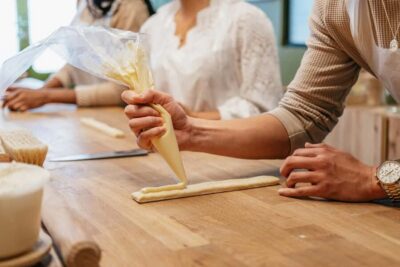
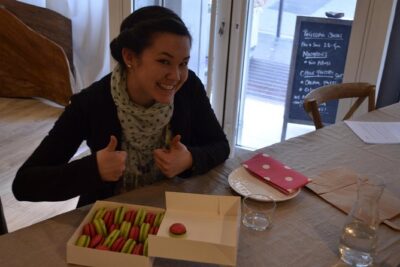
Paris Cooking Class: Learn How to Make Macarons
Read our review →
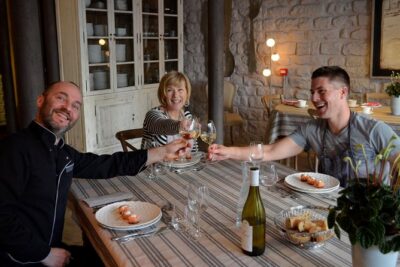
Paris Evening Cooking Class French Dinner and Market Visit Option
Read our review →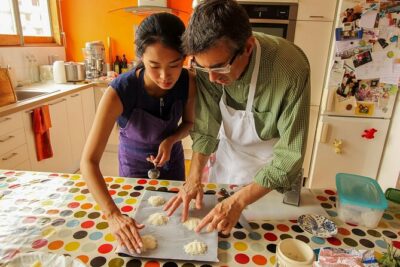
Paris French Cuisine Small Group Cooking Class with Lunch
Read our review →
Paris Macarons Small-Group Baking Class with a Chef
Read our review →Browse the lists this tour appears in