
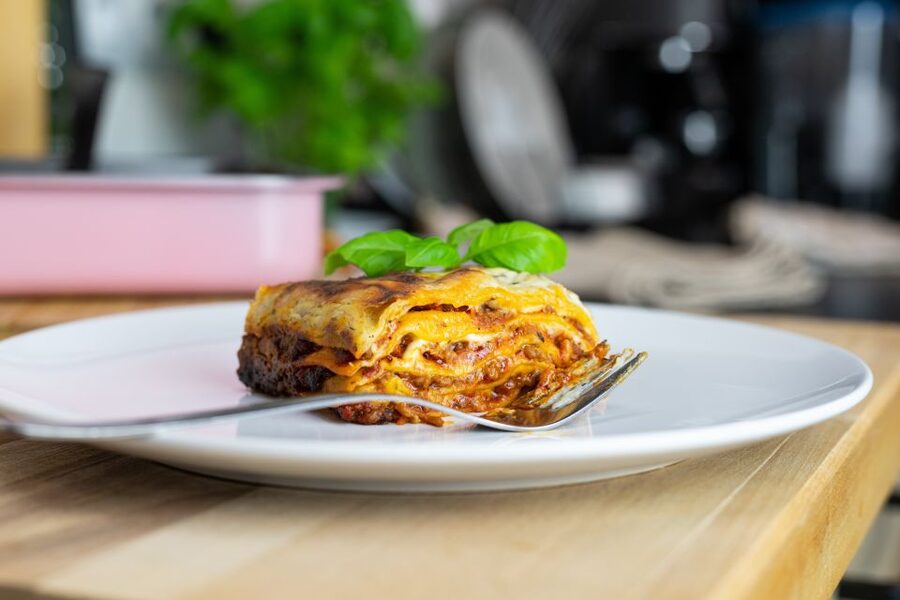
Review · POSITANO COOKING CLASSES
Positano: Pasta & Tiramisu Cooking Class at a Local’s Home
Making pasta by hand is the heart of this experience. You roll the sfoglia, prepare two classic pasta dishes, then finish with tiramisu in a local home near Positano. It is a hands-on look at Campanian cooking, not just a meal served to you.
I like the small-group format, limited to 10 people, and the chance to meet hosts such as Carla and Rocco or Antonio and Andriana. I also like the aperitivo at the start, since prosecco and small bites make the class feel social from the first minute.
The main drawback is the price, $243.56 per person, which is a serious spend for a three-hour activity. You should also know that the home is 3 to 6 km from Positano, and the exact address arrives only after booking.
Key points to know before booking
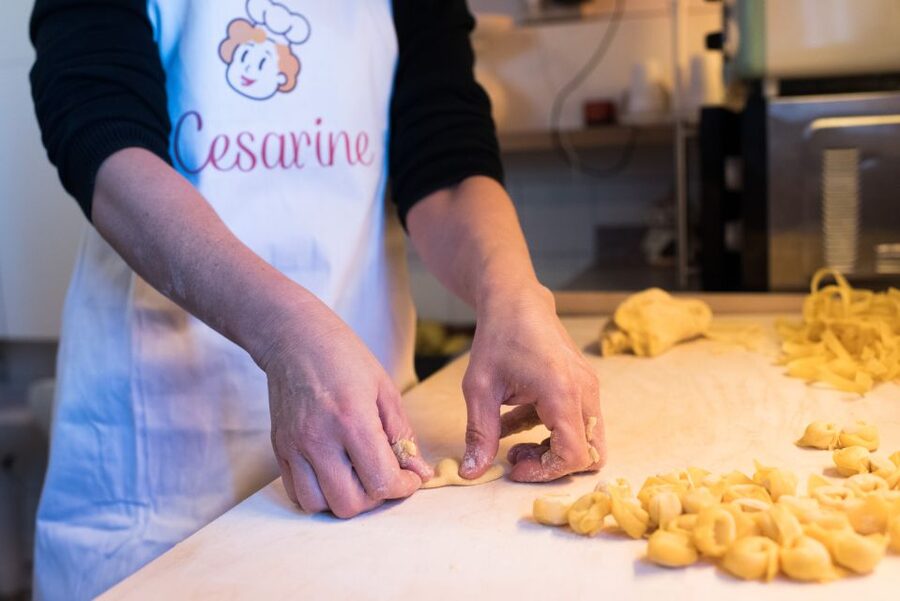
- Hand-rolled sfoglia: You learn the basic technique for turning dough into fresh pasta by hand.
- Two pasta recipes: The class is designed to cover two iconic pasta types, though one account reports making only one, so it is worth confirming your session.
- A real home setting: Your class takes place in a Cesarine host’s home rather than a standard cooking school.
- Aperitivo included: Prosecco and small bites begin the experience before the cooking starts.
- Local hosts make the difference: Carla, Rocco, Antonio, Andriana, Sergio, Giacomo, and Francesco have all hosted versions of this class.
- Plan the transfer: The home is outside central Positano, and you must provide your lodging area and intended way of getting there.
A pasta lesson inside a Campanian home
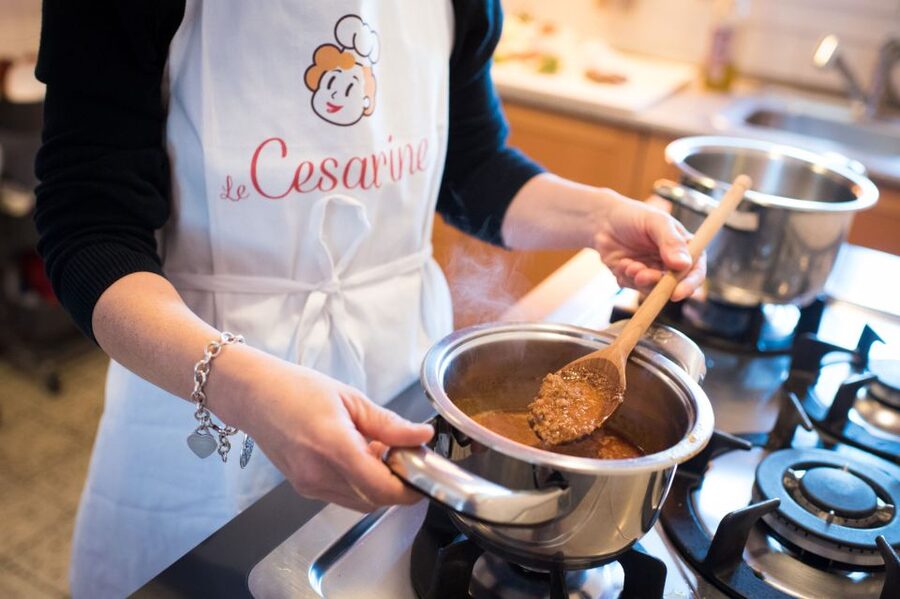
This class gives you something a restaurant meal cannot: a chance to handle the ingredients yourself and see how a local cook approaches everyday Italian food. You do not simply watch a chef perform. You roll, shape, prepare, and eat the dishes with the people teaching you.
The experience is run by Cesarine, a network of home cooks across Italy. The idea is simple. A local cook opens a private home to visitors and shares dishes drawn from family cooking traditions. Your host is assigned after booking, based partly on what you tell the company about your food needs and interests.
That personal match matters here. The class is not tied to one public kitchen with a fixed chef and identical setup every day. You could meet Carla and Rocco, Antonio and Andriana, Sergio, or another host in the network. The character of the afternoon may change with the household, but the main structure remains the same: aperitivo, pasta, tiramisu, and a shared meal.
The home setting also means the surroundings can be part of the pleasure. Some sessions offer broad views outside the house, and one host home was described as a short bus ride from Positano with particularly good views. Do not book this solely for a guaranteed terrace or sea panorama, since the address and host vary. Still, the possibility adds something a formal cooking studio cannot easily copy.
More Pasta Making Classes in Italy:
- Florence: Pasta Cooking Class with Unlimited Wine
★ 4.9 · 10,285 reviews - 3 in 1 Cooking Class near Navona: Fettuccine, Ravioli & Tiramisu
★ 5.0 · 7,376 reviews - Florence: Pasta & Tiramisu Cooking Class with Unlimited Wine
★ 4.9 · 6,708 reviews
Starting with prosecco and small bites
The class begins with an Italian aperitivo. You receive prosecco and small nibbles before moving into the cooking lesson. This is more than a quick drink. It gives you time to meet the host and the other members of your group, and it eases you into the pace of a home meal.
The group is capped at 10 people. That is small enough for a practical lesson, though the exact feel depends on how many people book your time slot. If you want constant one-on-one instruction, a group of 10 may still feel shared rather than private. For most people, the size should allow enough access to the work surface and enough conversation without turning the class into a large demonstration.
The hosts speak Italian and English. That makes the class workable for English-speaking visitors, especially when the lesson involves visual tasks such as rolling dough and shaping pasta. Cooking terms can still move quickly, so pay attention during the first demonstration and ask questions as you go.
I like the aperitivo because it reflects the rhythm of Italian hospitality. You start with a drink and conversation, rather than being rushed straight into instructions. It also helps if you arrive hungry, since the meal comes later in the three-hour session.
Rolling sfoglia by hand
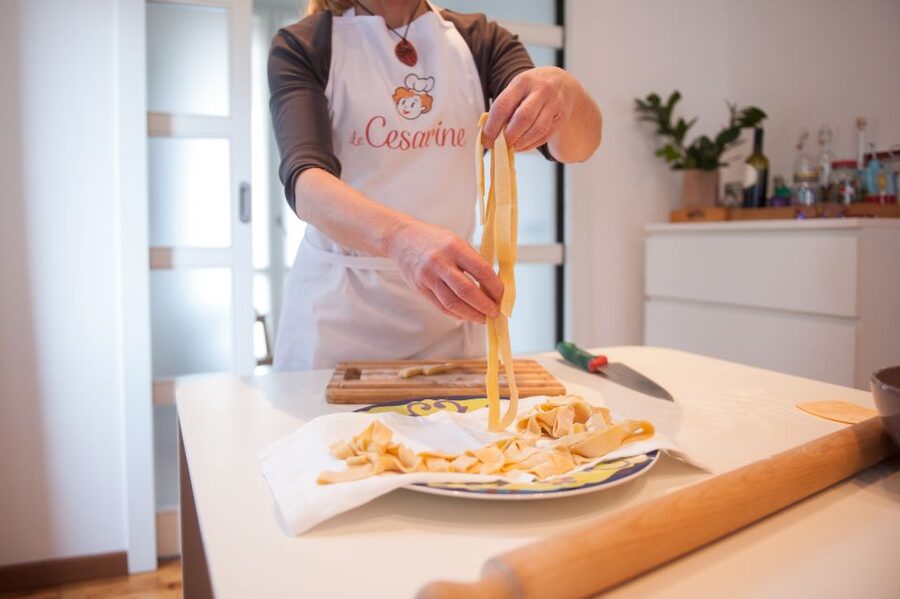
The most useful skill in the class is learning to roll sfoglia. Sfoglia is fresh pasta dough rolled into thin sheets, and working it by hand gives you a better sense of texture than watching a machine do the job.
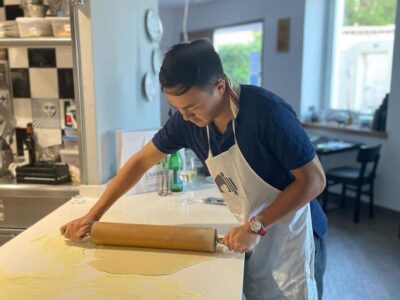
Your host shows you how to work the dough, then you take over. The lesson is designed to be hands-on, so expect to spend part of the class handling dough rather than simply taking notes. This is the part you can repeat at home, even if your first sheet is not perfectly even.
The value is not only the recipe. You begin to understand how fresh pasta is made, how dough changes under your hands, and how much work goes into a dish that may look simple on a restaurant plate. The process can also be social. You are working beside other people, comparing shapes, and learning through small corrections from the cook.
Carla is especially associated with teaching the pasta portion, while Rocco is often the host who helps welcome people into the home and explains family traditions. If you are matched with them, you can expect a division between practical instruction and warm hosting. Other pairs, such as Antonio and Andriana or Giacomo and Francesco, bring their own style.
Two pasta dishes, with one point to confirm
The planned class includes two iconic pasta types. You learn to prepare both from scratch, then taste the finished recipes as part of the meal. The exact pasta shapes and sauces depend on the host and the regional recipes selected for your session.
This is a good arrangement for a short class. One pasta recipe gives you a focused lesson, but two show you how the same basic dough can become different dishes. You get a broader look at Italian cooking without spending an entire day in the kitchen.
There is one practical point to clarify before you pay. One account describes making only one pasta rather than two. The advertised structure is two pasta types, but home-based classes can vary by host, timing, or group. If learning two different pastas is important to you, ask Cesarine to confirm this before arrival.
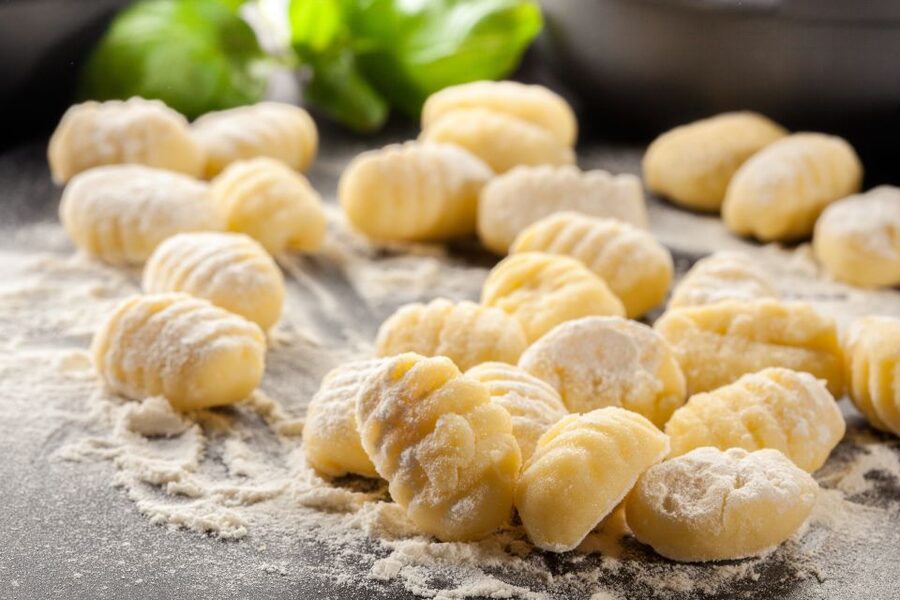
One particularly praised dish was gnocchi with bolognese sauce, served by Chef Antonio. That dish is not a guaranteed part of every session, but it shows how much the final menu can depend on the host’s own specialties. Antonio was also noted for using fresh ingredients and for making the cooking feel relaxed rather than rushed.
The food is served after the practical work is complete. You taste the two pasta recipes you helped prepare, rather than leaving with a small sample. Be ready for the class to function as both a lesson and a full meal.
More Tiramisu and Dessert Classes in Italy:
- Rome: Pasta Making Class with Wine, Limoncello, and Dessert
★ 4.9 · 3,177 reviews - Rome: 3-in-1 Fettuccine, Ravioli, and Tiramisu Cooking Class
★ 4.9 · 2,704 reviews - Florence: Cooking Class Pasta & Tiramisu Making Unlimited Wine
★ 5.0 · 2,234 reviews - Fettuccine & Tiramisù: Cooking Class with Wine & Limoncello
★ 4.9 · 2,103 reviews
Tiramisu at the end of the lesson
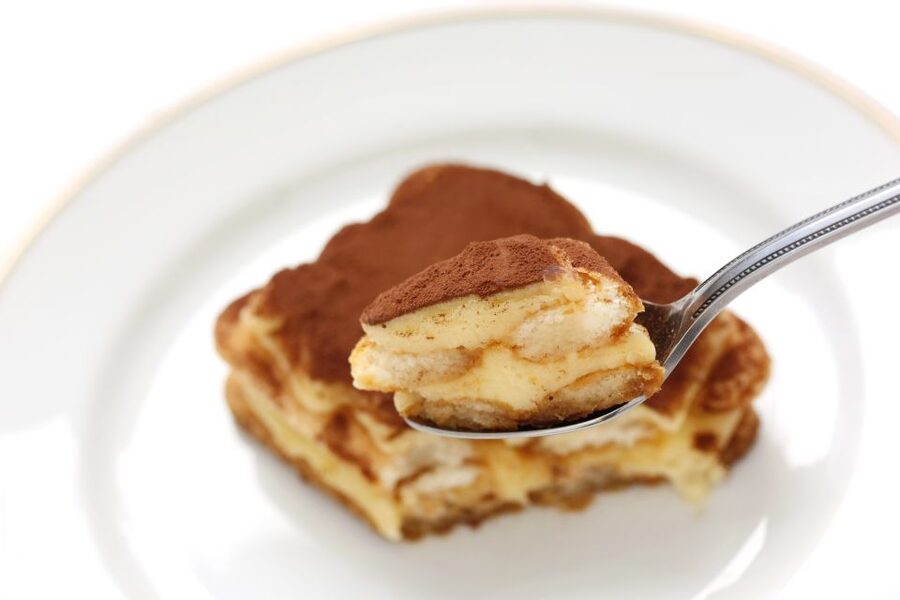
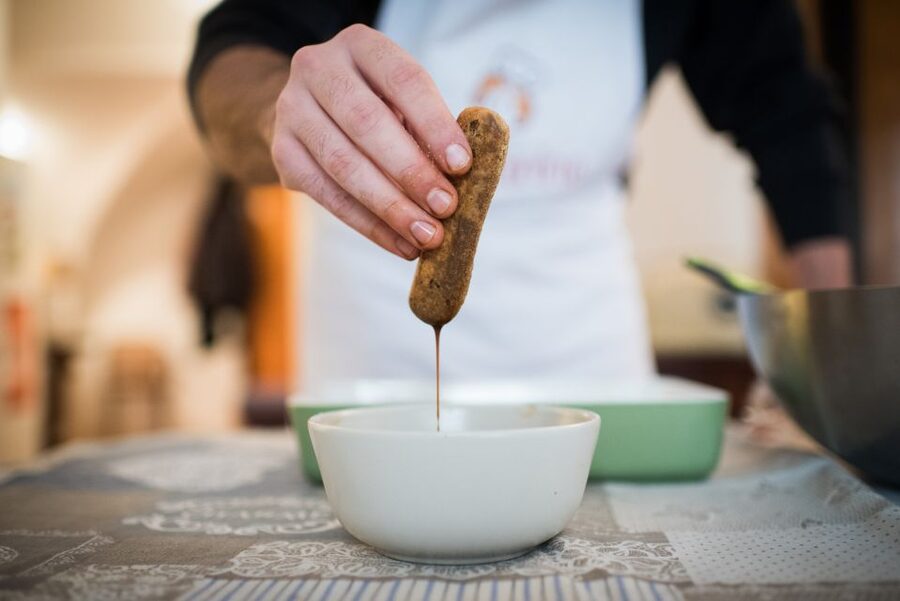
After the pasta, you learn to make tiramisu. It is a fitting finish because the dessert requires a different set of skills from the pasta course. Instead of rolling dough, you work through the basic assembly of a familiar Italian dessert.
The class presents tiramisu as an iconic dish, and it is included in the final tasting. You do not need to choose between watching the dessert demonstration and eating it later. The aim is to learn the preparation and then enjoy the result with the rest of the meal.
This part will appeal to anyone who wants a class that covers a full Italian menu. You leave with techniques for fresh pasta and a dessert you can try again at home. The lesson does not promise a pastry qualification or an advanced cooking course, so keep your expectations practical. It is a friendly introduction to traditional home cooking.
Wine, coffee, and the meal you helped make
Beverages include water, wine, and coffee, along with the prosecco served during the aperitivo. The wine is part of the meal, not an optional extra that you must purchase separately.
The drinks help explain some of the cost, but they do not justify the entire price on their own. You are paying for the instruction, the food, the private-home setting, the small group, and the time spent with the host. At $243.56 per person, this is not a budget meal or a quick demonstration.
I would judge the value by asking what you want from Positano. If you only want to eat pasta, restaurants offer cheaper options. If you want a personal activity, a practical lesson, and a meal with a local host, the cost becomes easier to defend.
Some hosts also add a strong sense of place. Antonio’s session included discussion of the area and a drive to his home, while other hosts shared family recipes in a PDF after the class. These extras are not listed as guaranteed parts of every booking, but they show why the home cook matters. You may receive more than the basic cooking schedule, depending on your host.
Getting to a home 3 to 6 km from Positano
This is not a meeting-at-the-front-door activity in central Positano. The home is located 3 to 6 km from Positano, and the full address is sent only after you book because the hosts live in private homes.
After booking, Cesarine contacts you to match you with a host. You should provide your food intolerances and allergies, the area where you are staying, and how you plan to reach the home. Do this early. Your location affects the practical advice you receive, and the company needs those details to arrange a suitable match.
You may be able to reach the home by bus, as one session was described as a bus ride from Positano. Do not assume every host home follows the same route. The address varies, so wait for the host details before working out the final journey.
This location is both a benefit and a nuisance. It takes you beyond the standard Positano restaurant circuit and into a local setting. At the same time, you need to allow extra time for transport, and the coastal roads can make short distances feel slower than the map suggests.
The activity ends back at the meeting point, meaning the host’s home. Make sure your return plan allows for the end of the meal, not just the advertised three-hour duration. A relaxed lunch or dinner can take a little longer if conversation runs on.
Which host might you meet?
The host is not guaranteed in advance, but several names are connected with this experience. Carla is described as a clear and helpful pasta teacher, while Rocco handles hosting and conversation. Together, they create the kind of family atmosphere many people want from a home cooking class.
Antonio is another possible host. His session included a strong lesson, wine, fresh ingredients, and gnocchi with bolognese. Andriana helped with the wine and added to the social side of the meal.
Sergio has also hosted the experience, with an emphasis on an authentic local setting. Giacomo and Francesco are described as engaging and generous hosts. These names are useful because they show the range of people involved, but they should not be read as a promise that you will meet one particular cook.
The company asks about your interests and food needs before assigning the home. Give honest information about allergies and intolerance. Even though the class is built around pasta and tiramisu, the details of the menu and the host match still matter.
Who will enjoy this class most?
I would recommend it to couples, families with older children, and small groups of friends who want more than a sightseeing stop. It suits people who like to learn by doing and who enjoy long meals with conversation.
It is also a good choice if you have already seen Positano’s main sights and want an activity with a local connection. The class gives you a reason to leave the center and see another part of the area, although the home location means you must plan the journey.
You may not enjoy it if you want a tightly timed professional workshop, a guaranteed sea view, or a fixed menu with one named chef. The small group is helpful, but the home-based format naturally has more variation than a standard cooking school.
The experience is not suitable for wheelchair users. The operator also asks you to share your allergy and intolerance information in advance, which is especially important for a meal centered on pasta, dairy, and dessert.
Cancellation, timing, and booking value
The class lasts three hours, with starting times shown according to availability. You can cancel up to 24 hours in advance for a full refund, and you can reserve now and pay later.
That flexibility helps with a Positano itinerary, where weather, transport, and changing plans can affect your day. Still, you should not leave the journey to the last minute. Once you receive the address, work out the route and allow a buffer for the return.
The price is $243.56 per person. This is a premium charge, especially for a three-hour activity, but it covers the aperitivo, beverages, cooking instruction, two pasta recipes, tiramisu, and the food you prepare and eat. The strongest value comes if you treat it as a cultural visit and a meal, not merely a pasta lesson.
Should you book this Positano cooking class?
Book it if you want to work with fresh pasta by hand, meet a local cook, and share a meal in a private home outside Positano. The combination of sfoglia, two pasta dishes, tiramisu, prosecco, wine, and conversation gives the afternoon a clear purpose.
I would hesitate if the $243.56 price strains your budget or if you need a guaranteed menu, exact host, or central Positano location. Before booking, confirm that your session will include both pasta types, send your allergies and lodging details, and check the route once the address arrives.
For the right visitor, the best part is not simply eating Italian food. It is learning how a local household prepares it, then sitting down to taste what you made.
FAQ
Where is the cooking class held?
The class takes place in a local host’s home located 3 to 6 km from Positano. The full address is provided after booking for privacy reasons.
How long does the experience last?
The cooking class lasts three hours. Available starting times are shown during the booking process.
What will I learn to cook?
You learn to roll sfoglia by hand, prepare two types of pasta from scratch, and make tiramisu.
Is food and drink included?
Yes. The experience includes the two pasta dishes, tiramisu, water, wine, coffee, and an Italian aperitivo with prosecco and small bites.
How many people are in the group?
The activity is a small-group class with a maximum of 10 participants.
What languages does the instructor speak?
The instructors speak Italian and English.
Can I cancel the booking?
Yes. You can cancel up to 24 hours in advance for a full refund. You can also reserve the experience and pay later.
Newest classes around Italy
- Cooking Class in a Sicilian countryhouse★ 5.0 · 5 reviews
- Cesarine: Market Tour & Home Cooking Class in Catania★ 4.0 · 6 reviews
- Cesarine: Home Cooking Class & Meal with a Local in Catania★ 4.5 · 10 reviews
- Cooking Class in Taormina with Lunch Included★ 5.0 · 2 reviews
- Cooking class in Capri for small groups★ 4.0 · 4 reviews
- Cooking Class and Wine Pairing in Capri★ 5.0 · 57 reviews
- Lezione di Cucina : Pasta Fresca★ 5.0 · 12 reviews
- Private Cooking Class Experience in Reggio Calabria★ 5.0 · 5 reviews
Positano Cooking Classes, compared.
Cooking class with Pasta, mozzarella and Tiramisu with wine
Read our review →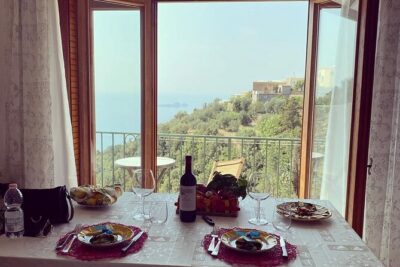
Small-Group Cooking Class in Positano: Gnocchi, Tiramisù & Drinks
Read our review →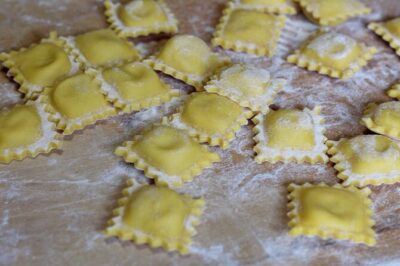
Ravioli & Tagliatelle Cooking Class at a Local’s Home in Positano
Read our review →
Amalfi Coast Cooking Class: Make Pasta, Mozzarella & Tiramisu
Read our review →
Small Group Cooking Class with Prosecco & Dessert
Read our review →Browse the lists this tour appears in