
Review · MILAN COOKING CLASSES
Small Group Cozy Cooking Class in a Typical Milanese Home
The best part of this Milan cooking class is that you enter a local apartment, not a restaurant kitchen built for tourists. You make fresh pasta, prepare a sauce, and finish with tiramisu before sitting down to eat it all together. Chiara is praised for her warmth and patience, while Maria has also hosted groups with a friendly, personal touch.
I like the six-person limit, which gives you real help with the pasta rather than a quick demonstration from across the room. I also like the easy social rhythm: aperitivo first, wine during the lesson, then a family dinner at the table. The main consideration is that this is a home-based experience, so it suits people who enjoy a relaxed, sociable evening more than a polished restaurant-style class.
Key points at a glance
- Cook in a Milanese home: You visit the chef’s apartment in the heart of Milan and get a glimpse of everyday life in the city.
- Make pasta by hand: Learn to prepare tagliatelle from scratch, using both a rolling pin and pasta machine when appropriate.
- A full meal is included: The usual menu includes fresh pasta, ragù, tiramisu, aperitivo, and wine.
- Small groups matter: With no more than six participants, the host can guide each person closely.
- Good for families and friends: Children can have soft drinks, and the relaxed format works well for mixed-age groups.
- A practical souvenir: Recipes are provided so you can repeat the dishes at home.
A Milanese apartment instead of a cooking school
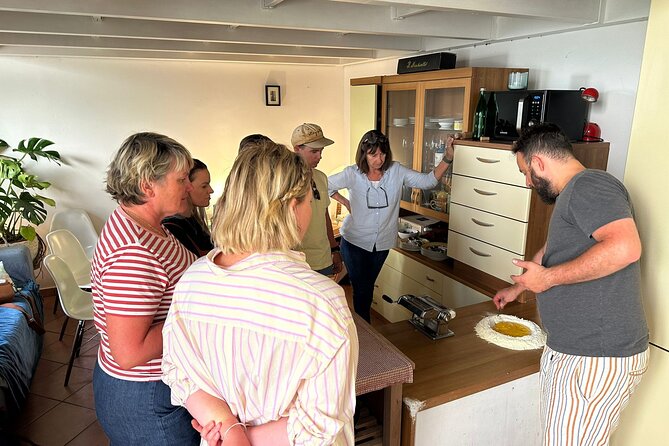
This three-hour class takes place in a typical Milanese apartment, giving you a more personal setting than a large culinary studio. You meet the host at the listed meeting point, Bell Alegi, then enter the chef’s home in central Milan for the evening.
That setting is part of the experience. You are not only learning how to mix flour and eggs. You are seeing how a Milanese host welcomes people into her home, shares food, and turns a meal into a social event. The class is designed around conversation, cooperation, and eating together.
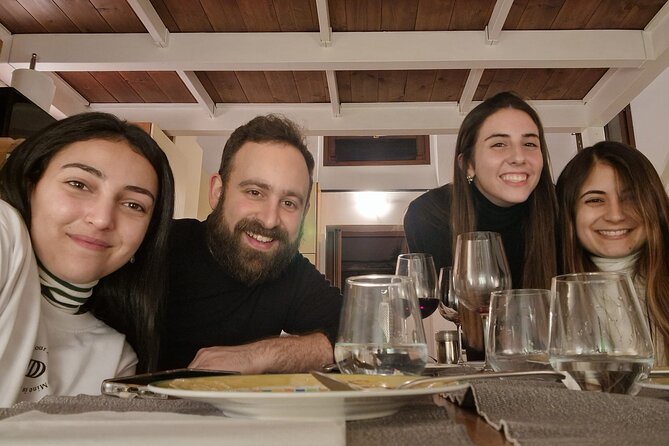
The atmosphere is deliberately cozy. You may be cooking with a group of friends, a family, or people you have just met. The maximum group size is six, which is small enough for the host to watch your technique and answer questions without making the class feel formal.
This format will not suit everyone. If you want a quiet, highly structured lesson with professional workstations and exact timing, this may feel informal. If you like cooking alongside other people and want a more personal look at Milanese life, the apartment setting is a major advantage.
More Cooking Classes in Milan:
- Milan: Pasta and Tiramisu Cooking Class with Wine
★ 4.8 · 1,106 reviews - Milan: Pasta and Tiramisu Small Group Cooking Class with Wine
★ 5.0 · 660 reviews - Milan Cooking Class: Authentic Pizza & Gelato Making
★ 5.0 · 582 reviews
Starting with aperitivo and Italian products
The class begins with a small welcome aperitivo. This gives you time to settle in, meet the host, and get comfortable before the flour appears. Italian products are served, along with wine, water, and soft drinks for children.
I like this opening because it removes the pressure of arriving and immediately having to perform. You can ask about the menu, talk with the other participants, and enjoy a taste of local food before the hands-on work begins.
Wine is available throughout the workshop, with red or white options listed as part of the experience. That makes the class feel closer to a long Italian dinner than a short technical lesson. Still, keep in mind that the focus remains on cooking. If you do not drink alcohol, water is included, and children can have soft drinks.
The aperitivo also sets the tone for the rest of the evening. This is not a class where you make one dish, take a photograph, and leave. You are preparing several parts of a meal, then eating the result at the same table.
Making tagliatelle from flour to plate
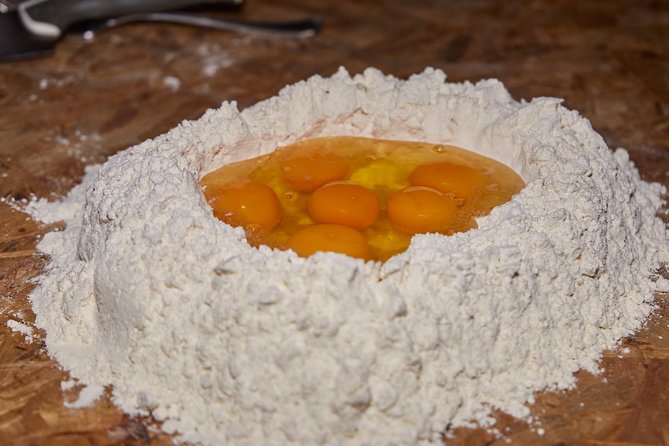
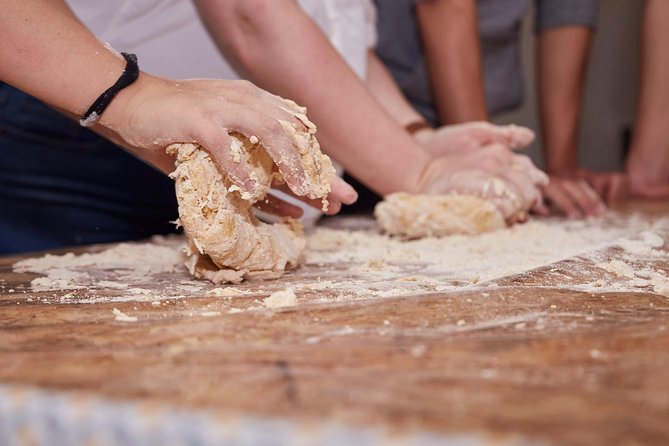
The central lesson is fresh homemade pasta, usually tagliatelle. The host guides you through the process step by step, from preparing the dough to shaping the pasta. The point is not simply to watch someone who already knows what she is doing. You get the chance to handle the dough and learn how the texture should feel.
For many people, this is the most useful part of the class. Fresh pasta can look intimidating, but the lesson shows that the basic method is manageable. You learn the technique, then receive the recipe so you can try it again at home.
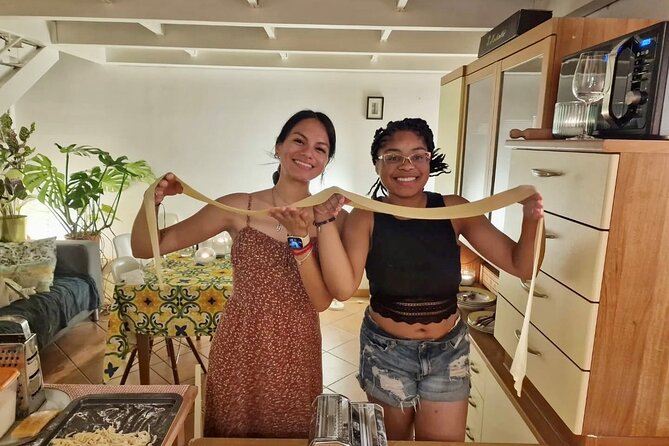
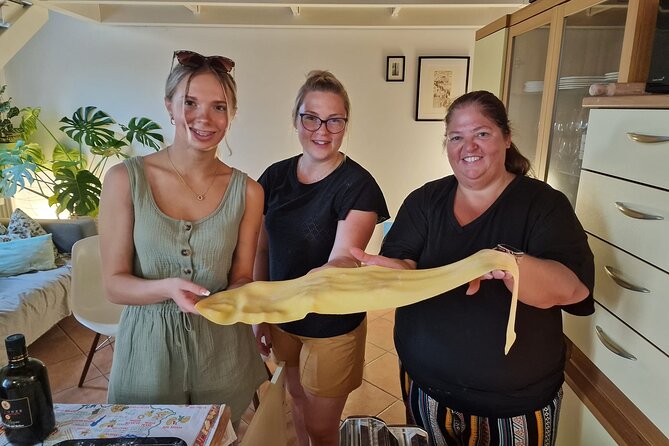
The exact tools can vary during the class. In one family group, some people used a pasta machine while others rolled the dough by hand. That is useful because you see both approaches. A machine makes the pasta thinner and more uniform, while hand rolling gives you a better sense of the dough and requires more effort.
The small group helps here. With six people or fewer, the host can check your pasta, correct a mistake, and show you how to continue. In a larger class, you might spend much of the lesson waiting for a turn or trying to see what is happening at the front.
This is also a good activity for families. One three-generation group divided up the work, with different people taking turns at the machine and rolling pin. You do not need to arrive as an experienced cook. Patience and a willingness to get your hands dirty matter more.
Ragù, pesto, and a flexible menu
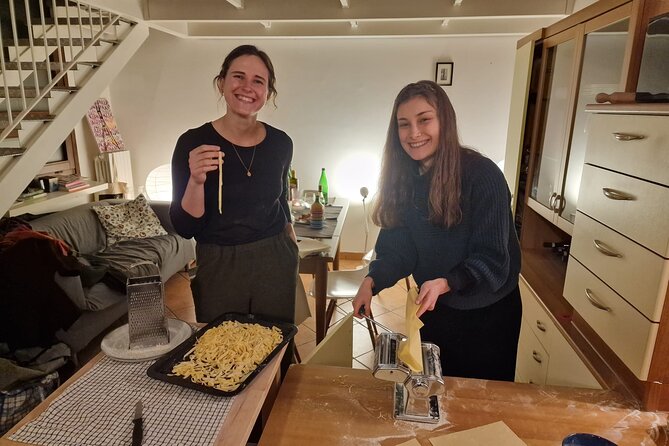
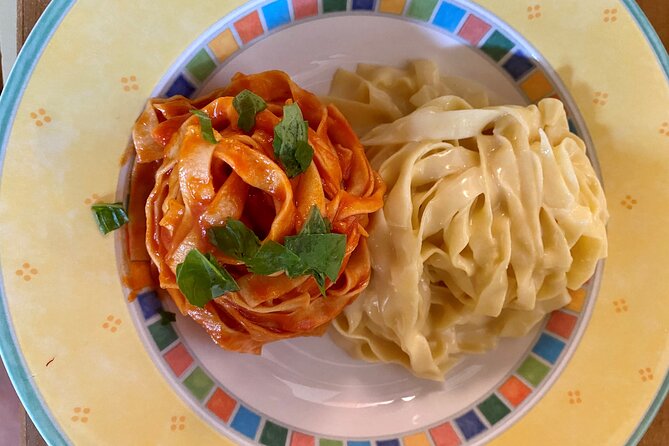
The advertised meal centers on tagliatelle with a delicious ragù, along with tiramisu for dessert. You prepare the sauce as part of the cooking lesson, then combine it with the pasta for the main course.
The information also notes that the host asks about preferences, and one group prepared pesto pasta instead of the usual ragù. This suggests some flexibility, but do not assume every special menu is included automatically. If you want a different dish, raise the request in advance. Special dishes may carry a different price.
That small amount of planning is worthwhile if you have dietary needs or strong preferences. The host can discuss special requirements before the class, and the activity specifically asks participants to share those needs. You should not wait until the flour is already on the table.
The menu is simple in the best sense. You are not attempting a long list of restaurant dishes in three hours. You focus on pasta, sauce, and dessert, learning a few techniques well enough to use again. That makes the class more practical than a flashy demonstration with many small samples.
Same region, a different dish to learn:
- Milan: Italian Cooking Class with Food and Wine
★ 4.7 · 509 reviews - Milan Culinary Experience: Pasta & Gelato or Tiramisù Class
★ 5.0 · 337 reviews - Small Group Cozy Cooking Class in a Typical Milanese Home.
★ 5.0 · 302 reviews - Learn to Cook Italian Recipes with an Italian Chef
★ 5.0 · 283 reviews
Tiramisu first, then the reward
Tiramisu is the dessert lesson, and it often begins early enough for the finished dish to be ready later. You prepare it from the start rather than simply receiving a portion after dinner.
This is a smart choice for a class. Tiramisu is familiar to nearly everyone, but making it yourself reveals how much depends on texture, balance, and patience. You can expect to mix the ingredients under the host’s direction, then set the dessert aside while you work on the pasta and sauce.
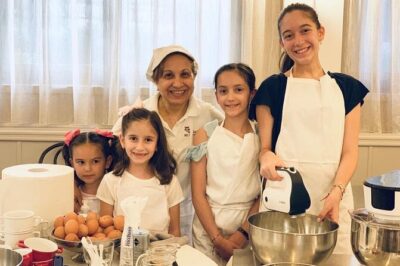
The dessert also works well for families. It is a hands-on task, and younger cooks can take part without needing advanced knife skills or complicated equipment. One family group enjoyed the tiramisu so much they were tempted to finish the bowl before the meal began.
You should remember that this is a home class, not a pastry school. The point is to learn a reliable Italian dessert and enjoy making it together. The host’s recipe gives you a way to recreate it later, which may be more valuable than a highly technical lesson you never repeat.
Sitting down to a proper family dinner
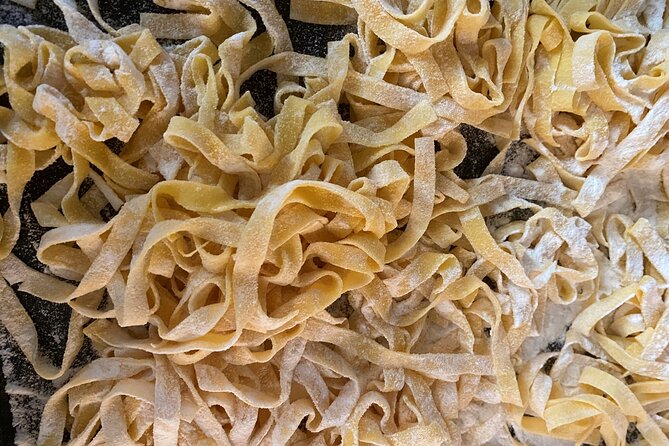
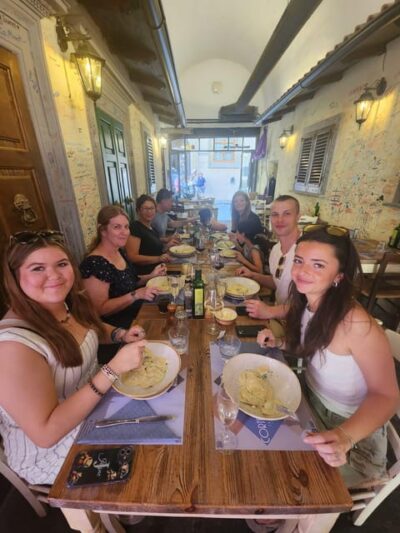
After the cooking is finished, you sit down with the group and eat what you prepared. The meal includes the fresh pasta, sauce, and tiramisu, with wine served during the workshop and dinner.
This final part is not an afterthought. It is where the class makes sense as a whole. You have worked together, shared the kitchen, and learned each other’s names. The meal turns those separate tasks into a communal evening.
I particularly like this structure for a short Milan visit. You get a cultural activity, a substantial meal, and time with a local host in one three-hour booking. It can also replace one restaurant dinner, although you should not book it expecting a fast meal. The cooking itself is the main event.
The social side is important. Some groups have laughed through the evening, while others have included several generations or children. If you prefer to keep to yourself, the shared table may feel more demanding. If you enjoy meeting people over food, it is likely to be one of the stronger parts of the experience.
Chiara, Maria, and the host-led style
Chiara is the host most often associated with this experience. She is described as warm, funny, patient, and encouraging, especially with children and first-time pasta makers. Her style appears to be informal and attentive rather than stiff or lecture-based.
Maria also hosts the class and is praised for keeping the group entertained while teaching practical cooking skills. Since hosts can vary, you should check the booking details if meeting a particular person matters to you.
The language options are English, Italian, and French. That gives you useful flexibility, particularly in a hands-on class where instructions about dough texture and timing need to be clear.
The host’s role goes beyond the recipes. You also have the chance to ask about life in Milan and understand the home setting from someone who lives there. Do not expect a formal city tour or a long lecture about regional food. The cultural insight comes through the apartment, the meal, and the conversation.
What $82 buys you in Milan
At $82 per person, this is not the cheapest way to eat in Milan. You can find a pasta dish for less at a casual restaurant. The value here comes from the combination of a three-hour lesson, all ingredients, aperitivo, wine, dessert, and a full dinner.
You are also paying for a small group. A maximum of six people is a meaningful difference from a class with fifteen or twenty participants. The host has more time to help you roll the dough, use the machine, and correct your technique.
The class can make especially good financial sense for a group that would otherwise book both a cooking activity and a dinner. It gives you an evening meal, but the meal is only one part of the value. You also leave with recipes and a skill you can use at home.
The price is less compelling if you do not enjoy cooking or do not drink wine. You still receive water and the meal, but much of the atmosphere is built around preparing food and sharing a relaxed drink. Also note that hotel pickup and drop-off are not included, and special dishes may cost extra.
Who should book this class
I would choose this experience for:
- Couples who want a relaxed evening away from busy restaurant streets
- Families with children or several generations
- Friends looking for a shared activity rather than another sightseeing stop
- First-time pasta makers who want close guidance
- Visitors who value a local home setting over a formal cooking studio
- Anyone staying in Milan for only a short time and wanting food plus culture in one booking
You may want a different activity if you need strict dietary control, dislike group dining, or want advanced culinary training. Ask about special requirements before booking, since menu changes may need planning and may involve a different price.
The three-hour length is also worth considering. It is long enough for a real meal and proper instruction, but it takes a full part of your day or evening. Do not schedule it tightly between major Milan sights.
Booking details that matter
The class lasts three hours, and starting times depend on availability. You can reserve now and pay later, which is useful if your Milan plans are still moving around.
Cancellation is free up to 24 hours before the experience for a full refund. That gives you some room to adjust your schedule, but you should still confirm the start time and meeting details before the day of the class.
The meeting point is listed as Bell Alegi. Hotel pickup and drop-off are not included, so plan your route to the meeting point and allow enough time to arrive calmly.
For agencies or tour operators, the end customer’s phone number is required when confirming the reservation so the host can make contact if needed. Individual visitors should make sure their own contact details are correct as well.
Should you book it?
Book this class if you want to cook, eat, and talk in a real Milanese home. The strongest reasons are the six-person limit, the practical pasta lesson, the included dinner, and the personal hosting style associated with Chiara and Maria.
I would especially recommend it for families and small groups of friends. It also works well for solo visitors who like meeting people around a table, though the social format is part of the deal.
Skip it if you want a quick food tasting, a formal culinary certificate, or a quiet meal with no group interaction. At $82, you are paying for the full evening experience, not just a bowl of pasta. For the right kind of visitor, that combination of hands-on cooking, local hospitality, wine, and a shared dinner makes it a strong use of three hours in Milan.
FAQ
How long does the Milan cooking class last?
The class lasts three hours, including the cooking lesson, aperitivo, and family dinner.
What dishes will I prepare?
The usual menu includes homemade tagliatelle, ragù, and tiramisu. The host may discuss preferences, and special dishes can be requested at a different price.
Is the meal included?
Yes. You eat the food prepared during the class as part of a family-style dinner.
Is wine included?
Yes. Italian red or white wine is served throughout the workshop. Water is also included.
Are soft drinks available for children?
Yes. Soft drinks for children are included.
How many people can join the class?
The group is limited to a maximum of six participants.
Which languages are available?
Instruction is offered in English, Italian, and French.
Where does the experience take place?
The class takes place in the chef’s apartment in the heart of Milan. The listed meeting point is Bell Alegi.
Is hotel pickup included?
No. Hotel pickup and drop-off are not included.
Can I cancel for a refund?
You can cancel up to 24 hours in advance for a full refund. You can also reserve now and pay later.
Newest classes around Milan
- Pizza and Tiramisu Cooking Class with Wine in Milan★ 4.9 · 80 reviews
- only in ITALIAN – International aperitif + cooking class in Italian★ 4.8 · 22 reviews
- Milan: Homemade Pasta, Sauce, and Tiramisu Cooking Class★ 5.0 · 3 reviews
- Milan: Private Cooking Class at a Local’s Home★ 5.0 · 9 reviews
- Milan: Pasta, Gnocchi and Tiramisù Cooking Class with Wine★ 5.0 · 117 reviews
- Milan: Market and Cooking Class at a Local’s Home★ 4.0 · 5 reviews
- Milan: Cooking Class for Families with Children★ 5.0 · 5 reviews
- Italy: Pasta and Tiramisu Cooking Class at Home★ 3.0 · 2 reviews
Milan Cooking Classes, compared.
Pasta and Tiramisu Small Group Cooking Class with Wine
Read our review →
Milan Cooking Class: Authentic Pizza & Gelato Making
Read our review →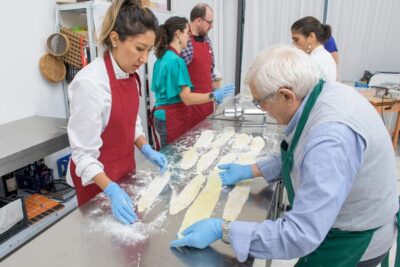

Milan Culinary Experience: Pasta & Gelato or Tiramisù Class
Read our review →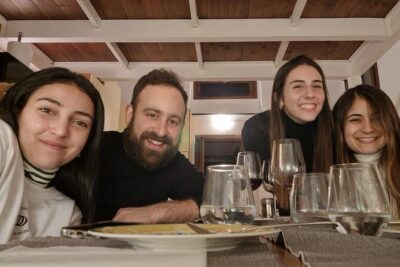
Small Group Cozy Cooking Class in a Typical Milanese Home.
Read our review →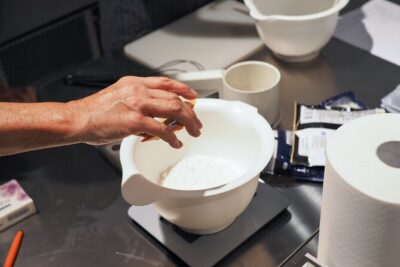
Learn to Cook Italian Recipes with an Italian Chef
Read our review →
Pasta, Ravioli, and Gelato Class in a Glamorous Home
Read our review →Browse the lists this tour appears in