
Review · ITALY COOKING CLASSES
Rimini: Pasta & Tiramisu Cooking Class at a Local’s Home
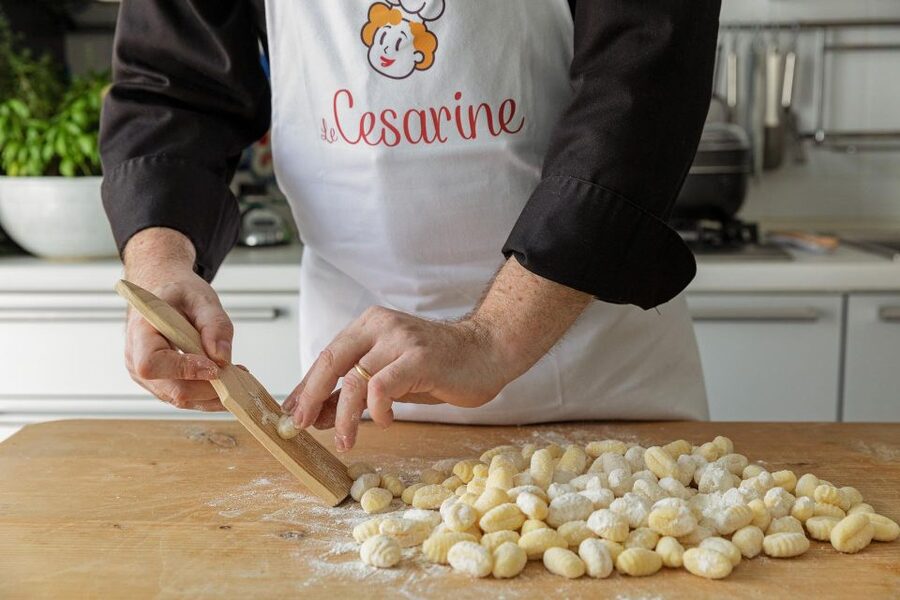
The best part of this Rimini cooking class is that the kitchen is a real home, not a polished restaurant school. You learn to roll sfoglia, make two pasta types, and prepare tiramisu with a local host, then sit down to eat what you made. That gives the lesson a warm, personal feel that a standard food tour often misses.
I like the hands-on format and the chance to hear family cooking stories while you work. I also like that the three-hour visit includes prosecco and nibbles, two pasta recipes, tiramisu, wine, water, coffee, and the full meal. The main consideration is practical: your host and address are confirmed after booking, so you cannot choose the exact home in advance. The activity is also not suitable for wheelchair users.
Key points to know before booking
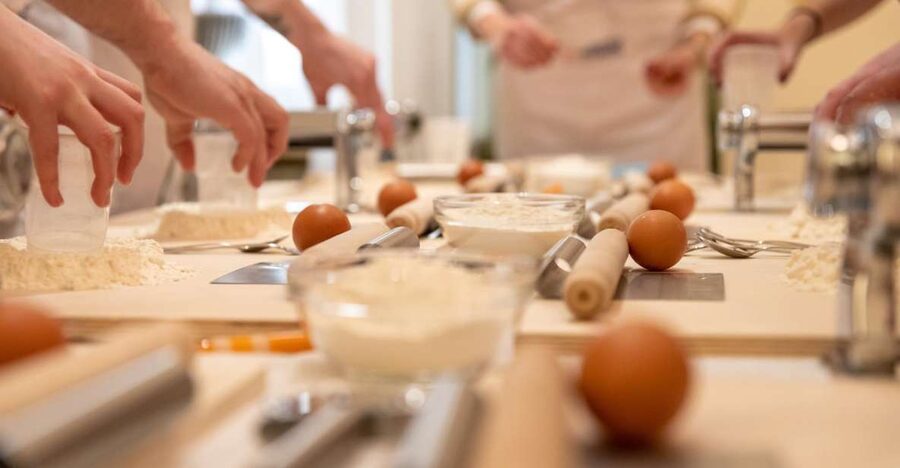
- Roll pasta by hand: Learn how to make sfoglia from scratch, then use it for two traditional pasta preparations.
- Cook in a private home: The setting is a local kitchen, with hosts such as Patrizia, Giacomo, Max, and Tatiana depending on the match.
- Eat the results: Your pasta and tiramisu become lunch or dinner, served with local wines and coffee.
- Expect family recipes: Hosts may add regional dishes, homemade sauces, piadina, or old family methods to the planned menu.
- Plan for three hours: This is a full meal and cooking session, not a quick demonstration.
- Share your food interests early: Tell Cesarine about allergies, intolerances, your Rimini neighborhood, and how you plan to reach the home.
Why a Rimini home kitchen makes sense
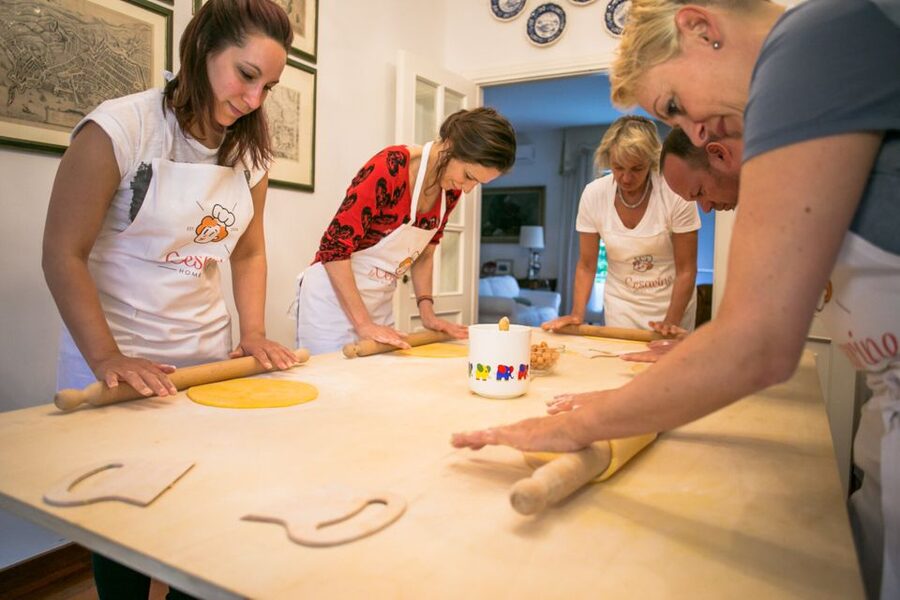
Rimini is known for its Adriatic setting and holiday atmosphere, but it sits in Emilia-Romagna, Italy’s great pasta region. Here, pasta is not just something placed on a plate. It is a skill taught at the kitchen table, often by watching someone handle dough without measuring every movement.
That is the point of this class. You are not simply tasting a regional dish. You are learning how the dough feels, how thin to roll it, and how to turn it into more than one pasta shape. The lesson takes place in a private home through Cesarine, a network of home cooks working in more than 500 Italian cities.
Because the host is a local cook rather than a restaurant chef, each class can have its own character. Patrizia has welcomed visitors with her husband and son, Luca. Giacomo has added piadina, homemade ragù, and stories about Italian food. Max has included his family at the meal, while Tatiana has created birthday decorations for a special occasion.
That variation is part of the appeal, but it also means you should not book this expecting one fixed menu or identical host at every visit. The core promise is consistent: fresh pasta, tiramisu, a shared meal, and time with a local cook.
More Pasta Making Classes in Italy:
- Florence: Pasta Cooking Class with Unlimited Wine
★ 4.9 · 10,285 reviews - 3 in 1 Cooking Class near Navona: Fettuccine, Ravioli & Tiramisu
★ 5.0 · 7,376 reviews - Florence: Pasta & Tiramisu Cooking Class with Unlimited Wine
★ 4.9 · 6,708 reviews
Your first taste: prosecco and Italian nibbles
The class begins with an Italian aperitivo, including prosecco and small bites. This is more than a free drink before the serious work starts. In an Italian home, food and conversation usually begin before the main meal, and the aperitivo gives everyone a relaxed way into the evening.
You may be cooking with other people who share your interest in Italian food, so this opening period helps the group get acquainted. The social side matters here. You are working in someone’s home, not standing in a large demonstration room, and the mood depends partly on how comfortable everyone feels together.
The exact nibbles are not specified, so do not arrive expecting a particular dish. You can expect a modest start to the meal and a chance to taste local flavors before handling the pasta dough.
Rolling sfoglia by hand
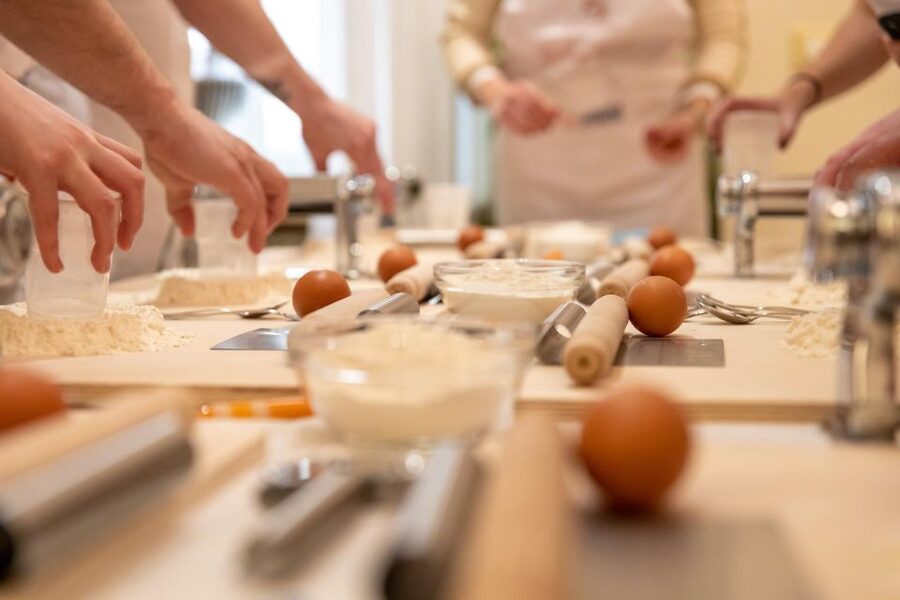
The central lesson is learning to roll sfoglia, the thin sheet of fresh pasta. This is the moment when the class becomes useful at home. Dried pasta is easy to boil, but fresh pasta asks you to understand dough, pressure, thickness, and timing.
Your host demonstrates the method, then guides you as you work. You are taught to prepare two different kinds of pasta from scratch. The exact forms can vary by host. In one class, the meal included pasta and ravioli; another included several pastas and piadina.
That flexibility is worth keeping in mind. If you want to master one very specific shape, ask Cesarine ahead of time if your host can cover it. If you are happy to learn two local preparations and pick up general pasta skills, the format should suit you well.
I especially like the chance to watch a local cook handle the dough. Small practical tips often matter more than a printed recipe: how the dough should feel, how thin the sheet needs to be, and how to avoid making the pasta too heavy. The hosts are there to demonstrate and correct, so beginners do not need to arrive with kitchen experience.
Two pasta recipes, then a proper meal
After the pasta is made, the class moves from lesson to lunch or dinner. This is an important difference from a short cooking demonstration. You eat the food you prepared, and the pasta is served as part of a complete meal.
Sauces may add variety to the finished dishes. Giacomo, for example, has served homemade ragù with the pasta. Other hosts may use their own regional methods and family recipes. The supplied details do not promise a particular sauce for every class, so consider the menu a local interpretation rather than a restaurant-style fixed course.
The meal also gives you time to ask questions that may not come up while your hands are covered in flour. You can talk about ingredients, local customs, and the host’s way of cooking. Past classes have included local wines and olive oils, which makes the table feel like part of the lesson.
The portion of the visit can be social and unhurried, but remember that the advertised duration is three hours. That time includes the aperitivo, cooking, and meal, so the class is full rather than leisurely to the point of lingering all afternoon.
More Tiramisu and Dessert Classes in Italy:
- Rome: Pasta Making Class with Wine, Limoncello, and Dessert
★ 4.9 · 3,177 reviews - Rome: 3-in-1 Fettuccine, Ravioli, and Tiramisu Cooking Class
★ 4.9 · 2,704 reviews - Florence: Cooking Class Pasta & Tiramisu Making Unlimited Wine
★ 5.0 · 2,234 reviews - Fettuccine & Tiramisù: Cooking Class with Wine & Limoncello
★ 4.9 · 2,103 reviews
Tiramisu is the sweet finish
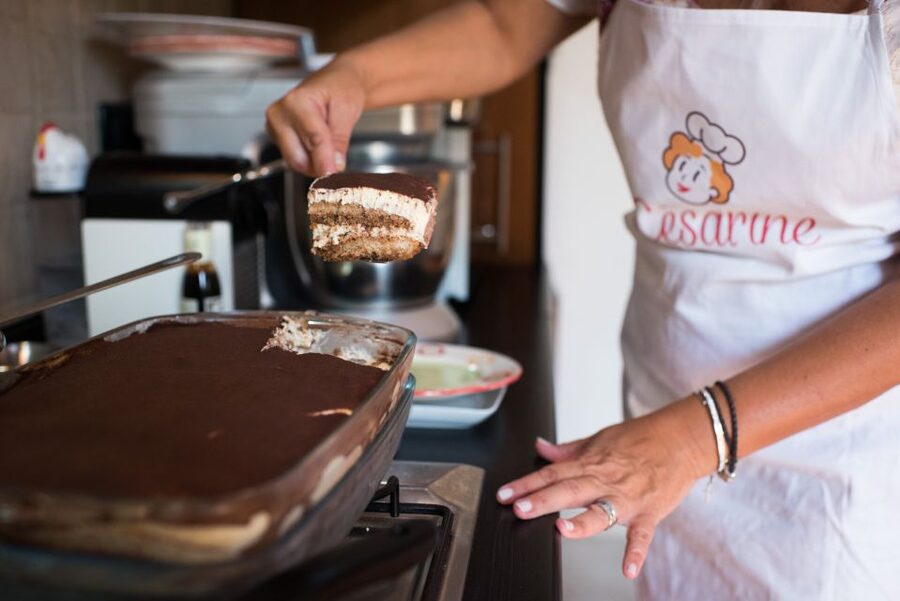
The second major lesson is tiramisu. It is a familiar dessert, but making it in a local home gives you a chance to see how the host handles the cream, coffee, and layering.
Tiramisu is also a practical choice for a class. Unlike a complicated pastry, it can be taught within the same session and enjoyed afterward. You leave with a method you can repeat, though the exact family recipe may differ from what you have eaten elsewhere in Italy.
The dessert completes the meal without making the class feel like a single-course pasta workshop. You prepare savory food, then finish with something sweet, followed by coffee. Wine, water, and coffee are included, so you do not need to arrange drinks separately.
The hosts shape the character of the evening
Cesarine matches you with a local home cook, and the host can make a major difference. Patrizia has been described as a careful teacher who uses old recipes and creates a warm welcome with her family. Her farmhouse setting has added a country feel to the cooking session.
Giacomo is a particularly strong choice for people who enjoy food stories as much as food preparation. He has taught several pasta types, prepared piadina, and talked about pasta and Italy while cooking. His class has included Alex and a shared dinner with homemade ragù and tiramisu.
Max’s class has included dinner with his family, giving the meal a particularly personal tone. Tatiana has gone beyond the standard lesson for a birthday, decorating the home with balloons and making the occasion feel special.
You should not assume that every host will offer all these extras. The useful takeaway is that the host is not an interchangeable instructor. This is a home visit shaped by a person, a family cookbook, and a local style of hospitality.
Is $116 good value?
At $116 per person, the price is higher than buying a plate of pasta in Rimini. But a restaurant meal does not normally include three hours of instruction, two pasta preparations, tiramisu, an aperitivo, wine, coffee, and the chance to cook in a private home.
I see the value in the combination. You are paying for a meal, but also for teaching and access to an everyday setting that is usually unavailable to visitors. The class can also replace a separate dinner, since you eat the pasta and dessert you make.
The value is strongest if you care about cooking and conversation. If you only want to taste excellent pasta, a good trattoria may be simpler and less expensive. If you want a practical skill and a personal connection with an Italian host, the price is easier to justify.
The menu may include added touches such as homemade sauces, olive oils, piadina, or family appetizers, but these should be seen as possible host-specific additions rather than guaranteed features.
Timing, language, and getting to the home
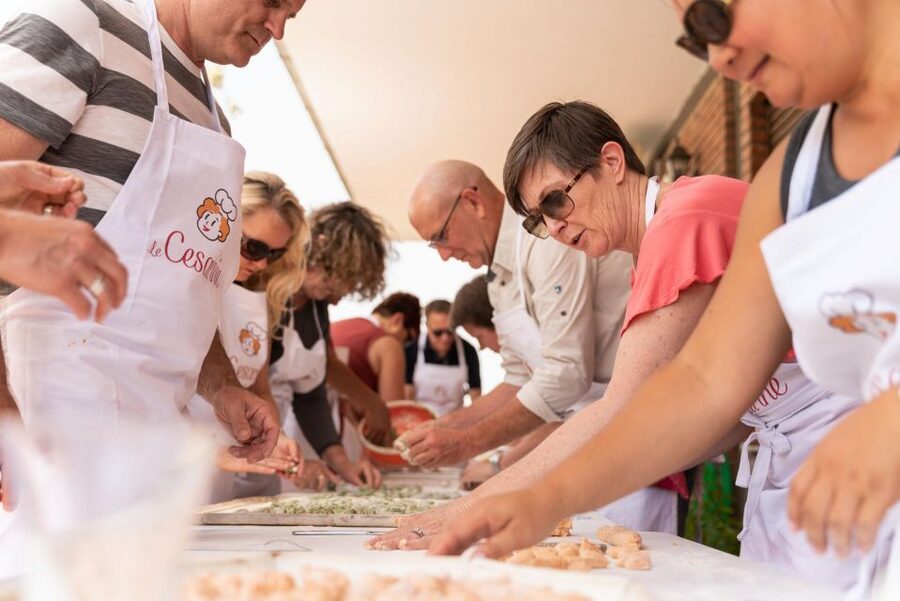
The activity lasts three hours, with starting times shown according to availability. Since this is held in a private home, you receive the full address only after booking. Cesarine asks for your neighborhood and how you plan to travel to the host’s home so it can match you with a suitable local cook.
Send allergy and food intolerance information when you book, or email it with your booking reference and name. This is especially important in a cooking class, where flour, eggs, dairy, and other common ingredients are likely to be part of the meal. The supplied information does not promise that every dietary need can be handled, so contact the operator before paying if your restrictions are serious.
The class is offered in Italian and English. That makes it workable for English-speaking visitors, though the amount of English conversation may vary by host. Cesarine’s customer operations team is available seven days a week if you need help before the appointment.
The exact meeting point is not a public landmark. You should build in time to reach a residential address and avoid planning another fixed activity immediately afterward.
Who will enjoy this class most
I would choose this for couples, families, friends, and solo visitors who enjoy sitting down with local people rather than moving from sight to sight. It also suits anyone who wants a meaningful food activity in Rimini and has room in the schedule for a full three-hour visit.
Families should note that the setting and pace are not described in detail for children, so ask before booking if young children are involved. People with serious allergies should share full information in advance.
This is also a good birthday choice. Tatiana’s decorations show that some hosts are willing to make the evening personal when they know the occasion ahead of time. Tell Cesarine about a celebration rather than assuming the host will know.
It is less suitable if you need a fully accessible activity, want a guaranteed restaurant menu, or prefer a tightly standardized class. The private-home format brings warmth, but also some uncertainty about the exact location, menu details, and host style.
Cancellation and booking flexibility
You can cancel up to 24 hours in advance for a full refund. The reserve-now, pay-later option lets you hold a place without paying at the time of booking, which is useful when your Rimini plans are still shifting.
Give Cesarine the information it requests as early as possible. Your accommodation area, transport plan, and dietary needs all help with the host match, and you will receive the address and telephone details after those arrangements are made.
Should you book the Rimini pasta and tiramisu class?
Book it if you want more than a plate of pasta. The strongest reasons are the hands-on sfoglia lesson, the shared meal in a local home, and the chance to learn from a host whose own family recipes shape the evening.
I would be comfortable recommending it to food-minded visitors who value personal contact and do not need a fixed restaurant-style program. Patrizia, Giacomo, Max, and Tatiana show how different the visit can feel from one host to another, but the common thread is clear: you cook, eat, and spend time with an Italian household.
Skip it if wheelchair access is essential, if you want to know the exact address before booking, or if you are looking only for the cheapest dinner in Rimini. For everyone else, $116 buys a meal plus a useful skill and a story tied to a real home kitchen.
FAQ
How long does the Rimini pasta and tiramisu class last?
The class lasts three hours. This includes the aperitivo, cooking lessons, and the meal of the pasta and tiramisu you prepare.
What will I learn to cook?
You will learn to roll sfoglia by hand, prepare two different types of fresh pasta, and make tiramisu.
Is the meal included?
Yes. The two pasta recipes and tiramisu you prepare are served as lunch or dinner.
Are drinks included?
Yes. The package includes water, local wines, coffee, prosecco, and aperitivo nibbles.
Where does the class take place?
The class takes place in a local host’s home in the Emilia-Romagna area around Rimini. The complete address is sent after booking for privacy reasons.
Can I choose the host?
The experience is arranged through Cesarine, which matches you with a local home cook. The available information does not promise that you can select a specific host, so contact Cesarine if you have a preference.
What languages are offered?
The class is offered in Italian and English.
Can I share food allergies or intolerances?
Yes. You should provide allergy and food intolerance information when booking or email it to [email protected] with your booking reference and name.
Is the class wheelchair accessible?
No. The activity is not suitable for wheelchair users.
Newest classes around Italy
- Cooking Class in a Sicilian countryhouse★ 5.0 · 5 reviews
- Cesarine: Market Tour & Home Cooking Class in Catania★ 4.0 · 6 reviews
- Cesarine: Home Cooking Class & Meal with a Local in Catania★ 4.5 · 10 reviews
- Cooking Class in Taormina with Lunch Included★ 5.0 · 2 reviews
- Cooking class in Capri for small groups★ 4.0 · 4 reviews
- Cooking Class and Wine Pairing in Capri★ 5.0 · 57 reviews
- Lezione di Cucina : Pasta Fresca★ 5.0 · 12 reviews
- Private Cooking Class Experience in Reggio Calabria★ 5.0 · 5 reviews
Italy Cooking Classes, compared.

3 in 1 Cooking Class near Navona: Fettuccine, Ravioli & Tiramisu
Read our review →
Pasta & Tiramisu Cooking Class with Unlimited Wine
Read our review →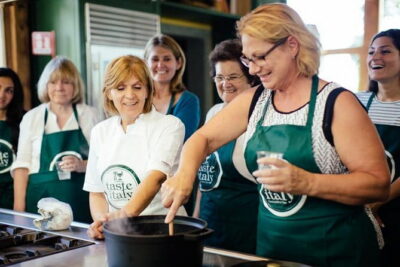
Cooking Class and Lunch at a Tuscan Farmhouse with Local Market Tour from Florence
Read our review →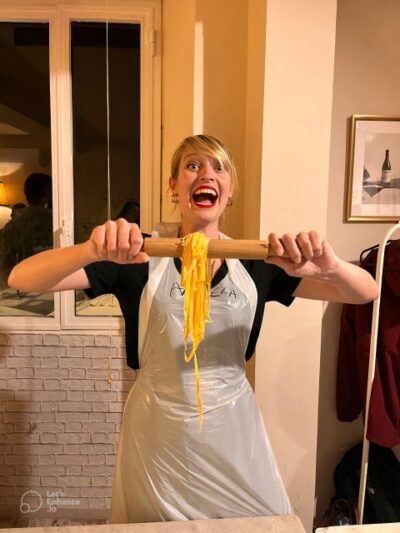
Pasta Making Class with Wine, Limoncello, and Dessert
Read our review →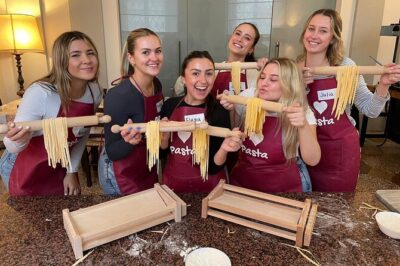
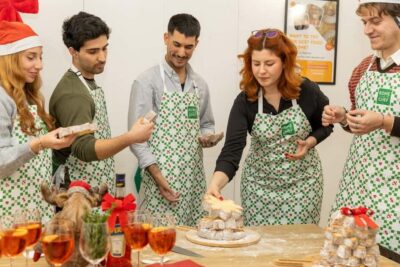
Rome Cooking Class: Make Pasta and 3 Spritz Cocktails
Read our review →Browse the lists this tour appears in