
Review · MOROCCO COOKING CLASSES
Rabat: Cooking Class in a Family Home
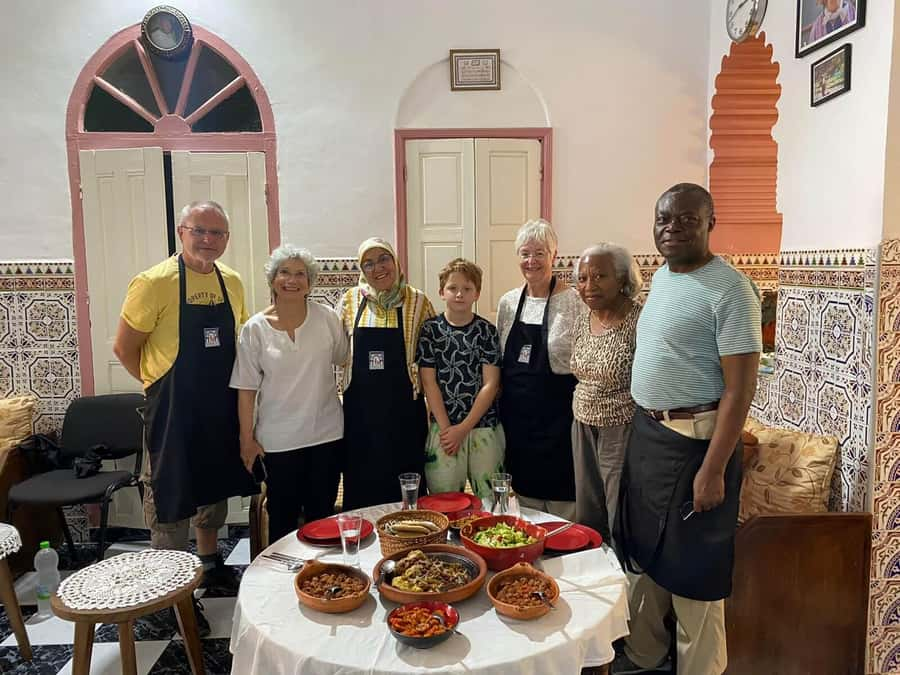
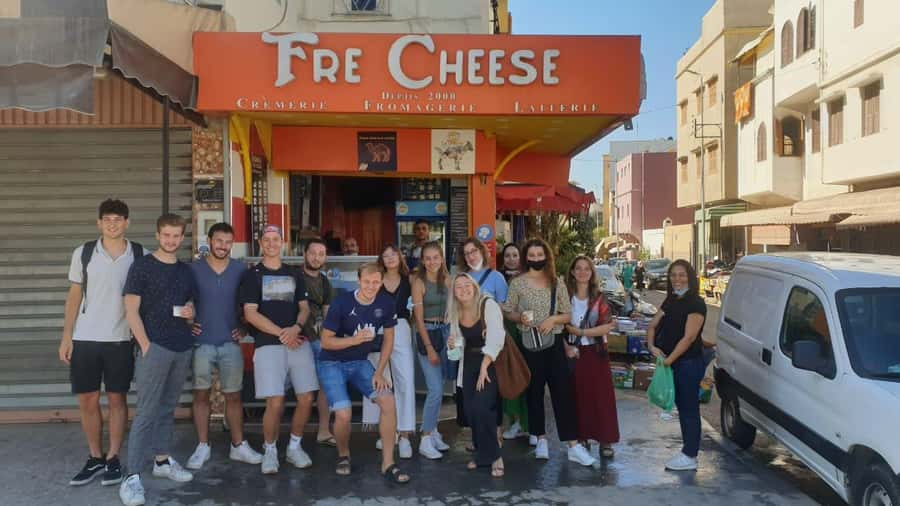
Rabat’s best food lesson may begin with a shopping basket, not a classroom. You meet near the Hopital Moulay Youssef tram station, visit a neighborhood market, choose ingredients with your host, then cook them in a family home. I like the market stop because it gives the meal a clear local setting, and I like the small group size, capped at eight, which leaves room for questions and hands-on work.
The welcome is a major part of the experience. Imane and her mother-in-law host the cooking in a family kitchen, and her mother-in-law has worked as a chef for ambassadors. The main consideration is transport: it is not included, and the meeting point is outside the home, so you need to make your own way there.
Key points at a glance
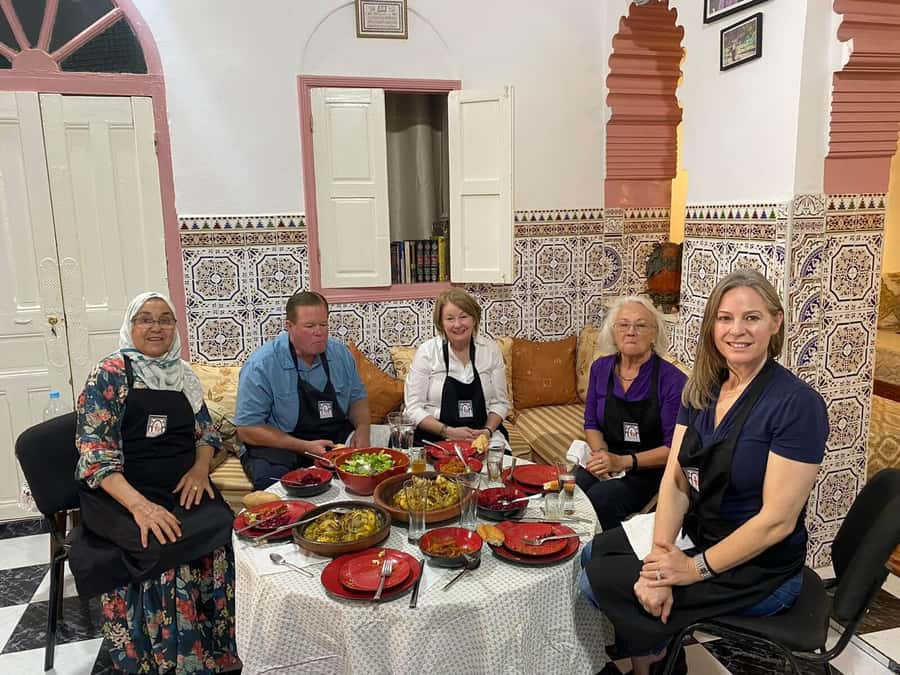
- Market-first cooking: Choose fresh ingredients with your host before heading to the family home.
- A real Moroccan kitchen: Cook in a family house rather than a formal cooking school.
- A flexible menu: Your preferences help shape the dishes, with couscous, tajine, salads, and desserts among the possibilities described.
- A three-course meal: Prepare and eat the full menu, with drinks and Moroccan tea included.
- Small-group setting: The group is limited to eight people, making it easier to take part.
- Useful practical detail: Meet at Hopital Moulay Youssef tram station, and arrange your own transport.
Starting at Hopital Moulay Youssef tram station
The four-hour experience begins at the Hopital Moulay Youssef tramway station in Rabat. A host or greeter meets you there and leads you to a nearby local market before the cooking begins.
This meeting point matters. The activity does not include transportation, so plan your route to the station in advance. If you are staying in central Rabat, the tram makes the meeting point relatively straightforward, but you should still allow enough time to arrive calmly. The experience is built around a shared start, and arriving late could mean missing part of the market visit.
The hosting team speaks French and English. If your group includes people with different language preferences, confirm that everyone is comfortable with the language used that day. The small group limit of eight should help keep instructions clear, especially once several people are chopping, seasoning, and working around the kitchen.
More Home Cooking Classes in Morocco
- Marrakech: Moroccan Cooking Class with a Local Family
★ 4.9 · 668 reviews - Marrakech: Moroccan Cuisine Cooking Class in Local Home
★ 4.8 · 508 reviews - Fez: Souk Tour and Traditional Home Cooking Class
★ 4.9 · 186 reviews
Choosing ingredients in a neighborhood market
The market visit is more than a quick shopping errand. Your host explains ingredients, food customs, and local habits while you select what will become your lunch or dinner.
You are asked about your preferences before the menu is settled. That gives the class a personal touch. Instead of arriving to find a fixed plate waiting for you, you have some say in what goes into the cooking session. If couscous is high on your list, you can request it. If you would rather focus on tajine or vegetable dishes, this is the time to raise the subject.
The market also gives you useful context. Moroccan cooking depends on the quality and balance of simple ingredients, and seeing them before they are prepared helps you understand the food on the plate. You can ask what an ingredient is used for, how it is selected, and how it fits into a traditional dish.
The shopping part may be less polished than a food demonstration designed for tourists. That is also its value. You are not simply watching a chef produce a dish from ingredients that appeared by magic. You see the connection between the market, the family kitchen, and the final meal.
Entering a family home in Rabat
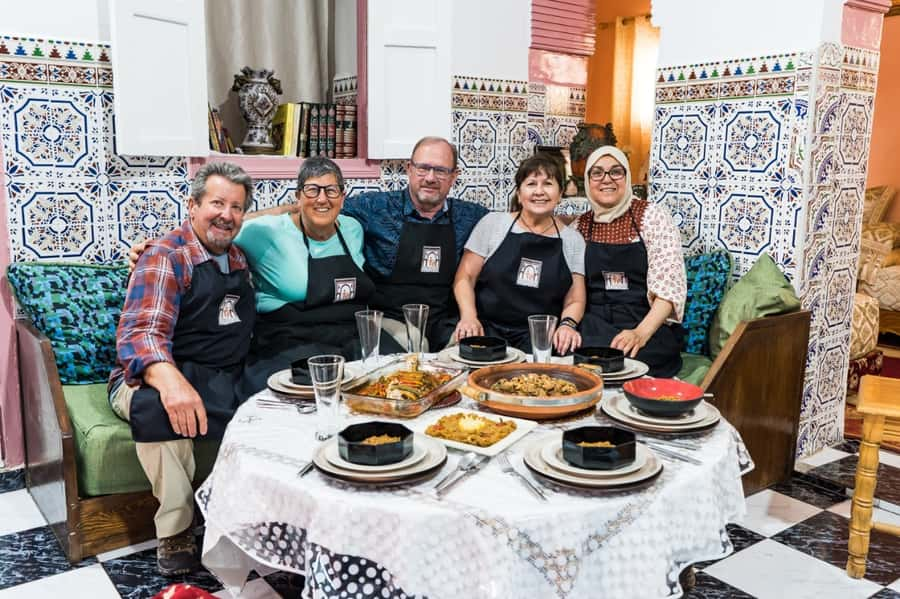
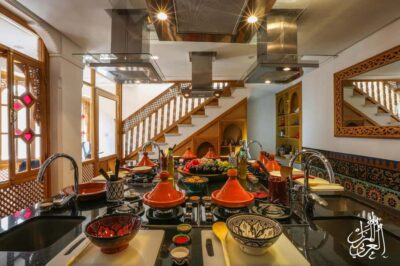
After shopping, you continue to a historic family-owned Moroccan house. The cooking takes place in the family kitchen, with the host and cook guiding you through the preparation.
This setting gives the class a warmer feel than a commercial studio. You are learning in a place connected to everyday family life, and the meal is served in the same spirit. The family welcome is repeatedly praised in the available feedback, especially the friendly atmosphere, generous hosting, and easy conversation about Moroccan customs.
Imane is named in one account, together with her mother-in-law. Her mother-in-law is described as a former chef for ambassadors, which adds real professional experience to the home setting. That combination is useful: you get the intimacy of a family kitchen with a cook who knows how to explain food and technique.
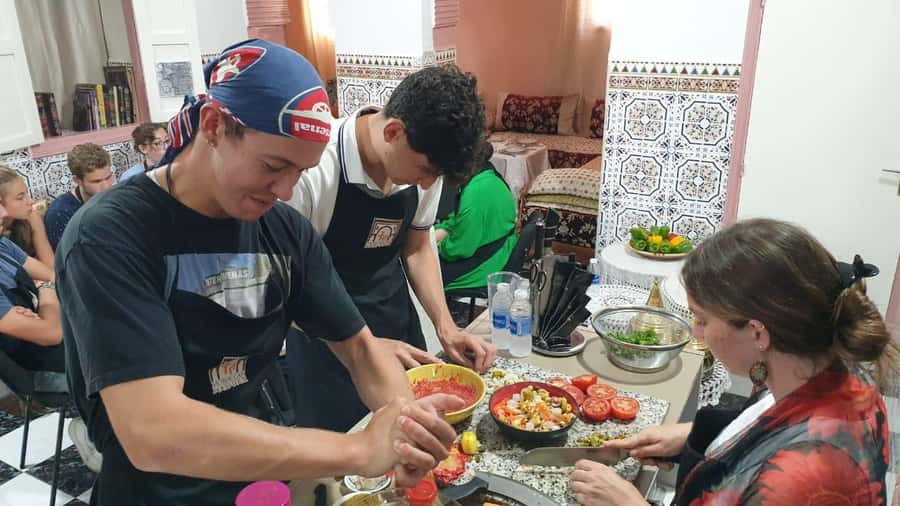
Do not expect a silent demonstration where you sit back and take photographs. You join the work. The class is designed as a shared cooking session, so you can expect to help prepare the menu, ask questions, and watch small decisions being made along the way.
Learning the cooking methods behind the meal
The class covers Moroccan cooking techniques rather than only handing you a finished dish. You may learn how spices are combined, how vegetables are prepared, and how a dish is built in stages.
One especially useful detail is the difference between a written recipe and a cook’s judgment. One participant described the chef adding a bit of this and a bit of that while also providing full recipes. That is a familiar part of home cooking, but it can be frustrating if you want every quantity measured precisely.
The good news is that full recipes are provided, so you have something to take home and use later. At the same time, you can see how an experienced cook adjusts seasoning and texture. Pay attention to those moments. They often teach more than a fixed list of measurements.
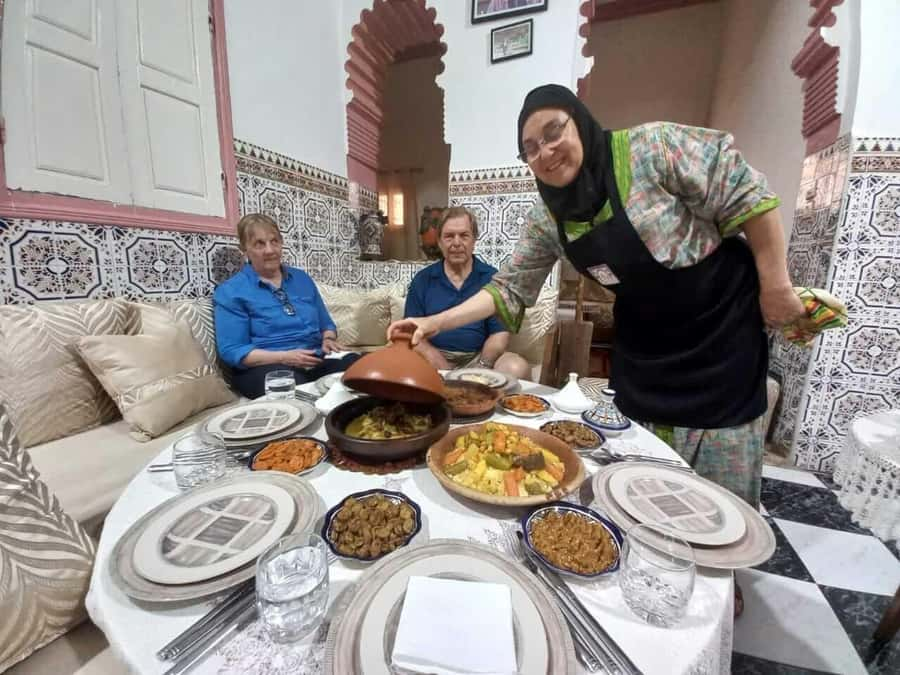
The menu can vary according to your choices. Dishes described from the experience include Moroccan couscous, chicken tajine, eggplant and pepper salads, fruit salad, and a Moroccan millefeuille with pastry cream, orange blossom, and saffron.
The class may therefore suit both first-time Moroccan food explorers and people who already know the basics. If you want to learn a particular dish, say so early. The host asks about your preferences, but a clear request gives the kitchen a better chance to plan around it.
Same region, a different dish to learn:
- Marrakech: Moroccan Cooking Class with Pickup
★ 4.6 · 1,862 reviews - Marrakech: Traditional Moroccan Cooking Class & Market Visit
★ 4.8 · 1,861 reviews - Marrakesh: Moroccan Dishes Cooking Class with a Local Chef
★ 5.0 · 1,615 reviews - Moroccan Cooking Class & Marrakech Market Visit with Chef Khmisa
★ 5.0 · 1,504 reviews
What the three-course menu can include
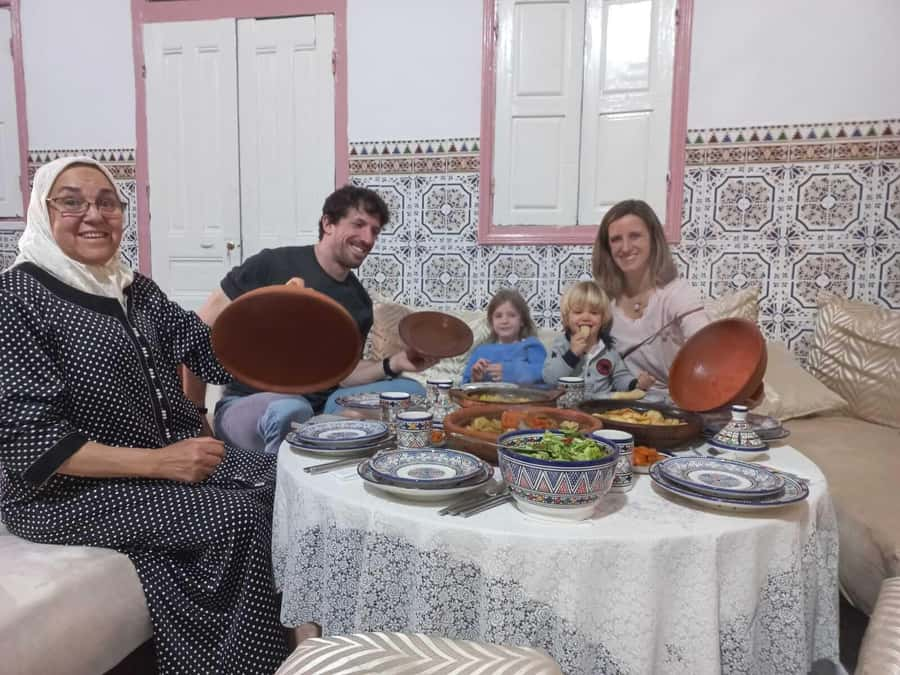
The meal is presented as a full three-course menu, not a single recipe followed by a small sample. You help create the food and then sit down to eat it.
A sample menu described from the class began with eggplant and peeled peppers, cut into small pieces and seasoned with several spices. Bread was served alongside the starter. This is a good example of how Moroccan meals build flavor from vegetables, seasoning, and bread rather than relying on elaborate equipment.
For the main course, the menu included chicken tajine in one session and a traditional Moroccan couscous in another. The couscous experience was tied to the Friday tradition of eating couscous, giving the dish a social and cultural setting rather than treating it as a generic North African recipe.
Dessert can be just as hands-on. One particularly detailed menu included a Moroccan millefeuille made with pastry cream, orange blossom, and saffron. The special pastry was bought at the market, where you could watch it being made from flour, water, and salt into extremely thin sheets. Those sheets were then cut, fried, and layered.
That pastry detail is one of the most memorable parts of the class. It shows how a familiar-looking dessert can involve a distinctly Moroccan technique. It also explains why the market stop is important: some ingredients are not simply picked from a supermarket shelf.
The exact menu is not guaranteed. Think of these dishes as examples of what may be prepared, not a fixed promise. Your preferences, available ingredients, and the day’s plan can affect the final selection.
Sitting down to eat what you made
The best part of a cooking class is often the meal afterward. Here, you eat the food you helped prepare, from the first course through dessert.
That makes the experience different from a restaurant visit. At a restaurant, you judge the finished dish. In this kitchen, you understand how the dish came together, which spices were added, and how much work went into it. Even a simple salad becomes more interesting when you have handled the ingredients yourself.
The meal is served with Moroccan hospitality, and the home setting gives the table a social quality. Conversation about customs and daily food traditions is part of the experience. One account describes eating with the family, including a young granddaughter, which gives you a sense of how personal the setting can be.
There is a possible tradeoff. A family meal is not as predictable as a restaurant service. Timing may depend on the cooking process, and the pace may be relaxed. For most people, that is part of the charm. If you need a tightly timed afternoon, keep the four-hour duration in mind and avoid scheduling another important activity immediately afterward.
Finishing with Moroccan tea
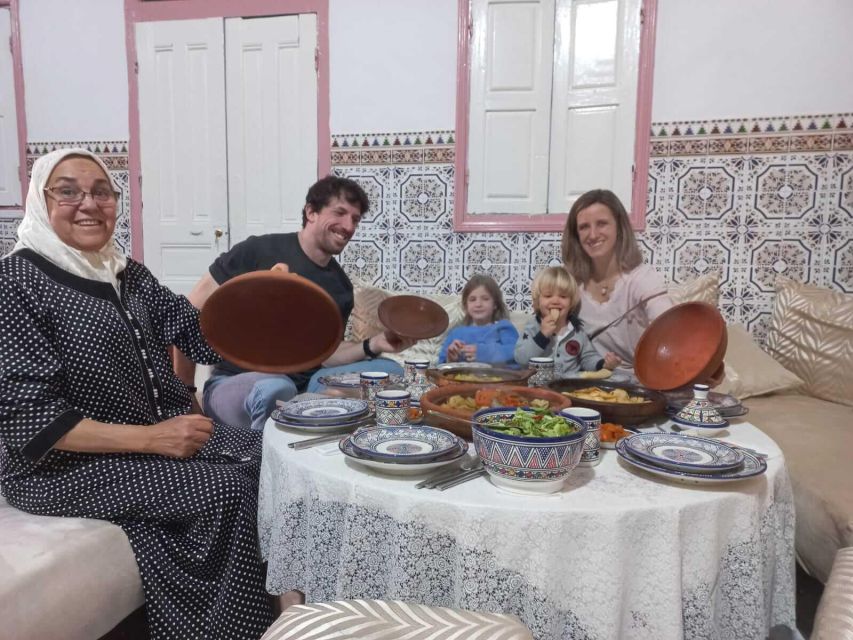
Tea or coffee, bottled water, and Moroccan tea are included. The tea at the end works as a natural closing ritual after the cooking and meal.
Moroccan tea is not just a drink added to the booking. It gives you a final chance to talk with the host, ask about ingredients, and let the meal settle. If you have questions about what you cooked, this is a good time to ask them.
The activity promises a joyful tea finish, but the real value is the chance to slow down. The market and cooking require active participation. Tea gives the afternoon a quieter ending.
Is $72 a fair price?
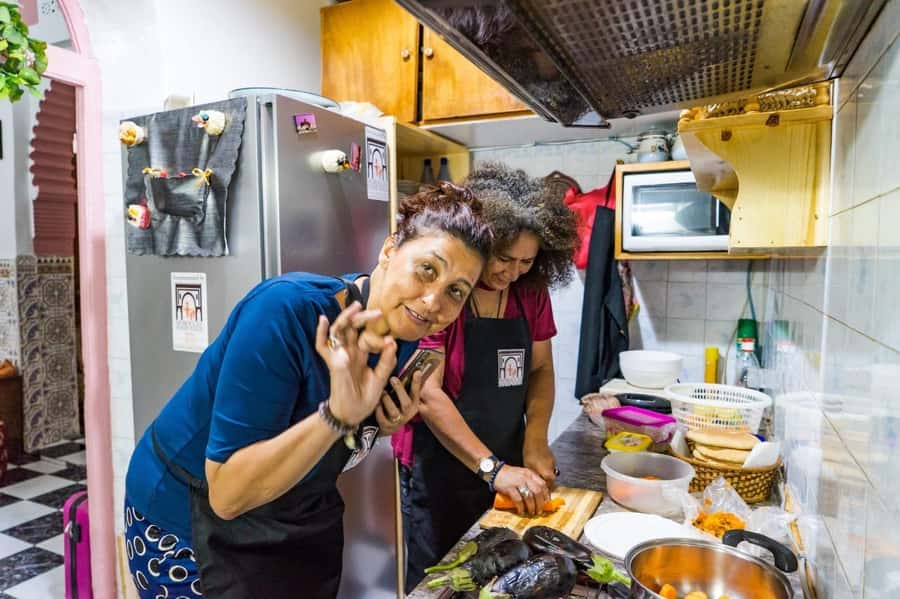
At $72 per person, this is not the cheapest way to eat in Rabat. You can find a less expensive meal in a restaurant. But the price covers more than food: a four-hour activity, a guided market visit, a cooking lesson, ingredients for a three-course menu, drinks, and time in a family home.
I see the strongest value in the amount of participation. You are not paying only for a plate of couscous or tajine. You are paying to learn how the meal is planned, shop for the ingredients, prepare it with a skilled home cook, and sit down with the people who hosted you.
The value is better if you enjoy cooking, food culture, and conversation. It is less compelling if you mainly want a quick meal or a formal chef demonstration. The family setting is the reason to book this rather than a standard restaurant dinner.
Friends can join the meal after the cooking session for an additional €15. That may work well if someone in your party wants the social part but does not want to take part in the kitchen. The extra meal arrangement should be organized ahead of time.
Who will enjoy this cooking class most?
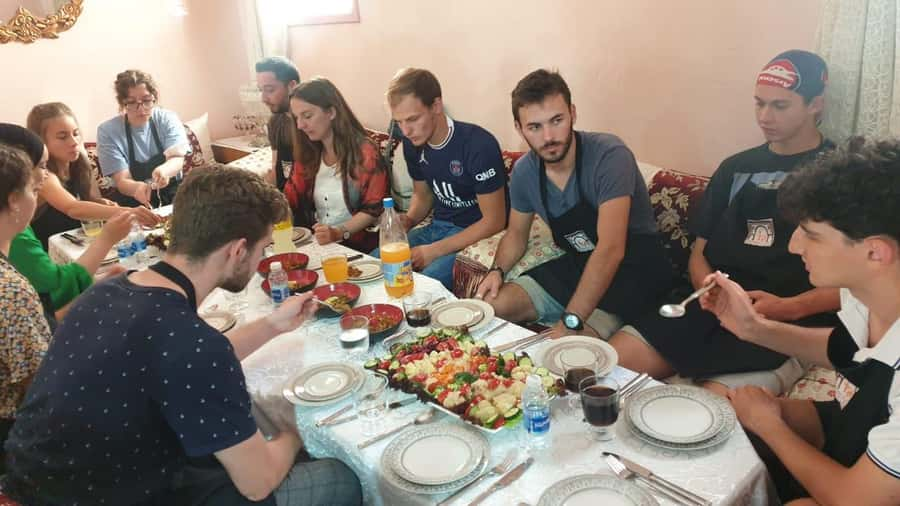
I would recommend it to people who want a close look at Moroccan home cooking and are happy to take part rather than simply watch. It is also a good choice for couples, families, and small groups who want a shared activity with a meal at the end.
Food-focused visitors will get the most from the market and menu choices. You can ask to prepare a particular Moroccan dish and pay attention to ingredients you may want to find again during the rest of your trip.
The experience also suits visitors who want cultural conversation. The host discusses customs and traditions, and the family setting gives you a more personal connection than a standard food tour.
It may be less suitable if you need a fixed menu, a formal restaurant atmosphere, or a tightly controlled schedule. The cooking is interactive, and the menu can reflect your preferences rather than following a rigid script.
Booking and planning advice
The activity lasts four hours, so treat it as a substantial half-day plan. Check the available starting times before booking, then leave room around it for the market, cooking, meal, and tea.
Cancellation is flexible up to 24 hours before the start for a full refund. You can also reserve now and pay later, which helps if your Rabat plans are still shifting.
The group is limited to eight participants. That is small enough for direct contact with the cook, though the exact amount of hands-on time can still depend on how many people attend and what the menu requires.
Wear something comfortable for a kitchen setting and bring a way to record recipes if you want to recreate the dishes. Photos and written notes are allowed, and full recipes are provided. Since transportation is not included, confirm your route to Hopital Moulay Youssef tram station before the day begins.
Should you book it?
Book this experience if you want Moroccan food with a family connection, not just a meal in a restaurant. The market visit, flexible menu, former ambassador chef, and three-course meal make it a strong choice for curious cooks and anyone who values local conversation.
I would skip it only if you want a quick activity, a fixed menu, or complete control over timing. For most food-minded visitors, $72 is reasonable because it includes a half-day of cooking, shopping, eating, and cultural exchange in one package.
FAQ
Where does the cooking class meet?
The meeting point is at the Hopital Moulay Youssef tramway station in Rabat.
How long does the experience last?
The cooking class and market visit last four hours.
How much does the experience cost?
The price is $72 per person.
Is transportation included?
No. Transportation is not included, so you need to make your own way to the meeting point.
What languages are available?
The host or greeter speaks French and English.
How many people can join the group?
The group is limited to eight participants.
What is included in the price?
The price includes the market visit, cooking session, three-course menu, tea or coffee, and bottled water.
What kind of food will I cook?
The menu is chosen with your preferences in mind. Dishes described for the class include couscous, chicken tajine, eggplant and pepper starters, fruit salad, and Moroccan millefeuille with pastry cream, orange blossom, and saffron.
Can friends join only for the meal?
Yes. Friends can join the meal after the cooking class for an additional €15.
Can I cancel for a refund?
Yes. You can cancel up to 24 hours in advance for a full refund. You can also reserve now and pay later.
Newest classes around Morocco
- Private Tagine Cooking Class in Chefchaouen with Lunch★ 5.0 · 5 reviews
- Chefchaouen Private Cooking Class with Mountain View★ 5.0 · 16 reviews
- Moroccan Cooking Class with a Local Family & Market Visit★ 5.0 · 16 reviews
- 3-Hour Cooking Class overlooking the Blue City★ 5.0 · 36 reviews
- Chefchaouen Cooking Class★ 5.0 · 4 reviews
- Market Tour & Moroccan Cooking Class in Casablanca with Transfers★ 5.0 · 18 reviews
- Private CousCous Cooking Class in a Traditional Family Home★ 5.0 · 7 reviews
- Traditional Cooking Courses in Casablanca★ 5.0 · 2 reviews
Morocco Cooking Classes, compared.

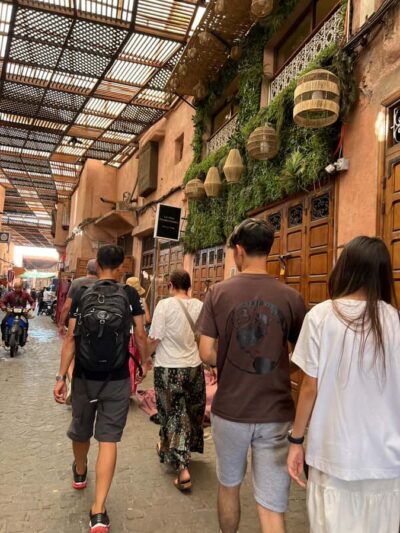
Traditional Moroccan Cooking Class & Market Visit
Read our review →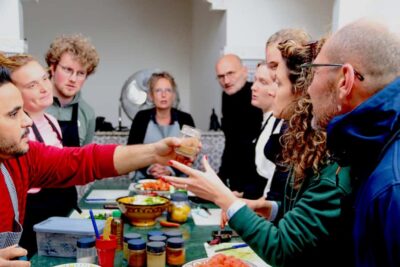
Moroccan Dishes Cooking Class with a Local Chef
Read our review →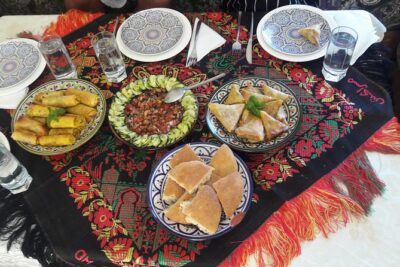
Moroccan Cooking Class & Marrakech Market Visit with Chef Khmisa
Read our review →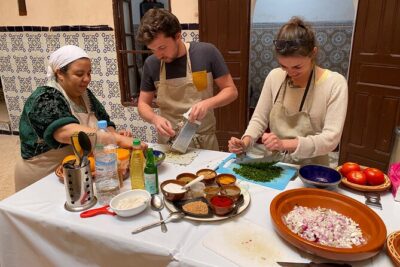
Half-Day Cooking Class with Local Chef Laila in Marrakech
Read our review →
Browse the lists this tour appears in