
Review · NAPLES COOKING CLASSES
Naples: Hands-On Pasta Class Making Gnocchi & Tagliatelle
Naples takes humble ingredients seriously, and this two-hour class shows you why. You make soft potato gnocchi and fresh tagliatelle by hand, then eat both with homemade sauces in a kitchen near the Duomo. The best part is that you are doing the cooking, not just watching a chef perform.
I like the steady pace and the generous value: you get two pasta dishes, an appetizer, a drink, and a sit-down meal for $41. I also like the friendly, light tone. Chefs Daniele, Alex, and Lucas are associated with different sessions, and the class seems to balance useful technique with jokes and conversation.
The main consideration is that the experience is not wheelchair accessible, and the pasta wording needs a quick check when you book. The main description focuses on gnocchi and tagliatelle, while the inclusions also mention ravioli. Ask which dishes your session will prepare if that distinction matters to you.
Five useful things to know before you book
- You make two kinds of pasta: Expect hands-on work with potato gnocchi and fresh tagliatelle, with some booking details also referring to ravioli.
- The meal is included: Your finished pasta becomes lunch or dinner, served with homemade tomato sauce and a drink.
- The location is central: Naplesbay Cooking Lab is a short walk from the Duomo in Naples’ historic center.
- The class stays active: You mix, knead, roll, cut, shape, and cook instead of sitting through a long demonstration.
- You leave with a souvenir: An apron, chef’s hat, kitchen tools, and a chef diploma are provided, plus free luggage storage.
Starting near Naples’ Duomo
The class begins at Naplesbay Cooking Lab, in the historic center and a short walk from the Duomo Cathedral. That location makes the activity easy to pair with sightseeing around central Naples, especially if you want a break from churches, streets, and museums.
The cooking lab is not presented as a countryside farm kitchen or a formal culinary school. Its appeal is more direct: you enter a working class setting in the heart of the city, meet a local chef, put on an apron and chef’s hat, and get to work with familiar Italian ingredients.
This central location also helps with timing. At two hours, the class fits neatly into a morning or afternoon without taking over your day. You can schedule it between other Naples plans, though you should still allow time to find the lab and arrive ready to start.
One useful extra is the free luggage deposit. If you are changing hotels or carrying bags through the city, that can save you a separate stop. The available information does not specify the storage process or capacity, so ask staff about it if you have large luggage.
More Pasta Making Classes in Naples
- Naples: Pasta Making Class with Starter and Drink
★ 4.9 · 1,060 reviews - Naples: Pasta Cooking Class with Tiramisù and a Drink
★ 4.6 · 415 reviews - Amazing Pizza and Pasta Class at Savio’s kitchen cooking school
★ 5.0 · 104 reviews
The opening appetizer and drink
The class includes a local appetizer before the main pasta meal, along with one alcoholic or non-alcoholic drink. This small opening course matters because it gives the session a social rhythm rather than making it feel like a cooking exam.
You have time to settle in, meet the people at your table, and hear the chef explain what you will make. A glass of local wine is one possible choice, but you can also choose a non-alcoholic drink. That flexibility is helpful for families, people avoiding alcohol, and anyone who wants to stay sharp while working with dough.
The appetizer is also a practical touch. Cooking classes often leave you hungry while the food is still being prepared. Here, you are not waiting on an empty stomach while the tomato sauce cooks and the pasta takes shape.
Do not expect a full restaurant menu. The point is the pasta you prepare, and the included appetizer is a pleasant start rather than a separate tasting tour. If you are choosing this activity mainly for a long meal with many courses, a restaurant would suit you better.
Making soft potato gnocchi by hand
Gnocchi is the first major project and the one most likely to teach you something you can use at home. The ingredients are simple, but the texture can go wrong quickly. Too much flour can make gnocchi heavy, while rough handling can rob it of the soft, tender quality you want.
The chef guides you through the method for turning potato into small pieces of pasta that are light enough to hold sauce. The useful lesson is not just the recipe. It is learning how the dough should feel and when to stop working it.
That hands-on guidance is the reason this class offers more than a meal. You get to see how a local cook handles the mixture, then copy the motion yourself. If you have never made gnocchi, the chef can correct the texture before you shape every piece.
Once formed, the gnocchi is cooked and served with sauce. The class description highlights a homemade tomato sauce, made with San Marzano DOP tomatoes, extra virgin olive oil, basil, and sea salt. Those ingredients are not complicated, but they show the Neapolitan preference for letting good produce do the work.
Gnocchi is especially rewarding for beginners because the finished dish looks and feels very different from dried pasta. You can take the basic method home and adjust it later, though your first batch may not be perfectly uniform. That is part of the charm, not a flaw.
Rolling and cutting fresh tagliatelle
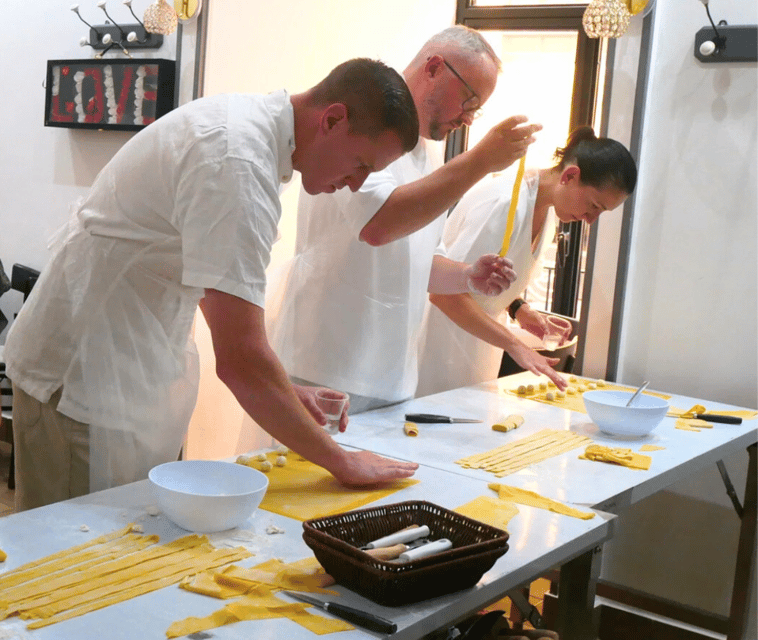
The second pasta project uses dough made with flour and other basic ingredients. You mix and knead it, then roll it thin and cut it into long ribbons using traditional tools and professional methods.
The booking information sometimes calls this pasta fettuccine and sometimes tagliatelle. Both descriptions point to long, fresh ribbons, but the names are not identical in Italian cooking. If you are particular about making one exact shape, confirm the day’s menu with the cooking lab.
This section gives you a different lesson from gnocchi. Gnocchi depends on a delicate potato mixture, while tagliatelle asks for steady kneading, careful rolling, and clean cutting. You learn how dough changes as you work it and how thickness affects the final bite.
The class is designed so you stay involved. You are not simply watching a chef roll out a perfect sheet while you stand at the side. You handle the dough, follow the instructions, and produce the ribbons that later appear on your plate.
That is also where the class may feel most rewarding for families and first-time cooks. The work is easy to understand, but it still feels like a real skill. Children under 18 must have a parent or legal guardian with them, so this is a possible family activity for older children who can take part safely.
Same region, a different dish to learn:
- Naples: Neapolitan Pizza and Tiramisu Cooking Class
★ 4.9 · 258 reviews - Naples Pizza and Tiramisu Cooking Class
★ 5.0 · 173 reviews - Naples: Traditional Italian Food Cooking Class at Restaurant
★ 4.8 · 106 reviews - Naples Pizza Class: Learn, Bake & Eat the Authentic Pizza Taste
★ 5.0 · 103 reviews
The tomato sauce keeps things Neapolitan
While you work, the tomato sauce cooks gently. The stated ingredients include San Marzano DOP tomatoes, extra virgin olive oil, basil, and sea salt. This is a short ingredient list, but that simplicity is the lesson.
Neapolitan cooking often relies on balance rather than heavy seasoning. You taste the tomato, olive oil, and basil instead of covering them with a thick mix of herbs or cream. The chef also explains culinary customs passed down through Neapolitan families, giving the cooking a local setting rather than treating pasta as a generic Italian dish.
The sauce is used with the pasta you make, so you can see how different shapes carry it. Gnocchi holds sauce in its folds and curves. Tagliatelle gives you long ribbons coated with tomato. Tasting both in one sitting helps explain why shape and texture matter.
The description highlights tomato sauce, while the experience promises two pasta types with two sauces. That wording is a little unclear. You may receive different sauces for the two dishes, or the tomato sauce may be one of the main preparations. If sauce variety is a deciding factor, confirm the exact menu before booking.
Sitting down to eat what you made
The final meal is the payoff, but it is not the only reason to book. You sit down with the other people in the class and eat the gnocchi and fresh pasta you prepared. A glass of wine can accompany the meal, or you can choose a non-alcoholic drink.
This shared table gives the class a relaxed finish. You have spent the previous part of the session measuring, kneading, shaping, and listening. Now you can compare the two pasta styles and enjoy the result without rushing off to find a restaurant.
The meal is likely to feel more satisfying because you know exactly what went into it. You also get a better sense of the difference between fresh pasta and the dried pasta commonly served at home. If you are looking for a polished chef’s tasting menu, this will be too informal. If you want a meal tied to an activity, it is a strong match.
The social side is another plus. The class brings people together around a shared task, and the teaching style is meant to include humor and conversation. Daniele is described as keeping the pace moving without making the class too technical. Alex is associated with patient answers and close attention, while Lucas has been praised for making the experience enjoyable for families.
Those names may not match every departure, so do not book based on a particular chef unless the operator confirms it. The important point is the format: you can expect a local instructor who explains the technique and keeps the group involved.
Is $41 a fair price?
At $41 per person, the class is good value if you want both a meal and a practical activity. The price includes the two-hour instruction, kitchen tools, apron, chef’s hat, two pasta preparations, an appetizer, one drink, and the meal you make. A chef diploma is also included as a souvenir.
You are not paying for transport around Campania, a long market visit, or a large restaurant menu. That keeps expectations clear. The value comes from the combination of instruction, ingredients, food, and social time in a central Naples setting.
Compared with paying separately for lunch and a cooking lesson, the package is appealing. It is also useful on a rainy day, when an indoor activity can rescue your schedule. One session was specifically described as lifting the mood during heavy rain, which fits the format well.
The value drops if you do not enjoy cooking or if you want a quiet meal with no group participation. You will be asked to handle dough and follow directions. That is the point, but it is still worth considering before you reserve.
Who will enjoy this class most?
I would recommend it to first-time pasta makers, couples, families with older children, and solo visitors who like meeting people through food. It is also a good choice if you have only a short stay in Naples and want one activity that combines local food, instruction, and lunch or dinner.
The class suits people who want practical skills. You should leave knowing more about gnocchi texture, pasta dough, rolling, cutting, and simple tomato sauce. The chef diploma is a fun extra, though the real souvenir is the ability to try the dishes again at home.
It may be less suitable for anyone needing step-free access, since the activity is not wheelchair accessible. Participants under 18 must attend with a parent or legal guardian. Language should be manageable for many visitors because instruction is available in Italian, Spanish, French, and English.
Vegetarian or dietary details are not provided, so ask before booking if you have allergies or food restrictions. The listed ingredients include wheat, potato, tomato, basil, and olive oil, but that does not tell you how the full menu handles substitutions.
Timing, language, and booking flexibility
The activity lasts two hours, with starting times based on availability. That is long enough for a real cooking session but short enough to fit into a city itinerary. I would avoid placing an important timed attraction immediately afterward, since the class includes eating and group conversation as well as cooking.
Instruction is offered in English, Italian, Spanish, and French. If you need a specific language, select or confirm it when you book rather than assuming every chef will teach in all four.
You can cancel up to 24 hours before the activity for a full refund. The reserve-now, pay-later option also keeps your Naples plans flexible. Those terms are useful if your arrival time is uncertain, but they do not remove the need to check the starting time and meeting point before you commit.
Should you book the Naples pasta class?
Book this if you want to make your own food, eat a complete meal, and spend two hours in a friendly kitchen near the Duomo. The $41 price covers more than a demonstration, and the mix of gnocchi, tagliatelle, appetizer, drink, and dinner gives you plenty to do and taste.
I would be most cautious about the unclear pasta wording, since the main description names gnocchi and tagliatelle while the inclusions mention ravioli. Confirm that detail, and ask about sauces if two distinct sauces matter to you.
For a hands-on introduction to Neapolitan cooking, this is an easy choice. You get useful skills, a central location, flexible cancellation, and a meal that you helped create. Just remember that it is an active group class, not a quiet restaurant dinner or an accessible activity for wheelchair users.
FAQ
Where does the pasta class take place?
The class takes place at Naplesbay Cooking Lab in the heart of Naples’ historic center, a short walk from the Duomo Cathedral.
How long does the experience last?
The cooking class lasts two hours.
What pasta will I make?
The main experience description focuses on soft potato gnocchi and fresh tagliatelle. Some activity details also refer to fettuccine and ravioli, so confirm the exact pasta menu when booking.
Is food and drink included?
Yes. The experience includes a local appetizer, one alcoholic or non-alcoholic drink, and a meal featuring the pasta you prepare.
Which languages are available?
Instruction is available in Italian, Spanish, French, and English.
Can children join the class?
Participants under 18 must be accompanied by a parent or legal guardian.
Is the cooking lab wheelchair accessible?
No. The activity is not wheelchair accessible.
Newest classes around Naples
- Naples: 3 Recipes Cooking Class at Local’s Home★ 4.8 · 5 reviews
- Naples: Traditional Italian Food Cooking Class at Restaurant★ 4.8 · 106 reviews
- Naples: Pasta and Tiramisu Cooking Class with Local Chef★ 4.9 · 50 reviews
- Naples: Pasta and Gelato Cooking Class★ 4.9 · 8 reviews
- Naples: Markets and Cooking Class at Local’s Home★ 4.7 · 3 reviews
- Naples: Fresh Pasta Cooking Class and Dinner with a Local★ 4.9 · 69 reviews
- Cooking Lesson: Neapolitan pasta homemade★ 4.8 · 4 reviews
- Cooking Class with Chef Alfio★ 5.0 · 3 reviews
Naples Cooking Classes, compared.
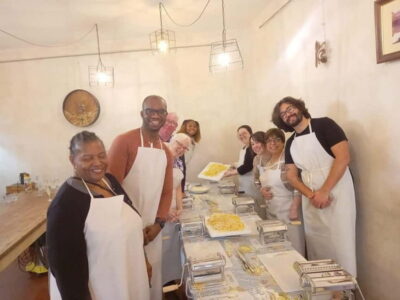
Traditional Italian Food Cooking Class at Restaurant
Read our review →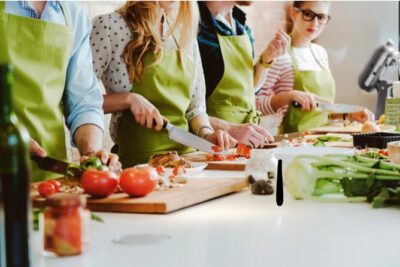
Amazing Pizza and Pasta Class at Savio’s kitchen cooking school
Read our review →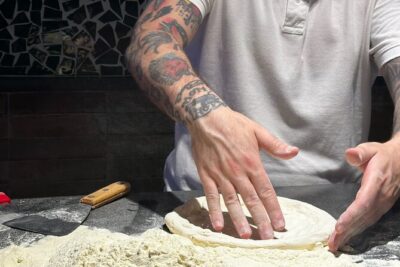
Naples Pizza Class: Learn, Bake & Eat the Authentic Pizza Taste
Read our review →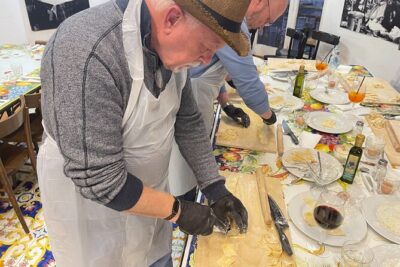
Hands-On Pasta Making and Traditional Tiramisu Workshop
Read our review →Browse the lists this tour appears in