
Review · MEXICO COOKING CLASSES
PDC Traditional Mexican Cooking Experience
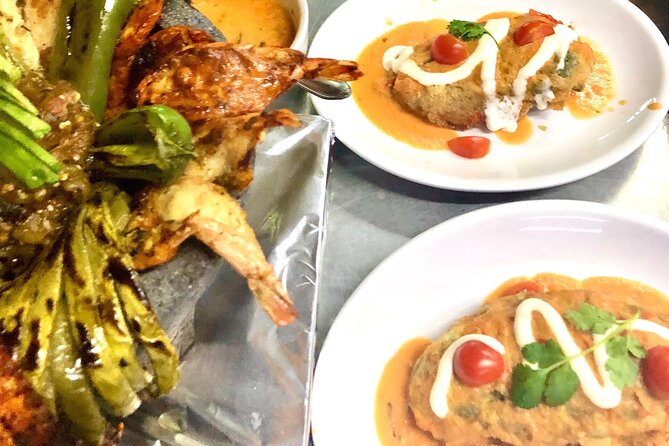
The best part of this Playa del Carmen experience is that you do not simply watch someone make Mexican food. You prepare several dishes yourself, from tamales and chiles rellenos to a dramatic molcajete filled with seafood and meat. Panchito and Francisco bring food, family, and Mexican history into the conversation.
I like the generous amount of cooking and the chance to take leftovers with you. I also like the small group size, capped at eight, which gives you room to work and ask questions. The main drawback is that the ingredients are prepared before you arrive, and the class does not visit a local market. If shopping for chilies and produce is important to you, this is not that kind of class.
Key points at a glance
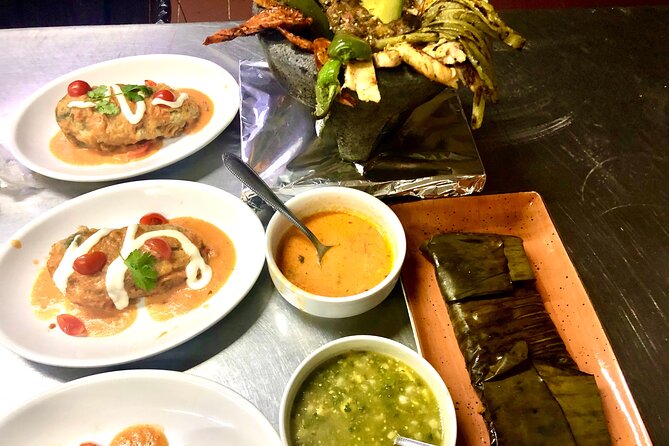
- Tamales made from scratch: You prepare one of Mexico’s best-known foods rather than simply tasting it.
- A full meal, not a single recipe: The session includes aguas frescas, antojitos, side dishes, and a main course.
- The land, sea, and sky molcajete: Depending on the menu, you may cook octopus, shrimp, flank steak, and chicken in a volcanic-rock mortar.
- A small eight-person group: The format leaves more space for conversation and hands-on work.
- A five-to-ten-minute walk: Meet at Town Hall Plaza, then walk with the host to the restaurant kitchen.
- Food to take away: The portions can be large enough for another meal, and unfinished dishes can be packed up.
Why this class feels different from a recipe lesson
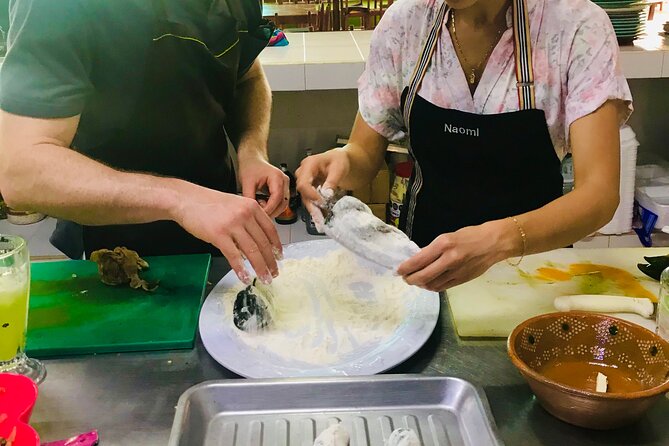
Many cooking classes give you a bowl of ingredients, a printed recipe, and a set of steps to copy. This experience takes a broader view. It presents Mexican cooking as part of daily life, family care, regional identity, and memory.
That matters because Mexican cuisine is not one fixed menu. Food changes across the country, and the use of corn, chili peppers, seafood, meat, and local cooking methods differs by region. The class connects those differences to the saying mi casa es tu casa, or my home is your home.
The experience also explains why traditional Mexican food is recognized by UNESCO as an Intangible Cultural Heritage of Humanity. You are not taking a formal lecture in cultural studies, but the food gives the discussion a practical shape. You hear where ingredients and methods fit into Mexican life while preparing them with your own hands.
Panchito has been praised for bringing in stories about Mexico, Playa del Carmen, food, and everyday beliefs. Francisco has also led sessions with a warm, conversational approach. The tone is less like culinary school and more like spending an afternoon with a host who wants you to understand why the food matters.
More Mexican Classes in Mexico:
- Cabo San Lucas Mexican Cooking Class Experience and Local Markets
★ 5.0 · 915 reviews - Mexican Cooking from Scratch in a Local Home in Tulum
★ 5.0 · 585 reviews - Authentic Mexican Legacy Cooking Class in Cabo San Lucas
★ 5.0 · 530 reviews
Meeting in downtown Playa del Carmen
You meet at Town Hall Plaza on 20th Avenue between 8th and 10th streets in downtown Playa del Carmen. After everyone arrives, the host introduces the class and walks the group to a rented restaurant about five to ten minutes away.
This setup is practical. You do not need to find a remote village or arrange separate transportation. You start in a central area and reach the cooking venue on foot. The short walk also gives the host time to explain the plan and begin the conversation about Playa del Carmen and Mexican cuisine.
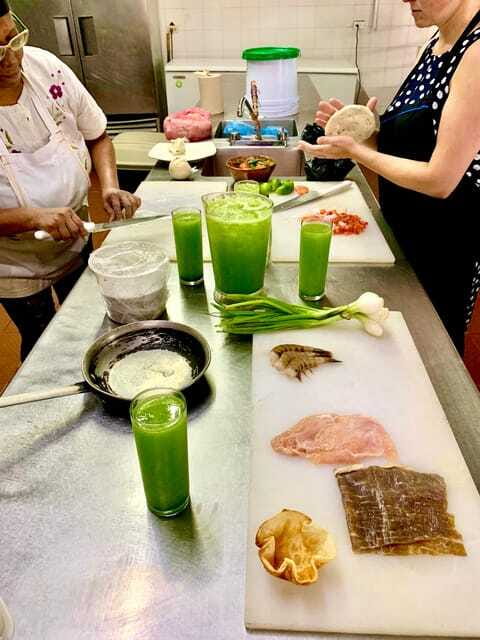
There is no home kitchen involved. Everything takes place in an ample conventional restaurant, with chefs, support cooks, and the host present. That may sound less personal than cooking in a family home, but it provides more working space and helps the team manage the amount of food being prepared.
The tradeoff is clear. You get a clean, organized kitchen designed for a group, not a peek into someone’s private home. If your priority is safety, room to move, and a reliable cooking setup, that is a sensible exchange.
Starting with aguas frescas and antojitos
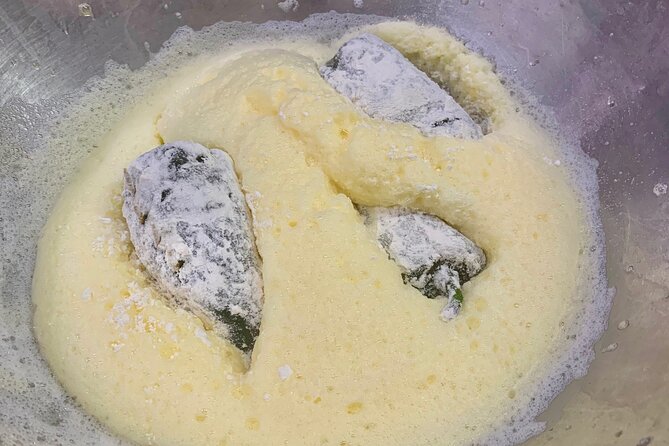
The class begins with a short introduction to Mexican cuisine, followed by aguas frescas and antojitos mexicanos. Aguas frescas are traditional nonalcoholic refreshments, while antojitos are small, flavorful foods often linked to older Mexican cooking traditions.
This opening gives you an easy start. You can get familiar with the tools, ingredients, and pace before the larger dishes arrive. It also helps explain how Mexican food often builds a meal through several tastes and textures, rather than treating the main dish as the only important part.
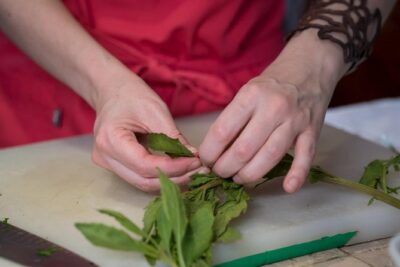
The preparation is hands-on, but the exact tasks can vary. The host and cooks demonstrate what to do, then guide you as you work. One session included tamales made from scratch, which is a useful detail for anyone who has only encountered tamales as a finished dish.
Tamales take patience and care. Making them yourself helps you understand the work behind the food, especially the preparation and assembly that you rarely see in a restaurant. One participant described the process as changing their idea of what a tamale could be. You should expect a dish with more personality than a quick demonstration can provide.
Preparing tamales and chiles rellenos
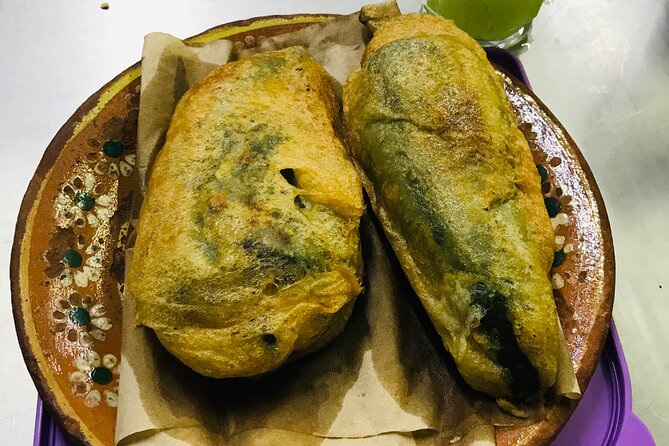
Tamales and chiles rellenos are among the most memorable dishes associated with this experience. The menu changes from time to time, so neither should be treated as a guaranteed item for every date, but both have appeared in recent sessions.
Chiles rellenos involve preparing stuffed chilies, and the process gives you a chance to work with one of the ingredients central to Mexican cooking. The dish also shows how Mexican food can combine heat, filling, texture, and sauce without reducing everything to a simple spicy flavor.
The tamale preparation is likely to be one of the more involved parts of the afternoon. That is good news if you want to learn by doing. It also means this is not a class for someone who wants a quick tasting with minimal participation.
You should wear something comfortable and expect to spend much of the three and a half hours standing or working around the kitchen. The provided tools and materials make the session easier, but you still need to be willing to roll up your sleeves.
More Cooking Classes in Mexico:
- Puerto Vallarta Cooking Class Experience with Market Tour
★ 5.0 · 698 reviews - Mexican Cooking Class with Food Market Visit in Mexico City
★ 5.0 · 506 reviews - Authentic Mayan Cooking Class in Cozumel
★ 5.0 · 344 reviews - Flavors of Oaxaca: Cooking Class with No Set Menu and Local Market Tour
★ 4.5 · 333 reviews
The volcanic-rock molcajete finale
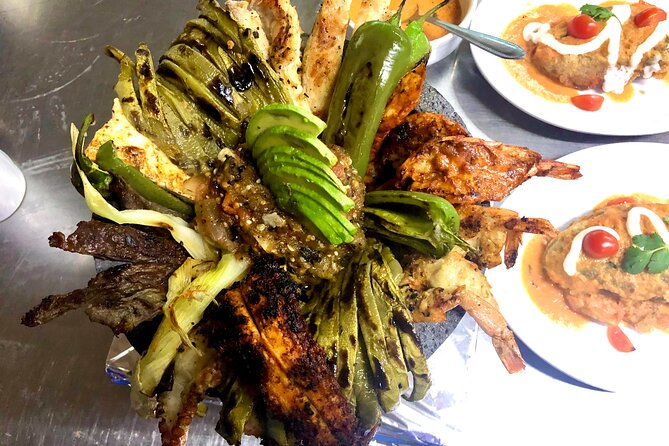
For seafood lovers, the most theatrical dish is the Cielo, Mar y Tierra Molcajete, translated as land, sea, and sky. The dish can include octopus, shrimp, flank steak, and chicken, with the ingredients cooked and served in a molcajete, a volcanic-rock mortar.
The preparation combines several kinds of food in one presentation. You may work with seafood and meat at the same time, then finish the dish with guacamole and grilled vegetables. One session included octopus, shrimp, beef, and chicken, which gives you an idea of how generous the portions can be.
The menu may also offer red snapper or lobster for an extra charge. That is worth deciding before you arrive if you are watching your budget. The standard experience already includes a substantial amount of food, so the surcharge is an optional upgrade rather than something needed to make the class worthwhile.
I would not choose the molcajete option if you dislike seafood or prefer a tightly focused single-dish lesson. The dish is deliberately abundant and varied. For someone who wants to taste several ingredients and understand how they work together, it is one of the class’s strongest features.
Side dishes, drinks, and a very full table
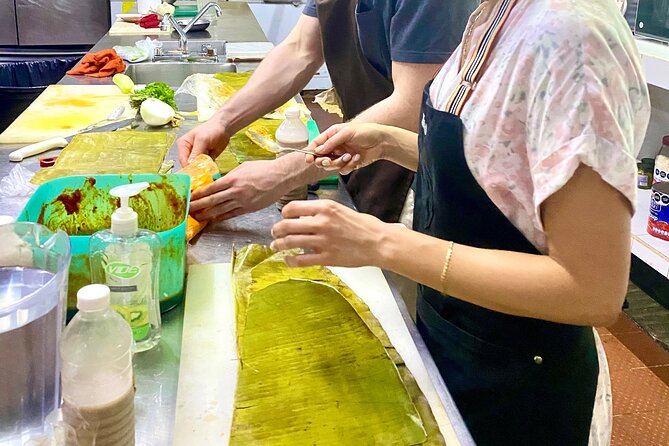
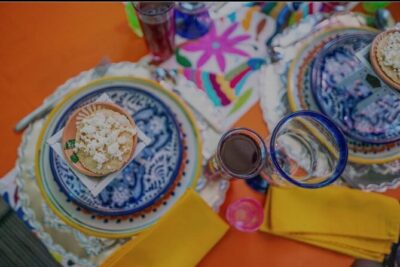
The main dishes come with side dishes, and the experience includes refreshments and beverages. Some sessions have included Mexican wine from a selected winery, while other drink choices may be available at an additional cost.
The exact beverage selection is not presented as a fixed tasting menu, so you should ask the host what is included on your date if wine matters to you. The core value is the cooking and food, not a formal wine-pairing program.
One practical point deserves attention: you may prepare more food than you can eat during the class. That is not a minor detail. Participants have received generous portions to take away and enjoy later, sometimes enough for another meal.
I like this arrangement because it reduces pressure to finish everything at the table. You can focus on tasting and talking instead of forcing down a huge portion. Bring this into your planning, since a cooking class followed by a large dinner may be too much.
The people behind the cooking
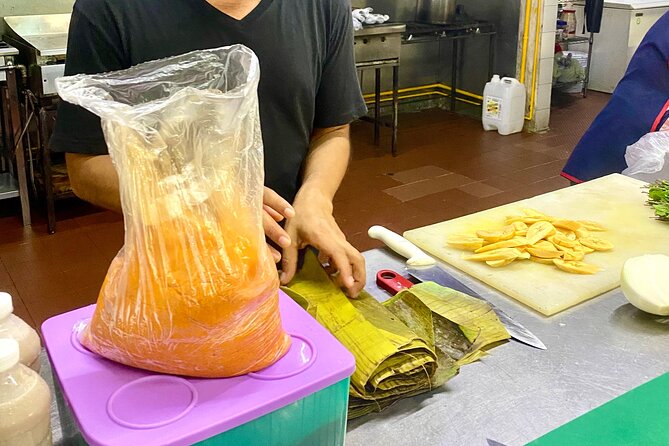
The host is an important part of the experience. Panchito has been described as prompt at the meeting point, personable, and able to discuss Mexican history, Playa del Carmen, food, and personal perspectives without making the afternoon feel like a lecture.
Francisco has also guided sessions, demonstrating each dish before helping participants prepare their own food. Lilia and restaurant support staff have been part of the cooking team as well. The result is a group effort, with the host handling the story and flow while cooks help keep the kitchen moving.
The class is offered in English and Spanish. That makes it useful for visitors who want instruction in English while still hearing the sounds and names of Mexican food in Spanish. You should not expect a formal cooking certificate or technical chef training. The value is in the practical guidance, the conversation, and the cultural setting around the dishes.
The small group limit of eight matters here. In a larger class, you might spend more time watching than cooking. With fewer people, you have a better chance to take part directly and ask why a dish is prepared in a particular way.
What the $116 price includes
At $116 per person, this is not the cheapest way to eat in Playa del Carmen. It is also not simply a restaurant meal. The price includes three and a half hours of instruction, all ingredients, cooking tools and materials, refreshments, beverages, a cooking host, a chef, and support cooks.
The amount of food changes the value calculation. You prepare several items, eat during the experience, and can take unfinished dishes away. If you count the class as both a cultural activity and multiple meals, the price becomes easier to justify.
Still, you should book it for the participation, not just for the food. If you want a low-cost cooking demonstration, you may find this more than you need. If you want to learn how a group of dishes comes together and spend a good part of an afternoon talking about Mexican life, the cost is more reasonable.
The experience also avoids wasting time at a farmer’s market because there are not real local farmer markets in the area used for this class. Ingredients are prepared in advance. Some people will see that as a missed opportunity, but it means you begin cooking right away instead of spending part of the session on shopping.
Who should book this experience
I would recommend this class to you if you enjoy food with a story and prefer active experiences to passive sightseeing. It suits couples, families, friends, and solo visitors who are comfortable joining a small group.
You will get the most from it if you are curious about regional Mexican food and willing to try several ingredients. Seafood lovers should pay special attention to the molcajete option, while anyone who enjoys traditional preparation should look forward to the tamales when they appear on the menu.
This may be less suitable if you need a strictly fixed menu, dislike group activities, or want a market-to-table experience. The dishes vary, the ingredients are prepped before your arrival, and the venue is a rented restaurant rather than a private home.
The three and a half hour length is long enough to create a real meal but short enough to fit into a Playa del Carmen itinerary. Plan around it rather than trying to squeeze in another major activity immediately afterward. You may leave with food for later, but you will not leave hungry.
Practical details before you reserve
The experience offers free cancellation up to 24 hours in advance, and you can reserve now and pay later. Starting times vary, so check availability for your date.
Meet at Town Hall Plaza, not directly at the restaurant. The host escorts you from there, and the walk takes about five to ten minutes. Arrive ready to participate rather than simply observe.
The class is available in English and Spanish, with a maximum of eight participants. All cooking ingredients, tools, materials, refreshments, and beverages are included. Optional red snapper or lobster may cost extra.
Should you book the PDC Traditional Mexican Cooking Experience?
Book it if you want a generous, social cooking session built around Mexican food stories rather than a short recipe demonstration. The strongest reasons are the hands-on tamales, the range of dishes, the small group, and the chance to take food away.
Skip it if your top priority is visiting a market, cooking in a local home, or following one exact menu from start to finish. For everyone else, this is a useful way to spend an afternoon in Playa del Carmen, especially if you want your meal to come with context, conversation, and a little work at the stove.
FAQ
Where does the cooking experience meet?
Meet at Town Hall Plaza on 20th Avenue between 8th and 10th streets in downtown Playa del Carmen. From there, the host walks the group to a restaurant venue about five to ten minutes away.
How long does the experience last?
The cooking experience lasts three and a half hours.
How many people can join the group?
The group is limited to eight participants.
What languages are available?
The experience is offered in English and Spanish.
Are ingredients and cooking equipment included?
Yes. Cooking ingredients, tools, and other cooking materials are included.
What food might I prepare?
The menu changes, but dishes can include tamales, chiles rellenos, pipian, mole, aguas frescas, antojitos, side dishes, and a Cielo, Mar y Tierra molcajete with octopus, shrimp, flank steak, and chicken.
Is seafood available?
Yes. Seafood appears in the Cielo, Mar y Tierra molcajete. Red snapper or lobster may also be available for an optional surcharge.
Can I take food home?
Yes. You can take cooked and prepared dishes with you if you are unable to finish them during the experience.
Newest classes around Mexico
- Private Pre-Hispanic Cooking Class in Mexico City with Martha★ 5.0 · 19 reviews
- Tasty Mexican Cooking Class with Feast in Riviera Maya★ 5.0 · 99 reviews
- Flavors of Mexico: Cancun Cooking Class & Market Visit★ 4.5 · 5 reviews
- Private Authentic Mexican Cooking Class in Cancun with Alberto★ 5.0 · 3 reviews
- Cancun small group Cooking Class with Local Chef★ 5.0 · 61 reviews
- Cancun Hands-On Mexican Cooking Class★ 4.5 · 95 reviews
- 4h Cooking Class in Cancun with 8 Recipes & Bottomless Drinks★ 5.0 · 50 reviews
- Azteca Tacos Cooking Class★ 5.0 · 10 reviews
Mexico Cooking Classes, compared.
Cabo San Lucas Mexican Cooking Class Experience and Local Markets
Read our review →
Puerto Vallarta Cooking Class Experience with Market Tour
Read our review →
Mexican Cooking from Scratch in a Local Home in Tulum
Read our review →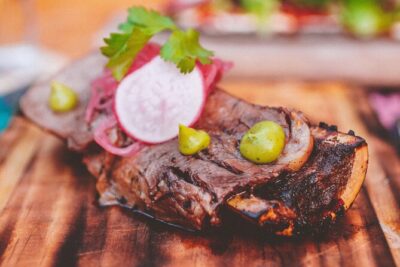
Mexican Cooking Class with Food Market Visit in Mexico City
Read our review →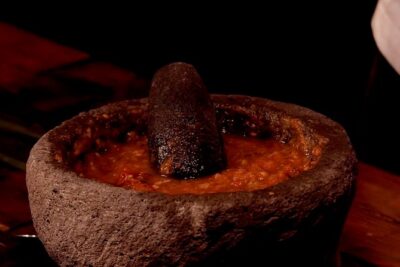
Flavors of Oaxaca: Cooking Class with No Set Menu and Local Market Tour
Read our review →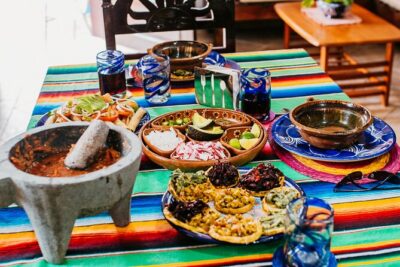
Browse the lists this tour appears in