
Review · GREECE COOKING CLASSES
Mykonos: Hands-On Cooking Class with a Professional Chef
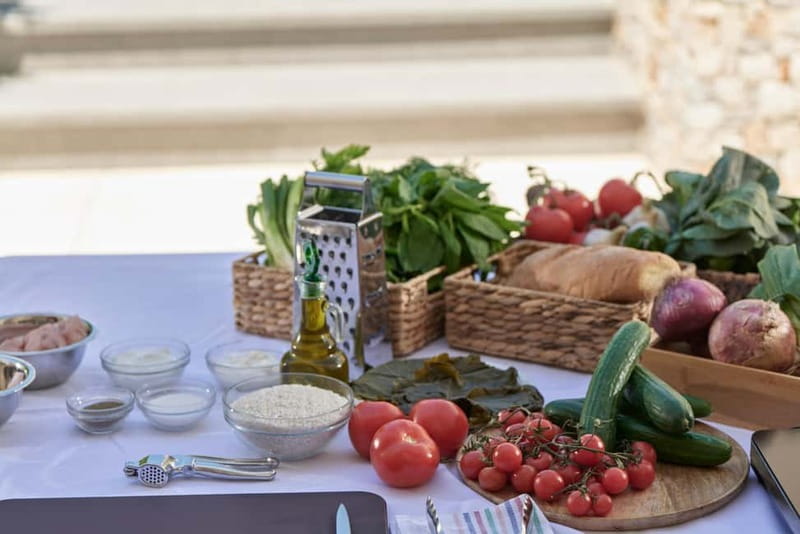
The best part of this Mykonos experience is that you do not simply eat Greek food, you learn how the meal comes together. Under Chef Nikos’s guidance, you prepare tzatziki, pies, dolmades, gyros meat, and your own pita bread, then share the results around the table.
I like the small group of up to eight, which gives the chef room to explain each step and help with the hands-on work. I also like that you receive recipes, so the class can continue in your kitchen after you leave Greece.
The main consideration is the three-hour length and food-focused format. This is not a quick demonstration or a sightseeing stop. You need comfortable clothes, suitable shoes, and enough appetite for a substantial meal. Children under 12 cannot join, and people with food allergies are not considered suitable for the class.
Key points at a glance
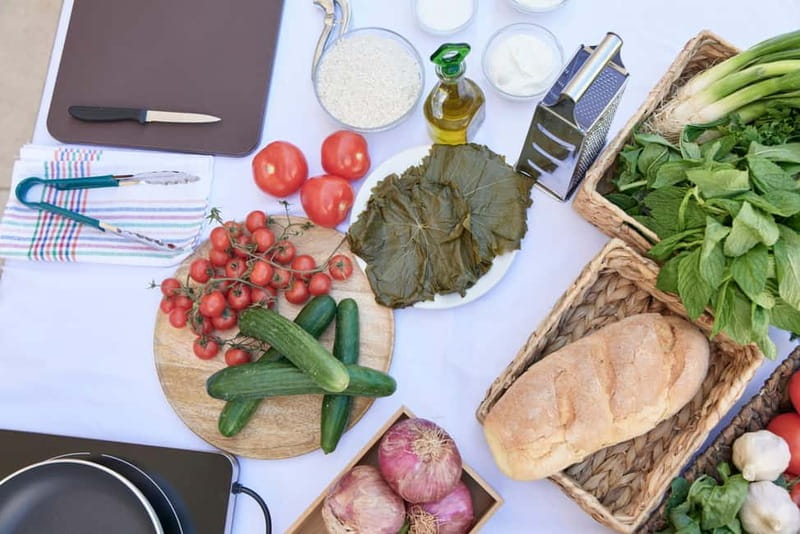
- Make several Greek staples: Prepare tzatziki, cheese pies, spinach pies, dolmades, gyros meat, and pita.
- Learn from Chef Nikos: The English-speaking professional chef explains techniques, flavors, aromas, and practical cooking tips.
- Expect real participation: You handle ingredients and follow recipes rather than simply watching a kitchen demonstration.
- Eat what you prepare: The class builds toward a shared meal, with enough food that some participants have taken leftovers home.
- Keep the recipes: All recipes for the dishes prepared are included, giving the class value beyond your time in Mykonos.
- Plan around the restrictions: Arrive 15 minutes early, wear cooking-friendly clothes, and report allergies or dietary needs ahead of time.
What happens during the three-hour Mykonos class
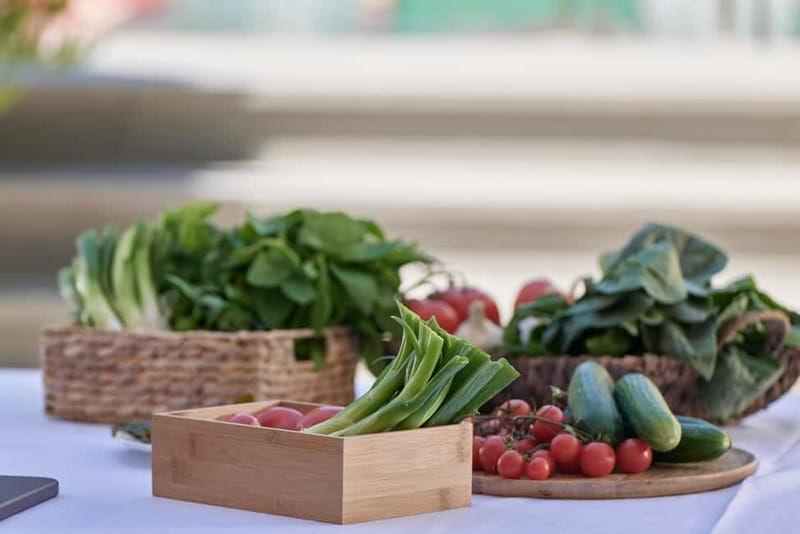
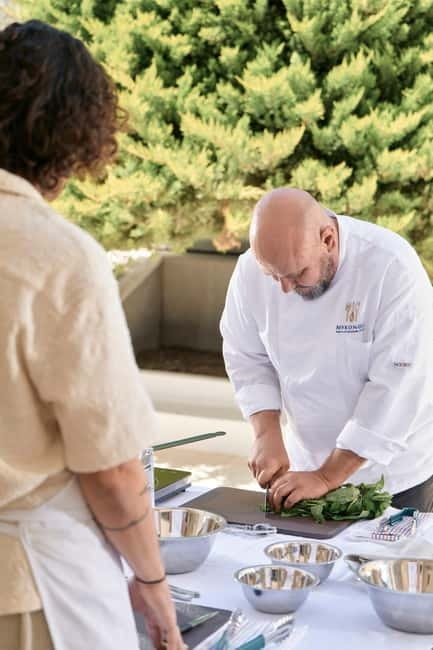
This class is built around cooking, not transport or sightseeing. You arrive 15 minutes early, get settled, and meet the chef and the rest of the small group. Since the class is limited to eight people, you should have a better chance to take part directly instead of standing at the back and trying to see over someone’s shoulder.
The instructor is listed as Chef Nikos, with Nikola also used in the experience details. He teaches in English and guides you through the recipes step by step. The aim is not just to give you a list of ingredients. You learn how Greek cooking balances texture, herbs, savory fillings, creamy sauces, and warm bread.
The order of the recipes may vary, but the session covers a broad range of Greek favorites. That variety is one of the strongest reasons to book. In three hours, you get a taste of everyday Greek cooking, street food, small bites, and dishes associated with home-style meals.
More Cooking Classes in Greece:
- Athens: Classic Cooking Class with Market Visit and Wine
★ 5.0 · 1,101 reviews - Athens: Food Market Visit and Cooking Class with Wine
★ 4.9 · 1,087 reviews - Greek Cuisine Cooking Class in Santorini with Recipes and Wine
★ 5.0 · 969 reviews
Starting with tzatziki and Greek flavor basics
Tzatziki is a smart opening dish because it shows how a few simple ingredients can create a strong result. You work with the elements that make the sauce familiar: yogurt, cucumber, garlic, and seasonings. The useful lesson is in the balance. Too much cucumber can make the sauce watery, while too much garlic can overwhelm everything else.
Chef Nikos also uses the recipes to explain the role of aroma and texture in Greek food. These are practical points you can use at home, especially when cooking without exact measurements. I like this kind of teaching because it gives you a feel for the dish rather than asking you to follow instructions blindly.
The tzatziki becomes part of the larger meal, and it fits naturally with pita and gyros. You are not preparing disconnected samples. The recipes support one another, which makes the final table feel like a proper Greek spread.
Folding cheese pies, spinach pies, and dolmades
The pie-making section adds a different kind of work. Cheese pies and spinach pies require attention to filling, pastry, and shaping. You should expect a hands-on task rather than a polished cooking show. That makes the class more useful, but it also means you may need to concentrate and accept that your first attempt will not look perfect.
Spinach pies show how Greek cooking turns simple vegetables and pastry into something filling. Cheese pies offer a richer contrast. Preparing both helps you see how small changes in filling affect flavor and texture.
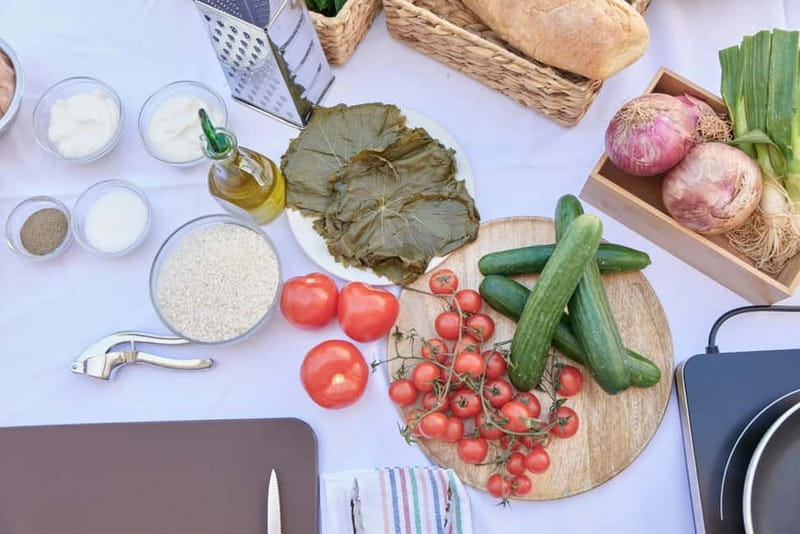
Dolmades bring another technique to the table. Rolling grape leaves takes patience, and the size of each piece matters if you want the filling to cook evenly. This is exactly the sort of skill that benefits from a chef standing nearby. A recipe can tell you what to add, but it cannot always show how tightly to roll or how much filling to use.
The class has been described as preparing about six easy appetizers in some sessions. The exact selection may vary, but you should expect a generous collection of small dishes rather than one main course alone. That format works well for couples, friends, and solo food lovers who enjoy sharing and trying several flavors.
Making gyros meat and baking fresh pita
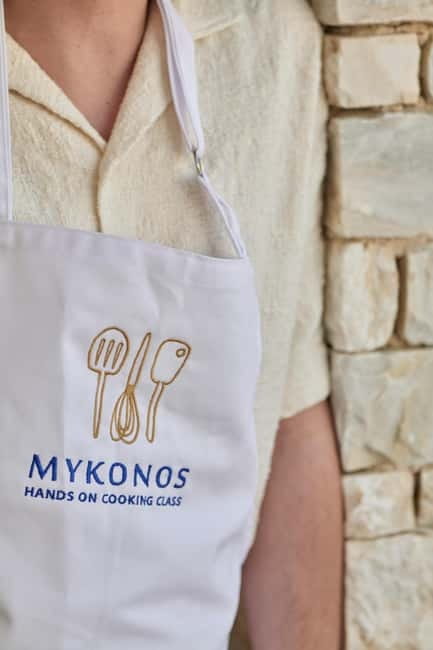
The gyros portion is the class’s most distinctive feature. You prepare the meat and learn how the famous Greek street-food combination comes together. The lesson is not limited to assembling a purchased gyro. You take part in the preparation of the filling and the bread.
Baking your own pita gives the meal a satisfying center. Fresh bread changes the experience, and the class shows how the pita fits with the meat, tzatziki, and other prepared dishes. You also gain a recipe you can reuse for casual meals at home.
This is a useful part of the class for anyone who has eaten gyros many times but never considered how the components are made. You learn that the result depends on more than the meat. The bread, sauce, seasoning, and assembly all matter.
The practical limit is that you should not expect a full professional kitchen apprenticeship in three hours. You will learn several methods and receive cooking guidance, but you will not become an expert in Greek baking or meat preparation in one afternoon. The class gives you a solid starting point and enough confidence to try the dishes again.
Same region, a different dish to learn:
- Naxos: Half-Day Cooking Class at Basiliko Family Tavern
★ 5.0 · 887 reviews - Greek Cooking Class in Athens Including Rooftop Dinner with Acropolis View
★ 5.0 · 826 reviews - Greek Small-Group Athens Cooking Class & Dinner
★ 5.0 · 574 reviews - Exclusive Cooking Experience in our Cave Home by Petra Kouzina
★ 5.0 · 572 reviews
Sitting down to eat what you prepared
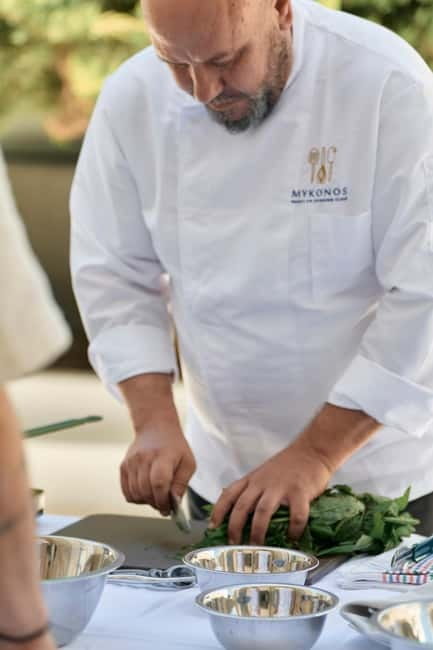
Cooking classes work best when the food is more than a final sample. Here, the meal is part of the experience. After preparing the dishes, you sit down and enjoy them with the group. That shared table gives the class a social side without turning it into a formal restaurant meal.
You should expect plenty of food. One session produced enough for two people to take leftovers home, which suggests that the meal can be substantial rather than a few decorative bites. Still, the exact quantity depends on the group and the recipes prepared that day.
Water and refreshments are included. Alcohol is not included in the stated price. Some participants have enjoyed wine during the meal, but you should not assume that wine is part of the package or that it will be provided. If wine matters to you, check the arrangements before booking.
The shared meal is also where the class’s Greek hospitality theme makes sense. You have worked alongside other people, tasted food as it comes together, and then sit down to enjoy the finished dishes. It is relaxed, social, and more personal than simply ordering a plate in Mykonos Town.
Chef Nikos’s teaching style and group size
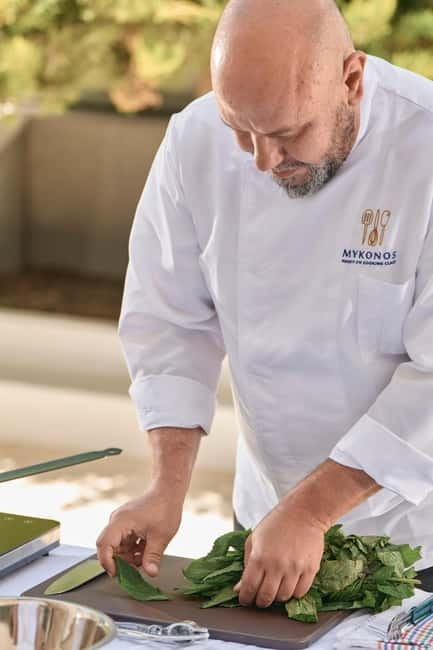
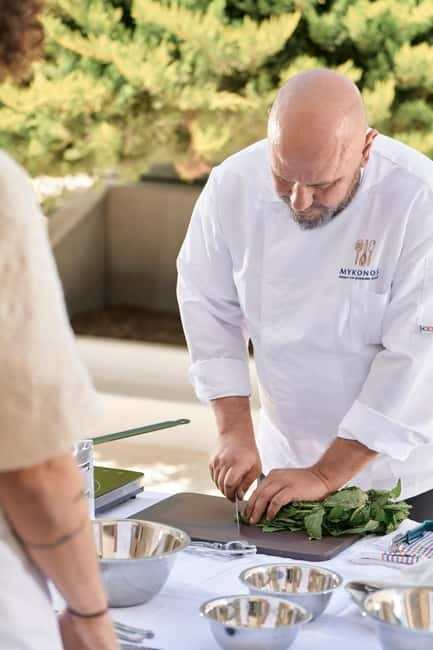
The small group is a major advantage. With no more than eight participants, you should have a reasonable opportunity to mix ingredients, shape food, ask questions, and watch the chef’s technique at close range. This matters most during pastry work, dolmade rolling, and pita preparation, where a quick correction can save a lot of frustration.
Chef Nikos is described as friendly, clear, attentive, and easy to follow. The teaching style appears suited to beginners, but people who already cook should still find useful ideas in the discussion of flavor, timing, and preparation.
The atmosphere is informal rather than strict. Some sessions have taken place on a shaded patio, giving the class an open, social setting. That can be pleasant in Mykonos, especially when you want a break from crowded town streets. The tradeoff is that an outdoor cooking area may feel less controlled than a formal culinary school, depending on the day and conditions.
English is the stated teaching language. If you are comfortable following spoken English instructions, the format should be straightforward.
What the $140 price means in practice
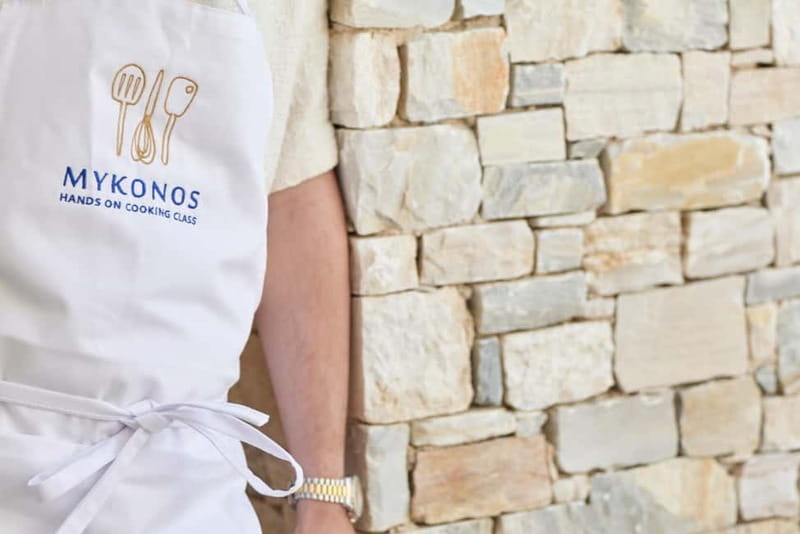
At $140 per person, this is not a cheap meal. You are paying more than you would for a casual gyros lunch, and the class will not suit someone looking only for the lowest-cost way to eat in Mykonos.
The value comes from the combination of instruction, food, equipment, recipes, and time at the table. Ingredients and cooking tools are included, so you do not need to arrange anything once you arrive. You also leave with recipes that can help you recreate the meal later, giving the experience a longer life than a restaurant visit.
I would compare the price with other structured food activities, not with a simple meal. If you want a relaxed three-hour activity and genuinely enjoy cooking, the cost is easier to justify. If you dislike kitchen work or prefer to spend your time swimming, walking, or visiting archaeological sites, the same money may feel better spent elsewhere.
The class also offers value for a special occasion. It gives couples and small groups something active to do together, and the shared meal creates a natural social finish. Just remember that drinks beyond water and refreshments are extra.
Who should book this cooking experience
I would recommend the class to adults and older teenagers who enjoy food, learning, and informal group activities. It suits beginners particularly well because the chef explains each step clearly and the recipes are familiar enough to keep the session approachable.
It is also a good match for people who want to bring part of Greece home. Tzatziki, pita, pies, dolmades, and gyros are practical recipes, not obscure dishes that require hard-to-find ingredients. The cooking tips can help you recreate a Greek-style meal after your holiday.
Couples, friends, and small families with children aged 12 or older should find the format easy to enjoy. Solo participants can also fit in because the group is small and the cooking naturally creates conversation.
I would hesitate to book it if you have food allergies. The activity is listed as unsuitable for people with food allergies, and dietary restrictions should be reported in advance. You should also skip it if you need a fully private class, since the standard format is a small shared group, although some sessions have been private depending on the booking.
Practical details before you reserve
Wear comfortable clothing and shoes suitable for kitchen work. Avoid anything you would worry about getting stained or uncomfortable while standing and preparing food.
Bring a camera if you want to record the recipes and finished dishes. The activity includes cooking equipment, ingredients, water, and refreshments, so you do not need to bring kitchen supplies.
Check the available start times when booking because the class lasts three hours. Arrive 15 minutes early. That gives you time to settle in and helps the cooking begin on schedule.
The activity offers free cancellation up to 24 hours in advance for a full refund. You can also reserve now and pay later, which is useful if your Mykonos plans are still shifting.
Should you book the Mykonos cooking class?
Book it if you want more than a meal and like the idea of learning several Greek recipes in one sitting. The strongest reasons are the small group, the hands-on work, the chance to prepare gyros and pita from the start, and the recipes you can take home.
I would especially choose this class for a relaxed day when you want food, conversation, and useful skills rather than another sightseeing stop. Skip it if you have serious food allergies, dislike group activities, or want a short demonstration with no kitchen work.
At $140, it is a premium food experience, but the price covers a full three hours, ingredients, equipment, instruction, refreshments, and a shared meal. For an adult who enjoys cooking, that is a fair trade for a practical taste of Greek hospitality.
FAQ
How long does the Mykonos cooking class last?
The class lasts three hours.
What dishes will I prepare?
The class covers tzatziki, cheese pies, spinach pies, dolmades, gyros meat, and homemade pita bread. The exact selection may vary.
Is the cooking class taught in English?
Yes. The instructor language is English.
How many people can join?
The class is limited to eight participants.
Is food and cooking equipment included?
Yes. All cooking ingredients and equipment are included, along with recipes for the dishes prepared.
Are drinks included?
Water and refreshments are included. Alcoholic beverages are not included, although wine may be available in some sessions.
Can children join the class?
Children under 12 are not permitted to join.
What should I wear and bring?
Wear comfortable clothing and shoes suitable for cooking. You may also bring a camera. Arrive 15 minutes early and notify the provider in advance about dietary restrictions or allergies.
Newest classes around Greece
- Authentic and Traditional Cooking Class in Chania Crete★ 5.0 · 5 reviews
- Chania Cooking Class in Crete with rustic, delicious and homely Cretan food!★ 4.5 · 14 reviews
- Private Cooking Class – A Culinary Journey in Argostoli★ 5.0 · 2 reviews
- Greek Cooking Class with Acropolis View★ 5.0 · 76 reviews
- Private Walking Meze Cooking Course★ 5.0 · 6 reviews
- Cook with Katerina: Authentic Greek Home Cooking Class in Athens★ 5.0 · 15 reviews
- Private Greek Cooking Class in Athens-Learn to Cook with Angelina★ 5.0 · 3 reviews
- Hands On Greek Cooking Classes in Athens★ 5.0 · 7 reviews
Greece Cooking Classes, compared.
Classic Cooking Class with Market Visit and Wine
Read our review →
Food Market Visit and Cooking Class with Wine
Read our review →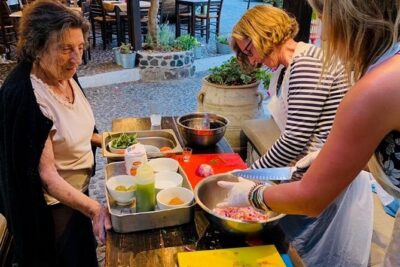
Greek Cuisine Cooking Class in Santorini with Recipes and Wine
Read our review →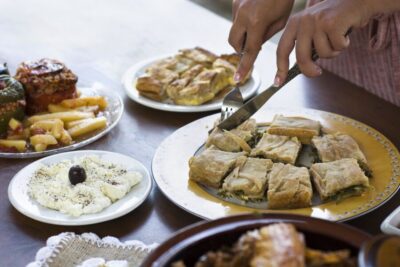
Naxos: Half-Day Cooking Class at Basiliko Family Tavern
Read our review →
Greek Cooking Class in Athens Including Rooftop Dinner with Acropolis View
Read our review →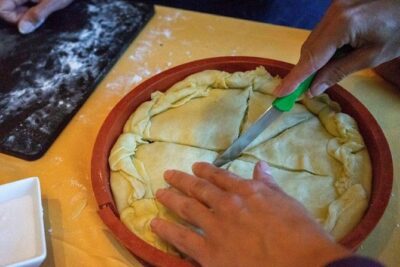
Greek Small-Group Athens Cooking Class & Dinner
Read our review →
Exclusive Cooking Experience in our Cave Home by Petra Kouzina
Read our review →
Chania: Authentic Cooking Class in the White Mountains
Read our review →Browse the lists this tour appears in