
Review · ITALY COOKING CLASSES
Montone: Pasta Making and Dinner at Cardaneto Castle
At Cardaneto Castle, pasta making is not a quick demonstration. You work the dough with traditional tools and heritage grains, then eat what you have made inside an 8th-century fortress above Montone. It is a food lesson tied closely to the place.
I like the mix of hands-on cooking and castle history, and I like that the evening includes an aperitivo by the pool plus wine from Umbria, Tuscany, and Piedmont. The main caution is timing: the activity is advertised as two hours, while the cooking portion is also described as three hours and one recent booking lasted about three hours. Allow extra time.
Key points
- Work the dough yourself: This is a practical class, not a pasta show where you only watch.
- Cook inside an 8th-century castle: Cardaneto once formed part of the area’s defensive network.
- Meet Alessandro and his wife: The hosting is personal, with Alessandro leading the cooking and sharing the castle’s restoration story.
- Eat in the old tower: Dinner includes fresh pasta and a starter, with some evenings offering a fuller four-course meal.
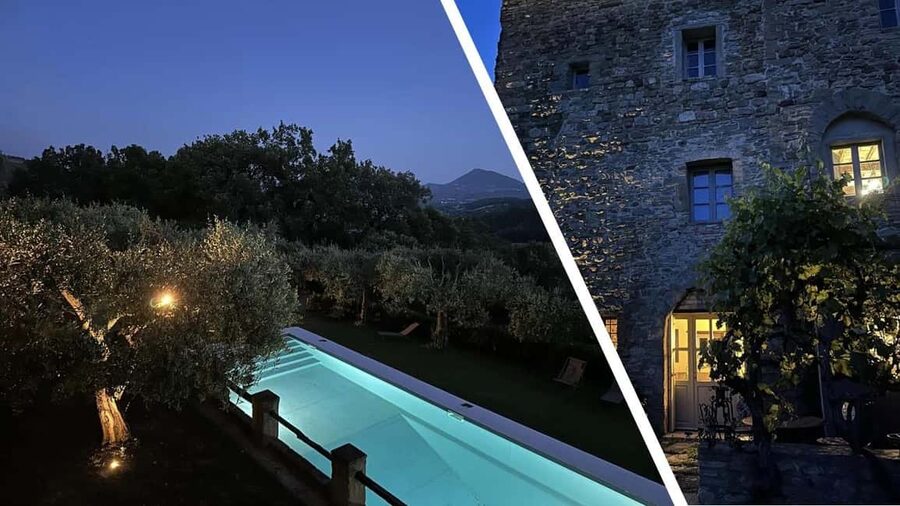
- Pause beside the pool: The aperitivo comes with broad views over Montone and the valley.
- Taste wines from three regions: The selections include Umbria, Tuscany, and Piedmont.
Pasta Making With Old Tools at Cardaneto Castle
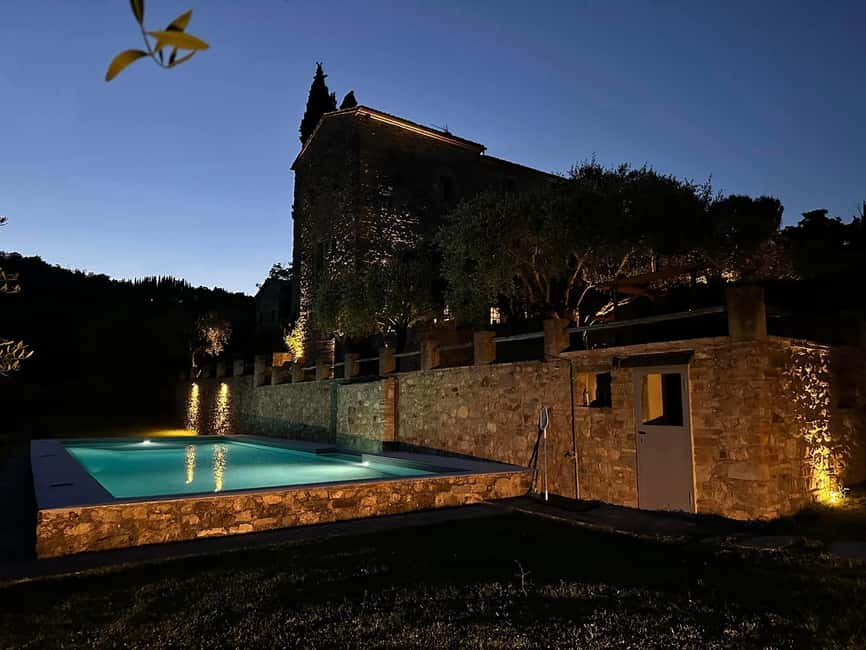
The best part of this experience is its sense of place. You are not making pasta in a standard cooking school, then leaving for a separate restaurant. The class, castle visit, dinner, and aperitivo all happen at Castello del Cardaneto near Montone.
The pasta session focuses on traditional Italian methods and authentic equipment. You work with dough from the beginning, using eggs and heritage grains among the listed ingredients. The point is not just to produce a plate of pasta. You get a better feel for the work behind a familiar Italian dish: mixing, handling, shaping, and paying attention to texture.
That hands-on approach matters. A short demonstration can be fun, but it does not tell you much about how pasta feels under your hands. Here, you should expect to put in some effort. One booking described the work as genuine and physical, which is useful to know if you are expecting a relaxed cooking show.
Alessandro leads the class in English and Italian. He also introduces you to the castle and its restoration. His wife helps host the evening, creating a more personal setting than a large commercial lesson. The experience is offered as a private group, so you are not folded into a big room with strangers.
More Pasta Making Classes in Italy:
- Florence: Pasta Cooking Class with Unlimited Wine
★ 4.9 · 10,285 reviews - 3 in 1 Cooking Class near Navona: Fettuccine, Ravioli & Tiramisu
★ 5.0 · 7,376 reviews - Florence: Pasta & Tiramisu Cooking Class with Unlimited Wine
★ 4.9 · 6,708 reviews
Why Heritage Grains Change the Lesson
The use of heritage grains gives the class a useful local and historical angle. The details provided do not identify each grain by name, so you should not expect a formal grain lecture or a fixed list of varieties. Still, working with older grain traditions connects the dish to the farming culture behind Italian cooking.
You may notice differences in the dough as you work. Texture and handling can change with the ingredients, and that makes the lesson more than a standard recipe exercise. I like this feature because it helps explain why handmade pasta is not simply dried pasta made at home.
The class lasts about an hour in the main description, but the full activity can run longer. A detailed schedule describes the cooking portion as three hours, and one recent experience lasted around three hours from start to finish. Treat the two-hour duration as an estimate rather than a firm appointment. If you have a train, dinner reservation, or evening drive planned afterward, leave plenty of space.
Exploring an 8th-Century Defensive Castle
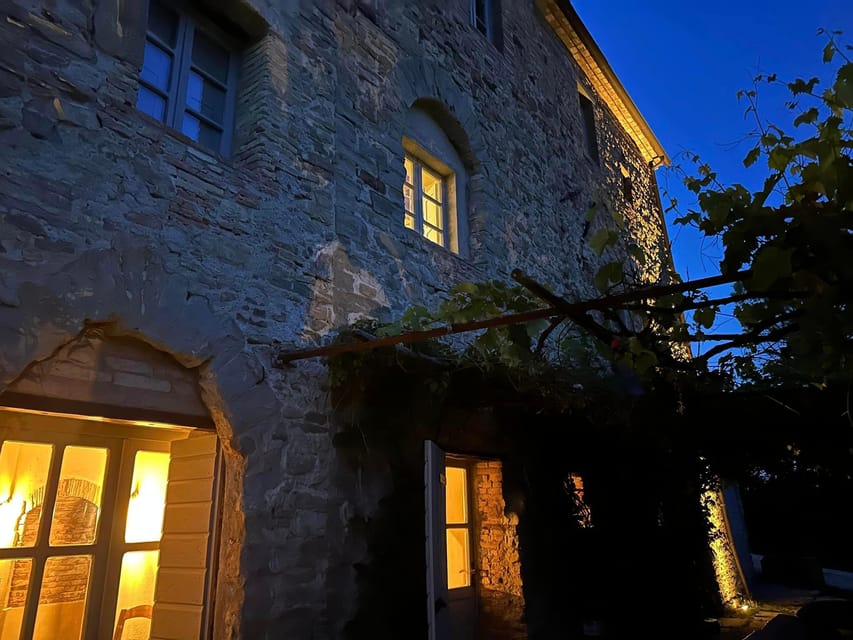
Cardaneto Castle is not just a backdrop for photographs. It dates to the 8th century and once formed part of the region’s defensive network. That gives the evening a strong historical setting without turning it into a formal castle tour.
Alessandro discusses the building and its restoration while you move through the experience. The castle contains old implements and tools, which help link the building’s past with the practical work of the kitchen. You get history through objects and conversation rather than a long sequence of display panels.
I especially like this pairing. Pasta making is tactile and domestic, while the castle speaks to defense, age, and regional history. The contrast gives the visit more character than a cooking class held in a modern studio.
Do not expect a major monument with a full museum program. The information provided points to a hosted visit and an introduction to the castle, not a formal guided tour of every room. If your main goal is detailed medieval architecture, this may feel light. If you want a historic setting that adds meaning to dinner, it works well.
Dinner in the Old Tower
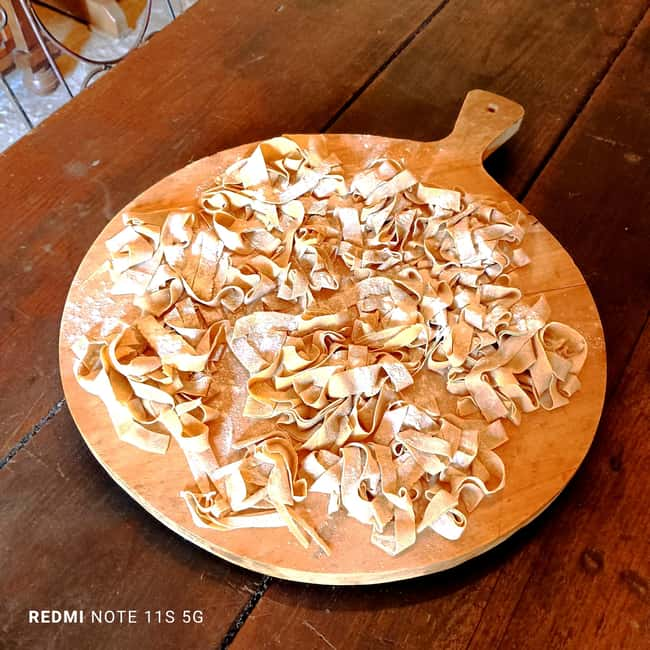
After the class, you eat in the castle’s old tower. The meal includes a fresh pasta main course and a starter, with drinks listed among the included items. Wine tasting is also part of the experience, with bottles or samples from Umbria, Tuscany, and Piedmont.
The exact menu can vary, so do not book this expecting one guaranteed pasta shape or a fixed set of dishes. The cooking centers on the fresh pasta you have just learned to make, which makes the meal feel connected to the class rather than added on at the end.
One recent dinner included four familiar stages of an Italian meal: antipasti, pasta, meat, and dessert. That is more generous than the basic description of a starter and pasta, but you should treat it as an example of what may be served, not a promise for every date.
The food has received the strongest praise in the available feedback. It was described as high quality and delicious, and Alessandro’s cooking and hospitality were singled out repeatedly. That matches the main value of the evening: you are not paying only for instruction, but also for a hosted meal in a rare setting.
If you have dietary restrictions, ask before booking. The supplied details list eggs and other pasta ingredients, but they do not explain substitutions, vegetarian choices, allergies, or gluten-free options.
More Dinners Out in Italy:
- Pasta Making & Wine Tasting with Dinner in Frascati from Rome
★ 5.0 · 1,326 reviews - Rome: Pasta Making with Wine Tasting and Dinner in Frascati
★ 4.9 · 979 reviews - Palermo: Pizza and Gelato Cooking Class with Dinner and Wine
★ 4.9 · 951 reviews - Tuscan Cooking Class and Dinner in Florence
★ 4.5 · 732 reviews
Aperitivo by the Pool Above Montone
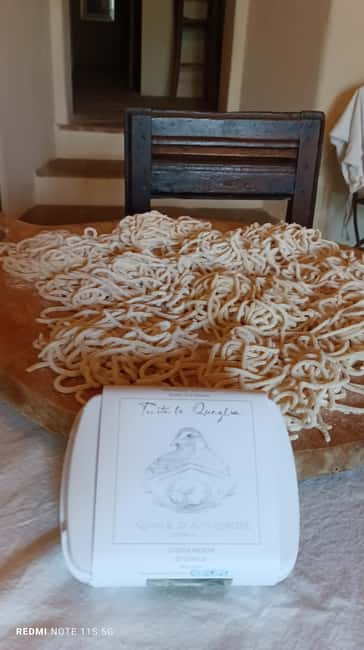
The aperitivo gives the evening a welcome change of pace. After working with dough and sitting down to eat, you can relax by the pool and look toward Montone and the valley.
The views are one of the clearest reasons to choose this experience. The setting offers a broad outlook over the town and surrounding countryside, rather than a closed dining room. Timing may affect the exact light and atmosphere, since the activity is described as an evening experience, but the poolside stop is designed as a pause before or around the meal.
You are not booking a pool day. The pool is part of the aperitivo setting, not a listed swimming activity. Think of it as a place to sit, take in the view, and enjoy a drink.
This is also where the private-group format helps. A small party can focus on the setting and conversation without the noise or schedule of a large class. The available details do not give a maximum group size, so you should confirm the exact arrangement if privacy is especially important to you.
Wine From Umbria, Tuscany, and Piedmont
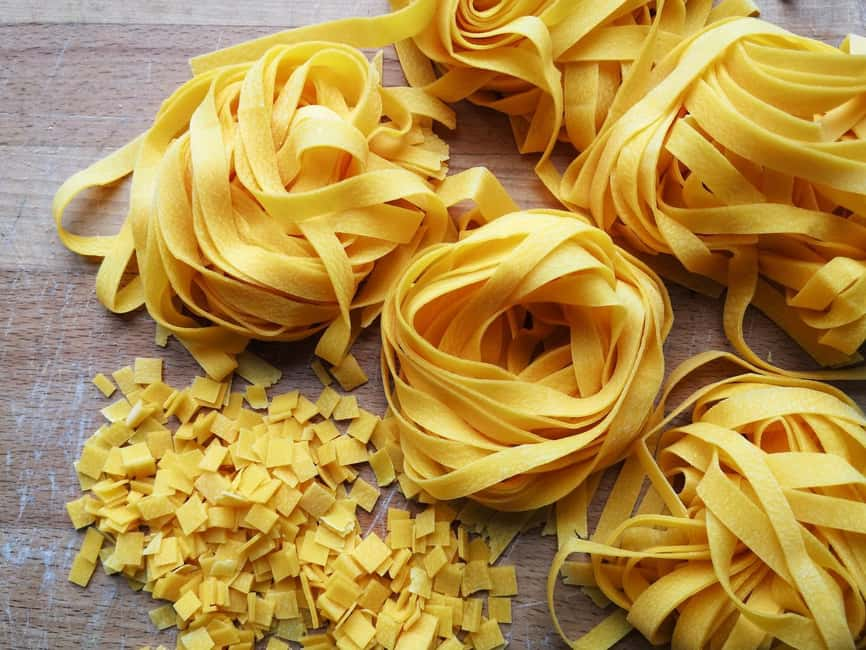
The wine element adds regional context to the dinner. You taste selections from three important Italian wine areas: the home region of Umbria, nearby Tuscany, and Piedmont in the northwest.
That range gives you a quick comparison of Italian wine styles, though the activity is not presented as a technical wine course. No producer names, varietals, or tasting format are specified. You should expect a guided selection alongside the meal rather than a formal sommelier lesson.
I like this inclusion because it rounds out the evening without taking over. The focus remains pasta, food, and the castle. Wine adds another way to think about regional Italian cooking, especially when paired with a meal made on site.
Drinks are listed as included, but everything not specified is excluded. If you want additional bottles, cocktails, or other purchases, budget separately.
What the $141 Price Really Covers
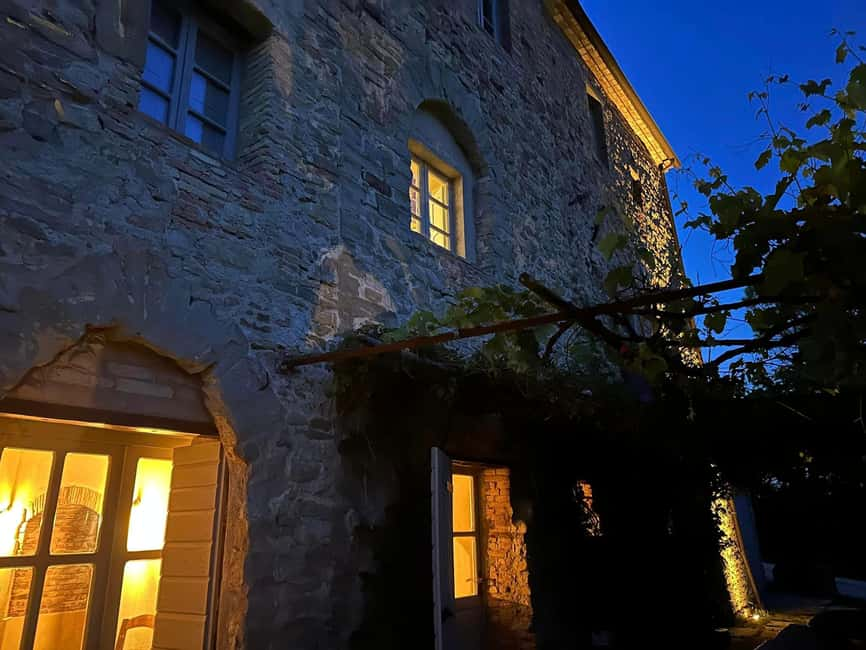
At $141 per person, this is not a budget cooking class. The price makes more sense when you count the full package: private instruction, ingredients, historic surroundings, a hosted dinner, an aperitivo, drinks, and wine tasting.
You are also paying for access to a personal setting. The value is not just the pasta recipe. It is the combination of Alessandro’s instruction, the castle story, the tower dining room, and the view over Montone. A simple class in a city kitchen could cost less, but it would not offer the same setting or dinner format.
The price is strongest for someone who wants one polished evening rather than a basic lesson. If you mainly want to learn pasta as cheaply as possible, you may find a shorter local class better suited to your budget. If you are already planning to visit Montone and enjoy food, history, and wine, the bundled format is easier to justify.
The meal is another important part of the calculation. The basic details promise fresh pasta and a starter, while one recent dinner included antipasti, pasta, meat, and dessert. Because menus can vary, ask what your date includes if the number of courses matters to you.
Who Will Enjoy This Most
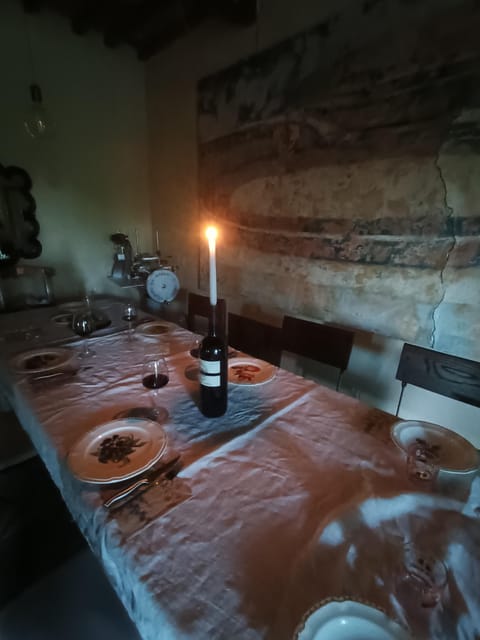
This experience suits adults who like to take part rather than simply watch. You should be comfortable spending time working with dough, listening to instruction, and eating a meal at the same location.
It is especially good for:
- Couples looking for a private food-centered evening
- Friends who want a shared activity with dinner afterward
- Food lovers interested in handmade pasta
- History fans who prefer a lived-in castle setting to a formal museum
- Visitors staying near Montone who want an evening with views and regional wine
The activity is not suitable for children under 18. It is also listed as unsuitable for people over 95, so check the age rules before booking.
You should also consider the physical side of the class. The available information does not describe seating, table height, or accessibility. Since the pasta work involves traditional techniques and some effort, ask the provider about mobility needs or physical limitations in advance.
Timing, Language, and Planning Advice
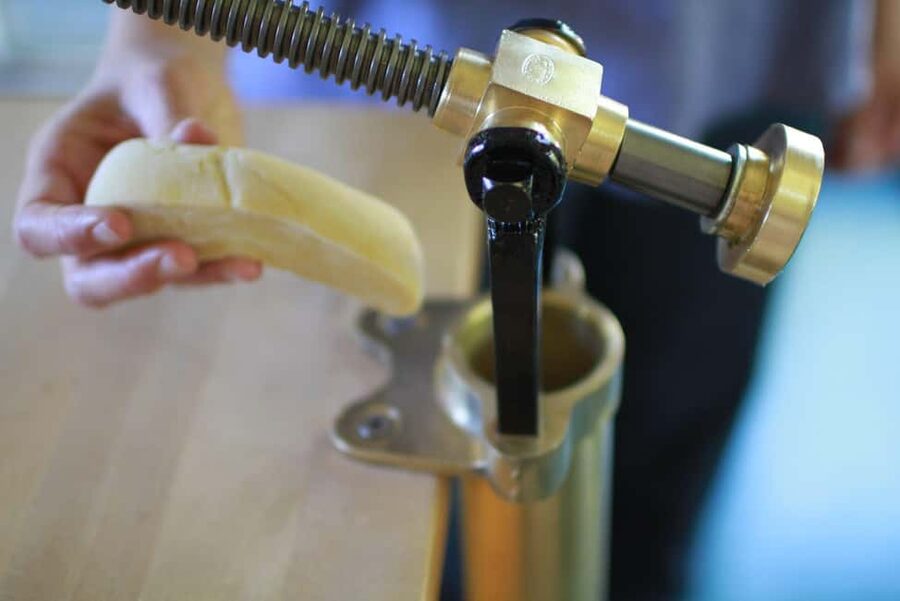
The meeting point is Castello del Cardaneto, near Montone. The activity returns to the same castle, so no separate restaurant transfer is required.
English and Italian are available. Alessandro’s role is a major benefit for English-speaking visitors because the evening combines instruction, food, and local history. Still, if you need highly technical culinary instruction in English, confirm how much of the lesson will be conducted in your preferred language.
The duration needs careful attention. The booking information gives two hours, while the class is also described as three hours and one actual evening took roughly three hours. Plan for the longer version. A cooking class can easily run over when the meal and conversation are part of the evening.
Cancellation is flexible up to 24 hours before the activity for a full refund. You can also reserve and pay later, which helps if your Umbria schedule is still changing. These terms are useful, but they do not change the need to check the start time and allow enough time for the full experience.
The Main Strengths and Limitations
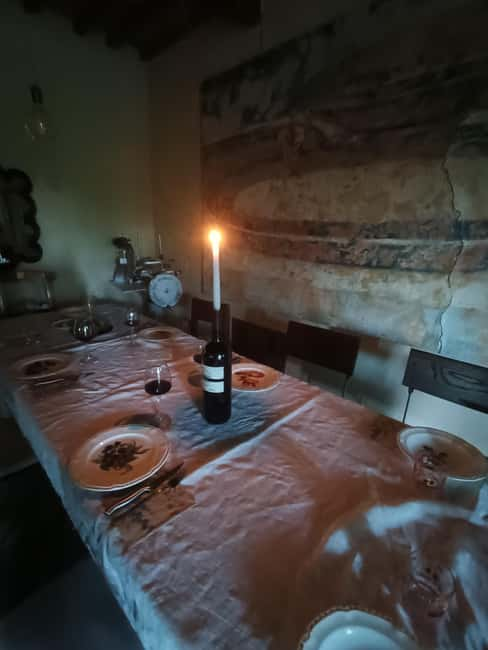
The strongest feature is the personal hosting. Alessandro is not only presented as an instructor, but also as someone who explains the castle and its restoration. His wife helps create the feeling of being welcomed into a home rather than processed through a standard attraction.
The food is another clear strength. Fresh pasta made during the class, followed by dinner in the old tower, gives the evening a satisfying arc. The wine from three regions and the poolside aperitivo add variety without pulling attention away from the cooking.
The setting is special, but it also means this is a destination experience. You need to reach the castle at the stated meeting point, and the information provided does not include transportation from Montone or another town. Arrange your own transport unless the provider confirms another option.
The biggest limitation is the unclear duration. Two hours and three hours are both given in the supplied details. That does not necessarily signal a problem, but it does mean you should not schedule anything immediately afterward.
Should You Book Cardaneto Castle?
Book this experience if you want a private, food-focused evening that combines pasta making, castle history, dinner, wine, and views over Montone. The strongest reasons are the hands-on work, Alessandro’s warm hosting, and the chance to eat in an old tower after making the dish yourself.
Think twice if you want a short, low-cost lesson, a formal architectural tour, or a tightly timed activity. The class may last closer to three hours, and the menu details are not fully fixed.
For most adults interested in Umbrian food and historic places, the $141 price is reasonable when you value the whole evening rather than just the recipe. Confirm the start time, expected duration, dinner courses, and any dietary arrangements before paying. If those details fit your plans, Cardaneto Castle offers a memorable way to connect the food on your plate with the place around you.
FAQ
Where does the pasta-making experience take place?
It takes place at Castello del Cardaneto near Montone in Umbria, Italy. You meet and finish at the castle.
How long does the activity last?
The advertised duration is two hours, but the cooking portion is also described as three hours. One completed experience lasted about three hours, so you should allow extra time.
What languages are available?
The activity is offered in English and Italian.
Is dinner included?
Yes. The included meal features fresh pasta and a starter, with drinks listed as included. One dinner also included antipasti, pasta, meat, and dessert, but the exact menu can vary.
Is wine included?
Yes. The experience includes a wine tasting featuring selections from Umbria, Tuscany, and Piedmont.
Can children join the activity?
No. The activity is not suitable for children under 18.
More Places to Eat in Italy
- Cooking class, dinner and wine tasting near Lecce
★ 5.0 · 350 reviews - Cooking lesson in Catania with lunch or dinner
★ 5.0 · 154 reviews - Naples: Traditional Italian Food Cooking Class at Restaurant
★ 4.8 · 106 reviews - Cagliari: Pasta Cooking Class with 3-Course Dinner
★ 5.0 · 96 reviews
Newest classes around Italy
- Cooking Class in a Sicilian countryhouse★ 5.0 · 5 reviews
- Cesarine: Home Cooking Class & Meal with a Local in Catania★ 4.5 · 10 reviews
- Cesarine: Market Tour & Home Cooking Class in Catania★ 4.0 · 6 reviews
- Cooking Class in Taormina with Lunch Included★ 5.0 · 2 reviews
- Cooking class in Capri for small groups★ 4.0 · 4 reviews
- Cooking Class and Wine Pairing in Capri★ 5.0 · 57 reviews
- Lezione di Cucina : Pasta Fresca★ 5.0 · 12 reviews
- Private Cooking Class Experience in Reggio Calabria★ 5.0 · 5 reviews
Italy Cooking Classes, compared.
3 in 1 Cooking Class near Navona: Fettuccine, Ravioli & Tiramisu
Read our review →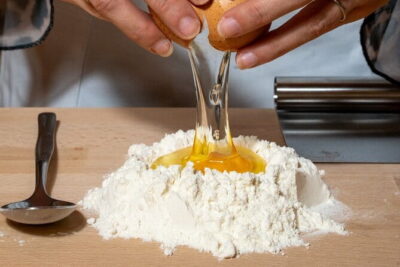
Pasta & Tiramisu Cooking Class with Unlimited Wine
Read our review →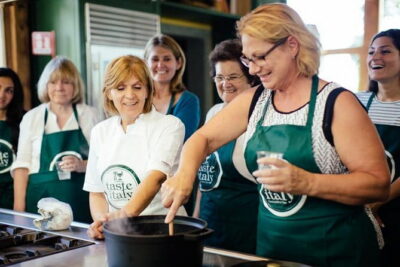
Cooking Class and Lunch at a Tuscan Farmhouse with Local Market Tour from Florence
Read our review →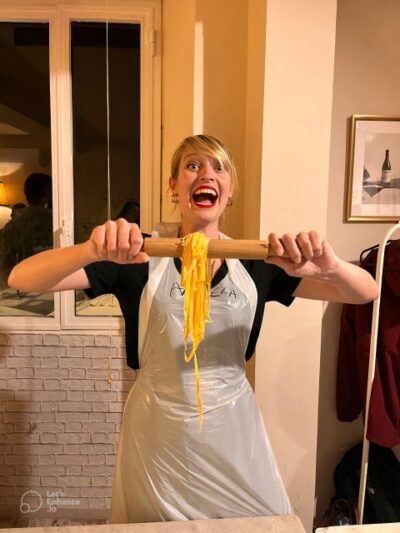
Pasta Making Class with Wine, Limoncello, and Dessert
Read our review →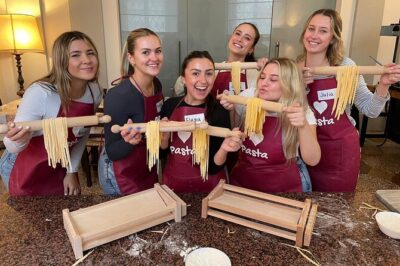
Rome Cooking Class: Make Pasta and 3 Spritz Cocktails
Read our review →Browse the lists this tour appears in