
Review · SPAIN COOKING CLASSES
Mojo Workshop Cooking Class in Ancient Canarian Village
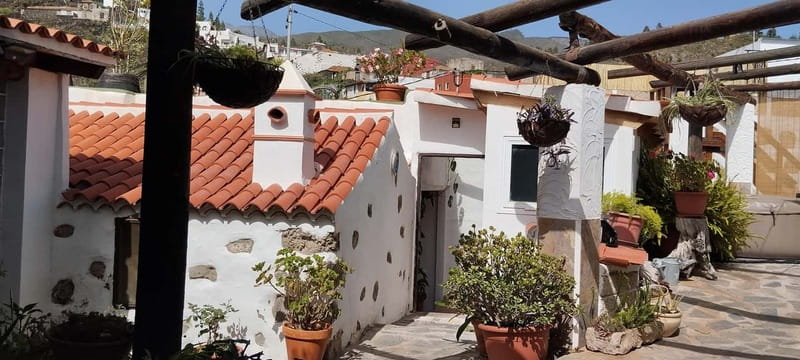
The best part of this experience is that the cooking happens in Chirche, a historic mountain village far removed from Tenerife’s resort strip. You make red and green mojo with Chef Ave, then hear Erik connect the food to island customs, old terrace fields, and village life. I especially like the hands-on mortar-and-pestle work and the generous tasting that can feel more like a small lunch than a quick sample.
The main consideration is getting there. Casa Carmen sits at C/ San Felipe, Nº 18, and Chirche’s narrow roads can be awkward to drive. The class lasts only two hours, so the drive matters more if you are staying far from South Tenerife. Optional pickup may be arranged, but transport is not included in the listed price.
Key points at a glance
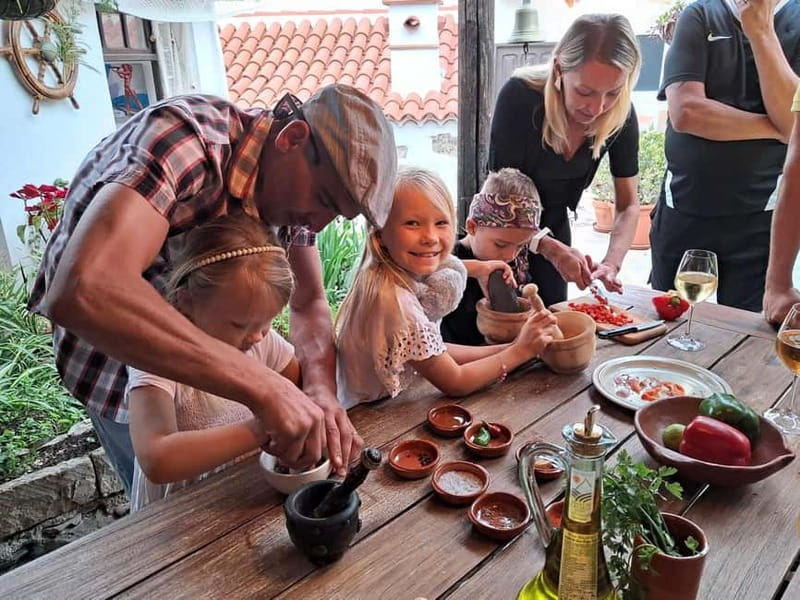
- Make two classic mojos: Prepare traditional red and green sauces with fresh local ingredients and a mortar and pestle.
- Eat beyond the sauces: The tasting can include Canarian potatoes, tapas, local snacks, wine, beer, and homemade lemonade.
- Meet Chef Ave and Erik: Ave leads the cooking, while Erik brings in stories about Tenerife’s food, customs, and past.
- See rural Chirche: The village has old terrace fields, threshing grounds, and a traditional setting that feels far from the island’s resort towns.
- Keep it personal: The English language group is limited to eight people, allowing room for questions and guided practice.
- Pay for more than a recipe: At $34 per person, the value comes from the food, teaching, storytelling, and village setting together.
Why this mojo class feels different from a resort activity
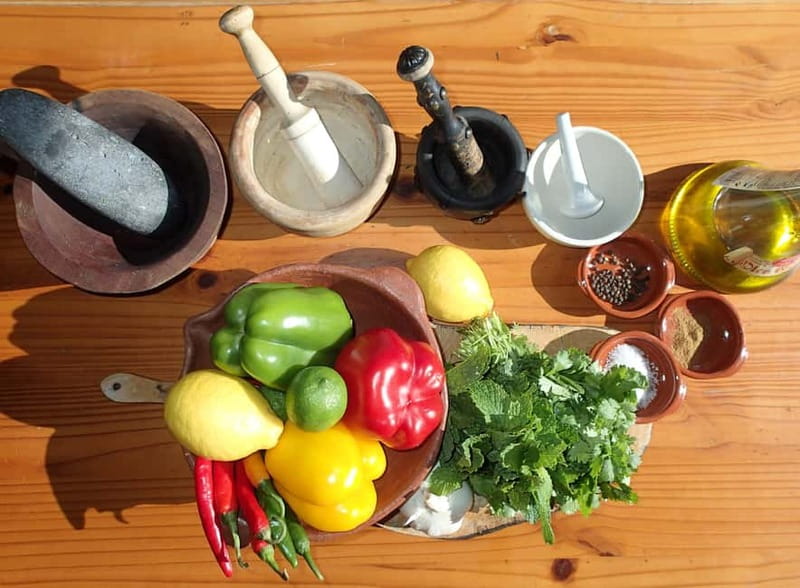
Mojo is one of the easiest ways to understand Canarian cooking. The sauces are simple in appearance, but their flavor depends on the balance of garlic, peppers, herbs, oil, vinegar, and seasoning. You do not just taste a finished dish here. You take part in the work and learn how the ingredients are brought together.
That matters because a short cooking demonstration can leave you with a pleasant memory but no useful skill. At Casa Carmen, the mortar and pestle give you something practical to repeat at home. The class is built around doing, tasting, adjusting, and learning why the sauce works with other island foods.
I also like that the food lesson is tied to place. Chirche is in South Tenerife, but it feels very different from the hotel districts around the coast. The old terrace fields and threshing grounds point to a time when village agriculture shaped daily life. You are not simply eating a sauce in a generic kitchen. You are hearing how food fits into a rural community.
More Farm Cooking Classes in Spain:
- Half-Day Thai Cooking Class at Organic Farm in Chiang Mai
★ 5.0 · 19,087 reviews - Cooking Class and Lunch at a Tuscan Farmhouse with Local Market Tour from Florence
★ 5.0 · 4,831 reviews - Chiang Mai: Authentic Cooking Class with Market & Farm Visit
★ 4.9 · 4,546 reviews
Arriving at Casa Carmen in Chirche
The meeting point is Casa Carmen, at C/ San Felipe, Nº 18, 38688 Chirche. The address is important because Chirche is a small village rather than a large attraction with an obvious entrance. You receive driving directions and information about optional transport by email.
Give yourself time to reach the village. One particularly useful warning is that the roads through Chirche can be difficult, especially if you are not comfortable with narrow village streets. That does not make the activity a poor choice, but it changes the planning. A rental car can give you freedom, while optional pickup from the South Tenerife area may be worth considering if it is available for your location.
The setting is part of the reward. Casa Carmen is described as a traditional, warmly decorated home with a Spanish character. You can expect the room itself to feel personal rather than commercial. That makes a difference during a small food class, since you are sharing a table and working close to the hosts.
Meeting Chef Ave and storyteller Erik
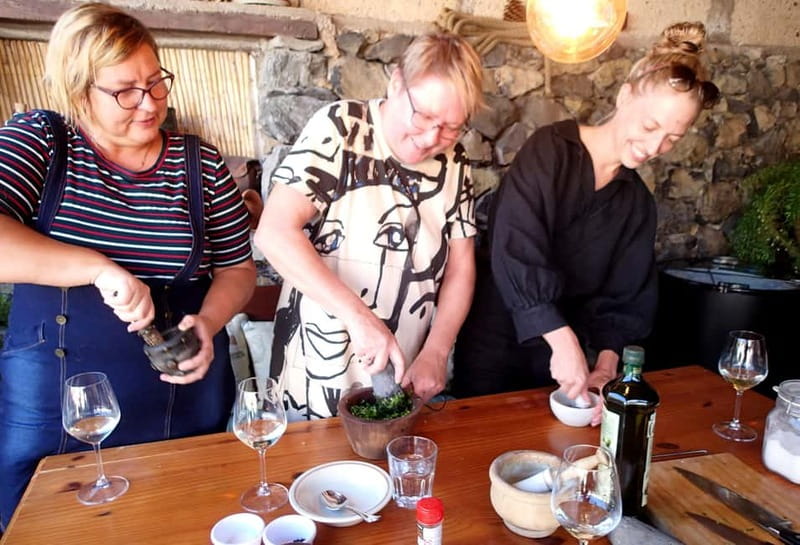
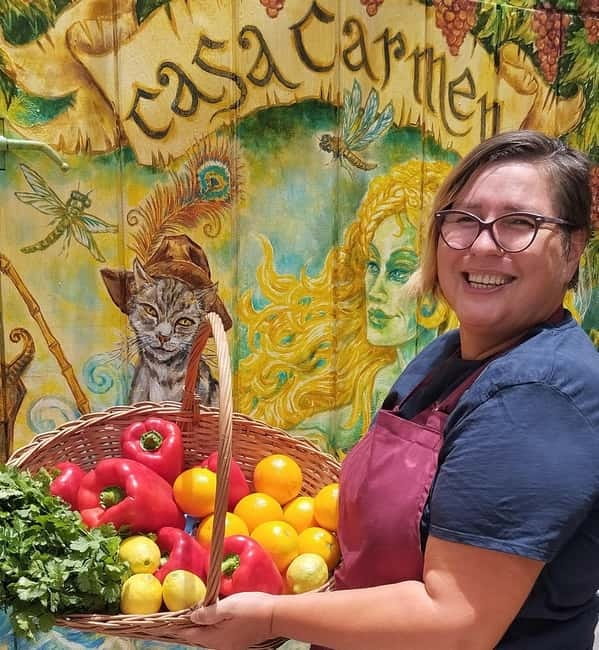
Chef Ave leads the cooking side of the class. Her background includes long experience as chef de cuisine on cruise lines, so she brings professional kitchen experience without turning the lesson into a formal culinary exam. The emphasis is on following the method, understanding the ingredients, and enjoying the process.
Erik adds the cultural thread. His role is not limited to answering questions about the recipe. He tells stories about Tenerife, local food, village traditions, and the background of what appears on the table. The storytelling is one reason this activity works for people who may not normally book a cooking lesson.
The class is conducted in English. With a maximum of eight participants, you should have a reasonable chance to follow the preparation and ask about ingredients or local customs. A small group also helps the class retain its friendly, conversational feel. That said, the atmosphere depends partly on the people booked for your session, as it does with any shared activity.
Grinding red and green mojo by hand
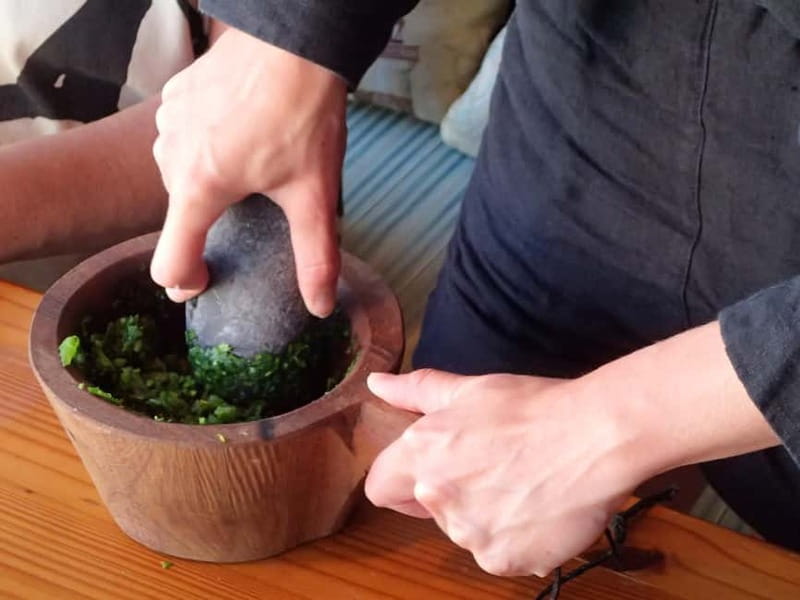
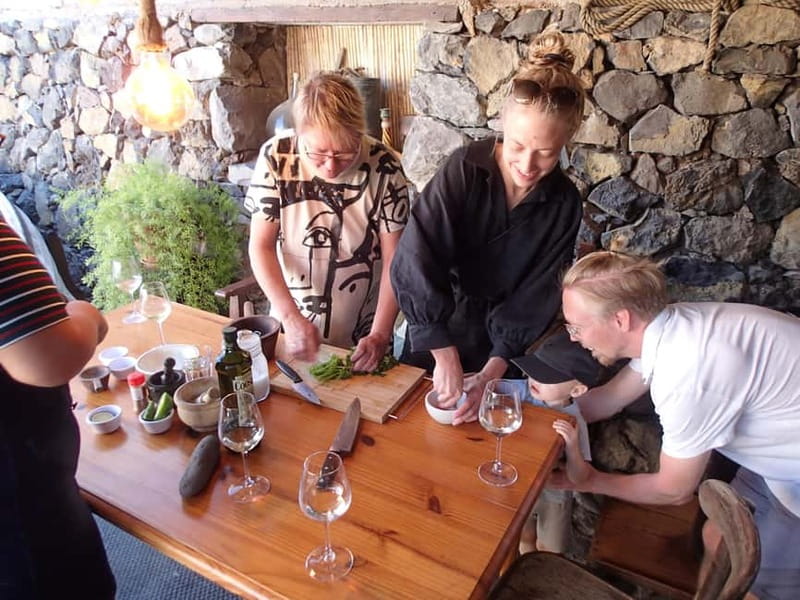
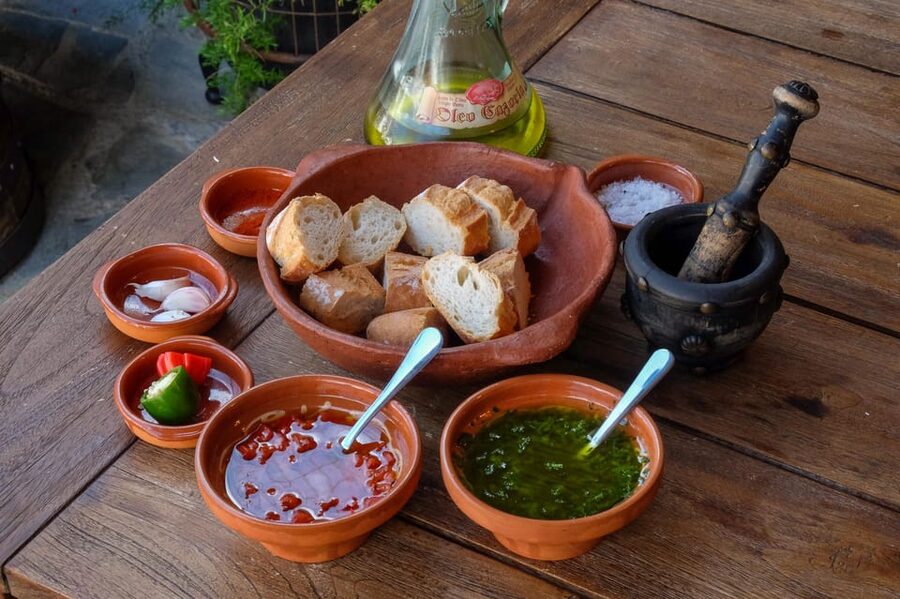
The central activity is preparing traditional mojos from local, fresh ingredients. The hands-on work uses a mortar and pestle, which slows the process down in a useful way. You notice the texture changing as the ingredients are crushed and combined, rather than simply watching someone press a button on a blender.
The class includes both red and green mojo. The red version is generally associated with peppers and a fuller, more forceful flavor, while green mojo is often fresher and more herb-led. The exact ingredients and method used in your session are taught by Ave, so you can ask questions as you work rather than trying to copy a recipe from a distance.
I like this part because it gives you a souvenir that costs almost nothing to carry home: a way of thinking about balance. Mojo is not just a fixed formula. You learn how taste changes as you combine fresh ingredients, seasoning, and oil, then pair the result with other foods.
You do not need to be an experienced cook. The activity is presented as guided and approachable, and one participant described it as a first cooking class that was easy to follow. The work is also social. You prepare the sauces alongside the group, then get to taste what you have made.
More Cooking Classes in Spain:
- Barcelona: Paella Cooking Experience & Boqueria Market Tour
★ 4.8 · 3,661 reviews - Barcelona Paella Cooking Class with Market Visit, Tapas & Sangria
★ 5.0 · 2,531 reviews - Barcelona Interactive Spanish Cooking Experience
★ 4.5 · 2,155 reviews - Spanish Cooking Class Paella Tapas and Sangria in Madrid
★ 5.0 · 1,340 reviews
The tasting table is more than a sauce sample
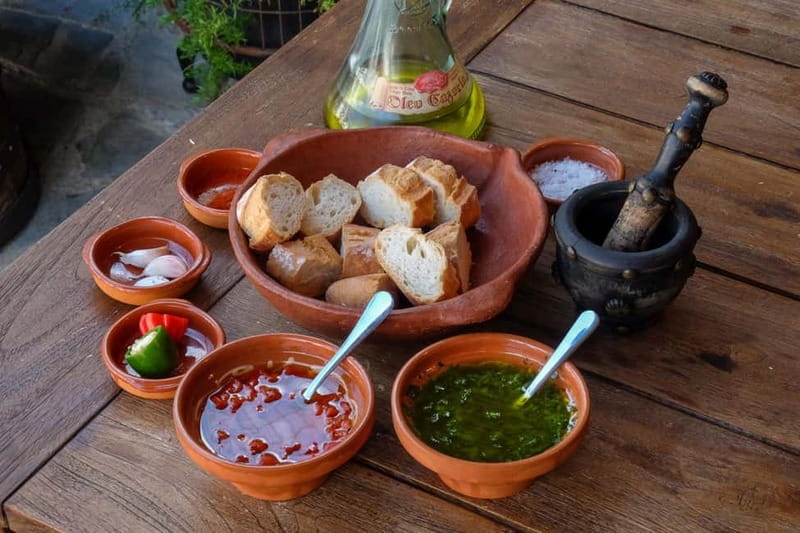
A small spoonful of mojo with bread would make a decent food stop. This experience goes further. The tasting may include Canarian potatoes, tapas, traditional snacks, wine, beer, lemongrass lemonade, and other refreshments. Several people found the amount of food unexpectedly generous, with the tasting becoming a proper lunch.
Canarian potatoes are especially important here. Known locally as papas arrugadas, they are a classic island food and a natural partner for mojo. Tasting the sauce with potatoes gives you a better sense of its role in local cooking than trying it alone.
The food also gives Erik plenty to discuss. You learn not only how something tastes, but why it belongs on the table and how local products connect to island traditions. The class therefore works well for someone who wants food context, not just a recipe card.
There is a practical point to keep in mind: the exact spread may vary. The activity promises tasting and refreshments, while detailed accounts describe a generous selection of food and drinks. Plan for a substantial tasting, but do not book it as a guaranteed full meal if you have strict dietary needs or a particular menu in mind.
Old terraces, threshing grounds, and a quieter Tenerife
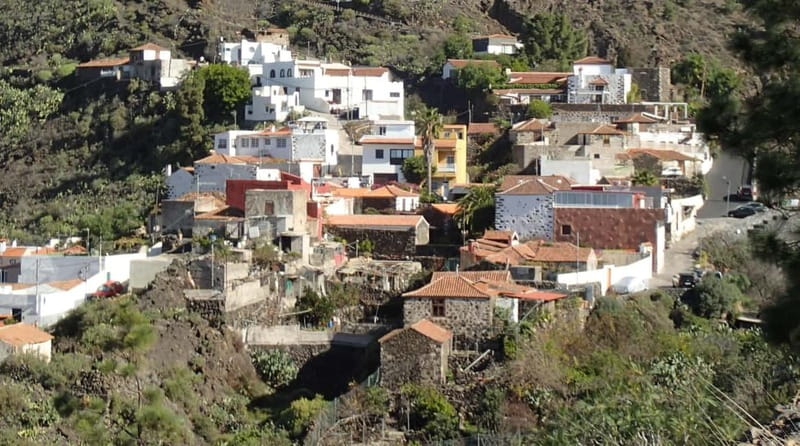
Chirche adds a second layer to the outing. The village has ancient terrace fields and threshing grounds, reminders of how people used the steep volcanic slopes for farming. You may see these features around the village as part of the setting, and one account also describes a small walk connected with the experience.
This is not a major sightseeing tour with a long list of monuments. Its appeal is quieter. You get a look at the built and agricultural setting of a traditional Canarian village, then return to food that grew out of this kind of place.
I would choose this activity for a second or third day in Tenerife, once you have seen enough resort scenery and want a more local point of view. It suits people who enjoy small communities, food traditions, and conversations with residents. If you want nonstop action, a large menu of dishes, or a polished restaurant class, this may feel too gentle.
Value at $34 per person
At $34 per person, the price is fair for a two-hour class, especially if the food and refreshments are as generous as described. You are paying for instruction, ingredients, tasting, drinks, stories, and a small group setting. The village location also adds something that a standard cooking studio cannot easily provide.
The strongest value comes from the combination. A food tasting alone might satisfy your appetite, and a recipe lesson alone might teach you a sauce. Here, the two are linked to Tenerife’s culture and rural setting. You leave with a practical cooking idea and a better sense of what you are eating.
The price does not include transport. That is the main extra cost to consider. If you drive yourself, factor in fuel and the time needed for the village roads. If you need pickup, ask about the optional service before you book, since the available area and arrangements are not specified in the activity details.
Who should book this experience
I would recommend the workshop to couples, families with older children, and solo visitors who like meeting people around a table. Children have enjoyed the activity, including a family group with children aged six and eight, while teenagers have also taken part successfully.
It is a good choice for a first cooking class because the subject is focused. You are not expected to produce a long multi-course menu. You learn a few sauces, taste them with familiar local foods, and listen to stories along the way.
Food-focused visitors will get the most from it, but you do not need to be a serious cook. The cultural side is just as important. If you care more about how people live and eat than about collecting a long list of attractions, this is a strong fit.
The activity is not suitable for wheelchair users or people with mobility impairments. Babies under one year are also not suited to the class. Those limits matter in a traditional village setting, where access may not be as easy as it is in a modern venue.
Timing, group size, and what to bring
The session lasts two hours, with starting times based on availability. Because the class is limited to eight people, it should feel more like a hosted workshop than a large demonstration. You will want to arrive ready to participate, since the cooking is a central part of the experience.
Wear something comfortable for food preparation. The supplied information does not specify a dress code or equipment to bring, and the cooking tools are part of the workshop. You should also tell the provider in advance about dietary concerns, since the activity includes shared food and drinks but does not list specific dietary adaptations.
The language is English. If you are booking for a mixed-language group, confirm that everyone who wants to follow the instruction can understand English well enough for a hands-on class.
My call: book it for food, stories, and place
I would book the Mojo Workshop if I wanted a useful, personal food experience in Tenerife rather than another coastal attraction. Chef Ave gives you something to do, Erik gives the meal its context, and Chirche gives the afternoon or morning a real sense of place.
The strongest reasons to go are the mortar-and-pestle preparation, the chance to taste red and green mojo with local foods, and the warm small-group format. The main reasons to pause are the village drive, the lack of included transport, and the fact that the class is focused on mojo rather than a full multi-course cooking school.
At $34, it is a sensible choice for most visitors who can reach Chirche and enjoy a relaxed pace. Book it when you want to eat well, learn a recipe you can repeat, and see a side of Tenerife that is easy to miss from the resort coast.
FAQ
Where does the Mojo Workshop take place?
The workshop takes place at Casa Carmen, C/ San Felipe, Nº 18, 38688 Chirche, in South Tenerife.
How long does the experience last?
The workshop lasts two hours. Starting times depend on availability.
How much does the workshop cost?
The listed price is $34 per person.
Who teaches the cooking class?
Chef Ave leads the cooking workshop. She has long experience as a chef de cuisine on cruise lines.
Who provides the storytelling?
Erik shares stories and information about Tenerife’s food, culture, history, and local traditions.
What will I prepare?
You will prepare traditional red and green mojo using fresh local ingredients and a mortar and pestle.
What food and drinks are included?
The experience includes tasting and refreshments. Details from the activity describe Canarian potatoes, tapas, traditional snacks, wine, beer, and lemongrass lemonade.
Is transport included?
Transport is not included in the listed price. Optional pickup may be available from the South Tenerife area, with arrangements sent by email.
Is the workshop held in English?
Yes. The instructor language is English.
Is the activity suitable for people with mobility impairments or wheelchair users?
No. The activity is not suitable for people with mobility impairments or wheelchair users. Babies under one year are also not suitable for this experience.
Newest classes around Spain
- Pintxos and Tapas Cooking Class in Bilbao★ 5.0 · 38 reviews
- Basque Pintxos and Tapas Cooking Class in Bilbao★ 5.0 · 73 reviews
- Small-group Immersive Basque Cooking Class in Bilbao with Open Bar★ 5.0 · 65 reviews
- Paella and Burnt Basque Cheesecake Cooking Class (in Bilbao)★ 5.0 · 46 reviews
- Rooftop Paella Seafood Cooking Class Experience in Barcelona★ 5.0 · 59 reviews
- Private Authentic Paella Cooking Class in Barcelona with Josh★ 5.0 · 3 reviews
- Barcelona Tapas Cooking & Cocktail Class with Veronique & Mattias★ 5.0 · 3 reviews
- Private Barcelona Market Tour & Paella Cooking Class with Josh★ 5.0 · 4 reviews
Spain Cooking Classes, compared.
Paella Cooking Experience & Boqueria Market Tour
Read our review →
Barcelona Paella Cooking Class with Market Visit, Tapas & Sangria
Read our review →
Barcelona Interactive Spanish Cooking Experience
Read our review →
Spanish Cooking Class Paella Tapas and Sangria in Madrid
Read our review →
Paella Cooking Class, Wine Tasting & Central Market in Valencia
Read our review →
Paella Cooking Class in Madrid with Bottomless Wine Pairing
Read our review →
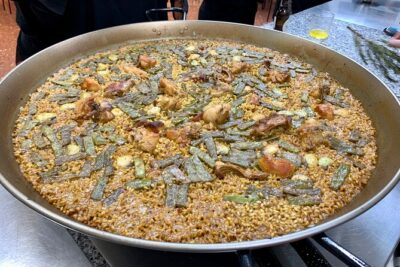
Valencian paella cooking class, tapas and visit to Ruzafa market.
Read our review →Browse the lists this tour appears in