
Review · ITALY COOKING CLASSES
Messina: Pasta & Tiramisu Cooking Class at a Local’s Home
The best part of this Messina class is that you do not just eat Sicilian food, you learn the hands-on skills behind it. You roll sfoglia, make two pasta types from scratch, and finish with tiramisu before sitting down to eat what you prepared.
I like the relaxed aperitivo of prosecco and nibbles, which gives you an easy start before the flour comes out. I also like the family-cookbook angle: hosts such as Giusy focus on welcoming you into a real home, rather than putting you at a polished restaurant workstation. The main consideration is the undisclosed address. You receive it only after booking, so you need to share your neighborhood, transport plan, allergies, and food intolerances in advance.
Key points at a glance
- Three hours of practical cooking: You make pasta and tiramisu, then eat the finished dishes.
- Hand-rolled sfoglia: You learn the basic technique for turning dough into fresh pasta by hand.
- Two pasta preparations: The class covers two iconic pasta types, not just one demonstration.
- Aperitivo included: Prosecco and small snacks open the class in an easy Italian style.
- English or Italian instruction: You can take part with an instructor speaking either language.
- A true home setting: The host’s full address is shared after booking for privacy reasons.
Starting with prosecco in a Messina home
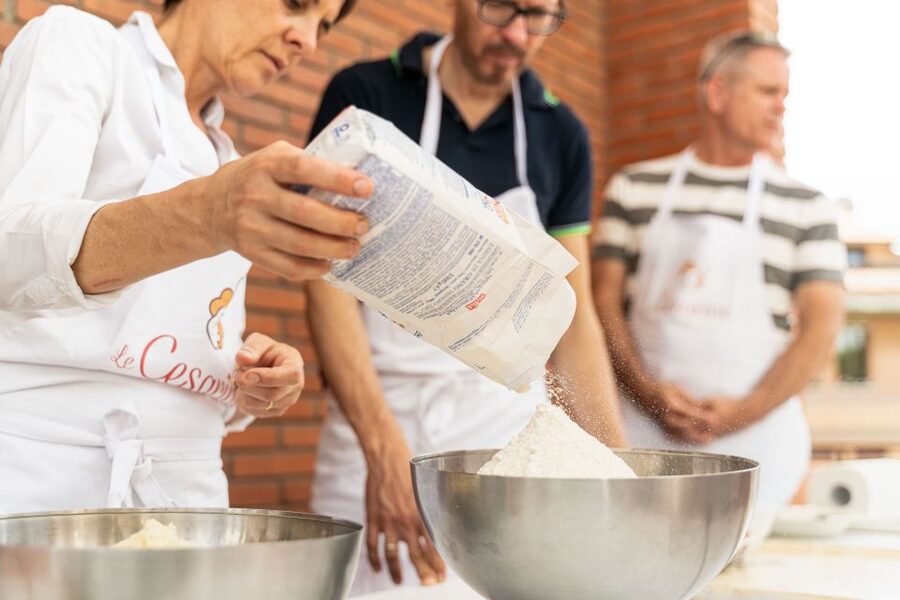
This class begins with an Italian aperitivo: prosecco and nibbles before the main cooking starts. That small opening matters. It gives you time to meet the host, settle into the home, and get comfortable with the pace of the lesson before you start measuring, mixing, and shaping dough.
You are not walking into a restaurant kitchen with a fixed tourist menu. Cesarine is a network of home cooks across Italy, and the idea here is to share food from family cookbooks. In Messina, that means the setting itself is part of the experience. You get a look at how a local host welcomes people into the home, with food preparation and conversation happening in the same space.
The class is taught in Italian and English. That makes it workable for most international visitors, though cooking lessons always include a little demonstration and imitation. You may not need to understand every culinary term if you can watch the hand movements and follow the host’s instructions.
The exact home address is private until you book. This protects the host, but it also means you cannot judge the location in advance. Tell the operator which neighborhood you are staying in and how you plan to reach the home. That information helps match you with a suitable host and gives the operations team a chance to send the correct directions and telephone details.
More Pasta Making Classes in Italy:
- Florence: Pasta Cooking Class with Unlimited Wine
★ 4.9 · 10,285 reviews - 3 in 1 Cooking Class near Navona: Fettuccine, Ravioli & Tiramisu
★ 5.0 · 7,376 reviews - Florence: Pasta & Tiramisu Cooking Class with Unlimited Wine
★ 4.9 · 6,708 reviews
Rolling sfoglia by hand
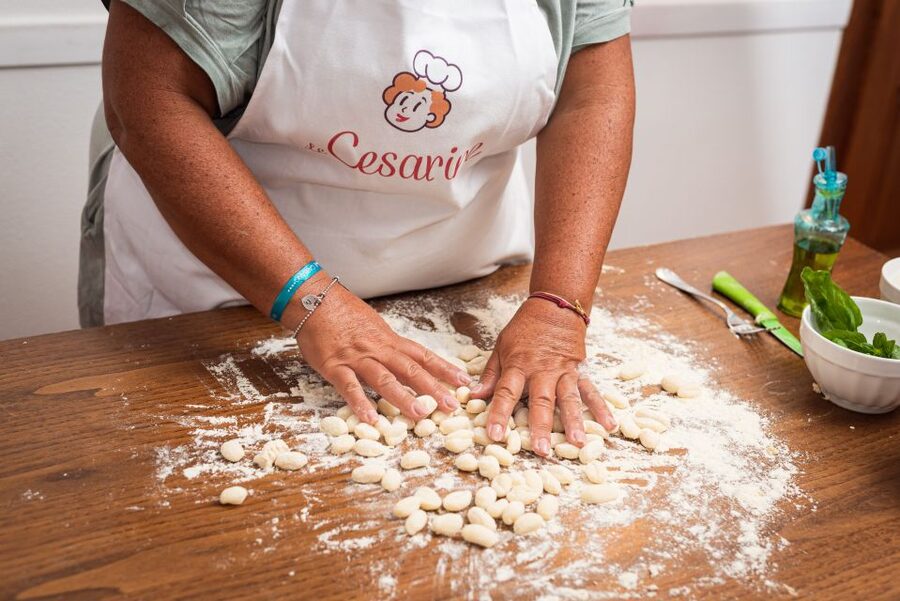
The first major skill is making and rolling sfoglia, the thin sheet of fresh pasta. This is where the class earns its keep. Dried pasta is easy to buy, but hand-rolled dough gives you a better feel for the work behind many Italian dishes.
Your host guides you through the process from scratch. You learn how the dough changes as it is worked, how to roll it thin, and how to prepare it for different pasta shapes. The exact recipe and shape may vary by host, but the class promises two iconic pasta types, so you get more than a single basic exercise.
I like this format because it turns pasta from an abstract Italian symbol into a practical skill. You can see how the same sheet of dough becomes different dishes depending on how it is cut, folded, or shaped. You also have time to ask questions while your host works beside you.
Do not expect a fast cooking demonstration where you sit back and take photographs. This is a hands-on class. Your work surface will involve flour, dough, shaping, and probably a few imperfect pieces along the way. That is part of the fun, and it is also the most useful preparation for trying fresh pasta at home.
The class is especially good for beginners because the format is built around simple pasta recipes. It is not presented as an advanced culinary course, and the three-hour length gives enough time to work without turning the session into an all-day commitment.
Making two pasta types instead of one
Many short cooking activities teach one recipe and then move quickly to the eating portion. Here, you prepare two kinds of pasta. That gives you a better sense of the range of fresh pasta and helps justify the price.
The important point is not simply quantity. Two pasta types let you compare techniques. One may require a different shape or cut, while the other may show how the same dough can be handled in another way. Your host will teach the specific preparations available for your session, using local and family-based recipes.
You should think of this as a practical introduction rather than a formal cooking school course. The goal is to leave with a feel for fresh dough, a couple of recipes, and the confidence to try again. If you want a technical lesson on pasta science, professional equipment, or complex sauces, this may feel too casual. If you want to cook with a local and eat the results, the approach fits well.
The shared work also gives the class a social side. You are not just watching an instructor. You are preparing food together, comparing your pasta shapes, and making something that will later appear on your plate. That makes it a useful choice for a couple, parent and adult child, or small group of friends.
Tiramisu for the final sweet course
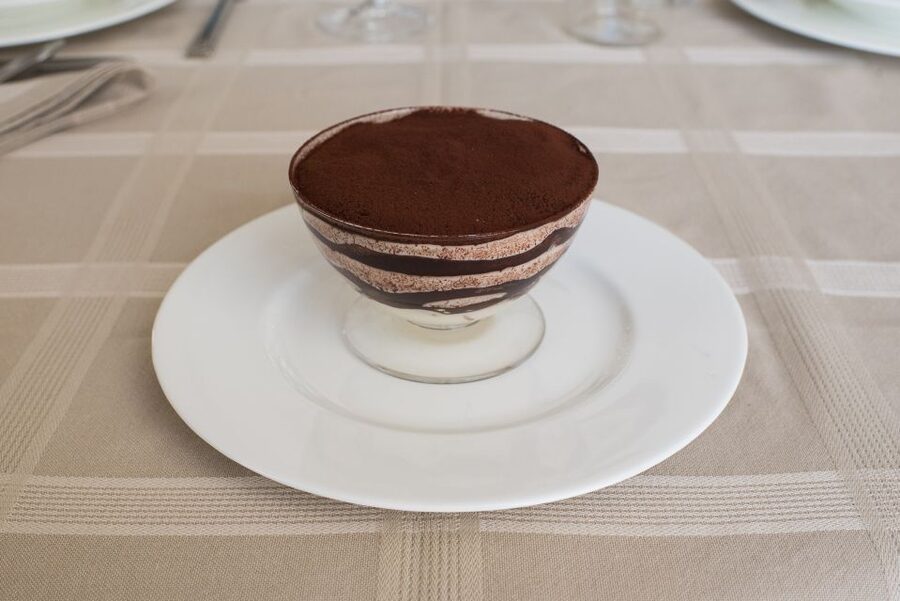
The dessert lesson covers tiramisu, one of Italy’s best-known sweets. It is a smart addition to the pasta work because it changes the pace. After dealing with dough and pasta shapes, you finish with a dessert that uses a different set of techniques.
The host teaches you how to prepare the tiramisu, then you taste it along with the pasta dishes. The appeal is simple: you learn the full shape of an Italian meal, from aperitivo to pasta to dessert, instead of leaving after the main course.
The tiramisu segment also makes the class more accessible to people who are less interested in making pasta. One person in your group may enjoy the dough work most, while another may prefer assembling dessert. Everyone still has a place in the meal.
Keep in mind that the supplied details do not specify the exact tiramisu recipe or ingredients. If you have a food allergy or intolerance, provide that information when booking. Do not wait until you arrive, since the host match and meal planning depend on those details.
More Tiramisu and Dessert Classes in Italy:
- Rome: Pasta Making Class with Wine, Limoncello, and Dessert
★ 4.9 · 3,177 reviews - Rome: 3-in-1 Fettuccine, Ravioli, and Tiramisu Cooking Class
★ 4.9 · 2,704 reviews - Florence: Cooking Class Pasta & Tiramisu Making Unlimited Wine
★ 5.0 · 2,234 reviews - Fettuccine & Tiramisù: Cooking Class with Wine & Limoncello
★ 4.9 · 2,103 reviews
Sitting down to eat what you made
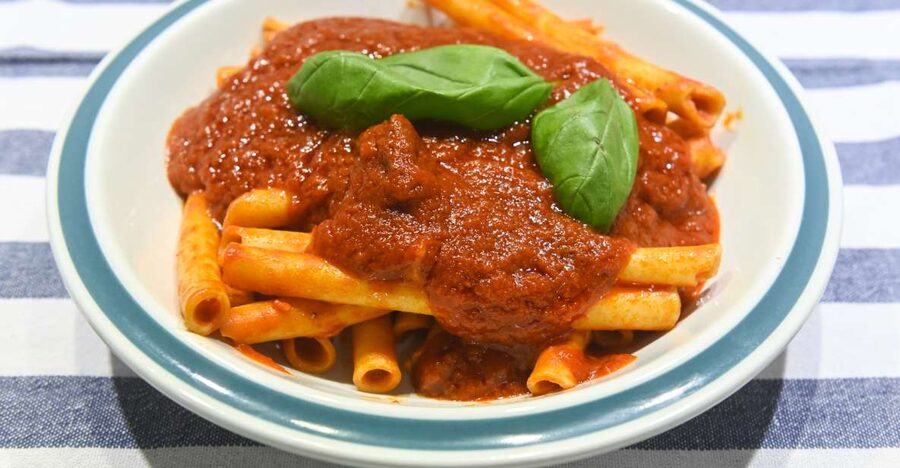
The class ends with a tasting of both pasta recipes and the tiramisu. Beverages include water, wine, and coffee, in addition to the opening prosecco and snacks.
This shared meal is more than a convenient finish. It gives you a chance to taste the effect of your work while the process is still fresh in your mind. You can see how the pasta texture turned out, compare the two preparations, and ask the host about the recipes while you eat.
I particularly like the fact that the meal is made during the class rather than prepared in advance for you. It gives the experience a clear payoff, and it keeps the focus on food as something you make and share. The class also gives you a social evening without requiring a separate restaurant booking afterward.
The drinks are included, which helps the price feel more reasonable. You are paying for instruction, food, a meal, an aperitivo, and access to a local home setting. Still, $112.15 per person is not a cheap lunch. You should book it for the personal instruction and cultural exchange, not simply because you need dinner.
How the host affects the experience
Cesarine hosts are home cooks who open their own homes to visitors. That setup can make the class feel warmer and less formal than a commercial kitchen, but it also means the experience may differ from one host to another.
A host such as Giusy may be especially welcoming and make it easy for you to feel comfortable in a private home. Her reported approach included preparing two pasta types and tiramisu, then eating the results together. That is exactly the kind of personal contact this class is designed to provide.
You should expect guidance, not a scripted performance. Your host will show you what to do, explain the recipes, and help you through the preparation. Since the host is a home cook rather than a celebrity chef, the strongest part of the class is likely to be the personal exchange and family recipe angle.
The tradeoff is predictability. You do not receive the host’s full details until after booking, and the final menu can be shaped by the local cook. That is useful if you want an authentic home meal, but less suitable if you need a tightly controlled menu or a specific professional setup.
Who will get the most from this class
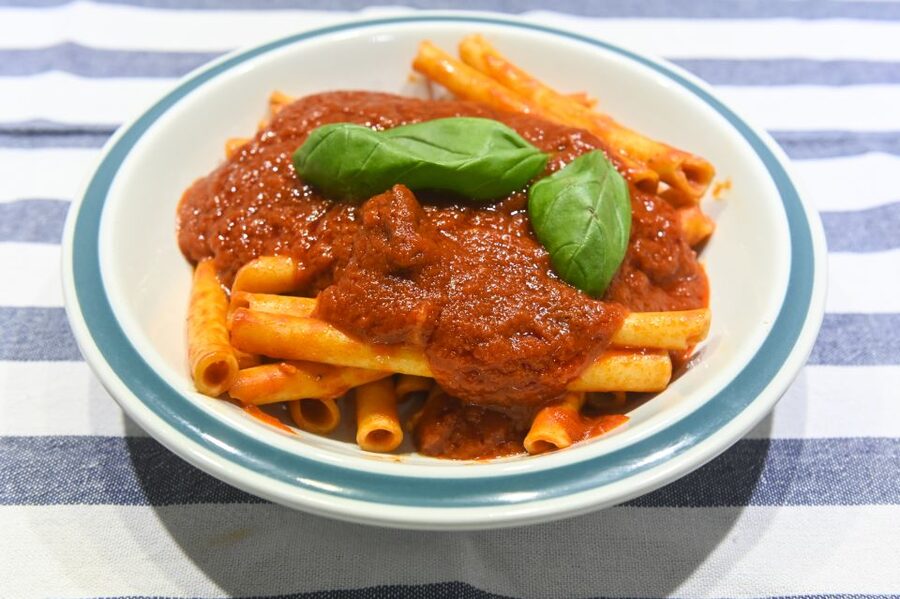
I would recommend this experience to anyone who wants more than a sightseeing stop in Messina. It gives you a direct way to spend part of the day with a local cook and learn a skill you can repeat at home.
It suits:
- First-time pasta makers who want clear, hands-on instruction
- Couples looking for a shared food activity
- Families with older children who can take part in the preparation
- Food-focused visitors who want home cooking rather than a restaurant meal
- People who enjoy meeting locals and eating in a personal setting
- Visitors who want an activity that lasts three hours, not a full-day commitment
It may not suit you if you need wheelchair access, since the activity is not suitable for wheelchair users. It may also be a poor fit if you want to know the exact address, menu, or host well before booking. The private-home format offers a personal setting, but it naturally provides less advance detail than a restaurant or cooking school.
Timing, transport, and booking details that matter
The experience lasts three hours, but the starting time depends on availability. Check the available times before you build it into your Messina plans. A cooking class is best placed on a day when you can arrive without rushing and leave enough time for the meal.
The home address is sent after booking. You should provide three useful details at that stage: food allergies or intolerances, the neighborhood where you are staying, and how you plan to travel to the host’s home. These details are not minor paperwork. They help the operator pair you with a suitable home cook and send practical contact information.
The activity ends at the same meeting point, meaning the host’s home. Since transport to and from the home is not listed as included, plan to make your own way there. Once you have the address and host telephone number, you can confirm the route directly if needed.
The instructor speaks Italian and English. Free cancellation is available up to 24 hours before the activity for a full refund, and you can reserve now and pay later. Those terms are useful if your Messina schedule is still shifting.
Is $112.15 a fair price?
At $112.15 per person, this is priced above a basic restaurant meal in Sicily. But the comparison is not quite fair. You are receiving three hours of instruction, two pasta preparations, tiramisu making, prosecco and snacks, the meal you prepare, water, wine, coffee, and a local home setting.
I see the value if you care about the process and the social side. You are paying to learn how to roll sfoglia, not just to eat a plate of pasta. The experience can also replace a meal, which softens the cost somewhat.
The price is harder to justify if you mainly want a quick taste of Sicilian food. In that case, a restaurant will be less expensive and more efficient. You should also remember that the precise host, address, and recipe details are provided later, so you are buying into a format rather than selecting a specific kitchen or chef.
The high rating of 4.8 from 13 reviews fits the experience’s strongest features: clear pasta tips, a welcoming home atmosphere, and the pleasure of eating your own work. Those are the parts I would use to judge the value.
My call: book it if you want to cook, not just eat
Book this Messina class if you want a personal food activity with real participation. The combination of hand-rolled sfoglia, two pasta types, tiramisu, prosecco, and a shared meal gives the three hours a clear rhythm and plenty to do.
I would be more cautious if you need wheelchair access, have strict dietary requirements that were not shared in advance, or prefer a known restaurant address and fixed menu. Tell the operator about allergies, intolerances, your neighborhood, and transport plans before the visit.
For a food-loving couple, a small family group, or anyone who wants to take home more than a photograph, this is a strong choice. You leave with practical pasta knowledge, a tiramisu method, and a better sense of how Italian food works inside an ordinary home.
FAQ
How long does the Messina pasta and tiramisu class last?
The experience lasts three hours. Starting times vary, so check availability when choosing your date.
Where does the cooking class take place?
The class takes place in a local host’s home in Messina. For privacy, the full address is provided only after booking.
What will I make during the class?
You will learn to roll sfoglia by hand, prepare two iconic pasta types, and make tiramisu. You will then taste the pasta recipes and dessert.
Are drinks included?
Yes. The experience includes prosecco and snacks for the Italian aperitivo, along with water, wine, and coffee.
What languages does the instructor speak?
Instruction is available in Italian and English.
Can I share allergies or food intolerances before the class?
Yes. You are asked to provide food intolerance and allergy information when booking so the operator can match you with a suitable home cook.
Is the activity suitable for wheelchair users?
No. The activity is listed as not suitable for wheelchair users.
Newest classes around Italy
- Cooking Class in a Sicilian countryhouse★ 5.0 · 5 reviews
- Cesarine: Market Tour & Home Cooking Class in Catania★ 4.0 · 6 reviews
- Cesarine: Home Cooking Class & Meal with a Local in Catania★ 4.5 · 10 reviews
- Cooking Class in Taormina with Lunch Included★ 5.0 · 2 reviews
- Cooking class in Capri for small groups★ 4.0 · 4 reviews
- Cooking Class and Wine Pairing in Capri★ 5.0 · 57 reviews
- Lezione di Cucina : Pasta Fresca★ 5.0 · 12 reviews
- Private Cooking Class Experience in Reggio Calabria★ 5.0 · 5 reviews
Italy Cooking Classes, compared.
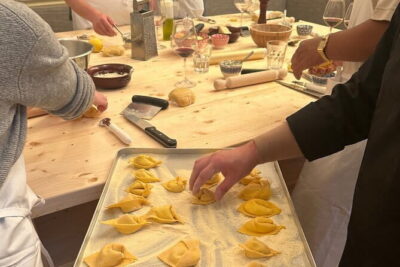

3 in 1 Cooking Class near Navona: Fettuccine, Ravioli & Tiramisu
Read our review →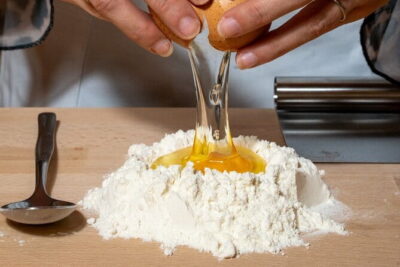
Pasta & Tiramisu Cooking Class with Unlimited Wine
Read our review →
Cooking Class and Lunch at a Tuscan Farmhouse with Local Market Tour from Florence
Read our review →
Pasta Making Class with Wine, Limoncello, and Dessert
Read our review →
Rome Cooking Class: Make Pasta and 3 Spritz Cocktails
Read our review →Browse the lists this tour appears in