
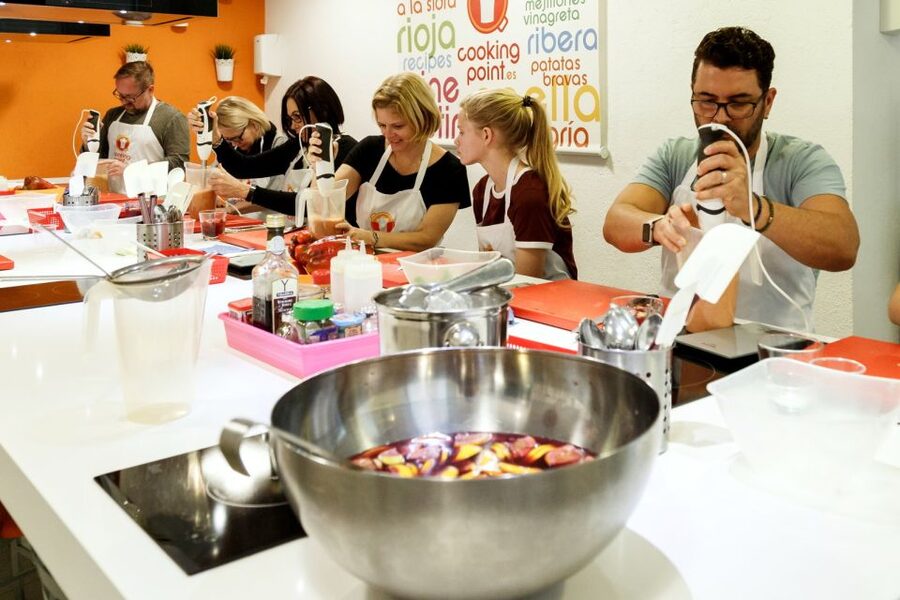
Review · MADRID COOKING CLASSES
Madrid: Half-Day Spanish Cooking Class
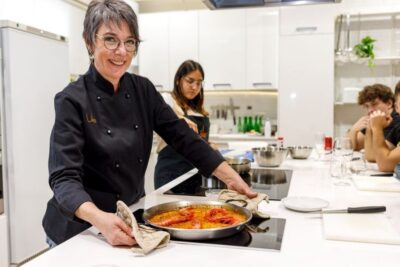
Madrid’s best food lessons are the ones that get you handling the ingredients, not just watching a chef work. This four-hour class lets you cook a full menu from start to finish, with a morning choice of paella, gazpacho, and sangria, or an evening spread of five tapas, dessert, and sangria.
I like the market visit in the paella session, where you shop for ingredients and hear how locals use products such as ham and seafood. I also like the relaxed teaching style, with instructors including Ángel, Teresa, Eduardo, Elisa, and Maria guiding beginners without leaving experienced cooks bored. The main consideration is the price, $100 per person, which is fair for a meal, drinks, instruction, and recipes, but more than a simple market tour or restaurant dinner.
Key points to know before booking
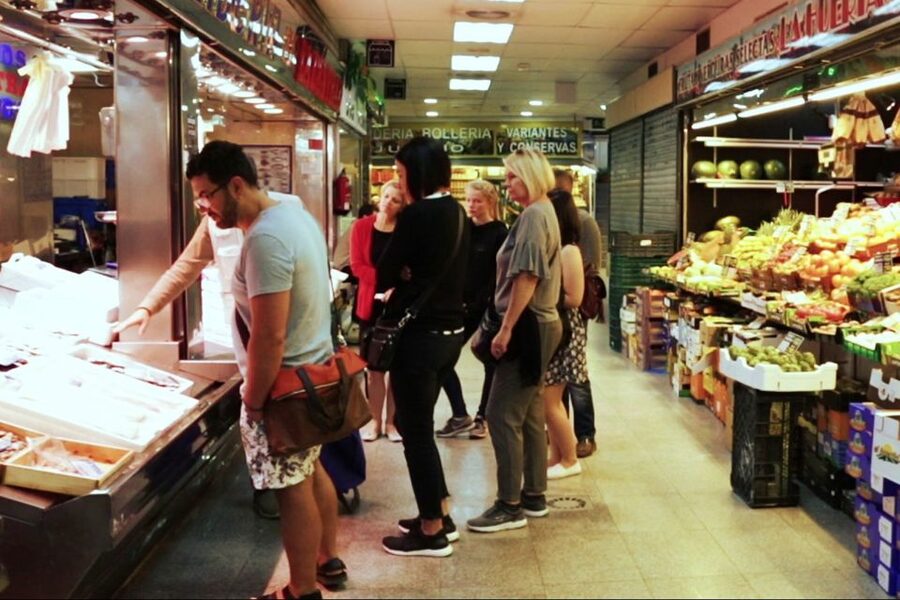
- Morning paella option: Visit a local market, shop for ingredients, then cook mixed chicken and seafood paella, gazpacho, and sangria.
- Evening tapas option: Prepare five tapas, Catalan crème, and sangria for a full casual dinner.
- Real hands-on cooking: You work in pairs and take part in the preparation rather than simply watching demonstrations.
- Strong English instruction: Ángel, Teresa, Eduardo, Elisa, and other chefs explain techniques, food customs, and the stories behind the dishes.
- Good for mixed groups: Families, solo participants, couples, novice cooks, and experienced home cooks can all take part.
- Useful take-home value: All ingredients and drinks are included, along with a recipe booklet so you can repeat the dishes at home.
Two Spanish menus, two different Madrid experiences
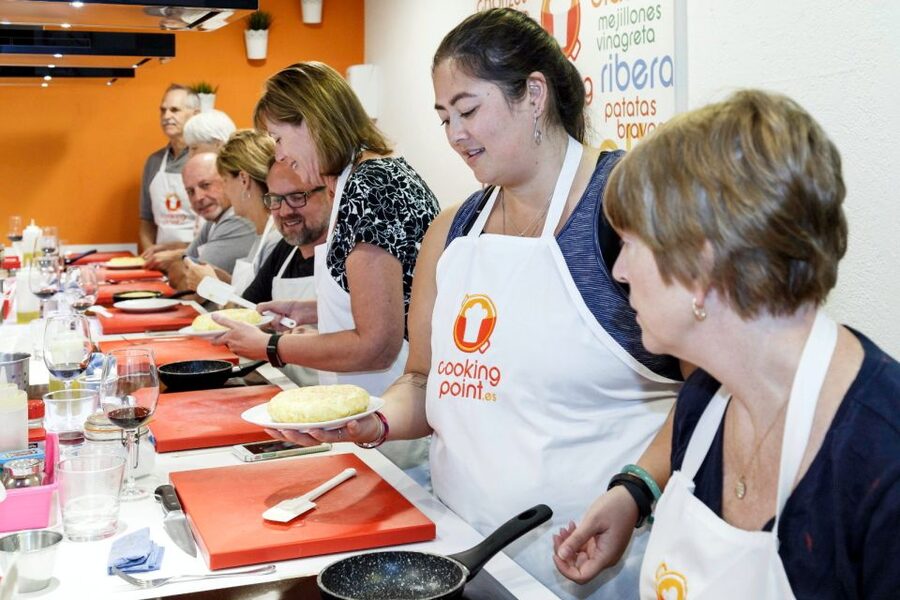
The first choice is simple: book the morning paella class with the market visit, or choose the evening tapas class. Both last four hours and end with you sitting down to eat what you prepared.
The paella class feels more connected to daily food shopping. You begin at a local market, where the chef introduces the ingredients and explains how people shop for food in Madrid. One session included a look at the fish seller and a lesson about Spanish ham. You then return to the cooking school with the groceries needed for the meal.
The menu is substantial. You prepare a mixed paella with chicken and seafood, gazpacho, and sangria. That gives you several useful skills, from handling seafood to balancing a cold soup and mixing a Spanish drink. It is a good pick if you want one main dish to practice at home.
The evening class has a more social, dinner-party feel. You make five tapas: Spanish potato omelet, garlic shrimp, chorizo in apple cider, patatas bravas, and tomato bread with ham. Dessert is Catalan crème, and sangria is part of the meal.
This menu gives you more variety than the paella class. You learn several small dishes rather than focusing on one centerpiece. If you like the idea of serving a table of Spanish snacks to friends, the tapas option may be the better choice.
More Paella and Spanish Classes in Spain:
- Barcelona: Paella Cooking Experience & Boqueria Market Tour
★ 4.8 · 3,661 reviews - Barcelona Paella Cooking Class with Market Visit, Tapas & Sangria
★ 5.0 · 2,531 reviews - Barcelona Interactive Spanish Cooking Experience
★ 4.5 · 2,155 reviews
The market visit makes the paella class worthwhile
The morning market trip is not just a quick stop to collect supplies. It gives the class a sense of place. You see the ingredients before they are chopped, seasoned, and cooked, and the chef explains what you are buying and how it fits into Spanish food customs.
I especially like this part for first-time visitors to Madrid. A market tells you more about ordinary food life than a polished restaurant can. You get a practical look at seafood, ham, produce, and the way local shopping works.
The market visit also sets up the cooking lesson. Instead of starting with a recipe on a printed page, you first connect the dish to its ingredients. That context can help you remember the steps later.
There is one practical limit: the market visit is available only with the morning paella class. If you choose the evening tapas session, you go directly to the cooking school. The exact meeting point can vary by the option you book, so check your confirmation before setting out.
What you actually cook in four hours
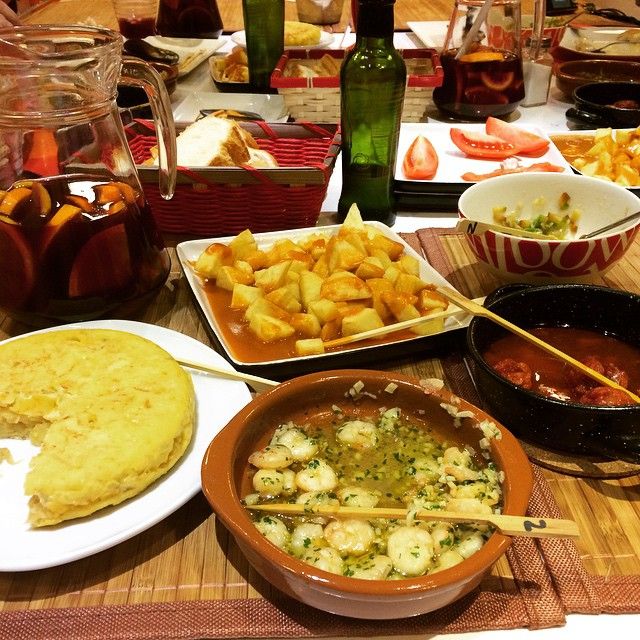
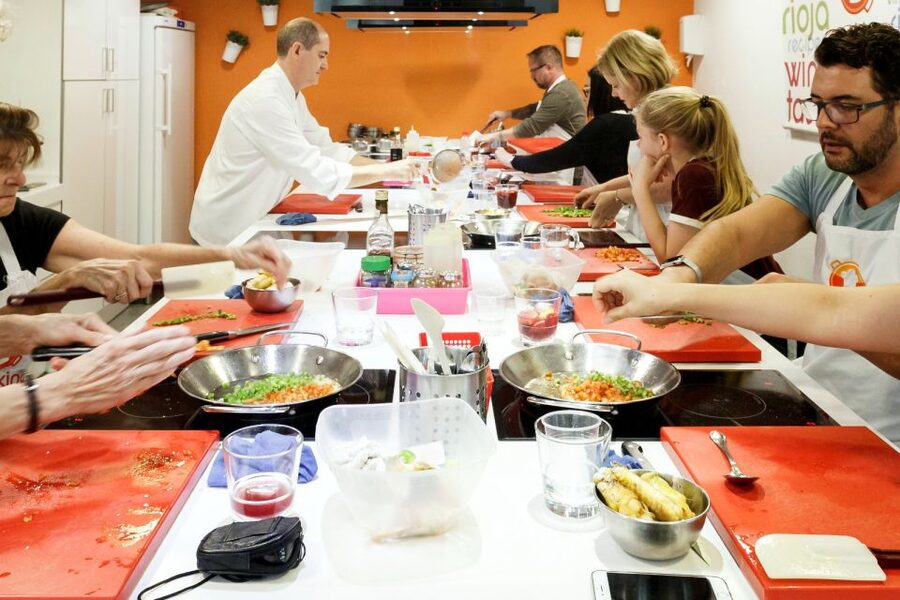
This is not a demonstration with a few token tasks for the participants. You prepare the food under the chef’s direction and work through the menu step by step.
Cooking is done in pairs. If you book alone, the provider assigns you a partner. One solo participant specifically found the class enjoyable without a partner at first, and the setup is designed so that nobody is left standing around without a job.
The chef demonstrates a method, then you repeat it. That format works well for beginners because you see the technique before trying it. It also gives more experienced cooks room to work at their own pace while still picking up useful Spanish approaches.
The class covers basic preparation, cooking, seasoning, and presentation. The details supplied for the dishes are simple enough to repeat at home, which is part of the appeal. You are not buying a one-time meal only. You leave with recipes and a clearer sense of how the food comes together.
One useful example came from the paella instruction: a chef showed the group a practical way to devein prawns. Small tips like that can be more helpful than a long lecture because they solve a real kitchen problem.
The teaching style: clear, friendly, and in English
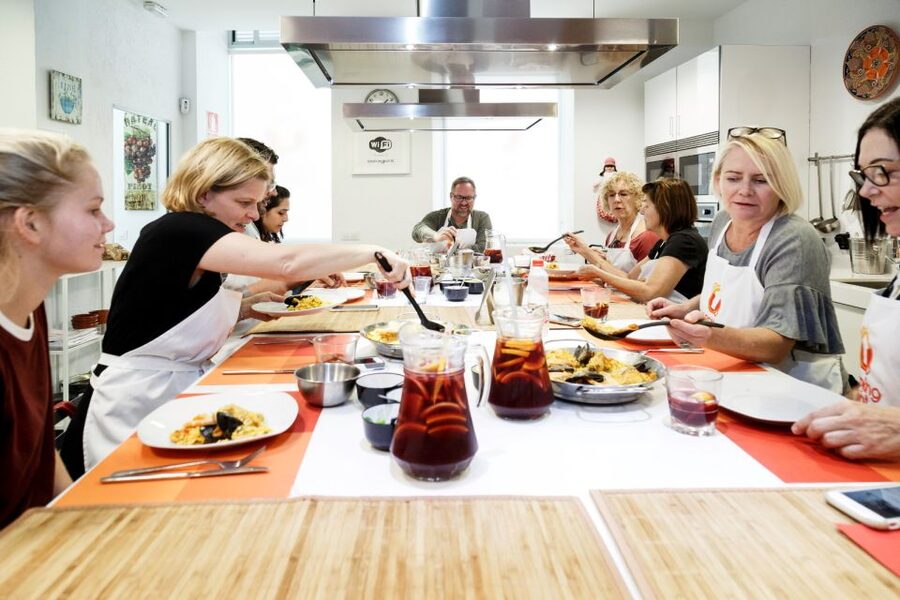
The instructors are a major part of the experience. Ángel is praised for his humor, clear directions, and skill with both the market tour and the kitchen. Teresa is described as energetic, patient, and good at making the group feel included. Eduardo receives similar credit for explaining ingredients, food origins, and each stage without rushing.
Elisa is another instructor associated with the class. Her approach combines food, history, and Spanish culture with the recipes. Maria is also noted for being patient, funny, and informative.
The important point is not the particular chef on your date. The staff can vary. What matters is the teaching format: English instruction, demonstrations followed by hands-on work, and plenty of explanation about Spanish food habits.
The class seems suitable for a wide range of ability. A novice cook can follow the steps, while an experienced cook can pay attention to technique and food traditions. One participant with professional culinary training still found the session engaging, while families with young children also took part successfully.
The cooking school has been described as clean, comfortable, well equipped, and organized. That matters during a four-hour class. A cramped or poorly arranged kitchen would make the experience tiring, but the available information points to a place where participants have the tools and workspace they need.
More Half-Day Outings in Spain:
- Half-Day Spanish Cooking Class & Boqueria Market Tour
★ 4.9 · 383 reviews - Half-Day Thai Cooking Class at Organic Farm in Chiang Mai
★ 5.0 · 19,087 reviews - Bangkok: Tingly Thai Cooking School Half-Day Cooking Class
★ 4.9 · 1,191 reviews - Half-Day Cooking Class with Local Chef Laila in Marrakech
★ 5.0 · 952 reviews
The meal at the end is part of the value
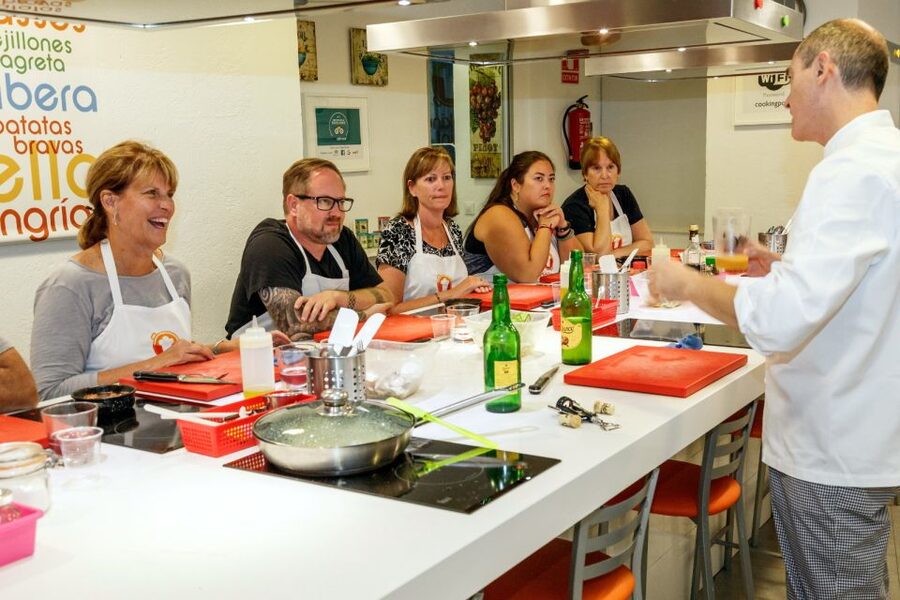
After the cooking is finished, you sit around the table and eat the meal. This is not a small tasting. The menu includes everything prepared by the group, along with the drinks included in the booking.
The tapas class ends with five tapas, dessert, and sangria. The paella class includes paella, gazpacho, and sangria. Participants consistently describe the portions as plentiful, and the meal gives you time to talk with the other people in the group.
That final meal changes the feel of the class. You are not rushing from one recipe to the next and then leaving with a box of food. You get to see how the dishes work together as a Spanish meal.
Sangria is included in both formats, and comments repeatedly point to generous servings. Alcoholic drinks are part of the experience, so keep that in mind if you do not drink. The supplied information confirms ingredients and drinks are included, but it does not give a full nonalcoholic beverage list.
The social side is another strong point. Groups may include couples, families, solo participants, and people from different countries. Cooking in pairs gives you a natural way to meet someone, and the shared meal provides an easy finish.
Is $100 a fair price?
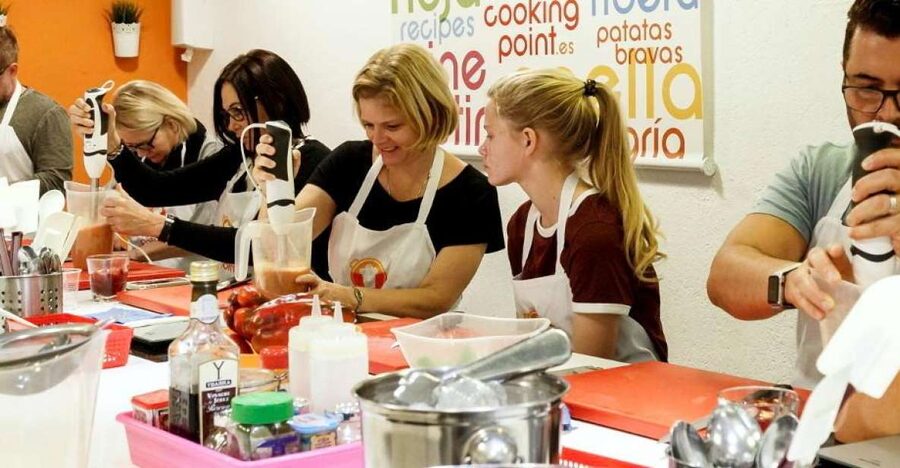
At $100 per person, this is not the cheapest food activity in Madrid. You should compare it with what the price covers: four hours of instruction, all ingredients, drinks, a market tour with the morning class, a full lunch or dinner, and a recipe booklet.
If you choose the paella session, you get both a market experience and a cooking class. If you choose tapas, you prepare six menu items in total when dessert is counted, then eat the full meal. A restaurant dinner could cost less, but it would not teach you how to make the dishes or give you recipes to use later.
I see the value most clearly for couples, families, and people who enjoy practical activities. You receive a meal, but the real souvenir is the ability to make potato omelet, patatas bravas, paella, or sangria after returning home.
The price may feel high if you mainly want a quick food tasting or if you are not interested in cooking. Four hours is a serious block of time, too. Still, the class is structured so the time does not feel like a long lecture. You cook, eat, talk, and learn throughout the session.
Who will enjoy this most?
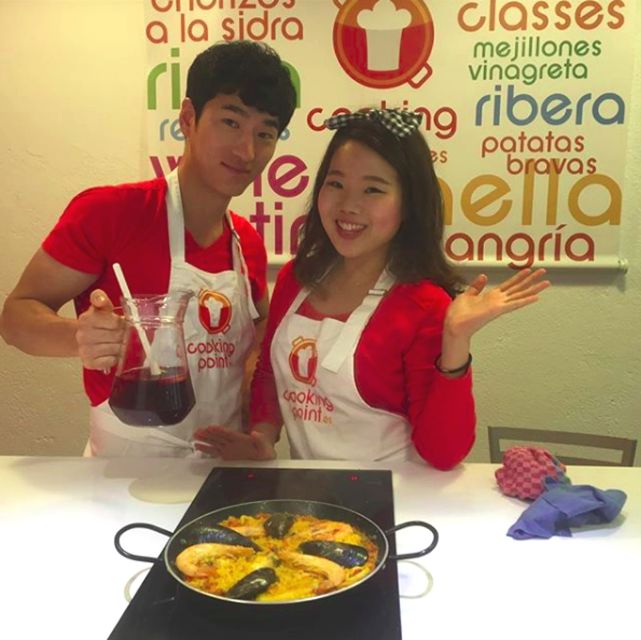
I would recommend the class to anyone who wants a break from museums and guided sightseeing. It gives you a different way to understand Madrid through its food, with enough local explanation to make the dishes more meaningful.
Families are a good fit. The instructions are accessible, and children have been able to take part in the cooking and enjoy the meal. Parents should still consider their children’s interest in a four-hour activity, but the hands-on format is more engaging than simply sitting through a food talk.
Solo participants can also book with confidence. You will be paired with someone, and the group structure gives you a chance to meet people. If you strongly prefer to work alone, this may not be ideal, since pair work is part of the format.
Experienced cooks should not expect an advanced professional course. The class is built for a mixed group. You will likely learn more about Spanish ingredients, traditions, and practical methods than advanced culinary theory.
The tapas class suits an evening when you want dinner included. The paella class is better for anyone who wants to explore a market and focus on a classic Spanish rice dish.
Dietary needs and practical details
Food allergies, intolerances, and other dietary requirements can be accommodated. You should communicate your needs when booking rather than waiting until the class begins. The available information confirms that adjustments are possible, but it does not list every substitute or guarantee that every menu can be changed in the same way.
The instructor language is English. Hotel pickup and drop-off are not included, so you need to make your own way to the meeting point. Since the meeting point may vary by option, check the details for the exact class you select.
The activity lasts four hours, and starting times depend on availability. The paella class is in the morning, while the tapas class is in the evening. Plan your day around the full block rather than treating this as a quick two-hour lesson.
Cancellation is flexible up to 24 hours before the start for a full refund. You can also reserve now and pay later, which helps if your Madrid plans are still shifting.
Paella or tapas: which should you choose?
Choose paella and the market visit if you want the fuller connection to Madrid’s food culture. You will shop with the chef, learn about the ingredients, and return to prepare a substantial dish with gazpacho and sangria.
Choose tapas if variety matters more to you. You will learn five recognizable Spanish recipes plus Catalan crème, and the format works well as a social evening meal.
The paella class has the stronger local-shopping element. The tapas class has the broader menu and may be more useful if you like entertaining at home. Both give you recipes, drinks, and a meal, so the decision mostly comes down to the style of food you want to cook.
Should you book this Madrid cooking class?
Yes, if you want an active food experience rather than another restaurant meal. The class offers clear English instruction, real participation, a full menu, and a friendly group setting. The market visit makes the morning option especially appealing, while the tapas class gives you more recipes in one sitting.
I would skip it only if your schedule cannot spare four hours, you dislike pair work, or $100 feels too high for a cooking activity. For everyone else, it is a strong choice for a family outing, a couple’s activity, a solo evening, or a practical way to take Spanish food skills home.
FAQ
How long does the Madrid cooking class last?
The activity lasts four hours. The paella class takes place in the morning, and the tapas class takes place in the evening. Starting times depend on availability.
What is included in the price?
The price includes all ingredients and drinks, the cooking instruction, a recipe booklet, and the lunch or dinner you prepare. The market tour is included only with the morning paella class.
What dishes do you make in the paella class?
You make mixed chicken and seafood paella, gazpacho, and sangria. The class also includes a visit to a local market to shop for the ingredients.
What dishes do you make in the tapas class?
You prepare Spanish potato omelet, garlic shrimp, chorizo in apple cider, patatas bravas, tomato bread with ham, Catalan crème, and sangria.
Is the class taught in English?
Yes. The instructor language is English.
Do participants cook alone or in pairs?
Cooking is done in pairs. If you attend alone, the activity provider assigns you a cooking partner.
Can food allergies or dietary requirements be accommodated?
Yes. Food allergies, intolerances, and other dietary requirements can be accommodated. Tell the provider about your needs when booking.
Is hotel pickup included?
No. Hotel pickup and drop-off are not included. The meeting point may vary depending on the option you book.
Can I cancel for a refund?
Yes. You can cancel up to 24 hours in advance for a full refund. You can also reserve now and pay later.
Newest classes around Spain
- Pintxos and Tapas Cooking Class in Bilbao★ 5.0 · 38 reviews
- Basque Pintxos and Tapas Cooking Class in Bilbao★ 5.0 · 73 reviews
- Small-group Immersive Basque Cooking Class in Bilbao with Open Bar★ 5.0 · 65 reviews
- Paella and Burnt Basque Cheesecake Cooking Class (in Bilbao)★ 5.0 · 46 reviews
- Private Authentic Paella Cooking Class in Barcelona with Josh★ 5.0 · 3 reviews
- Barcelona Tapas Cooking & Cocktail Class with Veronique & Mattias★ 5.0 · 3 reviews
- Rooftop Paella Seafood Cooking Class Experience in Barcelona★ 5.0 · 59 reviews
- Private Barcelona Market Tour & Paella Cooking Class with Josh★ 5.0 · 4 reviews
Madrid Cooking Classes, compared.
Spanish Cooking Class Paella Tapas and Sangria in Madrid
Read our review →
Paella Cooking Class in Madrid with Bottomless Wine Pairing
Read our review →
Madrid Tapas & Paella Cooking Experience with Local Market Visit
Read our review →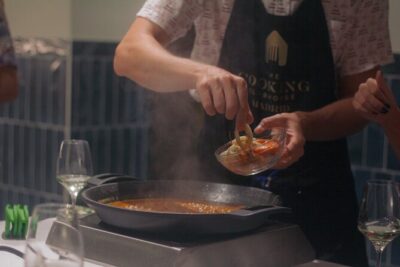
Taste of Spain: Tapas Cooking Class with Bottomless Wine Pairing
Read our review →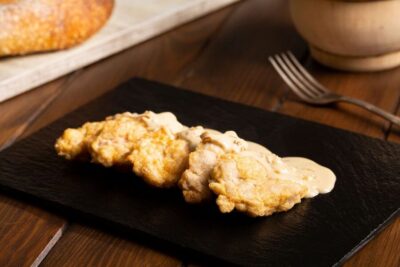
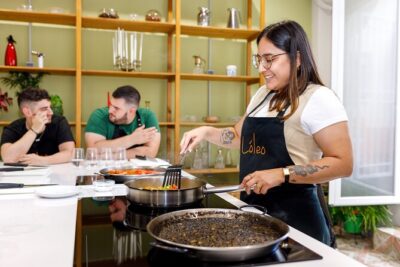
Tapas & Paella Cooking Class in Madrid with a Professional Chef
Read our review →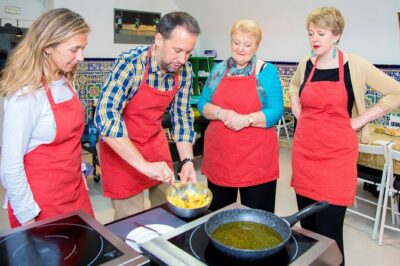
Browse the lists this tour appears in