
Review · GEORGIA COOKING CLASSES
Khinkali & Khachapuri Cooking Classes with Wine Tasting
Georgian cooking becomes much more enjoyable when you get your hands into the dough. In this small Kutaisi class, Nana guides you through khinkali and khachapuri, while Giorgi explains Georgian food, wine, and local culture. You cook, eat, and share a glass of natural qvevri wine in the same cozy wine-shop setting.
I like the hands-on format, especially the chance to practice the khinkali folds instead of watching a quick demonstration. I also like the wine connection: Giorgi serves natural wine from his own winery and adds chacha, making this more than a simple cooking lesson. The main consideration is time. At 1.5 hours, the class gives you a taste of the process rather than a long, detailed culinary workshop, and one part of the dumpling-making may involve more demonstration than practice.
Key points to know
- Khinkali and khachapuri in one short class: You learn two of Georgia’s best-known dishes and eat the results.
- Giorgi and Nana lead the experience: Giorgi covers culture and wine, while Nana demonstrates the cooking.
- Natural qvevri wine and chacha are included: The tasting comes from the host’s own winery.
- Small groups keep it personal: The class is limited to eight participants and is conducted in English.
- Easy central meeting point: Find the wine shop just across from the Chain Bridge, near the trail to Bagrati Cathedral.
Cooking Georgian classics beside the Chain Bridge
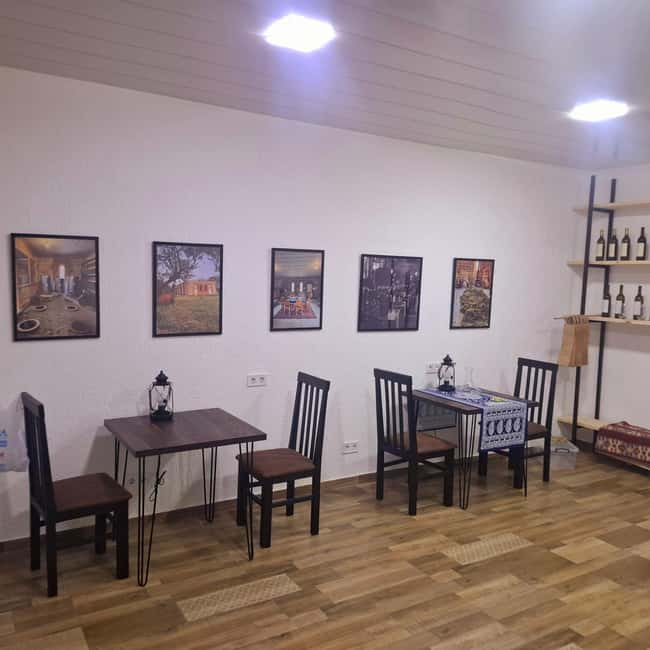
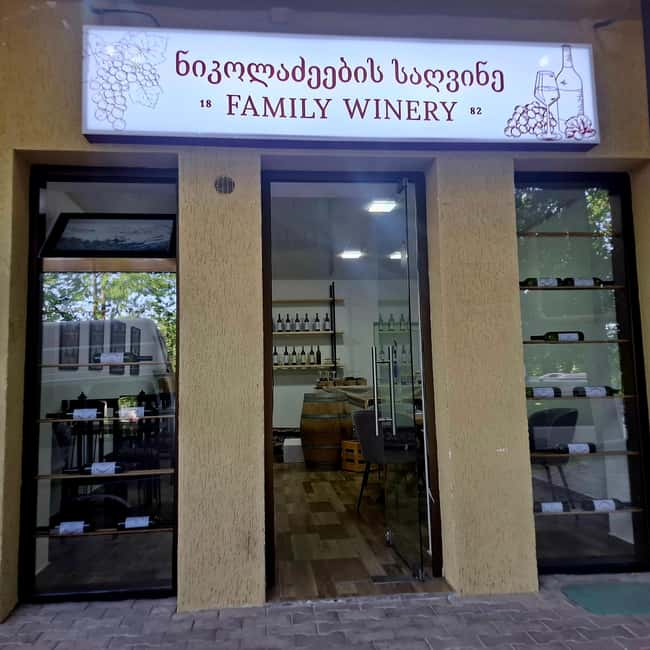
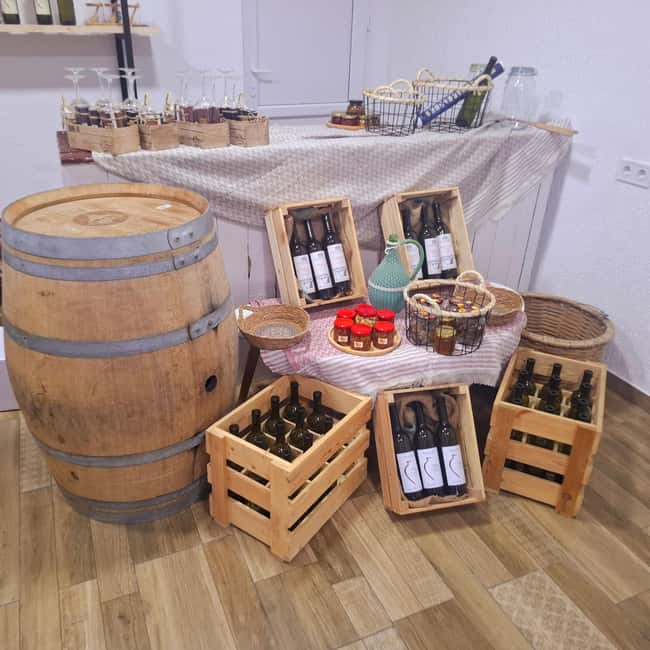
The class takes place at a wine shop in Kutaisi. After crossing the Chain Bridge, look for the shop just across the street. It also marks the beginning of the trail leading to Bagrati Cathedral, so the location is handy if you want to pair the class with a walk afterward.
That setting matters. You are not being sent to a distant kitchen with a long transfer. You can fit this activity into a morning, afternoon, or evening in Kutaisi, then continue exploring on foot. The meeting point is specific and easy to connect with a well-known city landmark, though you should still allow a little time to find the shop if you are unfamiliar with the area.
The group limit is eight people. That is small enough for a local host to answer questions and watch your technique, while still giving the class a social feel. You will not get the same private attention as in a one-to-one lesson, but the small-group setup should suit most people who want company without a crowded cooking school.
More Cooking Classes with Wine Tasting in the world:
- Florence: Pasta Cooking Class with Unlimited Wine
★ 4.9 · 10,285 reviews - Florence: Pasta & Tiramisu Cooking Class with Unlimited Wine
★ 4.9 · 6,708 reviews - Florence: Pasta Cooking Class with Unlimited Wine
★ 5.0 · 6,413 reviews
What happens during the 1.5-hour lesson
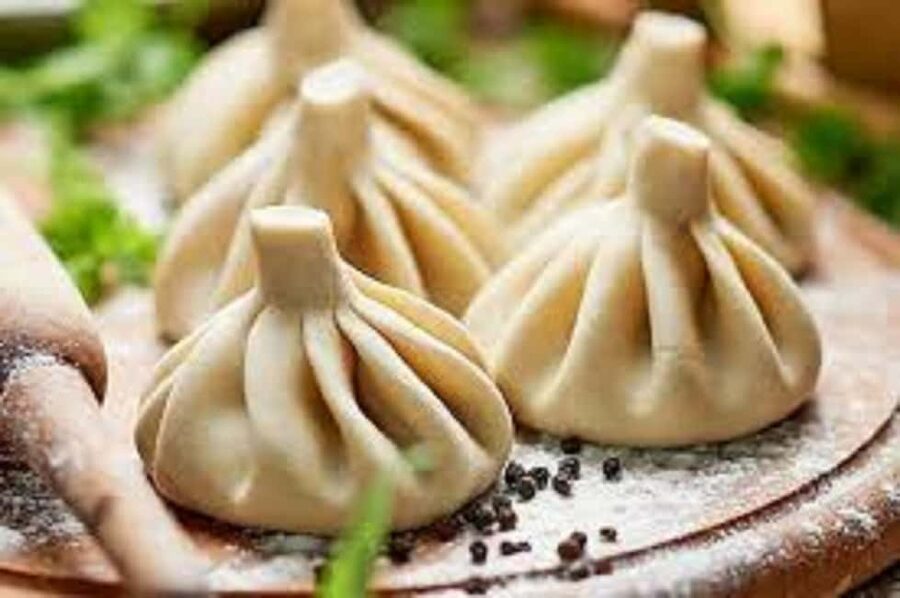
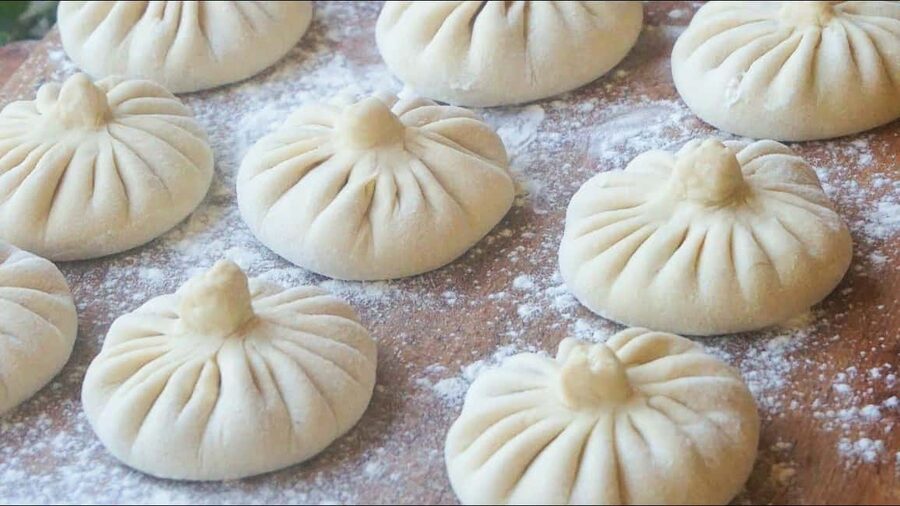
The class begins with the cooking itself, not with a long lecture. You learn how to prepare khinkali, Georgia’s famous soup dumplings, including the filling and the folding technique. The fold is the tricky part. It takes coordination to seal the dough and create the familiar pleated top, so expect some early attempts to look less tidy than Nana’s.
That is part of the fun. You are not buying a plate of finished dumplings and calling it a class. You take part in shaping them, and the food on your plate comes from the work done during the session. The class is suited to beginners because the steps are explained carefully and the setting is relaxed.
Khachapuri comes next, using traditional Georgian recipes. This cheese-filled bread is a useful contrast to khinkali. One dish depends on delicate folding and a hot, savory filling, while the other is built around dough and cheese. Learning both in one visit gives you a better sense of the range of Georgian home cooking.
You should wear comfortable clothing that can get dirty. Flour, dough, cheese, and cooking surfaces are rarely kind to your best travel outfit. This is not a polished demonstration where you sit safely behind a table. The important point is to arrive ready to participate.
Learning with Nana and Giorgi
Nana leads the cooking demonstration and shows you how the dishes come together. Her warm, traditional approach is a big part of the atmosphere. The lesson has the feel of learning in a family kitchen, rather than attending a formal class with a strict timetable.
Giorgi handles much of the conversation about Georgian culture, wine, and the city. He explains the country’s wine traditions and answers questions about the food and local life. If you want more than a recipe to take home, his part of the class adds useful context.
The class is offered in English. That makes the experience practical for international visitors, and the small group gives you a better chance to ask questions. You can ask about the ingredients, the cooking methods, Georgian customs, or the wine as the class moves along.
One useful expectation to set is that the class may not give every person equal time with every step. The cooking moves at a steady pace, and a portion of the khinkali work may be shown by Nana before you try it. If your main goal is to master professional-level dumpling folding, you may want a longer private lesson. If your goal is to learn the basic method, make food, and enjoy a local conversation, the format works well.
Khinkali, the dish that rewards practice
Khinkali is the star for many people, and for good reason. The dumpling is more than a simple parcel of dough. It has a filling inside and is shaped so that it can hold its savory juices while cooking.
The class covers both filling and folding. That combination is important because the shape is not just decoration. A loose seal can cause problems in the pot, while an overworked piece may become tough. You get a chance to see how a local cook handles the dough, then repeat the steps yourself.
Do not worry if your first khinkali looks uneven. The point is to understand the technique and feel how the dough behaves. By the end, you should have a clearer idea of why Georgian cooks take pride in making these dumplings by hand.
Once the khinkali are ready, they cook while you move toward the tasting portion of the experience. This creates a natural pause in the class. Instead of standing around waiting for food, you use the time to learn about the wine and Georgian hospitality.
More Food and Drink Outings in the world:
- Small Group Cooking Class & Market Food Tour in Florence
★ 5.0 · 1,574 reviews - Paella Cooking Class, Wine Tasting & Central Market in Valencia
★ 5.0 · 1,150 reviews - Athens: Food Market Visit and Cooking Class with Wine
★ 4.9 · 1,087 reviews - Undiscovered Charleston: Half Day Food, Wine & History Tour with Cooking Class
★ 5.0 · 948 reviews
Khachapuri brings a different kind of comfort
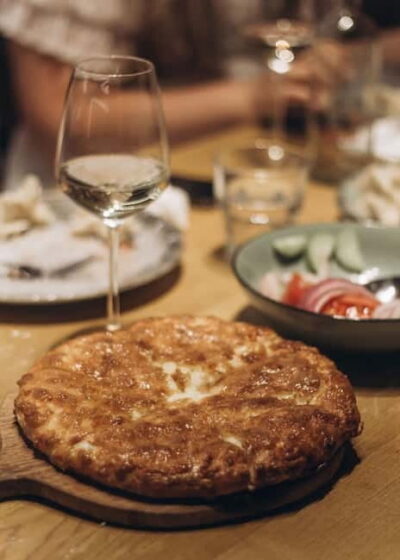
Khachapuri is the second main dish, and it gives you a simpler way to work with Georgian dough. The bread is prepared with cheese and cooked according to a traditional recipe. It is filling, familiar, and easy to appreciate even if you are new to Georgian food.
Making khachapuri also helps balance the class. Khinkali asks for patience and careful folding, while khachapuri gives you another way to shape and prepare dough. You leave having learned two dishes that are strongly linked with Georgian food culture, rather than spending the entire class on one recipe.
The meal at the end is the reward for the work. You sit down and eat the food you helped prepare. That makes the experience feel more personal than a standard restaurant meal, even though the class is short.
Natural wine, qvevri traditions, and chacha
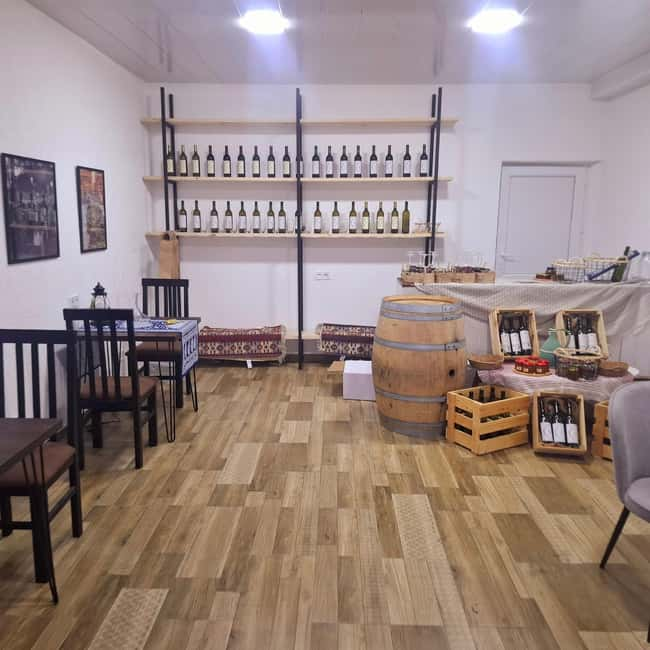
Wine is not an extra afterthought here. It is part of the experience from the beginning, with Giorgi explaining Georgian winemaking traditions and serving natural wine from the host’s own winery.
The wine is made using traditional methods and is described as natural, locally produced, and connected with qvevri winemaking. You get a glass while the khinkali cook, then continue the tasting with the meal. For anyone interested in Georgian wine, this adds a useful layer to the cooking.
Chacha, the Georgian grape spirit, is also included. It is much stronger than wine, so treat it as a small tasting rather than a casual refill. The activity is intended for people of legal drinking age, and you should keep that in mind when booking.
I like this part because it links what is on your plate with what is in your glass. You are not simply learning recipes in isolation. You are hearing about Georgian food customs, tasting local wine, and sharing a table in the same place where the class takes place.
The value of a $22 Kutaisi experience
At $22 per person, this is a strong-value activity if you want food, instruction, and a cultural introduction in one booking. The price includes all ingredients and wine, so you are not paying for a class and then facing a separate charge for the main tasting.
The value is especially good for people who might otherwise spend money on a meal and a separate wine tasting. Here, your meal is part of the lesson, and the wine comes directly from the host’s winery. You also receive practical instruction that you can try to repeat at home.
There are limits. This is not a full-day culinary course, a market visit, or a broad tour of Georgian food. The 1.5-hour schedule keeps the price low and makes the activity easy to fit into a short visit, but it also means the cooking cannot go into every regional variation or technique.
For most people, that tradeoff is sensible. You get a clear introduction to two major Georgian dishes, a meal, and a wine tasting without giving up half a day.
Who will enjoy this class most
This experience fits food lovers who prefer to do something rather than only look at sights. It is also a good choice for couples, friends, and small families who want a shared activity with a meal at the end.
Wine enthusiasts will get extra value from Giorgi’s explanations and the chance to taste natural wine from the family winery. People interested in Georgian culture should also enjoy the conversation, since the class includes more than instructions about dough and filling.
It suits beginners better than serious cooks seeking advanced training. You will learn the main ideas behind khinkali and khachapuri, but the short schedule is not designed for detailed culinary study.
The class is wheelchair accessible, and the small group limit should make the setting easier to manage than a large food tour. Still, if you have specific mobility needs, it is sensible to confirm the room layout when booking, since the supplied details do not describe the kitchen arrangement.
Practical details before you book
Wear clothes that can handle flour, dough, and cooking spills. Comfortable clothing is the safest choice. You should also be ready to take part instead of expecting a demonstration followed by a prepared meal.
The experience lasts 1.5 hours and is conducted in English. It includes ingredients and wine, while the traditional chacha tasting is also part of the stated food and drink experience. Participants must be of legal drinking age for the alcohol portion.
The meeting point is the wine shop in Kutaisi, across the street from the Chain Bridge and beside the trail leading to Bagrati Cathedral. That makes it easy to combine with nearby sightseeing, but do not confuse the shop with the cathedral itself.
You can reserve the activity and pay later, which helps if your Kutaisi schedule is still shifting. Free cancellation is available up to 24 hours before the start time for a full refund. Check the available start times before committing, since the exact schedule is not fixed in the information provided.
Should you book it?
Book this class if you want a short, affordable introduction to Georgian food and wine with real participation. The strongest reasons are the small group, the local hosts, the chance to make both khinkali and khachapuri, and the natural wine from the host’s own winery.
I would be more cautious if you want a long technical cooking course or need every participant to practice every step at length. The class moves quickly, and some of the khinkali process may be demonstrated before you get your turn.
For most visitors to Kutaisi, though, the balance is right. You cook with Nana, learn about Georgian wine from Giorgi, eat what you make, and leave with a better feel for the country’s table traditions. At $22, that is an easy activity to add to a Kutaisi stay.
FAQ
Where does the cooking class take place?
The class takes place at a wine shop in Kutaisi. After crossing the Chain Bridge, you will find the shop just across the street, near the trail leading to Bagrati Cathedral.
How long does the experience last?
The cooking class and tasting last 1.5 hours.
What dishes will I learn to make?
You will learn to prepare khinkali and khachapuri, including khinkali filling and folding techniques.
Is wine included?
Yes. The experience includes natural, locally produced wine made using traditional methods. A tasting of traditional Georgian chacha is also part of the experience.
Is the class suitable for English speakers?
Yes. The live guide and class are conducted in English.
Can I cancel or pay later?
You can reserve now and pay later. Free cancellation is available up to 24 hours in advance for a full refund.
Newest classes around the world
- Aroidee’s Farm-Fresh Thai Cooking Experience★ 5.0 · 8 reviews
- Authentic Thai Cooking Class and Farm Visit in Chiang Mai★ 5.0 · 66 reviews
- Signature Thai Cooking Course★ 5.0 · 79 reviews
- Half Day Guided Thai Cooking Class in Chiang Mai★ 5.0 · 13 reviews
- Yummy Tasty Thai Cooking School in Chiang Mai★ 5.0 · 2 reviews
- Online Thai and Akha Cooking Class★ 5.0 · 70 reviews
- Northern Thai Cooking Class in Chiang Mai in a Countryside Home★ 5.0 · 2 reviews
- Private Half-Day Thai Cooking Class in Chiang Mai★ 5.0 · 4 reviews
Georgia Cooking Classes, compared.
Georgian Cooking Class with Khinkali and Khachapuri
Read our review →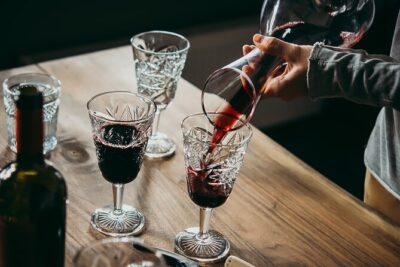
Small-Group Khinkali and Khachapuri Cooking Class in Tbilisi
Read our review →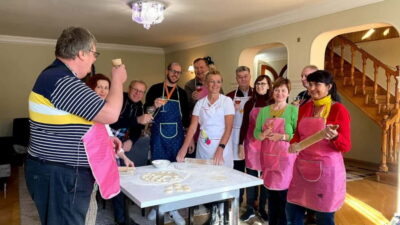
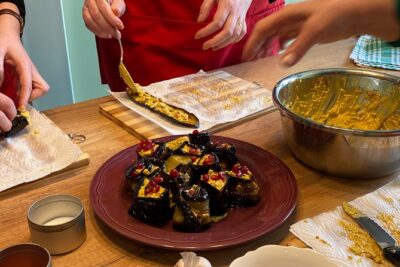
Nana’s Kitchen – traditional Georgian cooking class at real Georgian family home
Read our review →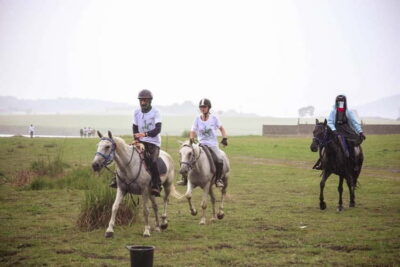
Kakheti Horse Riding, Wine Tasting, and Cooking …
Read our review →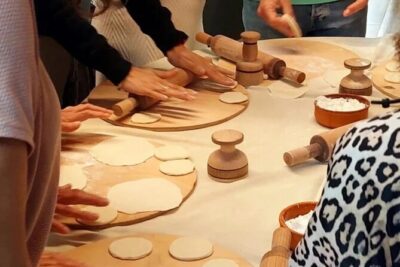
Batumi: Georgian Cooking Class of Khachapuri by Local Master
Read our review →Browse the lists this tour appears in