
Review · THAILAND COOKING CLASSES
Koh Lanta: Evening Course at Lanta Thai Cookery School
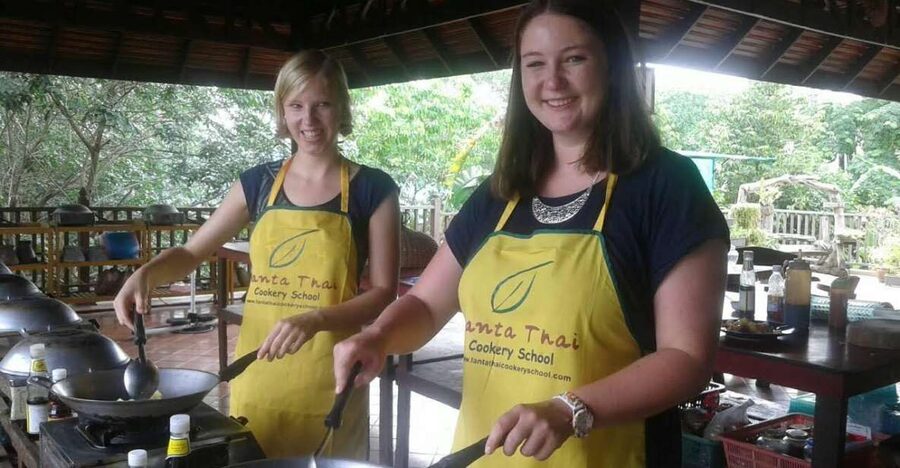
The best part of this Koh Lanta evening is simple: you cook four dishes yourself, rather than watching a chef do the work. The class begins with a garden walk, then moves into a teak-wood cooking house where Thai chefs guide you through curry pastes, sauces, salads, soups, noodles, and stir fries.
I especially like the hands-on format and the choice to make dishes vegetarian, vegan, mild, or hot. The hotel pickup is also useful, since the school sits inland south of Long Beach. The main thing to consider is group size. The school allows up to 12 students, but some sessions can feel busy, particularly when another class uses the same cooking area.
Key points to know
- Four dishes, cooked individually: You prepare your own food instead of simply helping with a shared demonstration.
- A garden before the cooking: See many of the herbs, spices, and vegetables used in Thai recipes.
- Menu choice changes: The group selects four dishes from options such as Tom Kha, Som Tam, Massaman curry, spring rolls, and mango sticky rice.
- Flexible spice and dietary choices: Dishes can be prepared vegetarian, vegan, non-spicy, or as hot as you like.
- Hotel transfer included: Pickup covers hotels along Koh Lanta’s main road between Saladan and Kantiang Bay.
- Useful souvenirs: You leave with a cooking book, certificate, and any leftover food you can carry home.
An evening class built around cooking, not watching
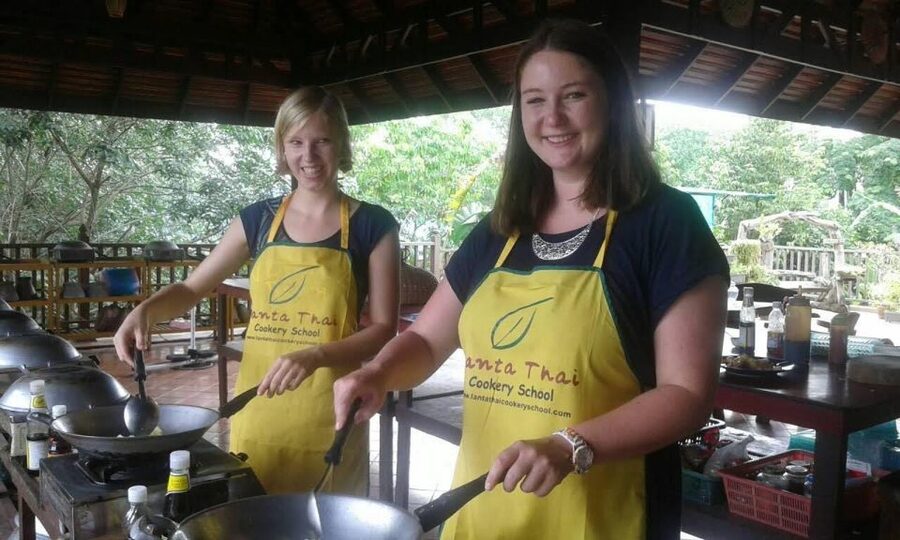
Lanta Thai Cookery School offers a four-hour evening class for $64 per person. That price includes round-trip hotel transport, water, coffee, tea, fruit, rice, a recipe book, and a cooking certificate.
The value comes from the amount of food and instruction packed into the evening. You do not just learn one recipe and sit down for a tasting. You choose four dishes with the group, prepare the ingredients, cook each dish yourself, and eat the results as the class moves along.
That format makes this a good pick if you want to bring Thai cooking home. You learn practical steps you can repeat in an ordinary kitchen, such as building a sauce, balancing sweet and sour flavors, preparing curry paste, and handling fresh herbs and vegetables.
The class is also a useful break from restaurant meals. Koh Lanta has plenty of good food, but cooking gives you a better feel for how Thai dishes fit together. You can ask questions as you work, taste the food while it is fresh, and leave with recipes rather than only photographs.
More Thai Classes in Thailand:
- Half-Day Thai Cooking Class at Organic Farm in Chiang Mai
★ 5.0 · 19,087 reviews - Chiang Mai: Cooking Class, Market & Thai Herbs Garden Tour
★ 4.9 · 4,824 reviews - Thai and Akha Cooking Class in Chiang Mai
★ 5.0 · 4,358 reviews
Reaching the teak house south of Long Beach
Pickup is by songtaew, the open-sided passenger vehicle commonly used in Thailand. The service covers hotels along the main road between Saladan in the north and Kantiang Bay in the south. The exact pickup time is confirmed by email after booking, so you should keep an eye on your messages.
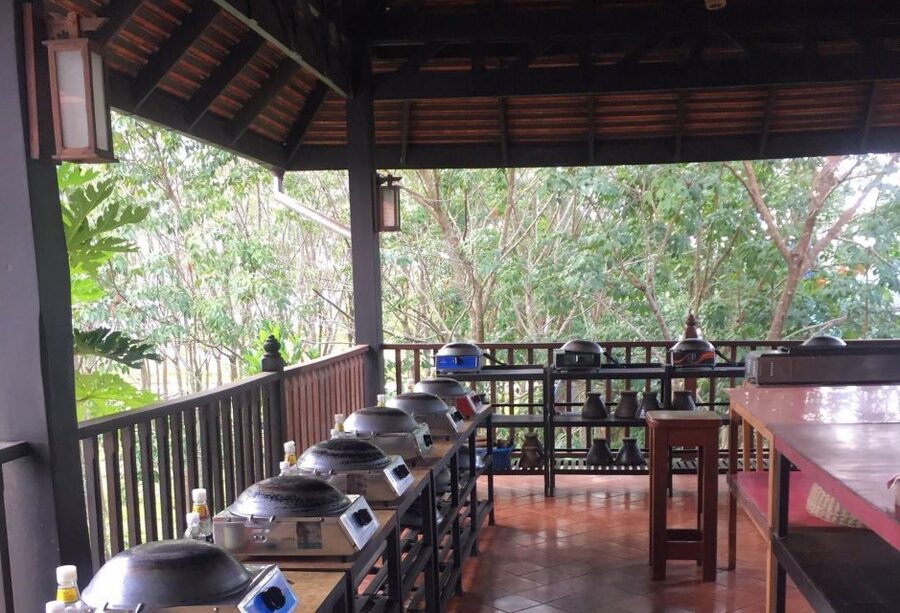
The school is inland, just south of Phra Ae Beach, also called Long Beach. It is not presented as a beachside cooking class. Instead, you head to a spacious teak-wood house surrounded by garden space. That setting gives the evening a more local, home-style feel than a standard city cooking studio.
The transfer is a real advantage if you do not have your own transport. You can also enjoy the meal without worrying about getting back to your hotel. Bring comfortable shoes and breathable clothing. Leave luggage and large bags behind, since they are not allowed in the class.
Mosquito repellent is a sensible extra. One past participant specifically suggested it, and the school’s garden setting means you may spend time outdoors before moving inside.
The garden walk puts Thai ingredients in context
The class starts with a welcome drink and a tour of the on-site organic garden. You see herbs, spices, and vegetables growing near the cooking house, with many ingredients used in the recipes coming from this garden.
This is a small part of the evening, but it helps connect the food to its ingredients. Thai menus can look familiar on paper, yet the flavor depends heavily on fresh herbs, chilies, aromatics, coconut, tamarind, and curry paste. Seeing the raw ingredients first makes the later preparation easier to follow.
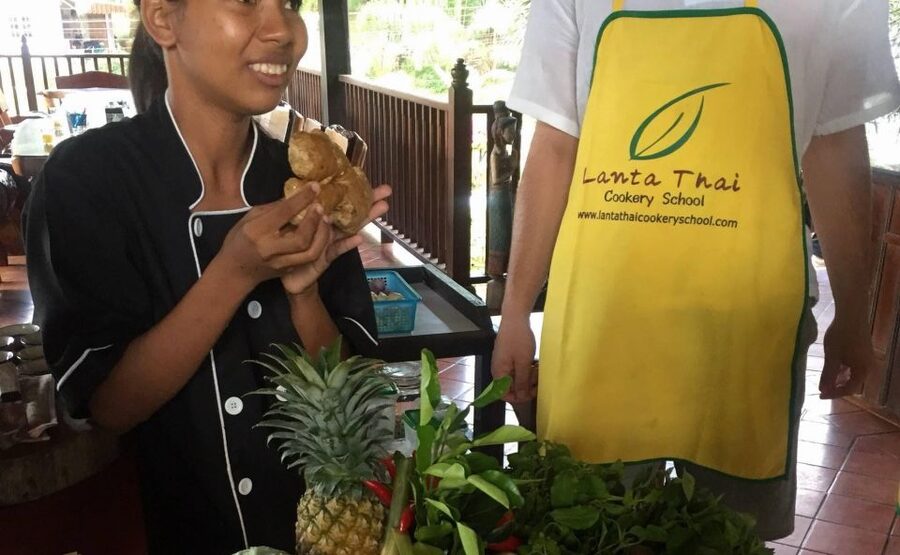
The garden walk also gives you time to meet the cooking team before the knives and woks come out. Chef Aon and Chien are named as part of the Thai teaching staff, and instructors such as San and Prim have also led classes. The teaching style is friendly and practical, with plenty of help at the workstations.
You should not expect a long botany lesson. The garden visit is a useful introduction, not a separate tour. Its real purpose is to show you where the food begins and help you recognize the ingredients once cooking starts.
Choosing four dishes from a changing menu
The class offers ten possible dishes, but the group selects four. The exact selection changes from one course to another, so you cannot assume that every listed dish will be prepared on your date.
The choices cover a good range of Thai cooking:
- Tom Kha, coconut soup with chicken, seafood, prawns, or vegetables
- Vegetarian spring rolls with homemade Thai sauce
- Golden Bag Thung Thong with chicken and prawns
- Som Tam, or green papaya salad
- Mixed vegetables with oyster sauce
- Seafood in tamarind sauce
- Massaman curry with beef or chicken, including the curry paste
- Larb with chicken or seafood, a spicy salad from Isan
- Sweet and sour stir-fried chicken or seafood
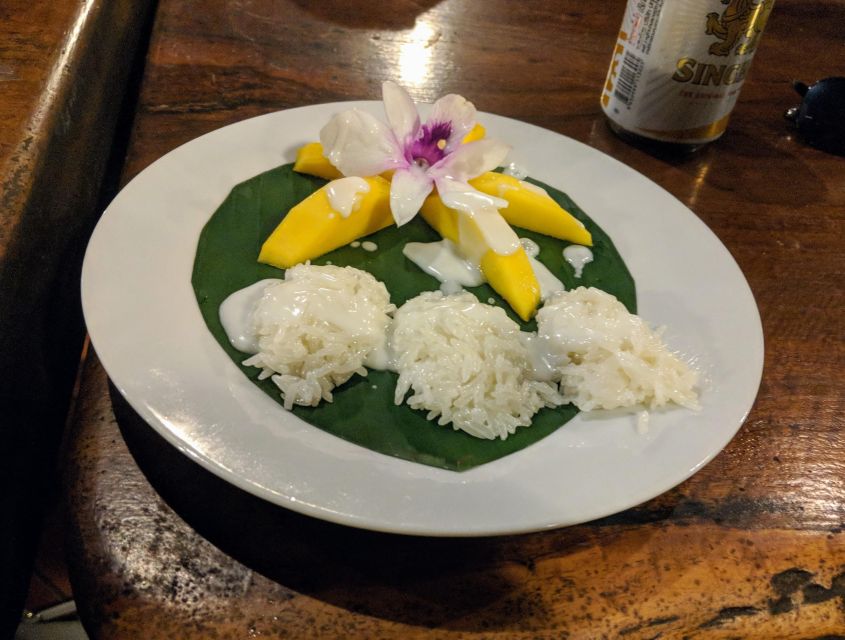
- Sticky rice with ripe mango
The group decision is part of the social side of the class, but it can also be the least predictable part. Four students may want curry, while others prefer noodles, salad, or seafood. You need to agree on a shared menu rather than order a private set of four dishes.
That said, the menu has enough variety to create a balanced meal. A soup or salad can sit beside a stir fry, curry, or seafood dish, followed by mango sticky rice if dessert is selected. If a particular dish matters to you, ask about the evening’s choices when the class begins.
More Evening Classes in Thailand:
- Chiang Mai: Evening Cooking Class and Local Market Visit
★ 4.9 · 648 reviews - Evening Cooking Class in Organic Farm with Local Market Tour
★ 5.0 · 394 reviews - Tingly Thai Cooking School Evening Class
★ 5.0 · 335 reviews - Cooking Evening Class Chiang Mai Visit Organic Garden and Market
★ 5.0 · 187 reviews
Cooking each dish from scratch
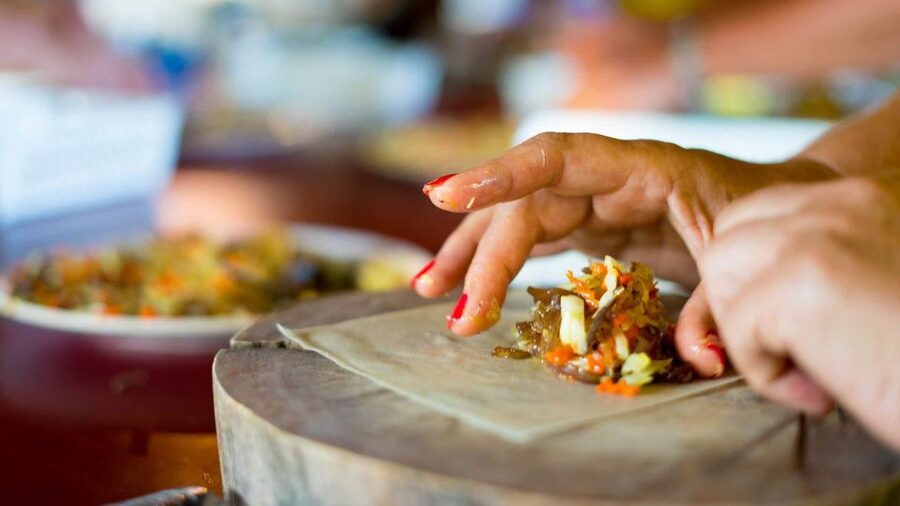
Once the menu is set, the class moves into preparation. The important detail is that each student cooks individually. You are not simply watching one central demonstration or dividing four dishes among the whole group.
The chef explains the process, then helps you prepare your own food. This gives you a chance to make mistakes safely and adjust the recipe to your taste. You can request vegetarian, vegan, non-spicy, or extra-spicy versions, and the school says all dishes can be adapted in those ways.
The curry course is especially useful if you want to understand Thai flavor building. Massaman curry includes making the paste, so you see more than the final simmering stage. Spring rolls include preparation of the dipping sauce, while dishes such as Som Tam and Larb show how Thai salads combine heat, acidity, salt, and sweetness.
The teaching team uses English and Thai. Instructions are designed to be followed in a practical setting, and several instructors are described as patient, funny, and easy to work with. You will still need to stay alert, particularly when the class moves from one step to the next.
Cooking four dishes in one evening is generous, but it keeps the pace moving. A class of seven to ten people should feel easier to follow than a full session of 12, especially if another group is also using the space.
Eating as you go, then packing the rest
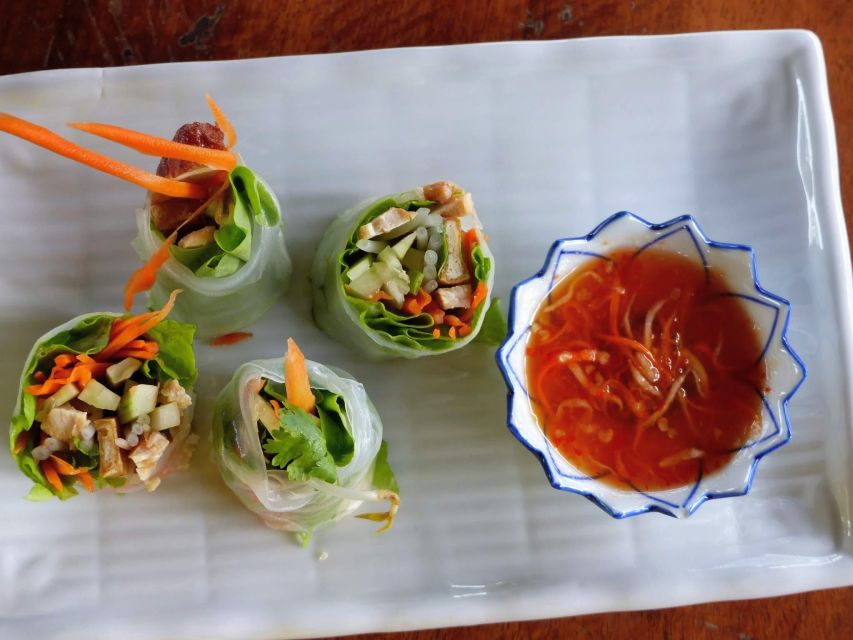
You eat the dishes as they are completed, rather than waiting until every plate is finished. That keeps the meal fresh and lets you see how each recipe tastes straight from the stove.
Go hungry. Four individually prepared dishes can add up quickly, especially when rice, fruit, and other shared ingredients are part of the evening. You are not just sampling small spoonfuls. The meal is one of the main rewards of doing the work.
Drinking water, coffee, tea, fruit, and rice are included. Some people have also enjoyed beer or other drinks during the class, but alcoholic drinks are not listed as part of the included package, so budget separately if you want them.
Any leftovers can be taken back to your hotel to share with friends or family. That is a practical touch, particularly if you are staying nearby and have a way to store the food. It also means the class does not have to end with a race to finish everything on the table.
Group size, teaching, and the pace of the evening
The advertised maximum is 12 students. In practice, the feel of the class can depend on the number booked and whether another group is being taught in the same area.
A group of seven is likely to give you a good balance of social energy and personal help. Sessions of eight to ten have also worked well, but the cooking area can feel busy once everyone is chopping, stirring, and plating. A full class of 12 may require more patience, particularly near the end when dishes need to be finished at roughly the same time.
The instructors receive the strongest praise for their manner. San is described as friendly and attentive, while Prim is remembered for being funny. Other classes have been led by cheerful, patient teachers who explain clearly and stay close enough to help.
That personal support matters because Thai cooking often involves quick timing. A sauce can change fast, and a wok does not wait politely while you search for an ingredient. The teachers help keep the process manageable, but you should expect to participate actively rather than sit back.
Families can enjoy the class, and children have a slightly reduced choice. Children can prepare two dishes rather than four. The activity is not suitable for children under two.
What you take home besides a full stomach
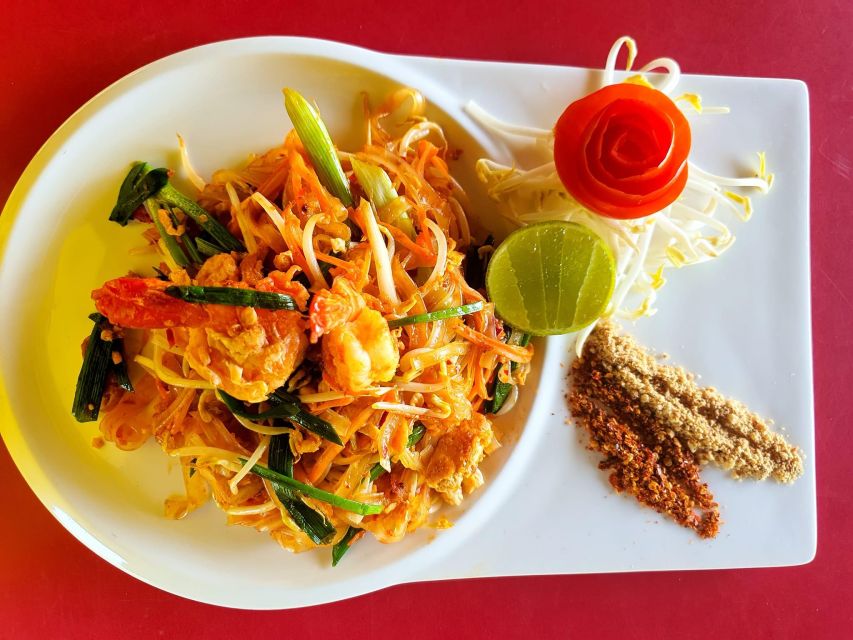
The recipe book is the most useful souvenir. It gives you something to refer to after the holiday, when you are trying to recreate the curry, salad, soup, or dessert without a Thai chef beside you.
The cooking certificate is a lighter memento, but it adds a nice finish to the evening. You also take home leftovers, subject to what you have prepared and can carry safely.
The bigger takeaway is confidence. Thai food can look complicated because the ingredient lists are long, yet many recipes rely on a clear sequence. Prepare the aromatics, make the paste or sauce, cook the main ingredients, then balance the flavor. Four dishes in one class help you see those patterns.
I would not treat the recipe book as a substitute for shopping advice or a full Thai culinary course. The class is designed for a holiday evening, not professional training. Still, it gives you enough technique to make the experience useful after you leave Koh Lanta.
Is $64 a fair price?
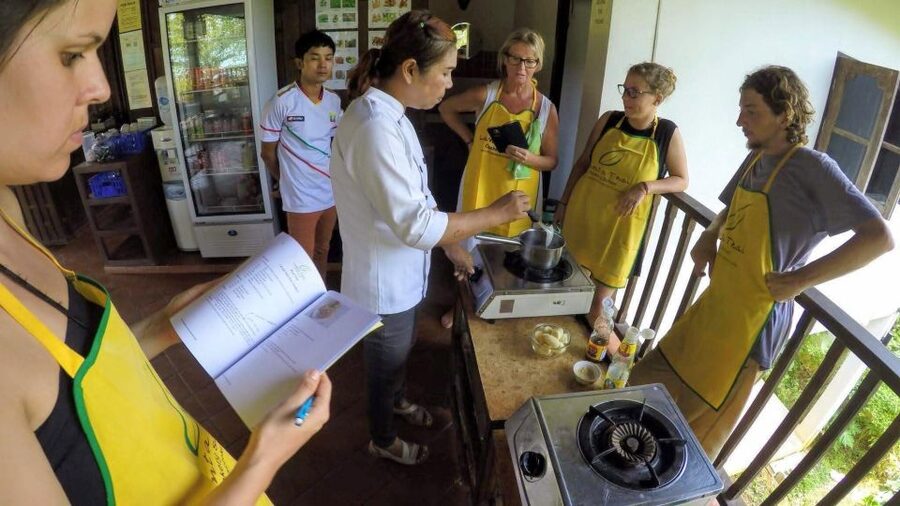
At $64, this is not the cheapest meal you can buy on Koh Lanta. But comparing it with the cost of dinner alone misses the point. You receive four hours of instruction, four dishes, drinks, transport, a recipe book, a certificate, and leftovers.
The hotel pickup is important value if you are staying along the covered route. A private transfer could otherwise add cost and planning, while the included songtaew keeps the evening simple.
The price makes the most sense if you enjoy cooking or want an activity beyond the beach. It is less appealing if you only want a quick demonstration or a single meal. You are paying for participation, instruction, and the setting as much as for the food.
Free cancellation up to 24 hours before the class and the option to reserve now and pay later also reduce the risk of fitting it into a changing island itinerary. Starting times vary, so check availability for your date.
Who should book this Koh Lanta cooking class?
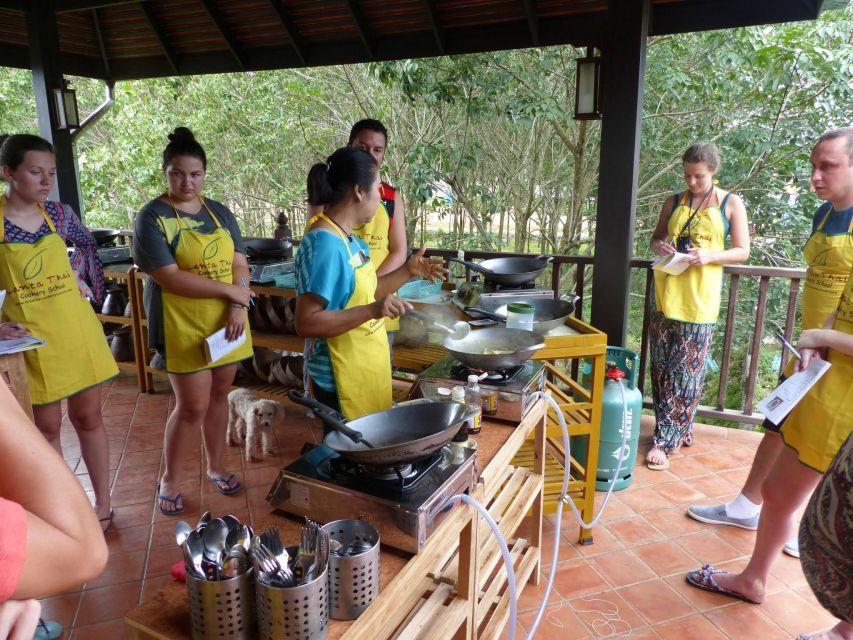
I would recommend it to couples, families with older children, and small groups of friends who want a shared evening activity. It also suits solo participants, since the format naturally puts you at a workstation with other people.
It is particularly good for you if:
- You want to learn recipes you can repeat at home
- You enjoy making your own meal rather than watching a chef
- You need vegetarian, vegan, mild, or spicy options
- You value hotel pickup and a relaxed evening schedule
- You want a practical souvenir from Thailand
- You are happy to agree on four dishes with the full group
Think twice if you dislike group decisions, have trouble standing and working for several hours, or need a very quiet class. The space can feel crowded at full capacity, and the final part may feel rushed when several dishes are being completed together.
For most people, I would book it. The garden, teak house, friendly instruction, and generous meal create a useful picture of Thai food beyond the restaurant table. Choose a smaller date if possible, arrive ready to cook, and bring mosquito repellent for the garden.
FAQ
How long does the Lanta Thai Cookery School evening class last?
The class lasts four hours. Starting times vary, so check availability for your chosen date.
What is included in the $64 price?
The price includes round-trip hotel transfer, drinking water, coffee, tea, fruit, rice, a cooking book, a cooking certificate, and leftover food that you can take with you.
Where does pickup operate?
Pickup is available from hotels on Koh Lanta along the main road between Saladan and Kantiang Bay. The exact pickup time is confirmed by email after booking.
How many dishes do I cook?
You cook four dishes during the evening. Children can choose two dishes.
Can the food be made vegetarian or vegan?
Yes. All dishes can be prepared vegetarian or vegan, and you can also request non-spicy food or as much spice as you like.
What dishes might be available?
The menu can include Tom Kha, vegetarian spring rolls, Golden Bag Thung Thong, Som Tam, mixed vegetables with oyster sauce, seafood with tamarind sauce, Massaman curry, Larb, sweet and sour stir fry, and mango sticky rice. The group chooses four, and the available selection changes.
What should I bring to the class?
Wear comfortable shoes and breathable clothing. Do not bring luggage or large bags. Mosquito repellent is also a useful item for the garden setting.
Newest classes around Thailand
- Authentic Thai Cooking Class and Farm Visit in Chiang Mai★ 5.0 · 66 reviews
- Aroidee’s Farm-Fresh Thai Cooking Experience★ 5.0 · 8 reviews
- Signature Thai Cooking Course★ 5.0 · 79 reviews
- Half Day Guided Thai Cooking Class in Chiang Mai★ 5.0 · 13 reviews
- Yummy Tasty Thai Cooking School in Chiang Mai★ 5.0 · 2 reviews
- Online Thai and Akha Cooking Class★ 5.0 · 70 reviews
- Northern Thai Cooking Class in Chiang Mai in a Countryside Home★ 5.0 · 2 reviews
- Private Half-Day Thai Cooking Class in Chiang Mai★ 5.0 · 4 reviews
Thailand Cooking Classes, compared.
Half-Day Thai Cooking Class at Organic Farm in Chiang Mai
Read our review →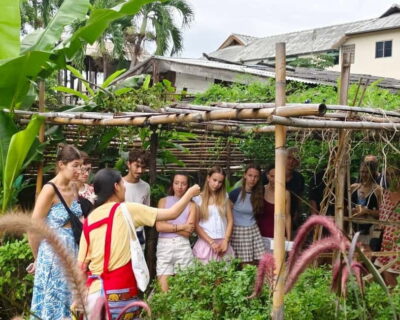
Cooking Class, Market & Thai Herbs Garden Tour
Read our review →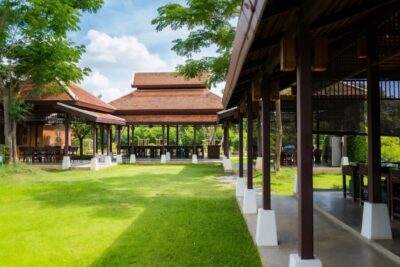
Authentic Cooking Class with Market & Farm Visit
Read our review →
Phuket Thai Cooking Class with Market Tour Option
Read our review →
Tingly Thai Cooking School Half-Day Cooking Class
Read our review →Browse the lists this tour appears in