
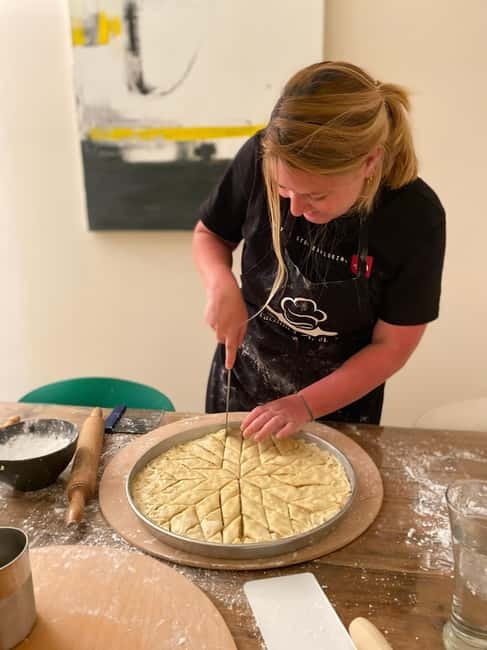
Review · ISTANBUL COOKING CLASSES
Istanbul: Turkish Baklava Cooking Class with a Local Host
The best part of this Istanbul experience is that you do not simply taste baklava, you learn the patient work behind it. In Rojda’s apartment, you prepare the dough, roll it into delicate layers, add walnuts, and pour warm syrup over the baked pastry. It is a close look at a Turkish family tradition.
I like the small group of up to six, which gives you room to work rather than watch from the back. I also like the personal link to Rojda’s grandmother, whose recipe brings family memory into the kitchen. The possible drawback is simple: if you want a fast food tasting, three hours of rolling and layering may feel long.
Key points
- A recipe with family roots: Rojda learned the craft from her grandmother and shares that tradition in her own home.
- Hands-on from start to finish: You prepare the dough, roll thin sheets, make walnut filling, bake the pastry, and add syrup.
- A true home setting: The workshop takes place in a cozy Istanbul apartment, not a large cooking school.
- Tea and a sweet reward: You eat your homemade baklava with Turkish tea after the baking is complete.
- A small group format: No more than six participants can join, making it easier to ask questions and take part.
- Something to take home: Extra baklava is included for you to enjoy later with family or friends.
Rolling Baklava the Patient Way
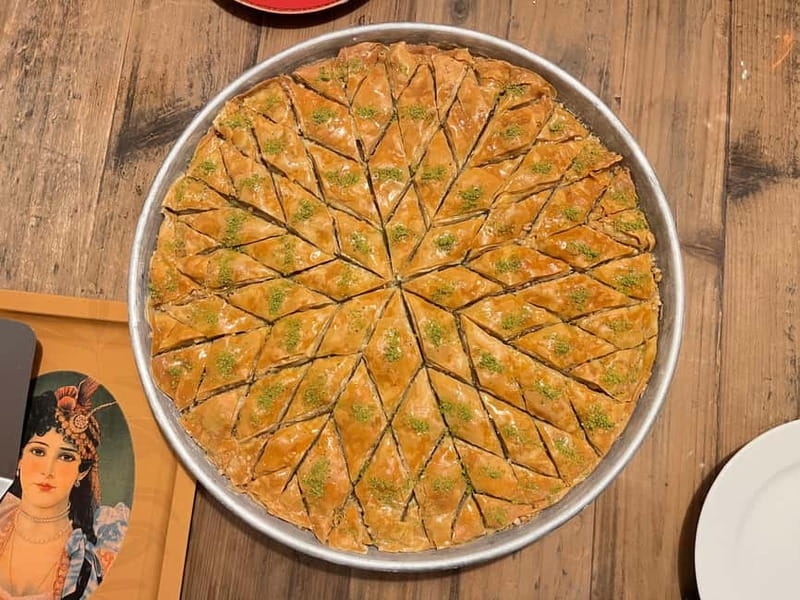
Baklava looks simple on a plate: crisp pastry, nuts, butter, and syrup. Making it is another matter. The class shows you why this dessert has such a strong place in Turkish food culture. Each layer matters, and the work rewards a calm pace.
You begin in Rojda’s home, where the setting is informal and personal. The smell of butter and warm syrup helps set the mood, but the real point is the work in front of you. This is not a demonstration where you sit quietly while someone else does everything.
You help prepare the dough, knead it, and roll it out into thin sheets. The finished pastry can include as many as forty layers. That number gives you a useful sense of the craft. Baklava is not a shortcut dessert. Its crisp texture depends on repeated, careful layering.
I like this part because it gives you a skill you can understand with your hands. You feel the dough change as you work it. You also see why homemade baklava can have a different character from a piece picked up at a pastry shop.
Do not expect every sheet to be perfect. That is part of the fun, and the small-group format should make it easier to ask Rojda for help. The class is aimed at participation, not a polished professional kitchen result.
More Greek Classes in Turkey:
- Greek Cuisine Cooking Class in Santorini with Recipes and Wine
★ 5.0 · 969 reviews - Greek Cooking Class in Athens Including Rooftop Dinner with Acropolis View
★ 5.0 · 826 reviews - Greek Small-Group Athens Cooking Class & Dinner
★ 5.0 · 574 reviews
Walnut Filling, Butter, and Warm Syrup
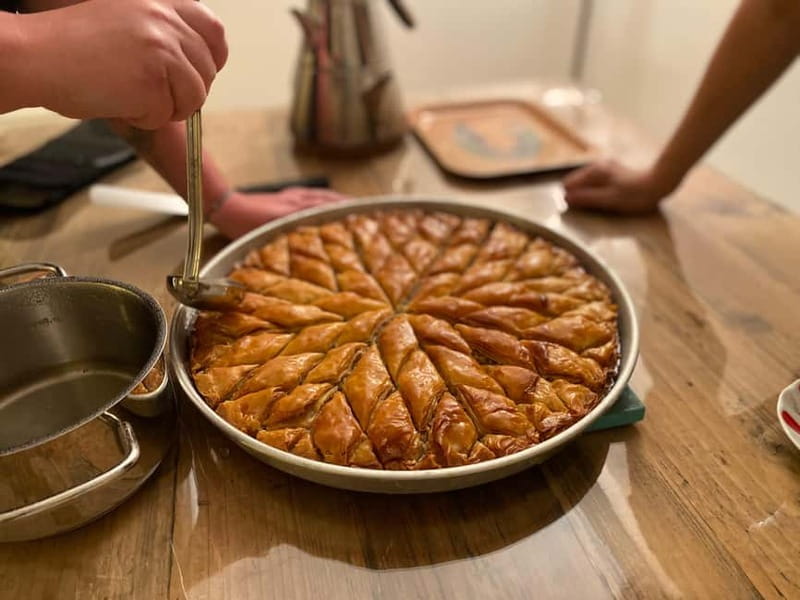
Once the pastry layers are ready, you prepare the sweet walnut filling. Walnuts give the baklava its earthy bite and keep the dessert from becoming only a mouthful of sugar. The filling is a key part of the balance between crisp pastry, nuts, and syrup.
You then assemble the baklava layer by layer. This is where the earlier rolling work pays off. The pastry needs enough care to create a delicate finished texture, while the filling must be spread so each portion has a fair share of walnuts.
The baked baklava receives warm syrup at the end. This step is more than a final topping. Syrup gives the pastry its familiar sweetness and helps create the soft, crisp contrast that makes baklava so appealing.
I would pay close attention here, even if you are mainly interested in eating. The order of the steps explains much of what makes Turkish baklava different from a simple nut pastry. You are not just following a recipe. You are learning the logic of the dessert.
The class information does not promise that you will master every technique in one visit, and that is a fair expectation. Rolling very thin layers takes practice. You should leave with a better understanding of the process, a recipe tradition to remember, and your own batch to enjoy.
Tea in a Cozy Istanbul Apartment
The home setting changes the tone of the activity. You are welcomed into Rojda’s apartment, where the class feels more like time spent in a Turkish kitchen than a formal lesson. That can be especially appealing if you want food to open a conversation about daily life and family customs.
Turkish tea is served with the baklava. The pairing makes sense: the strong, warm tea cuts through the pastry’s sweetness and gives you time to sit with what you have made. The meal is small, but the social side is important.
The apartment setting also means the experience is intimate. The group is limited to six people, so you will not be lost among a large crowd. You can watch closely, take your turn, and speak with Rojda in English or Turkish.
One especially personal touch came during a class when Rojda invited participants to join her family and a friend for dinner while the baklava baked. That offer is not listed as a guaranteed part of every session, so you should not book expecting a full dinner. Still, it shows the warm, open nature of the setting and the kind of unexpected connection that can happen in a home-based class.
If you prefer a highly structured cooking studio, this may feel less formal. If you like meeting people through food, the apartment is a major advantage.
What Three Hours Really Gives You
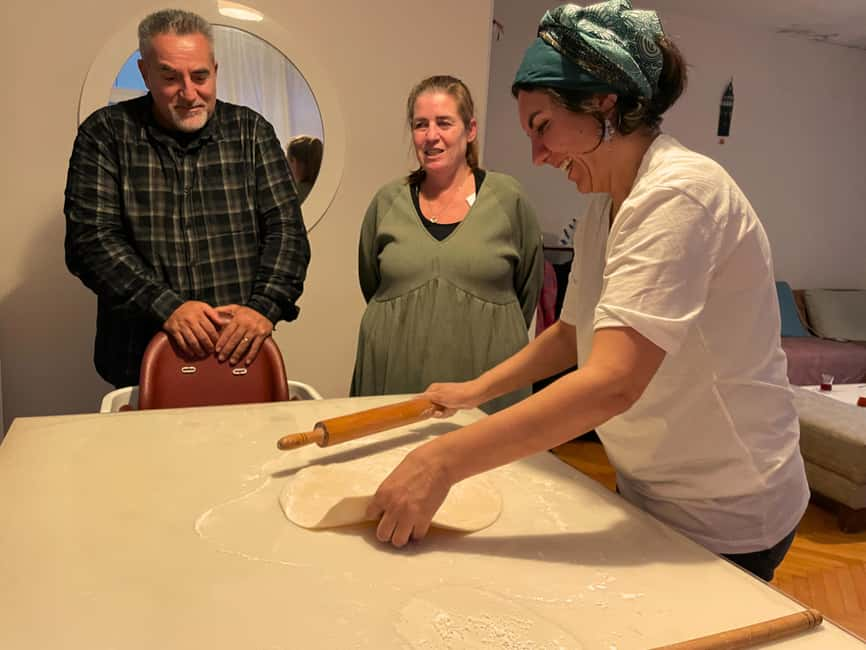
Three hours is a useful length for this activity. Baklava has enough stages that a short class could easily turn into a rushed demonstration. The longer session gives you time to make the dough, roll the layers, prepare the filling, bake, add syrup, and taste the result.
You also have time for conversation. Rojda learned the recipe from her grandmother, so the class carries a family story as well as a set of cooking instructions. Food traditions become easier to understand when you hear how they are passed from one generation to the next.
The timing may not suit everyone. If your Istanbul schedule is packed with major sights, a three-hour class takes a sizeable part of the day. You should also allow enough breathing room around the appointment, since the exact starting time depends on availability.
The benefit is that you are not being pushed through a quick tourist activity. You have time to handle the ingredients and understand why each step matters. For a dessert with many layers, that patience is part of the lesson.
More Cooking Classes in Turkey:
- Traditional Home Cooking with a Local in İstanbul City Center
★ 5.0 · 82 reviews - Traditional Home Cooking with a Local in İstanbul Center
★ 4.9 · 78 reviews - Farmers Market visit & Turkish Cooking Class
★ 5.0 · 60 reviews - Bodrum: Market Visit and Cooking Class
★ 4.9 · 41 reviews
The Value of $142 Per Person
At $142 per person, this is not a bargain dessert stop. You are paying much more than the price of baklava at a café or pastry shop. The value depends on what you want from Istanbul.
The fee includes the workshop, ingredients, tea, baklava to eat during the session, and additional baklava to take home. It also covers three hours of instruction in a small group of no more than six people. Those extras help explain the price, but the main value is the access to Rojda’s home and family recipe.
I would choose this experience for the personal instruction, not for the amount of food alone. If you only want to taste excellent baklava, a pastry shop will cost less and take less time. If you want to learn how the dessert is made and connect it with Turkish hospitality, the calculation changes.
The small group matters here. A class with six people or fewer gives you more direct contact with the host than a large commercial session. You are paying for attention, ingredients, a finished product, and a cultural exchange.
The price will make the most sense for couples, families, food-focused visitors, and anyone who enjoys taking a practical memory home. If your budget is tight, consider whether the cooking lesson is more important to you than another inexpensive meal or museum visit.
Who Will Enjoy This Class Most
This class is a good fit for people who like to do rather than simply look. You will knead, roll, fill, assemble, and pour. A little flour on your hands is part of the bargain.
It also suits anyone interested in Turkish home cooking. Baklava is widely known, but the class moves past the familiar finished product and shows you the work behind it. The grandmother’s recipe adds a personal thread that a standard pastry tasting cannot offer.
Families may enjoy the shared task, though the provided information does not specify an age minimum. You should confirm any age questions before booking. The same applies to dietary needs, since the class centers on traditional walnut baklava and no alternative ingredients are listed.
Couples and solo visitors can also fit well into the small-group format. You will have a natural setting for conversation without the formality of a restaurant meal. English and Turkish are the available teaching languages.
This may not be the right pick if you dislike sweets, walnuts, hands-on cooking, or spending time in a private home. It is also less suitable if you want to move quickly from one Istanbul sight to the next.
What You Take Home Besides Baklava
The included baklava to take home is a useful extra. It means the experience does not end when the tea is served. You can share the finished pastry with loved ones, or keep some for later if you have the willpower.
More important, you take home a clearer sense of how the dessert works. You will have seen the dough before it becomes pastry, handled the walnut filling, and watched syrup transform the baked layers. Those details make future bakery visits more interesting.
The cultural part is just as valuable. Rojda’s approach connects food with affection, family, and hospitality. The idea that baklava is something made for someone you love gives the work a human meaning beyond ingredients and technique.
That does not mean the class becomes a lecture on Turkish culture. The cultural insight comes through the kitchen itself, the recipe, the tea, and the chance to meet the host in her home. I prefer this kind of learning because it stays concrete.
Practical Details Before You Book
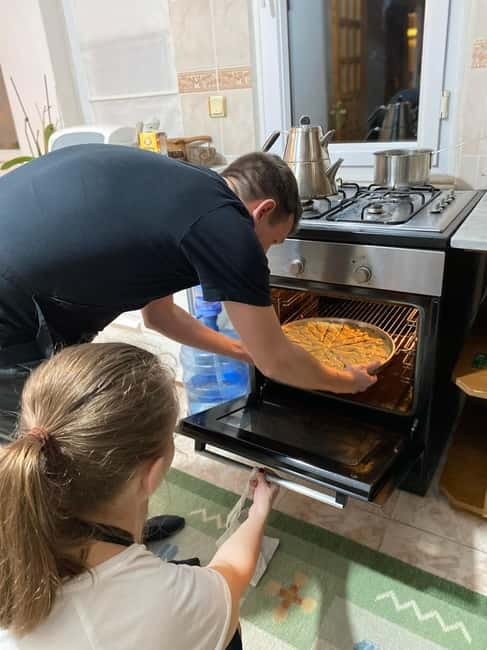
The meeting point is Rojda’s home, and the workshop takes place in a cozy Istanbul apartment. You should be comfortable with a home-based setting rather than expecting a public cooking school or a restaurant kitchen.
The class lasts three hours, with starting times available according to the booking calendar. English and Turkish are offered. The group size is limited to six participants.
Ingredients, tea, baklava, and baklava to take home are included. The activity is focused on making the dessert from scratch, including dough preparation, thin layers, walnut filling, baking, and warm syrup.
You can cancel up to 24 hours in advance for a full refund. You can also reserve now and pay later, which is useful if your Istanbul plans are still shifting. Those policies do not change the character of the class, but they reduce the risk of fitting it into a busy trip.
The available information does not specify transportation, accessibility details, dietary substitutions, or age requirements. Ask about those points before booking if any are important for you.
Should You Book Rojda’s Baklava Class?
Book it if you want a personal food experience with real participation. The combination of a six-person limit, a family recipe, hands-on dough work, Turkish tea, and baklava to take home gives the class more substance than a quick tasting.
I especially like it for visitors who have already seen plenty of Istanbul landmarks and want an evening or afternoon built around local hospitality. The invitation to meet Rojda’s family and friend, when offered, shows the kind of warm exchange that can make a home class memorable.
Think twice if $142 feels high for a dessert activity, or if you would rather spend three hours sightseeing. You can eat baklava for much less elsewhere. But you cannot get the same lesson, personal setting, and chance to make the pastry yourself by simply ordering a plate.
For food lovers, curious cooks, and anyone who believes the best souvenirs are edible and personal, this is a strong choice. Just arrive ready to work slowly, share the kitchen, and accept that your first paper-thin layer may need a little help.
FAQ
Where does the baklava class take place?
The workshop takes place in Rojda’s cozy Istanbul apartment, which is also the stated meeting point.
How long does the activity last?
The class lasts three hours. Available starting times depend on the booking schedule.
How many people can join?
The class is limited to six participants, making it a small-group activity.
Who teaches the class?
Rojda hosts and teaches the workshop. She learned the baklava recipe from her grandmother.
What languages are available?
Instruction is available in English and Turkish.
What will I make during the class?
You will make Turkish baklava from scratch. The process includes preparing dough, kneading and rolling it into thin layers, making a sweet walnut filling, baking the pastry, and adding warm syrup.
Is tea included?
Yes. Turkish tea and baklava are included in the experience.
Can I take baklava home?
Yes. Baklava to take home and enjoy with loved ones is included.
Does the price include ingredients?
Yes. The ingredients needed for the baklava workshop are included.
Can I cancel the booking?
You can cancel up to 24 hours in advance for a full refund. The activity also offers a reserve-now-and-pay-later option.
Newest classes around Turkey
- Bodrum Cooking Class★ 5.0 · 3 reviews
- Farmers Market visit & Turkish Cooking Class★ 5.0 · 60 reviews
- Cooking Class in Authentic Etrim Village★ 4.5 · 23 reviews
- Bodrum Cooking Class with Local Couple★ 5.0 · 6 reviews
- Turkish Cuisine Cooking Class at Local Home with Family★ 5.0 · 9 reviews
- Istanbul: Vegan/Vegetarian Cooking Class with Locals at Home★ 5.0 · 8 reviews
- Istanbul: Turkish Cooking Class with a Professional Chef★ 4.8 · 23 reviews
- Istanbul: Traditional Cooking Class with a Local Mom★ 5.0 · 2 reviews
Istanbul Cooking Classes, compared.
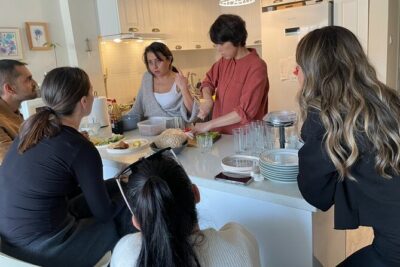
Traditional Home Cooking with a Local in İstanbul City Center
Read our review →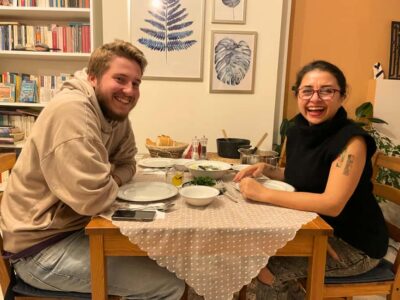
Traditional Home Cooking with a Local in İstanbul Center
Read our review →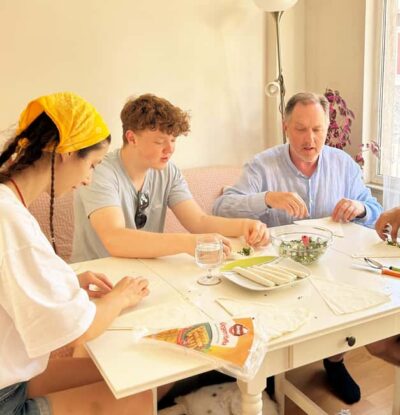
Authentic Turkish Cooking at a Local’s Home in Istanbul
Read our review →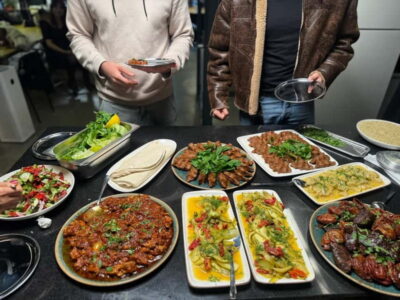
Istanbul Turkish Home Cooking Class with a Local
Read our review →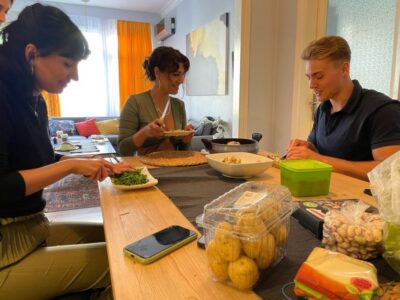
Vegan/Vegetarian Cooking Class with Locals at Home
Read our review →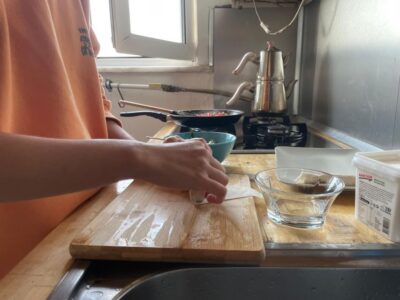
Authentic Turkish Breakfast Cooking at Home with Locals
Read our review →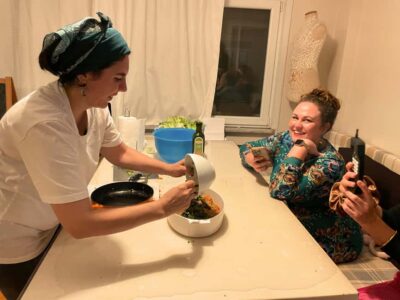
Browse the lists this tour appears in