Review · COOKING CLASSES
Slovenia: Belokranjska Pogača Cooking Class
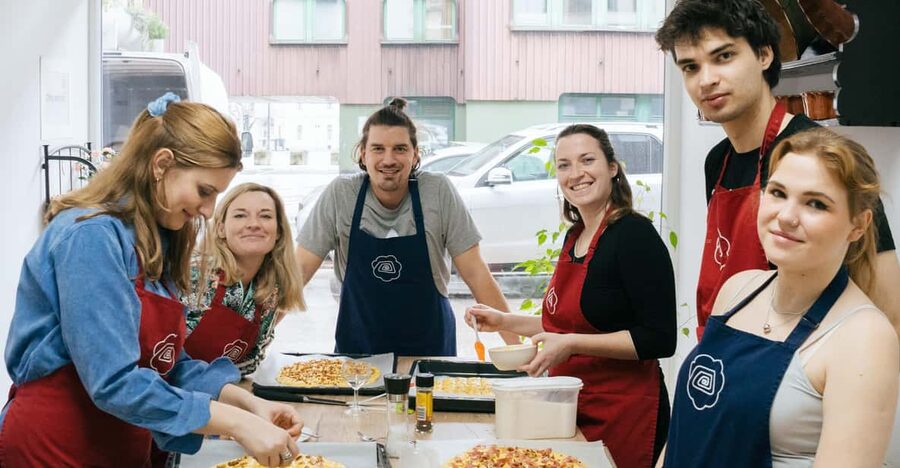
Belokranjska Pogača is more than a loaf of bread. In this small cooking class, Luka shows you how this savory specialty from Slovenia’s Bela Krajina region carries family customs, local pride, and the pleasures of a shared table. You knead, shape, bake, and eat your own creation.
I like the hands-on format and the chance to spend time with a host who talks about Slovenian people, history, and places as naturally as he explains the dough. I also like the small size, which keeps the class personal and has even allowed for a private lesson when only one person booked.
The main consideration is that this is a focused two-hour bread class, not a full meal or a broad Slovenian food tour. The meeting point can also take a little finding, so read the directions carefully before you arrive.
Key points at a glance
- Bake a protected Slovenian specialty: Belokranjska Pogača comes from the Bela Krajina region and is taught as a piece of living food tradition.
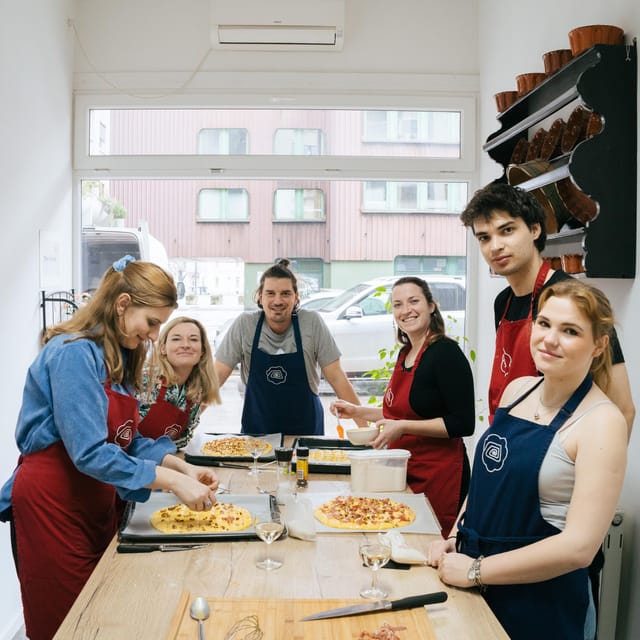
- Work at the kitchen table: You knead, roll, shape, and prepare the dough yourself rather than simply watching a demonstration.
- Learn with Luka: His English is strong, and the class includes conversation about Slovenia, its people, history, and countryside.
- Keep the group small: A maximum of 10 participants makes it easier to ask questions and get help with each stage.
- Plan for a slightly obscure meeting point: Look for the square, broken concrete fountain, and large clear shop window.
- Good value at $53: The fee covers the class, ingredients, equipment, baking, and tasting, with practical skills to take home.
Why Belokranjska Pogača makes a good Slovenian food experience
Many cooking classes teach a dish. This one gives you a way into a particular part of Slovenia. Belokranjska Pogača is tied to Bela Krajina, a southeastern Slovenian region with its own food customs and local character. The bread is simple enough to make in a short class, yet meaningful enough to explain how food passes from one generation to the next.
You are not just learning a generic flatbread. You are learning how a humble, savory bake can represent welcome, celebration, and time spent together. That cultural context matters because it turns the activity from a quick kitchen project into a small lesson in Slovenian life.
The class takes place around a large kitchen table, where Luka introduces the bread and explains why it matters. That setting is part of the appeal. You get the practical instruction first, but you also get a conversation about the country, which helps connect the recipe to the place where it belongs.
The recipe details provided for the class mention fragrant herbs, soft dough, and a golden crust. You will work with the ingredients and see how the dough changes under your hands. Since the finished bread is eaten warm, the result is immediate and satisfying.
More Cooking Classes in the world:
- Half-Day Thai Cooking Class at Organic Farm in Chiang Mai
★ 5.0 · 19,087 reviews - Florence: Pasta Cooking Class with Unlimited Wine
★ 4.9 · 10,285 reviews - 3 in 1 Cooking Class near Navona: Fettuccine, Ravioli & Tiramisu
★ 5.0 · 7,376 reviews
Meeting Luka and finding the small kitchen
Luka is the host named in the class experience, and his role goes beyond showing you a recipe. He explains each stage clearly, speaks excellent English, and can discuss Slovenian history, people, and geography while the dough rests. That combination is useful for visitors who want conversation rather than a silent demonstration.
One participant booked the class as a birthday surprise and found that the time spent talking with Luka added a second layer to the activity. Another person had a private class because no one else had booked that time. You should not count on a private lesson, but the group limit of 10 gives the class an intimate feel even when several people attend.
The meeting point deserves attention. You are looking for a small square surrounded by buildings with a broken concrete fountain in the middle. The shop has a large clear window. You can approach it by passing a Chinese restaurant near the old church, or by using a small passage through the building near the bus stop.
These directions are specific, but the location may still feel less obvious than a major attraction. I would allow a few extra minutes and keep Luka’s contact details handy. If you need afternoon parking, call him or contact him on WhatsApp. In the morning, free spaces may be available on the platform behind the building.
The first stage: a story before the mixing bowl
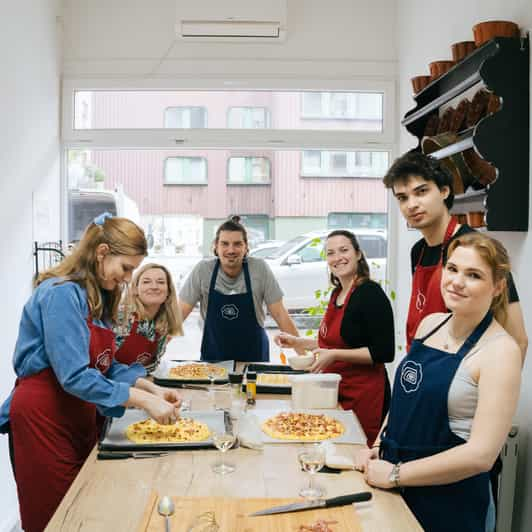
The class begins with an introduction to Belokranjska Pogača and its place in Slovenian culture. Luka explains how the bread has been passed down through Slovenian households and why it has a role at shared occasions. This opening gives you a reason to care about the method before you start handling flour and dough.
That approach works well for me. A recipe is easier to remember when you know what it means to the people who make it. You also get a useful sense of regional identity, since Bela Krajina is not treated as a decorative name on a menu. It is the source of the bread’s character.
The group then gathers around the kitchen table. All ingredients and equipment are supplied, so you do not need to bring baking tools or shop for special items. You can focus on the work rather than wonder if you have packed the right equipment.
If you are traveling with children or teenagers, the class may suit your group. Luka has shown that he can explain the process patiently to younger participants. The activity gives children a job to do at each stage, which is often more engaging than a standard sightseeing stop.
Kneading, rolling, and shaping your own bread
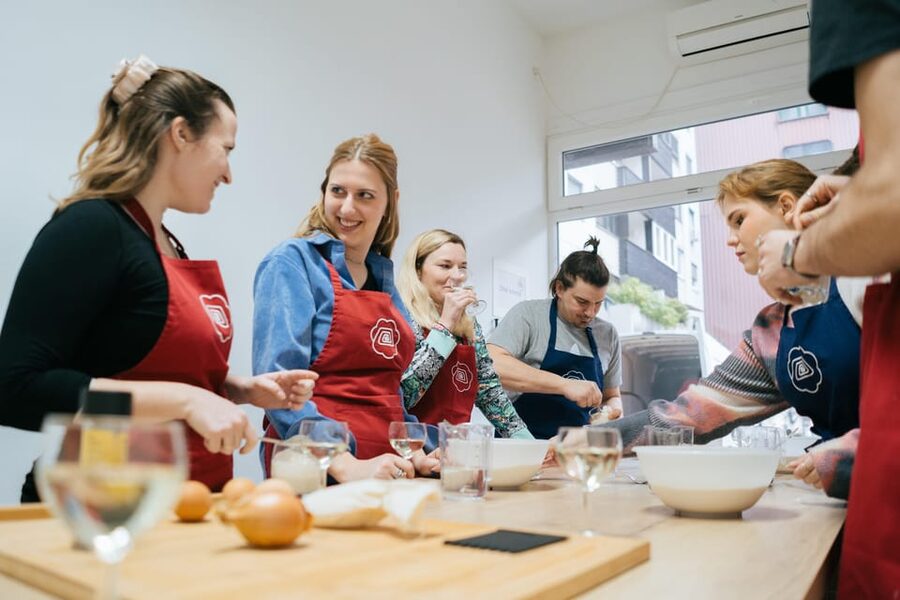
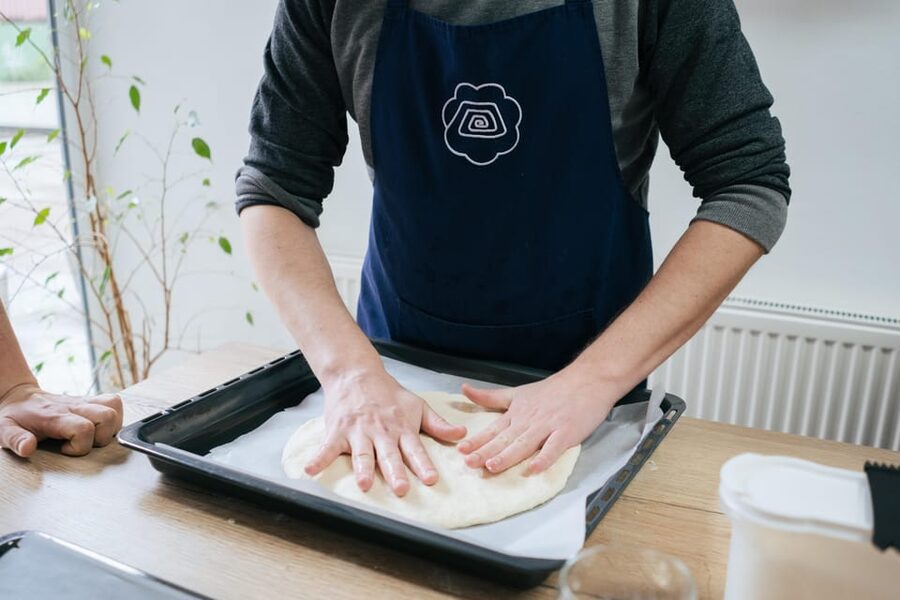
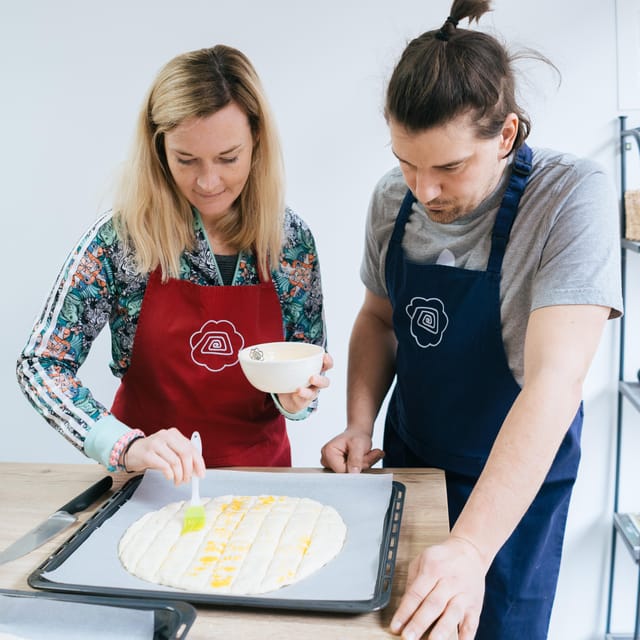
The hands-on work is the heart of the two-hour session. You knead the dough, roll it, and shape it with guidance from Luka. The wording matters here: you are not simply watching someone else prepare the bread while you stand behind a counter.
Luka explains how each step should feel and look, then lets you try. If your dough needs attention, the small-group format gives him room to help. You get the satisfaction of making the decisions with your own hands, while still having an expert nearby to keep the process on track.
This is also where the class becomes useful beyond the day itself. You leave with a method you can repeat, not only a photograph of a finished dish. The experience includes the ingredients, equipment, baking, and tasting, so you get both instruction and a complete result.
The bread’s simplicity is an advantage for a short class. You are not committing to a full day of complicated preparation. At the same time, the process includes waiting, since the yeast needs time to prove and the dough needs time to rise. That pause is built into the experience rather than treated as wasted time.
Same region, a different dish to learn:
- Florence: Pasta & Tiramisu Cooking Class with Unlimited Wine
★ 4.9 · 6,708 reviews - Florence: Pasta Cooking Class with Unlimited Wine
★ 5.0 · 6,413 reviews - Hanoi Cooking Class: Culture, Local Market & Meaning CSR Impact
★ 5.0 · 5,147 reviews - 5 Traditional Dishes Hanoi Cooking Class with Market Trip
★ 5.0 · 4,890 reviews
Waiting for the dough, with Slovenian conversation
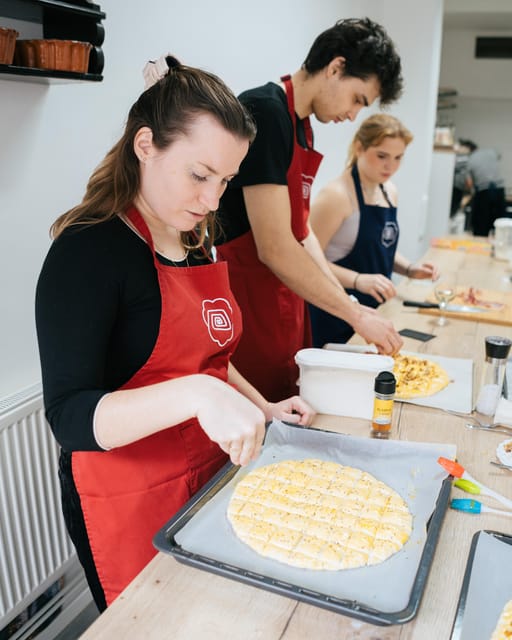
While the yeast proves and the dough rises, Luka fills the time with conversation. This is a useful part of the class because bread making naturally includes pauses. Instead of rushing to the oven, you can ask about Slovenia and hear about its history, people, and countryside.
Wine has also been offered during the class, including Slovenian wine in at least one session. It is best to treat this as a possible extra rather than a guaranteed part of the published package. Drinks are mentioned as available, but the key promise is the cooking lesson, ingredients, baking, and tasting.
The waiting period can be especially valuable for adults who want more than a basic recipe. You may find yourself talking about Slovenia beyond food, which gives the class a local, social quality. The activity is still centered on bread, but Luka’s conversation keeps it from feeling like a narrow technical workshop.
There is one practical limit. If you want a full introduction to Slovenian cuisine, this class covers one specialty rather than several dishes. You will learn about the culture around Belokranjska Pogača, but you should not expect instruction in desserts, main courses, or a complete meal.
Baking to a golden crust
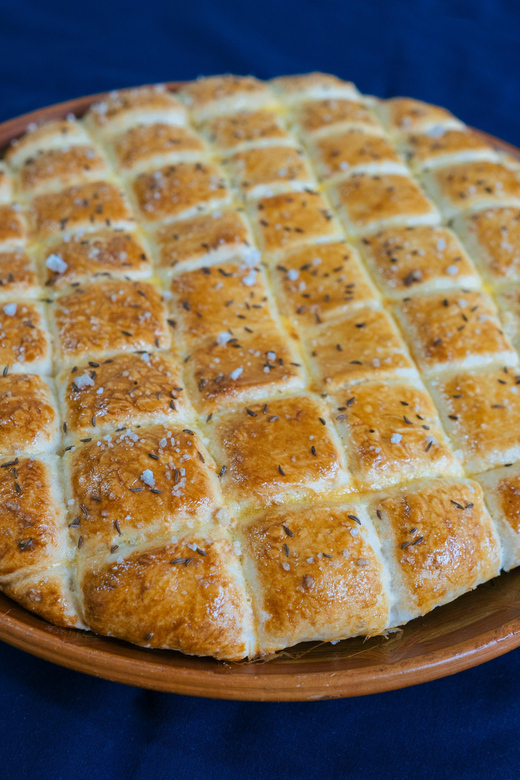
Once the bread is shaped and ready, it goes into the oven. The final stage gives the class a clear payoff: your work turns into a warm, crusty loaf that you can taste soon after baking.
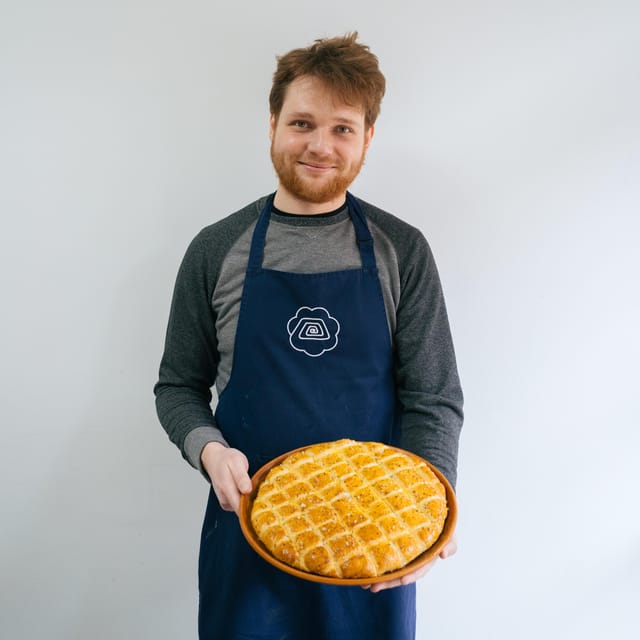
The sensory part is straightforward and appealing. The outside becomes golden, the center stays soft, and the herbs add an earthy note. Tearing into bread that you have just prepared gives the tasting more meaning than sampling a slice brought from a bakery.
You may also find that your loaf looks better than expected. One participant described feeling like an accomplished baker after each stage was explained clearly, and the finished bread looked good and tasted delicious. That is an important point for beginners. You do not need to arrive with professional baking skills.
The class does not promise that every loaf will come out perfectly shaped. That is part of the charm of a hands-on lesson. You get guidance, but the final bread remains your own work. Small variations are more likely to give you a useful memory of the process than a polished demonstration would.
Tasting the bread you made
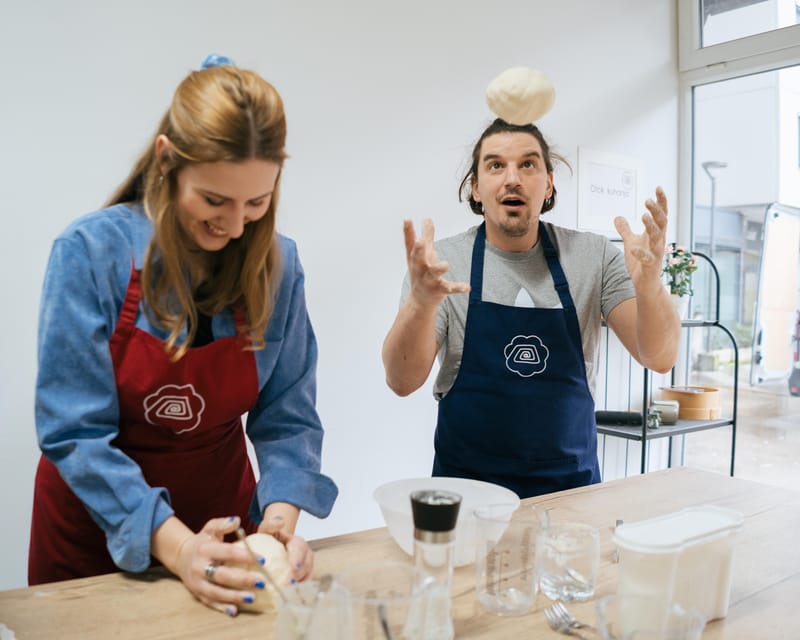
The tasting is not a separate restaurant course. It is the natural end of the baking session, when you eat the Belokranjska Pogača you prepared. The bread is served warm, so you can notice the contrast between the crust and the softer inside.
I like this kind of ending because it closes the loop. You hear about the tradition, work with the dough, wait for it to rise, bake it, and then sit down with the result. The taste becomes proof that the technique worked.
The class is also a good choice for a birthday activity or a small family outing. It has enough structure to feel special, but it is not so formal that you must behave like a professional cook. Adults can ask questions about Slovenia while younger participants stay busy with the dough.
If you are looking for a substantial lunch, plan another meal afterward. The information describes the opportunity to bake and taste your own bread, not a full spread of Slovenian dishes. Think of it as a cultural snack and practical lesson, with enough food to enjoy but not necessarily enough to replace lunch.
What $53 buys you in practical terms
At $53 per person, the class offers reasonable value for a two-hour activity. The price includes the instructor, all ingredients, cooking equipment, the chance to bake and taste your own bread, and the cultural explanation that gives the recipe meaning.
The value is strongest if you enjoy participation. You are paying for time with Luka, not just for a finished loaf. You also leave with a baking skill and a better understanding of a regional Slovenian food tradition.
The value is less clear if you only want to sample local food quickly. A bakery visit would be faster and probably cheaper, but it would not give you the preparation, conversation, or personal result. This class makes sense when the process matters as much as the bite.
The two-hour duration is compact enough to fit into a day of sightseeing. You can schedule it without giving up an entire morning or afternoon. Since starting times vary, check availability for the date you want.
Who should book this class
I would recommend it most strongly to:
- Couples who want a relaxed activity with conversation
- Families with children or teenagers who enjoy making things
- Food-minded visitors who prefer local specialties to standard tourist meals
- Solo visitors who like small-group instruction and meeting a local host
- Anyone looking for a birthday surprise or a break from museums and sightseeing
- Visitors who want a simple Slovenian recipe they can try again at home
The class also suits beginners. You are guided through kneading, rolling, and shaping, and all necessary supplies are provided. You do not need to arrive as a baker.
It may be less suitable if you want a large group party, a full meal, or several different recipes. It is also not ideal for anyone who dislikes waiting during food preparation, since the yeast and rising stages are part of the schedule.
The class is wheelchair accessible, and instruction is available in English or Slovenian. With a maximum of 10 people, it remains small enough for direct help and questions.
Final decision: is the Belokranjska Pogača class worth it?
I would book this class if you want an authentic, low-key introduction to Slovenia through food. Luka’s clear teaching, strong English, and willingness to discuss the country make the experience broader than bread alone. The private-session possibility is a bonus, though you should not assume you will have the room to yourself.
The main tradeoff is its narrow focus. You are learning one traditional bread, not taking a full culinary tour. Still, the combination of hands-on baking, local context, warm tasting, and a two-hour schedule makes $53 a fair price.
Bring a little patience for the meeting point, allow time to find the clear-window shop, and contact Luka if parking is unclear. If those details do not bother you, this is a friendly way to trade a routine sightseeing stop for flour on your hands and a warm piece of Slovenian tradition.
FAQ
How long does the Belokranjska Pogača cooking class last?
The class lasts two hours. Check the available starting times when choosing your date.
How much does the class cost?
The listed price is $53 per person.
Who teaches the class?
The class is led by Luka, who teaches the baking process and discusses Slovenian history, people, and places. The experience provider is identified as Polak Tomaž.
What languages are available?
Instruction is available in English and Slovenian.
What is included in the price?
The class includes hands-on instruction, the history and cultural background of Belokranjska Pogača, all necessary ingredients and cooking equipment, and the chance to bake and taste your own bread.
Where is the meeting point?
Look for a small square with a broken concrete fountain in the middle and a shop with a large clear window. You can reach it by passing a Chinese restaurant near the old church or through a small passage near the bus stop.
Is the class wheelchair accessible?
Yes, the activity is listed as wheelchair accessible.
Newest classes around the world
- Aroidee’s Farm-Fresh Thai Cooking Experience★ 5.0 · 8 reviews
- Authentic Thai Cooking Class and Farm Visit in Chiang Mai★ 5.0 · 66 reviews
- Signature Thai Cooking Course★ 5.0 · 79 reviews
- Half Day Guided Thai Cooking Class in Chiang Mai★ 5.0 · 13 reviews
- Yummy Tasty Thai Cooking School in Chiang Mai★ 5.0 · 2 reviews
- Online Thai and Akha Cooking Class★ 5.0 · 70 reviews
- Northern Thai Cooking Class in Chiang Mai in a Countryside Home★ 5.0 · 2 reviews
- Private Half-Day Thai Cooking Class in Chiang Mai★ 5.0 · 4 reviews
Cooking Classes, compared.
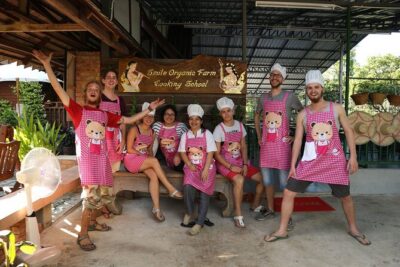
Half-Day Thai Cooking Class at Organic Farm in Chiang Mai
Read our review →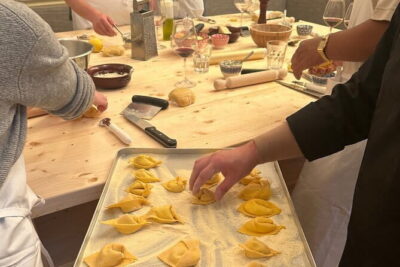
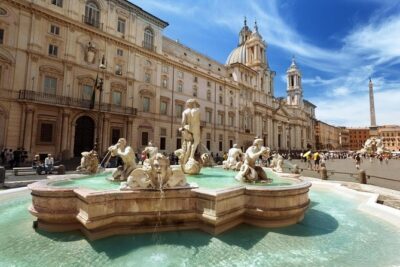
3 in 1 Cooking Class near Navona: Fettuccine, Ravioli & Tiramisu
Read our review →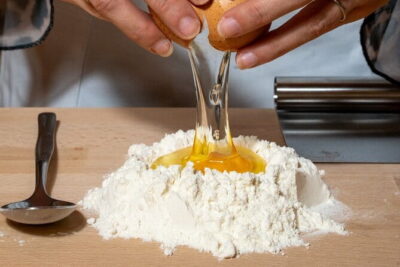
Pasta & Tiramisu Cooking Class with Unlimited Wine
Read our review →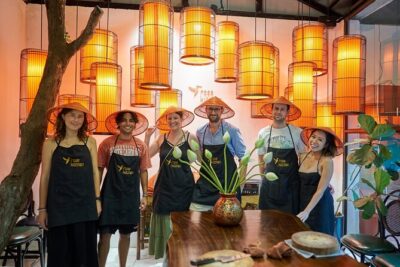
Hanoi Cooking Class: Culture, Local Market & Meaning CSR Impact
Read our review →
5 Traditional Dishes Hanoi Cooking Class with Market Trip
Read our review →