Review · BANGKOK COOKING CLASSES
Silom Thai Cooking School with Fresh Market Tour
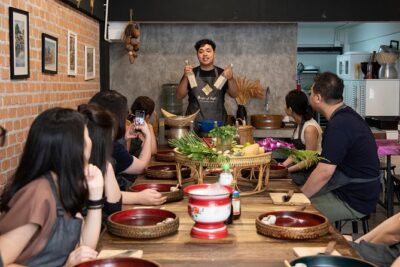
The best part of this Bangkok experience is the path from market stall to dinner plate. In the morning, you learn how Thai cooks choose ingredients, then return to Silom Thai Cooking School to prepare five dishes from scratch. I like the small class size of 10 and the way you eat each dish as you go, rather than waiting for one large meal at the end.
I also like the practical touch of the recipe book, which gives the class value after you leave Bangkok. The main drawback is simple: only the morning session includes the market visit, and the menu can change, so you cannot count on one exact set of dishes.
Key points to know before booking
- Morning market visit: Walk to a local market, learn about ingredients, and taste some fresh fruit before class.
- Five Thai dishes: Prepare food from scratch, with menus that may include pad thai, tom yum, green curry, som tum, and mango sticky rice.
- Small groups: Classes are limited to 10 participants, allowing the instructor to offer hands-on guidance.
- Three class times: Choose morning, afternoon, or evening, but only the morning option includes the market.
- Food included: All ingredients, the dishes you cook, and a recipe book are part of the price.
- Useful meeting tip: Morning participants should arrive between 8:30 and 8:45 a.m. for the 8:45 market departure.
Starting at Silom Thai Cooking School
The class begins at Silom Thai Cooking School, at 6/14 Decho Road in Bangkok’s Bang Rak district. You meet at the school, not at your hotel, and the activity ends there as well. Hotel pickup and drop-off are not included, so plan your own way to the meeting point.
The location is near public transportation, which makes this easier than a cooking class far outside central Bangkok. Still, allow extra time for Bangkok traffic and finding the exact address. For the morning class, arriving by 8:30 to 8:45 a.m. is important. The group starts organizing for the market at 8:45, and the latest useful arrival time is 9:05. After that, the market visit is already under way, and late arrivals wait at the school until the class returns.
That timing is worth taking seriously. The market is not a decorative extra that you can join halfway through. It is the opening lesson, and missing it means losing the part that explains where the ingredients come from.
More Cooking Classes with a Market Tour in Bangkok
- Bangkok: Hands-on Thai Cooking Class and Market Tour
★ 4.9 · 1,614 reviews - Bangkok: Maliwan Thai Cooking Class with Market Tour
★ 4.9 · 1,133 reviews - Hands on Thai Cooking Class and Market Tour
★ 5.0 · 660 reviews
The morning market makes the food easier to understand
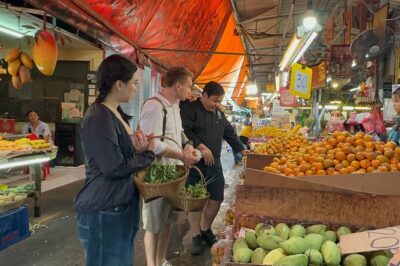
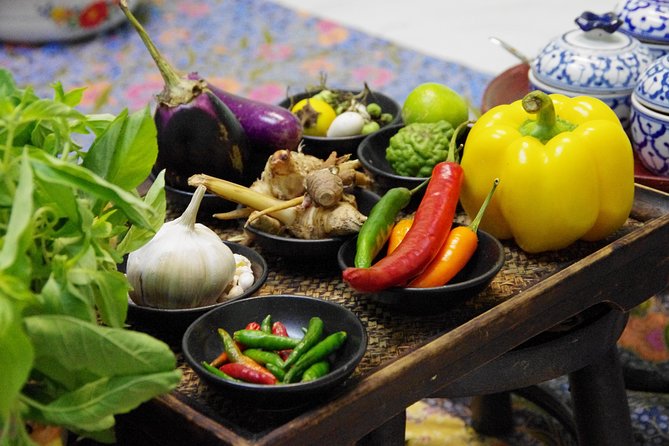
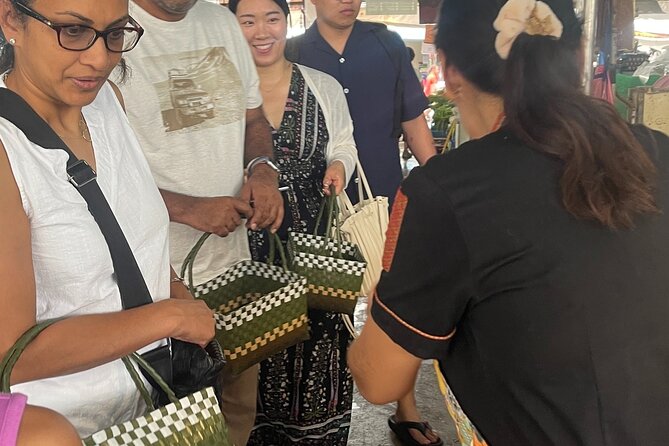
The morning class includes a guided walk to a local market. You learn how to choose the ingredients used later in the kitchen, which gives you a better sense of Thai cooking than simply receiving premeasured bowls at school.
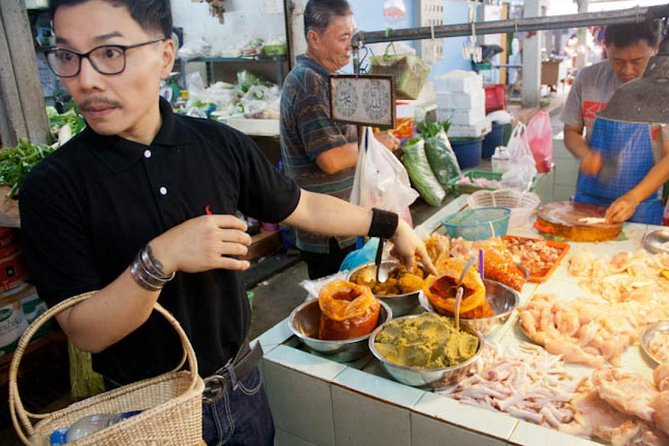
This is also where the experience feels most connected to daily Bangkok life. You see the raw ingredients before they become lunch, and the guide explains what to look for when buying them. Some participants also get to taste different fruits during the visit.
I would choose the morning session if this is your first time in Thailand or if food is a major reason for your trip. The market adds context to familiar dishes. Pad thai is not just noodles, and tom yum is not just soup. The shopping walk helps you understand the herbs, vegetables, curry ingredients, and fresh produce behind the final flavors.
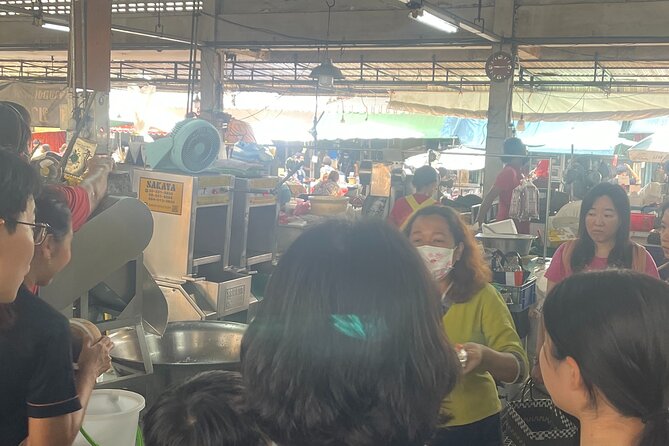
The market visit is described as a quick walk, not a long food tour. Do not book this expecting hours of wandering through Bangkok’s markets. Its purpose is focused and useful: identify the ingredients, learn how to select them, and return to cook.
The afternoon and evening sessions may suit your schedule better, especially if you have morning sightseeing planned. Just remember that they do not include the market visit.
Five dishes prepared from scratch
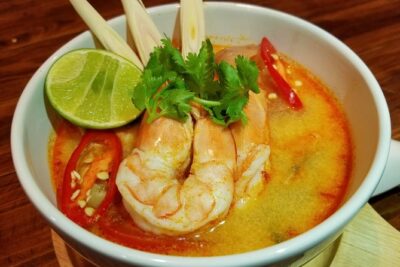
Back at the school, the instructor guides you through five Thai dishes. The exact menu can change, but the supplied examples include pad thai, tom yum, Thai green curry, som tum, and mango sticky rice.
That range is one of the class’s strengths. You are not preparing five versions of the same kind of food. Instead, you get a taste of noodles, soup, curry, salad, and dessert. Reviews also describe the class as easy to follow for people who are not confident cooks.
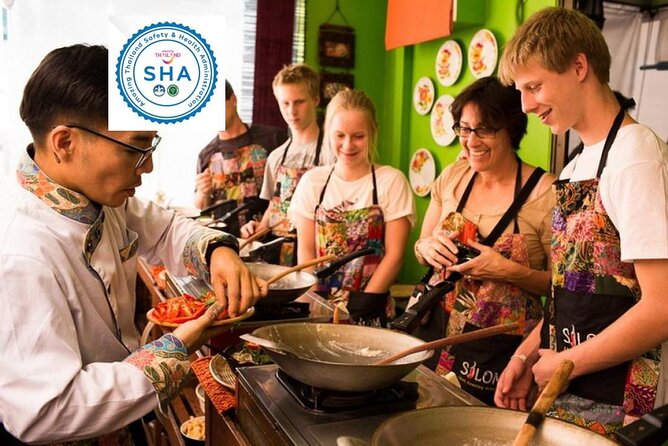
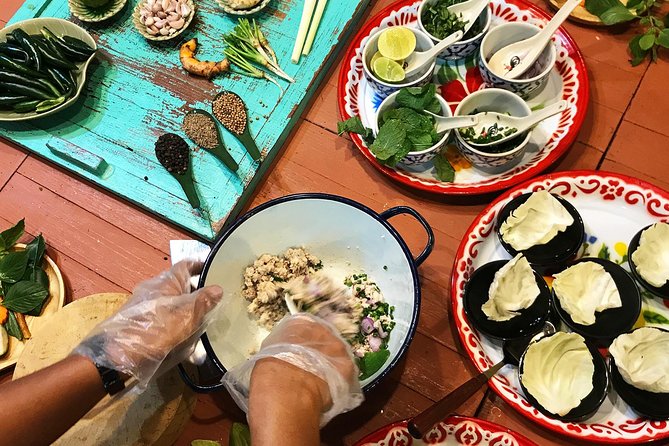
The method is hands-on. You prepare the ingredients, follow the cooking steps, and work with guidance from the chef rather than simply watching a demonstration. The instructors explain how each stage affects the finished dish, from preparation through cooking and plating.
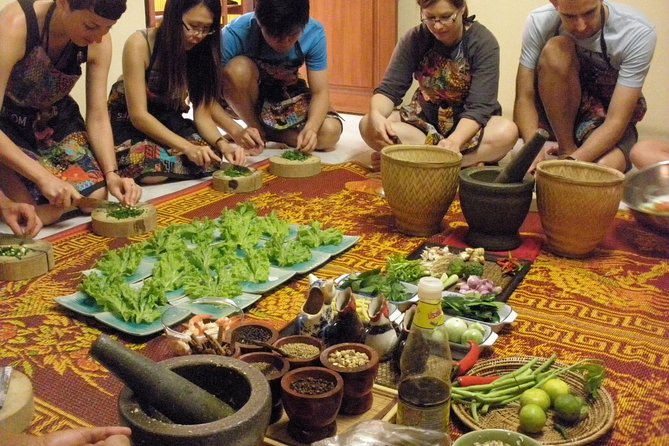
This matters because Thai food can look simple on the plate while requiring careful timing. A good class helps you understand the order of the steps, not just the list of ingredients. The school’s setup separates preparation, cooking, and eating areas, and the workstations are reset as the class moves from one course to the next.
You should come hungry. You eat what you make, and five dishes can add up to a serious meal. Some classes are described as three courses in individual feedback, while the official details specify five Thai dishes. Since menus and courses may change, treat five as the planned format rather than a promise of five particular plates.
Instructors who keep the class moving
The teacher has a large effect on a cooking class, and this one puts the instructor at the center of the experience. Names praised in the supplied feedback include Ju, Nuy, Toom, Choochoo, and Jewel. You may not have one of these particular instructors, but the repeated pattern is clear: the class depends on a friendly teacher who can explain each step and keep the group involved.
Ju is described as making the experience professional, informative, and well organized. Nuy received praise for patient instruction, while Toom was remembered for humor and energy. Choochoo was noted for explaining things patiently, and Jewel kept the class interesting while moving everyone through preparation and cooking.
That mix of humor and instruction seems important. Thai cooking involves unfamiliar ingredients and techniques, but the class is designed for ordinary home cooks, not professionals. Even if your knife work is slow or your curry needs help, the format gives you a guided route through the recipes.
English-language instruction is available. One review specifically notes that the instructor’s English was very good, and the class is presented as suitable for most participants. If you have dietary restrictions, tell the operator when booking rather than waiting until the cooking begins.
More Cooking Classes with a Market Tour in Thailand
- Tingly Thai Cooking Class with Morning Market Tour
★ 5.0 · 589 reviews - Hands-on Thai Cooking Class & Market Tour in Sukhumvit
★ 5.0 · 571 reviews - Pink Chili – Thai Cooking Class and Market Tour in Bangkok
★ 5.0 · 416 reviews - Authentic Thai Cooking with the Largest market visit &TukTuk ride
★ 5.0 · 350 reviews
What the meal is really worth
The listed price is $58.67 per person. That is not the cheapest meal you can buy in Bangkok, and it should not be judged as a simple restaurant lunch. You are paying for a three-hour activity, a market visit in the morning, instruction, ingredients, five dishes, the meal, and a recipe book.
The value is strongest if you want an activity that teaches you something and gives you a meal at the end. The recipe book also extends the experience beyond the holiday. You can try the dishes at home instead of leaving with only photographs.
The class is limited to 10 participants, which helps justify the price. A smaller group means less waiting for a turn and a better chance of getting direct help from the instructor. It also makes the class more comfortable for solo participants. One person joined alone and found the setting welcoming rather than awkward.
If your priority is simply eating excellent Thai food for the lowest possible cost, go to a local restaurant. If you want to understand how the food is made and enjoy a social activity, the price is reasonable for Bangkok.
A clean, organized kitchen setup
The school’s organization is a major practical advantage. The preparation area, cooking area, and eating space are separate, and the next station is prepared while you eat each dish. That keeps the three-hour schedule moving without making you feel rushed.
Clean equipment and a comfortable cooking environment are also repeatedly praised. This matters in a class where several people are chopping, mixing, and cooking at once. Good organization reduces clutter and makes it easier to concentrate on the food.
The format has a pleasant rhythm. You learn a dish, prepare it, cook it, and eat it. Then you return to the work area for the next course. Instead of sitting through a long demonstration, you stay active for much of the class.
Still, this is a group class, not a private lesson. With up to 10 people, the instructor must keep everyone on the same schedule. If you want to spend a long time experimenting with one recipe or ask constant individual questions, a private class would be better, but no private option is included in the information provided here.
Dietary needs, children, and the menu
A vegetarian option is available, but you should notify the operator when booking if you have dietary restrictions. That is especially important in a class where ingredients are bought or prepared as part of a fixed menu.
The menu and courses can change. You might cook some of the well-known dishes listed above, but the school does not promise one exact combination for every date. This flexibility is normal for a cooking school using fresh ingredients, but it matters if you are booking specifically to learn pad thai or mango sticky rice.
Children under six receive free admission, limited to one child per group. Children aged six and older need an adult ticket. The class is described as suitable for most participants, and young children have been treated patiently in past classes, but parents should remember that cooking involves a shared work area and a three-hour schedule.
The class has also been described as halal by a participant. If that is essential for you, confirm the current arrangements directly when booking, since the supplied details specifically guarantee a vegetarian option but do not give a full dietary certification statement.
Choosing morning, afternoon, or evening
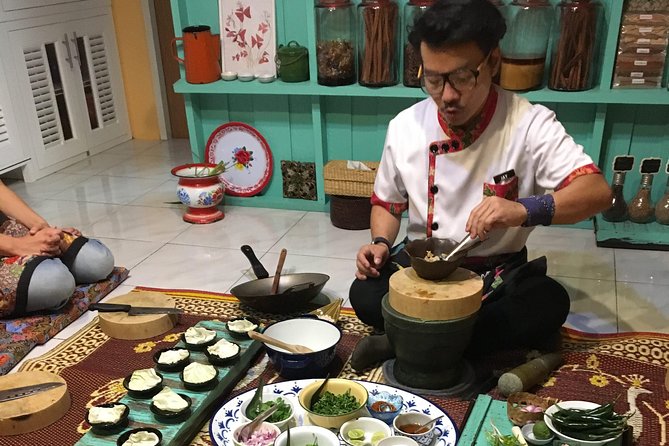
The three-hour experience is offered in morning, afternoon, and evening versions. The choice depends mainly on what you want from the day.
Choose morning if:
- You want the local market visit.
- You enjoy seeing ingredients before cooking.
- You can reach Decho Road by 8:30 to 8:45 a.m.
- You want a substantial lunch after the class.
Choose afternoon if you have morning plans but still want hands-on cooking. You will miss the market, but you retain the class, meal, ingredients, and recipe book.
Choose evening if you want a food activity after sightseeing. It can fit neatly into a Bangkok day, but again, there is no market visit in the evening session.
The morning option offers the fullest experience. The later sessions may be more convenient, and convenience can matter just as much when you are working around Bangkok heat, traffic, and a packed sightseeing plan.
Who will enjoy this cooking class most
I would recommend this for anyone who likes to learn by doing. It works particularly well for first-time visitors who want more contact with Thai food than a restaurant meal provides.
It is also a good choice for solo participants. The group is small, and the shared preparation gives you an easy way to meet people without forced social activities. Couples and families can enjoy it too, especially because the meal is made by the group and eaten together.
People who already cook Thai food regularly may find the class basic. The strength is clear instruction and a friendly structure, not advanced culinary training. The experience is aimed at helping you reproduce classic dishes at home.
You should also think about the timing. If you dislike early starts, cannot arrive on time, or have strict dietary requirements that need detailed handling, check those points before booking.
Cancellation and practical booking notes
You can cancel up to 24 hours before the start time for a full refund. Cancellations or changes made less than 24 hours before the experience are not refunded or accepted.
The activity requires a minimum number of participants. If that minimum is not reached and the class is canceled, you are offered another date or experience, or a full refund.
Confirmation is provided at booking, and mobile tickets are accepted. Since the meeting point is also the end point, you should plan onward transportation after the meal rather than expecting a hotel transfer.
Should you book the Silom Thai Cooking School?
Book it if you want a practical, friendly introduction to Thai food rather than another sightseeing stop. The morning market walk, hands-on preparation, small group, and recipe book make it more useful than a short cooking demonstration.
I would choose the morning class and arrive early enough to join the market from the start. You get the best sense of how Thai ingredients move from local shopping to home cooking, then finish with five dishes you helped prepare.
Skip it if you only want a quick meal, need a guaranteed menu, or prefer a private and highly specialized lesson. For most visitors who enjoy food and want a relaxed three-hour activity in central Bangkok, this is a strong-value choice.
FAQ
How long does the Silom Thai Cooking School experience last?
The experience lasts approximately three hours, including the cooking class and meal.
Where does the class meet?
You meet at Silom Thai Cooking School, 6/14 Decho Road, Khwaeng Suriya Wong, Khet Bang Rak, Bangkok 10500, Thailand.
Does the tour include hotel pickup?
No. Hotel pickup and drop-off are not included. The class starts and ends at the cooking school.
Is the market visit included in every session?
No. The fresh local market visit is included with the morning session only. Afternoon and evening classes do not include it.
What time should I arrive for the morning class?
Arrive between 8:30 and 8:45 a.m. The group begins organizing for the market at 8:45 a.m. The latest arrival time to join the market is 9:05 a.m.
How many people can join each class?
Each class has a maximum of 10 participants.
How many dishes will I cook?
The planned format includes five Thai dishes, but the menu and courses may change. Examples include pad thai, tom yum, green curry, som tum, and mango sticky rice.
Are vegetarian meals available?
Yes. A vegetarian option is available. Tell the operator about dietary restrictions when booking.
What is included in the price?
The price includes the cooking class, all ingredients, the dishes you prepare and eat, and a recipe book. The morning option also includes the local market visit.
More Thai Classes in Bangkok
- Bangkok: Tingly Thai Cooking School Half-Day Cooking Class
★ 4.9 · 1,191 reviews - Tingly Thai Cooking School Evening Class
★ 5.0 · 335 reviews - Tingly Thai Cooking School Afternoon Class
★ 5.0 · 291 reviews - Bangkok: White Lotus Thai Cooking Class with Market Tour
★ 5.0 · 285 reviews
Newest classes around Bangkok
- Thai cooking class experience in Bangkok with Tingly Thai cooking school★ 5.0 · 59 reviews
- Thai Cooking Class in Bangkok★ 5.0 · 23 reviews
- Hands-On Thai Cooking Class Bangkok with Local Chef (Small Group)★ 5.0 · 119 reviews
- Bangkok Udomsuk Thai Cooking Class with local market tour★ 5.0 · 5 reviews
- Thai Cooking Class★ 5.0 · 25 reviews
- Baipai Thai Cooking School: Authentic Cooking Class Tour★ 5.0 · 3 reviews
- Sompong Thai Cooking School★ 5.0 · 92 reviews
- Sompong Thai Cooking School: Hands-On Culinary Experience★ 5.0 · 4 reviews
Bangkok Cooking Classes, compared.
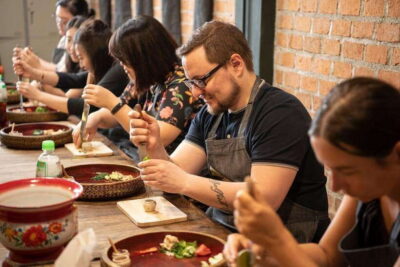
Tingly Thai Cooking School Half-Day Cooking Class
Read our review →
Tingly Thai Cooking Class with Morning Market Tour
Read our review →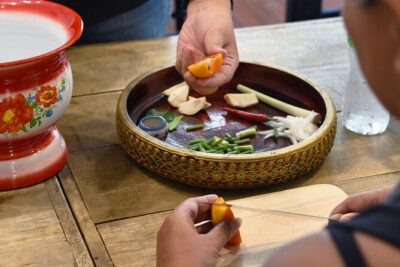
Hands-on Thai Cooking Class & Market Tour in Sukhumvit
Read our review →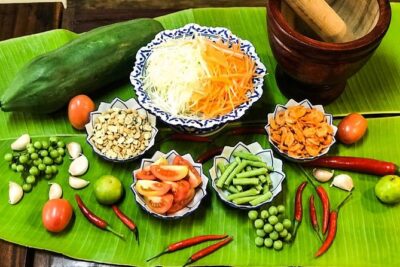
Pink Chili – Thai Cooking Class and Market Tour in Bangkok
Read our review →