
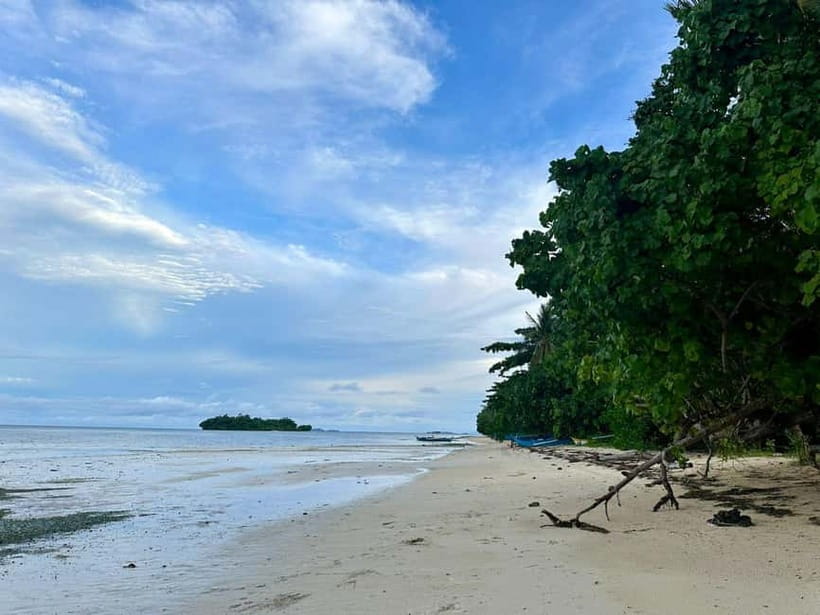
Review · VEGAN & VEGETARIAN COOKING CLASSES
Siargao Island Vegetarian Cooking Class
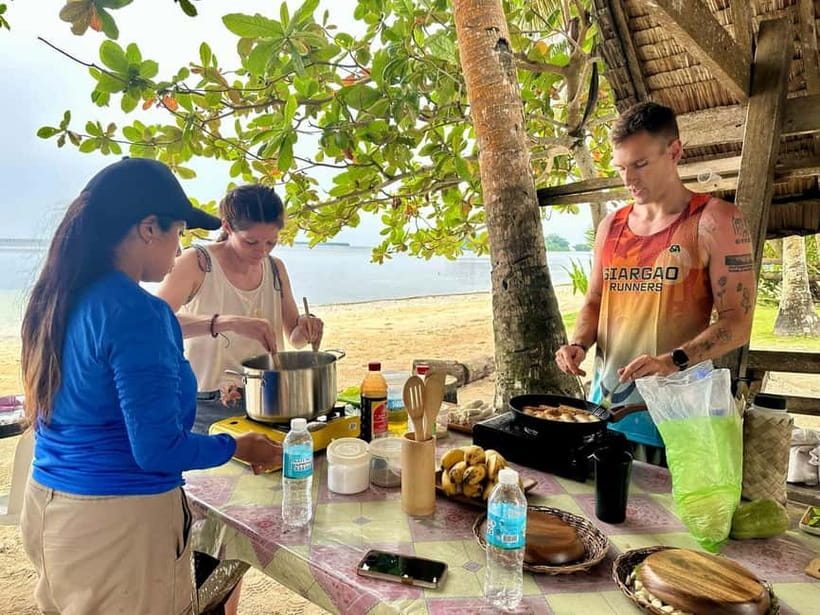
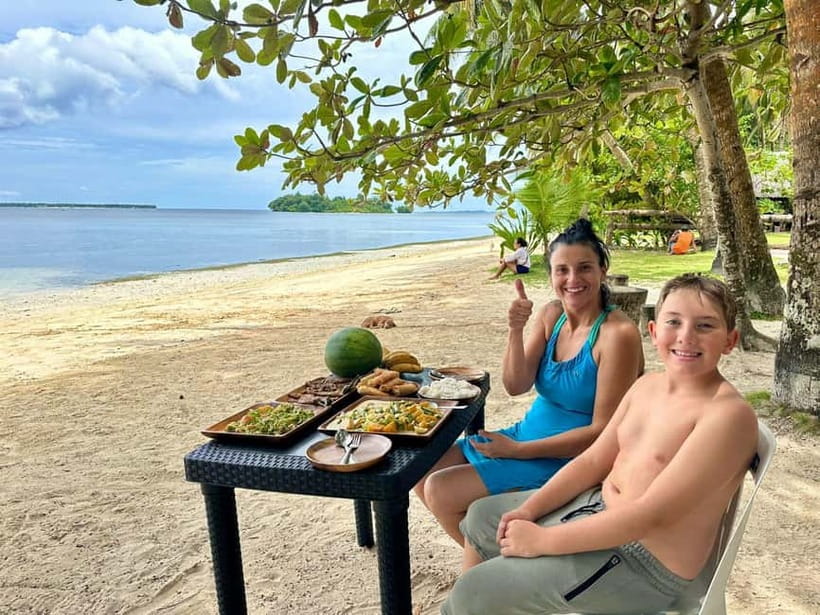
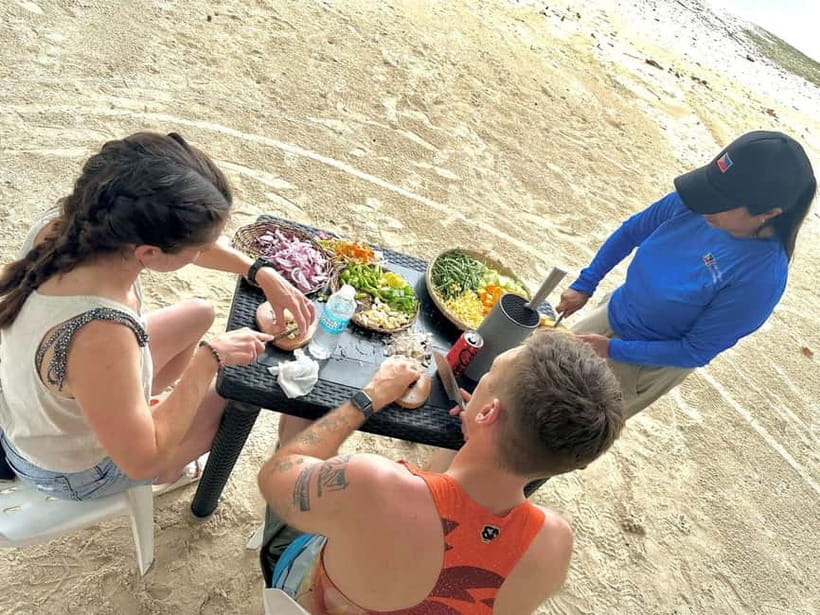
The best part of this Siargao experience is that the cooking happens beside the beach, not in a sealed classroom. You get a hands-on look at Filipino home cooking while working with island-grown vegetables, coconut, fruit, and familiar local seasonings. Pinakbet, lumpia, and eggplant fritters give the class a useful spread of cooking methods.
I like the small-group limit of 10, which should make it easier to follow the English-speaking instructor and take part instead of simply watching. I also like the seven included food items, especially the sweet potato leaf salad and fruit halo-halo served inside a coconut. The main thing to check first is the meaning of vegetarian here: fish sauce and eggs are used in several dishes, so strict vegetarians and vegans should ask about substitutions before booking.
Key points to know before you book
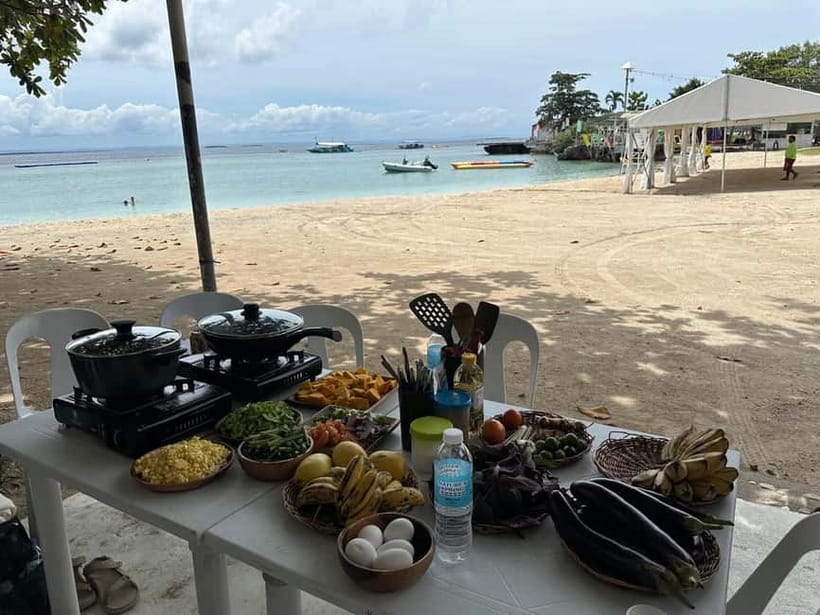
- Beachside cooking at Malinao Seaview: The setting adds a calm Siargao feel to a practical food lesson.
- Six savory and sweet preparations: You make pinakbet, grilled eggplant fritters, bitter melon with eggs, sweet potato leaf salad, vegetable lumpia, and fresh fruit halo-halo.
- Fresh island ingredients: The class uses locally grown vegetables and fruit, with coconut playing an important role.
- Four hours at a small group size: Up to 10 people can join, but at least two participants are needed for the class to run.
- Not fully vegan as written: Fish sauce and eggs appear in the recipes, so dietary questions matter.
- A full outing at $90 per person: The price includes the class dishes and entrance to the resort, but value depends on how much you want a guided lesson rather than a simple meal.
A Filipino cooking class with the beach as your backdrop
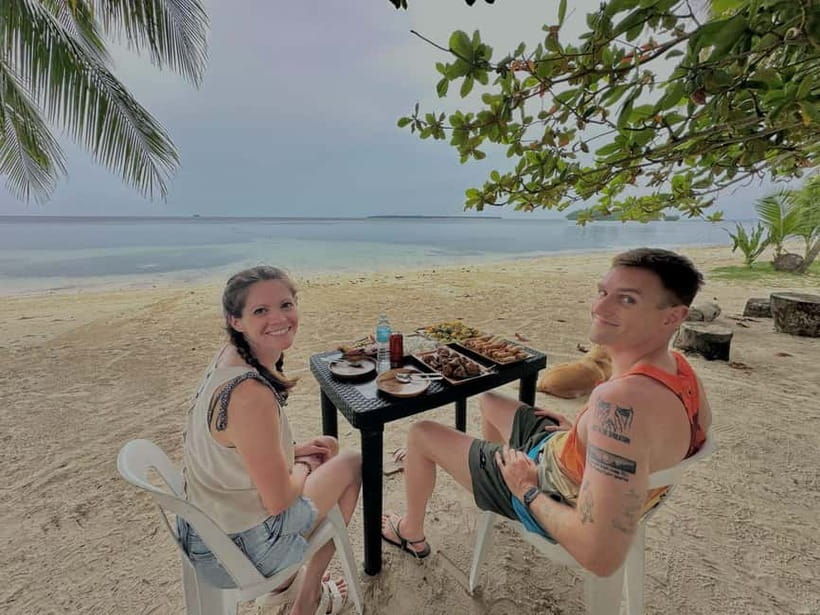
Siargao is best known for surf, palms, and easygoing island days. This class gives you another way to spend part of that time. Instead of only ordering Filipino food at a restaurant, you get to see how vegetables are combined, seasoned, grilled, fried, and served in a local setting.
The class takes place at Malinao Seaview, in the General Luna area of Siargao Island. The supplied details do not name the individual chef, but the activity is led in English by an instructor from Realist Filipino Tour Services. That matters if you want to ask questions as you cook, rather than rely on a demonstration with little explanation.
The setting is part of the appeal. You are not paying only for recipes. Your four hours include time at the resort, a beachside atmosphere, and a meal built around several Filipino dishes. I would treat this as a food activity with a scenic setting, not as a formal professional cooking course.
A five-star rating is recorded from two reviews, including a verified booking by Nicole from Germany, who described having a wonderful time and gaining a great look at Filipino cuisine. That is a small sample, so I would take it as encouraging rather than final proof. Still, it points to the experience’s clearest strength: a friendly introduction to local food in a memorable place.
More Vegetarian Cooking Classes in the world:
- Oaxacan Vegetarian Cooking Class
★ 5.0 · 235 reviews - Marrakech: Moroccan Cooking Class for vegetarians and vegan
★ 4.9 · 156 reviews - Hoi An: Vegetarian Cooking Class w Local Family and transfer
★ 4.9 · 145 reviews
What you cook during the four-hour class
The menu is broad enough to show several sides of Filipino vegetable cooking. You are not making one dish and then sitting down. The included food covers a vegetable stew, grilled eggplant, a bitter vegetable dish, salad, spring rolls, and dessert.
Pinakbet with coconut milk and fish sauce
Pinakbet is a mixed vegetable dish made with locally grown produce from the island. Coconut milk gives it body, while fish sauce supplies a salty, savory note.
This is probably the most useful dish for understanding how Filipino cooking builds flavor from simple ingredients. The vegetables remain the focus, but the coconut and fish sauce give the dish more depth than a plain steamed vegetable plate.
There is an important dietary detail here. Fish sauce is not vegetarian in the strict sense, even though the dish contains no meat. If you do not eat fish, ask the instructor if a vegetarian seasoning can be used. The supplied information does not promise substitutions, so do not assume they are available.
Grilled eggplant fritter
The grilled eggplant preparation begins with grilling, then dipping the eggplant in eggs and pan-frying it. This gives you a nice contrast of techniques: direct heat first, followed by a shallow fry.
Eggplant can become soft and mild when cooked, so the grilling step is useful. It adds a more pronounced cooked flavor before the egg coating is added. This is the kind of dish you can picture repeating at home because the method is straightforward and does not require specialist equipment.
The recipe includes eggs. That works for many vegetarians, but not for vegans or anyone avoiding eggs. If you are cooking with a mixed group, this dish also gives you a clear example of how a simple vegetable can become a more filling part of a meal.
More Cooking Classes in the world:
- Half-Day Thai Cooking Class at Organic Farm in Chiang Mai
★ 5.0 · 19,087 reviews - Florence: Pasta Cooking Class with Unlimited Wine
★ 4.9 · 10,285 reviews - 3 in 1 Cooking Class near Navona: Fettuccine, Ravioli & Tiramisu
★ 5.0 · 7,376 reviews - Florence: Pasta & Tiramisu Cooking Class with Unlimited Wine
★ 4.9 · 6,708 reviews
Stir-fried bitter melon with eggs
Bitter melon is cooked with onions, garlic, and eggs. The vegetable’s sharp bitterness is the main feature, not a flaw to be hidden.
This is a good chance to try a Filipino ingredient that may be unfamiliar to you. The dish is not designed as a bland introduction. The garlic, onion, and egg help round out the bitter melon, but the characteristic taste remains.
I would pay close attention here if you are sensitive to strong flavors. The class lets you encounter a traditional vegetable preparation in its proper context, yet you should not expect every dish to suit every palate. Again, the use of eggs means the menu is vegetarian-friendly only in a broad sense, not vegan.
Sweet potato leaf salad with lemon dressing
This salad combines sweet potato leaves with tomato, ginger, onion, and lemon dressing. It is likely to bring freshness and acidity to a menu that also includes coconut milk, fried food, and spring rolls.
The ingredients are simple, but the combination shows how Filipino meals can balance heavier dishes with a bright vegetable side. I like that the menu includes leaves rather than relying only on familiar vegetables such as carrots or cabbage.
The description does not specify how the leaves are prepared before serving, so the instructor’s demonstration will be your best guide. The lemon dressing should also help cut through the richer flavors elsewhere on the table.
Vegetable lumpia
Vegetable lumpia is the Filipino version of a spring roll. This is one of the most recognizable dishes on the menu and one of the most hands-on parts of the class.
Lumpia gives you a practical lesson in wrapping and cooking filled rolls. It also adds a crisp texture to the meal, which helps keep the menu from becoming a series of soft vegetable dishes.
Do not confuse vegetable lumpia with a light salad course. It is generally a fried preparation, and the supplied information identifies it simply as a spring roll. If you are looking for a low-oil menu, ask for details before committing.
Fresh fruit halo-halo inside a coconut
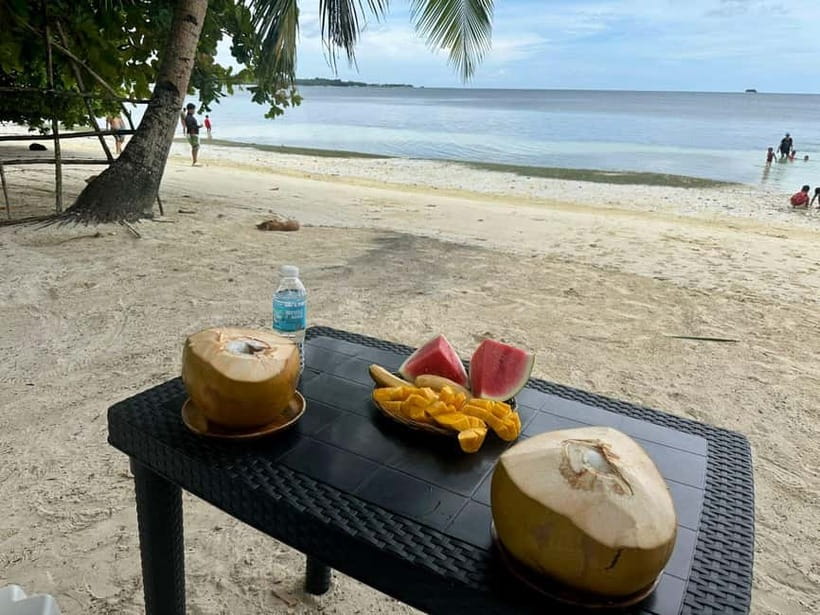
Dessert is fresh fruit halo-halo, made with a variety of seasoned fruits served inside a coconut. The coconut presentation fits the island setting and gives the meal a playful finish.
Halo-halo is often associated with a mixed dessert, and this version focuses on fresh fruit. The activity details do not list the exact fruits or seasonings, so you should expect the selection to depend on what is available rather than on a fixed recipe.
This may be the most distinctive presentation of the day. It also gives you a break from cooking savory dishes and shows how tropical produce can carry a dessert without complicated preparation.
Why the small group and setting matter
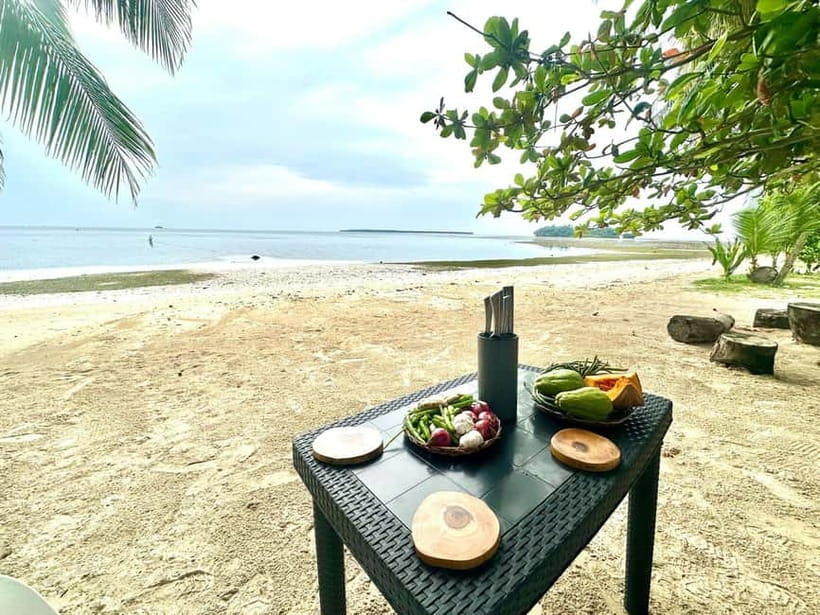
The group is limited to 10 participants, which is a useful middle ground. It is small enough to feel more personal than a large demonstration, but it may still include enough people that you share workstations or wait briefly for instructions.
At least two people are required for the class to commence. If you are booking alone, that is the first practical point to confirm. The information does not say how soon you will be notified if the minimum is not met, so keep your schedule flexible.
The four-hour length is generous for six food preparations and dessert. You should have time to see the techniques, help with the cooking, and eat what you make. It also means this is not a quick activity to squeeze between a morning excursion and an afternoon transfer.
The beach setting can make the class feel special, but it also affects what you should wear. Comfortable clothing, beachwear, comfortable shoes, a change of clothes, biodegradable sunscreen, and biodegradable insect repellent are all recommended. Bring a charged smartphone if you want photos, but protect it around food, water, and outdoor work areas.
What $90 includes, and where the value lies
The price is $90 per person. That is not a cheap meal, especially in the Philippines, so the value depends on how you measure the experience.
If you only want to eat Filipino food, a local restaurant will almost certainly be the simpler choice. If you want instruction, a beachside resort setting, entrance to the resort, and a multi-course menu that you help prepare, the price makes more sense.
You receive six named dishes plus dessert, and the cost includes resort entrance. The class also gives you a useful food memory tied to Siargao rather than another standard restaurant meal. I would consider it good value for someone who enjoys cooking and wants a structured four-hour activity.
The price is less convincing for a strict vegan, a person who dislikes bitter melon, or someone who expects advanced culinary training. The listed recipes use fish sauce and eggs, and there is no stated promise of alternatives. Ask before paying if dietary rules are central to your decision.
The reservation terms help reduce risk. You can cancel up to 24 hours in advance for a full refund, and you can reserve now and pay later. Starting times depend on availability, so check the schedule before building the rest of your day around the class.
Who will enjoy this Siargao food experience
I would recommend this class to you if you like learning by doing. It suits couples, friends, and small groups who want a slower island activity with something to eat at the end.
It is also a good choice if you are curious about Filipino vegetables. Pinakbet, bitter melon, sweet potato leaves, and coconut-based cooking give you more range than a generic international vegetarian lesson.
The class may suit first-time cooks because the format is presented as open to beginners and experienced cooks alike. You do not need to arrive as a skilled chef. The instructor’s English-language guidance should help you follow the methods and ask questions.
You may want to skip it if you dislike outdoor heat, want a strictly meat-free and fish-free kitchen, or prefer a short activity. Four hours is a meaningful block of your Siargao schedule. The age restrictions are broad: babies under one year and people over 95 are not considered suitable for the activity.
Practical tips for a smoother class
Wear clothes you can move in and do not mind getting marked by food or oil. A change of clothes is especially sensible because the class takes place in a beach setting and may involve outdoor conditions.
Use biodegradable sunscreen and insect repellent, as requested. Comfortable shoes are listed too, so beach sandals may not be the best choice for every part of the activity.
Bring your phone fully charged if you want to photograph the dishes, the coconut dessert, or the setting. There is no stated transport service, so confirm the exact meeting directions to Malinao Seaview before the day of the class.
Most importantly, clarify the menu before booking if you are vegan, pescatarian, allergic to eggs, or avoiding fish sauce. The activity is described as vegetarian, but the listed ingredients make it clear that it is not vegan and may not meet a strict vegetarian standard.
Should you book the Siargao vegetarian cooking class?
Book it if you want more than a meal and like the idea of cooking Filipino dishes by the beach. The strongest reasons are the small group, the four-hour format, the range of recipes, and the chance to work with local vegetables and fruit at Malinao Seaview.
Think twice if $90 feels high for a food activity, or if fish sauce and eggs are deal breakers. For everyone else, this is a well-rounded way to spend part of a Siargao day, especially when you want a hands-on activity that connects food, place, and local cooking traditions.
FAQ
Where does the Siargao vegetarian cooking class take place?
The class takes place at Malinao Seaview in General Luna, Siargao Island, in Surigao del Norte, Philippines.
How long does the cooking class last?
The activity lasts four hours. Available starting times depend on the schedule when you book.
How much does the class cost?
The listed price is $90 per person.
What dishes are included?
The menu includes pinakbet with coconut milk and fish sauce, grilled eggplant fritter, stir-fried bitter melon with eggs, sweet potato leaf salad, vegetable lumpia, and fresh fruit halo-halo served inside a coconut.
Is the cooking class fully vegan?
No. The listed recipes include fish sauce and eggs. Ask about possible substitutions before booking if you follow a strict vegetarian or vegan diet.
What language is spoken during the class?
The instructor speaks English.
How many people can join?
The class is limited to 10 participants. At least two people are required for the class to commence.
What should I bring?
Bring comfortable shoes, comfortable clothes, beachwear, a change of clothes, a camera or charged smartphone, biodegradable sunscreen, and biodegradable insect repellent.
Can I cancel the booking?
Yes. You can cancel up to 24 hours in advance for a full refund. You can also reserve now and pay later.
Newest classes around the world
- Aroidee’s Farm-Fresh Thai Cooking Experience★ 5.0 · 8 reviews
- Authentic Thai Cooking Class and Farm Visit in Chiang Mai★ 5.0 · 66 reviews
- Signature Thai Cooking Course★ 5.0 · 79 reviews
- Half Day Guided Thai Cooking Class in Chiang Mai★ 5.0 · 13 reviews
- Yummy Tasty Thai Cooking School in Chiang Mai★ 5.0 · 2 reviews
- Online Thai and Akha Cooking Class★ 5.0 · 70 reviews
- Northern Thai Cooking Class in Chiang Mai in a Countryside Home★ 5.0 · 2 reviews
- Private Half-Day Thai Cooking Class in Chiang Mai★ 5.0 · 4 reviews
Vegan & Vegetarian Cooking Classes, compared.
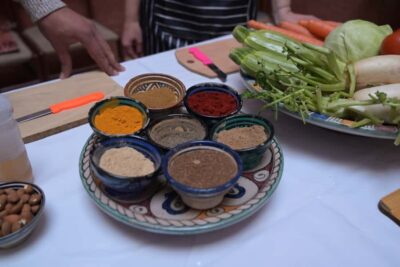
Moroccan Cooking Class for vegetarians and vegan
Read our review →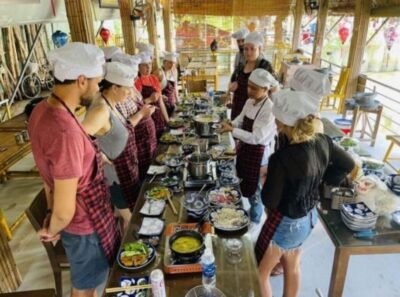
Vegetarian Cooking Class w Local Family and transfer
Read our review →
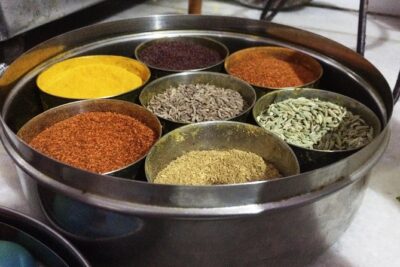
Jaipur Market Tour & Vegetarian Rajasthani Home Cooking Class
Read our review →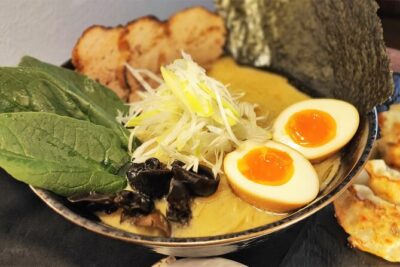
Ramen & Dumpling Cooking in Tokyo with Chef/Vegan possible
Read our review →Private Cooking Class – Personalized menu with glutenfree & vegan
Read our review →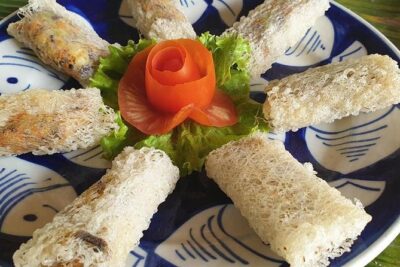
Hoi An/Da Nang: Vegetarian Cooking Class & Basket Boat Ride
Read our review →Browse the lists this tour appears in