Review · COOKING CLASSES
Plov and Samsa Cooking Class in Tashkent
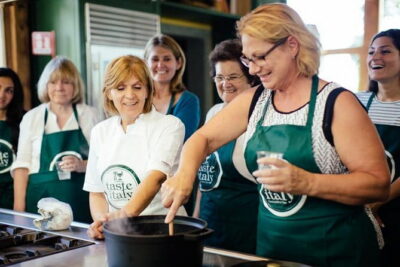
Plov is not just a dish in Uzbekistan. It is a careful sequence of onions, carrots, meat, rice, garlic, spices, and heat. This class lets you handle that sequence yourself, then uses the waiting time to make samsa, baked pastry triangles filled with seasoned minced meat. I like the hands-on work and the fact that you eat what you prepare, not a meal cooked entirely in advance. I also like the home setting, where tea and small snacks may be part of the welcome.
The main consideration is communication. The hostess has basic English, though the cooking team may provide English or Russian instruction. Also, the $160 price is for a private group of up to two, so it makes better value for a couple or pair than for one person traveling alone. Transport is not included, and one booking had a serious cancellation and refund problem, so confirm the arrangements before you go.
Key points at a glance
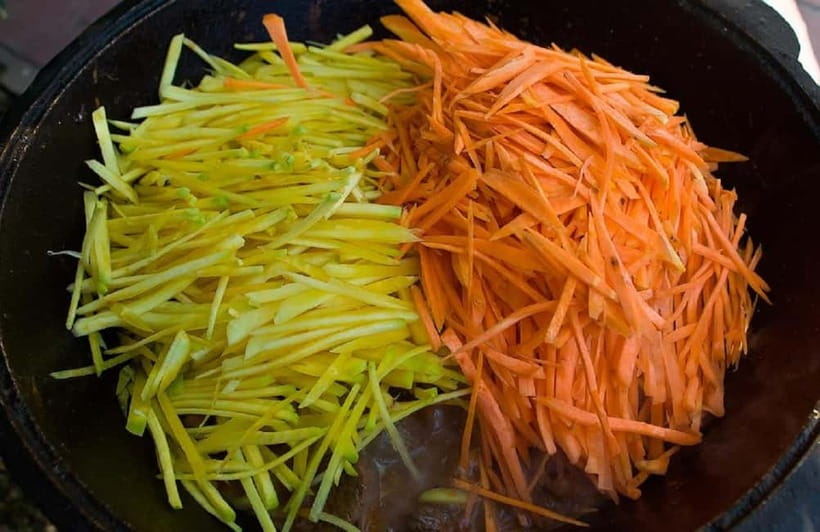
- Plov from the cutting board onward: You cut onions, carrots, and meat, wash the rice, and take part in frying, cooking, and steaming.
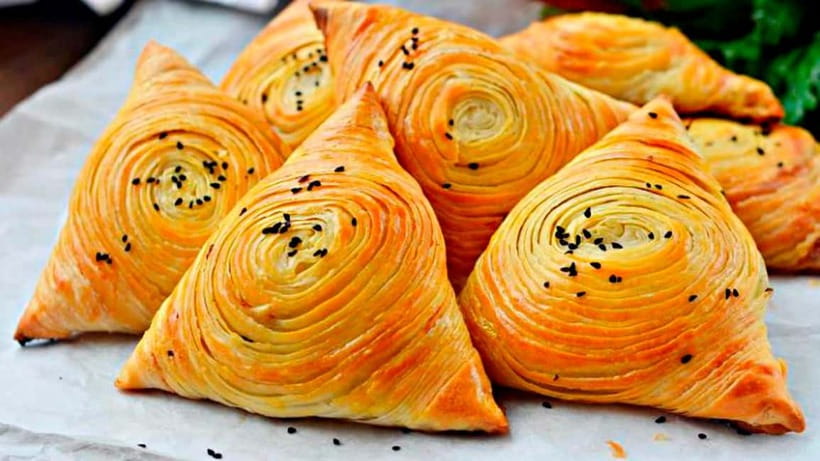
- Samsa during the waiting time: Roll dough with ghee, shape the pastry, fill it with minced meat, and bake it in triangles.
- Private format for up to two: The $160 rate covers the group, not each person, which suits couples and travel companions.
- A meal in a home setting: Tea, snacks, and desserts may accompany the food you prepare.
- Three hours of active cooking: This is a practical class, not a quick demonstration followed by a restaurant meal.
- Check transport and communication: Pickup and drop-off cost extra, and English ability at the house may be limited.
Why plov makes a good first Uzbek cooking lesson
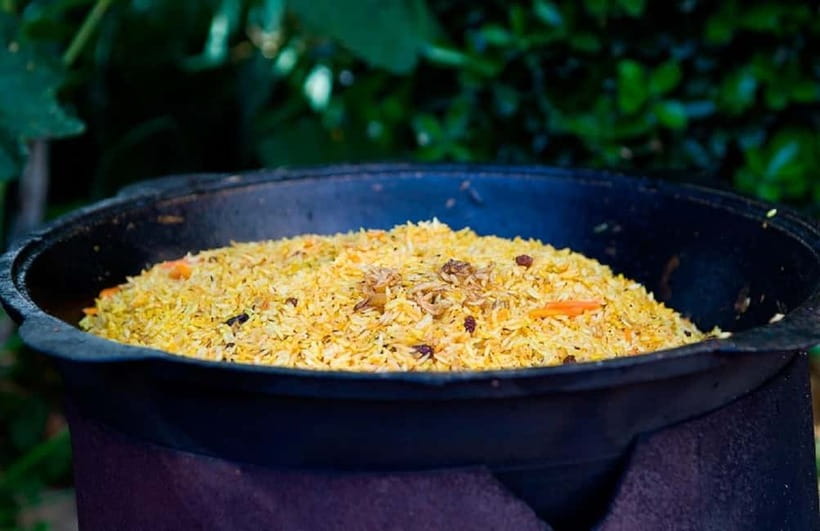
Plov, also called palov, rewards patience and order. It is built in stages, so you can see how each ingredient changes the final dish. You begin with the basic preparation: cutting onions, carrots, and meat, then cleaning the rice. That work may sound simple, but it is where the texture and balance of the meal begin.
The listed ingredients include rice, meat, carrots, onions, garlic, cumin, raisins, and sunflower oil. Each has a clear role. The carrots bring sweetness and color. Cumin gives the dish its familiar Uzbek smell. Garlic adds depth, while raisins provide small bursts of sweetness against the savory rice and meat.
You do not simply watch an instructor stir a pot. You fry, cook, and steam the food yourself, with help from the cooking team. That makes the class useful for anyone who wants to repeat the recipe at home. You will leave with a better sense of timing, heat, and texture, even if your kitchen back home uses different equipment.
The class also offers a meat-free possibility for vegans. You should make that request clear when booking or before the cooking begins, since the standard ingredient list includes meat and samsa is described with minced meat filling.
More Cooking Classes in the world:
- Half-Day Thai Cooking Class at Organic Farm in Chiang Mai
★ 5.0 · 19,087 reviews - Florence: Pasta Cooking Class with Unlimited Wine
★ 4.9 · 10,285 reviews - 3 in 1 Cooking Class near Navona: Fettuccine, Ravioli & Tiramisu
★ 5.0 · 7,376 reviews
Cutting onions, carrots, meat, and rice
The early preparation is the most practical part of the class. You cut the vegetables and meat, then clean the rice before cooking. This is a good place to pay attention, since Uzbek plov depends on preparation that is often treated as routine by experienced home cooks.
You may find the cutting work more involved than expected. Carrots need to be prepared in a way that suits the long cooking process, and the rice needs cleaning before it enters the pot. The point is not just to finish quickly. It is to understand how the ingredients are readied for the stages that follow.
The professional team helps keep the process moving. That matters because the class lasts three hours and includes two dishes. You get enough guidance to take part without being left to guess, but the activity still asks you to work with your hands.
Wear comfortable clothes. Cooking involves cutting, frying, and handling food around heat, so this is not the time for your finest sightseeing outfit.
Frying and steaming the plov
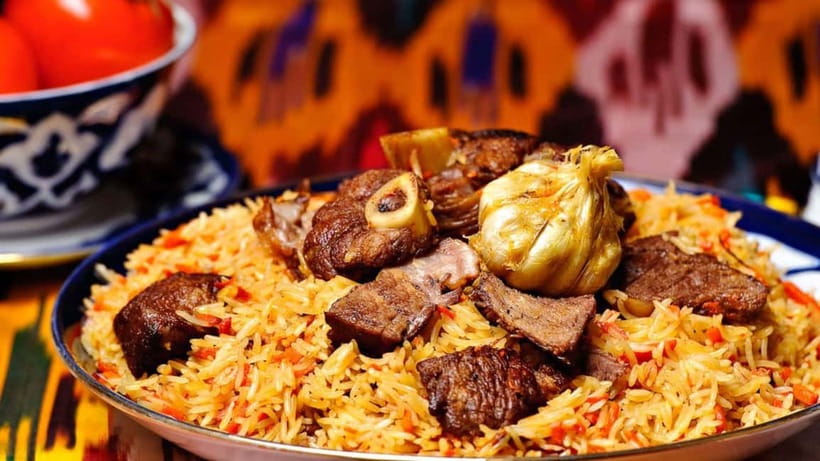
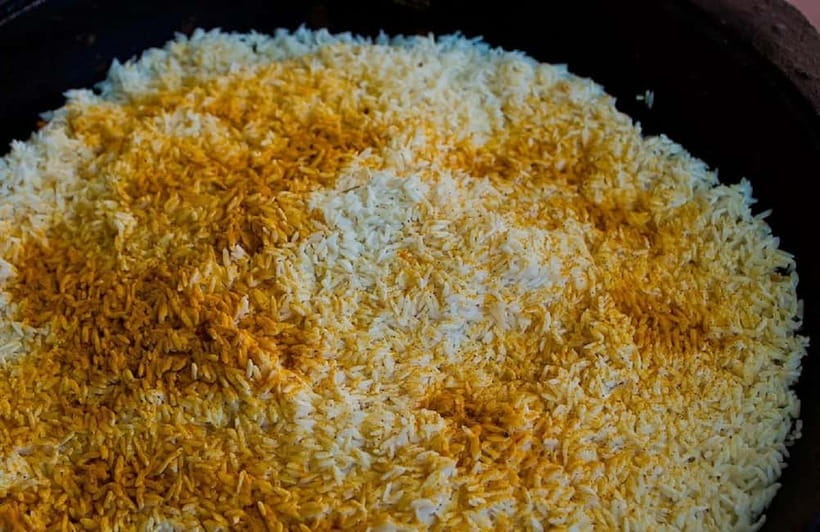
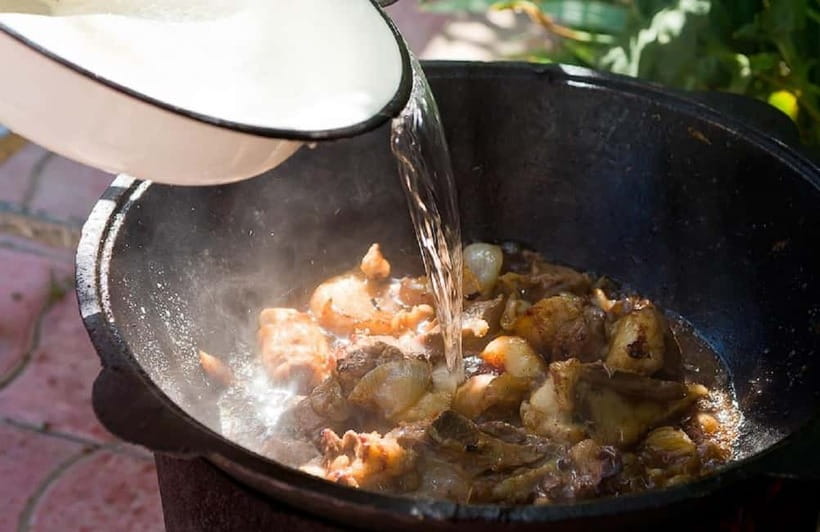
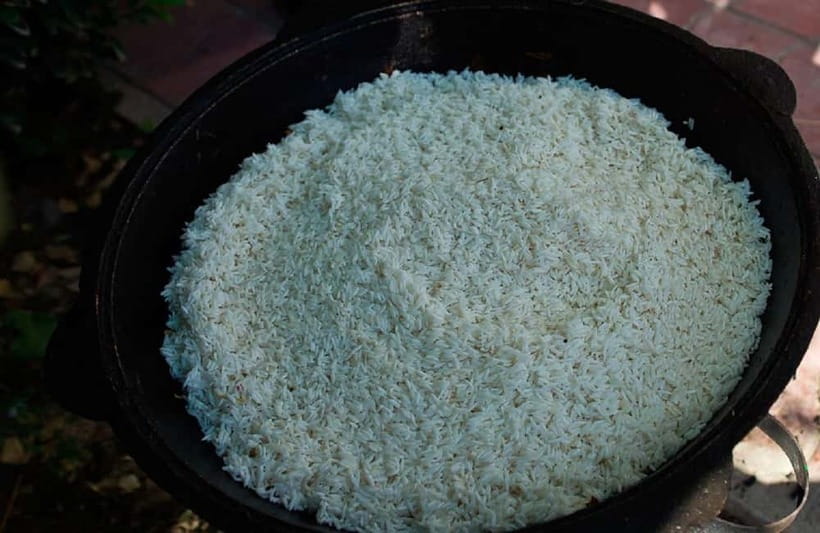
Once the ingredients are ready, the cooking becomes more active. You fry the ingredients, add water, and let the mixture cook and steam. After water is added for the steaming stage, there is a useful pause in the plov process.
This pause is one of the clever parts of the schedule. Instead of waiting around while the rice cooks, you turn to samsa. That gives you a second technique and keeps the three-hour class varied.
The plov remains the central lesson. You return to it after making the pastry, finishing the cooking process with guidance from the team. The final meal includes the food you prepared, so you can judge the results while the steps are still fresh in your mind.
Do not expect a quick recipe card experience in which everything is measured out for you. The appeal is learning the rhythm of a traditional dish. You take part in the preparation, and the instructors help you adjust the process so the finished meal tastes good.
Making samsa while the rice cooks
Samsa is the pastry portion of the class. It is often compared to a samosa or samusa, but the preparation described here uses rolled dough and an oven-baked triangular shape.
You begin with simple dough. The dough is rolled out, then covered with ghee, or clarified butter. You roll it tightly, divide it into equal portions, and chill the pieces as dough patties. After that, you roll out each portion, add minced meat, shape the pastry, and bake it in the oven.
This is a different kind of cooking from plov. Plov teaches you to manage a pot over time. Samsa asks for more care with dough, fat, filling, and shape. The cooking team helps you form the pastries so the result is not left to chance.
The process also explains why samsa fits naturally into the class. The dough can be prepared during the waiting period for the plov, and the baked triangles add a second dish to the final meal. You get a fuller picture of Uzbek home cooking instead of focusing on one famous recipe.
If you do not usually work with dough, take your time when rolling and filling. The useful lesson is not producing perfect triangles. It is seeing how a few basic ingredients become a crisp pastry with a savory center.
Same region, a different dish to learn:
- Florence: Pasta & Tiramisu Cooking Class with Unlimited Wine
★ 4.9 · 6,708 reviews - Florence: Pasta Cooking Class with Unlimited Wine
★ 5.0 · 6,413 reviews - Hanoi Cooking Class: Culture, Local Market & Meaning CSR Impact
★ 5.0 · 5,147 reviews - 5 Traditional Dishes Hanoi Cooking Class with Market Trip
★ 5.0 · 4,890 reviews
Tea, snacks, and the home setting
The class takes place in a hostess’s home, which gives it a more personal feel than a standard cooking studio. The welcome can include tea, traditional snacks, and desserts before or during the cooking. One particularly generous arrangement included food packed to take away, though you should not assume that is part of every booking.
That extra hospitality matters in Uzbekistan. Food is not only fuel here. Sharing a table helps explain why plov is treated as a social dish and why a cooking lesson can feel more like a visit than a formal school session.
You should also keep expectations realistic. The hostess is described as having a basic level of English, while the activity is offered in Russian and English. Some sessions may have strong English communication from the wider team, but the language level can vary at the house. If instructions matter to you, confirm your preferred language ahead of time.
The home setting is a strength for people who want local contact. It may be less suitable if you prefer a polished commercial kitchen, a tightly scripted demonstration, or a lesson conducted entirely in fluent English.
What the $160 price means for two people
The price is $160 per private group of up to two. For two people, that works out to $80 each before any extra transport costs. You receive professional cooking instruction, ingredients for both dishes, participation in the preparation, and the meal at the end.
That is a fairer value for a pair than for a solo visitor. A couple can split the group price and share the work, while one person pays the same total for a private class. The private format does offer privacy and direct attention, which can matter when you are learning unfamiliar recipes.
The rate does not include pickup, drop-off, or personal expenses. You receive directions to the meeting point after booking. Build in time to find the location, and ask about transport if you do not want to arrange your own way there.
The food itself is included, but the real value lies in the activity. If you only want to eat plov and samsa, a restaurant will likely be a simpler choice. If you want to understand how the dishes are made and take part in every stage, the class gives you more than a meal.
Timing, language, and practical comfort
The activity lasts three hours. That is long enough to cover both plov and samsa without turning the class into a rushed demonstration. You should expect a mix of chopping, preparation, waiting, pastry work, final cooking, and eating.
The class is private, so you do not share the cooking space with a large group. That can make it easier to ask questions and divide tasks between two people. It also means the experience depends more on the host team and the specific day of your visit.
Instruction is available in Russian and English. The hostess’s basic English is the one point to keep in mind. Simple cooking demonstrations can cross language barriers fairly well, but detailed questions about ingredients or technique may require patience.
The activity is wheelchair accessible according to the supplied details. You should still confirm the exact meeting point and access arrangements when you receive the directions, since the activity is held in a home.
Alcohol and drugs are not allowed. Bring comfortable clothes, and keep in mind that you will be working with oil, dough, vegetables, and hot food.
What the strongest parts of the experience offer
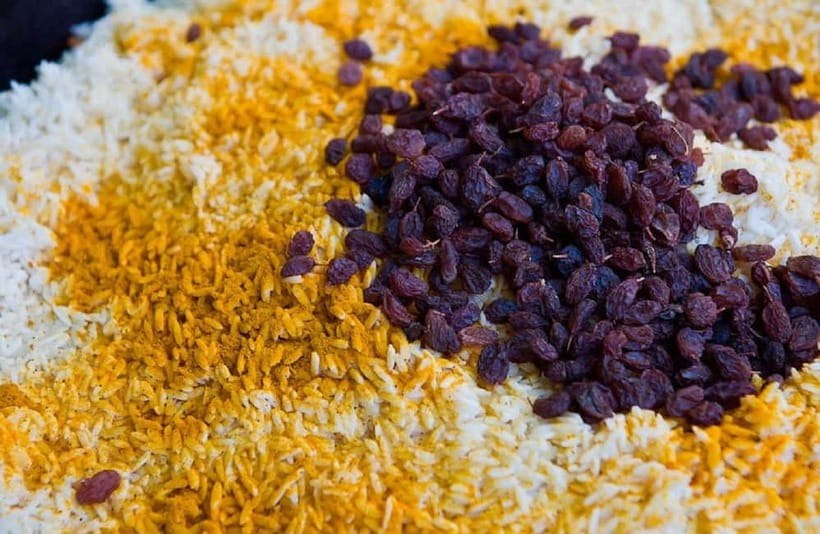
The best feature is the amount of participation. You cut, clean, fry, cook, steam, roll, fill, and bake. You are not placed at a table with a finished plate while someone else does the real work.
The second strength is the combination of two dishes. Plov shows you how to build a rice-based meal in stages. Samsa gives you a pastry lesson during the cooking pause. Together, they make the class feel complete.
The hospitality is another reason to choose it. A friendly host family, tea, snacks, and desserts can turn the class into a social afternoon. The food you prepare is served at the end, and extra food may sometimes be packed for you to take away.
There is also a useful practical advantage for visitors staying in Tashkent. You do not need to bring ingredients or equipment. The class supplies what is needed for both dishes, and the cooking team helps you manage the process.
The drawbacks you should weigh before booking
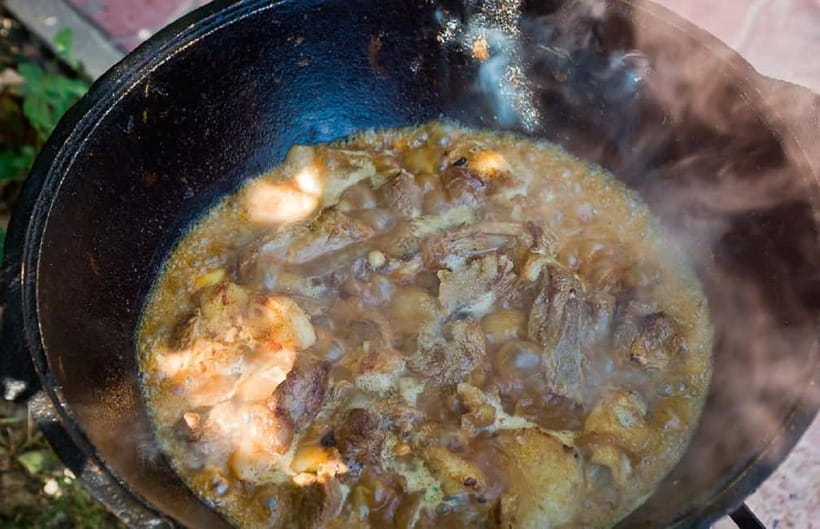
The most important concern is booking reliability. One person reported that the class was canceled without a refund. That is a serious issue, even though other bookings describe warm hospitality, smooth organization, and a very enjoyable meal. Confirm the class, meeting point, and refund terms before setting out, and keep written booking details.
Transport is another limitation. Pickup and drop-off are not included, so you need to handle the route yourself or arrange paid transport separately. Directions are provided after booking, but do not assume a driver is part of the standard package.
Communication can also vary. The hostess has basic English, while the activity is offered in Russian and English. One well-organized session included excellent English communication and a smooth driver service, but that should not be treated as guaranteed for every date.
Finally, the price is high for one person. The private group format makes more sense for two people sharing the fee. Solo visitors may still value the personal instruction, but they should compare the total against other food activities in Tashkent.
Who should book this cooking class
I would choose this for a couple, friends, or family members who want a private food experience and enjoy doing the work themselves. It suits curious cooks, but you do not need advanced kitchen skills. The team guides you through the steps.
It is also a good choice if you want contact with a local household rather than a restaurant meal. The home setting, tea, snacks, and shared food add a social layer that a standard food tour may not provide.
Vegans can ask for plov without meat, but they should clarify the request before the class. The samsa preparation described here uses minced meat, so dietary needs need early attention.
I would hesitate if you want guaranteed fluent English, included transportation, or a formal cooking school environment. I would also be cautious about nonrefundable onward plans until the class is reconfirmed, given the reported cancellation problem.
Should you book the Tashkent plov and samsa class?
Book it if you want to learn by doing and you have a partner to share the $160 private-group price. The two-dish format is well planned, the meal is included, and the home setting can give you a more personal look at Uzbek food traditions.
Before paying, confirm the date, refund arrangement, language support, dietary request, and meeting point. Ask separately about transport, since pickup and drop-off are not included. With those points settled, this is a worthwhile three-hour food experience for anyone who wants to leave Tashkent knowing more than how plov tastes.
FAQ
How long does the cooking class last?
The class lasts three hours.
How much does the experience cost?
The price is $160 per private group of up to two people.
What dishes will I cook?
You will prepare traditional Uzbek plov and samsa.
What ingredients are used for the plov?
The listed ingredients are rice, meat, carrots, onions, garlic, cumin, raisins, and sunflower oil.
Is a vegetarian or vegan version possible?
A meat-free version of the plov is possible for vegans. The listed samsa preparation uses minced meat, so you should clarify your dietary needs before the class.
Are transportation and hotel pickup included?
No. Pickup, drop-off, and other personal expenses are not included. Meeting instructions are provided after booking.
What language is the instruction in?
The activity is offered in Russian and English. The hostess has a basic level of English, so communication may vary during the class.
Newest classes around the world
- Aroidee’s Farm-Fresh Thai Cooking Experience★ 5.0 · 8 reviews
- Authentic Thai Cooking Class and Farm Visit in Chiang Mai★ 5.0 · 66 reviews
- Signature Thai Cooking Course★ 5.0 · 79 reviews
- Half Day Guided Thai Cooking Class in Chiang Mai★ 5.0 · 13 reviews
- Yummy Tasty Thai Cooking School in Chiang Mai★ 5.0 · 2 reviews
- Online Thai and Akha Cooking Class★ 5.0 · 70 reviews
- Northern Thai Cooking Class in Chiang Mai in a Countryside Home★ 5.0 · 2 reviews
- Private Half-Day Thai Cooking Class in Chiang Mai★ 5.0 · 4 reviews
Cooking Classes, compared.
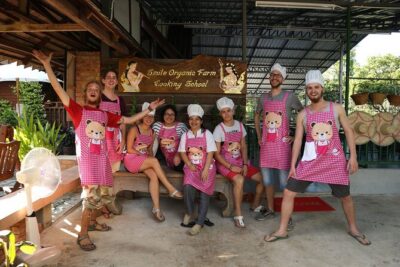
Half-Day Thai Cooking Class at Organic Farm in Chiang Mai
Read our review →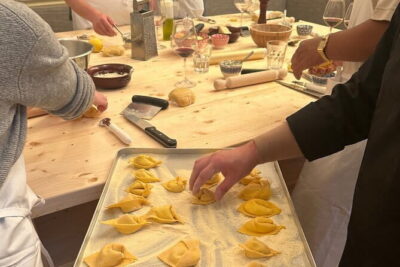

3 in 1 Cooking Class near Navona: Fettuccine, Ravioli & Tiramisu
Read our review →
Pasta & Tiramisu Cooking Class with Unlimited Wine
Read our review →
Hanoi Cooking Class: Culture, Local Market & Meaning CSR Impact
Read our review →
5 Traditional Dishes Hanoi Cooking Class with Market Trip
Read our review →