Review · COOKING CLASSES
Pachamama – Argentine Cooking Experience in Buenos Aires
Pachamama turns Argentine cooking into a shared table rather than a cooking demonstration. You help prepare four local recipes, learn why they matter, and finish with a meal paired with Mendoza wine. The homemade picada and vermouth welcome drink get things moving before the aprons come out.
I like the hands-on format, where you take part in shaping, stirring, seasoning, and assembling the food. I also like the small-group setting, which makes it easier to meet people and ask questions without feeling lost in a crowd.
The one thing to know is that you do not prepare every dish entirely on your own. The class works as a group effort, so if you want a private cooking lesson with individual control of every recipe, this may feel more social than technical.
Key details at a glance
- Four Argentine recipes from scratch: Help prepare chipá, beef empanadas, chimichurri, humita stew, and dulce de leche crepes.
- A full meal, not just a class: The food is served in several stages with Durigutti wines from Las Compuertas, plus vermouth, water, and homemade lemonade.
- Chef-led and English-speaking: Franco and the Pachamama team guide the class in English, with Spanish available for private groups.
- A useful Buenos Aires extra: You receive recipe PDFs, class photographs, and local recommendations after the cooking session.
- Good flexibility for diets: The menu can be adapted for vegetarian, gluten-free, and lactose-free diners.
- Plan for three to three and a half hours: The standard experience is listed as three hours, while the fuller description gives three and a half hours.
Starting with mate, picada, and Argentine food culture
Pachamama begins with a welcome homemade picada, a casual spread of local bread, homemade preserves, and pickles. You also receive a vermouth cocktail, which gives the opening a distinctly Argentine feel instead of starting with a formal lecture.
This first stage matters because Argentine cuisine is easier to understand when you see how people eat socially. Food here is tied to long lunches, family tables, grilling, preserved vegetables, strong sauces, and shared drinks. The class uses those ideas as a starting point rather than treating each recipe as an isolated dish.
You will also hear about mate and the background of local ingredients and customs. Mate is not listed as one of the cooking tasks, so do not book this expecting a full mate ceremony, but the reference helps place Argentine food in its wider daily culture.
The setting is described as cozy and homey, and that tone fits the format. You are not simply watching a chef work at a distance. You are introduced to the food, then asked to roll up your sleeves and help make it.
More Cooking Classes in the world:
- Half-Day Thai Cooking Class at Organic Farm in Chiang Mai
★ 5.0 · 19,087 reviews - Florence: Pasta Cooking Class with Unlimited Wine
★ 4.9 · 10,285 reviews - 3 in 1 Cooking Class near Navona: Fettuccine, Ravioli & Tiramisu
★ 5.0 · 7,376 reviews
Chipá and sauces: a small bite with plenty of character
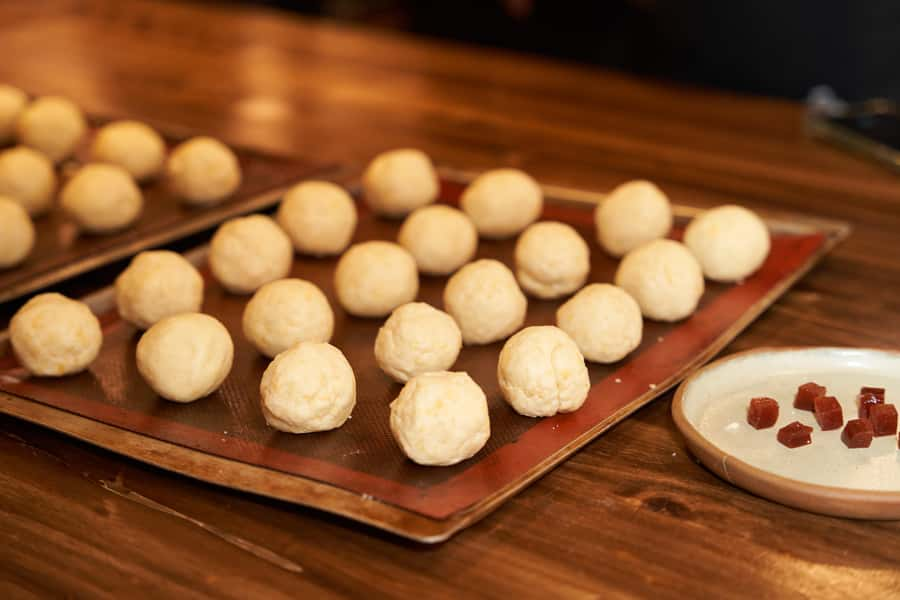
One of the first prepared items is chipá with barbecue sauce and fermented spicy sauce. Chipá is a small cheese bread associated with regional cooking in Argentina and nearby parts of South America. Its compact size makes it a good opening recipe because you can focus on texture, shaping, and seasoning without taking on a difficult main course right away.
The sauces add contrast. The barbecue sauce brings familiar smoky sweetness, while the fermented spicy sauce gives the meal a sharper edge. You may find this part especially useful if you enjoy learning how a simple bread becomes more interesting when paired with contrasting condiments.
Pachamama treats the snack as part of the meal rather than filler before the serious cooking begins. That approach gives you several chances to taste as you go and helps the class feel like a food gathering.
Beef empanadas and chimichurri, the Argentine essentials
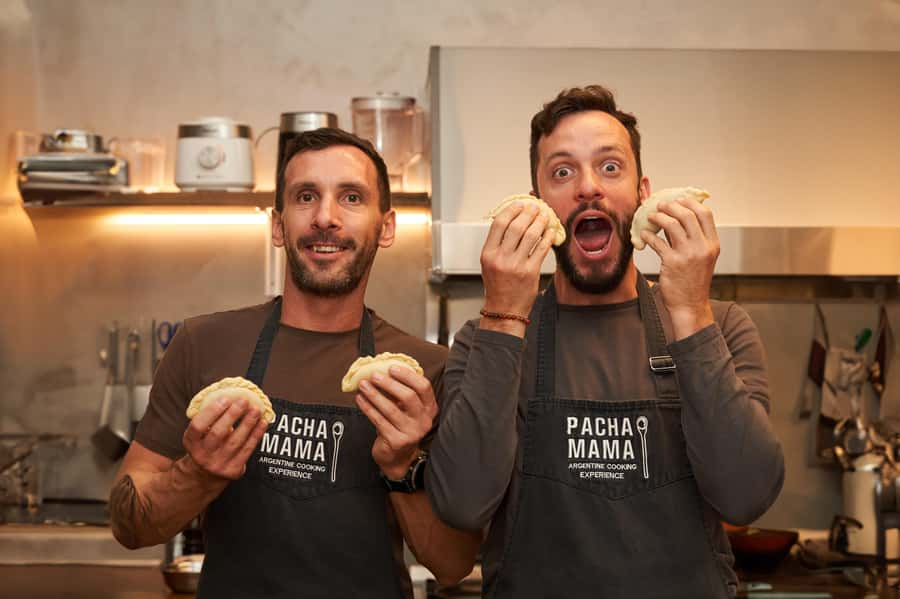
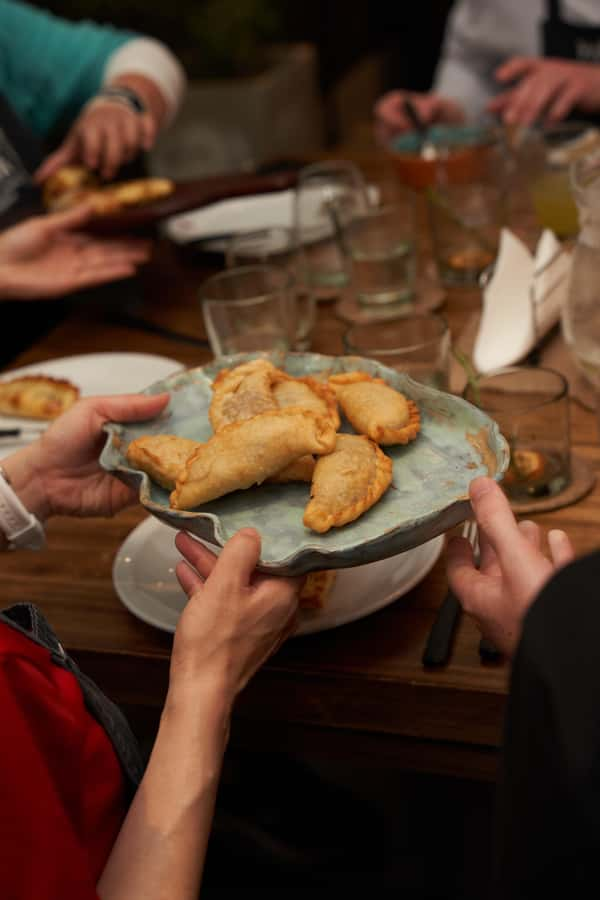
The empanada course is likely to be the most recognizable part of the class. You help prepare beef empanadas and the chimichurri sauce that commonly accompanies grilled meats and other savory foods in Argentina.
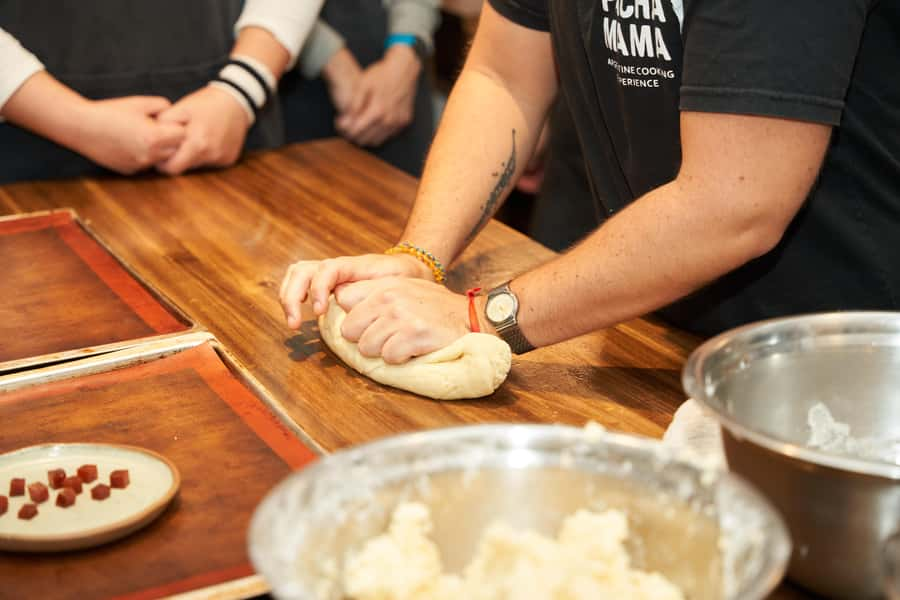
The value here is practical. You are not only eating an empanada from a bakery or restaurant and moving on. You get to handle the filling, work with the dough, and see how chimichurri changes the final bite. The class also explains the origins and traditions behind the recipes, so you can connect the technique with the dish you later order elsewhere in Buenos Aires.
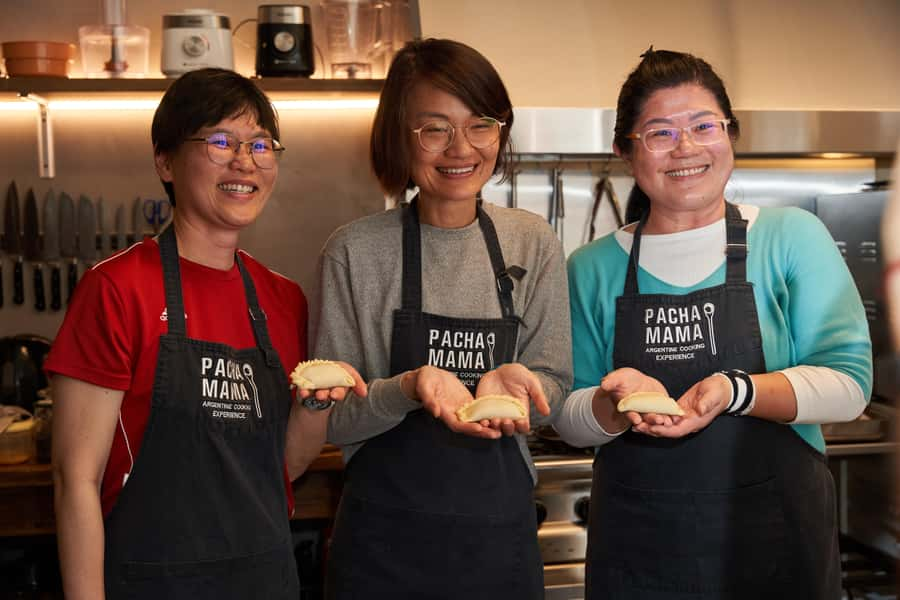
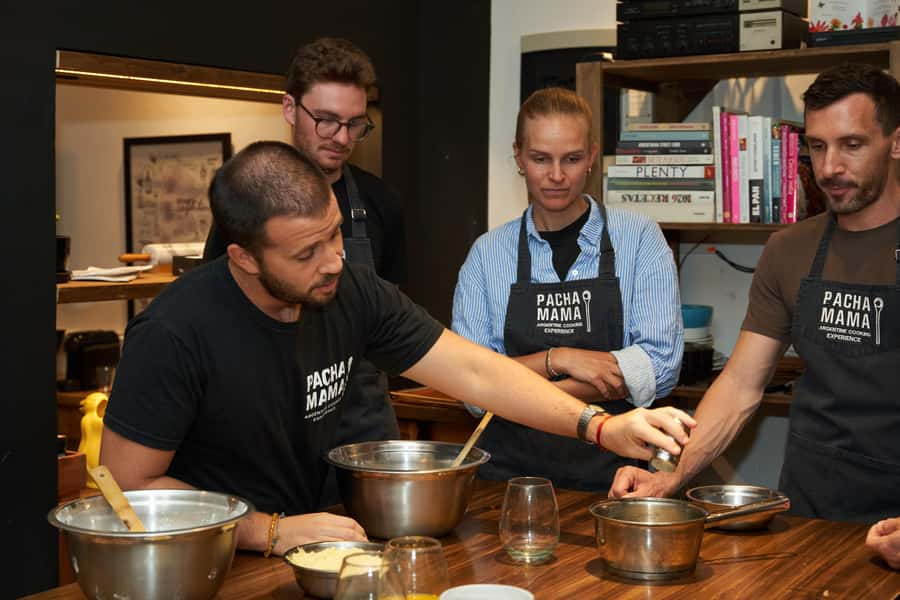
The cooking is shared across the group. That means one person may be working on filling while another handles sauce or assembly. I would see this as a social strength, but it is also the main limitation for anyone hoping to make a complete batch independently.
The group approach makes sense for a class of up to 10 participants, although the activity information also gives a total capacity of up to 14. Because those figures differ, confirm the expected group size when booking if space is important to you.
Humita stew brings corn and regional cooking to the table
The main savory course is humita stew gratin. Humita is a traditional corn-based dish with strong regional roots, and it gives the menu a welcome change from the meat and pastry of the empanadas.
This is the dish that broadens the meal beyond the most familiar Argentine exports. You get a sense of how corn, local produce, and slow-cooked comfort food fit into the country’s cooking. The gratin finish also gives the stew a more substantial role at the table.
For vegetarians, this course can be especially useful because the full menu can be adapted. You should provide your dietary needs when booking, rather than waiting until the class begins. Vegetarian, gluten-free, and lactose-free adjustments are available, but the precise substitute menu is not specified.
Same region, a different dish to learn:
- Florence: Pasta & Tiramisu Cooking Class with Unlimited Wine
★ 4.9 · 6,708 reviews - Florence: Pasta Cooking Class with Unlimited Wine
★ 5.0 · 6,413 reviews - Hanoi Cooking Class: Culture, Local Market & Meaning CSR Impact
★ 5.0 · 5,147 reviews - 5 Traditional Dishes Hanoi Cooking Class with Market Trip
★ 5.0 · 4,890 reviews
Dulce de leche crepes finish the class with a flourish
Dessert is made up of flamed dulce de leche crepes with ice cream and homemade limoncello. Dulce de leche is one of Argentina’s best-known flavors, and this course gives you a classic sweet ending without relying on a plain tasting spoon.
The flaming step adds a bit of theater, but the main pleasure is the combination of warm crepes, caramel-like dulce de leche, and cold ice cream. Homemade limoncello provides a bright finish for those who drink alcohol.
If you do not drink, keep in mind that the broader menu includes alcoholic pairings and a welcome vermouth. Water and homemade lemonade are included, and you can ask about nonalcoholic choices when arranging dietary or drink preferences.
Durigutti wines make this a long lunch
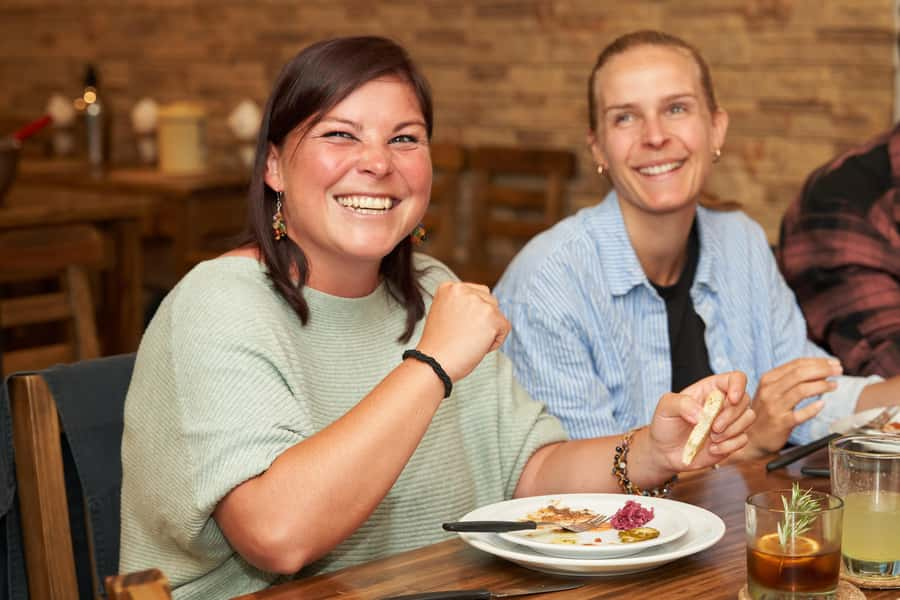
The food is paired with Durigutti wines from Las Compuertas in Mendoza. This is not a separate winery visit or a formal wine course. Instead, the wine is served with the dishes as you sit together and eat what the group has prepared.
That pairing adds real value to the $75 price. You are paying for instruction, several courses, welcome snacks, drinks, and a social meal, not just a two-hour cooking lesson. For visitors who would otherwise pay separately for a good Argentine lunch and wine tasting, the cost is easier to justify.
The meal includes vermouth, water, and homemade lemonade along with the wines. The food list is substantial: picada, chipá, empanadas, humita stew, and dessert. The experience is best understood as a cooking workshop followed by a full shared lunch, not as a quick activity squeezed between sightseeing stops.
What the three-hour schedule feels like
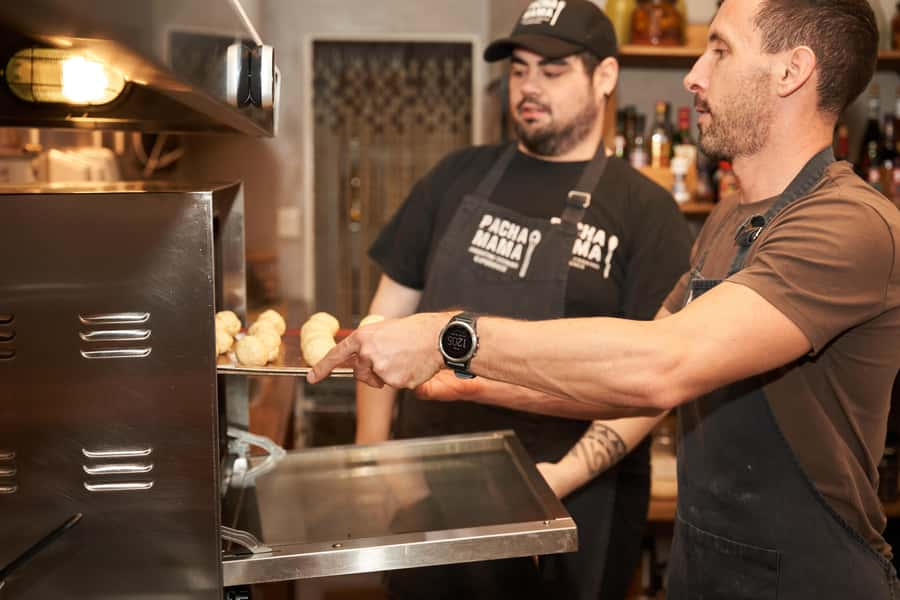
The published duration is three hours, while the fuller description calls it three and a half hours. That difference is small, but it matters when planning a museum visit, airport transfer, or dinner reservation. I would leave at least four hours open around the activity so you are not rushing away from the table.
The usual flow is easy to follow:
- You arrive for the welcome picada and vermouth.
- The chef introduces Argentine cuisine and explains the recipes.
- The group prepares the snack, appetizer, main course, and dessert.
- The finished food is served around the shared table.
- You eat with the group while enjoying the wine pairings.
- Recipes, photographs, and local recommendations are provided afterward.
The class is held in English. Several people praised the clear organization and explanations, and one useful detail is that the team provides recipes and photos for later. That makes the experience more than a pleasant afternoon because you can try to repeat at least some of the dishes at home.
Private groups can request a shorter format of about two and a half hours, and private sessions can be held in Spanish. The standard group experience is in English, so check the format carefully if language is a major concern.
The social side is part of the point
Pachamama works best if you enjoy meeting people while you cook. The table is designed for conversation, and the shared tasks give you an easy way to interact even if you arrive alone.
The class has been described as organized, well planned, and fun, with Franco and his staff taking an active role in making sure people are included. That personal attention is important in a cooking class. You want enough guidance to avoid confusion, but not so much direction that you spend the afternoon watching someone else do everything.
You should expect cooperation rather than individual stations where each person completes an entire menu. If your main aim is to master exact knife cuts, dough techniques, or restaurant-style plating, this may not be the most technical class in Buenos Aires.
For couples, friends, solo visitors, and small family groups, the shared format is a good fit. It also works nicely early in a Buenos Aires stay because the local recommendations can help you choose restaurants and activities for the rest of your visit.
Who will get the most from Pachamama
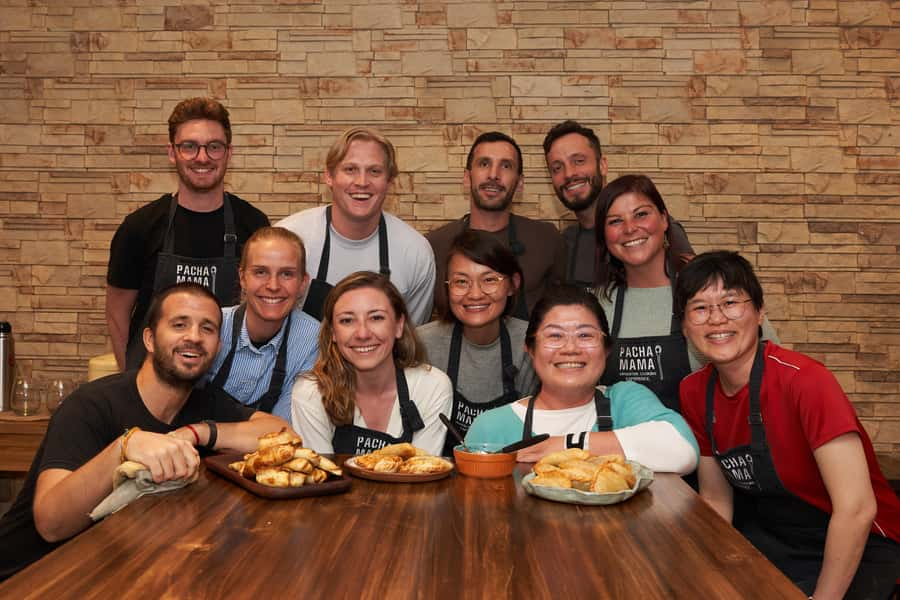
I would recommend this experience to you if you want Argentine food explained through cooking, eating, and conversation. It is particularly well suited to first-time visitors who want context for dishes they will see around Buenos Aires.
You will probably enjoy it most if you like:
- Learning by taking part rather than watching a chef perform.
- Trying several dishes in one sitting.
- Sharing a meal with an international group.
- Drinking Argentine wine with food.
- Taking recipes home for later use.
- Adjusting a menu for vegetarian, gluten-free, or lactose-free needs.
It may be less suitable if you want a private kitchen, a highly technical pastry course, or a tightly timed activity. The shared preparation is part of the charm, but it also means your hands may not be on every recipe from start to finish.
The wheelchair-accessible format is an important practical plus. Hotel pickup and drop-off are not included, so you need to arrange your own way to the venue. The exact address and start times should be checked when selecting a date.
Is $75 a fair price?
At $75 per person, Pachamama is not the cheapest way to eat lunch in Buenos Aires. Argentine restaurants and neighborhood bakeries can offer good food for much less, especially if you are only counting the meal.
The comparison changes once you include the teaching, welcome picada, vermouth, five-part food service, wine, lemonade, and the social setting. You also receive recipe PDFs, photographs, and city tips. For someone who would enjoy both a cooking class and a substantial lunch, the price is reasonable.
The value is strongest for visitors who want an activity with a clear cultural focus. You learn why chimichurri, empanadas, humita, dulce de leche, and mate matter, then taste the results in one sitting.
If you do not enjoy group activities or do not drink wine, the price may feel less attractive. You can still eat the food and take part, but some of the experience is built around sharing drinks and conversation at the table.
Booking advice and small details that matter
You can cancel up to 24 hours before the activity for a full refund, and the reserve-now-pay-later option keeps your plans flexible. That is useful in Buenos Aires, where you may want to leave room for weather changes, football matches, or a late night out.
The standard language is English. Private groups may arrange Spanish, but that is not the listed format for the regular session.
Dietary adaptations are available for vegetarian, gluten-free, and lactose-free diners. Give advance notice so the kitchen can prepare properly. The menu includes beef, dairy, alcohol, and gluten-based items in its standard form.
The experience is described as a small group limited to 10 people, with another capacity note allowing up to 14. I would ask for the expected number before booking if a quiet class matters to you.
Should you book Pachamama?
Book Pachamama if you want a friendly, food-centered way to understand Argentina in one afternoon. The combination of hands-on cooking, local explanations, Durigutti wine, and a shared meal gives you far more context than simply ordering an empanada at a restaurant.
I would especially choose it near the beginning of a Buenos Aires visit, when the recipes and city tips can shape the rest of your eating plans. Go in expecting a cooperative class rather than four private cooking lessons, and you should find the format relaxed, useful, and good value.
FAQ
How long does the Pachamama cooking experience last?
The activity is listed as three hours, while the detailed description gives three and a half hours. Private groups can request a format lasting about two and a half hours.
What food will I prepare?
You will help prepare chipá with barbecue sauce and fermented spicy sauce, beef empanadas with chimichurri, humita stew gratin, and flamed dulce de leche crepes with ice cream and homemade limoncello.
Is a full meal included?
Yes. The experience includes a picada, several prepared dishes, dessert, wine, vermouth, water, and homemade lemonade.
Are drinks included?
Yes. Durigutti wines from Las Compuertas, a vermouth cocktail, water, and homemade lemonade are included.
Is the class taught in English?
Yes. Regular experiences are given in English. Private groups can arrange the experience in Spanish.
Can the menu accommodate dietary restrictions?
Yes. The menu can be adapted for vegetarian, gluten-free, and lactose-free diners. You should provide your dietary needs when booking.
How many people are in the group?
The activity is described as a small group limited to 10 participants. A separate capacity detail says the space can accommodate up to 14 people, so confirm the group size if this is important to you.
Is the experience wheelchair accessible?
Yes, the activity is listed as wheelchair accessible.
Is hotel transportation included?
No. Hotel pickup and drop-off are not included.
Newest classes around the world
- Aroidee’s Farm-Fresh Thai Cooking Experience★ 5.0 · 8 reviews
- Authentic Thai Cooking Class and Farm Visit in Chiang Mai★ 5.0 · 66 reviews
- Signature Thai Cooking Course★ 5.0 · 79 reviews
- Half Day Guided Thai Cooking Class in Chiang Mai★ 5.0 · 13 reviews
- Yummy Tasty Thai Cooking School in Chiang Mai★ 5.0 · 2 reviews
- Online Thai and Akha Cooking Class★ 5.0 · 70 reviews
- Northern Thai Cooking Class in Chiang Mai in a Countryside Home★ 5.0 · 2 reviews
- Private Half-Day Thai Cooking Class in Chiang Mai★ 5.0 · 4 reviews
Cooking Classes, compared.
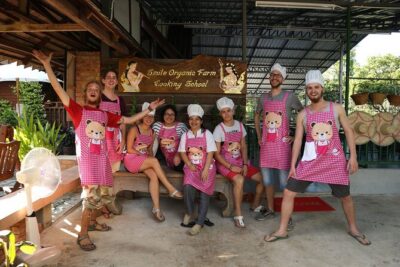
Half-Day Thai Cooking Class at Organic Farm in Chiang Mai
Read our review →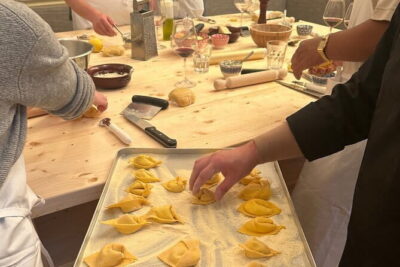

3 in 1 Cooking Class near Navona: Fettuccine, Ravioli & Tiramisu
Read our review →
Pasta & Tiramisu Cooking Class with Unlimited Wine
Read our review →
Hanoi Cooking Class: Culture, Local Market & Meaning CSR Impact
Read our review →
5 Traditional Dishes Hanoi Cooking Class with Market Trip
Read our review →