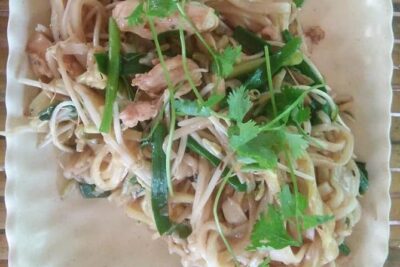
Review · COOKING CLASSES WITH A MARKET TOUR
Nairobi Traditional Cooking Classes and Local Market Visit
Kenyan food makes more sense when you help buy the ingredients, cook them in a family kitchen, and eat the results at the same table. This five-hour Nairobi experience does exactly that, moving from a local farmer’s market to a home kitchen and ending with street food on the ride back.
I like the personal scale of the outing and the chance to cook dishes such as ugali and Kenyan pilau rather than simply order them in a restaurant. I also like the host-led format. Tasha, the cook named by recent participants, offers food choices, keeps the session lively, and lets you take part without expecting you to run the whole kitchen.
The main point to consider is transport. The host’s home is outside the city and not easy to reach by public transport. Private transport is included from the stated pickup areas, but extra Uber or taxi costs may apply in some situations, so confirm the arrangements before you go.
Key points at a glance
- Start at a real farmer’s market: Shop for fruits, vegetables, and other ingredients with your host before cooking.
- Cook in a local home: The class takes place in a modest kitchen outside central Nairobi, giving you a look at everyday household life.
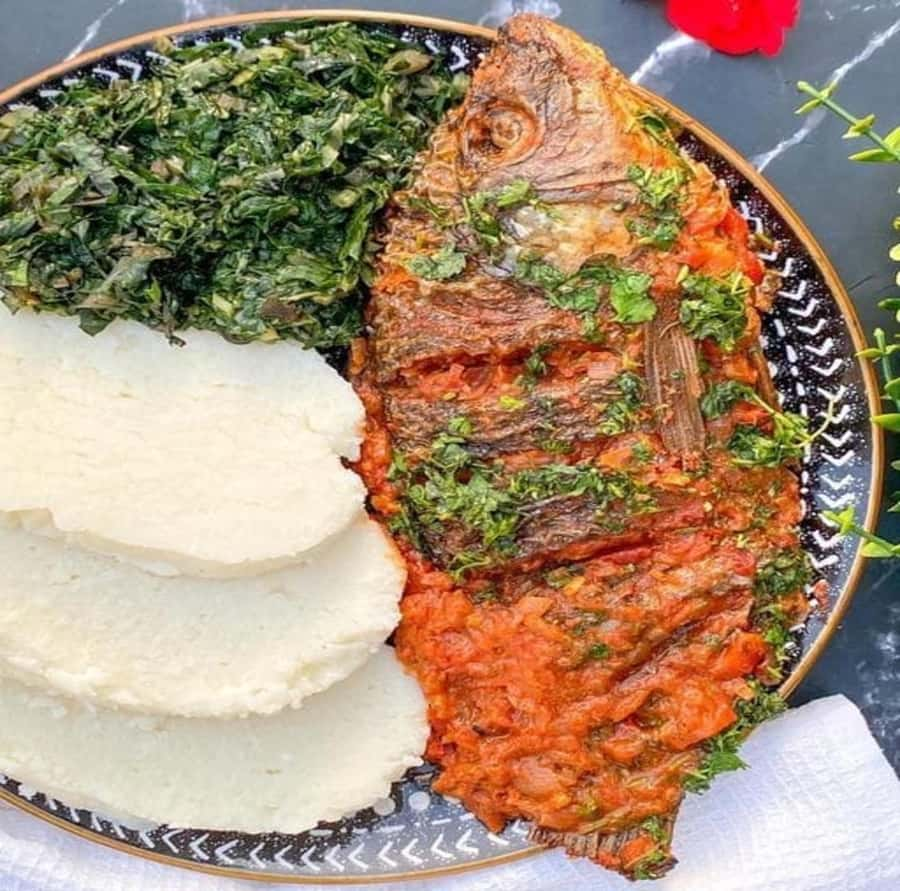
- Choose from familiar Kenyan dishes: Possible foods include beef stew, ugali, pilau, mukimo, chapati, githeri, matoke, fish, and mandazi.
- Meet Tasha, the cook: She offers menu choices and guides the hands-on work with humor and practical help.
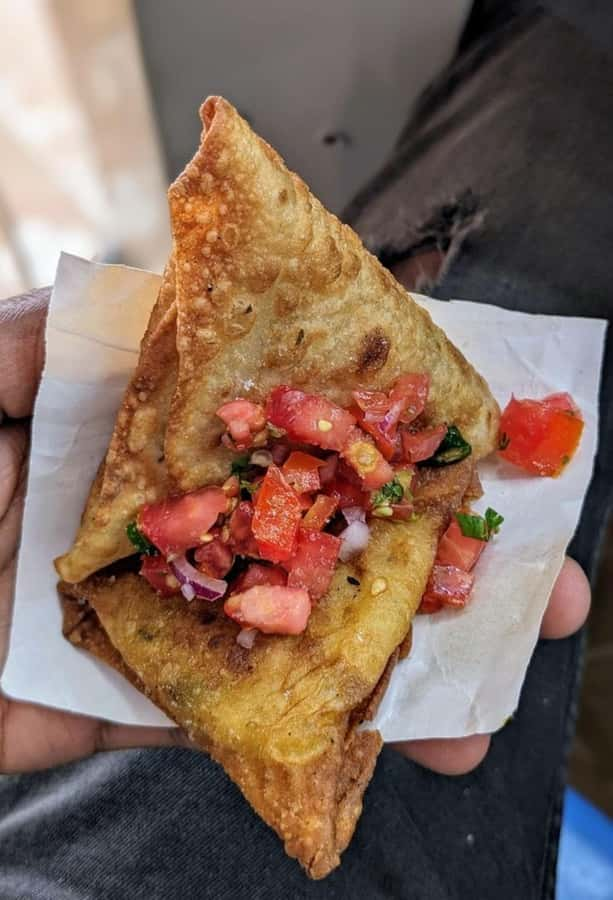
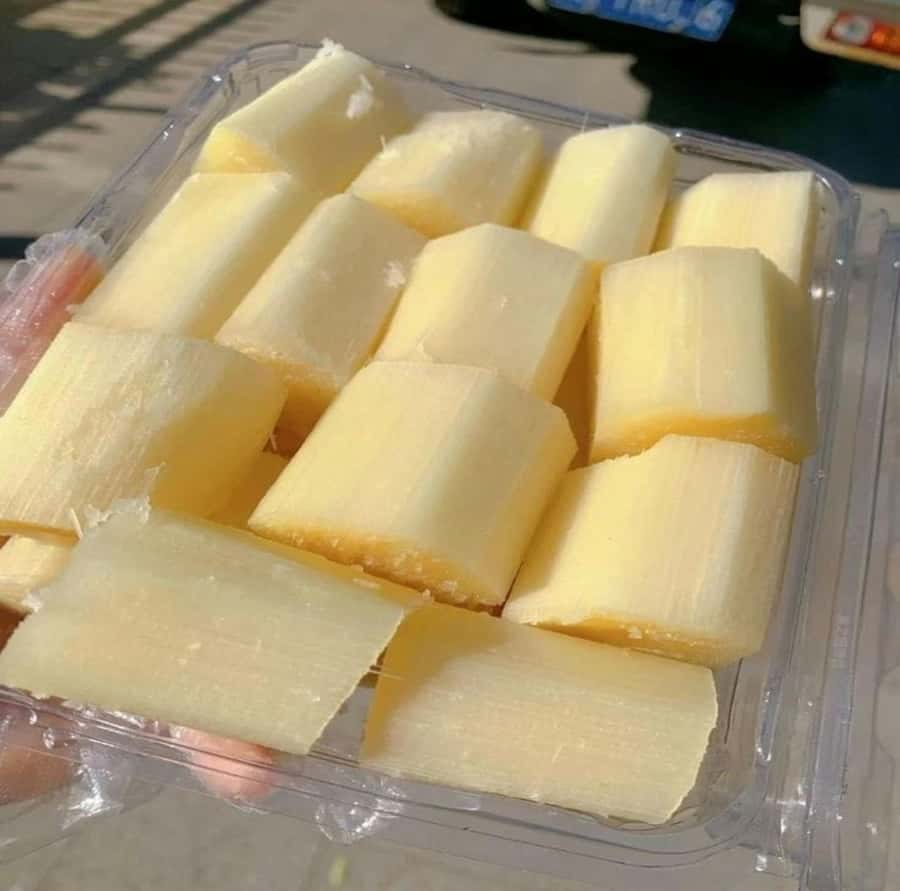
- Finish with roadside snacks: Smocha, smokie, boiled eggs, roasted maize, and sugarcane may appear during the return transfer.
- Allow five hours door to door: Pickup and drop-off are available in Westlands, Karen, and Parklands.
From Nairobi pickup to the market
The experience begins with pickup in Westlands, Karen, or Parklands. Those three areas make the outing easier to fit around a Nairobi stay, but you should choose the pickup point carefully and clarify the return plan if your hotel is elsewhere.
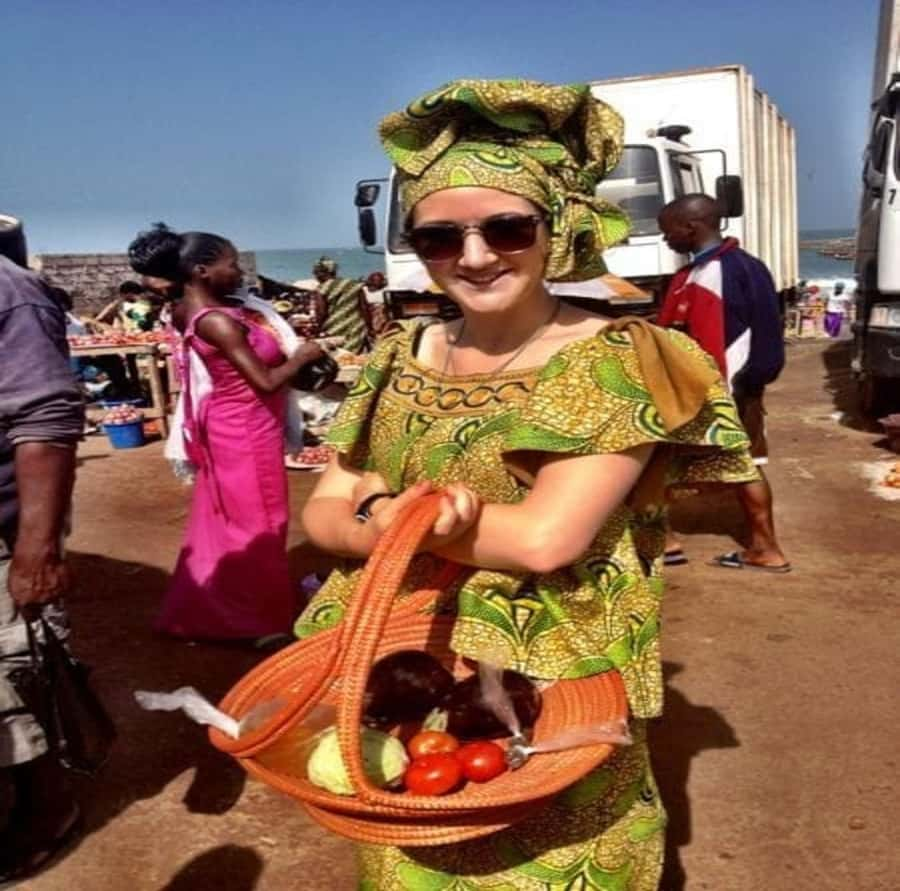
The first hour takes place at a local food market. This is not just a quick stop for a shopping list. You go with your host, see what produce is available, and help select the ingredients used later in the meal. That connection matters. Instead of hearing a dish described in the abstract, you see the potatoes, maize, vegetables, herbs, and other foods that make up an ordinary Kenyan meal.
A market also gives you a useful introduction to local food habits. You can watch how ingredients are presented and ask your guide about what you are buying. The provided information does not promise a particular market name or a fixed list of purchases, so the exact selection may depend on the day’s cooking plan and what is available.
This part may be the most rewarding section for food-minded visitors. It is active, social, and grounded in daily life. It is also less polished than a cooking studio, which is part of the appeal. If you prefer a quiet, highly structured class with every ingredient measured in advance, this format may feel loose.
More Cooking Classes with a Market Tour in the world:
- Hanoi Cooking Class: Culture, Local Market & Meaning CSR Impact
★ 5.0 · 5,147 reviews - 5 Traditional Dishes Hanoi Cooking Class with Market Trip
★ 5.0 · 4,890 reviews - Cooking Class and Lunch at a Tuscan Farmhouse with Local Market Tour from Florence
★ 5.0 · 4,831 reviews
Shopping for the meal, not just looking around
A good cooking lesson starts before the stove. Here, the market visit helps you understand that Kenyan cooking is tied to ordinary staples and shared meals, not only to restaurant dishes made for visitors.
You may help choose fresh produce for foods such as boiled potatoes, sweet potatoes, githeri, mukimo, or matoke. Other possible ingredients support chapati, mandazi, fish, pilau, or a stew. The menu is broad, and you should not expect to prepare every dish in the five-hour visit. It is better to see the list as a range of traditional foods that may be included or selected with the host.
One recent booking with Tasha focused on beef stew with ugali. That is useful information if you want a filling, familiar introduction to Kenyan home cooking. You may also be offered choices, rather than being assigned one fixed recipe. Ask early if there is a dish you especially want to learn.
Bring comfortable shoes and clothes. You are visiting a market, traveling to a home outside the city, and spending several hours around food preparation. The activity information also asks you to bring ingredients, although the market stop is where fresh ingredients are purchased, so clarify exactly what you are expected to provide when booking.
Cooking with Tasha in a local home
After shopping, you travel to the host’s home just outside Nairobi. The kitchen is described as modest in size, which sets the right expectation. This is a home-based cooking experience, not a large demonstration kitchen with separate workstations and restaurant-style equipment.
Tasha primarily handles the cooking, while you help when possible. That balance may suit you if you want to learn without being placed under pressure. You can take part in preparation and ask questions, yet the host remains responsible for the meal. The result is a social lesson rather than a technical chef’s course.
That distinction is important. If you want to master knife skills, precise cooking temperatures, or a detailed recipe book, you may find the instruction less formal than expected. If you want to see how a Kenyan family meal comes together and hear stories about local heritage while the food is prepared, the home setting offers more context than a standard class.
Tasha’s role seems to be central to the tone of the experience. She is described as funny, proactive, and a great cook, and she offers several meal options. Those details suggest that you should speak up about your preferences and take advantage of the conversation. The class is not only about stirring a pot. It is a chance to ask how the food fits into Kenyan life.
The Kenyan dishes you may taste
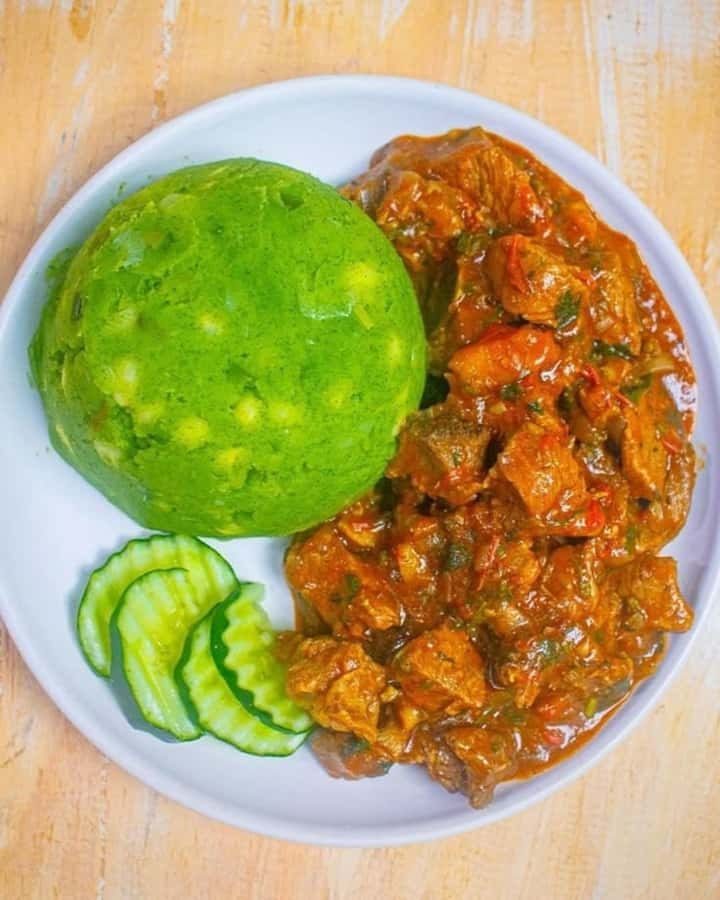
The possible menu covers a wide range of everyday and festive foods. Ugali is a firm maize-based staple commonly served with stews or other savory dishes. Pairing it with beef stew gives you a straightforward introduction to how a filling Kenyan meal may be served.
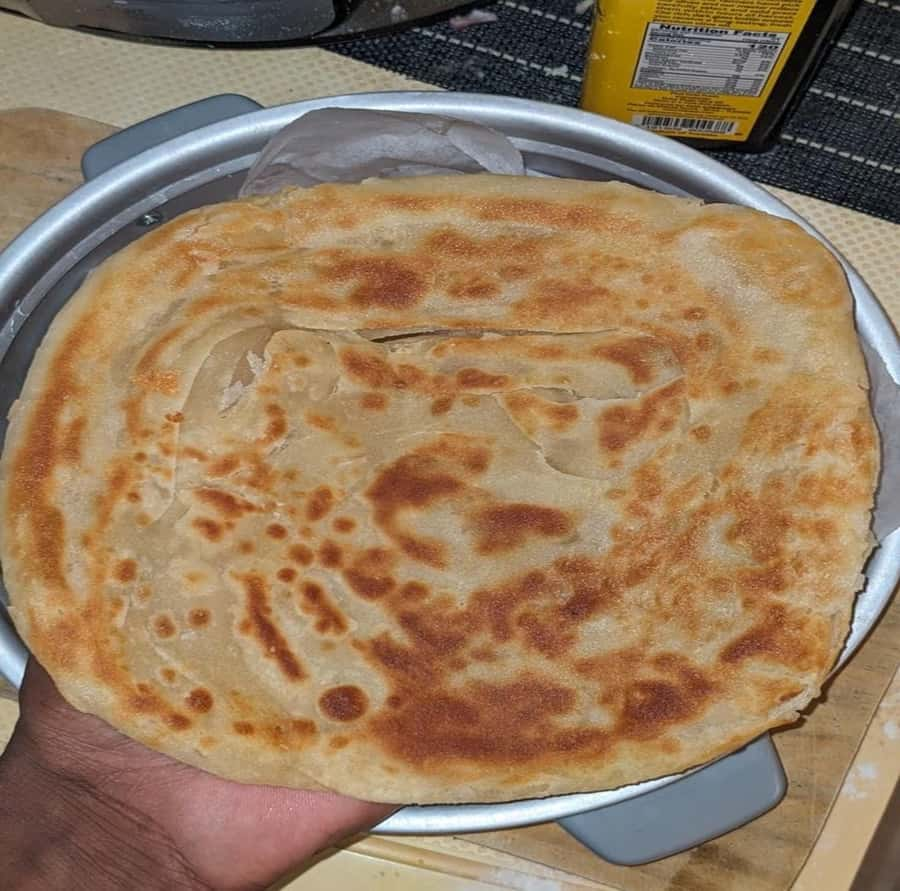
Kenyan pilau brings rice and spices into the meal. It offers a different texture and flavor from ugali, while mukimo combines mashed ingredients into a hearty side dish. Chapati adds a flatbread element, and githeri provides a maize and bean dish that is closely tied to simple home cooking.
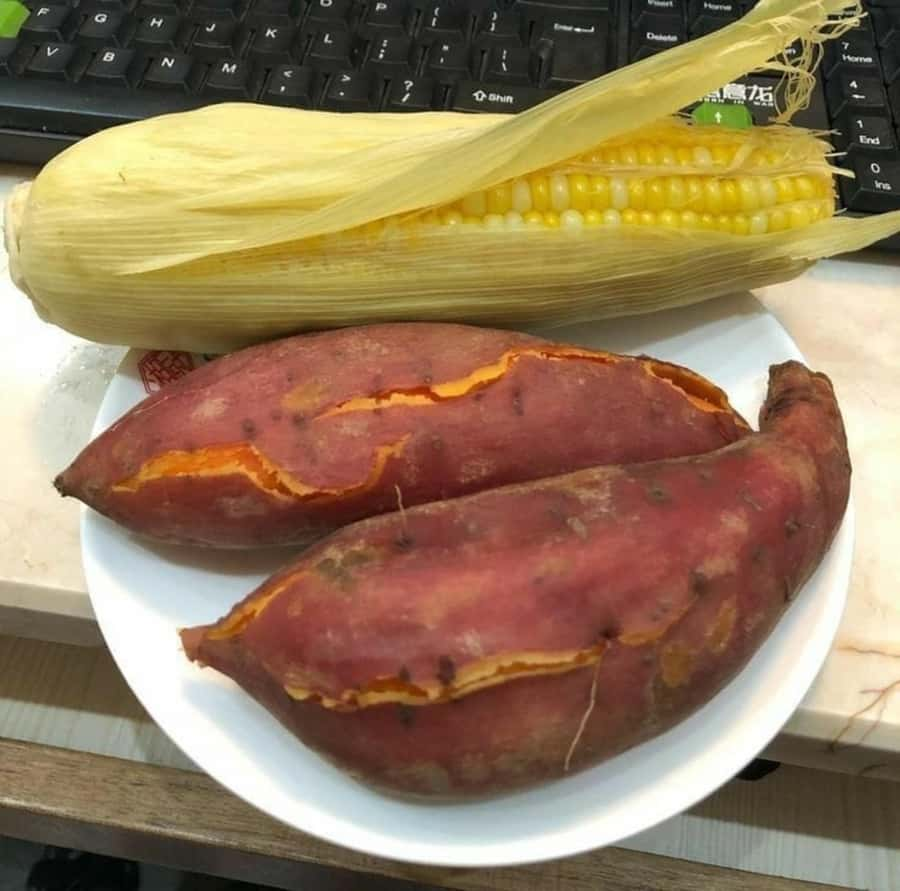
You may also encounter boiled potatoes, sweet potatoes, fresh corn, matoke, fish, mandazi, or other foods from the stated menu. Mandazi is a sweet fried bread, making it a natural bridge between the main meal and dessert or snack time.
Do not expect a restaurant menu with every item served in individual portions. The kitchen is small, the class lasts about three hours, and the host is preparing the food while guiding you. The pleasure comes from tasting a selection and understanding how the dishes are made, not from counting how many recipes you complete.
The menu also gives this activity good appeal for mixed groups. One person can focus on rice and stew, another on chapati or sweets, and someone else can simply observe and ask questions. Still, tell the host about dietary needs before booking. The supplied details do not specify vegetarian, vegan, halal, allergy, or gluten-free substitutions.
More Cooking Classes in the world:
- Half-Day Thai Cooking Class at Organic Farm in Chiang Mai
★ 5.0 · 19,087 reviews - Florence: Pasta Cooking Class with Unlimited Wine
★ 4.9 · 10,285 reviews - 3 in 1 Cooking Class near Navona: Fettuccine, Ravioli & Tiramisu
★ 5.0 · 7,376 reviews - Florence: Pasta & Tiramisu Cooking Class with Unlimited Wine
★ 4.9 · 6,708 reviews
Eating what you helped prepare

Lunch and food tasting take about three hours within the home visit. You get to eat the traditional meal you helped prepare, which gives the cooking a clear purpose. This is more satisfying than making a small sample and leaving hungry.
The meal also gives you time to talk. The activity promises stories about local heritage and a look at a typical Kenyan household. Those conversations are one of the stronger reasons to choose a home kitchen over a hotel restaurant. You get a better sense of how food connects with family life and local customs.
At the same time, the setting is private and personal. Some people will appreciate that. Others may prefer a more social class with several groups cooking together. A private group is available, and the overall format is suited to people who want direct attention rather than a large class.
The feedback from the booking with Tasha is especially useful here: the group chose beef stew with ugali and found the result very tasty. That points to a successful choice if you want a classic, substantial meal. It also confirms that the food is not just for display. You eat what you make.
Street food on the way back
The final hour adds a second food experience. On the way to your drop-off location, you may sample Kenyan street food such as smocha, smokie, boiled eggs, roasted maize, and sweet sugarcane.
This gives the day a nice contrast. The home meal is prepared at a relaxed pace, while street food is quick, informal, and easy to enjoy during a city transfer. Smocha and smokie offer savory snack options, while roasted maize and sugarcane bring a simpler, roadside taste.
Because this section happens during the return trip, it may not feel like a formal tasting stop. The exact order, location, and items may vary. If you have a full stomach after lunch, treat it as a chance to sample rather than a second meal.
The street food stop also adds value to the five-hour schedule. You are not simply driven back after cooking. You get one more look at how food appears in everyday Nairobi life, this time outside the home.
What the $100 price includes
At $100 per person, this is not the cheapest way to eat in Nairobi. The price makes more sense when you count the pieces included: pickup and return transport from the stated areas, the market visit, ingredient shopping, cooking instruction, lunch, food tasting, street food, bottled water, and the private cultural setting.
You are paying for access and organization as much as for food. The host’s home is difficult to reach by public transport, and arranging the market, transfer, meal, and return trip yourself would take time. The private format also means you are not simply joining a standard restaurant meal.
Value depends on what you want from a food activity. If your goal is the lowest-cost Kenyan lunch, you can spend far less elsewhere. If you want a five-hour experience that joins shopping, cooking, conversation, a home visit, and street food, the price is easier to justify.
Ask about transport before you pay. Pickup and drop-off are offered in Westlands, Karen, and Parklands, while Uber charges, taxi costs, and any extra transport arranged by the host are not included. That could change the final cost if you are staying outside those areas.
Timing, comfort, and access
The total duration is five hours: about one hour at the market, three hours for cooking and lunch, and one hour for street food and return travel. Starting times depend on availability, so check the schedule against your Nairobi plans.
Comfortable clothes and shoes are the sensible choice. You will be shopping, traveling, cooking, and eating, so this is not a dressy outing. Bottled water is included, but alcohol and other drinks are not.
The activity is listed as wheelchair accessible. Because the kitchen is in a private home and the host’s location is not easy to reach by public transport, ask for specific access details before booking if you use a wheelchair or have limited mobility. The general accessibility label is helpful, but it does not describe the exact entrance, kitchen layout, or bathroom arrangements.
The activity is conducted in English. A private group option is available, which may be useful if you want to set the pace, choose dishes with your companions, or keep the experience within your own group.
Who will enjoy this Kenyan food experience

I would recommend it most strongly to you if food is one of your main ways of understanding a place. You get market shopping, local cooking, a home setting, and street snacks in one outing, with enough time for conversation.
It also suits couples, families, and small private groups that want something personal rather than a sightseeing stop. The option to choose dishes with Tasha makes it easier to shape the meal around your interests, though you should confirm dietary needs in advance.
This is less suitable if you want a polished cooking school, a precise recipe-led lesson, or a large selection of guaranteed dishes. The host does most of the cooking, the kitchen is modest, and the menu may be adjusted. It is also not the best choice if you need a tour that begins or ends far from Westlands, Karen, or Parklands without extra transport planning.
The experience has received a top rating from the two supplied bookings, both from Aylara of Malaysia on August 11, 2025. Those comments specifically praise the fun of the cooking, Tasha’s humor and initiative, and the tasty beef stew with ugali. The small number of ratings means you should treat that as encouraging rather than as a broad performance record, but the praise is focused on the parts that matter most: the host, the food, and the relaxed atmosphere.
Should you book this Nairobi cooking class?
Book it if you want to spend a half-day doing something active and personal, not simply visiting another restaurant. The strongest reasons are the market shopping, the home kitchen, the chance to choose dishes with Tasha, and the street food at the end.
Before confirming, check three things: your pickup area, the transport cost if you are outside the listed neighborhoods, and the menu or ingredient plan for your group. If those details work, $100 can be fair value for a private five-hour food and culture experience.
Skip it if you want a formal chef’s lesson, guaranteed preparation of every listed dish, or a low-cost meal. For everyone else, especially visitors curious about ugali, pilau, chapati, and everyday Kenyan hospitality, this offers a useful and tasty way to spend an afternoon.
FAQ
How long does the Nairobi cooking experience last?
The experience lasts five hours. About one hour is set aside for the market visit, three hours for cooking and lunch, and one hour for street food and the return trip.
Where can pickup take place?
Pickup is available from Westlands, Karen, and Parklands.
Where can drop-off take place?
Drop-off is available in Karen, Westlands, and Parklands.
Is transportation included?
Private transport from the listed pickup location and back is included, as is transport to and from the local market. Uber charges, taxi costs, and additional transport arranged by the host are not included.
What language is the experience conducted in?
The live tour guide and cooking experience are conducted in English.
What food might I prepare?
Possible dishes include boiled potatoes, ugali, Kenyan pilau, mukimo, chapati, sweet potatoes, mandazi, fish, githeri, fresh corn, and matoke. The exact selection may vary.
Can I choose what to cook?
The host may offer several options. One booking with Tasha focused on beef stew with ugali, so ask about your preferred dishes before or at the start of the cooking session.
What street food might I try?
Possible street foods include smocha, smokie, boiled eggs, roasted maize, and sweet sugarcane.
Is the host’s home easy to reach by public transport?
No. The host’s location is not easily accessible by public transport. Uber and taxis are available, and the host can arrange transport for an additional cost.
Can I cancel the booking?
You can cancel up to 24 hours in advance for a full refund. The experience also offers reserve now and pay later booking.
Newest classes around the world
- Aroidee’s Farm-Fresh Thai Cooking Experience★ 5.0 · 8 reviews
- Authentic Thai Cooking Class and Farm Visit in Chiang Mai★ 5.0 · 66 reviews
- Signature Thai Cooking Course★ 5.0 · 79 reviews
- Half Day Guided Thai Cooking Class in Chiang Mai★ 5.0 · 13 reviews
- Yummy Tasty Thai Cooking School in Chiang Mai★ 5.0 · 2 reviews
- Online Thai and Akha Cooking Class★ 5.0 · 70 reviews
- Northern Thai Cooking Class in Chiang Mai in a Countryside Home★ 5.0 · 2 reviews
- Private Half-Day Thai Cooking Class in Chiang Mai★ 5.0 · 4 reviews
Cooking Classes with a Market Tour, compared.
Hanoi Cooking Class: Culture, Local Market & Meaning CSR Impact
Read our review →
5 Traditional Dishes Hanoi Cooking Class with Market Trip
Read our review →
Cooking Class and Lunch at a Tuscan Farmhouse with Local Market Tour from Florence
Read our review →
Cooking Class, Market & Thai Herbs Garden Tour
Read our review →
Authentic Cooking Class with Market & Farm Visit
Read our review →
Paella Cooking Experience & Boqueria Market Tour
Read our review →
Cooking Class Hoi An:Local Market, Basket Boat, Fishing & Cooking
Read our review →