
Review · HANOI COOKING CLASSES
Mini Hanoi Coffee Workshop: Pick Any Signature Coffee You Like
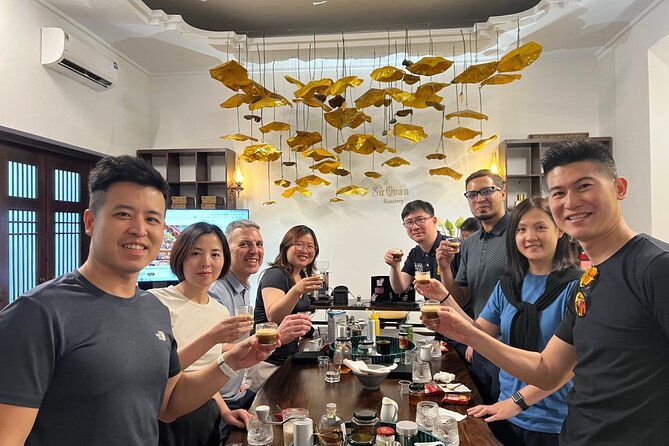
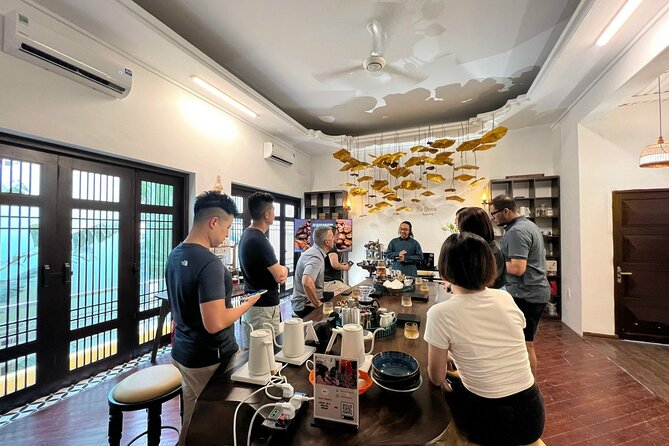
Hanoi’s coffee culture gets wonderfully hands-on in this 90-minute workshop. Inside an Indochine-style villa in a quiet alley, you learn why egg coffee exists, how Vietnamese coffee grew under French influence, and how to make several local styles with traditional tools.
I like the choice of coffees, since you can focus on egg, coconut, salt, or a cocktail instead of being locked into one recipe. I also like the setting and the English-speaking hosts, including Simon, Alex, Trung, and Piey, who bring different personalities to the session.
The main catch is finding Su Quan Roastery at 75/173 Hoàng Hoa Thám. One booking had a start-time change and trouble locating the entrance, though staff sent someone to help. Give yourself extra time and keep your phone ready.
Key points at a glance
- Choose your own coffee styles: Make and taste two to four drinks, depending on your comfort level and interests.
- Learn the story behind the cup: The session covers French colonial café culture, wartime creativity, coffee-growing areas, and Vietnam’s place as the world’s second-largest coffee producer.
- Work with traditional tools: You do more than watch a demonstration. You prepare your own drinks and taste the results.
- A calm Ba Dinh setting: The workshop takes place in an air-conditioned garden villa tucked inside a quiet alley.
- English-led and personal: Simon, Alex, Trung, and Piey are among the hosts associated with the sessions.
- Your purchase supports farm families: Part of the workshop income helps fund education for children connected to the provider’s Da Lat coffee farm.
Entering Su Quan Roastery in Ba Dinh
The experience begins at Su Quan Roastery, at 75/173 Hoàng Hoa Thám in Hanoi’s Ba Dinh district. The address is near public transportation, but the roastery is not presented as a storefront on a broad, obvious street. It sits inside a quieter alley, so the final approach may require more attention than a standard café visit.
I would not arrive at the last minute. The workshop lasts only about an hour and a half, and losing ten minutes to alley-finding cuts into the practical part. Keep the meeting address open on your phone, check the start time carefully, and contact the host if you are uncertain. Staff have helped people who became lost, but it is better to avoid that scramble.
Once inside, the mood changes. You leave Hanoi’s traffic and enter a fully air-conditioned room with a garden-villa feel. That matters in Hanoi, where a hot or humid afternoon can make a warm coffee lesson feel less pleasant. The villa setting also gives the session a more local, residential character than a class held in a busy commercial café.
More Coffee Stops in Hanoi:
- Hanoi Cooking Class: Pho/Bun Cha/Banh Xeo…+Free Egg/Salt Coffee
★ 5.0 · 267 reviews - Hanoi Cooking Class: Pho/Bun Cha/Nem + Free Egg/ Salt Coffee
★ 4.9 · 11 reviews - Da Nang Cooking Class with Coffee Tasting and Market Visit
★ 5.0 · 310 reviews
The first cup is a lesson in Vietnamese coffee
The workshop begins with context rather than a rush to the brewing table. You learn how coffee arrived through French colonial influence and how Vietnam developed into the world’s second-largest coffee producer.
The history is tied to the drinks you make. Vietnamese coffee is not simply coffee with a lot of sugar. Its familiar styles reflect local ingredients, changing tastes, practical creativity, and the way coffee became part of daily social life.
The guide also discusses coffee-growing regions, roasting, and the rituals around drinking coffee. This section should appeal to anyone who wants more than a quick recipe. You begin to understand why a condensed-milk coffee, an egg coffee, or a salted drink belongs to a broader café tradition rather than being a random novelty.
The English presentation is an important part of the experience. Clear explanations make a difference when the subject includes unfamiliar tools, preparation steps, and cultural detail. Simon is frequently associated with the workshop, while Alex, Trung, and Piey have also led or helped with sessions. The tone is friendly and informal, with enough background to make each drink more meaningful.
Brewing two to four Hanoi-style coffees
The central part of the workshop is your choice of coffee creations. You may prepare two to four styles, based on your comfort level and how much you want to taste. The choices include:
- Egg coffee
- Coconut coffee
- Salt coffee
- Coffee cocktail
- Traditional brown coffee
The exact selection is one of the useful features here. If you have a sweet tooth, egg and coconut coffee are natural choices. If you want a more unusual flavor, salt coffee gives you a chance to see how a small savory note changes the drink. The cocktail offers a playful finish and may include liqueurs, according to the experience details.
You work with traditional Vietnamese brewing methods and tools rather than watching someone prepare everything for you. That hands-on element makes the class more memorable, but it also means you should expect to take part. If you prefer a quick tasting with no preparation, a regular café stop may suit you better.
The drinks are made in a cultural setting, then tasted as you go. This lets you compare ingredients and textures while the process is still fresh. Egg coffee, for example, is not just coffee topped with a sweet foam. Making it yourself helps you see how the topping changes the drink’s body and balance.
Coconut coffee brings a different profile and has been a favorite choice for some participants. Salt coffee is useful for people who enjoy trying less familiar combinations. Brown coffee offers a more straightforward comparison with the richer specialty drinks.
The workshop description allows two to four coffees, not necessarily every option. That is worth noting before you book. If you want to taste all the named styles, ask the host what the current session format permits. A 90-minute class has a natural limit, particularly when each drink includes explanation and preparation.
Egg coffee, coconut coffee, salt coffee, or cocktail?
Egg coffee is the obvious choice for a first visit to Hanoi. It is one of the city’s signature drinks, and the workshop explains the method instead of treating it as a mysterious café trick. The sweet, creamy topping makes it approachable, though anyone who prefers black coffee may find it rich.
Coconut coffee is a good pick if you want something cool, sweet, and distinct from the egg version. It gives you a second way to see how Vietnamese coffee works with a creamy ingredient without repeating the same experience.
Salt coffee is for the curious. The flavor can sound strange until you understand that salt may sharpen sweetness and soften bitterness when used carefully. Preparing it yourself gives you a better sense of how much the balance matters.
The coffee cocktail adds variety and a slightly more playful close to the session. Liqueurs may be included, so this is worth considering if you do not drink alcohol. The supplied information does not specify the exact liqueur or cocktail recipe, so ask the host before choosing it.
The traditional brown coffee is the practical benchmark. It lets you taste the coffee in a more familiar Vietnamese form and compare it with the egg and coconut versions. If you only have room for a few drinks, choosing one classic style and one specialty style will give you a clearer contrast.
Same region, a different dish to learn:
- Hanoi Cooking Class: Culture, Local Market & Meaning CSR Impact
★ 5.0 · 5,147 reviews - 5 Traditional Dishes Hanoi Cooking Class with Market Trip
★ 5.0 · 4,890 reviews - Vietnamese Food Cooking Class in Hanoi with Market Experience
★ 5.0 · 778 reviews - Hanoi: 5 Local Dishes Cooking Class with Meal & Market Visit
★ 5.0 · 420 reviews
Herbal tea, local snack, and a slower pace
You receive herbal tea as a welcome drink and a traditional Vietnamese snack during the workshop. These are small touches, but they help pace the tasting. Several sweet or creamy coffees in a short session can be a lot, so the tea provides a gentler break.
The snack is light rather than a full meal. Do not arrive expecting lunch. Instead, think of it as part of the hospitality and a useful pause between preparation steps.
The quiet villa setting also changes the rhythm. Hanoi coffee culture is often associated with compact cafés, street views, and plenty of noise. Here, you get a calmer room where you can listen, ask questions, and work at the brewing table without competing with a busy café crowd.
That calm may be especially useful for first-time visitors who want a clear introduction. You can pay attention to the tools and recipes rather than simply trying to copy a drink while people wait for a table.
What the Da Lat farm connection adds
The workshop has a community element linked to Su Quan’s coffee farm in Da Lat. Families have cared for their land there for generations, and part of the workshop income supports education for farmers’ children.
This does not turn a short coffee class into a major charity visit. You do not visit the farm during the Hanoi session, and the supplied details do not promise a farm tour or direct meeting with growers. Still, the connection gives the lesson a useful reminder: coffee begins with agricultural work long before it reaches a Hanoi glass.
For you, the value is partly practical and partly ethical. You get a class, drinks, recipes, and cultural background, while a portion of the purchase helps a stated education effort. If supporting locally connected businesses matters to your booking choices, this is a meaningful detail to consider.
The value of $15 for 90 minutes
At $15 per person, this is good value if you plan to drink specialty Vietnamese coffee during your stay anyway. A few café orders can quickly approach that price, yet they usually do not include instruction, several tasting styles, a snack, tea, recipes, or the chance to make the drinks yourself.
The value is strongest for coffee drinkers who want skills and context. You leave knowing more about the ingredients and preparation, not just the names of drinks to order. The recipes also give you something practical to carry home.
It is less compelling if you dislike sweet drinks, avoid caffeine, or want a full meal. Several of the signature styles lean creamy or sweet, and the session is built around tasting coffee. The cocktail may contain alcohol, so ask before choosing that option.
The maximum group size is listed as 100 people. That is a large possible ceiling for a hands-on class, though the information does not say how many people are in each regular session. If you care about a small group, ask the provider before booking. The class is conducted in English, which helps, but the pace and personal attention may depend on the actual group size.
Practical timing and booking advice
Plan for about 90 minutes from start to finish. The activity begins and ends at Su Quan Roastery, so you do not need to arrange a second meeting point.
The mobile ticket is convenient, especially if you are moving around Hanoi with your phone. Confirmation is provided at booking. Since the venue is in an alley, arrive early enough to identify the entrance rather than assuming a large café sign will be visible from the main road.
The experience is suitable for people with limited time. It fits neatly into a morning or afternoon and gives you more cultural context than a single coffee stop. It also works well on a rainy day or during a hot spell because the room is air-conditioned.
Free cancellation is available if you cancel at least 24 hours before the start time. Cancellations within 24 hours are not refunded, and changes made inside that period are not accepted. The cut-off follows Hanoi local time, so check the clock before making last-minute changes.
Who will enjoy this coffee workshop most?
I would recommend it first to curious coffee drinkers, especially anyone who has seen egg coffee on a Hanoi menu and wants to understand how it is made. It suits people who like short cultural activities with something to taste and do.
It is also a strong choice for visitors with only a few days in Hanoi. You get a compact lesson in national coffee culture, several drink styles, and a quieter side of Ba Dinh without committing half a day to an excursion.
Families and mixed-interest groups may also find it workable, provided everyone is comfortable with coffee tasting. The snack and hands-on format make it more active than a lecture, while the hosts appear to keep the mood relaxed.
I would hesitate if you want a strictly traditional black-coffee lesson, a full cooking class, or a private experience guaranteed to have very few people. The focus is signature drinks and cultural storytelling, with the number of participants not clearly fixed for each departure.
Should you book the Su Quan workshop?
Book it if you want to understand Hanoi’s coffee culture through your own cup. The strongest reasons are the choice of two to four drink styles, the hands-on brewing, the clear English format, and the peaceful villa setting. Simon, Alex, Trung, and Piey are names to look for when checking the host details, and the personal style of the guide can shape the session.
Allow extra time to find the alley, confirm the start time, and ask about the cocktail ingredients if alcohol matters to you. At $15, the class offers solid value for anyone who wants more than a sugary drink and a quick photograph.
Skip it if coffee is not part of your Hanoi plans or if you want a full meal and a broad cooking lesson. For everyone else, this is a compact, useful way to connect the drinks in your glass with the people, places, and habits behind them.
FAQ
Where does the coffee workshop take place?
It takes place at Su Quan Roastery, 75/173 Hoàng Hoa Thám, Ngọc Hồ, Ba Đình, Hanoi 100000, Vietnam. The activity begins and ends at this meeting point.
How long does the experience last?
The workshop lasts approximately 1 hour and 30 minutes.
Which coffees can I make?
You can choose from styles that include egg coffee, coconut coffee, salt coffee, coffee cocktail, and traditional brown coffee. The session allows you to make and taste two to four coffees, depending on your comfort level and the workshop format.
Is the workshop conducted in English?
Yes. The full experience is conducted in English and led by a cultural storyteller.
What is included in the price?
The session includes the air-conditioned workshop, herbal welcome tea, a traditional Vietnamese snack, hands-on use of brewing tools and methods, and the coffee creations you prepare and taste. Personal expenses are not included.
Can I cancel for a full refund?
Yes, if you cancel at least 24 hours before the experience start time. Cancellations or changes made less than 24 hours before the start time are not refunded or accepted.
Newest classes around Hanoi
- Hanoi Vegan Cooking Class: A Vietnamese Culinary Adventure★ 4.8 · 5 reviews
- Hanoi: Vietnamese Cooking Class- Market Tour with Local Chef★ 5.0 · 2 reviews
- Hanoi’s Culinary: Authentic Cooking Class and Local Market★ 4.8 · 5 reviews
- Hanoi Food Adventure: Vietnamese Market Tour & Cooking Class★ 4.8 · 5 reviews
- Hanoi: Vegan Vietnamese Cooking Class in a Local Villa★ 5.0 · 42 reviews
- Hanoi Cooking Class in Haven of Tranquility – Thom culinary★ 5.0 · 3 reviews
- Hanoi: Village Farm Tour and Cooking Class with Lunch★ 5.0 · 7 reviews
- Hanoi Farm Tour and Cooking Class with Local Family★ 4.9 · 14 reviews
Hanoi Cooking Classes, compared.
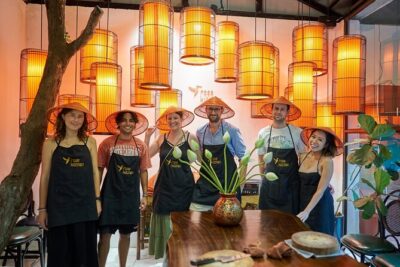
Hanoi Cooking Class: Culture, Local Market & Meaning CSR Impact
Read our review →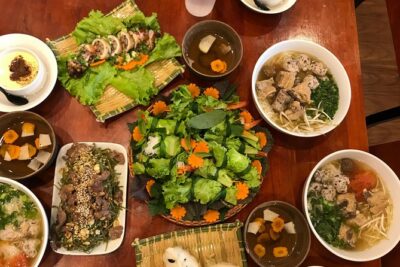
5 Traditional Dishes Hanoi Cooking Class with Market Trip
Read our review →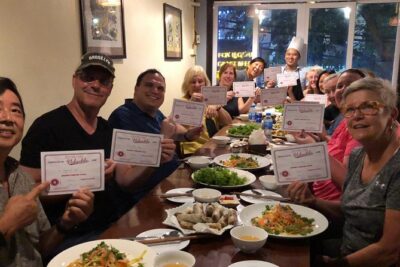
Vietnamese Food Cooking Class in Hanoi with Market Experience
Read our review →
5 Local Dishes Cooking Class with Meal & Market Visit
Read our review →
Hanoi Cooking Class and Market Tour in Ancient House
Read our review →
Rose Kitchen Hanoi: Market, Cooking & Culture Tour + Free PickUp
Read our review →
Cooking Class in a Local Villa with Market Tour
Read our review →
Hanoi Maya Kitchen: Traditional Cooking Class & Market Tour
Read our review →Browse the lists this tour appears in