Review · COOKING CLASSES
Malindi : Kenyan Cooking Class with Campfire Meal
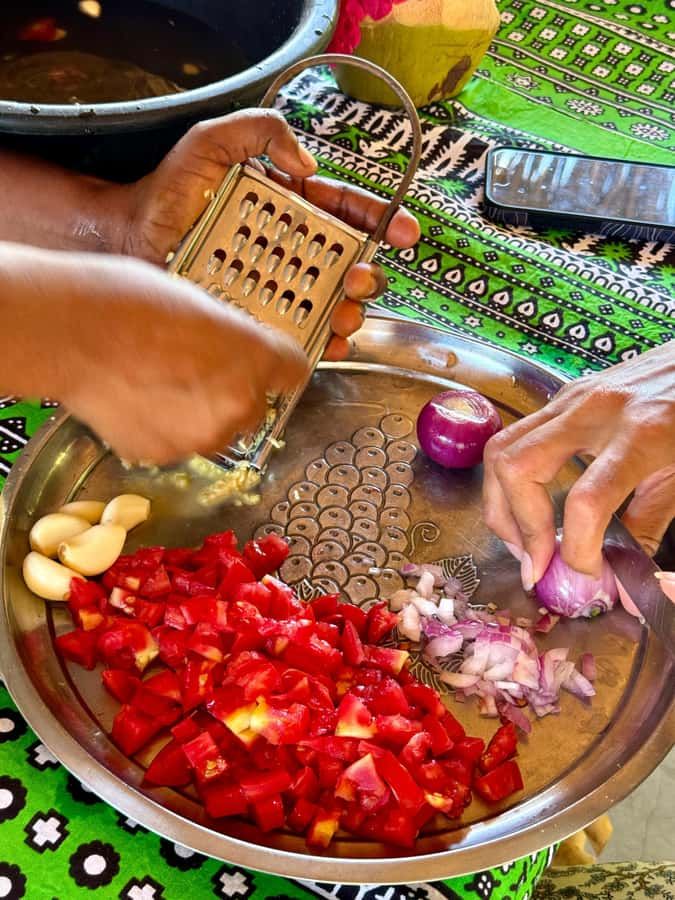
Cooking over a wood fire gives this Malindi experience its spark. At Mida Creek Nature Camp, Harrison guides you through Kenyan dishes with simple tools, local ingredients, and plenty of hands-on work. You do not just watch a demonstration. You chop, stir, shape, and cook.
I like the small group of up to 10, which leaves room for questions, and the chance to request dishes in advance. I also like the setting: a leafy, sandy camp near Mida Creek, where food is prepared outdoors rather than in a polished hotel kitchen. The main drawback is that the menu changes, so you cannot count on one fixed list of dishes. People with food allergies should also think carefully before booking.
Key points to know before you book
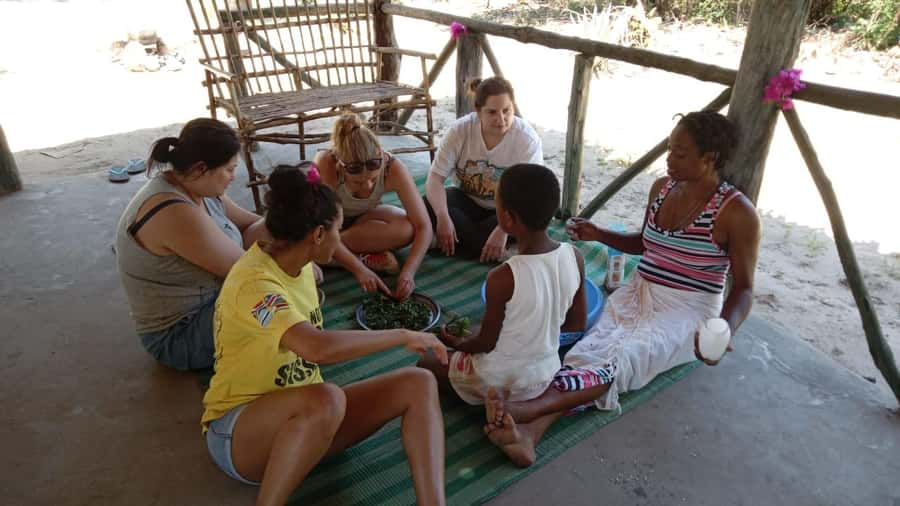
- Harrison leads the class in English, with help from his family and the local camp setting.
- The menu changes from class to class, with possible dishes including Kenyan pilau, ugali, githeri, wali wa nazi, sukuma wiki, stew, nyama choma, matoke, mandazi, and grilled maize.
- You cook over a campfire, using traditional methods and tools rather than a modern demonstration kitchen.
- The price is $25 per person, including the class, ingredients, and the meal.
- You can choose lunch or dinner, depending on the group’s preferred timing.
- You can eat together at the camp or take your food home once the cooking is finished.
A Kenyan cooking class with a campfire at its center
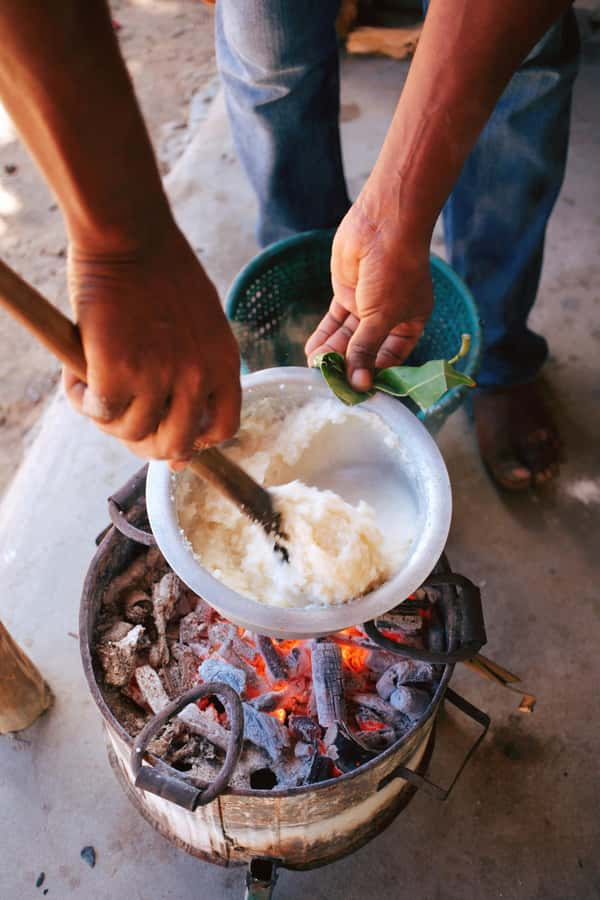
Many cooking classes are really food demonstrations with a little stirring at the end. This one is more practical. You meet at Mida Creek Nature Camp a couple of hours before the chosen meal, then work with the instructor and other participants to prepare a Kenyan menu.
The official duration is two hours. That is enough time for a focused class, but it is worth understanding what that means. You will be busy from the start, and the session is not designed as a long, leisurely lunch with several hours of conversation afterward. If you want to eat the food slowly or spend extra time at the camp, plan that as separate time.
The camp itself gives the class much of its character. The setting is described as leafy and sandy, just off the main road, with cooking done in nature around a fire. That is a very different experience from learning Kenyan food in a restaurant kitchen. Smoke, outdoor heat, and traditional tools are part of the lesson, not distractions from it.
I like this format because it connects the dishes to the way they are prepared. Cooking over a campfire helps you see how heat, timing, and patience shape the food. It also keeps the focus on the people teaching you, rather than on equipment.
More Cooking Classes in the world:
- Half-Day Thai Cooking Class at Organic Farm in Chiang Mai
★ 5.0 · 19,087 reviews - Florence: Pasta Cooking Class with Unlimited Wine
★ 4.9 · 10,285 reviews - 3 in 1 Cooking Class near Navona: Fettuccine, Ravioli & Tiramisu
★ 5.0 · 7,376 reviews
Meeting Harrison and learning through the food
Harrison is the named instructor, and the class is conducted in English. His teaching style is described as careful and patient, with clear explanations and a strong interest in sharing Kenyan culture. That matters in a class built around several dishes, because you need more than a recipe. You need to understand what you are doing as you go.
The experience also has a family feel. Harrison’s family helps create the welcome, and the camp is intended to connect you with local people and community activities. You should not expect a formal culinary school atmosphere. The appeal is the personal contact and the chance to ask questions while the meal takes shape.
The class is limited to 10 participants. That is a useful size for this kind of activity. A larger group would make hands-on cooking harder, especially around a campfire and shared preparation areas. With up to 10 people, you have a better chance to take part instead of standing behind someone else.
Still, group size does not guarantee that every person will handle every dish. The exact division of tasks can change with the menu and the number of people present. If there is a particular technique or dish you want to learn, tell the provider before the session.
What you might cook in two hours
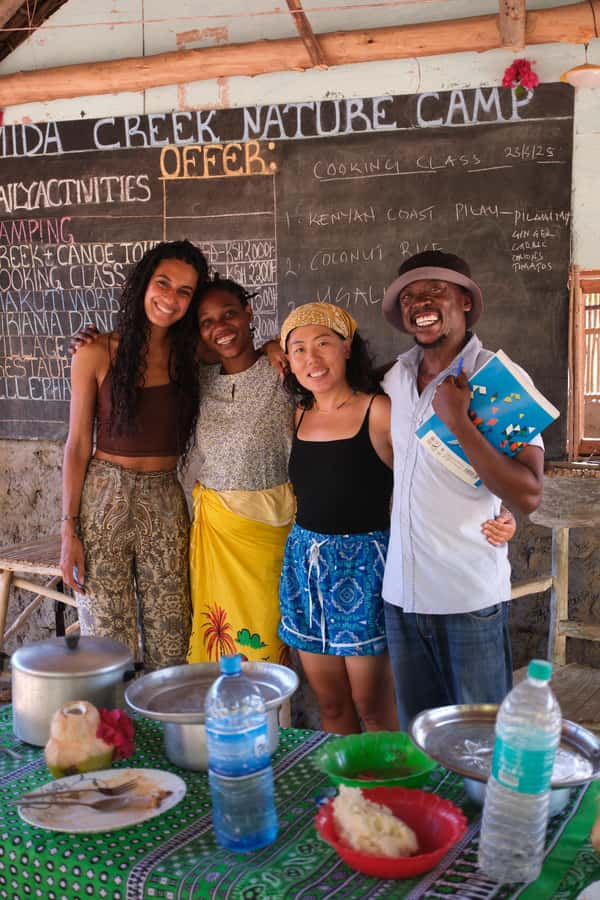
There is no single fixed menu. The class draws from a wide range of Kenyan home cooking, and you can make requests ahead of time. Possible dishes include:
- Ugali, a firm maize-based staple often served with vegetables or stew
- Githeri, a filling combination of maize and beans
- Kenyan pilau, a seasoned rice dish
- Wali wa nazi, rice prepared with coconut
- Sukuma wiki and mchicha, leafy vegetable dishes
- Kenyan stew
- Nyama choma, grilled meat
- Matoke, a plantain or banana dish
- Mandazi, a lightly sweet fried bread
- Grilled maize
This list gives you a sense of the range, but it is not a promise of what will appear on your day. Some classes may focus on a few substantial dishes, while others may produce many smaller items. One recent class prepared seven dishes in less than two hours, showing how much can be covered when the group works together.
That pace can be exciting, but it may feel quick if you want a detailed lesson on every recipe. I would contact the provider before booking and ask about the planned menu. You can also request a special dish you would particularly like to try.
The ingredients are intended to be homegrown when possible. If something is missing, the group can visit a small shop at the camp to get what is needed. That detail adds a useful glimpse of daily food preparation. You are not simply handed a pre-measured cooking kit. You see how a meal comes together from available ingredients.
Why the campfire setting matters
The fire is not just decoration for photographs. It changes the rhythm of the class. You have to pay attention to heat, timing, and the order in which dishes are prepared. Traditional tools add another layer, especially if you are used to an electric stove and a row of neatly labeled ingredients.
I would wear clothes that are comfortable and suitable for outdoor cooking. The only stated clothing advice is to bring comfortable clothes, but that is sensible here. You may be standing, handling ingredients, and working close to smoke and heat. Pets are not allowed.
The natural setting also makes this more than a meal-preparation lesson. Mida Creek Nature Camp has space for other activities, including village, mangrove, and workshop outings organized by the family. Those activities are not part of the two-hour cooking class, so do not assume they are included. They may be worth asking about if you want to spend more time at the camp.
Some accommodation is also available at the camp, including tents and treehouses. Again, this is separate from the cooking experience. The useful point is that you can treat the class as a short visit or ask about making the camp part of a longer stay.
Same region, a different dish to learn:
- Florence: Pasta & Tiramisu Cooking Class with Unlimited Wine
★ 4.9 · 6,708 reviews - Florence: Pasta Cooking Class with Unlimited Wine
★ 5.0 · 6,413 reviews - Hanoi Cooking Class: Culture, Local Market & Meaning CSR Impact
★ 5.0 · 5,147 reviews - 5 Traditional Dishes Hanoi Cooking Class with Market Trip
★ 5.0 · 4,890 reviews
Eating what you have prepared
Once the food is ready, you have two choices. You can sit down and eat with the group, or you can take your creations home. I would choose the shared meal if your schedule allows.
Eating together gives the class a natural finish. You can taste how the different dishes work as a meal rather than as separate samples. It also gives you time to ask Harrison or his family about the recipes and ingredients after the fire has done its work.
The timing is the one point to watch. The advertised experience lasts two hours, and that may include the cooking and meal. One useful suggestion is to allow more time if you want to eat the food at an unhurried pace. If you have a tight lunch or dinner appointment afterward, the class may feel compressed.
Taking the food home is practical if you are staying nearby or cannot remain for the meal. It also means you can enjoy the result later, though you will miss some of the shared social part of the experience.
The $25 price and what it covers
At $25 per person, this is a strong-value activity if you want food, instruction, and local contact in one short outing. The price includes the cooking class, ingredients, and the meal. You are not paying just for a plate of food. You are also getting the preparation, the setting, and the chance to learn techniques you can try again.
The value is especially good for people who prefer an active experience to a standard restaurant meal. You will spend your time making something, not simply ordering it. The class also offers more cultural context than a meal alone, since Harrison explains the dishes and prepares them with traditional methods.
The lower price does come with a few limits. Do not expect a polished, commercial cooking studio, a guaranteed menu, or a long private lesson. The campfire setting is part of the charm, but it also means a less controlled environment. The experience works best if you are flexible and willing to cook with what is available.
You can reserve now and pay later, which helps if your Malindi plans are still moving around. Cancellation is free up to 24 hours before the experience for a full refund. Starting times depend on availability and the group’s choice of lunch or dinner.
Food allergies and special requests
The provider asks you to share allergies and intolerances before the experience. You should do this early, not when you arrive at the fire. You can also discuss a special dish you would like to prepare.
The information for this activity says it is not suitable for people with food allergies. That warning deserves attention. Even if you contact the provider in advance, the class uses shared ingredients and a communal cooking environment, so the experience may not offer the controls needed for a serious allergy.
Food preferences are a different matter, but the available information does not promise vegetarian, vegan, gluten-free, or other special menus. Ask before booking and get a clear answer about what can be prepared. The menu changes, and requests are possible, but they are not guaranteed.
Who will enjoy this most
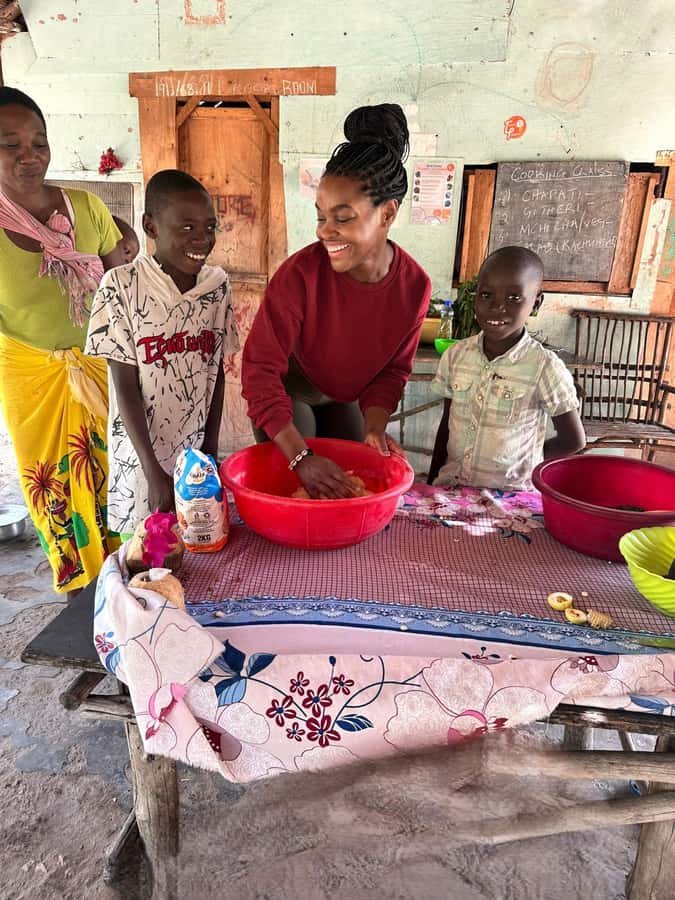
I would recommend this class to you if you enjoy practical cultural experiences, local food, and informal settings. It suits curious eaters who want to learn by doing, especially those who are happy with a changing menu and a bit of outdoor cooking.
It is also a good choice for couples, families, and small groups who want an activity that gives everyone something to do. The 10-person limit helps keep the session personal, though younger children may need close supervision around the fire. The supplied information does not specify a minimum age, so ask the provider if you are considering it for children.
This is less suitable if you want a luxury food experience, a fixed recipe list, or a highly structured professional class. It is also not a good fit for anyone with serious food allergies. If your main goal is to eat rather than cook, a restaurant meal will be simpler.
For an even fuller visit, ask about the camp’s separate village, mangrove, or workshop activities. A canoe outing to Green Island and stays in tents or treehouses are also associated with the camp, but they are not included in this cooking booking. Keep the boundaries clear when planning.
Small details that make the experience work
Bring comfortable clothes and arrive ready to participate. The meeting point is Mida Creek Nature Camp, with directions available through Google Maps. Since the class is tied to a chosen lunch or dinner time, check the available start time before you settle your day’s plans.
Tell the provider about food concerns and dish requests before arrival. This is the most useful step you can take to shape the session.
I would also keep your schedule open after the two-hour class. You may want to sit with the group, eat slowly, or ask about other activities at the camp. The class itself is short, but the setting gives you a reason not to rush away.
Should you book the Mida Creek cooking class?
Book it if you want a hands-on Kenyan food experience with a local instructor, a small group, and a real campfire setting. The $25 price covers the lesson, ingredients, and meal, making it one of the more useful short activities near Malindi for anyone interested in local cooking.
Before you commit, accept three facts: the menu is flexible, the class moves at a good pace, and the setting is informal. Contact the provider about allergies, intolerances, and special dishes. If you are comfortable with those conditions, this is an easy recommendation. You will cook with Harrison and his family, learn several Kenyan dishes, and finish with food you helped make.
FAQ
Where does the cooking class take place?
The class takes place at Mida Creek Nature Camp in Kenya’s Coast Province. You can use Google Maps for directions to the meeting point.
How long does the experience last?
The listed duration is two hours. You meet a couple of hours before lunch or dinner, depending on the group’s preferred timing.
How much does the class cost?
The price is $25 per person. The fee includes the cooking class, ingredients, and the meal.
Is the class offered for lunch or dinner?
Yes. You can choose a lunch or dinner experience, depending on availability and the group’s preference.
What language is the class conducted in?
The instructor teaches in English.
How many people can join the class?
This is a small-group experience with a maximum of 10 participants.
What dishes might I prepare?
Possible dishes include ugali, githeri, Kenyan pilau, wali wa nazi, sukuma wiki, mchicha, Kenyan stew, nyama choma, matoke, mandazi, and grilled maize. The menu changes, and you can make requests before the class.
Can I take the food home?
Yes. When the food is ready, you can eat it with the group or take your creations home.
Are food allergies accepted?
The experience is listed as unsuitable for people with food allergies. You should contact the provider in advance about allergies and intolerances, but people with serious allergies should not assume that safe preparation can be guaranteed.
Newest classes around the world
- Aroidee’s Farm-Fresh Thai Cooking Experience★ 5.0 · 8 reviews
- Authentic Thai Cooking Class and Farm Visit in Chiang Mai★ 5.0 · 66 reviews
- Signature Thai Cooking Course★ 5.0 · 79 reviews
- Half Day Guided Thai Cooking Class in Chiang Mai★ 5.0 · 13 reviews
- Yummy Tasty Thai Cooking School in Chiang Mai★ 5.0 · 2 reviews
- Northern Thai Cooking Class in Chiang Mai in a Countryside Home★ 5.0 · 2 reviews
- Private Half-Day Thai Cooking Class in Chiang Mai★ 5.0 · 4 reviews
- Online Thai and Akha Cooking Class★ 5.0 · 70 reviews
Cooking Classes, compared.
Half-Day Thai Cooking Class at Organic Farm in Chiang Mai
Read our review →

3 in 1 Cooking Class near Navona: Fettuccine, Ravioli & Tiramisu
Read our review →
Pasta & Tiramisu Cooking Class with Unlimited Wine
Read our review →
Hanoi Cooking Class: Culture, Local Market & Meaning CSR Impact
Read our review →
5 Traditional Dishes Hanoi Cooking Class with Market Trip
Read our review →